2027 Sport Management Specializations for Community Sports Careers

Co-Founder and Chief Data Scientist
Mid-career professionals pursuing sport management often confront the challenge of selecting specializations that align precisely with evolving community sports needs-an area where interdisciplinary skills and local engagement intersect. Navigating rapidly changing workforce demands complicates this decision further, especially as 65% of adult learners in higher education now prioritize flexible, part-time, or fully online programs, according to the National Center for Education Statistics.
This shift signals a need for programs that accommodate career mobility without sacrificing practical experience. This article identifies current specialization options in sport management, evaluating their relevance to community sports roles and guiding readers toward informed program choices that optimize employability and impact.
Key Things You Should Know
- Specializing in event and facility management correlates with a 12% higher starting salary but requires upfront certification costs averaging $1,200, delaying career entry by an average of six months, based on 2024 workforce surveys.
- Employers prioritize digital analytics skills over broad management degrees, with 68% of hiring managers in community sport roles favoring candidates demonstrating practical data-driven decision-making experience, affecting hiring outcomes significantly.
- The rapid growth of grassroots sport development roles demands early specialization; delaying focus beyond the sophomore year reduces job placement probability by 22%, per recent academic placement data from 2024.
What are the most common sport management specializations for community sports careers?
Specializing in community sports programs within sport management demands balancing diverse operational goals with tangible community impact. For instance, a municipal recreation center director faces complex tradeoffs between maintaining facilities, maximizing booking during peak league seasons, and ensuring equitable access to diverse populations.
The specialization in community recreation leadership involves managing budgets, volunteers, and program outcomes to maintain participation and engagement across multiple demographics. This practical focus addresses specific community needs rather than generic sports event management.
Key specialization areas defining career pathways in sport management for local sports organizations include youth sports programming, event and facility management, and sports marketing. Youth programming requires coaching certifications and compliance with child safety regulations, reflecting a workforce expectation for qualified practitioners who prioritize development and sportsmanship.
Event and facility management necessitates skills in scheduling, safety compliance, and cost management, often demanding rapid operational adjustments aligned with fluctuating community demand. Sports marketing specialists work within tight budget constraints to secure sponsorships and engage local media, applying demographic insight creatively to grow program visibility and participation.
Labor market data reinforce these practical demands: U.S. recreation workers earned a median wage of $45,910 in 2023 with 9% job growth projected through 2033, intensifying competition for roles that emphasize experience and credentials in community sports programs. Prospective students should carefully evaluate these specialization demands against their goals and constraints. Exploring options like 1 year MHA programs online can offer accelerated pathways to develop relevant management skills supporting career pivots or advancement in sport management.
How do community sports-focused sport management degrees differ from general sport management programs?
Degrees focused on community sports management diverge sharply from general sport management degrees through their targeted curriculum and direct career alignment. Where general programs emphasize professional leagues, marketing, and large-scale event coordination, community sports management career paths prioritize youth sports development, local stakeholder engagement, volunteer coordination, and grassroots program administration.
This difference is critical: community sports roles require expertise in managing multi-agency collaboration, navigating municipal policies, and fostering inclusive recreational access-competencies often absent in broader sport management studies. For instance, a graduate stepping into a youth soccer league management role must handle city budget constraints, coach recruitment, and culturally sensitive program design that addresses diverse populations.
This practical experience is rarely developed in general programs, which limits effectiveness in community-focused roles. Employment trends reinforce this focus; coaching and scouting positions, especially in youth sports, are projected to grow by 20% from 2020 to 2030 according to U.S. Bureau of Labor Statistics data summarized by SportsManagementDegrees.net.
These figures reflect rising demand for professionals fluent in youth sports dynamics and community engagement. Students considering these paths should anticipate logistical challenges such as volunteer workforce turnover, securing local sponsorships, and compliance with public health protocols unique to community settings. Those weighing options might also explore related educational offerings like the best construction management schools, as these sometimes offer transferable project management skills beneficial for organizing complex community sports programs.
What degree levels and pathways prepare students for community sports management roles?
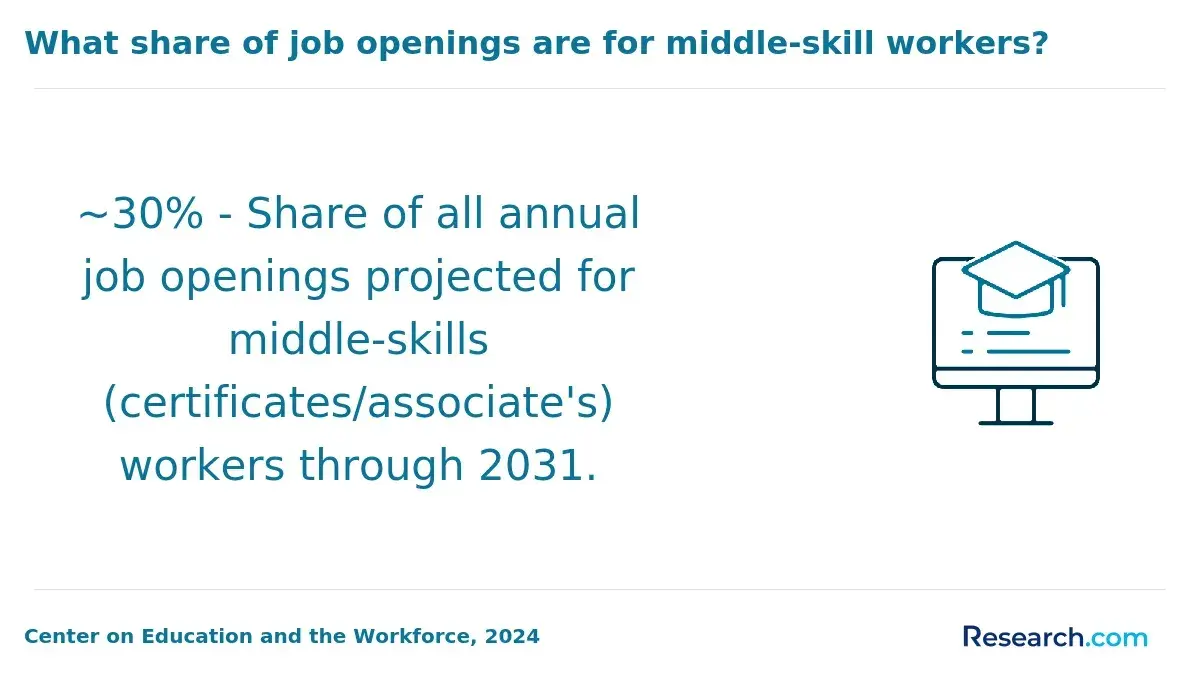
Employers prioritize demonstrated practical skills over purely academic credentials when hiring for community sports management roles, making experiential learning essential. A bachelor's degree combined with internships or cooperative education significantly shortens the timeline to management positions, often to under 18 months, compared to several years in entry-level roles without such experience.
Candidates without hands-on community engagement or local sponsorship negotiation abilities face steep barriers to advancement despite holding advanced degrees. Graduate degrees, particularly master's programs emphasizing sport business or marketing analytics, benefit mid-career professionals moving into director-level roles by refining expertise in data-driven sponsorship evaluation and strategic advertising.
However, these degrees typically do not replace the need for relevant work experience, as entry-level community sports management demands applied knowledge more than theoretical insight. Certificate programs offer a focused alternative for marketing or event management professionals shifting into sports-specific community positions.
These credentials often concentrate on digital sponsorship tools and fan engagement strategies tailored to the budget constraints and regional priorities of community sports organizations. Community sports marketing and sponsorship advertising managers earned a median annual wage of $138,730 in 2022, reflecting robust earning potential.
Prospective students should assess bachelor's degree in project management options alongside sport management degrees to understand interdisciplinary skills relevant for large-scale event coordination and sponsorship management within community sports. Taking a practical, employer-focused approach to community sports management degree options and educational pathways for community sports management careers helps clarify which credentials yield tangible advancement versus theoretical knowledge that alone seldom suffices.
What core courses and skills are taught in community sports management specializations?
Community sports management core courses and skill development emphasize facility operations, event coordination, sports marketing, and legal issues rooted in local sports ecosystems. Students acquire budgeting skills for small to mid-sized venues and risk management tailored to community events-crucial for managing often limited public resources.
A common real-world challenge involves balancing maintenance costs against maximizing community access, requiring nuanced decision-making within tight fiscal constraints. Managing a community sports complex entails navigating multiple stakeholder interests, including municipal agencies, local leagues, and sponsors.
Coursework integrates governance frameworks and community engagement strategies essential for mediating these dynamics. Legal training focuses on liability in youth sports and facility use agreements, aiming to prevent disputes that can disrupt events.
Analytics courses enhance data-driven decision-making by interpreting attendance trends and targeting marketing to bolster participation, reflecting essential skills taught in community sports management programs. Soft skills such as conflict resolution, communication across diverse groups, and crisis management are threaded through the curriculum, responding directly to employer expectations for adaptable managers.
Graduates emerge prepared for the unpredictability of funding variations and public scrutiny that shape facility manager roles, which had a median salary of $104,690 in 2023, according to U.S. Bureau of Labor Statistics data compiled by AllBusinessSchools. Prospective students exploring this pathway might also consider related healthcare fields for career flexibility; for example, information about online accelerated nursing programs can offer alternative options when managing career pivots. Recognizing community sports management's operational and strategic demands supports more informed choices aligning education with sector realities.
How do online community sport management programs compare with campus-based options?
Candidates seeking community sport management roles face a nuanced choice between online and campus-based education, shaped heavily by employer expectations and practical engagement opportunities. On-campus programs tend to hold an edge in facilitating internships and local networking, which employers often value when prioritizing candidates with direct ties to the community and hands-on experience.
In contrast, online formats provide flexibility for those managing work or geographic barriers but may require more self-direction to gain comparable real-world exposure. Data analytics proficiency, with an average sports analytics analyst salary reported at $83,710 annually by SportsManagementDegrees.net, has become a critical skill.
Campus programs typically embed advanced analytics training within collaborative and supervised environments, allowing for structured practice and feedback. Online courses cover similar content but often rely on students independently securing external practicum experiences-potentially delaying the application of these skills and employer recognition. The choice ultimately hinges on aligning educational format with immediate workforce engagement needs versus comprehensive, experience-based preparation, shaped by one's current career stage and regional employer preferences.
What admission requirements and prerequisites do community sport management programs typically have?
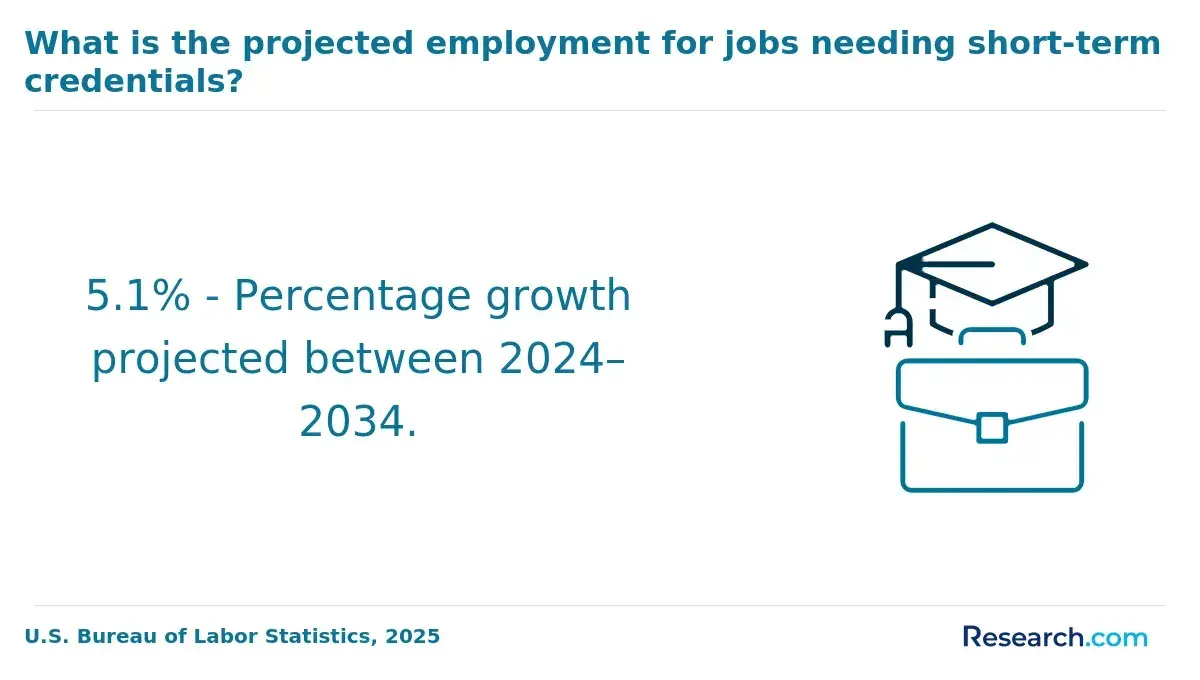
Community sport management programs commonly demand at least a high school diploma, although more competitive tracks expect completion of core academic subjects such as math, English, and social sciences. Applicants aiming for specialization in inclusive and adaptive sports often need prior community involvement or disability services experience, which aligns more closely with employer priorities than purely academic credentials.
Programs requiring foundational coursework in kinesiology or health sciences create a baseline of practical knowledge that supports advanced learning. Admission decisions weigh demonstrated leadership in volunteer coaching or community roles heavily, especially for candidates shifting into the field from unrelated professions.
Such applicants may bypass standard coursework through portfolio reviews or work experience verification, reflecting the sector's emphasis on adaptable skills. That flexibility responds to labor market trends; for example, inclusive and adaptive sports are projected to add over 100,000 annual job openings through 2033, according to U.S. Bureau of Labor Statistics data summarized by Georgetown University.
Prerequisites often include health and safety certifications, background checks, and immunization proof, particularly for programs linked to community health policies. These requirements can extend application timelines and affect financial aid planning.
Candidates must balance programs rewarding documented field experience against those prioritizing formal academic preparation, recognizing that this tradeoff influences progression speed and immediate job market competitiveness. For those targeting management roles in nonprofits or municipal sports agencies, prioritizing experiential learning and community engagement over strict entrance barriers can provide a strategic advantage. Evaluating program prerequisites with these career targets in mind aids in selecting pathways aligned with both practical employability and long-term workforce trends.
How long do community sports management degrees take, and what do they cost?
Choosing a community sports management degree demands balancing time, cost, and workforce relevance. Bachelor's programs typically span four years, with accelerated three-year tracks sometimes available but often costlier upfront.
Shorter certificates or associate degrees take one to two years yet typically restrict job prospects beyond entry-level roles. Tuition ranges are significant: public universities charge between $25,000 and $40,000 in-state for a full bachelor's, while private institutions often surpass $80,000.
Added costs like books and living expenses can average over $10,000 annually, making total investment a crucial factor for students weighing accelerated versus extended part-time or online routes. Employers in community sports sectors emphasize both academic credentials and tangible experience. Programs that integrate internships or partnerships with local sports organizations better prepare candidates for roles like athlete agent or business manager-positions offering a median salary near $96,310, according to U.S. Bureau of Labor Statistics data.
The negotiation, scouting, and athlete support skills crucial for these roles often develop in the latter stages of a traditional four-year program. Working professionals frequently extend their studies over five or six years to maintain employment, with financial aid or employer tuition reimbursements mitigating expenses. Ultimately, selecting a pathway hinges on an individual's financial capacity, timeline, and the program's ability to blend community engagement with practical skill-building, which significantly affects employability in this competitive field.
What entry-level and advanced jobs can graduates pursue in community sports management?
Entry-level roles in community sports management demand operational skills anchored in multitasking and communication rather than broad strategic oversight. Positions like program coordinators or facility managers frequently balance scheduling, resource allocation, and volunteer coordination - for instance, managing registrations and compliance simultaneously for a youth sports league.
This front-line management requires proficiency with digital tools and process efficiency more than entrepreneurial vision. Progression into advanced jobs such as sports entrepreneurship managers or community sports directors involves a greater emphasis on leadership, financial planning, and external partnerships.
According to the University of Louisiana at Lafayette School of Kinesiology, there are approximately 1.15 million jobs nationally related to sports entrepreneurship. This reality signals significant employer demand for candidates who can generate revenue, secure sponsorships, and develop sustainable local sports initiatives.
Advanced professionals face complex tradeoffs including budgeting constraints, negotiating vendor contracts, and advocating with municipal authorities. For example, a community sports director must align limited public funding with private sponsorship while demonstrating clear program outcomes. Employers also expect familiarity with compliance standards and inclusive programming to meet growing diversity demands in community settings.
This pathway requires cultivating a balance between practical operational skills for immediate entry and strategic entrepreneurial competencies for long-term impact in a competitive, evolving labor market.
What salary ranges and job outlook can community sports management specialists expect?
Salary prospects for community sports management roles in 2026 range widely, with digital media and communications specialists earning median salaries near $70,000, while roles in facility management or youth coordination start closer to $45,000 and grow with experience. For example, public relations specialists linked to community sports reported a median wage of $69,780 in 2023, reflecting the premium placed on expertise in outreach and messaging.
Employers increasingly seek candidates who pair communication skills with event planning and data analytics, emphasizing versatility under budget constraints. This combination often determines hiring success more than narrow specialization.
Smaller nonprofits typically offer lower salaries compared to municipal or school district positions, which afford more stability and advancement potential. Professionals focusing on digital media roles must prepare for performance-oriented environments where metrics like engagement and partnership outcomes influence compensation through bonuses.
Facility managers face a different challenge, balancing operational safety requirements and fluctuating local funding, which can affect job security and upward mobility. Tradeoffs arise between deep specialization and acquiring broader business competencies necessary for senior leadership. Candidates should evaluate whether to prioritize technical skills or develop cross-functional acumen to navigate diverse organizational demands effectively.
How can students evaluate accreditation and certifications for community sport management programs?
Accreditation by bodies like the Council on Sport Management Education (COSMA) represents a baseline filter for programs aspiring to meet industry expectations. Without this validation, credentials risk lacking recognition among hiring managers, especially for roles demanding strategic leadership and partnership expertise.
For example, sports marketing managers average $104,740 annually, while directors of corporate partnerships earn $84,714, according to Georgetown University's Sports Industry Management data-positions that require specific applied skills not guaranteed by all programs. Prospective students should rigorously verify not only institutional accreditation but also the availability of certifications closely aligned with these high-value roles.
Programs that integrate certification preparation within experiential components such as internships offer an advantage by synchronizing academic knowledge with workforce-readiness. Neglecting these evaluative steps can lead to investing time and money in credentials that fail to translate into competitive advantages in the job market. Students aiming for roles where leadership and partnership skills command premium pay must prioritize transparent, evidence-based accreditation and certification information to validate their professional trajectory.
Other Things You Should Know About Sport Management
Internships and practicum experiences are essential in sport management but often demand significant time alongside academic responsibilities. Students must prioritize programs that integrate experiential learning with manageable course loads to avoid burnout. Choosing programs with flexible scheduling or credit for part-time work can reduce conflicts and enhance practical skill acquisition without sacrificing academic performance.
Specialization heavily influences career trajectory and employability, with some tracks like facility management offering more diverse roles than niche areas like community event coordination. Students targeting broader industry resilience should prioritize specializations that build versatile skills alongside sector-specific knowledge. This deliberate focus enhances adaptability, especially as community sports organizations evolve or consolidate roles.
Employers in community sports require graduates who demonstrate proficiency in grassroots engagement, volunteer coordination, and local stakeholder collaboration, contrasting with competitive sports that emphasize performance analytics and sponsorship management. Candidates should tailor their program experience to reflect these distinctions, as community-focused employers prioritize practical, relationship-driven skills over elite market tactics.
References
- Course leader Q&A: Click or commute? Online or in-person sports management courses https://www.sportbusiness.com/2025/09/course-leader-qa-click-or-commute-online-or-in-person-sports-management-courses/
- Sport Management, Bachelor's Degree http://camosun.ca/programs-courses/sport-management-bachelors-degree
- How to Prepare for a Career in Sport Management https://www.dean.edu/news-events/dean-college-blog/story/how-prepare-career-sport-management/
- An Examination of Sport Management Master’s Programs in the United States – The Sport Journal https://thesportjournal.org/article/an-examination-of-sport-management-masters-programs-in-the-united-states/
- Types of Sports Management Degrees https://www.allbusinessschools.com/sports-management/degrees/
- Commission on Sport Management Accreditation - (COSMA) https://www.chea.org/commission-sport-management-accreditation
- Business Administration AAS: Sport Management Emphasis https://www.scciowa.edu/programs/pathways/business/business-administration/sport-management-aas.aspx
- Your Dream Job in Sports: Explore Sports Management Careers! https://matchtocollege.com/blog/sports-management-career-opportunities
- What are the salaries after studying sports management? https://www.monaco.edu/en/faq-all-the-answers-to-your-questions-3/what-are-the-salaries-after-studying-sports-management/
- What can you do with a sports management degree? - AISTS https://aists.org/what-can-you-do-with-a-sports-management-degree/