2027 Best Online Sport Management Programs for Professionals Seeking Fitness and Wellness Brand Careers

Co-Founder and Chief Data Scientist
Professionals balancing full-time careers and personal commitments often find traditional sport management programs inaccessible due to rigid schedules or location constraints. This challenge is intensified by a 2024 report from the National Center for Education Statistics, which reveals that over 40% of postsecondary online enrollments come from adult learners seeking flexible, career-relevant options.
These data reflect a broader shift toward modular and asynchronous learning that directly impacts how aspiring sport management professionals can advance without sacrificing job stability.
This article examines the best online sport management programs designed for fitness and wellness brand careers, focusing on flexibility, curriculum relevance, and industry alignment to support strategic career advancement.
Key Things You Should Know
- Graduates from programs emphasizing data analytics now see 23% higher placement in fitness and wellness brand roles, reflecting employer demand for measurable ROI skills amid saturated candidate pools.
- Prior work experience remains pivotal; entry-level credentials without 2+ years in relevant sectors yield 18% lower starting salaries, signaling persistent employer bias towards practical leadership application.
- Programs averaging over $30,000 total cost often extend completion beyond four years due to work-study conflicts, introducing delayed career advancement and increased opportunity costs in rapidly evolving fitness markets.
What are the best online sport management programs for fitness careers?
Employers in fitness and wellness prioritize candidates with applied skills in digital marketing, data analytics, and partnership management over theoretical knowledge, reflecting a clear workforce preference impacting the value of an online degree.
This preference shapes how prospective students should evaluate the best online sport management programs for fitness and wellness careers, emphasizing programs that integrate practical capstone projects or internships connected directly to fitness enterprises. Without these experiential components, graduates often face limited job-entry pathways despite completing coursework.
The projected expansion of the global sports, fitness, and wellness market to $1.6 trillion by 2027 necessitates professionals who grasp the interplay between brand positioning and consumer behavior in a digital economy.
Top online sport management degrees for fitness industry professionals that combine strategic brand management, sponsorship acquisition, and digital content strategy enhance post-graduation employability by aligning curriculum with market demands.
Students balancing employment should consider programs offering asynchronous content alongside real-world assignments, though these programs vary widely in career support offerings. Programs lacking direct corporate partnerships often fall short on facilitating the two years of related experience many employers require, creating a critical tradeoff between flexibility and access to industry networks.
To refine your evaluation criteria, explore options such as a sport management degree online that rigorously integrates applied skills with fitness-specific contexts, a key factor in transitioning effectively into fitness brand management or wellness program leadership roles.
How do I choose an accredited online sport management program?
Choosing accredited online sport management degree programs demands careful scrutiny beyond mere institutional credentials. Accreditation by recognized regional bodies ensures that credits transfer reliably and that employers recognize the credential's legitimacy. Programs without this rigorous accreditation often hinder career mobility and educational continuity.
For candidates targeting roles in fitness and wellness brand marketing, the balance between theory and practical skill application is crucial. Program curricula must integrate marketing, finance, and brand strategy with industry-specific contexts to reflect the dynamic demands of these sectors.
Graduates benefit from programs with measurable outcomes such as strong graduation rates, alumni employment tied directly to sport or wellness organizations, and internships affiliated with established brands. This practical exposure is essential considering the U.S. Bureau of Labor Statistics projects a 10% growth in marketing manager positions in spectator sports with median wages exceeding $140,000 annually.
Flexibility in delivery—especially part-time or asynchronous formats—caters to mid-career professionals maintaining employment while studying. Evaluating faculty backgrounds in sport, fitness, or wellness industries provides insight into networking reach and the relevancy of teaching content.
Conversely, programs focusing predominantly on generic business management without sport-specific application may limit readiness for specialized brand marketing roles.
Students should also consider technological infrastructure supporting remote learning to avoid setbacks that delay graduation or workforce entry. Programmatic career services and employer connections specific to sport management careers further enhance employment prospects.
For those expanding options, exploring comparable fields such as CAHIIM accredited health information management programs online can offer alternative career pathways in related wellness sectors.
What careers can a sport management degree lead to?
Career paths with an online sport management degree in the United States often hinge on securing roles that blend sports insight with sharp business skills—roles like brand managers, event coordinators, or sponsorship specialists. For brand managers, median salaries around $102,000 with total compensation surpassing $120,000 annually reflect a market that values strategic ROI-driven marketing within fitness and wellness brand sectors.
Real-world hiring dynamics reveal that practical experience differentiates candidates. Industry roles targeting top fitness and wellness brand jobs for sport management graduates often require internships, digital marketing knowledge, and networking abilities, particularly in professional sports organizations where competition is intense. Meanwhile, community wellness program jobs prioritize facility management and grant-writing expertise over marketing savvy.
Successful candidates must navigate complex stakeholder expectations, regulatory compliance, and trend translation into measurable campaigns. Event coordinators juggle sponsorship deals alongside logistics, demanding negotiation skills often underestimated in degree programs that lack experiential elements.
Additionally, many employers seek qualifications beyond the degree, such as digital marketing credentials or project management certification. This points to the practical advantage of exploring project management degrees to enhance operational competence alongside sport management knowledge.
Are online sport management degrees respected by employers?
Online sport management degrees carry significant weight among employers in fitness and wellness industries when the programs are regionally accredited and emphasize current industry skills. These degrees prove most valuable when aligned with employer expectations such as event coordination, sports marketing, compliance, and analytics, delivered through practical projects, virtual internships, and case studies.
Candidates pursuing a degree in healthcare administration or sport management online should evaluate how well the program integrates applied skills to ensure market readiness.
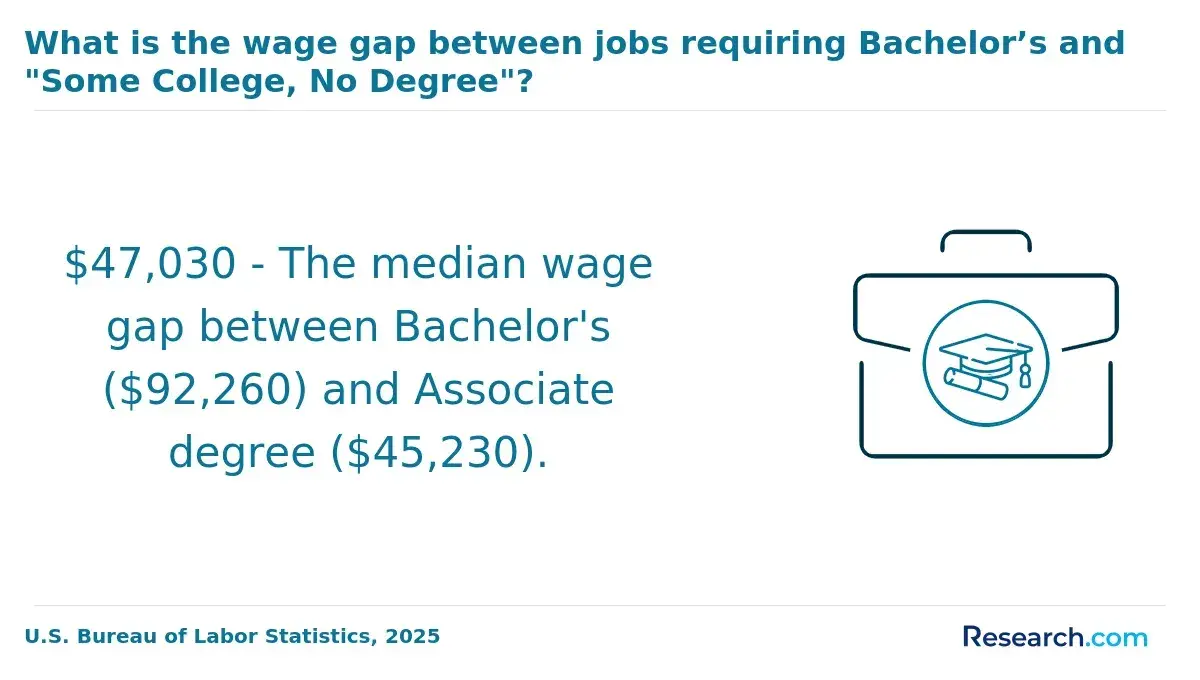
The labor market consistently rewards bachelor's degree holders with sport management expertise, with earnings approximately 65% higher compared to those holding only a high school diploma in comparable roles. This differential underscores that employer recognition extends beyond the delivery format and depends on demonstrated competencies and relevant experience.
Professionals aiming for specialized roles in fitness and wellness brands must weigh the benefits of online degree flexibility against the slower development of in-person networking, crucial for leadership or niche positions such as team management or brand strategy. Programs incorporating mentorship and industry placement support often mitigate these challenges.
Employers in sports marketing agencies and wellness brand management typically require degree completion as a minimum, but advancement hinges on practical experience, certifications, and internships.
While online sport management degrees receive broad acceptance in corporate and large franchise environments, smaller employers may show reluctance, making strategic work experience vital for maximizing career opportunities.
For those considering a degree in healthcare administration or sport management online, resources like degree in healthcare administration programs can offer comparative insights into structuring education to combine rigor with flexibility.
What courses are in an online sport management curriculum?
Choosing an online sport management program demands careful consideration of both curriculum relevance and financial ROI. The stark cost disparity—about $9,000 annually at public institutions versus $33,000 at private ones—necessitates weighing debt burden against income potential in fields like athletic apparel brand partnerships or wellness startups.
Employers prioritize candidates skilled in business fundamentals, legal compliance, and marketing innovation tailored to fitness and sports contexts.
Core coursework typically includes sports marketing and sponsorship, necessary for managing brand relationships; financial principles such as budgeting and revenue management for operational roles; and legal issues covering contracts and liability, essential when navigating regulatory complexities around endorsements or facility operations.
Operational expertise is developed through courses in event planning and vendor coordination, which directly translates to roles organizing tournaments or fitness expos. Data analytics training empowers students to assess consumer trends and optimize brand engagement—a vital skill as digital metrics increasingly guide strategy. Leadership and communication modules strengthen team management and negotiation abilities across diverse sport-related settings.
Practical application through internships or capstone projects is a key differentiator, bridging theory with real industry challenges in brand marketing departments or sports facility administration. For professionals weighing program options, prioritizing institutions with strong industry networks and experiential placements frequently delivers more tangible employment gains than prestige alone.
What are the admission requirements for online sport management programs?
Admission to online sport management programs hinges on proving both academic capability and relevant professional experience, not merely meeting broad eligibility criteria. Most programs expect a GPA between 2.5 and 3.0 from undergraduate work, supported by official transcripts to verify academic records.
Certain schools require foundational coursework in areas like business or kinesiology, reflecting the specialized demands of the curriculum. For experienced professionals, some institutions waive prerequisites if applicants demonstrate applicable work history, but this flexibility varies widely.
Standardized tests such as the GRE or SAT have become less common but remain part of the admissions requirements at competitive programs. Alongside academic credentials, admissions committees look for professional readiness, often requiring a resume with relevant experience, especially for candidates shifting into fitness and wellness brand roles, where management competencies directly affect employability.
Application packages typically include two or three letters of recommendation emphasizing academic or managerial potential, and personal statements that clarify candidates' goals within sport management. For example, applicants aiming for leadership positions in wellness program coordination should highlight past roles in marketing or customer engagement to demonstrate applicable skills and career alignment.
International candidates usually need English proficiency proof such as TOEFL or IELTS scores. The expansion of fully online sport management options-up by over 40% since 2019-has intensified competition and heightened employer expectations.
Programs now require applicants to present a well-rounded profile combining verified academic preparation with practical experience to meet the evolving demands of fitness and wellness sectors.
How long does an online sport management degree take?
Online sport management degrees range from roughly 18 months to four years, with significant variation driven by enrollment status, program structure, and specialization. Bachelor's degrees typically demand a full-time, four-year commitment unless accelerated options or credit transfers apply. Master's programs usually span 1.5 to 2 years but may adjust depending on whether students choose niche paths such as athlete brand management or fitness marketing.
Professionals balancing existing sports-related careers often prioritize flexible master's programs to obtain credentials without pausing full-time work. However, compressed timelines can limit exposure to essential applied projects like social media strategy or influencer relationship management—skills increasingly demanded due to a surge in NIL deals, which in 2023-24 exceeded 500,000 contracts valued at over $1.2 billion, per the Opendorse 2024 NIL Market Report.
Employers expect candidates to combine academic credentials with practical experience. This often means internships or certifications, which can extend education beyond coursework but substantially improve job readiness.
When evaluating programs, prospective students should emphasize:
- Clear career pathways and alignment with evolving digital branding demands
- Industry partnerships facilitating real-world networking and practicum opportunities
- Pacing options that realistically accommodate professional and personal commitments
How much do online sport management programs cost?
Tuition for online sport management degrees ranges broadly, from about $10,000 to $40,000 for full program completion. Associate degrees or certificate programs typically start near $5,000, whereas master's degrees at private institutions can exceed $30,000. The price variance reflects differences in program scope, institution type, and credit requirements, but cost alone doesn't capture return on investment.
Professionals pivoting toward digital marketing roles in fitness brands, for example, must weigh tuition against alignment with employer demands for social media strategy expertise, as social media marketing within fitness is growing annually by 17% and consumes up to 30% of marketing spend in the sector.
Key considerations beyond sticker price include:
- Opportunity costs of time spent studying versus income lost
- Availability of financial aid and part-time or flexible online options
- Program reputation for practical, skill-focused training in areas like event management, digital marketing, or facility operations
- Accreditation status and credit transfer policies that affect program duration and total cost
Choosing lower-cost programs may suffice for event management roles that emphasize hands-on experience over digital skills. However, mid-career professionals targeting market-responsive specializations must prioritize curricula that demonstrate employer-valued competencies. Program support for applicable real-world skills often carries more influence on long-term employability than tuition price alone.
What certifications help fitness and wellness brand careers?
Certifications that blend fitness expertise with digital marketing and analytics are increasingly necessary for niche roles in sport management, especially within esports and connected fitness platforms. Traditional credentials like the Certified Strength and Conditioning Specialist (CSCS) and Certified Personal Trainer (CPT) remain relevant but often insufficient on their own.
Employers in fast-growing segments, driven by a reported $1.3 billion surge in esports revenue, prioritize candidates who can integrate brand strategy with tech-enabled performance insights.
For someone transitioning into sport management from fitness, the choice between a singular certification and a combined credential package involves weighing extended upskilling timelines against improved marketability.
For example, adding a digital sponsorship or influencer marketing certification to a fitness credential can open roles in esports sponsorship management but requires additional time and financial investment. Employers tend to favor candidates who demonstrate an ability to apply data-driven marketing to brand growth across multiple digital channels.
Key factors to consider include:
- Alignment between certification content and emerging sector demands
- Practical utility of combined fitness and digital marketing skills in job functions
- Tradeoffs between credential breadth and depth versus speed to employment
A strategic certification mix tailored to sectors like esports sponsorship or connected fitness tech maximizes career potential. Relying solely on traditional fitness credentials overlooks evolving industry requirements; therefore, professionals should prioritize certifications that reflect both sport management fundamentals and digital brand engagement metrics.
What salary and job outlook do sport management graduates have?
Salary outcomes for sport management graduates in 2026 depend heavily on the sector and role they pursue, with clear implications for career strategy. Entry-level positions in traditional team management or collegiate athletics offer starting salaries between $45,000 and $60,000 annually, based on U.S. Bureau of Labor Statistics 2024 data.
In contrast, graduates moving into fitness, wellness, health-tech, or lifestyle brands typically command higher starting salaries, from $55,000 to $75,000, reflecting stronger corporate investment and sector growth.
This salary divergence often drives about 60% of graduates to work outside conventional league or team roles within five years, as reported by the North American Society for Sport Management 2024 career outcomes survey.
Job outlook also varies: traditional roles face limited staffing expansion, whereas fitness and health-tech sectors project 8-12% growth rates through 2030, according to the U.S. Department of Labor. This growth supports roles requiring digital marketing, data analytics, or product development skills, which differ substantially from athletic administration.
Graduates should prioritize developing transferable business and technology skills to avoid stagnation in narrowly defined sports roles. Without upskilling in digital platforms and wellness trends, career progression faces a ceiling despite degree completion. Aligning education with these evolving industry demands maximizes employability and long-term income potential.
Other Things You Should Know About Sport Management
Networking is crucial in 2027's leading online sport management programs, offering professionals valuable industry connections and practical insights. Many programs integrate networking through virtual events, mentorship opportunities, and alumni networks, significantly enhancing career prospects in fitness and wellness brand management.
Specializations such as marketing, event management, or sports analytics influence the types of roles accessible post-graduation. Selecting a specialization aligned with industry demand enhances job placement prospects and salary potential. Candidates should prioritize specializations that align with their target employer sectors, as generic sport management degrees may offer less competitive advantage.
Networking remains critical despite the remote format. Programs with structured industry connections, mentorship, and live collaboration deliver better access to job leads and internships than self-paced models. Students should choose programs that emphasize active engagement and opportunities for relationship-building to bridge the gap between online learning and employer expectations.
Employers in sport management prioritize candidates who demonstrate practical skills through internships, live projects, or case studies over purely theoretical knowledge. Programs focusing heavily on theory may limit readiness for operational roles in fitness and wellness brands. Prioritize programs integrating applied learning to improve hireability and skill applicability in real-world settings.
References
- What are the career options after a master's degree in sports management? - INSEEC https://www.inseec.com/en/guides/career-path-guide/what-are-the-career-options-after-a-masters-degree-in-sports-management/
- Sports Management Digital https://www.euruni.edu/en/Bachelor-s/Sports-Management-Digital.html
- Online Sports Management Courses - Training.co.nz https://www.training.co.nz/courses/sports-management/
- How Professionals from Other Industries Can Build a Career in Sport Management - AISTS https://aists.org/how-professionals-from-other-industries-can-build-a-career-in-sport-management/
- Sports Job Training & Certification Courses | Sports Management Worldwide https://www.sportsmanagementworldwide.com/courses
- Online Bachelor's in Sports Management https://www.monroeu.edu/academics/undergraduate-programs/monroe-online/school-business-and-accounting/online-bachelors-sports-management
- Sport Management professions I AMOS https://www.amos-business-school.eu/en/sport-management-professions/
- Types of Sports Management Degrees https://www.allbusinessschools.com/sports-management/degrees/
- Why study for a Sports Management degree https://brive.com/blog/studies/sports-management-degree/
- Sport Management – Career and Professional Development Center | Robert Morris University https://careercenter.rmu.edu/channels/sport-management/