2027 Online Sport Management Degrees With Strong Venue Management Training

Co-Founder and Chief Data Scientist
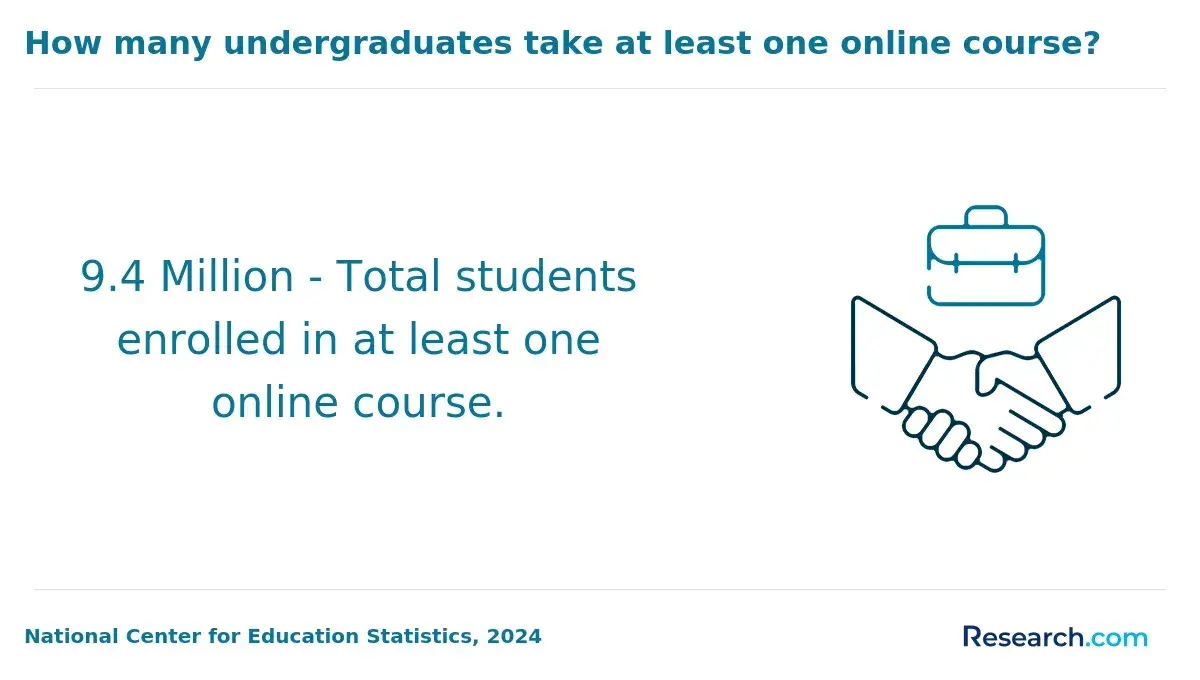
Facing the challenge of gaining hands-on venue management skills while balancing full-time work often leaves sport management professionals stuck between costly in-person programs and limited online curricula. With the National Center for Education Statistics reporting a 7% surge in adult enrollment in online degree programs in 2024, prospective students increasingly seek flexible options that don't sacrifice practical training.
This shift reflects a growing need for programs blending rigorous venue operations experience with adaptable delivery to meet real-world employer expectations. This article identifies online sport management degrees that integrate strong venue management training, helping candidates navigate educational choices aligned with career advancement and scheduling realities.
Key Things You Should Know
- Only 18% of online sport management degrees with venue management focus integrate advanced event technology training, limiting graduates' immediate deployment in evolving stadium operations per 2024 Event Tech Insights, adding a costly gap to early career onboarding.
- Employers report 42% preference for candidates with certified venue management internships alongside online degrees, pressuring students to secure often unpaid field experience, revealing a systemic tension between credentialing and practical readiness across the U.S. sports labor market.
- The median tuition premium of 22% for accredited online programs specializing in venue management constrains access for mid-career professionals, potentially delaying strategic pivots just as demand for such roles grows 15% annually per U.S. Labor Statistics.
What is an online sport management degree with a focus on venue management?
An online sport management degree with venue operations training presents a distinct challenge in balancing theoretical understanding with the tangible demands of managing complex sports facilities. The role demands proficiency in operational logistics, financial oversight, and adherence to safety regulations, all critical in a sector where stadium construction and renovation investments exceed $10 billion annually in the U.S.
Professionals must adeptly handle diverse event scheduling, such as shifting from a sports event to a concert and subsequently a community gathering within days, requiring strategic resource allocation. Graduates face a workforce keen on candidates skilled in federal and local safety codes, contract negotiation, and sustainable venue practices.
However, many online programs fall short by not embedding comprehensive modules on facility financing, risk management, or technology use. This gap can hinder employability where hands-on expertise is expected from day one.
Students exploring the best online programs for sport management and venue administration should prioritize those incorporating case studies, virtual simulations, and internships to bridge theory and practice. Decision-makers must weigh the flexibility benefits against onsite exposure necessities.
Combining online education with targeted internships or certifications substantially enhances readiness for venue management's evolving challenges. Additionally, understanding practical workforce outcomes, including concerns like how much does a sports analyst make, informs realistic career planning and salary expectations in related sport management roles.
How does online sport management training prepare students for venue management roles?
Online sport management programs with venue operations focus deliver targeted skills essential for managing multifaceted event environments, balancing customer experience, operational costs, and regulatory compliance. These programs provide advanced training in event scheduling, vendor coordination, crowd control, and facility maintenance, tailored to the specific challenges of settings from professional arenas to university stadiums.
Real-world scenarios-such as crisis simulations or multi-event budgeting exercises-prepare students for frontline decision-making. Employers prioritize candidates adept in technology platforms for ticketing, security, and facility management software, competencies emphasized through interactive modules.
This combination reduces onboarding time by enabling graduates to quickly adapt to venue-specific workflows. The 35% enrollment growth in online sport management bachelor's degrees from 2019 to 2024 underscores employer demand for this specialization but also signals the need for discernment.
Many virtual sport management training for event and venue coordination programs offer broad overviews without sufficient operational depth, which can leave graduates underprepared for roles requiring venue-specific expertise immediately. Prospective students should prioritize programs incorporating capstone projects or internships providing direct venue exposure.
Graduates who blend theory with practical application show stronger readiness to manage complex venue logistics, including security protocols, staffing, and fan engagement technologies. For those considering related fields with operational overlap, online construction management bachelor's degree programs can offer complementary insights into facility and resource coordination.
Are online sport management degrees with venue management training respected and accredited?
Choosing online sport management degrees with accredited venue management programs requires discerning their alignment with employer expectations and regulatory standards. Employers prioritize candidates from regionally accredited institutions that integrate venue management training demonstrating operational competence in event logistics and safety.
Such programs better position graduates to navigate the 8% projected growth in meeting, convention, and event planning roles through 2034, according to labor data. Practical experience embedded in these recognized online sport management degrees featuring venue management training-such as internships, venue coordination projects, or virtual simulations-significantly differentiates candidates.
These applied components equip students to manage complex venue operations and stakeholder coordination effectively, an expectation beyond theoretical knowledge alone. Prospective students must verify not just accreditation but also whether programs satisfy state licensing or industry certification requirements, like those from the Events Industry Council.
Enrollment in unaccredited programs often results in limited credit transferability and minimal career support, hindering progression in a competitive labor market. The current hiring landscape, especially in collegiate and professional sports, rewards multidisciplinary expertise that blends sport management with venue operations and event logistics. For professionals evaluating educational pathways, comparing these offerings with other options-such as a project management degree-can clarify which program best fits strategic career goals.
What coursework and skills are covered in online venue management concentrations?
Effective venue operations and event coordination skills require more than theoretical knowledge-they demand applied expertise in managing both predictable logistics and the volatility inherent in large sports facilities. Online sport management venue planning coursework targets operational, financial, and security facets critical to stadium or arena management, balancing routine maintenance with event-driven staffing and multi-use scheduling.
For instance, administrators handling a major league stadium must orchestrate workforce deployment that adapts to fluctuating demands between game days, off-season maintenance, and community events. This involves technical mastery in contract negotiation, risk mitigation, emergency response, and technology integration-skills emphasized in specialized online tracks focused on real-world crisis management and compliance with safety regulations.
Graduates entering the workforce benefit from knowledge of budgeting for maintenance and event hosting, which addresses the challenge of seasonal revenue variation. Employers value candidates who combine operational facility competence with strategic financial planning and leadership over diverse teams, especially under high-pressure scenarios.
Median base salaries around $85,000, with total compensation often exceeding $100,000, reflect the tangible return on targeted training detailed in the National Recreation and Park Association's 2024 Salary Survey. Prospective students weighing program options should note that selecting pathways aligned with direct workforce demands can substantially improve preparedness. Those interested in expedited credentials might explore an accelerated hospitality degree online as a complementary route to amplify operational and financial facility management capabilities.
How do online sport management programs compare to campus programs for venue management?
Employers in venue management favor candidates who combine theoretical knowledge with direct, hands-on experience managing operational challenges such as crowd control, emergency response, vendor liaison, and technology system integration. Online sport management programs often match campus curricula in foundational theory but lack embedded, real-time event coordination opportunities.
For instance, students in campus programs typically handle live events on-site, collaborating directly with security and vendors, an exposure difficult to replicate remotely without local internships or part-time event roles. This disparity creates variability in practical readiness across graduates.
Tuition costs can influence the appeal of online options. Liberty University's online BS in Sport Management - Venue and Event Management charges $390 per credit for full-time undergraduates in 2025-2026, ranking it within the upper third for affordability among major competitors.
While this reduces direct education expenses, students must consider additional costs for internships and potentially weaker networking connections compared to campus-based peers, factors that can affect career placement speed in venue-related roles. To offset practical gaps, online students must actively seek venue-specific internships and mentorship and cultivate proficiency in facility management software such as EventPro and Skedda. Without these steps, they risk lagging behind campus-trained candidates in employability and ability to manage the shifting demands of live venue environments.
What admission requirements do online sport management degrees with venue management have?
Admission into online sport management degrees with venue management components increasingly favors candidates demonstrating relevant professional experience alongside academic readiness. For bachelor's programs, completion of high school or equivalent is standard, with transfer admissions typically requiring 12-30 prior college credits.
Graduate admissions expect a bachelor's degree-commonly supplemented by prior coursework in business, management, or sport-related disciplines-and often enforce GPA minimums between 2.5 and 3.0, reflecting competitive selection criteria aligned with employer expectations. Applicants actively engaged in roles such as event coordination, facility operations, or sports administration-particularly within community venues or collegiate settings-benefit from preferential admission treatment or waivers for prerequisites due to the value of applied venue management experience.
This practical background can outweigh standardized test submissions, which online programs are progressively waiving or deeming optional. Admissions committees also frequently require personal statements focusing on career goals in operations and venue management to assess applicant commitment beyond academic metrics. Given that data from the National Association of Colleges and Employers (NACE) shows an approximate 18% median early-career salary advantage for sport management graduates employed in facility and event roles, programs emphasize experiential evidence to match candidates with career outcomes yielding measurable financial returns.
How long do online sport management degrees take and what do they cost?
Online sport management degrees demand strategic time and financial planning due to varied program lengths and evolving employer expectations. Bachelor's programs typically require 3 to 4 years full-time, but part-time students can expect up to five years or more to complete their degree.
Graduate-level options compress learning into 18 to 24 months but increase intensity. Cost ranges widely, with bachelor's tuition from $15,000 to $50,000 and master's from $20,000 to $40,000, influenced by public or private institutions and residency status. Employers now prioritize candidates skilled in integrated venue management technologies-particularly systems combining ticketing, operations, and analytics. Over 70% of major North American venues adopted such software by 2024, up from under 40% in 2018.
This shift means that degrees lacking technical training in these tools risk leaving graduates underprepared. Students juggling employment must weigh accelerated programs' efficiency against the risk of compromised hands-on learning.
While fast-tracked degrees reduce income loss, extended part-time pacing better supports practicum integration-something employers value more than theoretical knowledge alone. Prospective learners should budget 3 to 5 years and $20,000 to $45,000, including fees for technology certifications or software training. Selecting programs aligned with current venue technology evolution is critical to maintaining employability and justifying the expense and time invested.
What venue management careers can you pursue with an online sport management degree?
Careers stemming from an online sport management degree focused on venue management demand acute operational acuity in environments where safety and efficiency converge. Roles such as stadium operations manager or event coordinator require navigating complex stakeholder networks, including security teams and local law enforcement, while balancing budget constraints against necessary risk mitigation investments.
For instance, a stadium operations manager integrates logistics and security protocols to reduce threats without diminishing attendee experience, underscoring the need for critical decision-making amid real-time pressures. With global spending on stadium and arena security solutions exceeding $14 billion and growing steadily, this pathway reflects employer demand for candidates versed in crowd control technologies and risk analysis.
However, graduates face practical challenges like deploying venue-specific surveillance systems and staying current with shifting regulatory standards. Success in this sector depends on applying theoretical knowledge through hands-on experience, such as internships or direct exposure to emergency response planning.
Candidate employability improves substantially for those who can demonstrate proficiency in managing both high-attendance events and stakeholder coordination effectively. Facility directors and event coordinators alike must juggle contingency planning alongside fan engagement goals, illustrating ongoing tradeoffs between operational safety and business priorities.
What salary ranges and job outlook can venue management graduates expect?
Salary trajectories in venue management sharply depend on hands-on operational expertise and geographic flexibility. Entry-level positions typically start between $45,000 and $60,000 annually, but progression hinges on real-world skills like vendor coordination, budgeting, safety compliance, and crowd control.
Without this practical foundation, newcomers risk stagnating at lower pay tiers, even as mid-career professionals command $70,000 to $90,000 depending on venue scale and region. Senior roles at major sports arenas or international stadiums, particularly in metropolitan areas, can exceed $120,000.
The sector's growth aligns with a robust 7% projected increase for meeting, convention, and event planners through 2032, fueled by expanding demand for large-scale events and sporting spectacles. Yet, opportunities are unevenly distributed; high-paying venues cluster in major cities, necessitating relocation for many graduates willing to navigate the geographic and cyclical volatility of sports seasons.
The global sports events market is forecast to surpass $700 billion by 2030, with rapid venue expansion concentrated in Asia-Pacific and the Middle East. This international outlook intensifies competition but also creates niches for venue managers adept at cross-border coordination and facility technology integration.
Employer preference clearly favors candidates with certifications such as the Event Safety Alliance and those leveraging internships to build networks linking sports franchises and corporate event firms. Graduates should scrutinize whether programs include specialized training in analytics and automation given the industry's increasing technological sophistication.
How can students evaluate and choose a reputable online venue management program?
Accreditation verification is a non-negotiable first step for students targeting venue management roles that require recognized credentials. Without ties to bodies like the Council for Higher Education Accreditation or regional accreditors, programs may hinder employability in venues with complex logistics and safety mandates.
Hands-on components such as virtual simulations or internships directly impact readiness, as purely theoretical online programs often fail to equip candidates for real-world operational challenges. For example, a student aiming for stadium operations must choose programs with coursework in crowd control technology and emergency response protocols over generic sport marketing to meet specific employer demands.
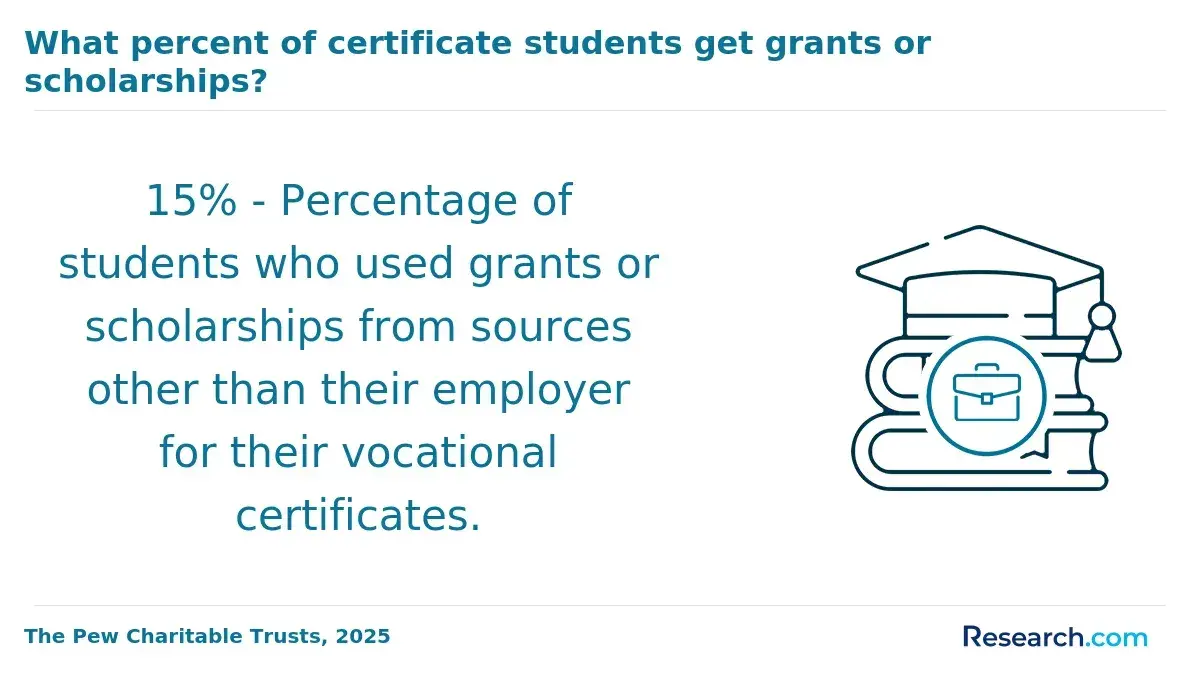
Faculty expertise also matters: instructors with direct venue management experience or industry networks provide critical mentorship and recruitment pathways often absent in purely academic programs. Financial aid availability, with over 60% of online sport management bachelor's students accessing institutional or federal grants, influences net costs and practical return on investment.
Evaluating curriculum rigor around risk management, event logistics, and facility operations clarifies skill alignment with job requirements. For those considering PhD Healthcare pathways alongside professional advancement, working professionals balancing full-time jobs should seek asynchronous courses combined with live networking or Q&A sessions to maintain engagement without sacrificing schedule flexibility.
Technology platforms supporting complex projects, like venue budgeting and stakeholder coordination exercises, enhance applied learning. Students should leverage alumni feedback and regional employer reputation, given how critical localized recognition is for securing venue management positions. Programs connected to major urban facilities offering collaborative projects or mentorship significantly elevate competitive advantage beyond conventional online offerings.
Other Things You Should Know About Sport Management
Networking opportunities are more limited in online sport management programs, which can impact access to industry connections crucial for venue management roles. Students must actively seek out virtual events, alumni groups, and local internships to build meaningful contacts. Prioritizing programs that integrate structured mentoring or professional networking components can offset this gap and better align graduates with employer expectations.
Online degrees often cover strategic and administrative aspects but may underrepresent the fast-paced, unpredictable challenges faced in venue operations, such as crisis response and staffing coordination. Students should choose programs that include scenario-based learning or partnerships with venues offering practical, hands-on exposure. Employers expect graduates to demonstrate readiness not just for planning but also for managing high-pressure situations.
Specialized venue management tracks provide focused knowledge and skills directly applicable to venue operations, enhancing job readiness in that niche. However, broader sport management programs offer more career flexibility across marketing, administration, and event management sectors. Students targeting venue management roles should prioritize specialized programs to meet employer demands and reduce retraining time once hired.
References
- How to Get into Event Management https://www.stonebridge.uk.com/blog/hospitality-and-events-management/how-to-get-into-event-management/
- Sport Management Courses | AMOS https://www.amos-business-school.eu/en/sport-management-courses/
- Event Planning and Management https://www.uclaextension.edu/business-management/hospitality-management/specialization/event-planning-and-management
- The Institute for Event Management https://www.theinstituteforeventmanagement.com/us/en/
- Lang School of Business and Economics Launches First Online Sport Management Program https://news.uoguelph.ca/2025/02/lang-school-of-business-and-economics-launches-first-online-sport-management-program/
- Our top 5 accredited online event management course picks for 2025 | Event Hire UK https://eventhireuk.com/blog/read/our-top-5-accredited-online-event-management-course-picks-for-2025/
- How to Choose the Right Event Management Services for Your Needs https://www.lyyti.com/en/blog/how-to-choose-right-event-management-services-for-needs
- How To Choose The Best Event Management Course?- WWI https://www.whistlingwoods.net/tips-to-choose-the-best-event-management-course/
- Centennial College - Event Management (Online) https://www.centennialcollege.ca/programs-courses/full-time/event-management-online
- How Do I Know Which Event Management Course is Best for Me? https://www.eventschool.london/post/how-do-i-know-which-event-management-course-is-right-for-me