2027 Best Online Sport Management Degrees for Sports Marketing Careers

Co-Founder and Chief Data Scientist
For professionals seeking to transition into sports marketing, the challenge lies in balancing career advancement with the often rigid schedules of traditional education. The National Center for Education Statistics reported that over 40% of enrolled college students in 2024 are adults juggling work, making flexibility a decisive factor in degree selection.
This affects how candidates approach sport management education: it's not simply about credentialing but integrating learning seamlessly with evolving job demands. Success requires navigating program structures that accommodate varied pacing, accessibility, and relevant specialization.
This article evaluates the best online sport management degrees tailored for sports marketing careers, focusing on how these programs address practical needs and employment pathways.
Key Things You Should Know
- Data from the U.S. Bureau of Labor Statistics shows sport management roles growing 9% through 2032, but employers increasingly favor candidates with measurable marketing analytics skills, intensifying the need for specialized online curricula.
- Employers report a 27% shortfall in graduates with digital brand engagement experience, making degree programs integrating real-time campaign analytics critical for direct job-market relevance.
- The average program cost variance of over $15,000 across top online sport management degrees forces candidates to weigh accelerated completion tracks versus budget constraints amid rising tuition inflation impacting return on investment.
What is an online sport management degree and how does it prepare you for sports marketing careers?
The practical advantage of an online sport management degree lies in its focused integration of industry-relevant skills and strategic digital marketing, directly addressing the hiring realities of sports organizations facing rapid market growth.
With the global sports market projected to reach $623 billion by 2027 at a CAGR of 5.2%, employers increasingly require candidates versed in sports-specific marketing analytics and sponsorship negotiations rather than generalized marketing knowledge. Incorporating data-driven marketing techniques and digital fan engagement strategies aligns with these evolving expectations.
From a workforce perspective, effective programs emphasize market segmentation, consumer behavior insights, and media rights management to equip students to design campaigns that optimize audience reach and revenue. Real-world relevance appears in practical coursework, such as managing social media for athlete branding or executing digital ticket sales—skills demanded across professional leagues, collegiate athletics, and emerging esports markets.
For example, negotiating partnerships with esports leagues demonstrates niche market adaptation amid rapidly monetizing sectors, a critical differentiation for marketing professionals in sports.
Students evaluating online avenues must weigh the challenge of self-motivation against the ability to maintain employment during study. Internship opportunities that facilitate remote or local placements represent a decisive factor in bridging theoretical knowledge with practical sport marketing experience, which employers value highly. Without such hands-on exposure, graduates risk a difficult transition from academic theory to effective professional practice.
These considerations underpin the distinct online sport management degree benefits for sports marketing candidates aiming to align credentials with industry demand. Prospective learners can explore accelerated paths suited to working professionals, for instance, via an accelerated sports management degree online, balancing speed with depth of expertise.
Are online sport management degrees respected by employers compared to campus-based programs?
Employer recognition of an online sport management degree depends less on the learning mode and more on program quality, practical experience, and demonstrated skills. For instance, a graduate who completed a marketing internship within a professional sports organization typically holds an advantage over a campus-educated peer lacking such exposure.
This reflects the hiring reality that employers often prioritize candidates with direct industry engagement, such as internships or partnerships, over the delivery method of their degree. The job market context affirms this: advertising, promotions, and marketing manager roles are projected to grow 6% through 2033, with a median annual wage of $156,470.
Comparisons of online and campus-based sport management programs underscore the importance of experiential learning. Online programs can provide geographic flexibility for working professionals but require disciplined self-management and proactive networking to replicate the social capital found on campus.
Programs without capstone projects or practicums tend to leave graduates less competitive because real-world application of skills in digital marketing and campaign analytics is critical to employer expectations.
Prospective students evaluating a construction management degree online accredited or similar programs, should verify accreditation status and maximize alumni network engagement to offset limited face-to-face networking. Recruiters in sports marketing increasingly filter candidates based on industry connections gained through internships rather than the degree's modality.
How do you choose an accredited online sport management program for sports marketing?
Choosing accredited online sport management degrees for sports marketing careers hinges on confirming rigorous regional accreditation and recognition from bodies such as COSMA or NASSM, which affect curriculum quality and employer perception.
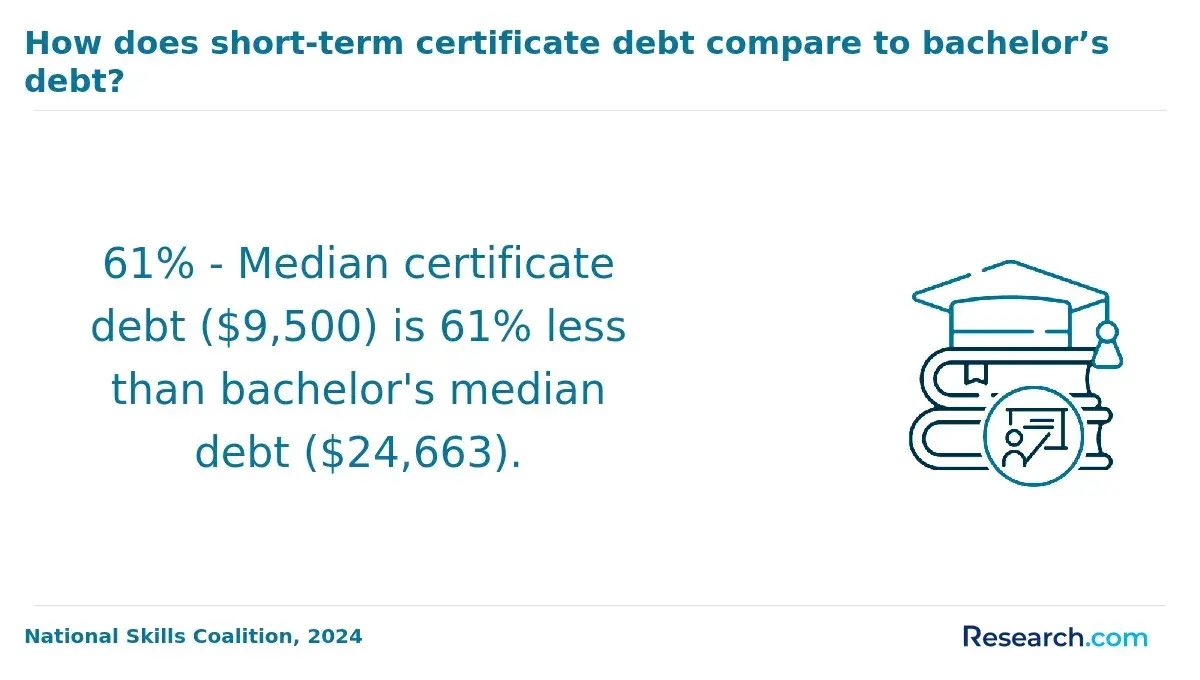
Unlike generalized cost discussions, the average in-state tuition for top online sport management programs was $4,477 annually, with out-of-state costs climbing to $25,694. This gulf demands scrutiny of residency-based pricing and financial aid possibilities to avoid costly surprises.
Programs that blend sports marketing theory with actionable skills—digital marketing, sponsorship, and market analytics—align better with employer expectations.
Consider a metropolitan-area professional pivoting careers: they must evaluate if the program's partnerships support internships relevant to local sports markets, given internship experience's heavy weight in hiring decisions. Programs lacking robust career services or employer ties risk limiting essential real-world exposure.
Technological infrastructure and student supports critically influence remote learning success, particularly for professionals balancing work and family. Look for asynchronous formats and accessible faculty to handle complex marketing tools effectively. To understand comparative affordability or program structure in related fields, examining online construction management programs may offer useful cost and delivery parallels.
Prioritize programs that transparently report job placement rates and demonstrate mature networks. Such factors translate directly into competitive advantage within the sports marketing job market and help mitigate risks associated with online education's variable outcomes.
What are the key differences between online and campus sport management degrees?
Choosing between online and campus sport management degree programs hinges on tradeoffs that directly affect employability and practical experience. Online sport management degree benefits include flexible pacing and reduced living expenses, ideal for mid-career professionals balancing other responsibilities.
Southern New Hampshire University, for instance, charges $354 per credit, totaling $42,480, but students with 60 prior-learning credits can cut costs nearly in half to $21,240. In contrast, campus students face added living costs despite similar or sometimes higher tuition per credit.
Campus programs generally provide richer in-person networking and easier access to internships with local sports organizations—an advantage in sports marketing roles demanding industry connections. Online students must actively secure remote internships, which can foster initiative but may limit spontaneous collaboration and immediate faculty feedback. Employers often prioritize hands-on experience obtained through localized placements, a factor that can influence hiring decisions.
This difference matters when deciding educational pathways: a recent graduate targeting local franchises might value immersive, face-to-face mentorship, while a working professional may prioritize the adaptability of online learning. Navigating these distinctions aligns with evaluating the practical challenges each option presents against long-term career goals.
Applicants interested in similarly flexible health-related tracks might explore the fastest Psych NP program for comparative insight into accelerated accredited offerings.
What courses and specializations in sport management best support a sports marketing career?
Marketing analytics and brand management courses shape sports marketing professionals by emphasizing data-driven decisions and audience targeting techniques widely demanded by employers. Specializations like sponsorship management and event marketing enhance competencies in contract negotiation and campaign implementation, addressing practical challenges such as budget oversight and regulatory compliance that are frequent in sports marketing roles.
Graduates with expertise in digital media campaigns designed for fan engagement meet critical market needs, particularly as social platforms increasingly affect ticket sales and merchandise revenue. Without these skills, marketing managers may struggle to maintain relevance in a rapidly evolving consumer environment.
Programs offering internships or partnerships with sports organizations provide necessary hands-on experience, which remains a significant employment hurdle in this sector. Success requires not only quantitative marketing proficiency but also interpersonal abilities crucial for building brand loyalty and securing sponsorships.
According to OnlineU's 2026 ranking, the highest median earnings of $72,096 awarded to graduates of Concordia University Irvine's online M.S. in Coaching & Athletic Administration reflect tangible returns from specialized sport management education.
This highlights the strategic importance of aligning academic preparation with market demands, enabling graduates to effectively navigate roles in professional sports franchises, marketing agencies, or collegiate athletics departments.
What admission requirements and prerequisites do online sport management programs typically have?
Admission standards for sport management programs reflect the evolving demands of employers who prioritize candidates with both foundational knowledge and demonstrated practical competencies. Bachelor's degree applicants must hold a high school diploma or equivalent, while master's-level candidates require an accredited undergraduate degree, often with a minimum GPA around 2.5 to 3.0. This baseline academic threshold, however, is just one aspect of candidate evaluation.
Work experience in sectors such as sports marketing or event management increasingly influences admissions and employability, providing critical context that complements theoretical study. For example, a mid-career professional aiming to pivot into sports marketing might leverage prior marketing roles alongside transfer credits—up to 90 allowed in some online programs—to reduce time and tuition costs by nearly $30,000, according to Learn.org data.
Effective communication skills remain indispensable; applicants typically submit essays or statements articulating career goals and leadership potential, reinforced by letters of recommendation.
Additional prerequisites include foundational coursework in business or communications and demonstrated competence with digital tools crucial for online study. International candidates must prove English proficiency via exams like TOEFL or IELTS, ensuring engagement in virtual environments.
Admissions committees employ a holistic review beyond minimum criteria to assess motivation, leadership experience, and alignment with the specialized marketing focus within sport management roles.
How long do online sport management degrees take and what do they cost?
Choosing an online sport management degree requires balancing time investment, specialization relevance, and cost. Master's programs typically span 18 to 24 months full-time, while bachelor's degrees extend 3 to 4 years; part-time study can double these durations, impacting timely workforce entry. Accelerated tracks often limit exposure to specialized areas such as sports marketing analytics or sponsorship, which are increasingly critical in employer expectations.
Current market realities reflect growing demand for digital marketing and analytics expertise: 86% of graduate programs now include these emphases, aligning with industry needs revealed in the SportBusiness Postgraduate Rankings 2025.
Candidates lacking these skills risk diminished employability in a data-driven sports sector, while those developing such expertise often face longer study horizons due to technical skill acquisition requirements.
Cost considerations vary widely. Public universities charge between $300 and $1,200 per credit depending on residency, whereas private institutions range from $800 to $1,500 per credit. Given master's degrees average 30 to 36 credits, tuition can range approximately from $9,000 to $54,000. Bachelor's degrees, with far greater credit loads, often exceed $40,000 for in-state public students and $100,000 at private colleges.
What sports marketing jobs can you get with an online sport management degree?
The employment outcomes for graduates of an online sport management degree demonstrate tangible alignment with sector needs but also reveal significant practical challenges. According to SportBusiness' 2025 survey, 74% of graduates found jobs in the sports industry within six months, with a substantial share occupying roles in commercial, marketing, or sponsorship functions.
Yet, these positions demand more than theoretical knowledge—they require skills in fan segmentation analytics, sponsorship negotiation, and brand activation execution.
Consider a sponsorship coordinator who must navigate contract renewals and activation strategies with corporate partners; success depends heavily on relationship management and project coordination that extend beyond classroom instruction.
Many graduates face the hurdle of building a relevant professional network remotely, which can slow initial career momentum. Often, this necessitates pursuing complementary certifications in digital marketing or data analytics to meet employer expectations for applied skills.
Salary growth and career progression vary widely and hinge on market size, league level, and geographic flexibility. Prospective students should weigh these factors carefully, recognizing that advancing in sports marketing often means maneuvering within competitive, fluctuating environments where fan loyalty and commercial ROI intersect. Programs emphasizing experiential learning and strategic industry ties provide an edge by better preparing students for these nuances.
Graduates capable of operationalizing data-driven insights to optimize fan engagement and sponsorship ROI tend to secure stronger footing. This practical acuity is particularly crucial given the competitive nature of the sports sector's marketing roles.
What salary ranges and career advancement can sport management graduates expect in sports marketing?
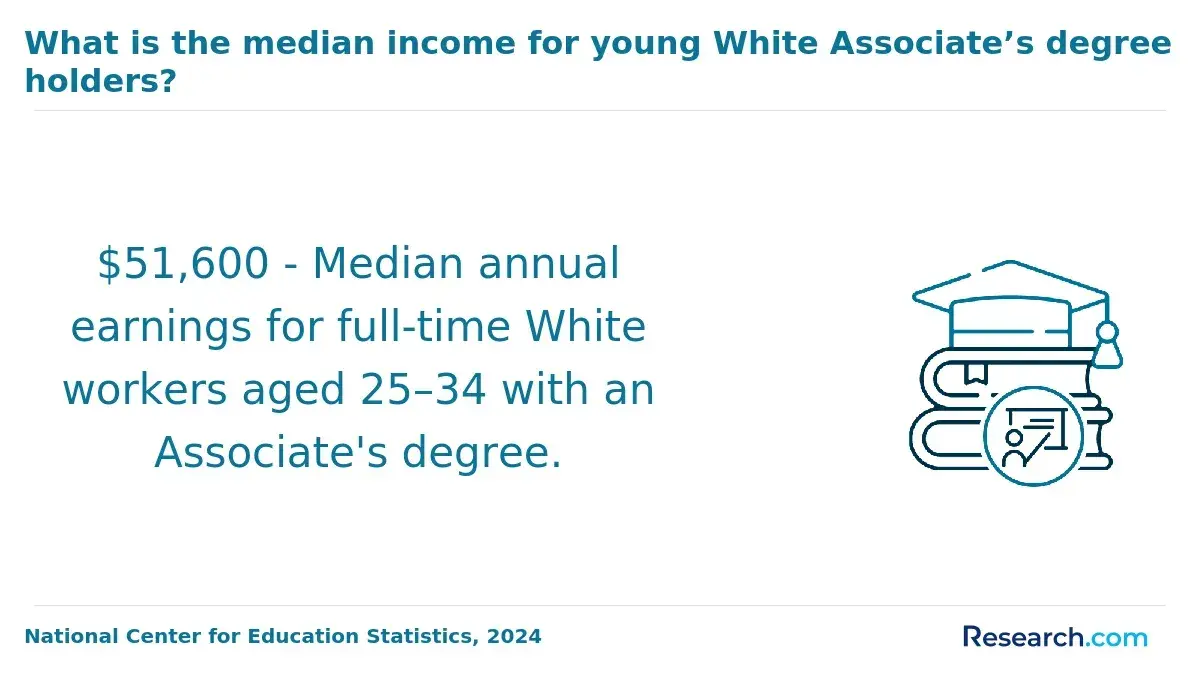
Starting salaries for sport management graduates aiming for sports marketing roles typically range from $45,000 to $60,000 annually, influenced by geographic location and employer scale. Mid-level roles often pay between $65,000 and $85,000, while senior positions in major leagues or national brands can exceed $100,000. Advancement depends heavily on measurable outcomes such as fan engagement metrics, campaign ROI, and digital marketing proficiency within sports organizations.
Consider a marketing coordinator at a regional sports team who, within 4 to 6 years, may progress to brand manager given demonstrated success in revenue-driving initiatives. However, salary growth is nonlinear and linked closely to managing marketing portfolios that vary widely—from grassroots sponsorships to high-budget global media rights activation.
Transitioning from smaller sports entities to prominent sports apparel companies often accelerates wage growth but demands advanced skills beyond traditional sport management curricula, including data analytics and cross-platform content development.
With over 50 online sport degrees reported by SportsDegrees.org, program selection should prioritize accreditation combined with practical internships or project-based learning to strengthen workforce readiness.
Without quantitative marketing skills, professionals risk early career plateauing and may need supplementary certifications to sustain long-term growth. The ability to apply sport management theory directly to contract negotiations and promotional budgets critically affects one's career trajectory and earning potential.
Are there certifications or professional associations that strengthen a sports marketing career in sport management?
Certifications like the Certified Sports Marketing Professional (CSMP) issued by the Sports Marketing Association (SMA) materially shift hiring dynamics by signaling verified expertise in sponsorship activation, digital engagement, and strategic brand positioning. Employers increasingly prioritize these credentials in competitive sport management roles, especially those centered on fan engagement analytics or brand partnerships.
For instance, a digital marketing coordinator with SMA certification may be entrusted with managing multi-million-dollar campaigns, a responsibility less often granted to uncertified peers.
Maintaining membership in professional bodies such as the North American Society for Sport Management (NASSM) provides ongoing access to sector-specific research, conferences, and labor marketdata—resourcess critical to adapting strategy in a fluctuating industry.
However, pursuing and sustaining these certifications requires balancing practical challenges, including tuition-like fees, continuing education, and notable time commitments that can delay full workforce entry for early-career professionals.
Several top online bachelor's programs in sport management integrate curriculum aligned with such certifications, enabling candidates to reduce additional exam prep time and optimize retention; notable examples report retention rates approaching 97%.
This alignment can ease the financial and chronological burden of certification but demands deliberate program selection based on these operational benefits.
Other Things You Should Know About Sport Management
Managing full-time employment alongside an online sport management degree demands disciplined time management and clear prioritization. Many programs require a consistent weekly commitment of 10-15 hours outside of live sessions, which can strain professionals with demanding or unpredictable work schedules. Students should prioritize programs offering asynchronous coursework to accommodate work hours, and employers increasingly value candidates who demonstrate this balancing ability as it indicates strong organizational skills and commitment.
Networking remains vital in sport management careers, but online programs often require more proactive efforts to build relationships compared to on-campus settings. While online programs may provide virtual events or forums, students must actively engage with peers and alumni to create useful industry connections. Choosing programs with strong career services and internship placements enhances networking opportunities, which employers view as a key factor for job readiness beyond academic credentials.
Prospective students must weigh program reputation against flexibility based on their career stage and immediate needs. Reputation is critical for recent graduates or those entering competitive markets, as employers often use it as a proxy for program rigor and alumni success. Conversely, working professionals seeking advancement may benefit more from flexible programs that allow balancing work and study without sacrificing progress. Ideally, students find a program offering both accredited status and adaptable scheduling to maximize both employability and feasibility.
References
- Sports Management: A Comprehensive Guide to Careers in Sports Leadership - AISTS INDIA https://aists.org/aistsindia/sports-management-a-comprehensive-guide-to-careers-in-sports-leadership/
- A career in Sports Marketing https://sponsorship.org/a-career-in-sports-marketing/
- What Can I Do With a Sport Management Degree? https://www.origym.co.uk/blog/sports-management-degree-jobs/
- Why study sports management? - INSEEC https://www.inseec.com/en/guides/orientation-guide/why-study-sports-management/
- Breaking Into the Business of Sports - SRT Fairs Blog https://edu.srtfairs.com/breaking-into-the-business-of-sports/
- Career in Sports Management in India: Salary, Career Options, Roles https://mba-esg.in/career-in-sports-management-in-india/
- Sports Job Training & Certification Courses | Sports Management Worldwide https://www.sportsmanagementworldwide.com/courses
- Salary Trends in Sports Management – United States Sports University https://restore-ussa-edu.mystagingwebsite.com/news/salary-trends-in-sports-management/
- 25 Best Online Master's in Sports Management Degree Programs 2022 - Sports Management Degree Guide https://www.sports-management-degrees.com/best-online-masters-sports-management/
- Why study for a Sports Management degree https://brive.com/blog/studies/sports-management-degree/