2027 Best Online Sport Management Degrees for Ticketing and Revenue Careers

Co-Founder and Chief Data Scientist
Securing a role in ticketing and revenue within sport management demands more than passion; it requires targeted education that aligns with rapidly evolving industry needs. Many prospective students struggle with rigid program schedules that conflict with full-time jobs or family obligations, limiting timely entry into the workforce.
According to the National Center for Education Statistics, enrollment in fully online postsecondary programs increased by 12% in 2024, signaling a shift toward flexible learning models designed for adult learners balancing complex commitments. This matters because those who delay education risk falling behind in a competitive market increasingly driven by data and digital ticketing innovations.
This article evaluates top online sport management degrees tailored to careers in ticketing and revenue, providing critical guidance to help students choose programs that enhance employability and suit their life circumstances.
Key Things You Should Know
- The 27% wage premium for ticketing and revenue specialists with a bachelor's in sport management versus unrelated degrees pressures candidates to prioritize accredited programs offering applied ticketing analytics, though higher tuition often limits access.
- Employers now prefer graduates versed in CRM and dynamic pricing software, with a 2025 Sports Business Journal survey showing 65% prioritizing practical tech skills over general management theory, shifting curricular emphasis in top programs.
- Programs lengthier than 4 years yield diminishing ROI due to rapid industry tech shifts and entry-level demand for nimble revenue analysts, urging candidates to balance program depth against fast-track credentialing opportunities.
What are online sport management degrees for ticketing and revenue careers?
Online sport management degrees for ticket sales and revenue growth equip students with specialized skills in dynamic pricing, sales forecasting, and digital revenue optimization tailored to sports venues and franchises. Graduates applying these competencies can, for instance, act as stadium revenue managers who adjust ticket prices in real time to balance demand and maximize income without alienating fans.
Yet, the complexity of these roles requires more than technical know-how; employers increasingly demand professionals who blend advanced data analytics with effective communication and cross-departmental collaboration.
Those pursuing online sport management programs focused on ticketing and revenue careers must navigate the dual challenges of mastering quantitative tools and adapting to high-pressure environments involving marketing, finance, and operational teams.
The U.S. Bureau of Labor Statistics forecasts 13% growth in sports and entertainment jobs by 2031, but this advantage favors candidates demonstrating practical familiarity with evolving tech platforms like blockchain ticketing and AI-driven demand models.
Internships or practicums embedded in curricula serve as essential bridges between theory and the fluid realities of sports revenue management, ensuring graduates are not confined to theoretical knowledge alone.
Students should also consider self-discipline in managing online schedules and simulations. Those evaluating advanced business options might find comparative insights in an online MBA healthcare pathway, which similarly demands strategic integration of analytics and operational expertise in a specialized field.
Are online sport management degrees accredited and respected by employers?
Employers in ticketing and revenue roles within the sports industry heavily weigh the accreditation of online sport management degrees recognized by employers. Without regional accreditation from bodies acknowledged by the U.S. Department of Education or CHEA, graduates often face difficulties with credit transfers, credential recognition, and eligibility for advanced certifications that impact their employability.
For instance, a candidate applying for a ticket sales manager position will be disadvantaged if their program lacks both accreditation and experiential components such as internships or direct industry partnerships.
This real-world exposure integrates critical skills in pricing strategies, contract negotiation, and market analytics that non-accredited or purely theoretical programs usually omit.
The Bureau of Labor Statistics reports an average annual wage of $116,410 for agents and business managers working with athletes, underscoring the financial premium on verifiable revenue skills. Practical learning and connection to employer networks markedly improve access to these higher-paying roles.
When considering online sport management programs, scrutinizing accreditation alongside curricula is essential. Students should prioritize programs offering applied learning modules, capstone projects, and industry engagement to ensure their education translates into practical competence and smoother labor market transitions.
Those uncertain about program quality may benefit from resources like the best accelerated project management degree programs online, which reflect broader trends in vetted, efficient online education pathways relevant across disciplines.
How do online and campus sport management programs compare?
Choosing between online sport management degree programs versus campus programs requires assessing how each format addresses critical industry competencies. Campus programs enable immersive, hands-on experiences such as in-person internships and live event participation that are essential for developing nuanced skills in ticket pricing and revenue strategies. This direct exposure cultivates situational awareness and vendor interactions difficult to replicate remotely.
Online sport management degree programs offer flexibility valued by working professionals and geographically mobile students but often lack the environment necessary for mastering real-time negotiation and crowd management skills. Without routine access to live sports venues, students risk a gap in practical readiness despite theoretical knowledge, which can affect employability in revenue-focused roles.
Employers prioritize measurable experience alongside academic credentials. For example, Florida International University notes advertising and marketing managers earn around $125,650 annually, reflecting demand for candidates who combine strategic insight with event execution capabilities. Prospective students must consider if their professional situation and access to internships can compensate for online programs' experiential limitations.
For stadium ticket revenue optimization, direct engagement with ticketing software, live crowds, and sponsor relations is indispensable—advantages campus settings better facilitate. Online students need proactive internship pursuits or hybrid models to stay competitive. Evaluating differences between online and campus sport management education thus hinges on personal career requirements and local market access.
Meanwhile, those exploring allied fields might benefit from options like a HIM degree online for complementary expertise.
What courses cover ticketing, sales, and revenue management?
Programs focused on ticketing and revenue management courses in sport management programs emphasize relevant sales and pricing strategies essential to operational success and profitability in the sports sector.
Ticket Sales Management instructs students on tailoring campaigns, interpreting consumer behavior, and leveraging technology to increase attendance and secondary market value. Revenue management courses prioritize dynamic pricing and inventory controls using real-time analytics, which is vital for maintaining optimal event profitability amid fluctuating demand.
Sales and revenue strategies in online sport management degrees often incorporate expertise in CRM systems and data-driven segmentation to enhance fan engagement, an indispensable factor for sustained ticket sales growth. Financial management in these curricula tackles diversified revenue streams and budgeting complexities, including negotiating sponsorships and broadcast rights that critically shape ticket pricing and sales objectives.
Costs for online master's in sports management vary substantially, with tuition ranging from about $8,400 in total in-state tuition to roughly $37,710 at the high end, a spread of over 4x in cost for the same credential, according to OnlineMastersDegrees.org program data.
This disparity reflects differences in program reputation, industry ties, and internship opportunities that profoundly impact real-world sales and revenue implementation outcomes.
Graduates working with professional teams must apply sophisticated pricing tactics during volatile market shifts, such as playoff seasons, balancing volume discounts with premium seating to maximize overall revenue beyond mere ticket volume.
Students considering this pathway should also compare options carefully with other fields, including online accelerated nursing programs, which demonstrate different investment profiles and workforce demands.
What admission requirements do online sport management programs require?
Admission to online sport management programs often hinges on academic credentials and relevant professional experience, reflecting how employers weigh practical readiness alongside formal education. Undergraduate entry generally requires a high school diploma or equivalent, with most graduate programs expecting a bachelor's degree and a GPA around 2.5 to 3.0.
For master's pathways, prerequisite coursework in business, marketing, or related disciplines directly supports career functions like ticketing and revenue optimization.
While standardized tests such as the SAT or GRE are frequently optional or waived, competitive programs sometimes use them to differentiate applicants when capacity is limited. Documents including official transcripts, a resume, and a focused statement of purpose are standard; admissions committees prioritizing candidates with event coordination, sales, or customer service experience within sports or entertainment sectors demonstrate the sector's preference for hands-on knowledge.
Working professionals pivoting into this field often encounter programs offering conditional admission tied to foundational coursework bridging knowledge gaps. Tradeoffs include balancing academic rigor with immediate workforce applicability, where some programs prioritize theory but others incorporate experiential learning directly aligned with market demands.
With over 50 U.S.-based online sport management options, prospective students must assess programs critically, evaluating how well admission standards and curriculum match their prior experience and career goals. This calibration determines how smoothly one can transition into roles focused on ticketing, revenue management, and broader operational leadership in sports industries.
How long do online sport management degrees take and what do they cost?
Pursuing an online sport management degree requires balancing time, cost, and career goals with market realities. Associate degrees and certificates, typically completed in 18 to 24 months, suit those aiming for entry-level event coordination or ticketing roles but offer limited advancement without further education.
Bachelor's degrees, ranging from 3 to 4 years full-time, are the standard for mid-level management positions; accelerated or part-time formats help working professionals manage time but may delay opportunity costs or income.
Graduate programs, usually completed in 1 to 2 years, remain essential for senior leadership roles commanding $90,000 to $200,000 salaries, per University of Miami data. These programs deepen skills in leadership and revenue management, qualities highly valued by employers.
Choosing between faster certificates and costly advanced degrees involves tradeoffs:
- Certificates provide tactical knowledge quickly but rarely support progression beyond operational jobs.
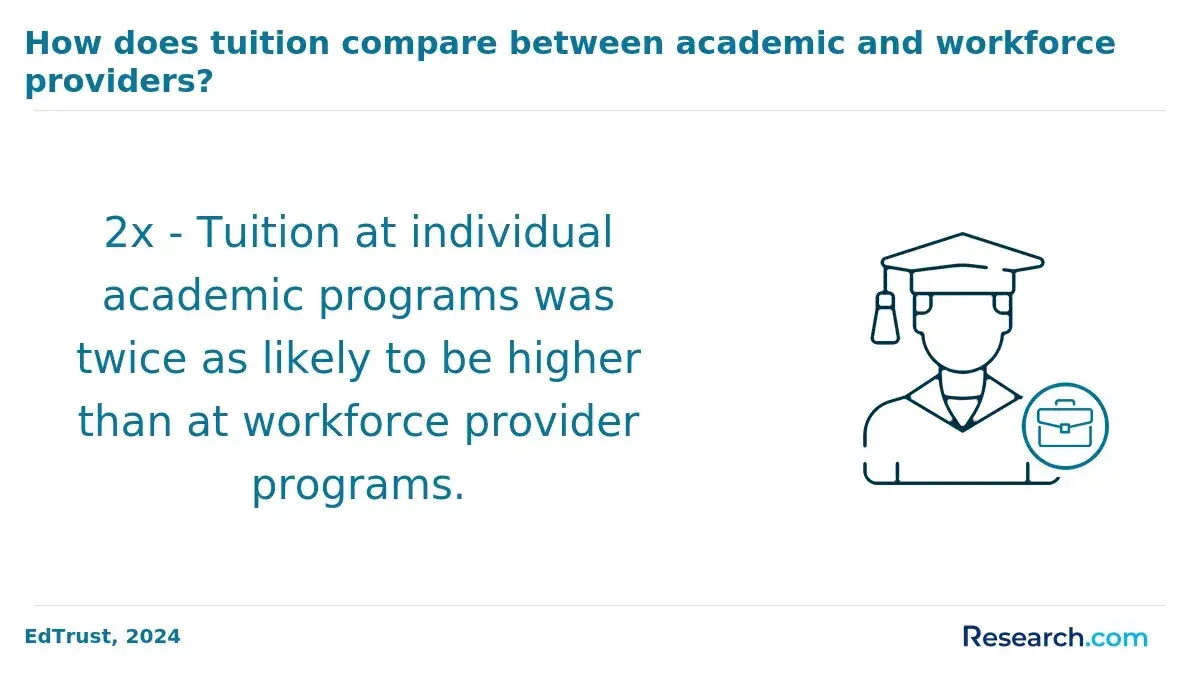
- Bachelor's degrees open broader career paths yet require significant time and tuition investment, averaging $25,000 to $60,000 for undergraduate and $15,000 to $40,000 for graduate studies.
- Internships and applied projects integrated into online study can differentiate candidates by demonstrating practical impact in revenue and operations.
Students must also anticipate the discipline needed for self-directed online learning and technological demands. Public universities' in-state tuition and employer tuition reimbursement programs can offset costs but require strategic decision-making about enrollment intensity.
Ultimately, aligning educational credentials with realistic job market expectations and individual work experience shapes long-term career outcomes in sport management.
What jobs can you get with a ticketing and revenue focus?
Roles focused on ticketing and revenue within sport management demand a balance between analytical rigor and practical market responsiveness. For example, a ticketing manager at a professional sports franchise must continuously synthesize real-time sales with consumer behavior data to adjust pricing without alienating core fan segments. This dynamic adjustment relies heavily on collaboration across marketing, finance, and operations to align pricing strategies with broader organizational goals.
Success in these positions hinges on proficiency with analytics tools, CRM platforms, and the ability to create tiered pricing models sensitive to segmented audiences. Candidates who convert complex datasets into actionable revenue strategies stand out but face persistent tradeoffs between maximizing income and maintaining accessibility.
Practical workforce implications include differentiated expectations by sector: college-level ticketing analysts typically operate within tighter budgets and prioritize community engagement, while major league counterparts manage sophisticated digital sales platforms and multifaceted revenue streams.
Entry-level roles often emphasize technical skills in Excel, SQL, or Tableau. Career progression requires mastery of predictive modeling and cross-functional leadership, adapting to various organizational structures.
According to the Bureau of Labor Statistics, median annual salaries for market research analysts and marketing specialists—key feeder roles for ticketing and revenue experts—are approximately $78,000 in the United States, reflecting a realistic baseline for financial viability in this niche.
How much do ticketing and revenue professionals earn?
Salary potential within sport management ticketing and revenue roles varies notably by job function, market size, and expertise, making strategic career planning essential. Entry-level ticketing coordinators typically start around $40,000 to $60,000, with compensation reflecting operational responsibilities rather than direct revenue influence.
Progression into revenue analytics, pricing strategy, or premium seating sales positions usually brings salaries in the $70,000 to $90,000 range, driven by proficiency in data analysis, CRM systems, and dynamic pricing methodologies.
On the upper end, sports agents managing sponsorship deals and endorsements can earn median salaries above $100,000 annually, according to Florida International University data citing $102,070. These roles demand advanced negotiation skills and robust professional networks but carry significant performance-based variability.
Geographical factors further differentiate salary levels, with professionals in major sports markets—home to NFL, NBA, or MLS franchises—commanding higher pay than those in smaller regions. Aspiring candidates should weigh the tradeoffs between roles that offer stable base salaries versus commission-driven positions requiring intensive client development but with greater upside.
Employers increasingly require demonstrable expertise in revenue forecasting, digital ticketing platforms, and relevant certifications. Gaining these skills improves workforce competitiveness but also necessitates careful evaluation of time and financial investment relative to long-term career goals.
What certifications help in sport ticketing and revenue careers?
In sport management careers focused on ticketing and revenue, holding certifications like Certified Professional in Sports Ticketing (CPST) or Certified Revenue Management Executive (CRME) directly influences job prospects and earning potential. CPST equips professionals with operational expertise in ticket sales platforms and customer analytics, essential for managing complex ticket inventories. CRME goes further by developing skills in revenue optimization and pricing strategy, bridging transactional know-how with strategic growth responsibilities.
Employers prioritize candidates who combine these certifications with hands-on experience using ticketing software platforms such as Ticketmaster and CRM systems. For instance, venue managers with CPST credentials and demonstrated ability to integrate ticket data with marketing automation tools see roughly a 15% higher promotion rate within two years, based on workforce data from the Sports Business Journal. This integration of technology and revenue skills is increasingly non-negotiable.
Certified professionals generally earn 8-12% more than counterparts without credentials, according to the National Association of Sports Ticketing Professionals. This wage premium reflects the tangible value employers place on risk mitigation amid volatile event demand and sophisticated pricing models.
For those assessing cost versus return, Liberty University's undergraduate online tuition increases have averaged below 5% over a decade, placing it in the top 35% for affordability among online competitors in 2025. This suggests that combining an affordable degree path with targeted certification can be a practical route to specialized expertise and mid-level roles in sport management revenue functions.
How do you choose a reputable online sport management program?
Identifying a reputable online sport management program hinges on verifying accreditation from authoritative bodies like the Council for Higher Education Accreditation (CHEA) or regional accreditors, as these credentials ensure programs meet academic and industry standards.
Curriculum relevance directly impacts employability, especially when courses emphasize digital ticketing platforms, revenue analytics, and fan experience management—skills aligned with sports and entertainment sectors projected to add over 106,000 jobs annually through 2032.
Practical outcomes matter: programs offering internships with professional franchises or ticketing agencies expose students to dynamic pricing and CRM software, translating academic knowledge into competitive advantage within revenue management roles. Consider also the flexibility of asynchronous online courses paired with live networking, which supports working professionals balancing education and employment.
On the cost side, weigh tuition against tangible salary gains and job placement transparency. More expensive programs lacking integration of mobile ticketing trends or emerging technologies like blockchain risk diminishing post-graduation relevance.
Ultimately, successful navigation of this educational path depends on evaluating tradeoffs between program rigor, current industry tools, and direct access to market pathways.
Other Things You Should Know About Sport Management
In 2027, the best online sport management degrees for ticketing and revenue careers combine a robust curriculum, industry connections, and internship opportunities. Top programs feature cutting-edge coursework in digital marketing, analytics, and financial management while providing access to a network of professionals and tailored career services.
Specializing in ticketing, sales, or revenue analytics sharpens the skills employers demand but narrows your career flexibility. Programs emphasizing technology platforms used in ticketing systems or data analytics tools produce graduates with a competitive edge. If you want broader career options, consider a balanced curriculum that includes marketing and event management alongside ticketing, yet focus on measurable skills that you can demonstrate on your resume.
In sport management, demonstrated ability through internships and project work often outweighs program prestige, especially for roles in ticketing and revenue where operational know-how is key. Employers prioritize candidates who can show they have applied knowledge in managing sales data, customer service, and event logistics. Choose programs that offer robust experiential learning opportunities rather than relying solely on brand recognition.
Part-time online degrees allow working professionals to maintain employment while gaining credentials but extend the time before substantial career shifts. Full-time programs accelerate learning and make it easier to dedicate time to internships or networking, which is critical for career advancement in ticketing and revenue roles. Prioritize your current job demands and learning style; faster completion is beneficial if you can commit fully, while part-time suits those balancing multiple responsibilities.
References
- Growing Revenue with AudienceView Professional | AudienceView https://audienceview.com/thought-leadership/growing-revenue-with-audienceview-professional-2/
- How Much Do Ticket Flippers Make — Stage Front https://stagefront.com/news/how-much-do-ticket-flippers-make
- Premier League ticket price rises: How much do clubs make from fans? https://www.bbc.com/sport/football/articles/c798e4lyxr7o
- What can you do with a sports management degree? - AISTS https://aists.org/what-can-you-do-with-a-sports-management-degree/
- Revenue Analyst https://zavmo.ai/job-description/revenue-analyst/
- Sales Careers at vivenu | Drive Real Impact in Ticketing https://vivenu.com/salesatvivenu
- Pricing and Revenue Manager https://careers.wizzair.com/job/Budapest-Talent-Pool-Pricing-and-Revenue-Manager-H-1095/1278033701/
- Lang School of Business and Economics Launches First Online Sport Management Program https://news.uoguelph.ca/2025/02/lang-school-of-business-and-economics-launches-first-online-sport-management-program/
- Types of Sports Management Degrees https://www.allbusinessschools.com/sports-management/degrees/
- Is a Career in Ticket Sales Right for Me? https://www.sportsmanagementworldwide.com/content/career-ticket-sales-right-me