2027 Best Online Sport Management Degrees for Sports Sales Careers

Co-Founder and Chief Data Scientist
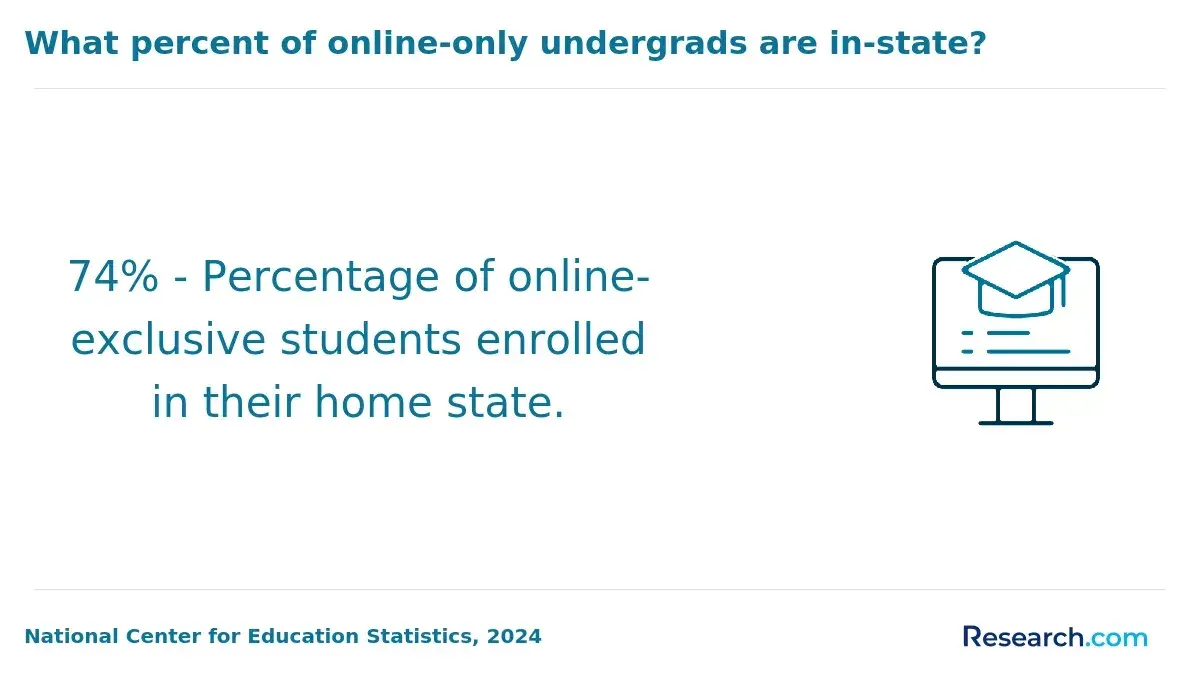
Professionals aiming to break into sports sales often confront a critical bottleneck: programs promising relevant skills frequently lack the flexibility necessary for working adults juggling unpredictable hours and ongoing projects. According to the National Center for Education Statistics, 56% of postsecondary students now balance full-time employment, underscoring an urgent need for online degrees designed around real-world constraints rather than conventional campus schedules.
This shift demands a new evaluation framework where program structure, employer recognition, and access to career networks weigh as heavily as curriculum rigor. This article examines the best online sport management degrees optimized for those targeting sports sales roles, providing criteria to navigate choices that align with both career progression and practical life demands.
Key Things You Should Know
- Employer surveys from the National Association of Collegiate Sales Programs report 62% prefer candidates with hands-on sales internships embedded in Sport Management degrees, shifting emphasis away from purely academic credentials and increasing time-to-degree tradeoffs.
- The U.S. Bureau of Labor Statistics projects 12% growth in sport sales roles through 2030, pressuring programs to integrate real-time analytics and CRM training as minimum precursors for hire, raising entry barriers for traditional generalist graduates.
- Average tuition for accredited online sport management programs rose 8% in 2024, surpassing inflation, which demands prospective students balance immediate access to digital credentials against longer-term return on investment tied to growing sector saturation.
What is an online sport management degree and how does it prepare you for sports sales careers?
Online sport management degree benefits for sports sales become clear when considering how targeted expertise outperforms general business knowledge within this niche. Graduates cultivate skills specifically aligned with the demands of sports sales roles, such as sponsorship negotiation, fan data analytics, and client relationship management-competencies vital for employers in professional sports franchises and collegiate athletic departments.
For example, a ticket sales coordinator for a major league team must adeptly combine data interpretation with interpersonal skills to customize ticket packages, directly impacting attendance and revenue streams. However, an online sport management program prepares you for sports sales careers only if supplemented by practical experience such as internships or virtual projects.
These elements bridge gaps left by coursework alone, addressing employer emphasis on real-world application and professional networking, especially important in sales-centric positions where relationship-building is central. The premium on specialized knowledge reflects in compensation: sports management bachelor's degree holders earn an average of $57,943-a 14% premium over the general bachelor's degree average.
This wage differential signals employer recognition of focused skill sets that can accelerate career progression in this competitive field. Prospective students should evaluate programs not just by curriculum but also by access to industry partnerships and career services to maximize placement outcomes. Comprehensive insight into these factors is essential for an informed choice among sports degrees online.
Are online sport management programs as credible as campus-based degrees for sports sales roles?
Online sport management degrees can offer comparable credibility for sports sales careers when earned from regionally accredited institutions that embed practical sales-oriented curricula. This equivalency matters because employer recognition has shifted, especially since 2020, to include online credentials that develop digital communication and analytics skills relevant to roles like ticket sales and sponsorship acquisition.
However, a significant tradeoff remains: campus-based programs typically provide more immersive networking and embedded internships in local sports markets, which remain crucial for roles reliant on regional knowledge and personal connections. Hiring managers increasingly emphasize proven sales performance, relevant internships, and digital portfolios over the educational delivery mode.
The challenge for fully online learners often lies in limited direct access to high-contact internships, which can delay experiential learning. To mitigate this, students should actively pursue virtual or hybrid internships tailored to sports sales settings.
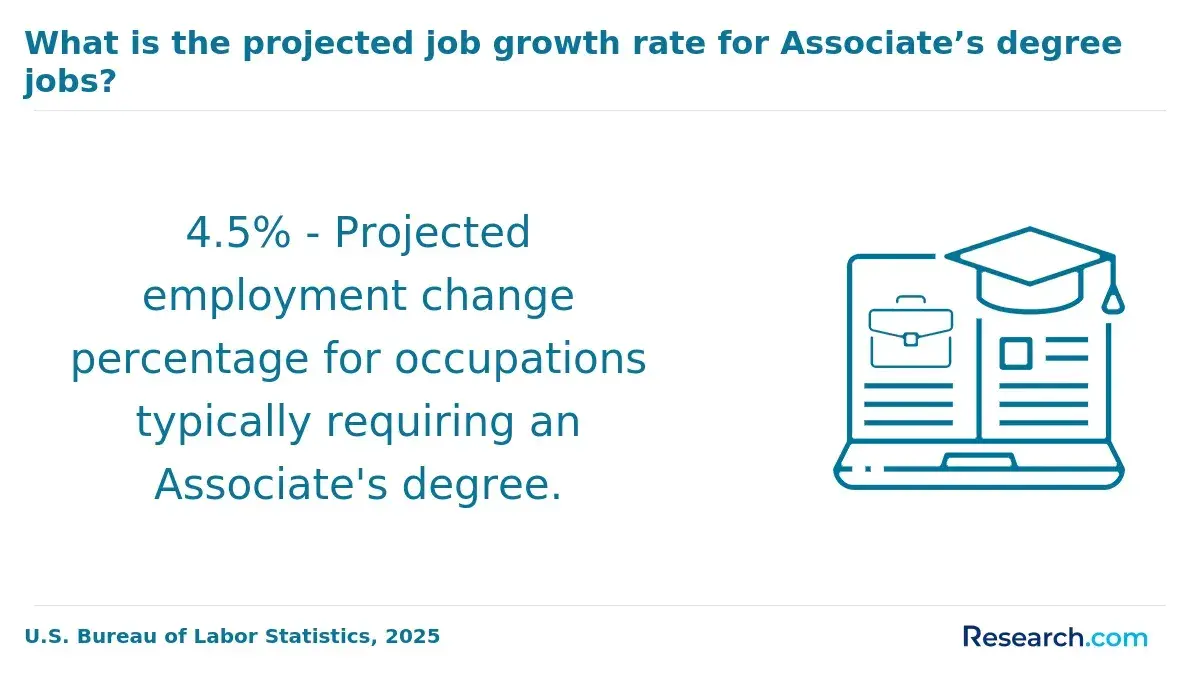
This practical friction influences the employability trajectory in ways not captured simply by degree format. Employment projections for entertainment and recreation managers growing faster than average between 2024 and 2034 affirm the value of investing in a sport management degree format aligned with evolving industry demands.
Choosing programs that integrate digital sales tools and real-world application is critical. To explore accelerated pathways in related fields, prospective students might consider options such as the accelerated construction management degree, reflecting broader trends in online accessible credentials.
How can you verify that an online sport management program is properly accredited in the U.S.?
Accreditation verification for an online sport management program in the U.S. is not merely procedural-it directly affects employability and financial aid access. Employers in sports sales roles specifically seek candidates from regionally accredited institutions, as these credentials validate curriculum quality and practical skill mastery.
For example, sales managers in spectator sports earn a median of $135,350 annually, notably higher than the $105,700 median for all sales managers, revealing a significant employer preference for accredited education aligned to industry needs. When confirming online sport management program accreditation, prioritize recognition by the U.S. Department of Education or the Council for Higher Education Accreditation (CHEA).
Regional accreditors like the Higher Learning Commission or the Southern Association of Colleges and Schools Commission on Colleges provide the essential institutional validation that affects career and funding prospects. Ignoring these verifications risks losing eligibility for professional certifications and transfer credits, which can stall mid-career advancement. Prospective students should weigh these factors carefully as they explore programs like an online masters in construction management or sport management, where accreditation carries long-term workforce implications.
What types of online sport management degrees are best for starting or advancing a sports sales career?
Candidates pursuing online sport management degrees for sports sales roles must evaluate programs on their ability to blend specialized sales training with concrete revenue-generation skills. Curricula focusing on sports marketing, contract negotiation, and analytics-including CRM platforms and fan engagement strategies-directly influence employability.
For instance, graduates experienced in sports sponsorship sales can enter professional teams or agencies ready to impact ticketing and merchandise sales immediately. Employers in this sector increasingly expect real-world capabilities such as digital ticketing innovation and data-driven fan outreach.
Internship opportunities or capstone projects embedded in sports sales departments are critical for bridging academic theory with industry demands, thereby enhancing candidate market readiness. Programs claiming broad business principles without these components often fall short for those targeting sports sales careers.
For professionals targeting advancement, graduate certificates or master's degrees centered on sports sales analytics offer accelerated paths to acquire industry-specific expertise-like sales forecasting models-without the time commitment of full degrees. This flexibility supports mid-career pivots and rapid skill upgrades tailored to the niche.
Those weighing the investment should note the average tuition for online sports management bachelor's degrees is about 13% higher than general business programs-$555 versus $490 per credit-reflecting the industry focus and resource intensiveness. This premium necessitates a rigorous ROI assessment given the tradeoff between specialized sport management coursework versus broader business credentials with greater career elasticity.
Prospective students may also consider comparative educational options by exploring the best schools for healthcare administration online as a benchmark for program delivery and pricing models in related fields. Ultimately, selecting among the best online sport management programs for advancing sports sales careers requires balancing specialized skill acquisition with practical access to industry networks and employer-valued experiences.
What coursework and skills in sport management programs are most important for sports sales success?
Sales proficiency in sport management programs demands application-focused training beyond theory, emphasizing skills that directly affect deal-making with sports brands and teams. Core coursework integrates advanced sales techniques, negotiation strategy, consumer behavior, and targeted digital marketing, all vital for crafting compelling value propositions and managing sponsorship negotiations under competitive pressures.
For instance, the ability to evaluate sponsorship inventory shapes contract leverage in ways that generic sales programs often overlook. Employers expect graduates to harness data analytics and CRM tools effectively to tailor client interactions and reliably forecast revenue outcomes.
Hands-on simulations of sales pitches and contract negotiations prepare students to navigate common challenges such as stakeholder objections and budget limits, building practical resilience. Supporting courses in communication ethics and sport law provide necessary context for managing compliance and reputation risks in athlete endorsements and team partnerships.
Similarly, financial literacy covering budgeting and accounting fundamentals equips candidates to align sales strategy with broader organizational financial goals. Affordability remains a crucial factor for prospective students balancing investment with return. Limited tuition growth at Liberty University, for example, places it in the more affordable tier nationally, an edge when weighing cost against the variable online degree ROI typical in this field.
What are the typical admissions requirements for online sport management degrees focused on sports sales?
Admissions for online sport management degrees with a focus on sports sales are designed to filter candidates who can navigate a commercialized sports marketplace increasingly dependent on sales expertise. Employers prioritize applicants demonstrating both academic readiness and applied experience, given that sales-related roles influence nearly half of the industry's revenue streams.
For bachelor's entry, programs generally require a high school diploma or equivalent, with some demanding a GPA between 2.5 and 3.0. Graduate applicants usually need a relevant bachelor's degree with a minimum GPA around 3.0, combined with practical exposure to sales or marketing roles.
The shift away from standardized test reliance (SAT, GRE) toward a heavier emphasis on professional recommendations and relevant experience aligns with industry needs for candidates ready to engage immediately in client-facing challenges. Critical application components include official transcripts, proof of quantitative and communication skills, and documentation of practical sales internships or roles.
International students must add English proficiency scores to the mix. Applicants without formal background in sport-related sales may face increased competition unless they supply substantial work experience demonstrating their business acumen and sales potential. The tradeoff involves balancing educational credentials with real-world skills valued by employers who demand swift adaptability and strategic negotiation capabilities in a fast-growing $623 billion sector projected through 2027.
How long do online sport management programs take, and what do they usually cost?
Choosing an online sport management program demands a measured approach-balancing time, cost, and career outcomes rather than simply opting for the shortest or cheapest track. Programs generally span 18 to 36 months, with accelerated or professional-focused tracks compressing completion to 18-24 months, while part-time options extend duration but accommodate work-life balance.
The tuition range is equally broad: fully online bachelor's degrees commonly cost between $15,000 and $40,000, with master's degrees often landing between $20,000 and $50,000. Additional expenses such as per-credit fees ($300 to $700), technology, materials, and exam proctoring can add several hundred dollars.
Prospective students should actively explore employer tuition assistance and federal aid to offset these cumulative costs. Workforce data from Lightcast, cited by UF Online, confirms that online sport management graduates achieve salaries comparable to their on-campus peers-directors of operations earn an average of $138,000, while sports public relations managers earn around $129,900.
This parity emphasizes that selecting a quality online program does not inherently reduce earning potential. Decision-making tradeoffs matter: an aspiring director of operations may accept higher tuition for a stronger industry network and a 24-month timeline, whereas entry-level candidates might prioritize affordability and flexibility, even if that means a longer course duration. Evaluating these variables early influences both time to employment and return on investment.
What sports sales jobs can you get with an online sport management degree and what do they involve?
Pursuing an online sport management degree leads to roles focused heavily on sales, client relations, and revenue generation within sports organizations. Common positions include sales coordinator, business development coordinator, sponsorship sales representative, ticket sales manager, and account executive.
Each carries distinct operational challenges, from organizing sales leads and maintaining partner communication to negotiating sponsorship deals or managing ticket campaigns. Compensation typically ranges between $50,000 and $70,000 at entry- to mid-career levels, reflecting the expectation that candidates bring practical experience alongside technical skills in CRM and market analysis.
For example, a ticket sales manager at a professional sports team not only strategizes seasonal ticket promotions but must also manage relationships with season-ticket holders, requiring strong negotiation abilities. Business development coordinators earn higher average salaries around $67,800 and are expected to expand market reach through strategic partnerships, signaling a transition toward broader revenue responsibilities.
Professionals who succeed in these roles combine sales acumen with skills in digital marketing or event management to diversify income streams. Advancement depends less on credentials alone and more on measurable sales results and building a demonstrable portfolio of client engagement achievements. Internships and networking remain critical gateways, as employers prioritize hands-on experience that directly links to revenue growth in highly competitive sports markets.
What salary ranges and earning potential can sports sales professionals expect with these degrees?
Sales professionals with online sport management degrees typically see starting salaries from $45,000 to $60,000, influenced by specialization and geographic factors. By mid-career, earnings generally increase to $70,000-$95,000, especially for those targeting complex niches like sponsorship, ticketing, and corporate partnerships where specialized knowledge commands premium pay.
Senior sales roles, such as directors managing sales strategies, can surpass $120,000, reflecting both heightened responsibility and proven revenue impact. The sponsorship sector offers concrete growth prospects, with North American spending expected to rise to $32.4 billion by 2025, up from $28.7 billion in 2022.
Approximately 70% of this investment flows into sports properties, boosting commission-based incomes for those skilled at developing these partnerships. Choosing between a broad sport management generalist path and a deeply focused sales specialization involves clear tradeoffs.
Generalists access more entry points but face slower salary growth, whereas specialists benefit from premium compensation tied to mastering digital sales, data analytics, and revenue generation-competencies increasingly valued by employers prioritizing measurable ROI. Without specialization, novices risk salary stagnation below $50,000 for extended periods, evidencing the necessity of continuous skill development beyond the foundational degree. Candidates embedding advanced digital and analytical capabilities within their profiles significantly improve their upward mobility in this evolving market.
Are there industry certifications or professional associations that strengthen a sports sales career path?
In the competitive sports business sector, certifications like the Certified Sports Sales Professional (CSSP) serve as practical differentiators by equipping candidates with sales skills tailored specifically to sports organizations. Employers prioritize these credentials because they verify applied expertise and a commitment that exceeds theoretical knowledge alone.
For example, a CSSP-certified applicant actively engaged with associations such as the North American Society for Sport Management (NASSM) or the Sports Sales & Marketing Association (SSMA) often gains access to exclusive networking channels and industry job boards, improving chances of securing interviews over candidates relying solely on academic degrees. Financial considerations play a significant role when balancing formal education and certification pursuits.
Online bachelor's programs in sport management average over $42,000, but transferring up to 90 prior learning credits can reduce costs by nearly $30,000, freeing funds to invest in certifications that typically range between $500 and $1,500. This calculation is crucial since certifications deliver direct skills validation sought by employers, while degree programs remain more generalized.
Ongoing participation in professional associations combined with certifications has tangible workforce implications. It enables professionals to navigate increasingly data-driven, client-facing roles within ticket sales, sponsorship, and media sectors. Without recognized credentials, individuals face obstacles in progressing beyond entry-level positions due to weaker networks and less credible skill validation.
Other Things You Should Know About Sport Management
Online sport management programs often require significant self-discipline because of asynchronous coursework and complex project deadlines. Students working full-time should prioritize programs with flexible scheduling and part-time options to manage workload effectively. Planning ahead for intensive periods such as group assignments or internships can prevent burnout and ensure consistent academic performance without sacrificing job responsibilities.
Employers value hands-on experience highly, so online programs that integrate internships, practicums, or live projects are preferred over purely theoretical curricula. Candidates should choose programs with structured opportunities to build industry networks and apply sales strategies in real-world environments. Graduates lacking practical exposure may face challenges competing for entry-level roles despite having relevant academic credentials.
For 2027, top-rated online sport management programs focusing on sports sales careers include Southern New Hampshire University, University of Florida, and University of Kentucky. These programs offer comprehensive curricula combining sport management expertise with crucial sales skills to enhance career prospects in the sports industry.
Post-graduation resources vary widely; robust career services including job placement assistance, alumni networks, and mentorship significantly improve employment opportunities. Prospective students should evaluate programs based on measurable career outcomes and available support rather than just academic reputation. Lack of effective career services can elongate job searches and limit access to influential hiring channels within sports sales.
References
- An Examination of Sport Management Master’s Programs in the United States – The Sport Journal https://thesportjournal.org/article/an-examination-of-sport-management-masters-programs-in-the-united-states/
- 19 Best-Paid Sports Occupations in 2026 (With Salary Guide) https://create.fit/best-paid-sports-occupations-with-salary-guide/
- Sport Management | Culver-Stockton College https://culver.edu/sport-management-online/
- Online Bachelor's in Sports Management https://www.monroeu.edu/academics/undergraduate-programs/monroe-online/school-business-and-accounting/online-bachelors-sports-management
- What do you learn in a Sports Management course https://www.torrens.edu.au/stories/blog/business/what-do-you-learn-in-a-sports-management-course
- Why study for a Sports Management degree https://brive.com/blog/studies/sports-management-degree/
- NOTE - THIS DATA IS FROM 2014 AND IS NO LONGER UPDATED https://www.sportspeople.com.au/pages/18621-not-current-what-do-i-need-what-should-i-be-earning
- How to Score a Job in Sports Sales | WorkInSports https://www.workinsports.com/resourcecenter/jobseeker/pages/how-to-get-a-job-in-sports-sales
- Commission on Sport Management Accreditation - (COSMA) https://www.chea.org/commission-sport-management-accreditation
- Why study sports management? https://www.monaco.edu/en/faq-toutes-les-reponses-a-vos-questions/pourquoi-etudier-le-management-du-sport/