2027 Best Online Sport Management Programs for Professionals Seeking Operations-Side Sports Careers

Co-Founder and Chief Data Scientist
Professionals aiming to break into or advance within the operations side of sport management often face a critical timing dilemma: securing accredited education that fits alongside demanding work schedules, family obligations, and industry networking needs.
The National Center for Education Statistics reports a 12% surge in adult student enrollment for online programs since 2023, emphasizing a clear shift toward flexible, asynchronous learning to accommodate career-driven individuals. This trend reflects broader workforce demands prioritizing immediate skill application and accelerated credentialing.
This article profiles the year's best online sport management programs tailored to operational career moves, helping prospective students optimize education choices for maximum impact and accessibility.
Key Things You Should Know
- Programs averaging 24 months with $38K median tuition often delay career reentry, pressuring mid-career professionals to balance debt against potential salary gains in operational roles, per 2025 NCES data.
- Employers now prioritize candidates with integrated analytics and digital engagement coursework, reflecting a 15% annual rise in tech-driven operational roles highlighted by the Sports Business Journal's 2024 workforce analysis.
- Tradeoffs exist as programs emphasizing niche league partnerships versus broad industry exposure deeply affect networking efficacy and job placement rates, with over 40% variation reported by the National Association of Sport Management Educators in 2024.
What is an online sport management degree and how does it prepare you for operations roles?
Online sport management degree benefits for operations careers become clear when evaluating workforce expectations and skill applicability. The degree specializes in business, leadership, and operational skills customized for sports organizations' infrastructure, rather than generic business training.
For instance, a facility operations manager must coordinate vendor relationships, manage safety protocols, and use scheduling software—skills emphasized through focused modules and case studies in these programs.
Applicants should note the tradeoff with this specialization: while well-suited for roles like event coordination, equipment management, or operations analysis, the program may not fully prepare students for broader marketing or media careers in sports. The operational domain demands specific competencies in compliance, sponsorship activation, and logistics, areas underscored by the projected growth of the global sports market from $512 billion to beyond $623 billion by 2027.
Integration of technology platforms, such as ticketing systems and fan engagement analytics, is a common curriculum component, allowing working professionals to apply learning in real time. However, securing internships and networking opportunities remains challenging in a remote format, requiring students to engage proactively through virtual industry events.
Students evaluating how an online sport management program prepares for sports operations roles should balance these benefits and limitations thoughtfully. For a detailed perspective on related roles, look into "What do sports analysts do?"
How do online sport management programs compare to campus-based options for working professionals?
Choosing between online sport management programs versus campus-based options for working professionals hinges on balancing flexibility with experiential depth. Online programs excel in accommodating schedules, allowing asynchronous coursework that fits evenings or weekends without commuting. This flexibility is essential for professionals juggling employment and personal obligations.
However, the operational nature of sport management, particularly in event logistics or facility oversight, demands hands-on skills and local networking, often better facilitated through campus internships or live projects.
Employers increasingly value real-world experience paired with credentials. Campus programs commonly embed internships within regional sports organizations, providing direct insight into workflows and stakeholder interaction. Online alternatives must compensate with virtual simulations, remote mentorship, or partnerships offering remote internships to remain competitive.
For professionals evaluating flexibility and career outcomes of sport management degrees for professionals, proximity to sports hubs significantly influences access to experiential learning and market networking.
Employment in operations-side sports is projected to grow 6% through 2032, yielding roughly 95,500 openings annually. This robust demand intensifies competition and elevates the importance of verifiable program outcomes, especially graduation employment rates, to ensure career advancement.
Prospective students should assess cost advantages of online formats against potential deficits in networking and practical experience. For those seeking efficient pathways, consideration of online accelerated project management degree programs may also offer relevant skills applicable within sports operations.
What types of online sport management degrees and certificates are available for operations careers?
Choosing an online sport management degree for operations careers demands nuanced evaluation beyond basic program descriptions. Bachelor's degrees typically deliver foundational business, marketing, and facility management skills suited for roles like operations coordinator or event supervisor.
In contrast, master's degrees integrate leadership development, strategic planning, and analytics to qualify graduates for mid- to senior-level positions such as operations manager or sports administration director. Certificates in sport management focused on sports operations target specific competencies like data analysis, compliance, or sports law, aligning with professionals seeking targeted expertise without committing to full degrees.
Employers increasingly prioritize data-driven decision-making; 72% of online sport management students report enhanced analytics skills critical for optimizing attendance or fan engagement strategies. However, program depth varies in technology adoption and soft skills integration, requiring students to assess coverage of compliance and financial management carefully.
For example, collegiate athletic departments may demand practical fluency in ticketing systems and contract administration, which not all programs equally emphasize.
Professionals pivoting from unrelated fields often benefit from coupling certificates with a master's to accelerate entry into operational leadership, whereas recent high school graduates may find bachelor's pathways more scalable. Evaluating tradeoffs in curriculum content and career timing is vital to avoid costly misalignment.
For students comparing options, resources like the online construction management degree listings can offer comparative context on program affordability and structure relevant across operational disciplines.
How can you verify that an online sport management program is properly accredited and reputable?
Accreditation directly impacts credit transfer, federal aid eligibility, and employer recognition within online sport management programs—yet unverified claims can mislead applicants. Confirming accreditation through recognized agencies approved by the U.S. Department of Education or the Council for Higher Education Accreditation, such as the Higher Learning Commission, defines a program's legitimacy.
State authorization is equally important, as lacking legal approval to offer education within your state can impede licensing and job prospects in regulated sports operations roles, especially with public or professional bodies requiring compliance.
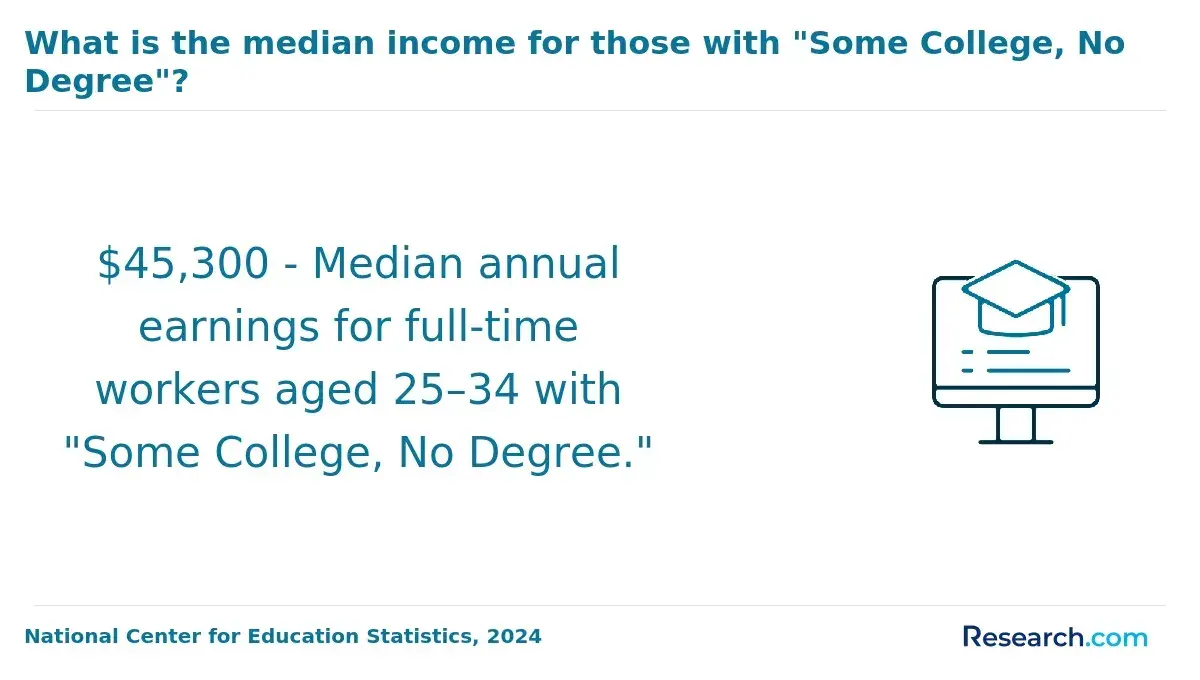
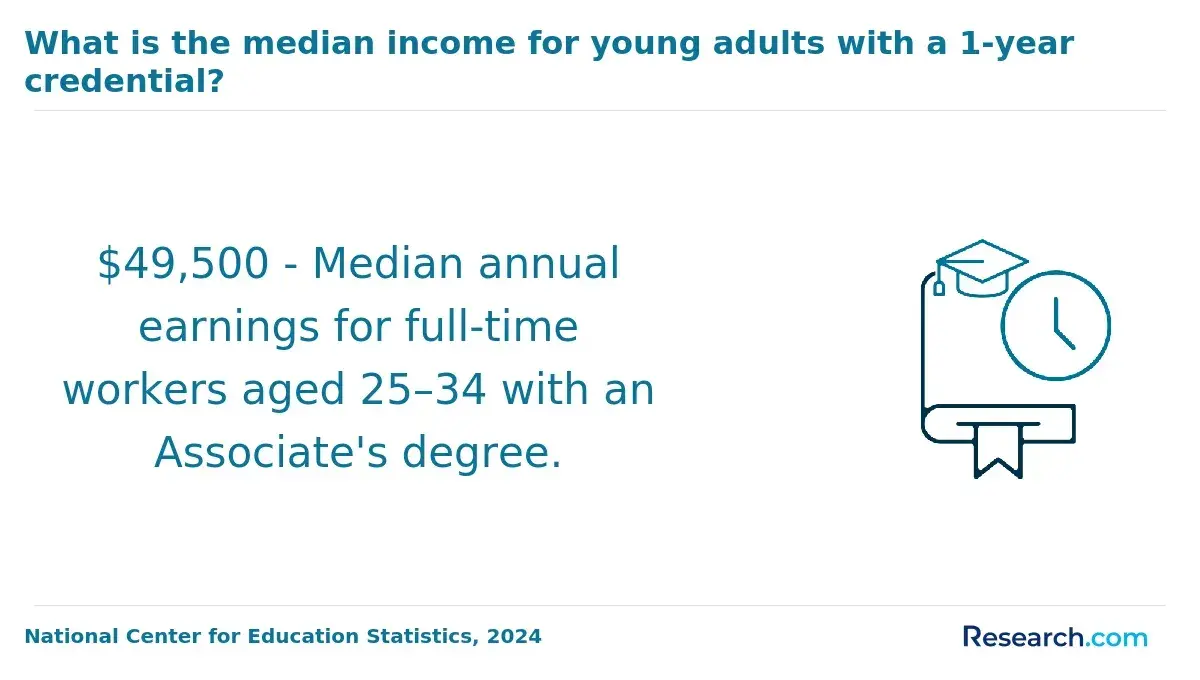
Evaluating a program's reputation entails analyzing graduation and employment outcomes alongside cost. With median tuition around $9,000 and early-career salaries near $45,000, programs should offer tangible returns on investment; expensive programs with outdated curricula or poor placement raise red flags.
Transparency regarding faculty qualifications, practical internships, and industry partnerships is critical since employers prioritize candidates with hands-on experience and relevant connections over theoretical knowledge alone.
Key considerations include:
- Verifiable placement and career support rates tailored to operational roles rather than coaching or marketing.
- Internship access that builds applicable skills and networks.
- Accreditation status that ensures program quality and transferability.
For those seeking accelerated options, evaluating an accelerated hospitality degree online program can provide insight into expedited degree completion models that may also apply to sport management pathways.
What core courses and specializations do top online sport management programs typically include?
Specialized sport management programs emphasize practical skills tied directly to managing sports entities, such as teams, venues, and leagues. Core coursework includes sports marketing, event and facility management, sports law, ethics, finance, and leadership within sports contexts.
Unlike broader business degrees, these programs integrate sector-specific specialties like sports analytics, which prepares students to interpret performance data crucial for decision-making in professional and collegiate sports operations.
Employers prioritize candidates familiar with governance, compliance, and risk management narrowly tailored to sports, for example, navigating NCAA regulations or resolving contract disputes. Candidates lacking sport-specific legal and compliance knowledge risk lower employability despite general business coursework. Expertise in industry-specific software for ticketing, merchandising, and fan engagement also enhances hiring prospects and operational effectiveness.
Many programs mitigate risk by including internships and case studies that imitate real industry challenges such as sponsorship negotiations, reinforcing the practical application of theoretical knowledge. Graduates typically start around $43,000, slightly above general business peers, indicating measurable value in targeted sport management credentials.
Students must weigh specialization depth against broader career flexibility. Narrow focuses boost competitiveness in sports operations but may limit transitions into unrelated business sectors. Selecting programs that balance foundational business principles with customizable sport-centered specializations provides adaptable pathways without sacrificing industry relevance.
What are the usual admission requirements for online sport management programs aimed at professionals?
Admission to online sport management programs geared toward operations roles demands more than academic qualifications; practical experience and clear career focus decisively shape candidate viability. Most programs require applicants to hold a bachelor's degree with a minimum GPA near 2.5 to 3.0, generally emphasizing business, sports science, or related fields.
Equally critical is a professional background of 2-3 years in sports operations areas such as event coordination, compliance, or analytics. This reflects the market's rising demand for operational analytics expertise, given projections of the global sports analytics sector growing from $3.8 billion in 2024 to $8.4 billion by 2029 at a 17% CAGR.
Prospective students must often provide transcripts, a statement of purpose aligned with specialties like facilities management or regulatory compliance, and letters of recommendation from supervisors familiar with their operational competencies. While standardized tests like the GRE may be waived for experienced professionals, technological proficiency is essential due to the digital nature of program delivery and operational demands.
For those transitioning from unrelated industries, foundational courses targeting sport-specific operations serve as critical stepping stones but extend time to completion. Managing full-time employment alongside coursework requires strong time management and reliable internet access.
Employers expect graduates to integrate advanced analytics into daily decision-making, optimizing scheduling, compliance, and resource use, which directly addresses the increasing complexity and value within the sports operations marketplace.
How long do online sport management programs take to complete, and what do they cost?
Completing an online sport management program requires balancing time, cost, and practical experience, which shapes its value and feasibility. Full-time students generally finish within 18 to 24 months, but part-time learners, especially working professionals, may extend up to three years or longer. Accelerated tracks shorten calendar time but often demand greater upfront investment and sacrifice flexibility, increasing the risk of burnout and dropout.
Tuition ranges significantly: public institutions typically charge between $10,000 and $25,000, while private schools may exceed $60,000. These fees reflect credit hours, built-in internships, and networking access—all critical to employability. Over 80% of sport management programs embed structured practicums or internships. For students already employed, programs linked with professional or collegiate sports organizations offer a direct path to field exposure without delaying graduation.
Decision-makers must weigh several factors beyond sticker price and duration:
- Potential unpaid internships and associated living or travel expenses
- Program reputation and alumni success influencing hiring outcomes
- Employer expectations for verifiable experience versus credentials alone
Choosing between a flexible part-time option or a faster accelerated path depends on one's current employment demands and tolerance for compressed schedules. Ultimately, candidates should prioritize practical internship access and credible industry connections to enhance market readiness.
What sports operations and front-office careers can you pursue with an online sport management degree?
Workforce demand in sport management increasingly favors candidates with applied experience alongside theoretical knowledge, as many roles hinge on specific operational competencies rather than general management skills alone.
For instance, a sports marketing coordinator on a minor league baseball team is tasked with tailoring fan engagement campaigns and managing sponsorship activations, requiring both business acumen and nuanced understanding of sports consumer behavior.
Facility operations managers face distinct challenges involving logistical oversight, vendor relations, and regulatory compliance—areas that require hands-on familiarity often gained through project-based learning rather than purely academic study.
The practical realities of online sport management programs are shaped by the needs of working professionals, with over half of such students employed full-time and nearly three-quarters seeking flexible scheduling, according to a 2024 report.
This underscores the importance for programs to integrate asynchronous coursework and real-world simulations that accommodate diverse learner circumstances without compromising operational skill development.
Employers prioritize measurable project outcomes, adaptability to technological tools, and the ability to analyze data for tasks like ticket sales forecasting. Students should consider how programs foster networking and internship opportunities, as these are critical for translating academic content into marketable expertise.
Moreover, understanding legal frameworks in contracts and digital marketing strategies under budget constraints often distinguishes candidates capable of advancing in front-office roles.
What salary ranges and promotion opportunities exist in sport operations and management roles?
Salaries in sport operations and management are strongly influenced by organizational scale and role seniority, with entry-level positions usually earning $45,000 to $60,000 annually. Mid-career professionals often reach $70,000 to $110,000, while senior roles at major league franchises or national organizations may exceed $150,000; executive-level compensation frequently surpasses $200,000.
In collegiate or community sports operations, salary ceilings tend to be lower due to less direct revenue impact. For instance, a university sport operations coordinator might see steady raises and could reach a director-level role within five years. Conversely, an operations manager on a professional team faces a more performance-driven trajectory, advancing quickly to executive roles like vice president or general manager, contingent on team success.
Employer acceptance of online sport management degrees supports career progression, with 68% of 2024 hiring managers equating accredited online credentials to traditional degrees, reducing educational barriers for working professionals.
However, balancing ongoing education alongside demanding workloads poses a significant hurdle. Practical experience remains a critical factor in hiring and promotion decisions, often outweighing credentials alone. Prospective students should prioritize programs offering internships or industry ties; failure to engage with such opportunities risks stagnation in lower salary bands despite credential completion.
Are there licenses, certifications, or professional associations that strengthen sport management careers?
Professional certifications such as the Certified Athletic Administrator (CAA) or Certified Sports Event Executive (CSEE) often serve as critical differentiators in sport management operations, particularly where compliance and risk control are key priorities.
For example, a mid-career candidate with a CAA and membership in the North American Society for Sport Management (NASSM) may bypass standard hiring pools for senior operations roles because these credentials evidence specialized expertise and a commitment to industry standards.
Membership in associations like NASSM or the Sports Management Association of Australia/New Zealand (SMAANZ) extends beyond networking, providing access to exclusive job markets and current regulatory insights. Such affiliations matter in a competitive environment where industry growth exceeds 20% annually.
Wage data from the U.S. Bureau of Labor Statistics confirms this operational value: management roles in sport-related industries command median salaries above $112,000—more than double the general occupational median. This gap stems from employer preference for professionals who can manage complex logistics and leadership challenges backed by relevant certifications.
Nonetheless, candidates must weigh certification costs and preparation against role requirements; entry-level or youth sports positions may not justify the investment. In major metropolitan markets, absence of certification or association engagement often translates into slower advancement and limited salary progression.
Other Things You Should Know About Sport Management
For professionals targeting operations roles, programs with mandatory internships provide direct industry experience and networking opportunities that often outweigh classroom-only training. However, programs emphasizing analytics sharpen skills that employers increasingly demand for performance metrics and decision-making. Prioritize programs that integrate applied internships with substantial data management coursework, as this combination better positions graduates for competitive operational roles.
Programs offering asynchronous classes deliver greater flexibility for working professionals but tend to require more self-discipline and time management to meet deadlines. Synchronous or hybrid formats offer structured schedules that can help maintain steady progress but may conflict with work hours and reduce flexibility. Candidates should select based on how much support they need balancing study with job responsibilities, as poor alignment here often leads to delayed completion or burnout.
Faculty with active industry experience or strong professional networks significantly enhance a program's practical relevance and job placement potential. Programs led by full-time academics without current operational backgrounds may provide solid theory but fall short in skills sought by employers. Prioritizing programs with faculty known for real-world involvement improves exposure to current challenges and hiring contacts in the sport operations field.
In 2027, leadership development is increasingly vital, as it complements technical skills essential for operations-side sports careers. Programs often integrate leadership training to enhance decision-making and team management, crucial for career advancement in sports management.
References
- Sports Management Bachelors | Sports Management Worldwide https://www.sportsmanagementworldwide.com/sports-management-bachelors-degree
- What are the career options after a master's degree in sports management? - INSEEC https://www.inseec.com/en/guides/career-path-guide/what-are-the-career-options-after-a-masters-degree-in-sports-management/
- Online Master’s Degrees in Sports Management: Find the Right School https://www.onlinemastersdegrees.org/best-programs/business/sports-management/
- Sport Operations Jobs (with Salaries) - SEEK https://au.seek.com/sport-operations-jobs
- Is Your Online Degree Legitimate? How to Verify Private University Approval https://matchtocollege.com/blog/verify-private-university-online-degree-approval
- Jobs in sport https://www.uksport.gov.uk/jobs-in-sport
- Career Paths In Sport Management https://www.ycp.edu/news/career-paths-sport-management
- How Professionals from Other Industries Can Build a Career in Sport Management - AISTS https://aists.org/how-professionals-from-other-industries-can-build-a-career-in-sport-management/
- How to Prepare for a Career in Sport Management https://www.dean.edu/news-events/dean-college-blog/story/how-prepare-career-sport-management/
- Types of Sports Management Degrees https://www.allbusinessschools.com/sports-management/degrees/