2027 Community Sports Roles You Can Target With a Sport Management Degree

Co-Founder and Chief Data Scientist
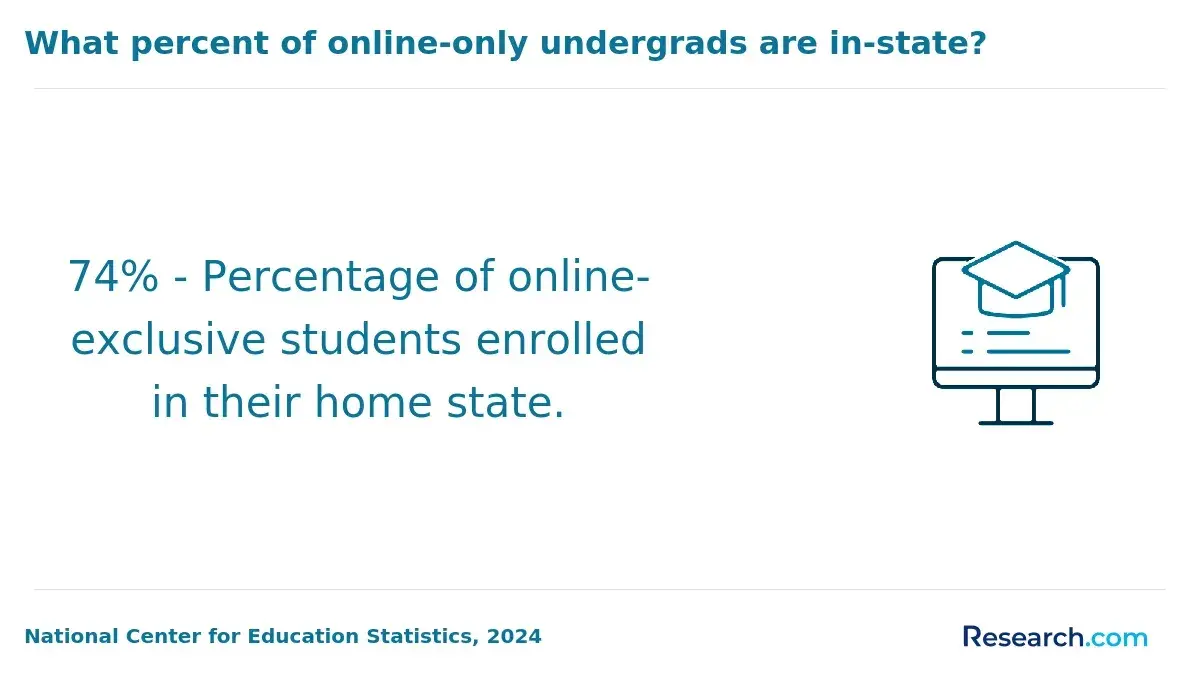
Securing a stable role in community sports administration presents distinct challenges as employers increasingly seek candidates with versatile skills adaptable to hybrid work environments and evolving program demands. The National Center for Education Statistics reports a 25% rise in part-time and online enrollment for applied professional degrees since 2023, reflecting greater adult learner flexibility and emphasizing the need for programs aligned with working professionals' schedules.
This shift influences how emerging sport management graduates position themselves, balancing academic credentials with practical, in-person experience valued by local agencies and nonprofits. This article identifies targeted community sports roles that leverage a sport management degree to navigate these workforce dynamics effectively.
Key Things You Should Know
- Community sports roles tied to sport management degrees require navigating a market with a 5% annual growth yet face a tradeoff: entry-level salaries lag behind other management fields by 12%, affecting long-term earning potential.
- Employers prioritize candidates with practical event coordination experience, citing that 68% of hiring managers in mid-tier community leagues prefer demonstrated project leadership over academic credentials alone, reshaping recruitment standards.
- Programs averaging 24 months to completion impose timing and cost barriers, as 43% of students finance through loans, delaying workforce entry and compounding opportunity costs compared to sub-18-month certifications in related fields.
What community sports careers can you pursue with a sport management degree?
Community sports management careers demand more than foundational knowledge in sports operations; practical administrative competence in budgeting, scheduling, and stakeholder engagement is essential. For instance, a community recreation program director often balances municipal constraints by coordinating event logistics, managing volunteers, and securing sponsorships to sustain programming-a real-world scenario illustrating the multifaceted nature of these entry-level roles in sport management.
The U.S. Bureau of Labor Statistics projects employment growth of 15% for program directors from 2022 to 2032, emphasizing the sector's expanding investment in public health initiatives. Comparatively, youth sports coordinators focus on designing inclusive, age-appropriate curricula and ensuring compliance amidst limited budgets, while athletic facility managers emphasize operational efficiency, equipment maintenance, and adherence to safety codes in environments like universities or municipal centers.
Prospective students should weigh the administrative-heavy demands of program director or facility manager roles against the participant-facing yet resource-constrained nature of youth coordinator positions. Combining sport management expertise with experience in public administration or nonprofit management often improves job market readiness. For those targeting a swift entry into this sector, pursuing an accelerated sports management degree online can align with practical needs without prolonged delay.
How does a sport management degree prepare you for community-based leadership roles?
Effective community leadership opportunities with a sport management degree depend on mastering operational complexity and stakeholder dynamics in a resource-intensive environment. As youth sports league budgets approach $30-40 billion annually, professionals must apply skills in program development, financial oversight, and compliance to manage competitive pressures and participation growth sustainably.
For example, a youth sports league coordinator balances multiple tournaments simultaneously, negotiating contracts and enforcing safety standards aligned with federal and local policies. This hands-on responsibility highlights how a sport management degree builds skills for local sports program management, particularly volunteer recruitment, conflict resolution, and vendor relations, which are essential in volunteer-driven settings.
Employers increasingly expect candidates to demonstrate strategic insight alongside operational competence, such as leveraging data analytics to optimize scheduling and resource allocation. Curricula that include internships and case studies expose students to realities like insurance management, facility logistics, and tailored community outreach-challenges that reflect shifting demographic needs and regulatory environments.
Those pursuing leadership roles must also integrate participation trend analysis and long-term impact assessment into program strategies. Individuals weighing educational paths may consider accelerated options; for reference, a quickest online project management degree highlights the potential for focused, efficient credential attainment parallel to sport management skill development.
What specific community sports job titles and responsibilities are common today?
Community sports coordinator roles and responsibilities extend beyond basic administrative tasks, demanding a nuanced grasp of operational and interpersonal dynamics within diverse local contexts. Municipal Parks & Sports Facilities Managers, for instance, juggle complex duties such as maintenance budgeting and stakeholder engagement within departments managing median recreation budgets of $2.4 million per department in 2024.
These roles require fluency in municipal funding cycles and regulatory compliance, with a typical scenario involving prioritizing capital improvements in rapidly growing suburbs to meet escalating local demand. Youth Sports Coordinators focus on age-specific program design and volunteer management, often facing limitations in staffing and funding typical of smaller municipalities or nonprofit clubs.
This underscores the realities faced by entry-level community sports jobs for sport management graduates who must balance enthusiasm with resource constraints. Recreation Program Directors demand agility to adapt community offerings based on feedback and regulatory changes, while Community Outreach Specialists confront challenges measuring social impact and maintaining sustained funding to engage underserved populations.
Essential skills across these roles include rigorous budget management, regulatory knowledge, and effective communication tailored to political and social complexities. For professionals considering a strategic advantage, pursuing a project management degree worth it can bolster capabilities in managing multifaceted projects and stakeholder networks critical to these careers.
What education and qualifications do you need for community sports management roles?
Hiring realities in community sports management often hinge more on specific competencies than general credentials. For instance, a School District Athletics & Activities Director must manage multifaceted budgets and navigate tight compliance with educational and athletic policies.
Such skills are typically cultivated through formal education in sport management or related fields like kinesiology and recreational leadership, aligning with core community sports management degree requirements. While many entry-level roles accept bachelor's degrees combining theoretical and practical frameworks-often with internship experience-it is increasingly common for senior or district-wide positions to require a master's degree.
Graduate programs emphasize policy analysis, strategic planning, and advanced leadership skills essential to managing multiple sports programs and fostering community partnerships. Certifications such as the Certified Athletic Administrator can further differentiate candidates by signaling adherence to professional standards.
Prospective students evaluating qualifications needed for community sports management careers should weigh these tradeoffs: bachelor's degrees generally offer accessibility and broad foundational learning, while graduate degrees and certifications correlate with leadership roles but demand greater time and financial investment. Practical internship experience remains a critical factor in employability. Labor market data forecasts a 7% growth in athletic director positions through 2034, with median salaries near $71,311, indicating a sustained employment outlook. Those seeking flexible education options might explore hospitality management courses online for transferable administrative skills, broadening their operational versatility.
Are online sport management programs as valuable as campus programs for community careers?
Degrees in sport management obtained online often lack the crucial experiential components that campus programs provide, which are essential for securing roles in community sports sectors. Employers prioritize candidates who demonstrate hands-on experience such as internships, managing live events, or coordinating sponsorships-opportunities more accessible through direct campus engagement and regional industry networks.
Consider a Community Sports Marketing & Sponsorship Coordinator targeting the average national salary of $125,650. This role demands tangible experience handling actual sponsorship deals or marketing initiatives, typically acquired through in-person mentorship and connections facilitated by physical programs and local partnerships.
Online formats can serve professionals already embedded in the sports industry who can immediately apply coursework to their current roles. However, newcomers face a significant challenge without local networks or structured internship support, which many online programs fail to provide or coordinate. To overcome this, such individuals must proactively seek out local organizations to gain relevant exposure.
Key points to evaluate when choosing between online and campus sport management paths include:
- Availability of career placement and internship coordination.
- Access to direct mentorship and community sports organizations.
- Ability to integrate education with current sport industry roles.
Overall, campus programs maintain an edge in bridging students with practical skills and employer connections. Yet, online programs with strong internship partnerships and career services can offer viable alternatives, especially for working adults leveraging pre-existing industry relationships.
What courses and skills in sport management programs align with community sports work?
Management of nonprofit and community sports programs requires applied skills tailored to operational challenges and funding realities rather than theoretical knowledge alone. Coursework that focuses on budgeting and financial management for smaller nonprofits trains managers to handle volatile revenue streams and fluctuating expenses, a significant issue as community sports experienced a 20% revenue growth from 2020 to 2024 driven largely by youth and health initiatives.
Practical proficiency in grant writing and fundraising directly impacts an organization's capacity to sustain programs amid shifting policy and economic conditions. Operational tasks such as scheduling multiple local events while maintaining compliance with safety and accessibility laws illustrate real-world demands on sport managers, especially within municipal or nonprofit contexts.
Marketing and stakeholder communication skills, particularly digital outreach, are essential to increase participation and secure ongoing community support. Leadership preparation is not abstract: it emphasizes ethical team management and inclusive culture-building, addressing increasing expectations around equity and social responsibility in community sports.
Data analysis competencies equip graduates to produce evidence-based reports, critical in meeting funder accountability and adapting program strategy. Internships embedded in the curriculum offer the vital opportunity to translate theory into practice by confronting challenges like participation fluctuations and evolving regulations. Prioritizing programs with these applied skill sets better aligns graduate capabilities with employer expectations for juggling complex priorities in a dynamic sector.
How much can you earn in community sports roles with a sport management degree?
Entry-level community sports roles for sport management graduates typically offer median salaries around $63,300, as reported by ZipRecruiter data referenced by Abilene Christian University's sports leadership program. For instance, City Sports Events & Tournament Coordinators averaged $63,335 annually, equating to about $30.45 per hour.
However, this median masks significant variations tied to employer type, geographic location, and organizational scale. Consider a coordinator employed by a large metropolitan parks department: their compensation often surpasses this median due to larger budgets and the complexity of urban event management.
Conversely, rural or small-town positions tend to pay less, highlighting the tradeoff between salary and lifestyle or geographic preferences. Graduates must weigh these factors carefully in their job search or relocation decisions.
Employers usually demand strong competencies in budgeting, project management software, and community engagement, with the necessity for weekend and flexible hours impacting actual earnings and work-life balance. Roles in the nonprofit sector may offer lower base salaries but occasionally compensate with performance bonuses linked to fundraising outcomes.
As a result, salary figures should be viewed as initial benchmarks rather than firm offers. Candidates must analyze variable income sources, sector stability, and local market demand to understand potential compensation truly. For those evaluating this pathway, clarity about these operational nuances is crucial.
What is the job outlook for community sports and recreation management professionals?
The hiring landscape for community sports and recreation management roles reflects growing employer investment in wellness programs, with wellness spending averaging $1,100 per employee in 2024. This increase notably expands opportunities for professionals who can develop, manage, and measure sports-based initiatives that align with community health objectives.
Demand favors candidates skilled not only in program design but also in data analysis to validate impact amid constrained budgets. Mid-career professionals combining sport management expertise with certifications in project management, health promotion, or data analytics often progress into leadership positions, such as directors overseeing municipal or corporate sports wellness programs.
Trade-offs emerge when comparing public and private sector roles: public agencies emphasize equitable access and regulatory compliance, which may limit innovation but provide funding stability; private employers prioritize agility and tech-enabled engagement, requiring adaptability to fast-changing tools. Candidates should assess these differences relative to their career goals and regional market conditions, as budget tightening in some localities intensifies competition.
Essential skills include:
- Community outreach and grant management
- Budget oversight with fiscal accountability
- Data literacy for ROI measurement
- Strategic networking to demonstrate measurable outcomes
Understanding these operational realities helps clarify which educational investments and credential combinations best position professionals for sustainable growth in this nuanced sector.
Do community sport management careers require certification or professional licensing?
Licensure is rarely a prerequisite for community sport management roles, yet credentialing influences employability and compensation significantly. For example, managers responsible for facilities and memberships often rely on skills like budgeting and engagement rather than formal licenses.
Still, certifications from entities such as the National Recreation and Park Association (NRPA) or earning a Certified Park and Recreation Professional (CPRP) credential can distinguish candidates, especially in markets prioritizing regulatory compliance and operational safety. Consider a director overseeing an aquatic center: certification in first aid, CPR, or risk management can be mandatory, as these mitigate liability and ensure adherence to safety standards.
In contrast, those focused on program development or membership services may not face certification mandates but benefit from formal training reflecting their expertise. Salary data from Abilene Christian University places the median sports facility manager wage near $69,000, with top incomes surpassing $106,000, indicating that verified skill sets and specialized certifications correlate with higher earning potential and leadership opportunities.
Evaluating employer expectations by sector-public versus private-and geography is crucial for targeting credentials that align with job requirements.
How can you choose an accredited, reputable sport management program for community sports?
Choosing a sport management program without verifying its regional accreditation risks wasting time and money on credits that may not transfer or meet employer expectations. Employers in U.S. community sports increasingly require candidates who combine operational knowledge with practical experience, often through internships embedded in local leagues or municipal partnerships.
This hands-on exposure is frequently decisive for roles such as youth sports coordinators or facility managers. Programs that embed coursework on data analytics and sports technology better position graduates for competitive roles.
For example, sports data analysts earn an average salary of $90,109, with top earners exceeding $100,000, reflecting a strong workforce demand for data-fluent candidates. Hiring managers prioritize those who understand data-driven decision-making alongside sports programming. Graduates lacking this skill set face limited entry points in the sector.
Candidates should assess faculty expertise in applied research or consulting with nonprofit sports groups, since such connections produce curricula aligned with real-world employer needs. Beware of fully online programs lacking access to community sports operations networks, as that gap hinders development of relevant contacts and skills.
Other Things You Should Know About Sport Management
In 2027, community sports organizations value both a sport management degree and relevant experience. A degree provides foundational knowledge, while experience demonstrates practical skills. Employers often seek candidates with a blend of formal education and hands-on experience for most roles in the field.
A broad sport management degree covering event management, marketing, finance, and community engagement offers more flexibility and adaptability in diverse community sports roles. Specialization narrows your skills but may limit opportunities outside that niche. Prioritizing programs with a strong foundational curriculum and opportunities to tailor electives ensures better long-term career options and responsiveness to shifting community sport demands.
Community sports employers expect managers to balance operational duties with strategic planning, often under resource constraints. This requires proficiency in multitasking across event coordination, stakeholder communication, and volunteer supervision. Understanding that real-world workload extends beyond theory guides students to select programs emphasizing hands-on training and time management skills to handle these complex demands effectively.
While a degree is the baseline qualification, many community sports roles reward certifications in areas like CPR, risk management, or nonprofit leadership for advancement. A sport management degree alone may limit progression beyond mid-level roles in organizations that value specialized credentials. Candidates should evaluate whether their target roles require or strongly favor additional certificates and plan their education path accordingly.
References
- How Professionals from Other Industries Can Build a Career in Sport Management - AISTS https://aists.org/how-professionals-from-other-industries-can-build-a-career-in-sport-management/
- 73 Jobs You Can Get With a Sports Management Degree: A Guide https://www.salemu.edu/blog/sports-recreation-management-careers/
- Best Degree For Sports Management | University of Bridgeport https://www.bridgeport.edu/news/best-degree-for-sports-management/
- Kickstart Your Career with eta College’s Sports Management Courses - eta https://etacollege.com/kickstart-your-career-with-eta-colleges-sports-management-courses/
- Online Associate in Sports Management https://www.monroeu.edu/academics/undergraduate-programs/monroe-online/school-business-and-accounting/online-associate-1
- The sport workplace/Jobs and careers in the sport and fitness industry - Wikiversity https://en.wikiversity.org/wiki/The_sport_workplace/Jobs_and_careers_in_the_sport_and_fitness_industry
- Sports Job Training & Certification Courses | Sports Management Worldwide https://www.sportsmanagementworldwide.com/courses
- What can I do with a Sport Management degree? https://www.coloradomesa.edu/iris/explore-majors/what-can-i-do-with-a-sport-management-degree.html
- Emerging Careers In Sports: Job Options, Salaries, & Resources https://www.learnhowtobecome.org/career-resource-center/careers-in-sports/
- What do you learn in a Sports Management course https://www.torrens.edu.au/stories/blog/business/what-do-you-learn-in-a-sports-management-course