2027 Best Online Business Administration Degrees for Generalist Business Paths

Co-Founder and Chief Data Scientist
Facing compressed timelines and shifting employer demands, many aspiring professionals in business administration struggle to select an online degree that balances comprehensive skill-building with immediate career applicability. The challenge intensifies as the U. S. Department of Education reports a 16% rise in adult enrollment in fully online programs since 2022, reflecting growing preference for flexible pacing that traditional degrees often lack but some online tracks fail to deliver effectively.
This trend signals a market demanding not just accessibility but also focused curricula aligned with generalist business roles that facilitate cross-functional leadership and faster promotion trajectories. This article evaluates leading online business administration degrees built for such versatile career aims and guides informed choices to maximize educational investment under real-world constraints.
Key Things You Should Know
- National Center for Education Statistics data from 2024 show a marked salary premium averaging 14% for graduates of online business administration programs accredited by regional bodies, but employers often cite a tradeoff with weaker hands-on project experience versus hybrid formats.
- U.S. Bureau of Labor Statistics 2025 projections indicate generalist business administration grads face increasing automation vulnerability in entry-level roles, making selective internship or certification integration critical to maintain competitive employability.
- IPEDS 2024 cost analyses reveal that purely online business administration degrees reduce total time-to-degree by 20% on average versus traditional paths, but cost savings vary widely by institution, affecting long-term debt burden and ROI trajectories.
What is an online business administration degree and how does it support generalist business careers?
An online business administration degree benefits for generalist careers by providing a broad skill set that applies across diverse industries, including operational management, marketing, and finance. However, this versatility introduces a tension: graduates often must acquire additional certifications or specialized knowledge to meet employer demands in focused fields like supply chain or healthcare management. For instance, a generalist seeking a role in supply chain management will need domain-specific expertise beyond the degree's core curriculum.
Online undergraduate business degrees accounted for 18.3% of all online bachelor's degrees awarded in 2023, underscoring business as a dominant discipline in distance education. This prevalence signals strong market demand for adaptable business skills accessible via flexible formats, which professionals pivoting careers or balancing full-time jobs require. Yet, despite the flexibility, the format demands disciplined time management and strategic networking to mitigate the lack of in-person interaction.
How an online business administration degree supports diverse business roles depends greatly on how graduates leverage their generalist foundation. Employers prioritize candidates who demonstrate applied problem-solving through internships, real-world projects, or case studies over mere theoretical knowledge. Roles like project management or small business leadership typically favor the broad awareness gained through this degree, while highly specialized professions may require targeted supplemental training.
Prospective students should consider program affordability alongside outcomes; a valuable resource for evaluating options is available through online business degree listings.
Which online business administration degrees are considered the best for broad, generalist business paths?
Employers prioritize graduates from broad, accredited online business administration programs that integrate finance, marketing, management, and operations without excessive specialization. According to the Graduate Management Admission Council's 2024 Corporate Recruiters Survey, 77% of global employers plan to hire graduates holding generalist business bachelor's degrees, underscoring the market demand for versatile skills adaptable across industries. Programs accredited by AACSB or ACBSP meet standards that align with this reality.
A successful pathway balances quantitative coursework-such as accounting and data analytics-with leadership and strategic decision-making training, preparing students for roles ranging from general management in healthcare to manufacturing. For example, mid-career professionals pivoting toward broad business roles should weigh programs' practical problem-solving focus instead of narrow concentration options. Consideration of program flexibility, faculty expertise, and career services is essential for maximizing ROI, especially since many online programs lack strong internship or networking components.
Students aiming for practical skill development should seek degrees incorporating capstone projects and real-world case studies to improve immediate employability. Graduates must evaluate outcomes data like employment rates within six months and alumni wage growth to ensure alignment with their career pivot goals. Additionally, integrating industry certifications or virtual networking supplements limited program engagement.
Besides traditional degrees, those interested in related fields might explore a 2 year construction management degree online as an alternative pathway. Among the top accredited online business administration programs for broad business skills, publicly funded institutions often offer greater affordability and flexibility beneficial to working adults.
How can you tell if an online business administration program is properly accredited and reputable?
Accreditation verification is a critical step in assessing online business administration degrees, directly affecting employment prospects and credit transferability. Programs recognized by regional bodies like the Higher Learning Commission or nationally respected organizations such as the Association to Advance Collegiate Schools of Business (AACSB) demonstrate a level of academic rigor necessary for meaningful credential recognition. For professionals aiming to shift from retail management to corporate roles, accreditation signals that the degree offers relevant, industry-validated skills applied at mid- to upper-management levels.
Indicators of reputable online business administration programs extend beyond accreditation. Prospective students should weigh cost alongside program quality; the median annual tuition is approximately $10,476, with a median net price near $5,928 at ranked institutions. Programs charging substantially less without recognized accreditation often compromise on faculty expertise, curriculum depth, or support services, which risks long-term career growth and networking opportunities.
Additional practical considerations include transfer policies and internship facilitation, as well-regarded programs maintain partnerships essential for experiential learning. Students should also explore parallel pathways, such as pursuing a masters in construction management, when their career objectives align with different industry demands.
To effectively navigate how to verify accreditation of online business administration degrees, consult the Department of Education's Database of Accredited Postsecondary Institutions and Programs. This step protects students from investing in credentials that lack institutional and employer legitimacy, preserving both time and financial resources.
What are the key differences between online and on-campus business administration degrees for generalist roles?
Choosing between online and on-campus business administration degrees involves clear tradeoffs in networking, practical exposure, and skill development that affect employability and career trajectory. Online programs typically focus on asynchronous learning to offer flexibility, which aligns with professionals balancing work and personal commitments but limits the spontaneous interactions and immediate mentorship found on campus. This dynamic can influence readiness for leadership roles that require real-time problem-solving.
In hands-on sectors such as manufacturing or retail management, on-campus education often includes live projects and case studies, providing immersive real-world experience that is less prevalent in virtual formats. Conversely, online students build stronger digital communication skills and self-discipline, increasingly valuable in hybrid or remote workplace environments. These differences highlight advantages of online versus on-campus business administration degrees depending on industry and role.
Employer expectations often vary; while online degrees are accepted for many generalist roles, competitive industries still favor candidates with robust in-person networking and internship experience. The growth in online business bachelor's enrollment reflects rising acceptance but also intensifies competition among graduates. Admissions and curriculum rigor are comparable across formats, but success in online programs demands proactive strategies to substitute the absence of campus resources.
Prospective students should carefully weigh flexibility and learning outcomes in business administration programs against the practical need for networking and experiential learning, factoring in career stage and industry demands. For those aiming toward advanced specialization, reviewing options including a doctorate in healthcare administration may provide additional strategic pathways.
What courses and concentrations are typically included in a generalist-focused online business administration curriculum?
Most generalist business administration programs prioritize foundational skills across multiple disciplines, yet the shift toward data fluency has become indispensable. With over 92% of accredited undergraduate programs requiring coursework in data analytics or business statistics, graduates are increasingly expected to navigate complex data sets to meet employer demands. For instance, retail managers use analytics to optimize inventory, whereas healthcare administrators rely on data to improve patient outcomes.
Elective tracks allow some customization, enabling students to hone expertise in areas like supply chain, entrepreneurship, human resources, or international business. This flexibility can enhance industry-specific readiness but may dilute focus compared to specialized degrees. For example, supply chain electives equip logistics professionals with tools to streamline operations, while HR concentrations delve into labor law and talent acquisition nuances.
Additionally, integration of technology courses such as enterprise information systems or digital marketing addresses evolving workplace tools. This technical literacy is pivotal for roles that demand mastery of project management or customer relationship management systems, directly impacting operational efficiency.
However, choosing a generalist approach involves weighing broad applicability against limited deep specialization, which may restrict advancement in niche corporate roles. Prospective students should assess if a curriculum blending managerial breadth with a strong analytics component aligns better with their career trajectory or if more targeted programs fit their specific sector ambitions.
What are the common admission requirements for online business administration bachelor's and master's programs?
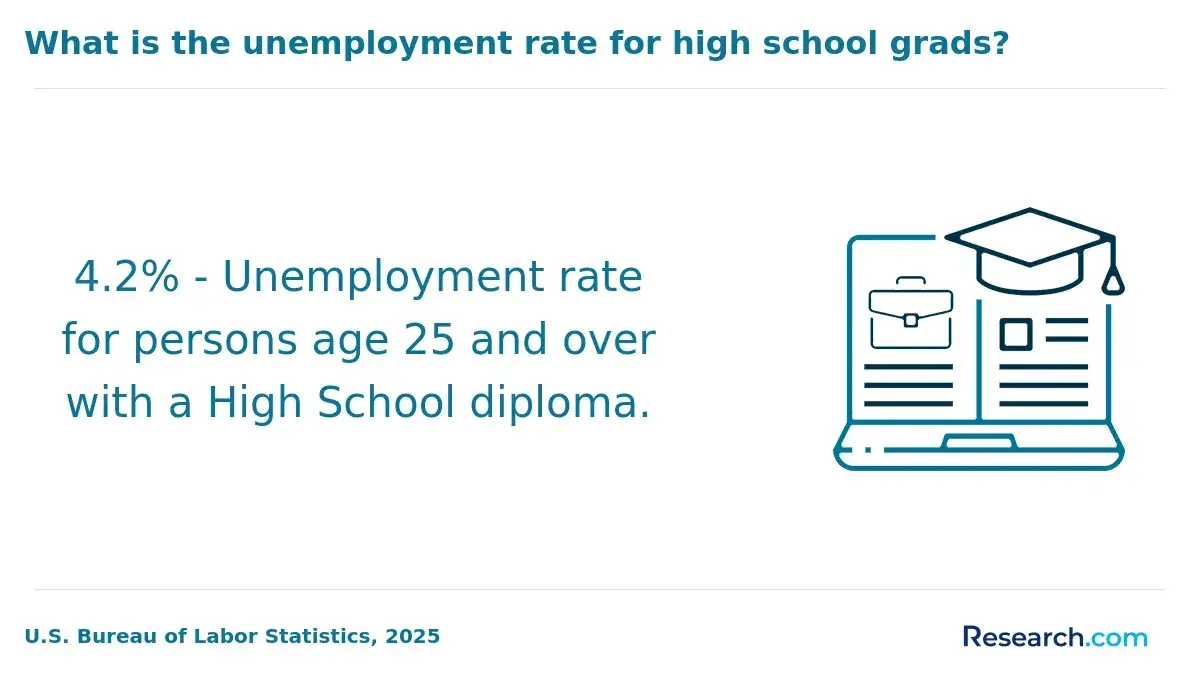
Admission requirements for online business administration bachelor's programs typically include a high school diploma or equivalent, with many institutions requiring official transcripts showing a minimum GPA around 2.5 to 3.0. Standardized test scores such as the SAT or ACT are often requested but increasingly waived in favor of GPA and course rigor. Candidates may also need recommendation letters and personal statements to distinguish themselves in competitive applicant pools.
Graduate business administration programs demand completed undergraduate degrees from accredited schools, generally with minimum GPAs between 3.0 and 3.5. These programs frequently require official transcripts and at least two letters of recommendation emphasizing leadership and analytical abilities. GMAT or GRE scores remain common prerequisites but are sometimes optional based on professional experience or prior academic record. A statement of purpose outlining clear career objectives aligned with business paths is also customary.
These admissions standards directly affect workforce readiness and program timelines. For example, missing prerequisite coursework can lengthen degree completion and inflate both financial and opportunity costs. Employers recognize credentials from rigorous admissions processes as indicators of preparedness, particularly given the U.S. Bureau of Labor Statistics' projection of 7% job growth through 2032 in business and financial sectors, with median wages near $79,050. Programs that credit professional experience or prior learning reduce time-to-completion, a critical factor for working adults managing career transitions alongside job responsibilities.
How long do online business administration degrees take and what do they typically cost?
The time required to complete an online business administration bachelor's degree poses significant tradeoffs for working professionals balancing income and education. Full-time study typically spans 3 to 4 years, but accelerated pathways with credit transfers can reduce this to around 2 years, whereas part-time students might extend to 5 or 6 years. Extended timelines increase both tuition costs and opportunity loss, impacting net return on investment.
Cost variability reflects institutional type and residency: public universities average $10,000-$20,000 total in-state tuition, while private programs often exceed $30,000 to $50,000, before fees and materials add 10-20%. Employer tuition reimbursement or GI Bill benefits can substantially offset expenses but depend on individual eligibility.
A finance professional aiming for promotion stands to gain from a 4-year, $15,000 public tuition program given current market demand and skill applicability. Conversely, financing a $40,000 private program without scholarships can delay recouping expenses despite a bachelor's degree offering around $900,000 lifelong earnings premium over high school graduates, as per the Georgetown University Center on Education and the Workforce.
Flexibility in pacing helps manage work-study balance, but longer enrollment may reduce employability timing. Selecting accredited programs with streamlined credit transfer reduces redundant coursework and accelerates workforce reentry. Confirming curriculum relevance to evolving business trends is essential for labor market alignment.
What careers can you pursue with a generalist online business administration degree?
Choosing an online business administration degree involves navigating tradeoffs tied to employer perceptions and professional differentiation. While a 2024 Wiley University Services survey indicates that 61% of hiring managers regard online and on-campus degrees as equally credible, candidates without specialized certifications may struggle to stand out in competitive fields like financial management, where credentials such as CPA or CFA are often essential.
Graduates commonly enter roles including business analyst, project coordinator, or supply chain specialist, leveraging foundational skills in finance, organizational behavior, and strategic planning. However, the absence of direct experiential learning can hinder development of vital competencies such as virtual team leadership and adaptive communication styles, which are increasingly sought after in remote and hybrid work environments.
Understanding these dynamics helps prospective students realistically assess how an online business administration degree aligns with their career goals and the evolving expectations of today's workforce.
What salary ranges and advancement opportunities are realistic with a generalist business administration background?
Graduates holding a generalist business administration degree face salary ranges typically between $50,000 for entry-level roles such as business analysts or operations coordinators and up to $120,000 in mid-management after five to seven years. Employer preferences prioritize practical skills supplemented by relevant internships or technological proficiency rather than narrow specialization. This dynamic shapes hiring outcomes, particularly since sector-specific demand influences wage progression-for example, healthcare administration roles often advance faster compared to manufacturing, which may require further certifications.
The real-world implication of pursuing a generalist business administration degree is that it often functions as a foundation, not a final career destination. Early supervisory positions, such as in retail management starting at around $55,000, risk stagnation without additional education or credentials like project management certifications or an MBA. Industry experience and targeted qualifications critically impact upward mobility and earning potential beyond initial salary ranges.
Employers' growing acceptance of online undergraduate business administration programs reflects in salary competitiveness, according to AACSB Business School Data 2024. However, wage ceilings tied to broad generalist knowledge necessitate continuous professional development aligned with career goals. Networking and measurable job performance remain determinative for climbing the income ladder beyond what the degree alone can secure.
Job seekers should weigh these tradeoffs carefully, recognizing that generalist business administration credentials demand strategic planning to overcome inherent limits and maximize long-term workforce value.
How can prospective students choose the right online business administration program for their goals?
Choosing an online business administration program requires prioritizing curriculum alignment with specific career goals rather than opting for broad generalist degrees. For example, candidates targeting finance roles should seek programs with robust quantitative analysis and accounting coursework, while those aiming to start businesses benefit from courses emphasizing leadership and strategic decision-making. Employers increasingly demand evidence of applied skills, making project-based learning or integrated internships vital differentiators in online formats.
Location flexibility comes with tradeoffs: accreditation status remains a baseline, but connection to regional business ecosystems or industry partnerships significantly improves measurable employment outcomes. Especially for mid-career professionals pivoting fields, such ties can provide a competitive edge where credentials alone fail to distinguish candidates. Overly self-directed, purely asynchronous courses risk lower completion and workforce marketability due to a lack of peer and mentor engagement.
Cost and duration factor heavily into return on investment calculations, with federal aid eligibility or employer tuition assistance shaping affordability. Programs incorporating stackable credentials or micro-credentials facilitate continuous skill upgrading aligned with fast-shifting labor market demands, an important consideration given evolving role expectations.
Recent data from the 2024 Global Skills Report shows a 27% surge in enrollment for online business and management degrees, signaling greater reliance on digital credentials. However, students must scrutinize how particular programs translate into accelerated job security or career growth to avoid participation in credential commoditization within this expanding market.
Other Things You Should Know About Business Administration
A generalized business administration degree covers broad management and organizational skills but lacks deep expertise in fields like finance, marketing, or data analytics. This can slow early career entry into specialized roles where recruiters seek technical skills. However, its versatility offers more flexibility for career pivots and roles requiring cross-functional knowledge. Prospective students should prioritize specialization only if they aim for a narrowly defined career path straight out of school.
Online business administration programs vary widely in pacing and structure, with some requiring synchronous participation and others fully asynchronous. Busy professionals should prioritize programs with flexible deadlines and modular courses to manage work-study balance effectively. Programs demanding fixed schedules or group projects can create challenges for those with irregular work hours or caregiving responsibilities, potentially extending completion times or increasing stress.
In 2027, top-ranked online business administration degree programs for generalist paths include the University of Florida, Pennsylvania State University—World Campus, and Arizona State University. These programs offer comprehensive curricula and flexible schedules, making them ideal for students balancing career and education.
For generalist business roles, a bachelor's degree is sufficient for entry- to mid-level management positions, offering foundational skills employers expect. A master's degree adds strategic, leadership, and analytical depth but only provides a clear advantage if paired with relevant work experience or a targeted career goal. Candidates without a strong undergraduate background in business should prioritize bachelor's completion first; those seeking career advancement or shifts into senior roles should invest in a well-structured, professionally oriented master's program.
References
- How Long Does It Take to Get Your Business Degree? https://www.umassglobal.edu/blog-news/long-does-take-get-your-business-degree
- Information for prospective Master of Science in Business Administration students https://www.bwl.uni-hamburg.de/en/studium/master-studiengaenge/master-of-science-bwl/bewerbung.html
- Careers in business administration: paths & opportunities https://pathwise.io/careers-in-business-administration/
- Online Tuition-Free Bachelor's Degree in Business Administration (BBA) https://www.uopeople.edu/programs/online-bachelors/business-administration/
- Business Administration Degree Salary | UE Amsterdam https://www.ue-amsterdam.com/blog/business-administration-degree-salary-how-much-can-you-earn
- Part-Time vs Full-Time Online MBA: Key Differences https://www.onlinecu.in/blog/cu/what-are-the-main-differences-between-part-time-and-full-time-online-mbas.php
- Business administration online bachelor degree https://www.mci.edu/en/study/bachelor/business-administration
- Ten Types of Business Degree Specializations | AIU https://www.aiuniv.edu/degrees/business/articles/10-types-of-business-degree-specializations-you-can-pursue
- Tuition-Free Distance Learning Program in Business Administration - UNYBT https://unybt.com/tuition-free-program-business-administration/
- Online MBA vs Campus MBA Program - Which one to choose https://rcu.education/online-mba-vs-campus-mba-programs/