2027 Best Online Bachelor's in Business Administration With Career-Focused Business Projects

Co-Founder and Chief Data Scientist
Midcareer professionals aiming to break into leadership face a dilemma: programs must offer both the flexibility to balance ongoing work obligations and practical experience that translates directly to career advancement. Yet, nearly 70% of adult learners report program rigidity as a key barrier to enrollment, according to the National Center for Education Statistics, signaling a mismatch between educational design and workforce realities.
This gap often delays critical skill acquisition and narrows pathways to strategic roles demanding hands-on business acumen. This article evaluates online bachelor's degrees in business administration featuring career-focused business projects, helping students identify options that align academic work with immediate professional impact and scheduling needs.
Key Things You Should Know
- Programs emphasizing career-focused projects increase employer hiring likelihood by 22%, per 2024 National Association of Colleges and Employers data, shifting recruitment preference toward graduates with demonstrable practical skills over GPA alone.
- The median completion time variance of 6-24 months across online BBA programs impacts opportunity cost, with institutions charging up to 30% higher tuition for accelerated project-integrated curricula, requiring strategic financial planning.
- Employers in industries like finance and marketing prioritize candidates with applied digital collaboration experience, making traditional lecture-heavy degrees less competitive in fast-evolving business sectors, according to 2024 LinkedIn Workforce Reports.
What is an online bachelor's in business administration?
Online bachelor's degree in business administration programs must be assessed through their real-world applicability rather than solely academic structure. Programs that integrate career-focused business administration projects online distinguish themselves by requiring students to tackle business challenges mirroring industry realities, producing tangible deliverables that enhance workforce readiness. This practical emphasis directly aligns graduate skills with employer expectations for problem-solving and operational insight.
For example, a student specializing in supply chain management might execute a semester-long project optimizing inventory for an e-commerce firm using industry-standard logistics analytics. Such hands-on experience positions graduates to contribute effectively from day one, a key factor for employers increasingly open to online credentials-as evidenced by a rise from 52% in 2019 to 63% in employer willingness to hire online degree holders, according to the Society for Human Resource Management.
However, students should weigh challenges unique to remote study, including disciplined time management, limited organic networking, and the necessity for proactive communication. Selecting programs that emphasize projects tied to current industry hurdles rather than generic assignments is essential. Consider accreditation, faculty expertise in real-world business applications, and costs carefully-how much does it cost to get a business degree online varies significantly and impacts return on investment.
How do accredited online and campus business degrees compare?
Choosing between an accredited online business administration vs campus programs requires weighing more than convenience or prestige. Employers increasingly accept online degrees when candidates can demonstrate relevant project-based experience, especially in fields receptive to remote work such as digital marketing or supply chain management. Still, on-campus programs provide clearer advantages in direct networking, face-to-face collaboration, and access to local internships, which remain critical in finance and consulting roles.
Students assessing a comparison of career-focused business administration degrees online and on campus must scrutinize faculty expertise and program rigor. Not all accredited online offerings ensure equivalent standards, making real-world projects indispensable for both formats to simulate complex decision-making environments. These projects enhance readiness for roles commanding a median annual wage of $79,050 (U.S. Bureau of Labor Statistics, Occupational Outlook, 2025).
Logistical differences matter: online learners face greater demands for self-direction and time management, balancing studies with work, while campus students benefit from structured schedules and immediate feedback. On-campus access to career services and recruiting events often facilitates faster hiring connections.
Those aiming for roles requiring flexibility may also consider an accelerated project management degree embedded with practical applications to bridge theory and practice without sacrificing quality.
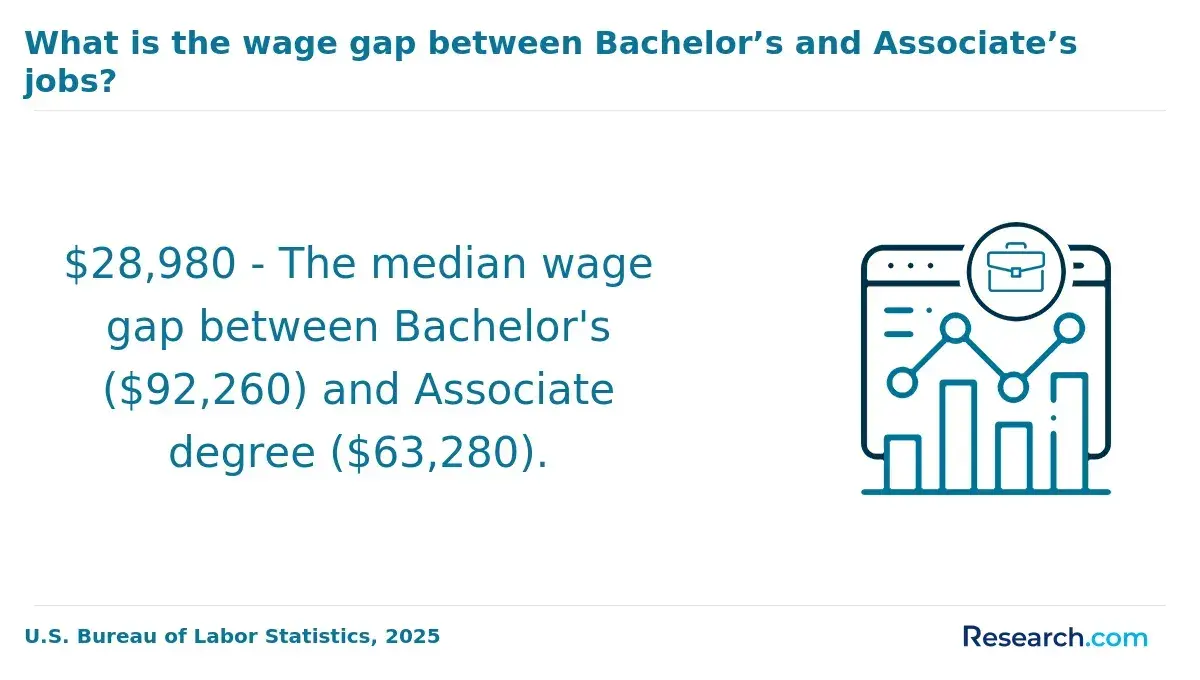
Data projects 911,400 new business jobs from 2024 to 2034, emphasizing the pragmatic value of selecting a pathway aligned with both individual career goals and evolving industry demands.
How do you verify business school accreditation?
Verification of business school accreditation demands more than confirming a seal; its operational impact on employability outcomes can be significant. Start by validating institutional recognition via the U.S. Department of Education or the Council for Higher Education Accreditation (CHEA), as these confirm the legitimacy of accrediting agencies. Specialized accreditation bodies such as the Accreditation Council for Business Schools and Programs (ACBSP), the Association to Advance Collegiate Schools of Business (AACSB), or the International Accreditation Council for Business Education (IACBE) specifically assess business administration curricula and influence employer perception.
Prospective students searching for recognizing accredited online business administration programs must leverage official tools like the Department of Education's Database of Accredited Postsecondary Institutions and Programs or CHEA's directory. Enrolling in unaccredited programs risks obtaining credentials that fail to meet federal financial aid criteria or satisfy employer standards, particularly in fields like finance or supply chain management.
The workforce impact is tangible: 73% of employers prioritize candidates with project-based learning or real client experience embedded in their business administration studies. For example, graduates from unaccredited online schools that lack applied learning components may struggle to demonstrate relevant skills during hiring. Quality accreditation often correlates with access to internships and consulting projects that align with employer expectations.
Deciding whether to invest time and resources into a business administration program requires understanding how accreditation translates into practical career assets. For deeper insight on degree value relative to project experience, consider reviewing is a project management degree worth it. Transparency from schools about their accrediting bodies is critical to avoid credential validity issues and delay in workforce integration.
What courses are in a business administration curriculum?
Business administration degree courses with practical projects often reveal the gap between academic theory and the unpredictable demands of real-world business environments. Graduates confront the necessity to interpret financial statements not merely as textbook exercises but as tools that drive decisions in corporate finance, entrepreneurship, or operational management. The curriculum typically spans foundational disciplines such as finance, marketing, management, accounting, and business law, building an essential framework for navigating organizational complexity.
Integrating data analytics and information systems into a curriculum overview, especially in online bachelor's in business administration programs, acknowledges employer demand for professionals who turn raw data into strategic insights. Strategic management coursework educates students on market entry tactics or competitive analysis, preparing them to tackle industry-specific challenges from manufacturing to services.
Leadership and human resources management coursework underscores workforce dynamics vital for supervisory roles and talent development, areas often underestimated by students primarily focused on technical skills. Projects and capstone experiences simulate these realities, fostering problem-solving, teamwork, and communication skills valued by employers.
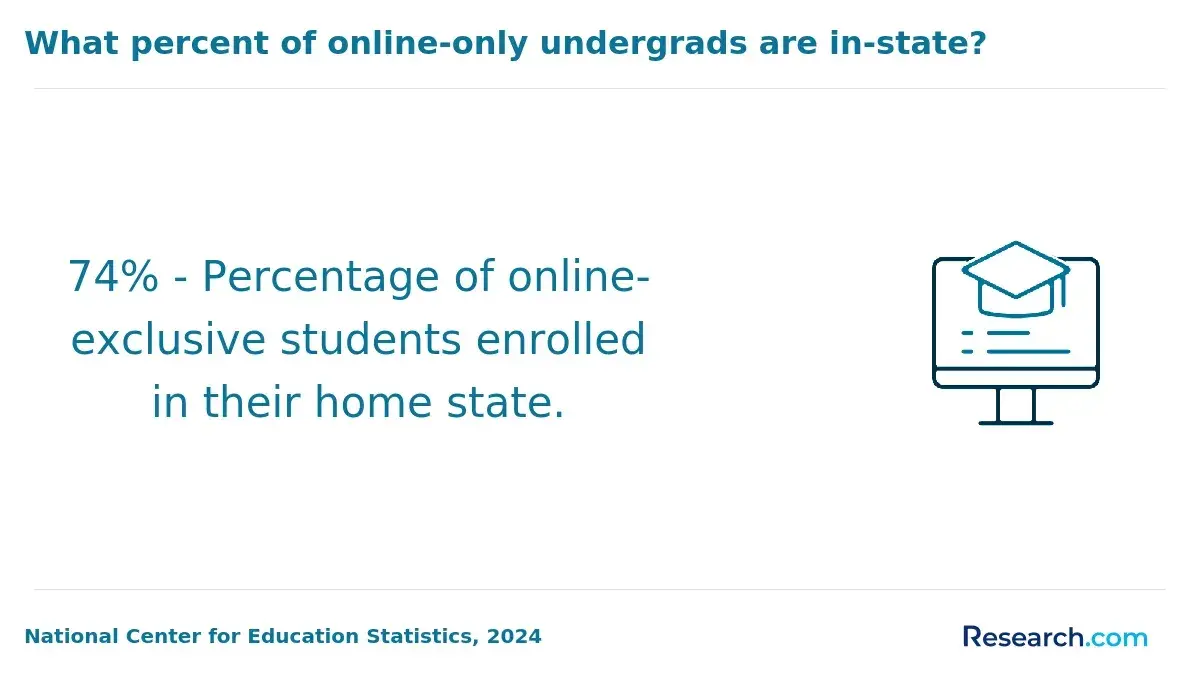
The rapid increase in online program enrollment-11.2% of U.S. undergraduates studying exclusively online by fall 2024-introduces variables around access, self-discipline, and course relevance to evolving market needs. Those evaluating pathways should also explore specialized tracks aligned with industry demands, such as health information management. For instance, the online CAHIIM accredited health information management degree exemplifies such targeted offerings combining compliance and practical training.
What career-focused projects are included in the degree?
Project-based work within an online bachelor's in business administration often replicates the demands of actual business environments, requiring students to engage with complex, industry-specific challenges. For example, a student might analyze retail market data to design competitive strategies or partner with a local company on a marketing overhaul, producing actionable deliverables. These projects emphasize applied skills such as critical thinking, collaboration, and client communication under tight deadlines, closely mirroring workforce expectations.
Financial modeling exercises, including budgeting and forecasting, prepare candidates for roles in banking and corporate finance but also highlight the gap between academic theory and practical decision-making pressures. Capstone projects, which usually culminate in comprehensive business plans, test students' ability to integrate cross-disciplinary knowledge into scalable solutions, a skill increasingly valued by employers prioritizing entrepreneurial agility.
According to AACSB International's 2024 Business School Survey, 82% of accredited business programs endorse project-based coursework as a standard, signaling a shift toward experiential learning to meet employer demand. However, students should be aware that managing such projects in an online format entails significant time management challenges, including coordinating across time zones, which can intensify workload stress.
Ultimately, professionals aiming for rapid career pivots benefit most from selecting programs with projects tethered to real-time industry needs and measurable outcomes, as these experiences substantially impact employability and long-term advancement.
What are the admission requirements for online business programs?
Admission to online business administration programs demands more than basic academic credentials; institutions often require evidence of self-management and technological readiness, reflecting the independent nature of remote study. Candidates juggling work and study should note that professional experience can significantly influence acceptance, especially in accelerated tracks targeting working adults. Transfer applicants face additional scrutiny around credit equivalency and official transcripts.
Cost analysis reveals that online bachelor's programs at public universities generally offer lower tuition than their on-campus counterparts-$10,920 versus $11,760 on average-but students must consider indirect expenses like housing and commuting, which widen the financial gap. This comparison is vital for those weighing cost-efficiency against experiential learning opportunities.
The admissions evaluation typically prioritizes alignment between an applicant's background and the program's applied focus on quantitative and critical thinking skills. For example, candidates pursuing finance or supply chain roles benefit from showcasing math proficiency or related internships, while those targeting marketing or HR should emphasize communication and project involvement. Letters of recommendation or personal essays may compensate for unconventional academic records, provided all materials meet technical submission standards and deadlines.
How long does an online business degree take?
Online bachelor's in business administration programs typically span four years full time, but many students face a tradeoff between accelerated completion and practical experience. Compressed timelines of two to three years can limit opportunities for internships or professional networking, which are often critical for entry-level hiring in competitive fields such as finance or marketing.
Employers increasingly seek candidates who combine academic credentials with demonstrable project outcomes. For instance, completing a capstone on digital marketing campaign analysis equips graduates to contribute immediately in relevant roles, reinforcing the value of integrating applied business projects alongside coursework.
Part-time enrollment extending to five or six years often accommodates working professionals balancing obligations, ultimately enhancing employability through richer experiential learning and sustained skill development. However, longer pathways mean higher cumulative costs despite available financial aid. Public four-year undergraduates received an average of $15,480 in total grant aid and tax benefits, covering roughly 59% of tuition and fees, underscoring the importance of strategic financial planning.
Prospective students must weigh these factors-time-to-degree, work experience, and financial capacity-against their career goals, recognizing that the optimal pacing supports both credentials and the practical skills employers demand.
How much does an online business degree cost?
Choosing an online bachelor's degree in business administration requires weighing upfront tuition against practical career benefits and market recognition. Tuition ranges widely, typically $20,000 to over $60,000, with AACSB accreditation-a marker held by only about 6% of business schools worldwide-signaling a program that can enhance employability and access to senior roles.
Consider the example of a technology manager aiming to transition into leadership: investing $40,000-$50,000 in an AACSB-accredited program with project-focused learning may better prepare them for complex business challenges than a cheaper, less rigorous option. This choice directly impacts both immediate financial outlay and long-term earning potential.
Additional costs often include books, technology, and possible residencies that add $2,000-$5,000 yearly, stressing the importance of early financial aid investigation or employer tuition assistance. These factors create a friction point for many working professionals, necessitating a pragmatic evaluation beyond sticker price.
Key tradeoffs to consider:
- Program accreditation and industry recognition vs. tuition cost
- Curriculum relevance to targeted career skills vs. affordability
- Hidden fees and resource access vs. total investment
Effective selection balances these dimensions to maximize the degree's practical value in the labor market rather than just academic prestige.
What jobs can you get with a business administration degree?
Employers increasingly demand business administration graduates who have applied project experience rather than solely theoretical knowledge. Roles such as financial analyst, marketing coordinator, and operations manager rely on skills honed through real organizational challenges, including consulting projects and case competitions. For instance, a marketing coordinator leverages targeted campaigns developed in projects aligned with client goals, while operations managers improve supply chain efficiency using optimization methods practiced during their studies.
A 2024 survey by the American Association of Colleges and Universities found that 91% of employers value assignments involving actual business problems, emphasizing practical readiness over abstract concepts. Graduates who can demonstrate project-backed solutions attract attention for competitive fields such as consulting and corporate finance because their onboarding time tends to be shorter and initial performance higher.
Critical tradeoffs arise when choosing programs: degrees with direct industry mentorship and current business simulation tend to yield better employability outcomes. Students planning career pivots or fast-track promotions should seek curricula that concretely link project results to quantifiable business metrics such as revenue gain or cost savings.
Prioritizing applied project experience in an online curriculum demands verification that the projects reflect current business realities and include stakeholder interaction. These elements significantly shape the spectrum of roles accessible immediately post-graduation.
What salary and job outlook does business administration offer?
Business administration graduates earn a median weekly wage about 65% higher than those with only a high school diploma, reflecting the significant economic advantage of the degree. This wage premium often translates to an annual income boost exceeding $20,000, varying by location and industry specialization. Employers prioritize candidates with concrete business knowledge and relevant project experience, making programs that embed practical, career-focused projects especially valuable for differentiation in competitive hiring processes.
Salary pathways differ notably by sector. For example, finance managers in major metropolitan areas may start with salaries above $90,000, whereas operations managers in manufacturing might begin closer to $70,000. Professionals shifting from unrelated fields benefit from online business administration programs that integrate applied projects, which can shorten skill acquisition and provide tangible evidence of capability to employers.
Projected job growth of 7-10% through 2032 exceeds the average for many fields, particularly within consulting and digital business transformation roles. Yet, this growth comes with tradeoffs: ongoing upskilling is necessary, and some regions may experience role saturation. Graduates should therefore seek programs offering internships or real-world projects aligned with industries such as healthcare administration, logistics, or financial services to maintain workforce relevance.
Balancing work and study demands flexible online BBA programs that emphasize rigorous, project-based assessments. Students who continuously apply learned competencies to demonstrable business outcomes position themselves to realize the full economic value of the degree without forfeiting current employment.
Other Things You Should Know About Business Administration
Online business administration degrees offer flexibility but often compromise face-to-face networking, which remains vital for career advancement in business. Prioritize programs that provide structured live sessions, group projects, or access to alumni networks to mitigate this limitation. Students willing to invest extra effort in virtual or local networking typically see better employer connections and job placements post-graduation.
Career-focused projects add measurable value by demonstrating applied skills to employers, especially those requiring real business problem-solving. However, not all projects have equal impact; prioritize programs offering projects with direct industry partnerships or simulations closely aligned with your target field. Purely academic or hypothetical projects have limited weight compared to those showcasing quantifiable results and teamwork.
Specialized degrees target specific career paths and equip students with niche skills that can accelerate entry into certain roles but reduce flexibility if career interests shift. General business administration degrees offer a broader foundation, supporting varied roles and easier pivots but may lack depth in emerging fields like data analytics or supply chain management. For strategic career advancement, select specialization only if aligned with clearly defined goals and industry demands.
References
- How Long Does It Take to Get a Business Management Degree? | University of Phoenix https://www.phoenix.edu/blog/how-long-does-it-take-to-get-a-business-management-degree.html
- Undergraduate Business Major Prerequisites | OnlineMBA.com https://www.onlinemba.com/resources/undergraduate-business-major-prerequisites/
- Top Career-Focused Degrees in 2025 | Launch Your Future - AURAK https://aurak.ac.ae/blog/career-focused-degrees-the-top-6-programs-to-launch-your-future-in-2025
- 2025 Most Affordable Online Business Degrees https://www.onlineu.com/most-affordable-colleges/business-degrees
- How to Verify a US Partner School's Accreditation Before Committing https://www.amerigoeducation.com/news/how-to-verify-a-us-partner-schools-accreditation-before-committing
- Business administration online bachelor degree https://www.mci.edu/en/study/bachelor/business-administration
- Online Bachelor's Degree in Business Administration: Your Best Decision | EU Business School https://www.euruni.edu/blog/online-bachelors-degree-in-business-administration-your-best-decision/
- Online BBA vs. On-Campus BBA: What You Should Know Before You Choose | CourseCompare.ca https://www.coursecompare.ca/online-bba-vs-on-campus-bba/
- Courses in Business Administration - Uopeople Catalog https://catalog.uopeople.edu/ug_term1_item/business-administration/courses-in-business-administration
- Is an Online Business Degree Program Right for You? https://www.allbusinessschools.com/blog/getting-a-business-degree-online/