2027 Best Online Business Administration Degrees for Advancement in Business Leadership

Co-Founder and Chief Data Scientist
Facing a stagnant career path while balancing full-time work and personal responsibilities often forces professionals to reconsider how to gain relevant credentials without sacrificing current income or time. Nearly 40% of adult learners now prefer flexible online degrees, according to the National Center for Education Statistics, signaling a shift toward education models that accommodate complex schedules and immediate workforce demands. This trend reflects a crucial recalibration: choosing programs not only for prestige but their adaptability and timely alignment with evolving leadership competencies and employer expectations. This article evaluates top online business administration degrees to guide targeted choices that optimize career advancement and operational feasibility.
Key Things You Should Know
- Graduates with online business administration degrees face a median salary gap of 12% versus in-person peers, driven by employer perceptions of practical skill deficits, according to a 2024 National Association of Colleges and Employers report.
- Rapid digitization has shifted demand toward data analytics and digital project management within business administration roles, requiring programs to balance foundational theory with emerging tech skills to maintain employability.
- Cost premiums for accelerated online business administration tracks average 15% higher, creating tradeoffs between faster credentialing and long-term debt servicing burdens that impact mid-career professionals' advancement timing.
What is an online business administration degree and how does it prepare leaders?
An online business administration degree benefits for leadership development primarily by equipping students with strategic, operational, and financial skills crucial for addressing complex organizational issues. Graduates become adept at interpreting business data to guide timely decisions, an ability increasingly demanded in dynamic industries. For instance, a project manager in manufacturing might apply these skills to refine supply chain logistics, while healthcare administrators utilize financial management concepts to balance staffing and budgets effectively.
How an online business administration degree prepares future business leaders also involves adaptability to emerging technologies such as CRM and ERP systems, which are commonly integrated into contemporary curricula. Employers look for candidates who demonstrate not only foundational knowledge but also proficiency with these tools and virtual collaboration platforms that substitute for face-to-face networking, a notable tradeoff of remote study.
Students should consider program specialization aligned with their industry to enhance relevance and employability. The shift toward asynchronous coursework demands disciplined time management, similar to on-campus rigor, yet it offers flexibility to juggle professional responsibilities.
According to surveys, a majority of U.S. adults now favor online or hybrid formats, reflecting workforce preferences for education that accommodates work and location constraints without compromising depth. Those evaluating leadership pathways may explore specialized degrees like an operations management MBA for targeted skills development.
How do online business administration programs compare with on-campus options for business careers?
Choosing between online and on-campus business administration programs involves weighing credential equivalence against real-world networking and experiential opportunities. Employers generally accept accredited online degrees as equal, particularly in industries where digital fluency matters. Yet sectors like consulting or luxury brand management tend to favor the cohort immersion and internship channels typical of on-campus curricula. This distinction is crucial for students evaluating online business administration program benefits for business careers.
Reported lifetime earnings data show bachelor's degree holders in business outperform those without degrees by a substantial margin, highlighting education as a baseline for access to higher compensation and leadership roles regardless of delivery method. However, students should consider program structure differences alongside this: online study offers flexible scheduling beneficial for working professionals applying leadership skills in real time, whereas on-campus formats generally include structured internships and direct alumni networks facilitating localized job placement.
Prospective students targeting rapid sector shifts in fields tolerant of remote work should explore online degrees combined with relevant industry certifications and active professional networking. Those focused on traditional corporate leadership or startup ecosystems might prioritize on-campus programs for integrated projects and recruiting events. For example, a healthcare administrator managing work-family balance gains from an online degree, while Wall Street aspirants benefit more from on-campus recruiting access.
Effective decision-making involves aligning program choice with industry requirements and career goals. Students may also consult resources like online accelerated project management degree programs as complementary credentials enhancing their business administration degrees.
Which accreditations should the best online business administration degrees have?
Accreditation directly impacts how employers perceive online business administration degrees in the United States, shaping hiring decisions and professional mobility. Employers in finance or consulting often favor candidates from AACSB-accredited programs for their strong emphasis on research and quantitative skills. Meanwhile, ACBSP accreditation is valued in sectors prioritizing practical competencies, such as startups or smaller enterprises. Choosing a program without recognized accreditation risks diminished curriculum relevance and weaker employer recognition, which can hinder progression.
Actual program quality is further reflected through faculty engagement. Data shows top-ranked online business administration programs maintain student-to-faculty ratios around 15:1, compared to ratios exceeding 25:1 in less selective programs. This difference translates into more personalized mentorship and stronger skill development, essential for leadership readiness. Prospective students should demand transparent course syllabi and faculty credentials to ensure alignment with their career objectives and industry demands.
Applied learning components-case studies, internships, and real-world projects-are critical for consolidating leadership skills across marketing, operations, and human resources. These features often distinguish top regional accreditations for online business administration degrees. Students balancing work and study may also explore specialized pathways like an online MBA entrepreneurship degree to target specific career transitions with practical value.
What levels of online business administration degrees exist and which is best for advancement?
Choosing the best online business administration degree levels for advancement hinges on realistic employer expectations and workforce dynamics. A bachelor's degree remains the most pragmatic threshold for breaking into managerial roles, furnishing candidates with a well-rounded skill set in finance, marketing, and management valued by midsize to large employers. Its balance between cost and credential recognition is amplified in the online format, where in-state tuition can run approximately 27% less than traditional on-campus programs, according to the College Board's 2024 "Trends in College Pricing."
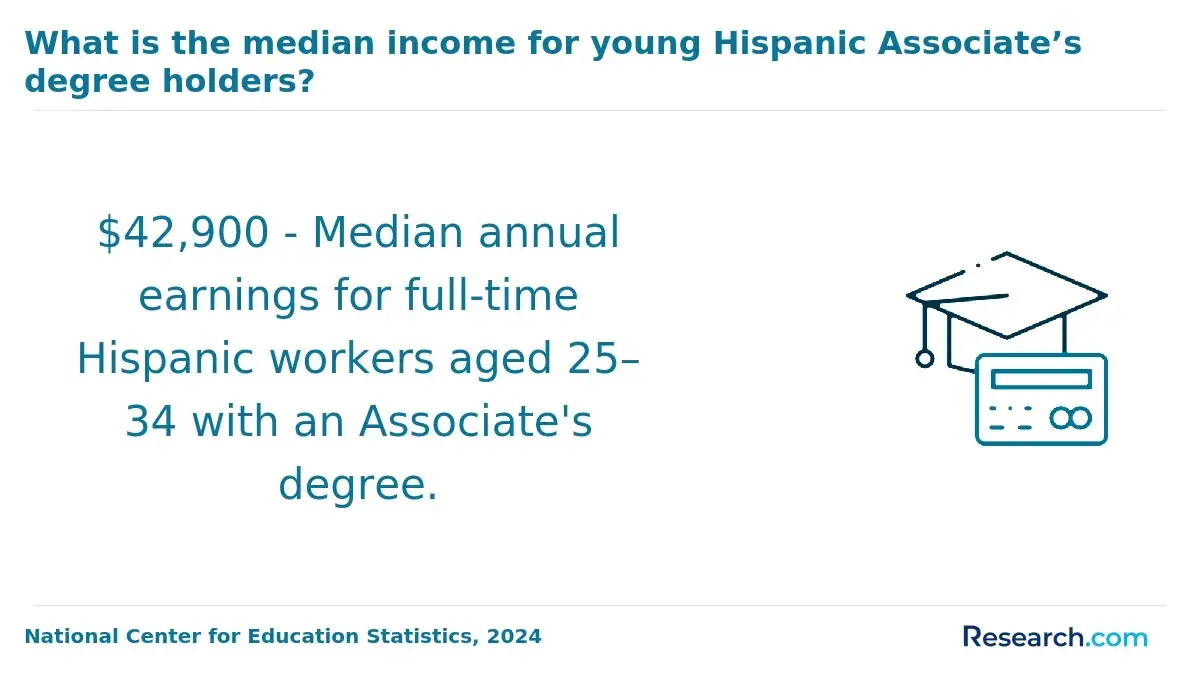
Associate degrees serve as affordable entry points but often confine graduates to administrative or support roles, usually requiring eventual bachelor's completion for meaningful progression. Meanwhile, the highest level online business administration degrees for career growth, such as MBAs, tend to suit professionals with substantial experience aiming for senior or executive positions. These advanced degrees demand significant time and financial investment and may not provide immediate returns absent relevant work history.
For example, a marketing professional targeting a leadership role at a large retail corporation will find that a bachelor's degree amplifies eligibility for cross-functional managerial jobs, while an MBA aligns better with candidates holding five-plus years of experience aiming higher.
Working professionals should weigh program flexibility alongside cost and timeline. Online programs offering flexible pacing and affordability, like the online hospitality management degree, illustrate the practical advantages of contemporary degree formats in balancing work and study.
What core courses and concentrations are offered in online business administration programs?
Effective online business administration programs emphasize applied skills tied directly to employer demands, not just academic theory. Core courses covering financial accounting, managerial economics, and strategic management provide foundational tools for operational leadership, but the real value lies in concentrations tailored to industry needs-such as supply chain logistics for manufacturing or data analytics for tech firms. For example, pursuing supply chain management offers tangible benefits to professionals working in retail by optimizing inventory and delivery processes, whereas finance-focused tracks prepare candidates for analytical roles in banking.
Programs embedding measurable learning outcomes and ongoing assessments enhance credential completion rates, supporting workforce readiness. According to a 2024 Quality Matters and Eduventures study, such frameworks correlate with a 31% higher likelihood that graduation rates surpass 70%, underscoring the importance of structure in online curriculum design. Prospective students should weigh how coursework aligns with specific sector needs, noting that tech leadership demands quantitative analysis paired with strategic oversight, while healthcare administration prioritizes regulatory and human resource competencies.
Balancing full-time employment often necessitates asynchronous courses with modular concentrations, enabling immediate application of new skills. Integrating case studies, experiential projects, and capstone work reflecting real-world challenges further distinguishes practical programs. This approach not only deepens comprehension but also bridges educational investment with actionable business leadership capabilities relevant across industries.
What are typical admission requirements for online business administration degrees?
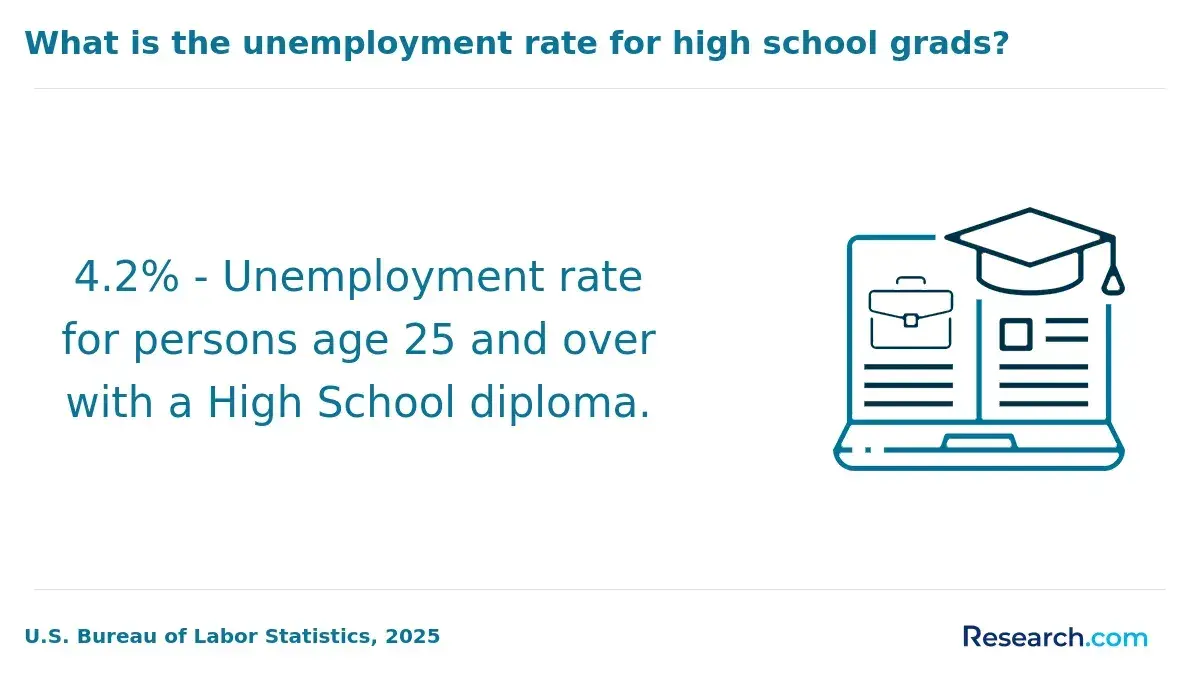
Admissions criteria for online business administration degrees reveal important tradeoffs between academic readiness and practical experience, directly influencing employability outcomes. Most bachelor's programs set a minimum of a high school diploma plus official transcripts showing a GPA around 2.5 to 3.0, though more competitive tracks expect higher. Beyond grades, foundational skills in math and English remain non-negotiable, given their direct relevance to managerial analysis and communication demands.
Graduate-level admission presupposes completion of a bachelor's degree from an accredited institution with at least a 3.0 GPA; standardized tests like the GMAT or GRE still play a critical role for many MBA candidates, indicating persistent employer and program expectations for quantitative and strategic aptitude. Online pathways also require applicants to submit statements of purpose and recommendation letters to provide insight into leadership potential and critical thinking, factors not captured solely by academic records.
Working professionals often negotiate these prerequisites with documented experience, certifications, or military service substituting formal credentials, reflecting an emerging recognition that applied competence can outweigh traditional metrics. For example, a mid-career candidate with robust management experience may leverage professional achievements instead of test scores to meet admissions requirements.
Reliable technology access and demonstrated digital literacy are operationally essential due to the independent nature of online learning and time management demands. With business and financial operations roles projected to grow by 7% through 2032 according to the U.S. Bureau of Labor Statistics, aligning admission strategies with both academic rigor and workforce relevance becomes a critical decision for prospective students.
How long do online business administration programs take and what do they cost?
Choosing an online business administration bachelor's degree requires balancing time investment against financial impact and career timing. Full-time study typically completes in four years, but accelerated routes through year-round classes or transferring prior credits can shorten this to two or three years, which can be critical for professionals aiming to realign salary progression swiftly.
Part-time enrollment, common among working adults, lengthens completion to five or six years. While this may ease immediate financial burden, it can delay managerial role eligibility and reduce the degree's ROI timeline. Tuition, ranging broadly from $10,000 to $40,000 annually, depends less on geography and more on institution type and credit requirements, frequently totaling 120 to 130 credits. Added costs for technology fees, textbooks, and exam proctoring can tack on $1,000 to $3,000 beyond tuition.
Deciding on program pacing and cost requires precise budgeting and alignment with career goals. For example, finance professionals seeking promotion may prioritize accelerated formats accepting prior learning to minimize income disruption. Conversely, marketing specialists balancing work and study might prefer part-time schedules despite longer timelines.
A 2024 LinkedIn Workforce Report found business administration graduates were 2.3 times likelier to reach manager roles within five years compared to non-degree peers, evidencing measurable career impact. Regional accreditation remains a key factor for employer recognition, irrespective of the online format. Early financial aid consultation can clarify true costs and optimize decision making.
What business leadership roles can graduates pursue with an online business administration degree?
Leadership roles attainable with an online business administration degree demand more than theoretical knowledge; they require applied skills adapted to industry-specific challenges. For example, an operations manager in manufacturing must efficiently coordinate supply chain logistics while aligning resource allocation with strategic growth objectives. This practical integration of leadership and operational complexity is central to the value proposition of these programs.
Positions vary significantly across sectors:
- In finance, business administration graduates frequently fill roles such as financial managers or compliance officers, requiring expertise in budgeting, risk management, and regulatory frameworks.
- In tech, graduates may act as product managers or business development directors, connecting technical teams with market demands.
A meta-analysis from the U.S. Department of Education highlights that students in well-designed online and hybrid business administration courses perform moderately better than those in traditional face-to-face settings, suggesting these formats can effectively prepare candidates for complex roles.
Employers prioritize candidates who can leverage data analytics, financial acumen, and strategic planning in operational environments. Graduates should anticipate supplementing their degree with certifications-such as Six Sigma for process improvement or digital marketing-to remain competitive and meet specialized industry expectations.
What salary ranges and job outlook can business administration graduates expect?
Starting salaries for business administration graduates in 2026 generally range from $55,000 to $75,000, though location, industry, and specialization create notable variance. For instance, entering supply chain management in a major city could yield a starting salary near $70,000, but demands proficiency in data analytics to remain competitive. By contrast, nonprofit management roles may offer lower initial pay yet provide leadership experience that supports future career pivots.
Mid-career professionals in fields like finance, healthcare management, or technology operations typically see salaries between $85,000 and $120,000. Federal Labor Statistics forecast a 7% growth in management jobs by 2032, signaling steady demand but emphasizing the need for ongoing skill development.
Employers consistently seek candidates who complement their degree with strong soft skills and relevant certifications. Graduates who do not engage regularly with career services face slower job placements, a trend supported by a 2024 Eduventures study showing students utilizing weekly advising had a 79% persistence rate versus 61% for those less active.
Retention in online business administration programs directly affects internship access and networking opportunities, which influence salary offers and leadership trajectory. Choosing a program with integrated career support can offset attrition risks and improve long-term outcomes.
How can students choose a reputable online business administration program for leadership advancement?
Accreditation remains the cornerstone for evaluating online business administration programs, with recognition from entities such as AACSB or regional commissions directly influencing degree credibility and employer trust. Choosing an unaccredited program risks limited market value and gaps in leadership training crucial for today's dynamic roles.
Program outcomes merit close scrutiny; graduation rates and job placement statistics illuminate real return on investment. A Georgetown University Center on Education and the Workforce analysis quantifies this, revealing median net economic returns around $900,000 over 20 years for typical bachelor's business programs, yet variation depends on program rigor and employment alignment.
Industry relevance is non-negotiable. For instance, healthcare managers benefit from curricula integrating regulatory leadership and ethics, while tech-sector professionals require emphases on innovation management and data analytics. Prospective students should verify faculty expertise and course content against evolving market demands.
Flexibility factors-such as online program delivery style, cohort structures, and availability of mentorship-significantly affect working professionals balancing education with career and life. Transparent tuition breakdowns and financial aid accessibility shape affordability, yet some programs obscure total costs.
Due diligence steps include reviewing detailed syllabi, consulting alumni experiences, and analyzing employer hiring preferences. Neglecting these practical elements invites credential obsolescence or hiring bias, undermining leadership development goals. Selecting a program demands balancing accreditation, curriculum relevancy, graduate outcomes, and logistical fit to strategically advance in business administration fields.
Other Things You Should Know About Business Administration
Work experience is not always required to enroll, but it significantly enhances learning and outcomes. Programs that assume some management or workplace experience can offer more advanced leadership content and case studies tied to real-world scenarios. Without relevant experience, students may find some coursework overly theoretical and less applicable to practice, which can reduce immediate career impact. Prioritize programs that offer experiential learning or mentorship if you lack workplace experience to compensate for this gap.
Employers increasingly recognize accredited online business administration degrees, especially from established universities, as equivalent in rigor to traditional degrees. However, some conservative industries or companies with rigid hiring standards may still prefer traditional degrees due to perceived networking advantages or hands-on experiences. For career advancement, selecting a program with strong alumni connections and leadership-focused networking opportunities mitigates this bias. Evaluating employer preferences in your specific sector should influence your program choice.
Choosing between broad curricula and specialized concentrations depends on career goals and the industry context. Generalist business administration degrees build versatile leadership skills applicable across sectors, supporting transitions to diverse roles. In contrast, specialized tracks-such as finance, supply chain, or entrepreneurship-align better with targeted leadership paths and often increase employer relevance in competitive fields. Prioritize specialization if you have a clear sector in mind and broad curricula if you seek flexible leadership roles or plan to pivot industries.
References
- Is an Online Business Degree Program Right for You? https://www.allbusinessschools.com/blog/getting-a-business-degree-online/
- Is a degree in business administration worth it? | edX https://www.edx.org/resources/is-a-degree-in-business-administration-worth-it
- The Best Online Business Management Degrees https://www.onlinecolleges.net/degrees/business-management/
- Careers in business administration: paths & opportunities https://pathwise.io/careers-in-business-administration/
- Tuition-Free Distance Learning Program in Business Administration - UNYBT https://unybt.com/tuition-free-program-business-administration/
- Online BBA vs. On-Campus BBA: What You Should Know Before You Choose | CourseCompare.ca https://www.coursecompare.ca/online-bba-vs-on-campus-bba/
- How Can You Get a Business Degree Online? | University of Bridgeport https://www.bridgeport.edu/news/how-to-get-a-business-degree-online/
- Online Tuition-Free Bachelor's Degree in Business Administration (BBA) https://www.uopeople.edu/programs/online-bachelors/business-administration/
- Types of Business Degrees: Your Complete Guide | UWA Online https://online.uwa.edu/news/types-business-degrees/
- Top 7 Online Leadership & Management Programs for Business Professionals https://www.corpoladder.com/blog/top-online-leadership-management-programs-for-business-professionals