2027 Curriculum & Instruction Degree Enrollment Trends by Age Group: Traditional Students vs Adult Learners

Co-Founder and Chief Data Scientist
Curriculum & instruction degree programs exhibit distinct enrollment patterns shaped by licensure demands and workforce dynamics. Traditional students often pursue these degrees early to meet state certification deadlines, aligning with stringent clinical practicum schedules that favor full-time study. In contrast, adult learners frequently navigate program accessibility challenges, balancing portfolio-based assessments with ongoing employment in education sectors facing a projected 8% growth through 2030.
Variations in credential inflation and evolving employer preferences also impact age-specific enrollment, as working professionals seek flexible pathways to maintain competitiveness. This age distribution signals a shifting professional landscape that values both early credentialing and mid-career specialization in curriculum development.
Key Things to Know About Curriculum & Instruction Degree Enrollment Trends by Age Group
- Adult learners represent over 40% of curriculum & instruction enrollment in 2024, reflecting a shift toward mid-career professionals balancing work-study tradeoffs that can extend program completion timelines.
- Employers increasingly prioritize practical teaching competencies over degree type, meaning adult learner experience often enhances workforce relevance but may require careful credential validation.
- Traditional-age students benefit from lower opportunity costs and campus resources, though they may face heightened competition in saturated job markets, influencing timing and cost-efficiency decisions.
- Key Things to Know About Curriculum & Instruction Degree Enrollment Trends by Age Group Key Things to Know About Curriculum & Instruction Degree Enrollment Trends by Age Group
- Which Age Groups Represent the Largest Share of Curriculum & Instruction Students? Students by Age Group
- Why Do Traditional Students Choose Curriculum & Instruction Degree Programs? Traditional Students
- Why Do Adult Learners Return to School for a Curriculum & Instruction Degree? Adult Learners
- How Do Academic Goals Vary Between Younger and Older Curriculum & Instruction Students? Academic Goals by Age Group
- How Do Financial Concerns Differ Between Traditional Students and Adult Learners? Financial Concerns by Age Group
- What Challenges Do Adult Learners and Traditional Students Face While Earning a Curriculum & Instruction Degree? Student Challenges by Age Group
- How Does Age Affect Curriculum & Instruction Degree Student Retention? Age and Student Retention
- Which Curriculum & Instruction Specializations Are Most Popular Among Adult Learners? Top Specializations for Adult Learners
- How Does Age Affect Job Opportunities for Curriculum & Instruction Graduates? Impact of Age in Job Opportunities
- What Do Current Curriculum & Instruction Enrollment Trends Reveal About Future Demand? Future Demand
Which Age Groups Represent the Largest Share of Curriculum & Instruction Students?
Curriculum & instruction programs enroll students spanning diverse life stages, but participation generally concentrates within particular age cohorts influenced by career schedule, financial stability, and academic routing. These enrollment variations mirror workforce entry points, accessibility to education, and professional objectives rather than mere academic preference. Age-based enrollment trends reveal how institutional structures and labor market factors shape who pursues these credentials and when.
- Ages 18-24: This group accounts for the largest share of curriculum & instruction students, largely due to their immediate transition from high school to postsecondary education. Their enrollment aligns with traditional academic timelines and benefits from relatively straightforward financial aid access, facilitating earlier degree completion and entry into teaching careers. Structured campus programs and direct pipelines to initial teaching credentials make this cohort predominant.
- Ages 25-34: Adult learners in this range often reenter education to acquire advanced degrees or specialist certifications, reflecting a balance of ongoing employment and part-time study preferences. Their enrollment patterns correspond to career shifts or upskilling demands within education, requiring flexible program formats increasingly offered since 2024. These students face tradeoffs between workforce responsibilities and academic requirements, shaping lower but growing participation.
- Ages 35 and older: Representing a smaller but meaningful segment, older adult learners typically pursue advanced credentials to meet professional expectations in specialized areas or to address workforce shortages. Their entry into curriculum & instruction programs is usually motivated by sustained career development rather than immediate post-secondary progression. Enrollment is influenced by family obligations and the need for flexible online or evening courses, reflecting evolving educational delivery models.
Research from the National Center for Education Statistics underlines these distinctions, emphasizing that adult learners often enroll with established careers seeking credentials aligned with long-term employment sustainability rather than entry-level qualification. Meanwhile, younger students dominate enrollment due to timing and access factors ingrained in educational pathways. Understanding these demographics equips prospective curriculum & instruction students to evaluate program accessibility and career alignment analytically.
In niches such as nurse practitioner school programs, similar age distribution patterns emerge, illustrating broader postsecondary enrollment dynamics where traditional students predominate while adult learners drive shifts toward flexible formats and specialization. These structural forces influencing enrollment continue to shape the profile of learners in curriculum & instruction fields.
Why Do Traditional Students Choose Curriculum & Instruction Degree Programs?
Traditional students pursuing curriculum and instruction degrees often choose this pathway due to a combination of clear academic interests and strategic early career planning. Their decision is frequently influenced by the perceived value of the degree as a direct signal of readiness for entry-level teaching roles, which supports a focused transition from education into the workforce. Many young learners see curriculum and instruction programs as structured environments that offer both theoretical foundations and practical credentialing, aligning well with their intent to establish a stable professional trajectory early on. According to data from the National Center for Education Statistics (2024), about 65% of enrollees in teacher preparation programs identify teaching as their intended career, reflecting a significant convergence of vocational focus among this demographic.
Factors such as university recruitment pathways and high school counseling significantly shape traditional students' enrollment in curriculum and instruction degrees or history masters online. Exposure to education-related coursework during secondary or early college studies can increase interest and perceived accessibility, while counseling tends to highlight teaching as a viable career option framed by job market stability and societal need. Institutional outreach and partnerships often target this cohort, streamlining admission and support structures that reinforce their early commitment. This dynamic interplay between academic exposure, guidance influence, and labor demand helps explain distinct enrollment patterns and informs decision-making behavior for traditional students pursuing curriculum and instruction degrees, contrasting in some respects with adult learners who may prioritize flexibility or career reentry. For students considering expedited entry into teaching, fast track programs can provide an alternative route worth exploring to shorten time-to-employment.
Why Do Adult Learners Return to School for a Curriculum & Instruction Degree?
Adult learners pursuing curriculum & instruction degrees typically do so with clear objectives related to advancing their careers or transitioning into new educational roles. These professionals often seek to meet evolving employer demands or to qualify for leadership positions in curriculum development and instructional coordination. According to the National Center for Education Statistics 2024 Postsecondary Enrollment report, nearly 60% of adult learners in education fields identify promotion opportunities or higher earnings as their primary reason for returning to higher education. Their decisions are grounded in tangible labor market benefits, such as enhancing employability within specialized education sectors, rather than the exploratory academic aims common among traditional students.
Additional factors influencing adult re-enrollment include increased employer tuition assistance programs and the expansion of flexible online or part-time course formats that allow balancing education with work and family obligations. Industry shifts often require updated certifications and proficiency in educational technology, prompting adults to reskill in ways that directly impact their instructional effectiveness and compliance with state credentialing standards. These practical considerations shape adult learners' enrollment patterns, reflecting not only immediate professional needs but also long-term viability within changing educational landscapes.
How Do Academic Goals Vary Between Younger and Older Curriculum & Instruction Students?
Younger curriculum & instruction students often enter programs with a focus on building foundational pedagogical knowledge and exploring various career pathways, frequently aiming for initial teacher certification or graduate study preparation. Their academic goals typically center on acquiring broad skill sets that enable swift workforce entry, supported by coursework emphasizing educational theory and technology integration. As these students generally have limited classroom experience, their priorities include mastering core instructional strategies that align with entry-level teaching roles. According to the 2024 data from the National Center for Education Statistics, younger students show higher interest in foundational theory and instructional technology, reflecting their stage in professional development and the necessity to meet certification requirements.
In contrast, older curriculum & instruction learners approach their education with targeted objectives linked closely to existing professional roles and career advancement. These adult students often seek specialized certifications or advanced degrees to transition into leadership, curriculum design, or administrative positions. Their academic focus tends to prioritize the practical implementation of research-based strategies applicable to current teaching environments, with flexibility in program delivery being crucial to balance work and family demands. The 2024 Adult Learner Education Trends Survey indicates that nearly 68% of such students pursue degrees explicitly for promotion eligibility, underscoring a pragmatic alignment between coursework and defined workplace outcomes.
An adult learner recounted a cautious yet determined approach when applying for a curriculum & instruction program. Initially hesitant due to juggling job responsibilities and family commitments, they delayed submitting their application until the rolling admissions window approached its close. Preparing materials amid uncertain timelines, they strategized around potential start dates and financial aid opportunities. This layered decision-making process highlighted how adult learners often navigate complex personal and professional circumstances, balancing urgency and preparedness in ways younger students typically do not face at this stage.
How Do Financial Concerns Differ Between Traditional Students and Adult Learners?
Traditional students pursuing a curriculum & instruction degree typically depend on a mix of family support, federal financial aid, and student loans to manage tuition costs. This demographic, generally aged 18 to 24, experiences financial pressure primarily around upfront tuition fees and scholarship acquisition, with less immediate concern for balancing broader household expenses. However, long-term debt accumulation remains a significant factor shaping their financial decision-making, as reliance on federal grants and subsidized loans can lead to sustained repayment obligations after graduation. Data from the National Center for Education Statistics shows that nearly 60% of students under 25 receive federal financial aid, relieving some immediate tuition burdens but also embedding debt as a lingering issue. These tuition cost concerns among curriculum & instruction students by age highlight how younger learners weigh educational investment differently based on their dependency status and future earning prospects.
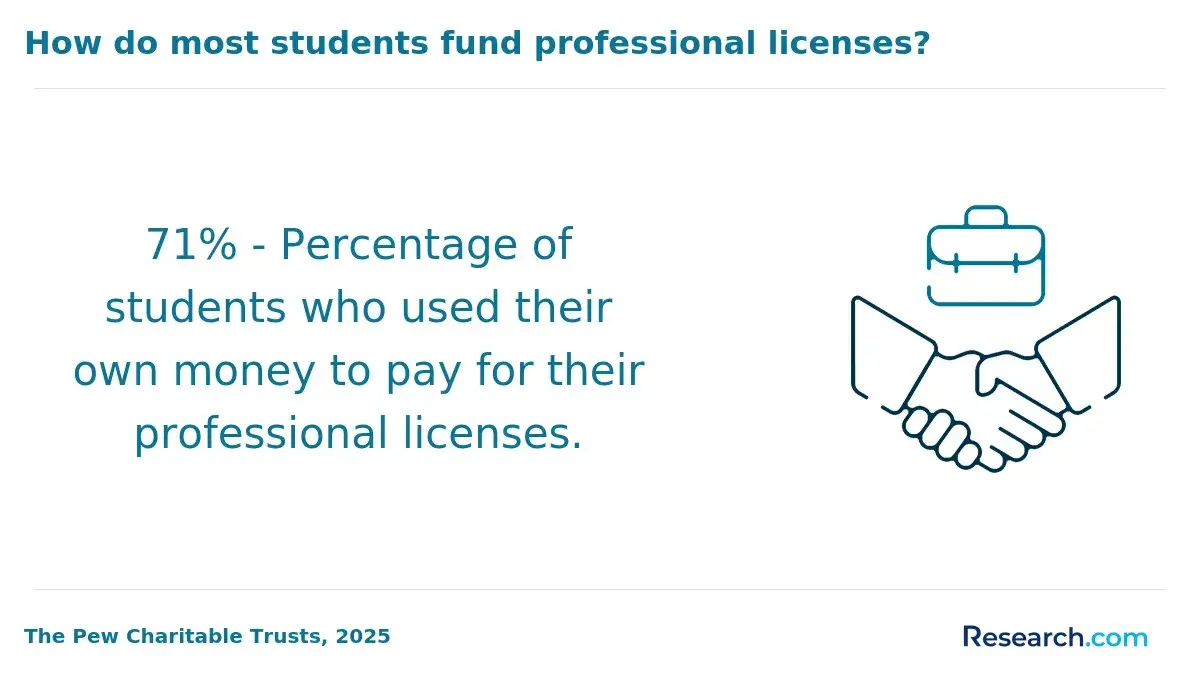
Adult learners, by contrast, navigate a distinct financial reality that integrates education costs with ongoing family and living expenses, along with the opportunity cost of reducing work hours or forgoing income altogether. Many finance their studies through employer tuition assistance or personal savings while facing higher-interest private loans if necessary. This cohort balances competing financial obligations such as mortgages, childcare, and healthcare, making debt tolerance lower and financial decisions more strategic. The Lumina Foundation reports that 45% of adult learners express significant concern about managing educational expenses alongside these commitments. Additionally, many adult students seek programs with accelerated pacing or flexible schedules to minimize disruption, a priority that influences enrollment patterns and program choice-highlighted by increasing interest in online options, including the best online post master's FNP program.
These financial distinctions between traditional and adult learners profoundly affect persistence in curriculum & instruction programs and the calculation of return on investment. Adult learners, more risk-averse due to dual financial pressures, often select programs promising tangible, timely career benefits, while younger students may underestimate long-term debt impact despite receiving more substantial federal aid. The 2024 Postsecondary Education Finance Study underscores that adult learners are twice as likely to report financial strain affecting degree completion. Consequently, enrollment patterns diverge, with adults favoring practical applicability and income continuity, while traditional students prioritize upfront affordability and access to financial aid, reflecting broader lifecycle economic decision-making rather than simplistic cost comparisons.
What Challenges Do Adult Learners and Traditional Students Face While Earning a Curriculum & Instruction Degree?
Traditional students pursuing a curriculum & instruction degree often face challenges tied to their transitional life stage, including adjusting to the academic demands of higher education and developing effective time management strategies within a structured environment. These students typically navigate the shift from dependent living to greater independence while establishing foundational discipline in study habits, which directly impacts engagement and retention. The relative lack of external responsibilities allows for more involvement in campus life, but social integration pressures and the need to adapt to increasingly digital pedagogical models remain significant hurdles.
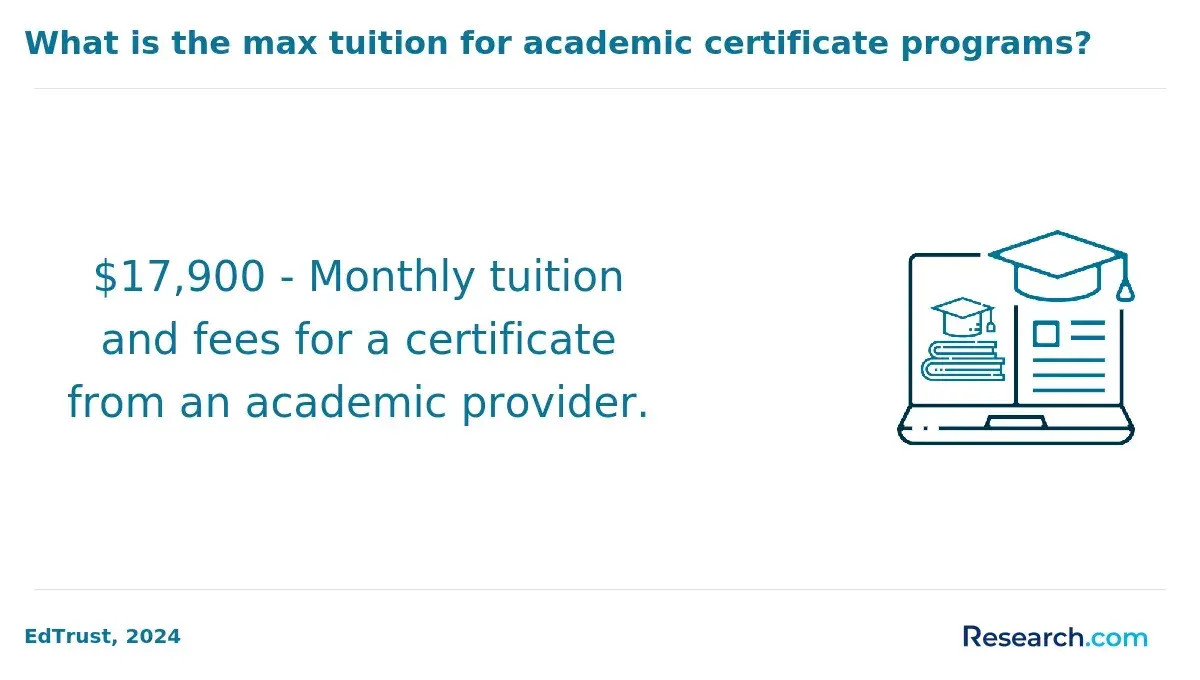
Adult learners encounter a distinct set of obstacles shaped by complex work-life-study intersections. According to the 2024 Postsecondary Finance Survey, 55% of adult learners identify financial challenges as a key reason for part-time enrollment or interruptions, often compounded by limited access to traditional financial aid. They must juggle full-time employment, family caregiving, and academic responsibilities, which restricts opportunities for immersive experiences and consistent peer interaction. Time constraints combined with managing multiple roles create a "role strain" that can delay progress and necessitate flexible program formats to accommodate their realities.
Institutions increasingly recognize these divergent needs by offering tailored support structures such as blended learning options and specialized advising to improve degree accessibility and completion rates. However, balancing the pedagogical demands of digital fluency and practical skill acquisition across both populations remains a challenge. Employers' emphasis on applied competencies and adaptability highlights the importance of flexible program design that considers the varying lifecycle pressures and preparatory backgrounds of traditional and adult students alike.
How Does Age Affect Curriculum & Instruction Degree Student Retention?
Retention challenges for younger students in curriculum & instruction programs often stem from their transitional life stage, where adapting to college-level academic rigor and managing emerging independence can undermine persistence. Many of these students face uncertainty in career direction and may lack the financial stability that reinforces program completion, creating competing priorities outside the classroom. Early engagement and motivation fluctuate as they navigate social, academic, and financial adjustments, which contributes to lower retention rates-averaging around 58% according to the National Center for Education Statistics in 2024-relative to older peers. This group frequently benefits from targeted institutional supports like enhanced academic advising and orientation tailored to bridge gaps in preparedness and goal clarity.
Older curriculum & instruction students generally demonstrate higher retention rates, near 68%, attributed to clearer career objectives and a more disciplined approach driven by workplace experience and life responsibilities. However, their persistence often contends with balancing job demands and family obligations, which can prolong degree completion timelines despite beneficial motivation levels. These students leverage practical knowledge that enhances engagement but require flexible institutional accommodations such as adaptable scheduling and credit for experiential learning to sustain momentum. The intersection of strong goal orientation with substantial external obligations shapes a retention dynamic where timeliness and workload management are critical factors, demanding differentiated support strategies from academic programs.
One curriculum & instruction graduate recalls delaying her application submission during the rolling admissions cycle because she was uncertain about managing full-time work alongside coursework. Initially hesitant, she weighed her readiness to commit given family commitments and financial pressures. After months of reflection, she chose to apply shortly before the deadline, finding some relief in securing a spot while accepting that completing the program might take longer than originally planned. Her experience highlights how age-related timing and preparation uncertainties influence enrollment decisions and underscore the importance of flexible admissions timelines in supporting diverse student needs.
Which Curriculum & Instruction Specializations Are Most Popular Among Adult Learners?
Adult learners pursuing curriculum and instruction degrees often select specializations that directly correlate with their current job roles or enable a pivot into roles with clearer advancement or salary potential. These learners typically balance professional responsibilities with education, favoring pathways that build on existing expertise or facilitate transitions into in-demand sectors. Enrollment patterns differ from younger students as adult learners prioritize practical outcomes like workforce stability and skill updating aligned with labor market demands. For example, the National Center for Education Statistics' 2024 report highlights a 12% enrollment increase in educational leadership for students aged 25 and older, underscoring the sustained interest in roles offering administrative influence and compensation growth.
- Educational leadership: Frequently chosen by adults aiming to move into administration, this specialization leverages prior teaching experience to develop supervisory and program management skills, which can directly impact salary and career mobility within school districts.
- Special education: Selected for its stability and growing societal need, adult learners often pursue this to address regulatory demands and support diverse learners, positioning themselves for roles that require specialized intervention skills.
- Instructional design: Appealing for its versatility beyond traditional classrooms, this area attracts those seeking to apply technology and curriculum development skills in corporate training or higher education, aligning with digital learning trends.
- Literacy education: Adult learners with classroom experience focus on literacy to target foundational skills improvement, responding to policy priorities that emphasize early academic success.
- STEM education: With a focus on workforce readiness and innovation, this specialization draws those interested in integrating science and technology teaching, though adult enrollment remains moderate compared to leadership or special education.
Compared to traditional college-age students, adult learners in curriculum and instruction specializations demonstrate targeted engagement influenced by career advancement goals, skill refinement, and the need to adapt to shifting educational landscapes. Such focused enrollment decisions reflect a practical approach to reskilling and career reinvention.
For professionals considering career shifts or wage improvements, understanding related labor market data, including linked fields like pharmaceutical sales-see pharmaceutical rep salary insights-can contextualize potential returns on specialization choices.
How Does Age Affect Job Opportunities for Curriculum & Instruction Graduates?
Younger curriculum & instruction graduates typically benefit from clearer access to entry-level teaching roles and internships, particularly in districts and institutions prioritizing recent certification aligned with current educational standards. This age group often fits employer expectations for adaptability to evolving classroom technologies, which enhances early-career hiring outcomes. According to a 2024 report by the National Center for Education Statistics, 68% of new hires in teacher and instructional roles are under age 30, highlighting an employer preference that aligns with traditional college-age enrollment patterns. These graduates tend to enter workforce pipelines that favor fresh academic training, which influences the trajectory of job opportunities for curriculum & instruction graduates by age and early career positioning.
Conversely, older graduates face a more complex set of tradeoffs shaped by prior work experience, transferable skills, and career transition goals. While assumptions about flexibility or adaptability can pose challenges, many adult learners leverage their broader professional backgrounds to secure specialized or leadership roles not typically accessible to younger candidates. Employer biases toward younger hires persist in some cases, yet older graduates often excel where experience-based skills and networking provide a competitive advantage. This dynamic, combined with the impact of enrollment patterns differing between traditional students and adult learners, mirrors the nuanced impact of age on curriculum & instruction career prospects. For those exploring continuing education options, considering a online master's in forensic psychology exemplifies a strategic approach to integrating transferable expertise with new credentials to enhance employability across sectors.
What Do Current Curriculum & Instruction Enrollment Trends Reveal About Future Demand?
Recent enrollment data in curriculum & instruction degree programs reveal a shifting landscape of student interest and perceived career value. Notably, adult learners aged 25 and older have driven a 15% increase in enrollment according to the National Center for Education Statistics 2024 report, while traditional college-age students remain steady but less dynamic. This trend reflects growing recognition among mid-career individuals of the practical benefits these programs offer, particularly when aligned with flexible delivery modes like online education. Meanwhile, traditional students maintain foundational engagement but face more uncertain career trajectories, potentially delaying their entry into the workforce.
These enrollment patterns mirror broader labor market signals emphasizing the need for educators adept in both instructional innovation and practical experience. Employers in K-12 and higher education increasingly value candidates who can integrate technology and respond to diverse learner needs, driving demand for specialized program expansions and flexible scheduling. Workforce shortages in education and the rise of lifelong learning reinforce the expectation that programs will further adapt to adult learners' professional realities, suggesting sustained growth in curriculum & instruction fields aligned with evolving educational and labor market demands.
References:
- An Overview of Specialization Options in Education Degrees https://www.euroeducation.net/articles/an-overview-of-specialization-options-in-education-degrees.htm
- Going Back to School as an Adult: What Adult Learners Should Consider https://www.aiuniv.edu/blog/2015/june/going-back-to-college-at-40
- Adult Students in Mixed-Age Postsecondary Classrooms: Implications for Instructional Approaches https://collegequarterly.ca/2017-vol20-num02-spring/adult-students-in-mixed-age-postsecondary-classroom-implications-for-instructional-approaches.html
- College Enrollment Statistics [2026]: Total + by Demographic https://educationdata.org/college-enrollment-statistics
- School enrollment rates - by level of education and gender https://ourworldindata.org/grapher/school-enrolment
- What Does Research Say About Grade Retention? A Few Key Studies to Know https://www.edweek.org/leadership/what-does-research-say-about-grade-retention-a-few-key-studies-to-know/2022/11
- REACHing for more: How Higher Education Can Better Serve Adult Learners by Addressing Time Poverty - Education Strategy Group https://edstrategy.org/reaching-for-more-how-higher-education-can-better-serve-adult-learners-by-addressing-time-poverty/
- The Benefits of College for Adult Learners - ReUp Education https://reupeducation.com/blog/the-benefits-of-college-for-adult-learners/
- Bridging the Gap: How Education Can Better Prepare Young People for Employment - Voices for Impact https://voicesforimpact.ai/bridging-the-gap-education-employment/
- Key Trends Shaping the Future of Higher Education in 2026 https://www.edvisorly.com/university-insights/trends-in-higher-education
Other Things You Should Know About Curriculum & Instruction
Traditional students often benefit from in-person or hybrid formats that support cohort interaction and campus resources, which align with their developmental stages and schedules. Adult learners typically require flexible online or asynchronous options to balance work and family commitments. Programs emphasizing flexibility may improve adult learner retention but can reduce peer engagement, which some employers value as a proxy for collaborative skills. When choosing a program, adult learners should prioritize formats that balance schedule flexibility with meaningful interaction opportunities to maximize both learning and employability.
While academic prestige can enhance initial job prospects, adult learners with significant teaching experience may gain more from programs offering applied skills, such as curriculum design and instructional technology, tailored to workforce demands. Employers increasingly value demonstrable expertise and tangible outcomes over brand recognition in continuing education pathways. Adult learners should weigh program content relevance and practical skill-building opportunities more heavily than institutional reputation to ensure their investment translates into career advancement.
Part-time enrollment is more common among adult learners, enabling them to juggle education, employment, and family responsibilities but often extending degree completion timeframes. Traditional students typically pursue full-time enrollment aiming for quicker graduation, potentially facing higher short-term academic pressures. Adult learners must realistically assess their capacity to manage sustained academic effort part-time, as prolonged timelines may impact momentum and employer perceptions. Prioritizing manageable course loads aligned with professional goals is essential to avoid burnout or stalled progress.
Employer expectations can differ significantly for curriculum & instruction graduates based on age. Younger, traditional students might face expectations centered around theoretical knowledge, while adult learners are often expected to bring practical experience and real-world problem-solving skills, aligning with the needs of the workforce in 2027.