2027 Engineering Degree Completion Time Report: How Long Students Actually Take to Graduate

Co-Founder and Chief Data Scientist
Many students face unpredictable delays in completing engineering degrees due to factors beyond curriculum design. Work commitments, internship timing, co-op placements, and fluctuating course availability often extend timelines. According to the National Center for Education Statistics (2024), over 40% of STEM undergraduates take longer than six years to graduate, reflecting complex academic and non-academic challenges.
Transfer students and working adults frequently encounter obstacles adapting to degree requirements and aligning schedules with employment. This article examines how such factors shape actual completion times across engineering fields. Understanding these patterns helps set realistic expectations and informs more strategic planning for degree attainment.
Key Things To Know About Engineering Degree Completion Time
- More accurate salary and ROI planning: Engineering completion time often extends due to co-op programs, internships, or a demanding sequential course load — knowing the realistic timeline helps students project when they'll actually enter the workforce, since co-op/internship experience frequently correlates with stronger starting salaries across engineering disciplines (mechanical, civil, electrical, chemical, etc.).
- Smarter scheduling around prerequisite-heavy coursework: Because engineering curricula are built on tightly sequenced math and technical courses (calculus → physics → core engineering courses), completion time data helps students and advisors plan course loads that avoid bottlenecks, since one delayed core course can cascade into multiple semesters of setbacks.
- Clearer career outcome tradeoffs: Comparing completion time against job placement rates, licensure paths (like the PE exam), and starting salaries across specializations can reveal whether students who take extra time for co-ops, research, or dual degrees land stronger job offers — helping future students weigh a faster degree against the practical, industry-ready credentials many engineering employers prioritize.
- What Is the Average Graduation Time for Engineering Students? Average Graduation Timeline
- What Factors Have the Biggest Impact on Graduation Speed? Graduation Timeline Factors
- How Does Full-Time Versus Part-Time Enrollment Affect Graduation Timelines? Full-Time vs. Part-Time Graduation Timeline
- Do Online Engineering Students Graduate Faster Than Campus-Based Students? Online vs. On-Campus Graduation Time
- How Many Months or Years Can Transfer Credits Save? Transfer Credits
- Do Accelerated Engineering Programs Significantly Reduce Completion Time? Accelerated Program Timeline
- Which Engineering Program Requirements Most Often Extend Graduation Timelines? Factors Extending Graduation Timeline
- Does Taking Longer to Graduate Increase the Cost of a Engineering Degree? Impact on Program Cost
- Does Graduating Faster Improve Career Prospects? Impact on Career Prospects
- Which Scheduling Mistakes Commonly Delay Graduation? Mistakes to Avoid
What Is the Average Graduation Time for Engineering Students?
Completing an engineering degree in the United States typically takes between five and six years, surpassing the traditional four-year undergraduate timeline. This extended duration reflects the demanding curriculum that blends foundational math, science, and specialized technical courses alongside rigorous program requirements.
While many full-time students aim to graduate within four years, this goal often proves challenging given the intensity of coursework and the reality that a substantial portion of students face academic or logistical delays. The average time to graduate engineering students, as reported by recent national education statistics, underscores that fewer than half finish within four years, with many requiring extra semesters due to degree complexity.
Variation in graduation timelines often arises from factors such as course load, co-op or internship participation, and transfer credits. Students engaged in cooperative education programs may extend their time to degree to gain valuable workplace experience, which can offset the longer study period by improving post-graduation employment prospects. Part-time enrollment driven by work or family commitments also contributes significantly to prolonged graduation times.
Additionally, transitions between institutions or changes in specialization within engineering disciplines can delay degree completion due to differences in credit transfer policies and curriculum alignment. Enrollment in online or hybrid formats adds another layer, where pacing flexibility can either accelerate or lengthen time to finish, depending on a student's situation. Those evaluating degree options should also be mindful of emerging trends around easy degrees to get online that pay well, which contrast with the inherent rigor and extended timelines typical in engineering.
Graduation timing influences academic planning and financial investment, impacting when graduates can enter the workforce with practical skills that meet employer expectations. Extended time in school often accompanies higher costs but can yield richer professional experience and networking opportunities that enhance employability.
Institutions that provide targeted academic advising and support services for online engineering degree students can help optimize progression through these demanding programs. Ultimately, understanding the multifaceted factors that shape engineering degree completion is crucial for students, advisors, and workforce planners striving to balance timely graduation with comprehensive skill development.
What Factors Have the Biggest Impact on Graduation Speed?
Graduation speed for an engineering degree rarely hinges on a single element; instead, it emerges from the interplay of academic planning choices, institutional program structures, and students' personal circumstances. Navigating course sequencing, balancing work or family responsibilities, and selecting delivery formats all influence how quickly a student can progress. A nuanced grasp of these factors - including enrollment intensity and program delivery style - equips students and planners to develop realistic timelines while optimizing on-time completion rates.
- Enrollment Status and Course Load Intensity: Full-time enrollment substantially accelerates degree completion, with full-time engineering students being twice as likely to graduate within six years compared to part-time peers, according to the National Center for Education Statistics 2024 report. Part-time students often face extended timelines due to reduced course loads each semester, which interact with work and family demands, making strategic enrollment planning critical.
- Prior Academic Preparation: Students entering engineering programs with a strong foundation in calculus, physics, and related STEM subjects tend to progress faster as they avoid delays from remedial or repeated courses. Those requiring catch-up coursework or transferring from non-traditional pathways often encounter extended timelines, emphasizing the importance of academic readiness in expediting graduation.
- Program Structure and Delivery Format: Rigid program sequences, limited seat availability in key classes, and inflexible scheduling create bottlenecks that prolong degree completion. Programs adopting modular, competency-based, or flexible formats, including summer terms and online options, enable accelerated pathways. The American Society for Engineering Education found that flexible modular programs increase on-time graduation rates by 15%, illustrating the impact of program design on pacing.
- Work and External Commitments: Balancing substantial work hours or family care responsibilities often forces students to reduce semester course loads, slowing progress. Surveys from the Society of Women Engineers note that nearly 40% of students working more than 20 hours weekly require longer durations to graduate, highlighting the direct tradeoff between employment obligations and course completion speed.
- Financial Constraints and Institutional Support: Limited funding can prevent students from registering for full-time coursework or compel intermittent breaks, especially when scholarships or aid are insufficient. Institutional support services that alleviate financial burdens or provide academic advising directly influence the student's ability to maintain consistent enrollment and avoid delays.
These factors and their interactions explain why students within the same engineering program experience widely varying graduation timelines. Academic structure, enrollment status impact on engineering master's graduation time, and effective management of external obligations collectively shape how swiftly students complete their degrees. For students evaluating degree pathways, consideration of delivery format options, such as those offered by top online universities, can be a strategic element in accelerating completion.
How Does Full-Time Versus Part-Time Enrollment Affect Graduation Timelines?
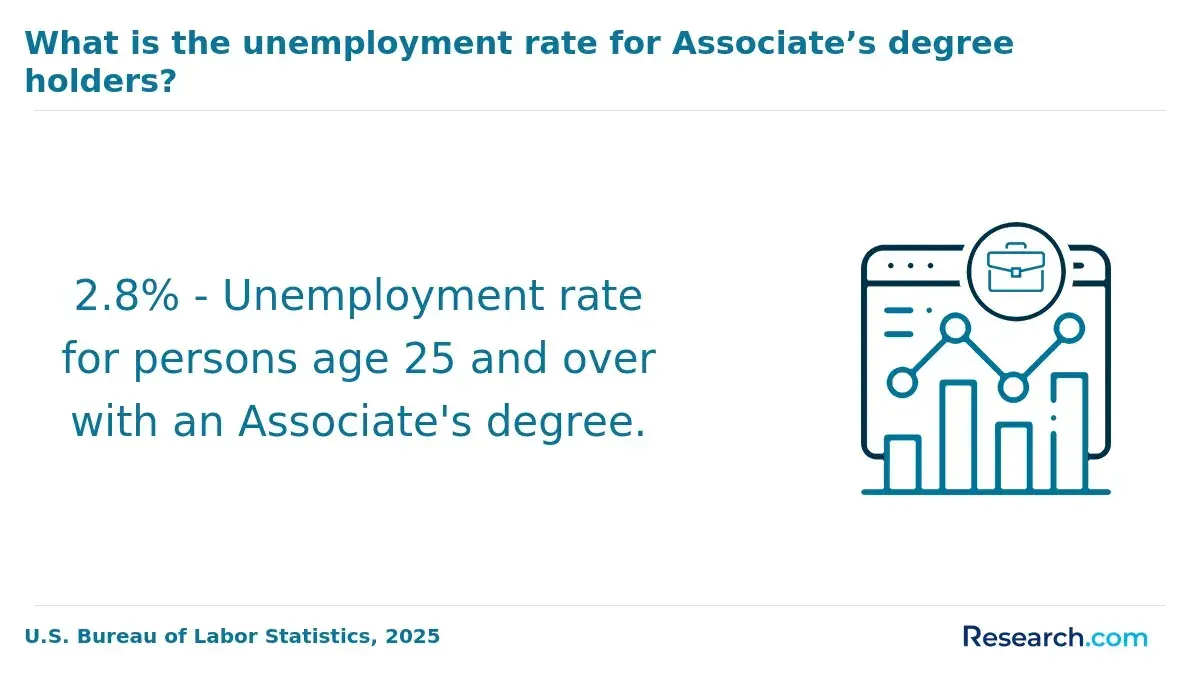
Students enrolled full-time in Engineering programs typically complete their degrees within four to five years, reflecting a structured and steady academic progression driven by course loads of 12 or more credits per semester. Conversely, part-time enrollees, often balancing employment and family responsibilities, experience significantly extended timelines-commonly six to eight years-due to reduced semester credits and potential interruptions. Data from 2024 by the National Center for Education Statistics emphasize this divergence, showing that part-time students' academic pacing is inherently slower, which influences their overall time to degree and complicates standard graduation expectations.
The distinction in graduation speed arises from multiple interacting factors. Full-time students benefit from consistent course sequencing and academic momentum, although they may face risks of burnout or retention challenges, which can also impact timelines. Part-time students' progression is shaped by fewer credits each term, often constrained by job demands or caregiving, and flexible program delivery such as evening or online courses, which may not fully replicate the intensity of full-time study. Institutional support like advising and tailored resources can mitigate delays, but external life events frequently disrupt part-time enrollment continuity, further extending degree completion periods.
Enrollment choices bear long-term implications beyond just timing. Full-time pathways generally offer quicker entry into engineering careers, enabling earlier access to industry opportunities and potentially reducing overall educational costs despite a heavier short-term workload. Meanwhile, part-time study provides necessary flexibility for those balancing complex personal and financial situations, though the extended duration can affect cumulative expenses and the currency of technical knowledge. Employers often weigh the combination of experience and degree recency differently for graduates on varied enrollment tracks, which underscores the strategic importance of aligning enrollment status with professional goals and life circumstances.
Do Online Engineering Students Graduate Faster Than Campus-Based Students?
Many assume that online engineering students complete their degrees more quickly than those attending traditional campus programs due to perceived flexibility and fewer geographic constraints. However, data from the National Student Clearinghouse Research Center in 2024 shows the typical time-to-degree for online engineering bachelor's students averages around 4.8 years, slightly longer than the 4.4 years recorded for on-campus peers in comparable programs. Completion speeds vary significantly because a student's pace depends less on the delivery format itself and more on how the program structures coursework, access to required labs, and student life obligations.
Factors like course scheduling flexibility and self-paced learning modules can enable some online students to accelerate, but many balance studies against full-time jobs and family duties, extending graduation timelines. Campus-based programs often demand synchronous attendance and fixed lab sessions that limit evening or weekend options but might streamline project collaboration and resource access. Part-time enrollment, internship requirements, and institutional policies about in-person components heavily influence pace in both settings. The availability of academic advising and technical support also plays a critical role in helping students navigate these tradeoffs toward degree completion.
The choice between online and campus study typically shapes how students manage time and interact with engineering content but does not guarantee a faster path to graduation. Those considering their modality should weigh how program demands intersect with their discipline's hands-on learning needs and their personal schedules, knowing that career entry timing will often reflect these practical considerations rather than modality alone.
One recent graduate recalled the uncertainty during rolling admissions at a well-regarded engineering school. She initially delayed applying to the online program as she waited for her final prerequisite grades and tentative work approval, worried about losing scholarship opportunities if she waited too long. This caused a stressful late submission that forced her to start a semester later than hoped, prolonging her graduation timeline. The experience underscored how timing and preparation in application phases can impact degree completion speed independently of the learning format.
How Many Months or Years Can Transfer Credits Save?
Transfer credits can shorten the time needed to complete an engineering degree significantly, with savings ranging from several months up to a year and a half depending on various factors. These differences hinge largely on how many credits are accepted and how well prior coursework aligns with the target program's requirements.
According to higher education research in 2024, students often save between six to eighteen months, but this estimate reflects a wide range of institutional transfer policies and degree structures. Understanding the impact of transfer credits impact on engineering degree length involves moving beyond simple time estimates to consider the complexity of credit evaluation and course applicability within rigid engineering curricula.
Key factors govern how much time transfer credits truly save in practice. Accreditation compatibility between sending and receiving institutions affects credit acceptance, as does the exact equivalency of courses-only credits matching core technical or design requirements typically advance degree progress.
Many programs impose residency rules or restrict the maximum number of transferable credits, limiting potential acceleration. Transfer credit outcomes vary considerably because of these institutional policies and the sequence-dependent nature of engineering coursework, underscoring why the average time saved with transfer credits in engineering programs is not uniform but directly tied to program evaluation processes.
The presence of transfer credits also alters academic planning and may influence overall financial costs by reducing semesters required but occasionally requiring additional courses for licensing or technology updates. While transfer credits provide flexibility for returning adults and transfer students, they often necessitate careful scheduling of remaining core classes to maintain the necessary progression.
Students and advisors must consider these tradeoffs when applying credits to avoid misconceptions about accelerated graduation timelines. For those exploring pathways that balance time efficiency with full preparation, resources outlining the best degrees for stay-at-home moms reveal diversified approaches supporting non-traditional learners in engineering and related fields.
Do Accelerated Engineering Programs Significantly Reduce Completion Time?
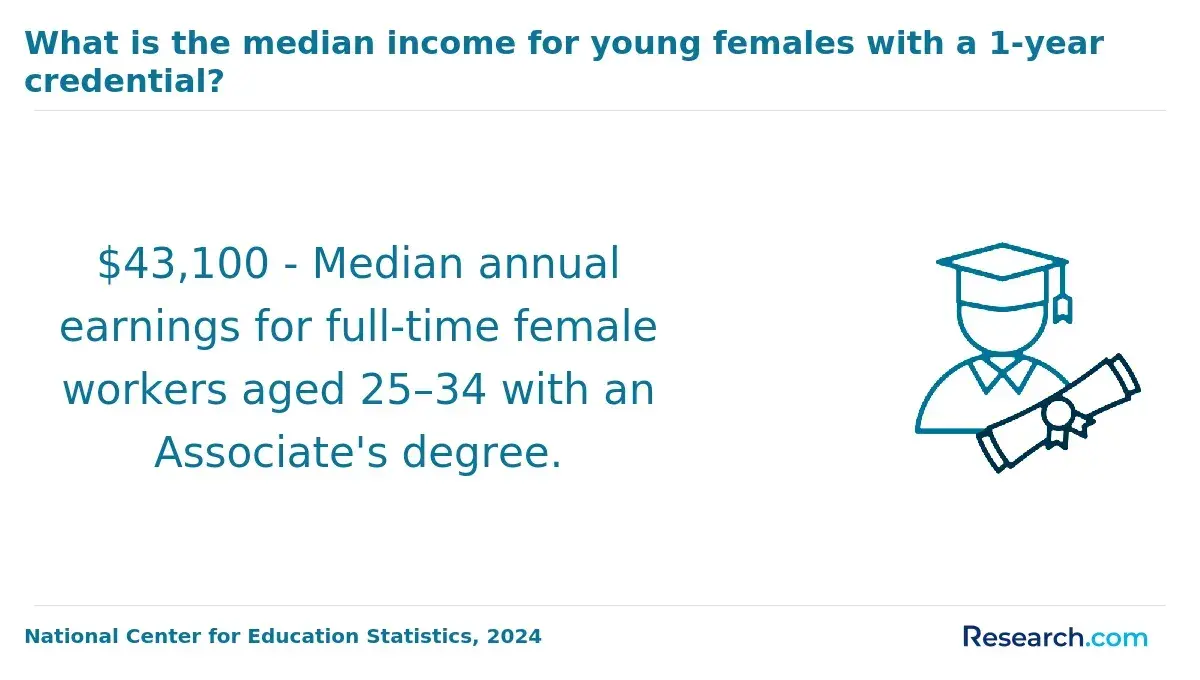
Accelerated engineering programs aim to reduce the standard duration needed to complete a degree by condensing coursework through heavier term loads, summer sessions, or integrated work experiences such as co-ops. The structural intent is to allow students to fulfill degree requirements more quickly than in traditional models without sacrificing essential academic content. This compression often involves a tighter academic calendar and requires students to handle a more intense pace, enabling a potential graduation timeline reduction of up to about one year in practice.
However, actual time savings depend heavily on how these programs manage course sequencing, workload density, and prerequisite requirements. Simply increasing credits per term does not always equate to faster completion if key courses or capstone projects remain fixed in sequence or timing. Programs that maintain internship or co-curricular obligations without adjustment may reduce the opportunity to accelerate. Moreover, institutional constraints such as limited course availability and mandatory pauses between prerequisite classes can blunt expected efficiencies, resulting in modest rather than drastic timeline reductions.
These condensed formats impose significant demands on students' time and cognitive resources, often limiting scheduling flexibility and extracurricular engagement. As a result, while accelerated pathways can offer quicker entry into the workforce or graduate studies, they may also compromise depth of learning and raise stress levels, which could affect academic performance and longer-term skill acquisition. Balancing accelerated pacing with sufficient absorption of complex material is a critical, yet challenging, aspect of program design and student success.
One accelerated engineering program graduate recalled uncertainty during a rolling admissions cycle that affected their enrollment timing. Though initially eager to begin the compressed course load soon after receiving a conditional acceptance, they hesitated as prerequisite course transfers were being evaluated. This delay compressed their available start terms, creating a narrow window to commit and coordinate finances and housing. The student reflected that, despite the program's potential for faster completion, administrative timing and personal preparation realities ultimately shaped how much the acceleration benefited their actual timeline.
Which Engineering Program Requirements Most Often Extend Graduation Timelines?
Graduation timelines in engineering programs are frequently prolonged by curricular components that go beyond mere credit accumulation. These mandatory elements, integral to program rigor and alignment with professional standards, often impose timing and sequencing constraints that complicate steady student progress. While such requirements aim to ensure comprehensive skill development and workforce readiness, they can simultaneously create bottlenecks that extend the time to degree completion.
- Sequential Prerequisite Coursework: Many engineering programs structure foundational classes in a strict sequence, especially in mathematics, physics, and core engineering subjects. Failure or delay in earlier courses prevents timely enrollment in advanced classes, forcing students to extend their studies. This design, intended to build layered competencies, can derail progression for those who need course retakes or leave little room for flexible scheduling.
- Intensive Laboratory and Design Projects: Experiential components require substantial out-of-class commitment for preparation, experimentation, and reporting. Because labs and design projects integrate theoretical knowledge with practical application, they are rarely compressible in time, meaning students must allocate significant hours beyond lectures. This workload can slow down progress, particularly when multiple such courses coincide.
- Mandatory Internship or Cooperative Education Programs: Work experience components embedded in engineering degrees aim to enhance employability through real-world exposure. However, coordinating these placements with academic terms often leads to additional semesters. A 2024 Lightcast report noted that approximately 30% of students undertaking required co-op programs graduate later than peers not engaging in such experiences.
- Capstone Senior Design Projects: These culminative projects demand multidisciplinary collaboration and independent research critical for professional readiness. Their complexity and team coordination challenges frequently extend student timelines, especially when unexpected obstacles arise in project management or resource access.
- Course Availability and Transfer Credit Articulation: High demand for specialized engineering courses combined with limited enrollment capacity forces some students to postpone required classes. Transfer students encounter added complexity with credit equivalency and scheduling conflicts, often resulting in further delays that lengthen overall study duration.
Does Taking Longer to Graduate Increase the Cost of a Engineering Degree?
Taking longer to complete an Engineering degree generally increases the total tuition and related expenses, especially when students are billed per semester or credit hour. Many institutions charge additional fees each term, so extra semesters can accumulate significant costs beyond the initial program estimate. Furthermore, some financial aid programs and scholarships are structured around standard four-year timelines, meaning students extending their studies may lose eligibility for these funding sources, directly raising out-of-pocket expenses.
This extended enrollment often reflects in higher living expenses and delayed workforce entry, which compound the average cost of extended Engineering degree completion. Balancing these factors is crucial for students managing academic pacing and enrollment behavior to avoid unexpected financial burdens while maximizing practical outcomes.
However, extended timelines do not always lead to substantially higher costs. Programs offering flat-rate tuition for full-time enrollment, employer tuition assistance, or flexible part-time pricing can mitigate additional charges despite longer degree paths. In some cases, students intentionally reduce course loads to accommodate work or family commitments without facing doubling tuition fees, indirectly influencing total cost accumulation.
The relationship between delayed graduation and the financial impact of delayed Engineering graduation varies significantly across institutions and payment structures. Students and education planners can also benefit from exploring resources like the cheapest tuition online college options to manage expenses while adjusting degree timelines, particularly in light of broader labor market conditions where practical skills and experience weigh heavily alongside academic credentials.
Does Graduating Faster Improve Career Prospects?
Graduating faster from an engineering degree program can provide an earlier entry point into the workforce, which may offer advantages in the initial job search and early salary growth. Completing the degree within a shorter timeframe often means a student can capitalize on labor market timing, potentially securing employment positions sooner than peers who follow a traditional four-year path.
Still, employers typically assess candidates based on their demonstrated skills, internships, and project experience rather than on graduation speed alone. This nuanced view reflects the multifaceted nature of hiring decisions in engineering fields where practical competence often outweighs academic expediency.
The impact of early engineering degree completion on job opportunities and salary growth depends heavily on factors such as the quality and extent of internship experiences, portfolio development, and mastery of relevant technical skills. Networking opportunities and alignment with current industry demands further influence whether a fast graduation translates into favorable employment outcomes. Employers in engineering tend to prioritize candidates who deliver tangible evidence of professional readiness and applied knowledge, which sometimes requires time beyond mere course completion to develop.
Trade-offs involved in accelerating degree completion include constrained access to leadership roles, cooperative education programs, or deeper specialization that traditionally enhance long-term employability. Balancing timely graduation with meaningful experiential learning is critical because sustainable success in engineering careers often hinges on continuous skill development and professional connections rather than speed alone.
Students aiming to improve their career prospects should carefully weigh how fast-track completion interacts with other vital career readiness factors, including exposure to internships and the cultivation of a robust professional network. For those curious about related career paths, exploring jobs with animals that pay well may provide valuable perspective on diverse employment trajectories.
Which Scheduling Mistakes Commonly Delay Graduation?
Graduation delays in engineering degree programs frequently result not from coursework difficulty but from avoidable scheduling and planning errors during enrollment. These issues impact students across undergraduate and graduate levels, as well as those in different delivery formats, by disrupting the structured academic progress essential to timely completion. Recognizing how institutional policies and curriculum sequencing interact with student decisions is key to preventing these bottlenecks.
- Ignoring Prerequisite Sequencing: Many students underestimate the critical role of prerequisite order, causing bottlenecks when foundational courses are missed early on. This misalignment forces students to postpone advanced classes, extending total time to degree under rigid curriculum frameworks common in engineering.
- Credit Overload or Underload: Over-enrolling risks burnout and course failures, triggering repeats, while taking too few credits per semester prolongs graduation. Data from the National Center for Education Statistics (2024) shows engineering students with fewer than 12 credits per term face a 40% higher likelihood of extending their studies beyond four years.
- Transfer Credit Mismanagement: Transfer students often struggle with credit equivalencies, resulting in unrecognized courses and necessary retaking of classes. Institutional variations in accreditation and transfer policies exacerbate delays by forcing redundant coursework.
- Underutilizing Off-Term Opportunities: Failure to strategically engage with summer or intersession terms limits options to accelerate progress. Many programs offer these to mitigate timeline risks, but poor advising or lack of planning leaves this potential unrealized.
- Poor Advisor Coordination: Insufficient communication with academic advisors impedes optimized course sequencing and timely enrollment, increasing the risk that students will miss critical registration windows or fall behind in degree milestones.
References:
- 100% Online Engineering Degrees | Charles Darwin University https://www.cdu.edu.au/study/engineering-online
- 6 Benefits of Earning Your Master’s in Engineering Degree Online https://online-engineering.case.edu/blog/6-benefits-of-earning-your-masters-in-engineering-degree-online
- Bachelor of Science in Engineering https://erau.edu/degrees/bachelor/engineering
- Engineering Salary Statistics https://www.mtu.edu/engineering/about/salary/
- Fast-Track or Part-Time? How Long a Master’s in Engineering Really Takes https://engineeringmanagement.org/how-long-does-it-take-to-get-an-mem/
- Is Online Learning Effective for Engineering Courses? An In-Depth Analysis with iLearn Engineering® - iLearn Engineering® https://www.ilearnengineering.com/online-engineering-courses/is-online-learning-effective-for-engineering-courses-an-in-depth-analysis-with-ilearn-engineering
Other Things You Should Know About Engineering
High workload intensity is a major factor in extending completion times for many engineering students. Programs that demand rigorous, back-to-back technical courses often force students to reduce their credit load or pause their studies to manage stress and learning quality. Prioritizing a balanced course load over accelerated progression typically leads to deeper comprehension and better preparedness for industry demands, even if it adds time to graduation.
Internships provide essential practical experience and can improve job prospects significantly for engineering students. While they might extend graduation timelines, the skills and professional network gained often outweigh the delay. The 2027 Engineering Degree Completion Time Report indicates that students who complete internships are typically more competitive in the job market despite extended timelines.
Engineering programs vary widely in flexibility and sequencing of required courses, which impacts students' ability to plan and predict their graduation date. Programs with rigid prerequisites and limited course availability often lead to bottlenecks, causing delays unrelated to student performance. When choosing programs, assessing how course offerings and sequencing align with your timeline expectations is crucial for managing and minimizing unexpected extensions.
Taking longer than the standard timeline to earn an engineering degree is not inherently detrimental, but context matters. Employers prioritize competency and relevant experience over speed; a longer duration that includes internships or co-op placements often improves job prospects. However, unexplained or excessive delays without clear academic or professional development reasons can raise concerns about persistence or time management.