2027 Fastest Accredited Online Dental Assistant Programs: Accelerated Degrees and Completion Times

Co-Founder and Chief Data Scientist
Dental practices nationwide are expanding faster than the workforce can keep pace, with employment for dental assistants projected to grow 6% through 2034 and roughly 53,000 openings expected every year as preventive and cosmetic dentistry both see rising demand. A growing number of accredited institutions have responded with hybrid-online dental assistant programs that pair self-paced coursework with hands-on clinical externships at local practices.
Traditional certificate programs typically take nine months to a year to complete, but accelerated hybrid formats now compress this into as few as four to six months without shortchanging chairside clinical hours. This guide breaks down the top accredited online dental assistant programs, compares real completion times and tuition costs, and explains state certification requirements so you can start working sooner.
Key Things You Should Know
- The fastest institutionally accredited online dental assistant career diplomas commonly advertise completion in about 4 months, while CODA-accredited hybrid certificates and diplomas are more often about 9 to 12 months because they include supervised clinical skills.
- Shorter 6- to 8-week terms can speed progress, but they compress the same learning into fewer weeks; students starting from scratch should compare weekly workload, required labs, externships, and exam preparation before choosing the shortest timeline.
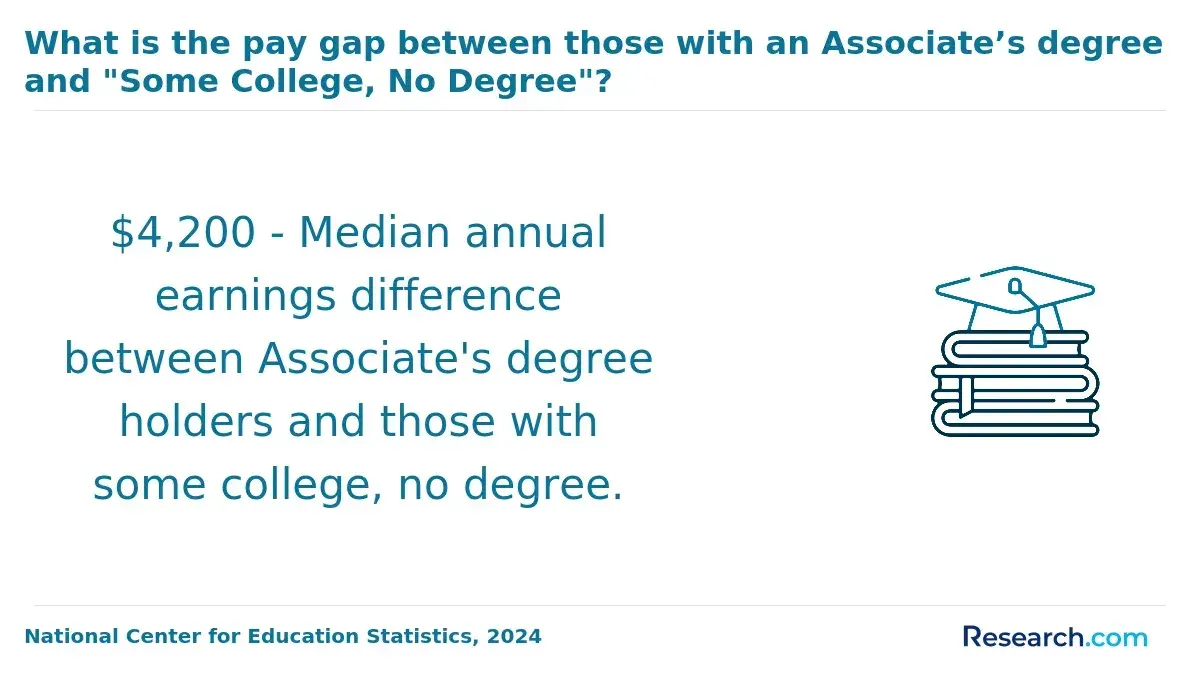
- Transfer credit is usually limited in dental assistant certificates, but associate degree pathways may accept prior general education credits; schools commonly cap transfer credits by residency rules, program age limits, or minimum grade requirements.
Which Colleges Offer the Fastest Accredited Online Dental Assistant Programs?
The fastest accredited online dental assistant options usually fall into two categories: institutionally accredited online career diplomas and CODA-accredited hybrid programs. The first can be quicker, while the second may be more valuable in states or workplaces that require programmatic dental assisting accreditation for expanded duties, radiography eligibility, or certification pathways.
The table below compares representative U.S. programs by advertised speed, delivery format, and accreditation type. Use it as a starting point, then confirm the current catalog, state eligibility, and any in-person requirements directly with the school before applying.
| School or provider | Program type | Advertised or typical completion time | Online format | Accreditation point to verify | Best fit |
| Penn Foster | Dental Assistant Career Diploma | As few as about 4 months | Online, self-paced coursework | Institutional accreditation; not typically positioned as a CODA-accredited dental assisting program | Students seeking a fast entry-level online credential where state rules do not require CODA graduation |
| Ashworth College | Dental Assistant Career Diploma | As few as about 4 months | Online, self-paced coursework | Institutional accreditation; verify state recognition and exam eligibility | Working adults who want low-schedule-friction online study |
| U.S. Career Institute | Dental Assistant Certificate | As little as about 4 months | Online, self-paced coursework | Institutional accreditation; verify whether the credential meets local employer or state requirements | Students seeking a quick nondegree pathway into basic dental office support roles |
| Lake Area Technical College | Dental Assisting diploma | Often about 11 months | Hybrid or e-learning supported format with required hands-on components | Institutional accreditation plus CODA programmatic accreditation | Students who want a faster pathway without giving up CODA recognition |
| Indiana University School of Dentistry | Dental assisting certificate pathway | Often about one academic year | Online-supported or distance elements with required clinical/lab experiences | Institutional accreditation plus CODA programmatic accreditation | Students who need a recognized clinical training pathway and can complete in-person requirements |
The fastest degree on paper may not be the fastest program for you. If your state requires a CODA-accredited dental assisting program for certain functions, a 4-month online diploma may be quicker to finish but slower for reaching your actual employment goal.
How Long Does It Take to Complete an Accredited Online Dental Assistant Degree?
In dental assisting, "degree" is often used loosely. Many fast online options are career diplomas or certificates, while true associate degrees usually take longer because they include general education courses such as English, psychology, communication, and anatomy.
The table below shows realistic completion ranges by credential type. These timelines matter because employers, state boards, and certification agencies may treat a short diploma differently from a CODA-accredited certificate or an associate degree.
| Credential type | Typical fast completion range | Why it can be fast | What may extend the timeline |
| Online career diploma or certificate | About 4 to 9 months | Self-paced modules, fewer general education courses, rolling enrollment | Externship scheduling, state radiography requirements, limited employer recognition |
| CODA-accredited hybrid certificate or diploma | About 9 to 12 months | Full-time cohort structure, focused dental assisting curriculum | Required labs, clinical rotations, immunizations, background checks, semester start dates |
| Associate degree in dental assisting or dental office pathway | About 18 to 24 months | May allow summer courses or transferred general education credits | More total credits, campus labs, clinical placement, residency credit rules |
| Degree-completion or allied health transfer pathway | Varies widely | Prior college credits may reduce remaining coursework | Major-specific course sequencing and minimum credits earned at the new school |
"Fastest" means the shortest credible time from enrollment to completion for a prepared student who can handle the full course load and complete all required in-person components on schedule. "Accelerated" means the school uses shorter terms, year-round scheduling, self-paced college courses, heavier course loads, or credit for prior learning to reduce calendar time. "Completion time" means more than finishing online lessons; it also includes labs, externships, exams, and administrative requirements that may delay graduation.
How Do Accelerated and Competency-Based Online Dental Assistant Programs Work?
Accelerated dental assistant programs shorten calendar time by changing the structure, not by removing essential skills. Students still need to learn infection control, chairside assisting, dental materials, charting, radiography basics, patient communication, and dental office procedures.
These formats are common in fast online or hybrid dental assistant programs, and each affects workload differently. Before enrolling, ask whether the program's pace is fixed by the school or flexible based on your progress.
- Self-paced online modules: Students move through lessons and assessments independently, which can be fast for disciplined learners but risky for those who need weekly instructor deadlines.
- Short terms: Courses may run in 6- to 8-week blocks instead of traditional 15- or 16-week semesters, reducing calendar time while increasing weekly intensity.
- Hybrid clinical skills: Didactic content may be online, but radiography, sterilization, impressions, chairside procedures, and patient-care competencies often require supervised practice.
- Cohort-based acceleration: Students begin and finish with the same group, usually on a full-time schedule that leaves less room to pause or retake courses.
- Competency-based progression: Students advance after demonstrating mastery, but dental assisting competencies may still require faculty verification, clinical documentation, or onsite evaluation.
Competency-based learning can be attractive to adults who already know healthcare terminology or dental office routines. If you are comparing broader accelerated programs for career changers, remember that dental assisting is different from many fully online majors because hands-on skills can determine whether the credential is usable.
What Accreditation Should an Online Dental Assistant Program Have?
Accreditation is the main quality checkpoint when comparing fast dental assistant programs. At minimum, the school should have recognized institutional accreditation, which affects transfer credit, financial aid eligibility, and general legitimacy. For some dental assisting goals, programmatic accreditation from the Commission on Dental Accreditation, commonly called CODA, may be more important.
The table below separates the main accreditation types because they answer different questions. A program can be institutionally accredited without being CODA-accredited, and that distinction can affect certification, expanded functions, and employer preference.
| Accreditation type | What it tells you | Why it matters for speed | What to ask the school |
| Institutional accreditation | The school meets recognized standards as an institution | May support financial aid eligibility and future transfer review | Which accreditor recognizes the school, and is the program credit-bearing or noncredit? |
| CODA programmatic accreditation | The dental assisting program meets dental education standards | May prevent delays if your state or employer requires CODA training | Is the exact online or hybrid dental assisting program listed as CODA-accredited? |
| State authorization or approval | The school can enroll students in your state | Can prevent enrollment or externship problems after acceptance | Can students in my state complete the program and qualify for local dental assisting functions? |
| Certification exam alignment | The curriculum prepares students for a specific credential or exam | May reduce extra study time after graduation | Which exam does the program prepare for, and are graduates eligible immediately? |
Be especially cautious with programs that use vague phrases such as "nationally recognized" without naming the accreditor. Also verify that the accreditation applies to the dental assisting program you plan to take, not only to a parent institution or a different campus-based program.
How Can Transfer Credits and Prior Learning Shorten an Online Dental Assistant Degree?
Transfer credit usually has the biggest impact in associate degree pathways, not short dental assistant diplomas. A student who already completed English composition, psychology, biology, or communication may be able to reduce the general education portion of an associate degree, but dental assisting technical courses are often taken in sequence and may not transfer easily.
The table below explains which prior learning sources are most likely to shorten a dental assistant timeline. It is useful because schools may advertise a fast completion time that assumes you already meet prerequisites or can transfer credits.
| Prior learning source | Where it may help | Likely effect on time | Common limitation |
| Previous college general education credits | Associate degrees and credit-bearing certificates | Can reduce nontechnical coursework | Minimum grade, age of credit, and residency requirements |
| Healthcare work experience | Programs with prior learning assessment | May waive introductory content in some schools | Hands-on dental competencies usually still require validation |
| CPR, infection control, or radiography training | State-specific credential pathways | May reduce post-program exam preparation | Not always accepted for academic credit |
| Military or workforce training | Credit-bearing colleges that evaluate ACE or similar recommendations | May reduce electives or support courses | Program directors may still require dental assisting core courses |
To use transfer credit strategically, request an unofficial evaluation before committing. Ask which credits apply to the program, not just how many total credits the school accepts, because unused elective credit may not shorten your graduation date.
What Are the Admission Requirements and Start Dates for Accelerated Online Dental Assistant Programs?
Fast online dental assistant programs often have simpler admissions than degree programs, but clinical requirements can still create delays. Common requirements include a high school diploma or equivalent, minimum age, government ID, computer access, immunization records, CPR certification, background check, drug screening, and proof of health insurance for externship sites.
Start dates are a major reason two students in the same program may finish at different times. Rolling-admission programs can start soon after enrollment, while CODA-accredited cohort programs may start once or twice per year.
- Rolling start: Best for students who are ready now and can progress independently, but you must confirm instructor support and externship availability.
- Monthly start: Offers predictable entry points without waiting for a full semester, often used by online career schools.
- Semester start: Common at community colleges and CODA-accredited programs, with stronger structure but less flexibility if you miss a deadline.
- Cohort start: Keeps clinical sequencing organized, but failed or missed courses may require waiting for the next cohort.
If you are still choosing between dental assisting and another entry-level healthcare route, compare admission timing with a medical assistant course online. Medical assisting and dental assisting can both be fast, but their clinical settings, certification pathways, and daily tasks differ substantially.
How Much Does a Fast Online Dental Assistant Degree Cost, and Is Financial Aid Available?
Fast does not automatically mean inexpensive. A short online career diploma may have lower tuition, but it may not qualify for the same federal aid or transfer options as a credit-bearing college program. A CODA-accredited community college pathway may cost more in tuition and fees, but it can reduce the risk of needing extra training later for state or employer requirements.
For context, College Board's 2024 pricing data placed average published tuition and fees for public two-year in-district students at about $4,050. That figure is not a dental assisting price quote, but it helps you compare community college tuition against private online career training charges.
The table below summarizes the main cost categories to check. These items matter because the fastest advertised program may not include every expense required to finish or become employable.
| Cost category | Why it matters | How it can affect completion time |
| Tuition | Main published price for coursework | Payment delays can block registration or course access |
| Books, software, and supplies | Dental assisting courses may require instruments, uniforms, or digital resources | Missing supplies can delay lab or clinical participation |
| Background check and health requirements | Externship sites may require clearance before placement | Incomplete documents can postpone clinical hours |
| Certification or exam fees | Some credentials require separate exam registration | Late testing can delay job applications or expanded-function eligibility |
| Travel for labs or externship | Hybrid programs may require in-person attendance | Limited transportation can make the fastest schedule unrealistic |
Can You Work Full Time While Completing an Accelerated Online Dental Assistant Degree?
You can work full time during some online dental assistant programs, especially self-paced career diplomas. The harder question is whether you can work full time while also meeting fixed lab, externship, or clinical schedules. Dental offices often operate during daytime business hours, so externship availability may conflict with a standard workweek.
The table below compares common enrollment patterns. Use it to decide whether the fastest schedule is realistic or whether a slightly slower plan is more likely to lead to completion.
| Enrollment approach | Typical fit | Speed advantage | Main trade-off |
| Full-time accelerated | Students with flexible work or strong outside support | Shortest calendar time | High weekly workload and less room for missed clinical hours |
| Part-time online | Students working full time or caring for family | More sustainable pacing | Graduation may take several additional months |
| Self-paced | Independent learners who can study consistently | Can finish quickly if you stay on track | Easy to lose momentum without deadlines |
| Hybrid cohort | Students who want structure and recognized clinical training | Predictable completion plan | Less flexibility around labs, clinics, and absences |
A useful rule is to separate online coursework from hands-on requirements. Some healthcare programs can be designed with fewer direct clinical barriers, as seen in certain RN to BSN online programs, but dental assisting typically requires practical skill development if the program is CODA-accredited or clinically focused.
Are Accelerated Online Dental Assistant Degrees Respected by Employers and Graduate Schools?
Employers tend to care less about whether a dental assistant program was online and more about whether graduates can perform safely, communicate well with patients, follow infection-control standards, and meet state requirements. In dental offices, credibility often comes from a combination of accreditation, clinical experience, certification eligibility, radiography training, and references.
Graduate schools are a different matter. Dental assisting credentials alone usually do not lead directly to graduate study, but credit-bearing associate coursework may help if you later pursue a bachelor's degree. Noncredit career diplomas fro may be respected by employers yet offer limited academic transfer value.
To improve employer confidence, prioritize programs that include hands-on practice, clear certification alignment, documented externship support, and transparent accreditation. If a school cannot explain how its online training translates into clinical readiness, treat that as a red flag.
How Should You Compare the Fastest Accredited Online Dental Assistant Programs?
The best fast program is the one that gets you to your goal without creating avoidable problems with accreditation, state eligibility, clinical placement, cost, or transfer value. Start by defining your target job and state requirements, then compare only programs that can credibly support that outcome.
Use this step-by-step process before enrolling at online colleges. It will help you separate a genuinely accelerated program from one that is simply marketed as fast.
- Confirm whether your state requires CODA graduation, radiography training, expanded-function approval, or a specific certification pathway for the dental assistant duties you want.
- Verify institutional accreditation and, when needed, CODA programmatic accreditation for the exact program, location, and delivery format.
- Ask for the full completion timeline, including online courses, labs, externship placement, exams, background checks, immunizations, and graduation processing.
- Request a written transfer-credit or prior-learning review if you have previous college, military, or healthcare training.
- Compare total cost, not just tuition, including supplies, clinical clearance fees, exam fees, travel, and lost work hours.
- Ask how many hours per week successful accelerated students usually study and whether instructors, tutors, or externship coordinators are available.
- Check whether credits can apply to a future certificate, associate degree, bachelor's degree, or healthcare management pathway.
The fastest realistic path is usually a 4-month institutionally accredited online career diploma for students who do not need CODA recognition, or a roughly 9- to 12-month CODA-accredited hybrid certificate or diploma for students who need stronger clinical and regulatory alignment. If you want an associate degree, plan closer to 18 to 24 months unless transfer credits reduce your remaining general education requirements.
Other Things You Should Know About Dental Assistant
In some states and offices, online training may be enough for entry-level support duties. However, radiography, expanded functions, and some certifications may require hands-on training, exams, work experience, or graduation from a specific type of program.
No. Requirements vary by state and job duty. CODA accreditation is especially important when a state, employer, or certification pathway requires graduation from a CODA-accredited dental assisting program.
Some institutionally accredited online career diplomas advertise completion in about 4 months. CODA-accredited hybrid programs are usually closer to 9 to 12 months because they include structured clinical competencies.
Common delays include missed cohort starts, incomplete immunization records, background check issues, limited externship sites, failed skills assessments, unpaid balances, and assuming that online coursework is the only graduation requirement.
References
- X-ray certified, hands-on dental assisting training school in Maryland https://www.dentalassistantmaryland.com/dental-assisting-course
- Bremerton Dental Assistant School | Dental Assistant Program https://bremertondentalassistant.com/blog/dental-assisting/what-are-good-online-dental-assistant-schools/
- Get Dental Assistant Certified in 13 Weeks: Here’s How - Dimensions of Dental Hygiene https://dimensionsofdentalhygiene.com/get-dental-assistant-certified-in-13-weeks-heres-how/
- Undergraduate Graphic Design Major - Elms College https://www.elms.edu/online-dental-assistant/
- Dental Assistant Training Formats: Online Vs In-Person Vs Hybrid https://browarddentalacademy.com/16-dental-assistant-training-formats/
- Dental Assistant https://www.sfdda.org/public/careers-in-dentistry/dental-assistant
- What to Expect From a Dental Assistant Training Program in Atlanta https://atlantadentalassistantschool.com/blog/dental-assisting/dental-assistant-training-program/
- Dental Assistant Certification Training - MedCerts https://medcerts.com/programs/healthcare/dental-assistant
- CODA | Commission on Dental Accreditation https://coda.ada.org/
- Steps On How To Become A Dental Assistant | HowToBecome Guide https://www.learnhowtobecome.org/dental-assistant/