2027 Self-Paced Online Exercise & Sports Science Bachelor's Degree Programs

Co-Founder and Chief Data Scientist
Busy professionals often struggle to find degree programs that accommodate irregular schedules while providing a comprehensive education in exercise & sports science. Traditional semesters and fixed class times can hinder career advancement or timely graduation for those balancing work and family. According to recent data, 48% of students in online exercise & sports science programs choose self-paced formats to manage these challenges effectively. This flexibility allows learners to progress at their own speed while gaining essential skills.
This article explores the benefits, challenges, and key features of self-paced online exercise & sports science bachelor's degrees, guiding readers toward informed decisions aligned with their career goals.
Key Benefits of Self-Paced Online Exercise & Sports Science Bachelor's Degree Programs
- Self-paced online exercise & sports science bachelor's programs offer unmatched flexibility, enabling working professionals to balance study with careers and personal commitments effectively.
- These programs accelerate skill acquisition by allowing students to progress at their own pace, often reducing time to degree completion through competency-based learning.
- They provide cost-effective pathways to accredited credentials, with many allowing transfer credits and prior learning assessments to minimize tuition expenses.
What Are Self-Paced Online Exercise & Sports Science Bachelor's Degree Programs, and How Do They Differ From Traditional Online Formats?
Self-paced learning in online higher education allows students to advance through coursework independently, differing significantly from cohort-based or asynchronous-but-scheduled formats. Instead of fixed terms where all learners start and finish together, self-paced Exercise & Sports Science bachelor's programs offer open enrollment, flexible timelines, and milestone-based progression, giving students control over their study schedule.
- Open Enrollment: Students can begin their programs anytime during the year, which is ideal for working professionals or those balancing family responsibilities. This removes traditional semester constraints and supports flexible learning schedules that allow students to progress at their own speed-ideal for career changers balancing education with other commitments.
- Flexible Timelines: Rather than fixed deadlines, learners proceed through course materials based on their availability and comprehension speed. This approach accommodates different learning styles and life circumstances better than standard online programs.
- Milestone-Based Progression: Advancement is based on competency assessments or project submissions that confirm mastery of skills. This competency-based education model contrasts with traditional formats that rely heavily on weekly assignments and exams tied to specific dates.
- Time Management: Self-paced students must create their own schedules and maintain momentum, requiring strong self-discipline. By comparison, traditional programs offer structured calendars with frequent faculty check-ins.
- Faculty Interaction: Interaction in self-paced formats is less frequent and mostly centered around feedback on milestones. Traditional courses often include live sessions, discussion forums, and scheduled office hours.
- Student Accountability: Without the pressure of cohort deadlines, self-paced learners rely on self-motivation to stay on track. Traditional online education enforces collective pacing and peer accountability to maintain progress.
- Ideal Candidates: This format suits working professionals, non-traditional students, and anyone needing maximum schedule autonomy, reflecting the rising popularity of self-paced models aligned with credit transfer options and personalized degree pathways.
- Additional Opportunities: Many programs offer prior learning assessments and financial aid eligibility to support diverse learners. For those interested in accelerated healthcare education, exploring medical assistant certification options can complement a sports science career.
Which Accredited Institutions Offer Self-Paced Online Exercise & Sports Science Bachelor's Degree Programs?
Several regionally accredited institutions offer self-paced online exercise & sports science bachelor's degree programs tailored for working professionals, non-traditional learners, and first-time enrollees seeking flexible pacing. These programs commonly use competency-based education-allowing students to advance upon mastering material-while supporting credit transfers and prior learning assessments to accelerate completion.
- Western Governors University: Accredited by the Northwest Commission on Colleges and Universities, WGU uses a flat-rate tuition charged per six-month term. Its competency-based format enables rapid progression, with average completion times between 2 and 3 years depending on transfer credits and experience.
- Capella University: This institution, accredited by the Higher Learning Commission, offers a FlexPath option with subscription-based tuition billed quarterly. Students get unlimited course access and may reduce credits through prior learning assessments. Typical completion spans 18 to 30 months.
- Southern New Hampshire University: Accredited by the New England Commission of Higher Education, SNHU primarily uses traditional semester formats but includes some self-paced modules in health sciences. Tuition is per credit hour with generous transfer policies, and completion ranges from 2 to 4 years.
- Thomas Edison State University: Recognized by the Middle States Commission on Higher Education, TESU offers credit hour tuition and supports accelerating progress via prior learning and military experience credits. Many students finish within 2 to 3 years.
- Granite State College: Part of the University System of New Hampshire and NECHE accredited, Granite State offers competency-based online programs charging per credit hour. It awards credit for prior work and learning, with completion usually between 2 and 4 years.
These options exemplify the best accredited online exercise & sports science degree programs with flexible pacing, designed for students who value adaptability without sacrificing quality or accreditation. Prospective enrollees should consider transfer credit acceptance and financial aid availability, which these institutions generally support. For those exploring related healthcare degrees, researching paths like rn to bsn online programs can also offer flexible advancement opportunities.
2026 Update: Verifying Hands-On Learning and Field Experience Requirements
This 2026 update adds guidance on how self-paced online exercise and sports science programs handle practical skill development, especially when coursework is flexible but hands-on learning is still essential.
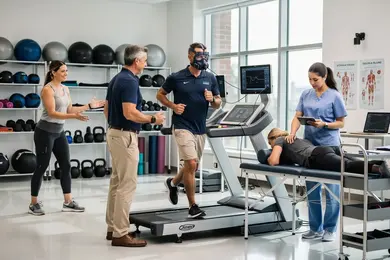
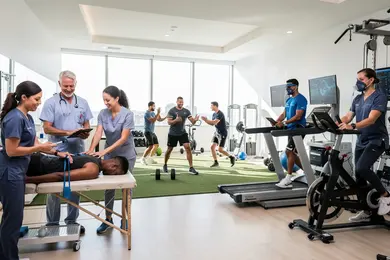
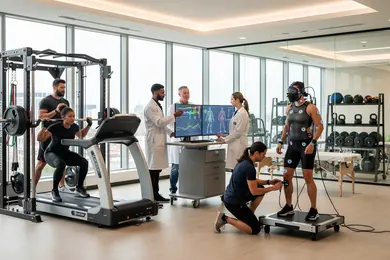
- Whether labs, fitness assessments, or movement analysis activities can be completed remotely or require campus visits
- How the program approves local sites for internships, practicums, or field experience
- Who supervises applied learning experiences and what qualifications they must have
- Whether students must arrange their own placements or receive school support
- What equipment, software, or recording tools are needed for skills-based assignments
- How fieldwork deadlines fit within a self-paced course structure
Checking these details helps students choose a flexible program that still builds the practical experience needed for coaching, wellness, fitness, or graduate-study pathways.
Completion time for self-paced online exercise & sports science bachelor's degrees can vary greatly. Some driven students finish in as little as one year, especially when they transfer prior credits or have relevant experience. More commonly, students take between four and six years, matching average degree lengths at traditional universities. According to the National Center for Education Statistics (NCES), the typical time for similar programs is about 4.5 years, serving as a helpful benchmark.
- Prior Credits and Transfers: Applying previously earned associate degrees or college credits can significantly reduce the overall duration by fulfilling degree requirements early.
- Weekly Study Commitment: The number of hours dedicated each week deeply influences pace-greater time investment generally leads to faster completion but might require careful balance with work or personal life.
- Prior Learning Assessments: Many programs give credit for professional experience or certifications, enabling learners to bypass some coursework and accelerate their progress.
- Competency-Based Progress: Some models allow students to advance after demonstrating mastery of material rather than waiting for semester schedules, fostering quicker degree completion.
- Realistic Goal Setting: Establishing manageable weekly milestones aligned with personal routines helps keep momentum while avoiding burnout.
- Support Services: Academic advising, tutoring, and time management resources are key to maintaining steady progress in self-directed online environments.
When asked about his experience, a professional who enrolled in a self-paced online exercise & sports science bachelor's program shared that staying motivated amid work and family demands was the biggest challenge. "It wasn't just about studying-it was about structuring my days to fit in learning without burning out," he noted. He found that using available tutoring and advising services helped him stay accountable and troubleshoot issues early on. Though initially uncertain about managing pace, he appreciated the flexibility to accelerate when possible and slow down during intense periods at work. "The freedom to move faster after passing competency tests helped me feel more in control," he said, emphasizing how important it was to align his schedule realistically with his lifestyle.
High School Diploma or GED: Applicants must typically present a high school diploma or GED to ensure they have the basic academic skills essential for undergraduate prerequisites for online exercise & sports science bachelor's degrees. This foundation is critical for handling college-level work effectively.
GPA Requirements: Minimum GPA expectations often range from 2.5 to 3.0 on a 4.0 scale in more selective programs; however, many self-paced options offer greater flexibility or do not enforce strict GPA standards. This accommodates non-traditional students or working professionals returning to education.
Prerequisite Coursework: Foundational classes in biology, chemistry, or math are commonly recommended or required to prepare students for the scientific focus of the curriculum. These undergraduate prerequisites can vary widely depending on the institution's design.
Open Enrollment and Rolling Admission: Many self-paced schools implement open-enrollment or rolling admission policies, reducing barriers for students balancing work or family commitments. These flexible start dates make it easier for non-traditional learners to begin studies without waiting for a fixed semester.
Selective vs. Open-Access Programs: Selective programs usually enforce higher admission standards and provide structured academic support like tutoring and advising. In contrast, open-access programs emphasize accessibility but may require greater student self-motivation due to limited direct support.
Application Enhancement: Candidates who fall short of requirements can strengthen applications with relevant community college courses, professional or volunteer experience, or compelling personal statements. Some programs also factor in prior learning assessments to credit work experience.
For more details on flexible pathways, consider exploring fast track schools known for competency-based models and transfer credit policies.
Tuition for self-paced online exercise & sports science bachelor's programs varies widely by school, delivery style, and student speed. Typically, per-credit fees range from $200 to $600, with total costs depending on individual pacing. Subscription models, common in competency-based formats, usually charge a flat monthly rate-from around $1,000 to $2,500-that covers unlimited courses during that period. Bundled tuition packages may cover entire semesters or years at a set price, including course materials and access to resources, helping students budget more predictably.
- Per-Credit Tuition: Costs fluctuate based on credit hours completed; faster learners pay more upfront but finish sooner, potentially lowering overall expenses.
- Subscription Models: Fixed monthly fees support continuous progress without per-course charges, potentially reducing total costs for driven students.
- Bundled Fee Arrangements: Flat-rate packages bundle tuition, materials, and services over a set time, fostering clearer financial planning.
- Additional Fees: Expenses such as technology access, proctoring, and software subscriptions may add hundreds annually, affecting the overall price.
- Course Materials: Some programs provide digital textbooks, though others require extra purchases, creating variability in cost.
- Hidden Charges: Fees for applications, transcript evaluations, or graduation requirements can unexpectedly increase total costs.
One professional who completed a self-paced online exercise & sports science degree shared that balancing monthly payments with her personal pacing was a constant challenge. She recalled, "I had to carefully plan how many courses to take each month, knowing my subscription fee stayed the same, but I didn't want to stretch the program too long." Managing the extra costs of proctored exams and materials sometimes surprised her, yet she appreciated the flexibility to accelerate when work allowed. "It wasn't just about the price-it was about controlling my education to fit my life," she reflected, highlighting the real-world trade-offs students face around tuition and timing.
Federal, state, and institutional financial aid options are available for self-paced online Exercise & Sports Science bachelor's programs, but eligibility varies due to unique program structures. Many competency-based education (CBE) programs use credit-hour equivalents to determine FAFSA qualification, though not all follow traditional credit systems. Because of this, confirming aid eligibility with the school's financial aid office is crucial to understand how and when funds are disbursed during the program.
The U.S. Department of Education offers Pell Grants, Direct Loans, and work-study programs to eligible online students. However, aid timelines may differ from semester-based students due to the flexible pacing of these programs. According to the College Board's latest Trends in Student Aid report, about 85% of undergraduate students receive some type of financial aid-highlighting broad national support for online learners.
State grant programs can vary considerably, often depending on residency and program format. Some states limit aid to traditional on-campus courses, so applicants should verify state-specific policies with both state agencies and their chosen institution.
Targeted scholarships in Exercise & Sports Science are frequently offered by professional organizations like the American College of Sports Medicine (ACSM) and the National Strength and Conditioning Association (NSCA), rewarding students for academic excellence and leadership in the field.
- Federal Aid Eligibility: Pell Grants and Direct Loans are generally accessible for self-paced students, but FAFSA rules tied to CBE credit models affect aid application and disbursement timing.
- State Grant Variation: Funding depends heavily on residency and program type; some states restrict grants to traditional enrollments, making early verification essential.
- Institutional Support: Many schools offer scholarships or flexible payment options adapted to self-paced learners, requiring direct communication with financial aid offices.
- Professional Scholarships: ACSM and NSCA provide scholarships specific to Exercise & Sports Science, recognizing merit and dedication in this discipline.
- Verification Recommended: Confirming aid eligibility and funding timelines with financial aid offices before enrollment helps prevent surprises related to self-paced program schedules.
Competency-based education (CBE) in self-paced online Exercise & Sports Science programs focuses on students demonstrating mastery through assessments rather than accumulating fixed seat time. Learners progress by passing projects, exams, or practical assignments that prove their ability to apply knowledge effectively. This approach offers flexibility, allowing students to move quickly through familiar content or take extra time on difficult material.
For financial aid and accreditation, CBE programs either convert competencies into credit hours or operate as direct assessment programs. Direct assessment programs grant credit based solely on demonstrated skills, requiring a special equivalency process to qualify for federal aid. In contrast, credit-hour-equivalent CBE models award traditional credits based on competencies, which simplifies access to financial aid.
Notable self-paced online Exercise & Sports Science bachelor's programs using CBE include Western Governors University (WGU), which emphasizes project-based assessments supported by dedicated faculty mentors. Southern New Hampshire University (SNHU) pairs competency modules with adaptive tutoring, building strong employer recognition for its flexible, student-centered approach. These programs stress communication with instructors and accountability as key to success.
Success in CBE requires high self-discipline and effective time management, so prospective students should carefully consider if this independent learning style fits their needs. According to the U.S. Department of Education, over 20% of degree-granting institutions now offer competency-based education, underscoring its growing role in higher education.
- Mastery Focus: Progress depends on assessments demonstrating skills and knowledge, allowing for personalized pacing beyond traditional class hours.
- Financial Aid Structure: CBE programs use either credit-hour equivalency or direct assessment methods, each impacting aid eligibility differently.
- Leading Programs: WGU and SNHU use project-based and adaptive assessments coupled with faculty support to ensure quality and employer recognition.
- Student Commitment: High self-discipline and time management are essential for thriving in a self-paced, competency-driven learning environment.
- Increasing Adoption: More than 20% of U.S. colleges now offer CBE programs, reflecting wider acceptance among educators and employers.
Accreditation is crucial when selecting a self-paced online exercise & sports science bachelor's program, as it ensures the program meets recognized academic standards acknowledged by employers and graduate schools. Regional accreditation holds more weight in the exercise & sports science field, especially with employers and graduate programs, because regional bodies enforce stricter criteria and enjoy broader institutional recognition.
The six regional accrediting bodies recognized by the U.S. Department of Education include the Middle States Commission on Higher Education (MSCHE), New England Commission of Higher Education (NECHE), Higher Learning Commission (HLC), Northwest Commission on Colleges and Universities (NWCCU), Southern Association of Colleges and Schools Commission on Colleges (SACSCOC), and Western Association of Schools and Colleges Senior College and University Commission (WSCUC).
Some self-paced exercise & sports science programs also carry programmatic accreditation from specialized organizations such as the Commission on Accreditation of Allied Health Education Programs (CAAHEP), which validates discipline-specific quality. Choosing a nationally accredited or non-accredited program carries risks-credits may not transfer to regionally accredited schools, limiting future educational opportunities, and employers along with graduate schools might view such credentials less favorably. It is vital to verify a program's accreditation status through the U.S. Department of Education's accreditation database or the Council for Higher Education Accreditation (CHEA) directory before applying.
Prospective students seeking maximum flexibility and credible qualifications should also explore competencies like credit transfer policies and prior learning assessments when researching programs. For flexibility in related healthcare fields, consider programs like ultrasound tech certification online, which often share similar accreditation standards.
- Regional Accreditation: Widely acknowledged as the gold standard, regional accreditation assures higher academic quality and acceptance by employers and graduate schools in exercise & sports science, facilitating broader credit transfers and degree recognition.
- National Accreditation: Generally applies to vocational or specialized institutions and is less commonly accepted; credits from nationally accredited programs may face challenges when transferring to regionally accredited colleges.
- Programmatic Accreditation: Certain exercise & sports science programs hold additional accreditation from specialized bodies, confirming the program's relevance and rigor within the discipline.
- Risks of Non-Accreditation: Attending a non-accredited program or one lacking recognized accreditation limits credit transfer options and may reduce credibility with employers and graduate schools, hindering career advancement.
- Verification Resources: The U.S. Department of Education and CHEA directories offer comprehensive, up-to-date databases to confirm a program's accreditation status, guiding students to avoid unrecognized or low-quality programs.
Transfer credit policies for self-paced online exercise & sports science bachelor's degree programs vary widely but generally permit students to apply a significant number of previously earned credits toward their degree requirements. Many institutions accept academic work from regionally accredited colleges, with generous programs allowing up to 90 transfer credits-substantially shortening the path to graduation. This flexibility is especially advantageous for non-traditional students, working professionals, and first-time college enrollees seeking maximum adaptability in their studies.
Programs typically require official transcripts to evaluate transfer credits and insist that courses align closely with core curriculum competencies and general education requisites. In addition to traditional credits, military training credits evaluated through ACE (American Council on Education) recommendations are widely recognized, offering veterans and active service members expanded pathways. Articulation agreements with community colleges are also common and streamline credit transfer, ensuring a smoother academic transition. For a broader overview of flexible degree options, prospective students may also explore the online nutrition degree pathways that share similar transfer policies.
Due to the complexity and variability of transfer procedures, students are strongly advised to request a pre-enrollment transfer credit evaluation. This assessment clarifies how many credits will count, the remaining credit requirements, and associated tuition costs-enabling well-informed decisions and accurate planning.
- Credit Limits: Certain programs accept up to 90 transfer credits, accelerating degree completion and reducing costs for those with prior college coursework.
- Military Credit Acceptance: Many universities award credit for military training via ACE recommendations, benefiting veterans and service members seeking degree completion.
- Articulation Agreements: Formal partnerships with community colleges facilitate seamless credit transfer into online exercise & sports science bachelor's degrees.
- Curriculum Alignment: Transferred courses must align with program core requirements to maintain academic standards and relevance.
- Pre-Enrollment Evaluations: Students should obtain transfer credit evaluations before enrolling to accurately gauge remaining credits and tuition expenses.
Prior Learning Assessment (PLA) offers self-paced exercise & sports science students an efficient way to convert professional experience, military training, certifications, and self-study into academic credits. This credit can be earned through comprehensive portfolio reviews, challenge exams, or standardized tests such as CLEP and DSST. These options enable learners to bypass coursework by validating their existing knowledge.
Western Governors University (WGU) and Liberty University are notable for accommodating flexible PLA policies. WGU usually allows students to earn up to 30 credits through PLA, requiring submission of transcripts, certifications, and employer letters, while Liberty University caps PLA credits at 25% of the degree, emphasizing thorough documentation. Both institutions align their credit awards with guidelines from the American Council on Education (ACE), which recommends credit for military and professional learning, aiding veterans and working adults in gaining recognized academic advancement.
To enhance PLA approval chances, students should compile detailed portfolios featuring course syllabi, job descriptions, certifications, and reflective essays that demonstrate mastery aligned with academic standards. Currently, nearly 60% of adult learners pursuing degrees value PLA as a strategy to accelerate completion and reduce costs.
- Portfolio Review Process: Students gather evidence like work samples and certifications to illustrate learning equivalency for credit consideration.
- Standardized Exams: CLEP and DSST provide cost-effective avenues to earn credits by testing subject knowledge without attending classes.
- ACE Credit Recommendations: ACE guidelines help schools assign academic credit for military and professional experiences, benefiting veterans and career professionals.
- Credit Limits and Policies: Institutions often restrict PLA credits to between 25% and 30% of degree requirements to balance academic integrity with prior learning recognition.
- Documentation Tips: Submitting clear, competency-aligned evidence is crucial to maximizing PLA credit potential for non-traditional students managing work and study.
Self-paced online exercise & sports science bachelor's degrees often include specialized tracks designed to meet diverse career goals, each varying in coursework demands and requirements like internships or certifications. Selecting the right focus area can influence how quickly students complete their program.
- Exercise Physiology: Centers on how physical activity affects the body, preparing graduates for roles as exercise physiologists or fitness trainers, typically in rehabilitation or wellness settings. Median wages are about $50,000, with some positions needing certification from bodies such as the ACSM.
- Sports Management: Merges sports and business principles, ideal for careers in athletic marketing or administration. Salaries range from $45,000 to $75,000, with practical internship components but generally no licensure.
- Kinesiology and Biomechanics: Studies human movement mechanics, relevant for careers in physical therapy or ergonomics. Positions often require state licensure when involving physical therapy, with salaries between $60,000 and $85,000.
- Health Promotion and Wellness: Focuses on preventative public health and community education. Graduates may become wellness coordinators with earnings around $45,000, and optional credentials such as CHES can enhance employability.
- Coaching and Athletic Training: Prepares students for coaching or athlete support roles, frequently necessitating certification and clinical hours from organizations like the Board of Certification for Athletic Trainers. Compensation varies greatly based on experience and location.
Choosing a concentration aligned with labor market needs streamlines career entry and clarifies any additional certification or internship requirements that might extend study time. The self-paced structure offers flexible progress, allowing working adults to balance education with professional and personal commitments without delaying graduation.
What Graduates Say About Self-Paced Online Exercise & Sports Science Bachelor's Degree Programs
- Timothy: "Choosing a self-paced online exercise & sports science program was crucial for me because I needed flexibility around my full-time job. The affordability compared to traditional campus programs made it accessible without sacrificing quality. Since graduating, I've been able to secure a role as a fitness consultant, which truly feels like a direct result of the knowledge and credentials I gained."
- Forest: "Reflecting on my decision to pursue a self-paced online exercise & sports science bachelor's degree, I valued how the program allowed me to balance family commitments while advancing my education. The cost was manageable, which meant I avoided excessive student debt-a real concern for many working adults. Professionally, it opened doors to new opportunities in sports rehabilitation that I hadn't considered before."
- Leo: "For me, the biggest draw of the online, self-paced exercise & sports science degree was the autonomy to learn at my own rhythm-especially since I'm naturally a self-motivated learner. Financially, it was a smart investment given the competitive pricing compared to other degrees I researched. Graduating empowered me to elevate my career into coaching elite athletes, a path I'm passionate about and wouldn't have accessed otherwise."
Other Things You Should Know About Exercise & Sports Science Degrees
Yes, many self-paced online programs require proctored exams for core courses. Schools may use remote proctoring software or approved testing centers, and identity checks are common. Some programs also require secure midterm and final exams to satisfy accreditation and academic integrity rules.
Applicants typically need a high school diploma or GED for enrollment, along with prerequisite courses in biology or physical education. Some programs may require standardized test scores such as the SAT or ACT for admission in 2027.
Yes, many 2027 self-paced online programs include internships or practical experiences as part of their curriculum. These experiences are crucial for applying theoretical knowledge in real-world contexts and fulfilling credit requirements set by the program. Check specific program details for exact requirements.
- Financial Aid For Online Colleges https://www.affordablecollegesonline.org/financial-aid/financial-aid-for-online-colleges/
- A comprehensive guide to Competency-Based Education software https://www.creatrixcampus.com/blog/competency-based-education-software
- sports science degree online https://checkout.columbiacollege.edu/Resources/ZtbfRG/7FE133/sports-science_degree-online.pdf
- CBE: Competency-Based Education | East Texas A&M https://www.etamu.edu/cbe/
- Academic Program Accreditation: Setting Your Students Up for Success https://acsm.org/academic-program-accreditation/
- The Complete Guide to Competency-Based Education https://www.d2l.com/blog/the-complete-guide-to-competency-based-education/
- Online Sports, Health & Fitness Degrees – Affordable, Flexible https://exsci.cuchicago.edu/
- Online Exercise Science Program https://stmary.edu/online-programs/exercise-science.html
- eta College: Bachelor of Exercise:Sports Science (Online) https://etacollege.com/bachelor-of-exercise-sports-science-online/
- Self-Paced Learning: What to Expect From a CBE Program https://www.umassglobal.edu/blog-news/self-paced-learning-expect-a-cbe-program