2027 Hybrid vs Fully Online Exercise & Sports Science Bachelor's Degree Programs

Co-Founder and Chief Data Scientist
A working parent with a demanding schedule faces a pivotal choice: enroll in a fully online exercise & sports science bachelor's degree program to study anytime from home or commit to a hybrid format that requires periodic campus visits for labs and group sessions. Balancing career advancement and family needs, they weigh the flexibility of remote learning against the value of hands-on practice and face-to-face interaction. Nearly 40% of students in exercise & sports science undergrad programs prefer hybrid options for their blend of convenience and experiential learning. This article explores the advantages and challenges of hybrid versus fully online formats to guide prospective students in making an informed decision.
Key Benefits of Hybrid vs Fully Online Exercise & Sports Science Bachelor's Degree Programs
- Hybrid programs offer greater learning flexibility by combining online coursework with scheduled in-person labs, accommodating students' varying availability more effectively than fully online formats.
- In-person interaction in hybrid programs enhances hands-on skill development and networking opportunities, crucial in exercise & sports science fields, unlike fully online programs relying solely on virtual communication.
- Hybrid formats help students balance education with work or family commitments by providing structured face-to-face support alongside the convenience of remote learning, promoting higher retention and engagement rates.
What Is a Hybrid vs Fully Online Exercise & Sports Science Bachelor's Degree?
Hybrid and fully online Exercise & Sports Science bachelor's degree programs vary significantly in delivery method, interaction level, and learning structure. More than 30% of college students in the U.S. enroll in some form of online or hybrid learning, highlighting a strong trend toward flexible education options. These formats cater to different student needs and schedules, making it important to understand their distinct features before choosing a program.
Hybrid Programs
- Classes combine on-campus sessions with online coursework, allowing for hands-on learning alongside digital flexibility.
- Students usually follow a set schedule for in-person classes, requiring regular attendance at designated locations.
- This format supports face-to-face interaction with instructors and peers, enhancing engagement and collaboration.
- Lab work, physical assessments, and practical exercises are incorporated to develop essential skills in exercise and sports science disciplines.
- Suitable for students who prefer structured learning environments but still need some level of flexibility.
Fully Online Programs
- Entirely virtual coursework enables students to complete lectures, assignments, and exams from anywhere without mandatory campus visits.
- Scheduling is generally asynchronous, providing maximum flexibility for those balancing education with work or family commitments.
- Communication relies on online tools such as forums, video calls, and email rather than direct personal contact.
- The focus is largely on theoretical knowledge with less emphasis on physical practice, fitting those seeking convenience over hands-on experience.
- Many students interested in accessible, flexible study options explore fully online exercise and sports science bachelor's degree benefits.
Students comparing program options may also consider specialized fields or credentials, such as BCBA online programs, to match their career goals.
How Does a Hybrid vs Fully Online Exercise & Sports Science Bachelor's Degree Program Work?
Both hybrid and fully online exercise and sports science bachelor's degree programs follow structured academic pathways designed to meet educational standards. However, they differ considerably in how coursework is delivered and how students interact with instructors and peers. Enrollment in distance education courses has increased by more than 75% over the last decade, reflecting a growing preference for flexible learning options in higher education. The following comparison outlines the key features of the hybrid exercise and sports science bachelor's degree program structure and fully online exercise and sports science bachelor's degree delivery.
Hybrid Programs
- Course content is delivered through a mix of in-person lectures, labs, and online modules.
- Students participate in scheduled classroom sessions, often for core practical skills or group projects.
- Online components include recorded lectures, readings, quizzes, and discussion boards to reinforce learning.
- Communication with instructors happens both in person and via email or learning management system platforms.
- The schedule tends to be semi-structured, requiring students to manage both fixed class times and flexible online deadlines.
Fully Online Programs
- All lectures, assignments, and exams are completed remotely through learning management systems.
- Class participation occurs via live video sessions, forums, or asynchronous discussions.
- Students access multimedia resources such as videos, simulations, and interactive modules to master material.
- Communication with faculty is primarily conducted through email, video conferencing, and discussion boards.
- Scheduling is usually highly flexible, with some programs offering asynchronous coursework while others require attendance at scheduled online classes.
Students considering either format might find it helpful to research options for a cheapest online bachelors degree to align their education with budget and lifestyle preferences.
Are Admission Requirements Different for Hybrid and Fully Online Exercise & Sports Science Bachelor's Degrees?
Admission criteria for hybrid and fully online exercise & sports science bachelor's programs often overlap, as most institutions maintain consistent academic standards. However, nuances in program delivery and institutional expectations can lead to some variations in specific requirements. Below are key areas where differences commonly appear.
- Technical Requirements: Fully online students usually must prove they have reliable access to high-speed internet and compatible devices for virtual learning. Hybrid learners also need similar technology but may face less stringent demands since part of their coursework occurs on campus.
- Academic Qualifications: Both program types typically require a high school diploma or equivalent and satisfactory GPA levels. Hybrid programs sometimes place additional importance on science coursework or hands-on experience given the practical nature of some in-person components.
- Application Documentation: Hybrid programs may request extra proof related to the student's ability to attend on-site sessions, such as residency verification or commute plans, which fully online programs rarely require.
- In-Person Prerequisites: Hybrid degrees can require applicants to complete or commit to face-to-face labs, clinicals, or workshops, often necessitating physical proximity to campus or partner facilities. Fully online formats generally waive these, offering alternative methods or exemptions.
- Health and Safety Compliance: Because hybrid programs include on-campus activities, applicants might need to submit immunization records, complete health screenings, or pass background checks. Fully online candidates are typically exempt from these obligations during admission.
A student pursuing a fully online exercise & sports science bachelor's degree shared that navigating the admission process felt straightforward, yet she was initially concerned about managing the technical demands without in-person support. She explained, "Confirming my internet and device readiness was crucial, but thankfully, the program offered clear guidelines and resources to help me prepare." She also appreciated not needing to arrange for campus visits or submit health clearances, which simplified her application. Reflecting on her experience, she noted that while admission requirements aligned with traditional standards, the fully online format eased logistical pressures, allowing her to focus on demonstrating academic readiness rather than coordinating physical attendance.
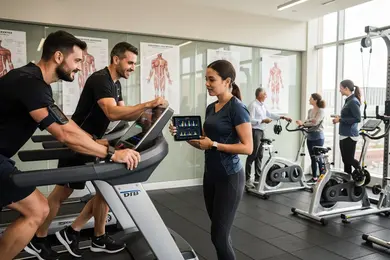
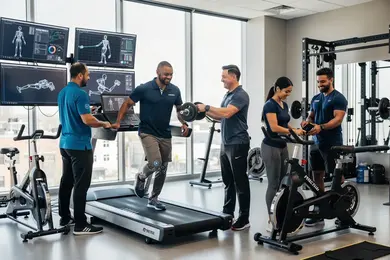
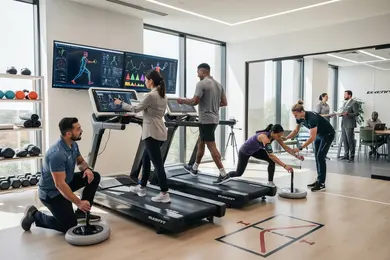
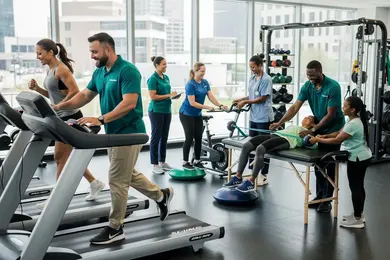
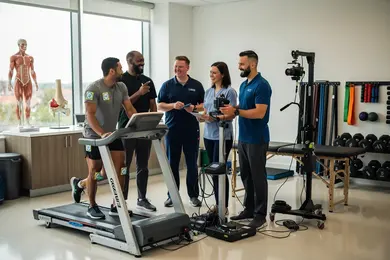
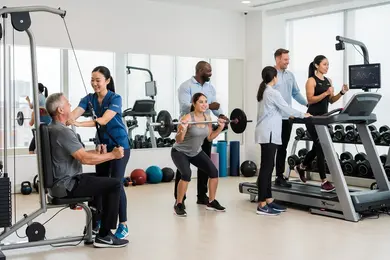
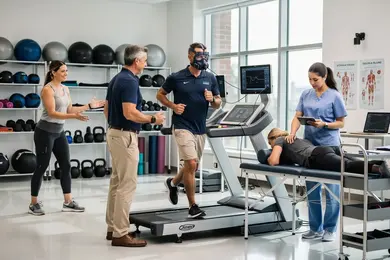
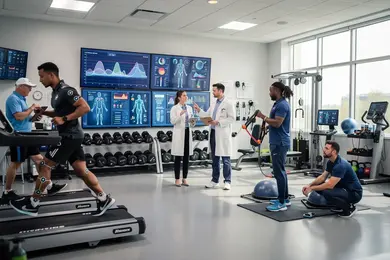
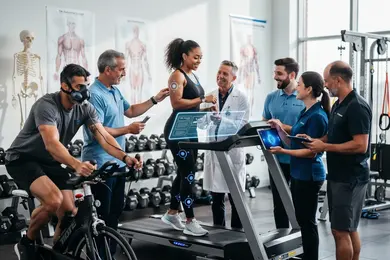
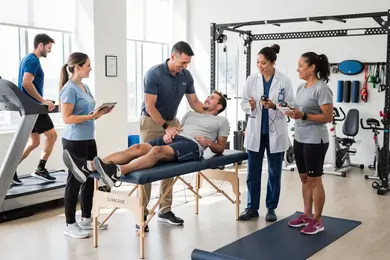
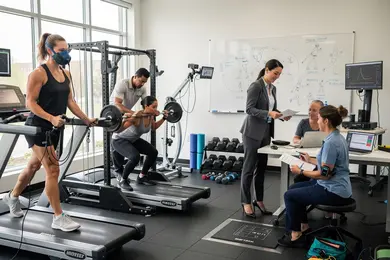
Hybrid exercise & sports science programs blend online coursework with in-person sessions, creating a balanced learning experience. Students benefit from hands-on labs and practical activities that are crucial for developing physical skills, alongside direct interaction with instructors and classmates. This face-to-face engagement promotes immediate feedback and collaborative discussions, enhancing understanding.
Access to campus resources such as fitness centers and specialized equipment further supports skill development. This format suits learners who appreciate both structured environments and the convenience of online study.
Fully online exercise & sports science degrees offer greater flexibility for students managing work or personal responsibilities. However, the lack of regular in-person interaction can make the learning process feel more isolated, especially when practical experiences are limited without local internships.
Virtual tools like video lectures and online forums facilitate peer communication but may not fully replicate hands-on practice. Students in this format often need to be self-driven and comfortable with technology to stay engaged and absorb applied concepts effectively. Despite these challenges, advanced digital platforms continue to improve interactive learning opportunities for online learners.
Hybrid exercise and sports science degree flexibility often comes from a mixture of online learning paired with essential on-campus activities. These programs generally require students to attend scheduled in-person labs, workshops, or evaluations, which can restrict adaptability for those with changing schedules or long travel times.
Despite this, most theoretical coursework is accessible remotely, frequently through asynchronous lectures and assignments, allowing students to study at their own pace for the majority of their program. This balance appeals to learners who desire some direct interaction while maintaining the convenience of online education. Students considering this format should weigh the commitment to periodic campus attendance against the flexibility of virtual coursework.
Fully online exercise and sports science program convenience stems from its wholly remote delivery, giving students the freedom to engage with course materials anytime and from anywhere. Asynchronous classes are typical, enabling learners to submit assignments and access lectures without fixed schedules, which suits those managing work, family, or other obligations.
According to a 2023 survey by the Online Learning Consortium, 75% of online students favor asynchronous learning for its adaptability. This format demands strong self-discipline and effective time management but offers unmatched flexibility. For individuals interested in exploring flexible degree options, an online administration degree provides a helpful example of the convenience fully remote programs can offer.
Although hybrid and fully online exercise & sports science bachelor's programs meet similar academic standards, they differ notably in pacing, structure, and the way students manage their time. Research from the National Center for Education Statistics in 2022 found that online students typically spend between 15 and 18 hours weekly on coursework, reflecting a significant time investment in either format.
In hybrid exercise & sports science programs, students split their workload between set in-person classes and online tasks. These scheduled sessions provide structure, helping learners maintain a steady study rhythm and stay on track with practical labs, group work, and face-to-face instruction. The online components allow for some flexibility in completing readings and assignments, but the balance of fixed and flexible demands requires students to organize their time around both campus visits and independent study.
By contrast, fully online programs offer asynchronous learning where students access lectures, discussions, and assignments digitally, often without mandatory meeting times. This format grants greater freedom to set one's own pace but demands strong self-motivation and careful scheduling to avoid falling behind. Without fixed class times, learners must be proactive in dedicating consistent study hours for virtual labs, assessments, and coursework to maintain progress throughout the term.
Hybrid programs typically involve clearer weekly time commitments, combining in-person attendance with online activities, whereas fully online students must exercise greater autonomy and discipline in managing their workload. These distinctions influence how students plan and engage with their studies in each delivery model.
Tuition costs for hybrid and fully online exercise & sports science bachelor's degree programs can differ widely based on delivery formats, institutional policies, credit requirements, and extra fees charged to students. National trends indicate that fully online programs typically offer about 15% lower per-credit tuition than hybrid formats, largely due to reduced facility and service expenses.
- Per-Credit Costs: Fully online programs generally charge lower rates per credit hour because students do not rely as heavily on campus facilities and resources compared to hybrid students who attend some in-person classes.
- Technology and Campus Fees: Hybrid programs often carry combined fees for both technology access and use of physical campus facilities, which can increase total tuition beyond what fully online students pay.
- Residency or Facility Charges: Hybrid learners may face additional costs tied to on-campus lab, gym, or classroom usage, whereas fully online students avoid many of these campus-specific fees.
- Credit Load Differences: Some institutions require hybrid students to complete more credits on campus, which may bring added fees and raise overall tuition compared to fully online pathways.
- Payment Flexibility: Online programs often provide more flexible payment options or lower fees for part-time enrollment, enabling students to better manage upfront costs.
When reflecting on tuition experiences, a graduate of a hybrid exercise & sports science bachelor's degree shared that balancing costs was a major concern during his studies. He mentioned, "The mix of on-campus and online classes meant juggling not only tuition but also unexpected fees like lab access and parking permits." He added that navigating payment deadlines alongside a busy schedule was challenging, but "some of the payment plan options helped ease the financial pressure." This insight highlights how tuition comparisons often extend beyond sticker price to personal management of costs and fees.
Employer perceptions of hybrid and fully online exercise & sports science bachelor's degrees have evolved substantially as online education has gained broader acceptance. Surveys by the National Association of Colleges and Employers indicate that over 75% of employers now trust the quality of online degrees, signaling a notable shift from past skepticism. With this growing acceptance, it's helpful to examine the nuanced employer preferences between hybrid and fully online formats.
- Practical Experience: Employers often favor hybrid exercise & sports science bachelor's degree employer preferences due to the blend of flexibility and hands-on, in-person training. Hybrid programs typically offer lab work and face-to-face interaction, which are critical for developing physical skills and applied knowledge.
- Experiential Learning Doubts: Employer perceptions of fully online exercise & sports science degrees still sometimes include concerns about limited practical exposure. Despite these reservations, many fully online programs now integrate virtual labs and internships to enhance experiential learning opportunities.
- Institution Reputation: Across both formats, employers prioritize the reputation of the educational institution and whether graduates demonstrate strong critical thinking and real-world application of skills. The format alone is less significant than a candidate's competencies.
- Job Market Competitiveness: Hybrid graduates may have a slight edge in readiness due to their in-person experience, but the growing quality of online education means that fully online graduates also remain competitive when their resumes highlight relevant skills clearly.
Students considering which route to pursue should weigh how employer attitudes toward hybrid and online degrees affect their outcomes, particularly in fields requiring physical skill. For those balancing life and education, exploring resources like the best degrees for stay at home moms can offer valuable guidance.
The choice between hybrid and fully online exercise & sports science bachelor's degree programs depends largely on individual learning preferences, schedule flexibility, and lifestyle needs. Each format caters to different types of students, balancing face-to-face interactions with digital autonomy. Understanding these differences can help you select the best path for your personal situation.
- Hands-On Learners: Students who benefit from in-person labs and hands-on experience often thrive in hybrid exercise and sports science bachelor's degree programs for working professionals, where real-world practice and direct instructor feedback enhance learning.
- Structured Schedules: Those who prefer a structured routine with scheduled campus visits to stay motivated and accountable typically find hybrid formats advantageous, as these provide both flexibility and routine.
- Busy Caregivers or Workers: Fully online degrees suit students who need the utmost flexibility to balance full-time work or caregiving duties without reliable access to campus, enabling study around their unpredictable schedules.
- Self-Paced Students: Learners who excel with self-discipline and prefer managing coursework independently will appreciate the autonomy that fully online programs offer, allowing study anytime and anywhere.
- Remote Residents: Those living far from campus or locations without nearby offerings find fully online exercise & sports science bachelor's degree programs especially beneficial, removing geographic barriers to education.
- Professional Development Seekers: Students wanting accelerated learning options may explore related areas; for example, some also consider an accelerated computer science degree online to complement their skill set.
Success in hybrid and fully online Exercise & Sports Science bachelor's programs requires distinct approaches due to their varying formats and modes of interaction. Hybrid students balance in-person and online components, while fully online learners depend entirely on virtual engagement. Below are key strategies to help students excel in each format.
- Attendance and Participation: Hybrid students must prioritize attending campus labs and workshops to develop hands-on skills crucial for Exercise & Sports Science, while online students should actively engage in virtual discussions and group projects to stay connected.
- Time Management: Online learners need strict schedules and goal-setting tools to maintain consistent study habits without face-to-face accountability; hybrid students benefit from organizing their time to juggle both in-person sessions and online assignments effectively.
- Use of Digital Tools: Mastering learning management systems and video conferencing platforms is essential for seamless access to resources and live communication in both formats.
- Dedicated Study Space: Establishing a quiet, distraction-free environment helps maintain focus whether attending campus or remote classes.
- Resource Utilization: Hybrid students should take advantage of on-site support like tutoring and labs, whereas online students must proactively communicate with instructors to clarify difficult topics.
- Weekly Review: Both formats benefit from regularly reviewing material to reinforce theoretical knowledge alongside practical skills.
What Graduates Say About Hybrid vs Fully Online Exercise & Sports Science Bachelor's Degree Programs
- Lennon: "Choosing a fully online exercise & sports science program allowed me to balance my full-time job and studies without sacrificing either. The flexibility of scheduling lectures and assignments around my workday truly made all the difference. Completing this degree online gave me the confidence and credentials to transition into a specialized fitness coaching role seamlessly."
- Forest: "Enrolling in a hybrid exercise & sports science program provided the perfect blend of in-person labs and online coursework, which helped me grasp both theory and practical skills effectively. At first, adapting to the mix of formats was challenging, but the supportive faculty and clear communication made the experience rewarding. This combination prepared me to excel in clinical settings and enhance my professional credibility."
- Leo: "My primary reason for selecting an online exercise & sports science bachelor's was the accessibility it offered, especially living miles away from campus. Navigating coursework fully online demanded strong self-discipline, but it also taught me invaluable time management skills. Today, having completed the degree, I'm grateful for how it expanded my career opportunities in sports rehabilitation without relocating."
Other Things You Should Know About Exercise & Sports Science Degrees
Yes, fully online exercise & sports science programs often incorporate virtual labs, simulations, and video demonstrations to teach practical skills. However, students may need to complete in-person internships or practicum requirements locally to gain hands-on experience that is critical for applied competencies in this field.
Yes. Many hybrid programs require 1–3 on-campus lab weekends or a few intensive lab blocks each term for biomechanics, exercise physiology, or motor learning. Fully online programs usually replace those sessions with virtual labs, recorded demonstrations, or supervised local fieldwork approved by the department.
Fully online programs generally demand higher self-discipline and time management skills since students learn independently with limited direct supervision. Hybrid programs blend in-person sessions that offer structured support, making them more suitable for students who prefer some face-to-face guidance alongside flexible online learning.
- Online Exercise Science Program https://stmary.edu/online-programs/exercise-science.html
- Bachelor's Degree in Sport and Exercise Science | Hungarian University of Sports Science https://international.tf.hu/bachelor-sport-exercise-science/
- BSC (Hons) in Sport and Exercise Science (Blended Learning) https://www.loucoll.ac.uk/undergraduate-study/courses/bsc-hons-in-sport-and-exercise-science-blended-learning
- My experience as a Sport & Exercise Science student https://wrexham.ac.uk/blog/posts/my-experience-as-a-sport-and-exercise-science-student/
- 4 Flexible Ways to Earn a College Degree on Your Schedule https://www.stjohns.edu/news-media/johnnies-blog/4-flexible-ways-earn-college-degree-your-schedule-0
- Online Exercise Science Degrees: Top School Review https://www.edumed.org/online-schools/exercise-science-degrees/
- Top 6 Low-Cost Online Bachelor's in Physical Education https://www.greatvaluecolleges.net/rankings/online-bachelors-physical-education/
- Bachelor of Exercise Science (Sport Practice) https://www.vu.edu.au/courses/bachelor-of-exercise-science-sport-practice-abhd
- Bachelor Sport & Exercise Science - Triagon Academy https://www.triagon.mt/study-programmes/sports/bachelor-sport-exercise-science
- BSc (Hons) Sport and Exercise Science https://www.wlv.ac.uk/courses/bsc-hons-sport-and-exercise-science/