2027 Online Exercise & Sports Science Bachelor's Degree Programs With No SAT or ACT Requirements

Co-Founder and Chief Data Scientist
Many adult learners and working professionals face barriers when applying to online exercise & sports science bachelor's degree programs due to standardized testing requirements like the SAT or ACT. These tests often do not reflect the true potential of nontraditional applicants balancing careers and family.
According to recent data, 65% of online exercise & sports science programs in the U. S. have adopted test-optional or test-free admissions policies to increase accessibility. This article explores fully online exercise & sports science bachelor's programs that require no SAT or ACT scores, helping readers identify flexible options that accommodate varied educational backgrounds and support career advancement.
Key Benefits of Online Exercise & Sports Science Bachelor's Degree Programs With No SAT or ACT
- Online exercise & sports science bachelor's programs without SAT or ACT requirements increase accessibility, welcoming diverse applicants including nontraditional and underrepresented students.
- They offer flexible schedules ideal for working students balancing employment and education, facilitating career advancement without interrupting income streams.
- The streamlined admissions process reduces barriers by focusing on holistic criteria, improving enrollment rates by up to 25% in recent years for similar online health sciences degrees.
Who Should Consider an Online Exercise & Sports Science Bachelor's Degree With No SAT or ACT?
Test-optional online exercise and sports science bachelor's degree programs can suit a diverse range of students with varied academic and professional backgrounds. More than 70% of U.S. colleges now adopt test-optional policies, reflecting a shift toward more flexible and accessible admissions.
This growing trend aligns well with students seeking online programs that do not require SAT or ACT scores. Below are examples of candidates who may find these programs particularly beneficial:
- Working Adults: These students often juggle employment, family, and education, making flexible scheduling essential. Test-optional online programs accommodate their need to balance multiple responsibilities without the added pressure of standardized testing.
- Nontraditional Students: Individuals returning to education after a break or pursuing further credentials can benefit from an admissions process that focuses on broader qualifications, reducing the barriers imposed by standardized exams.
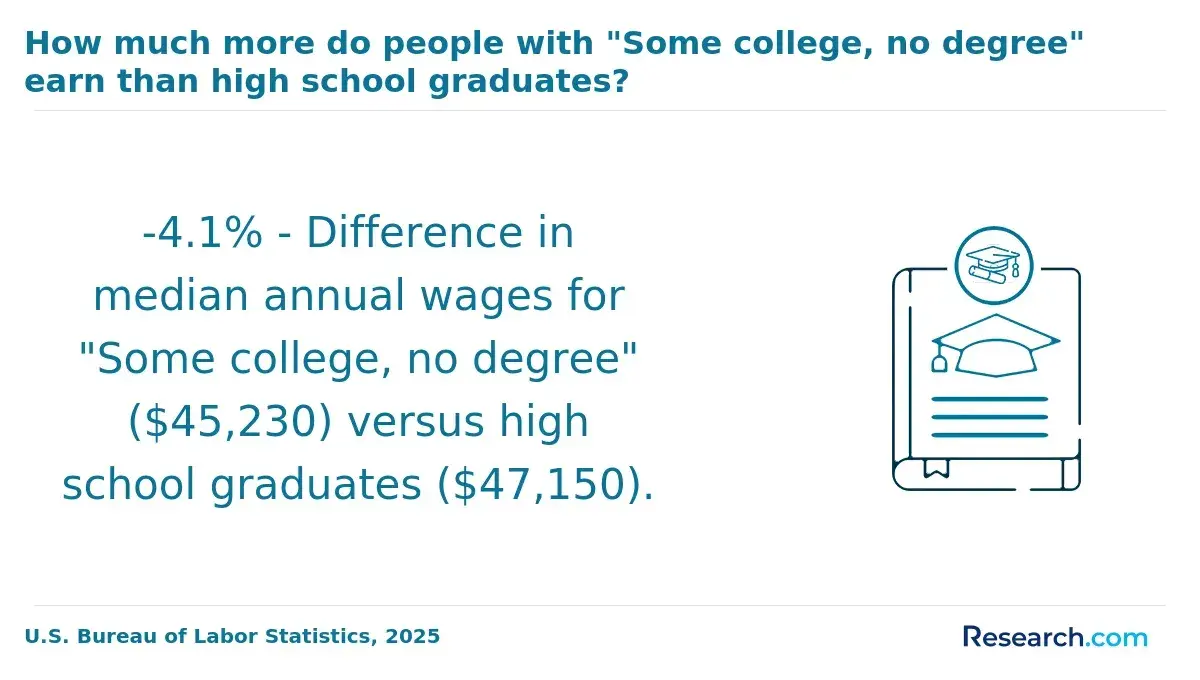
- Prior College Experience: Students with some college credits but without strong standardized test scores can complete their degree online, leveraging their previous coursework over test performance.
- Accessible Admissions Seekers: Those wanting an admissions path that values holistic review over exam scores can find test-optional programs welcoming and inclusive, supporting their academic goals.
These programs emphasize academic interests and career preparation in fitness, health promotion, coaching, and allied health fields. Prospective students looking for flexible online degree options with no testing requirements might also explore accelerated paths like the quickest DNP program, which shares a similar focus on accessibility and adaptability for working adults and career changers.
Online exercise and sports science bachelor's degree no test scores options cater especially well to adults seeking pragmatic and supportive admissions processes. For many, this approach encourages a more confident and holistic view of their qualifications and potential.
What Is the Difference Between Test-Optional and Test-Free Online Exercise & Sports Science Bachelor's Degrees?
Test-optional and test-free admissions policies are sometimes used interchangeably, but they represent distinct approaches for evaluating applicants to online exercise & sports science bachelor's degree programs with no SAT or ACT requirements. Since 2020, over 20% of U.S. colleges have adopted test-free admissions, reflecting a shift toward alternative assessment criteria.
Below is a comparison to clarify these terms for prospective students.
Test-Optional Online Program
- Applicants may submit SAT or ACT scores, but these are not required for admission.
- Admissions staff review test scores if provided, but place greater emphasis on academic transcripts, coursework, and personal statements.
- This approach allows applicants the flexibility to decide whether their standardized test scores strengthen their application.
- Most programs still conduct a holistic review, balancing multiple aspects of an applicant's background.
Test-Free Online Program
- SAT and ACT scores are not considered at all, even if submitted with the application.
- Evaluation focuses exclusively on non-test criteria such as high school GPA, letters of recommendation, and relevant experience.
- This policy increases accessibility for students who do not test well or choose not to take standardized exams.
- Test-free admissions are becoming more common among flexible online programs in exercise & sports science to accommodate diverse student needs.
Applicants seeking an online exercise & sports science bachelor program can benefit from understanding these options as part of their admissions process without SAT or ACT. For those interested in related fields, programs like a health administration degree also increasingly offer test-optional or test-free pathways to admission.
2026 Update: Hands-On Requirements in Online Exercise & Sports Science Programs
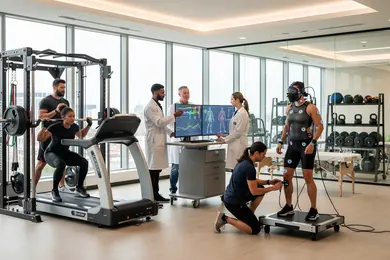
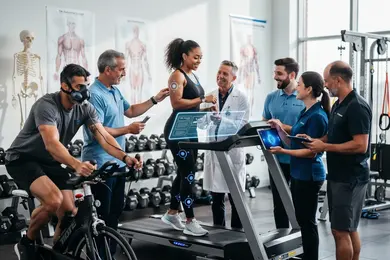
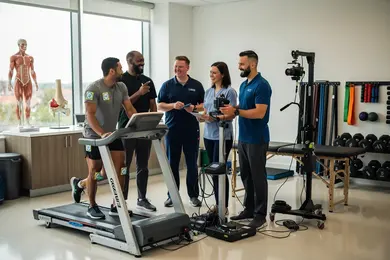
For this 2026 refresh, we reviewed the practical learning components students should verify before choosing a no-SAT or no-ACT online exercise and sports science bachelor’s program.
- Whether courses include virtual labs, at-home lab kits, video demonstrations, or local facility-based activities.
- If internships, practicums, or field experiences are required before graduation.
- Whether students must find their own approved site, such as a gym, clinic, school, or wellness center.
- How supervision is handled for hands-on work completed away from campus.
- Whether the curriculum supports preparation for fitness, coaching, wellness, or graduate health science pathways.
- Any required equipment, background checks, liability coverage, or travel costs tied to experiential learning.
Checking these details helps students choose a flexible online program that fits their schedule while still providing the applied experience expected in exercise and sports science fields.
Admissions for online exercise & sports science bachelor's programs that do not require SAT or ACT scores increasingly rely on a holistic review process. Currently, around 70% of U.S. colleges consider multiple factors beyond standardized tests to evaluate applicants' potential.
This approach allows candidates to highlight their strengths through various academic and personal achievements.
Common expectations for applicants include:
- Academic Transcripts: Submission of official high school or college records demonstrating academic performance and course difficulty, which helps illustrate the applicant's preparedness.
- Personal Statement: A written essay that conveys the applicant's motivation for pursuing exercise & sports science, personal interests, and long-term career objectives.
- Letters of Recommendation: Endorsements from educators, mentors, or employers who can speak to the applicant's skills, character, and readiness for rigorous study.
- College-Level Readiness: Evidence of having completed foundational science or health coursework that supports success in the program's curriculum.
One graduate of an online exercise & sports science bachelor's program without SAT or ACT requirements shared that the process felt more inclusive yet demanding in different ways. He recalled, "Not relying on test scores made me anxious at first because I had to showcase my commitment through essays and recommendations."
He appreciated that his personal story and academic record were given full consideration, allowing him to present a complete picture of his abilities. "The best part was knowing that my passion and efforts mattered just as much, if not more, than a test result."
Minimum GPA expectations for online exercise & sports science bachelor's degrees vary significantly by program, with many schools opting for a holistic admissions process rather than strict cutoffs. Around 65% of such programs evaluate GPA alongside other criteria like experience and personal statements, recognizing that a single number may not reflect an applicant's full potential.
This holistic approach is particularly relevant for students seeking online exercise & sports science bachelor's degrees that require no minimum GPA or standardized test scores.
- Flexible GPA Thresholds: Some programs accept applicants with lower GPAs if they can demonstrate capability through other parts of their application, such as work experience or recommendations.
- Academic History Context: Admissions committees often consider trends in academic performance over time or specific coursework relevant to exercise & sports science when reviewing applications.
- Non-Academic Experience: Professional work, volunteer positions, or related activities can strengthen an application and offset GPA concerns by showcasing readiness and commitment to the field.
- Conditional Admissions: Certain programs offer probationary enrollment or conditional acceptance to allow students with less competitive GPAs an opportunity to prove their academic abilities.
Since many online exercise & sports science degrees waive SAT or ACT requirements, applicants benefit from a more comprehensive admissions review that considers diverse aspects of their background. Those interested in comparable flexible healthcare-related programs might also explore online schools for medical billing and coding that emphasize holistic admissions.
Removing SAT or ACT requirements can increase access to online exercise & sports science bachelor's degree programs, but it doesn't automatically make admission easier. Many institutions employ a holistic review process that weighs factors like high school GPA, recommendation letters, personal statements, relevant coursework, and prior college credits. Some programs also value professional experience or certifications related to health and fitness, reflecting the balance of theory and practice in this field.
While overall acceptance rates for online undergraduate programs average around 68%, selectivity can differ widely based on the size of the applicant pool and each program's standards. Consequently, competitiveness varies, with some schools offering open admissions while others maintain rigorous criteria beyond standardized testing.
When I spoke with a current student enrolled in an online exercise & sports science bachelor's degree program without SAT or ACT requirements, she shared that although the absence of test scores reduced some initial pressure, the application still felt demanding. She explained, "I had to really focus on showcasing my relevant work experience and writing a strong personal statement."
She appreciated how her practical background was valued, but noted the importance of maintaining a solid GPA and gathering meaningful recommendations. Reflecting on the process, she said, "It wasn't easier just because I didn't have to take a test; it was about presenting a complete picture of who I am as a student and future professional." This insight highlights how admissions decisions remain complex and holistic despite test-optional policies.
Many online exercise & sports science bachelor's degree programs now offer test-optional or test-free admissions, eliminating the need for SAT or ACT scores. This approach aligns with a growing shift toward evaluating applicants based on a holistic view of their academic abilities.
Enrollment in fully online degree options has increased by more than 20% over the past five years, reflecting the rising appeal of flexible learning formats.
These programs often feature diverse specializations that cater to various interests within the field, many of which prioritize comprehensive admissions criteria over standardized testing.
- Exercise Physiology: Concentrations in this area explore the body's response mechanisms during physical activity, focusing on how exercise influences health and performance. Applicants are typically assessed on relevant coursework and practical experience rather than test scores.
- Sports Management: This track emphasizes leadership, business, and organizational skills related to sports industries. Admissions review academic records, recommendations, and personal statements for a well-rounded evaluation.
- Kinesiology: Students learn about human movement and biomechanics in this specialization. Schools often consider high school or prior college coursework alongside character references.
- Health Promotion and Wellness: Focused on lifestyle education and preventive care, this area prepares students to promote healthy living. Admissions rely on holistic academic readiness to determine qualification.
- Fitness Training and Coaching: Designed for those aiming to become personal trainers or athletic coaches, this path values demonstrated knowledge and experience over standardized exam results.
By emphasizing academic achievement and personal qualities, these online programs create accessible entry points for students who may not have traditional test scores but are prepared to succeed in health, fitness, and sports careers.
Applying to an online exercise & sports science bachelor's degree program without SAT or ACT requirements is typically a streamlined process conducted entirely through the school's digital platform. This approach eliminates the need for standardized test submissions, allowing applicants to focus on providing essential personal and academic information.
Below is an outline of the typical application steps prospective students encounter.
- Account Creation: Applicants start by registering an account on the university's application portal. This account grants access to all necessary forms and instructions for continuing the process.
- Form Completion: Next, students fill out the application form, which collects personal data, educational history, and contact details. Some schools include questions about the applicant's interests or goals within exercise & sports science.
- Document Upload: Even without test scores, applicants must upload other required documents, such as proof of high school completion or transcripts from prior college coursework. This step ensures all pertinent records are submitted for review.
- Supplemental Materials: Many programs allow or require additional elements such as personal statements or letters of recommendation. These are attached through the portal to provide more insight into the applicant's background and motivation.
- Review and Submission: Before finalizing, applicants review their entries carefully for accuracy and completeness. Once submitted, they typically receive a confirmation email and may be able to track their application status online.
Following submission, communications from the admissions office usually guide applicants through any further steps. This fully online process offers flexibility and accessibility for those pursuing their degree alongside other commitments.
Applicants to online exercise & sports science bachelor's degree programs without SAT or ACT scores can enhance their admissions chances by focusing on the strengths of their overall profile. Studies show that holistic admissions practices, which evaluate a wide range of qualities beyond test scores, can boost enrollment diversity by up to 30%.
Highlighting academic performance, relevant experience, and personal motivation is key to standing out. Consider the following strategies to strengthen your application:
- Academic Record: Emphasize strong grades in science, health, and physical education courses to demonstrate your capability. Consistent academic performance conveys readiness for rigorous coursework even without standardized test scores.
- Personal Statement: Craft a compelling essay that clearly explains your motivation for pursuing exercise & sports science. Linking your passion for health, fitness, or rehabilitation to your career goals helps admissions committees appreciate your genuine commitment.
- Relevant Experience: Showcase internships, volunteer work, coaching, or personal training activities that reveal practical knowledge and dedication. Hands-on experience helps differentiate your application and signals preparedness for degree-level study.
- Supporting Materials: Organize strong letters of recommendation from teachers, coaches, or supervisors to provide third-party validation of your skills, work ethic, and character.
- Professional Development: Include certifications or workshops related to exercise & sports science you have completed. Demonstrating ongoing learning reflects initiative and a commitment beyond formal education.
For applicants also exploring career paths related to health and fitness, understanding how much do medical coders make can provide valuable perspective on alternative professions that support healthcare systems. These strategies will help you craft a well-rounded application for online exercise & sports science bachelor's degree programs with no SAT or ACT requirements.
Choosing an online exercise & sports science bachelor's degree program without SAT or ACT requirements broadens access but can invite challenges. Research shows that up to 25% of applications in test-optional admissions face delays or rejections due to incomplete or unclear submissions, highlighting the need for meticulous application preparation.
Avoiding common pitfalls can strengthen your chances in competitive programs.
Common mistakes to avoid include:
- Incomplete Materials: Omitting necessary transcripts, recommendation letters, or supplemental documents delays application review and may create negative impressions. Even in test-optional pathways, all supporting materials must be complete and properly formatted for a smooth process.
- Weak Personal Statements: A generic or unfocused essay can miss the opportunity to showcase motivation and fit for exercise & sports science fields. Applicants should clearly articulate goals and reflect genuine interest to stand out in holistic admissions.
- Neglecting Relevant Experience: Failing to highlight internships, volunteer work, or related employment misses a chance to demonstrate commitment and practical engagement. Experience signals readiness and strengthens the application's narrative.
- Careless Review: Typos, incorrect program codes, or omitted information can damage credibility. Careful proofreading and verification before submitting help avoid avoidable setbacks in competitive test-optional admissions.
Applicants aiming for flexible, test-optional exercise & sports science bachelor's degrees should keep these common application errors in mind. For those exploring further academic options, consider the benefits of pursuing an online phd in healthcare management as a strategic next step.
Standardized test scores such as the SAT or ACT generally have little impact on career opportunities after earning an online exercise & sports science bachelor's degree. Employers within this industry emphasize practical knowledge and relevant experience over admission test results.
Research indicates that more than 70% of hiring managers prioritize skills-based qualifications instead of traditional metrics like test scores or GPA. This shift highlights the importance of demonstrated ability through actual work rather than past exam performance.
Long-term success in exercise & sports science careers is more closely linked to academic achievement in specialized coursework, development of hands-on skills, and relevant professional experiences accrued during the program. Practical training through labs, internships, and clinical rotations often weighs heavier in employer evaluations than standardized test backgrounds.
Additionally, earning certifications and engaging in continuous education further strengthens a graduate's marketability and expertise within the field.
What Graduates Say About Online Exercise & Sports Science Bachelor's Degree Programs With No SAT or ACT
- Lennon: "Choosing an online exercise & sports science bachelor's degree with no SAT or ACT requirement was a game-changer for me. The flexibility allowed me to balance my job and studies without the stress of entrance exams. It's rewarding to see how this degree directly advanced my career as a fitness coach, opening doors I never thought possible."
- Forest: "Getting into an online exercise & sports science bachelor's program without needing SAT or ACT scores eliminated a major barrier I faced. Although staying motivated throughout the self-paced curriculum was a challenge, the program's supportive community helped me persevere. Today, I use the skills I gained daily as a rehabilitation specialist, and I'm proud of how far I've come."
- Leo: "I always wanted to study exercise & sports science but was discouraged by traditional admission tests. The no SAT or ACT requirement made pursuing my passion accessible and less intimidating. Reflecting on my journey, I appreciate how this degree enhanced my understanding of human performance, which has been invaluable in my role as a sports analyst."
Other Things You Should Know About Exercise & Sports Science Degrees
Yes, many online Exercise & Sports Science bachelor's degree programs without SAT or ACT requirements accept transfer credits from accredited institutions. Transfer policies vary by school but typically include evaluations of coursework relevance and minimum grade requirements. This can help reduce the time and cost needed to complete the degree.
No, employers generally focus on the accreditation and reputation of the institution rather than standardized test scores submitted during admission. Accredited online Exercise & Sports Science programs with no SAT or ACT requirements maintain rigorous academic standards and often have the same curriculum and faculty as on-campus programs.
Yes. Many 2027 online Exercise and Sports Science bachelor’s programs require a practicum, internship, or field experience of about 120 to 300 hours. Students usually complete it at an approved site, with supervision, and may need background checks, CPR certification, or liability forms before starting.
- Bachelor of Science in Sports and Fitness https://www.lincoln.edu.my/bachelor-of-science-in-sports-and-fitness/
- Test Optional vs. Test Blind or Test Free - Private Prep https://privateprep.com/blog/test-optional-vs-test-blind/
- Online Sports, Health & Fitness Degrees – Affordable, Flexible https://exsci.cuchicago.edu/
- Online Bachelor's in Exercise Science https://online.maryville.edu/online-bachelors-degrees/exercise-science/
- 10 Mistakes to Avoid When Pursuing an Online Degree - Peterson's https://www.petersons.com/blog/10-mistakes-to-avoid-when-pursuing-an-online-degree/
- Online Exercise Science Program https://stmary.edu/online-programs/exercise-science.html
- 80% of Universities are Now Test-Optional, Should You Still Take It? | University Sports Program https://showcase.universitysports.com/n/80-of-universities-are-now-test-optional-should-you-still-take-it
- RSE - Sports and Exercise Science https://foas.tarc.edu.my/programmes/bachelor-degree/rse-sports-and-exercise-science