2027 Engineering Career Outcomes by Degree Level Report: Pay, Employment, and Advancement Patterns

Co-Founder and Chief Data Scientist
Prospective and current engineering students often struggle to discern how their chosen degree level influences career outcomes, especially when weighing immediate employment against long-term advancement. The 2024 National Association of Colleges and Employers (NACE) report highlights a 15% higher employment rate for bachelor's degree holders compared to associates graduates within six months post-completion, underscoring how degree level directly affects labor market access.
This discrepancy reflects broader workforce mobility patterns and employer expectations that shape earning potential and professional growth. This article analyzes pay, employment probabilities, and advancement trends distinctly by engineering degree level to inform strategic education and career choices.
Key Things to Know About Engineering Career Outcomes by Degree Level
- Associate degrees often enable faster workforce entry but limit access to advanced roles; this tradeoff requires students to weigh immediate employment against long-term career mobility constraints.
- Employers increasingly favor bachelor's and master's credentials for leadership and specialized engineering roles, reflecting a workforce trend where credential level strongly influences hiring and promotion criteria.
- The extended time and cost of doctoral programs delay labor-market access, posing opportunity costs that only align with roles demanding high innovation or research skills, shaping credential choice by career timing priorities.
- Key Things to Know About Engineering Career Outcomes by Degree Level Key Things to Know About Engineering Career Outcomes by Degree Level
- What Career Outcomes Can Students Expect From Each Engineering Degree Level? Career Outcomes by Degree
- How Much Do Engineering Graduates Earn by Degree Level? Salary by Degree Level
- Which Engineering Degree Level Offers the Strongest Employment Prospects? Best Degrees for Employment
- What Entry-Level Jobs Can You Get With a Engineering Degree? Entry-Level Career Opportunities
- How Do Engineering Degree Levels Affect Career Advancement and Promotion Opportunities? Career Growth by Degree
- Is a Engineering Degree Worth It Based on Salary, Employment, and ROI? Salary, ROI, and Value
- How Do Associate, Bachelor's, Master's, and Doctoral Engineering Degrees Compare? Comparing Degree Levels
- Which Industries and Employers Hire Engineering Graduates by Degree Level? Which Industries and Employers Hire Engineering Graduates by Degree Level?
- What Skills, Credentials, and Experience Improve Engineering Career Outcomes? What Skills, Credentials, and Experience Improve Engineering Career Outcomes?
- Which Engineering Degree Level Is Best for Your Career Goals? Choosing the Right Degree
What Career Outcomes Can Students Expect From Each Engineering Degree Level?
Career outcomes for engineering graduates by degree level show clear distinctions in employment accessibility, advancement potential, and role specialization that directly impact long-term earning and leadership opportunities. For instance, associate degree holders often secure technician roles requiring hands-on skills but face limitation in progressing into supervisory or specialized positions without further credentials. Employers typically view bachelor's degrees as the baseline for engineering professionals, given the credential's alignment with licensing eligibility and broader industry demands, creating a practical divide where many technicians must transition through additional education or experience to move into management. According to the U.S. Bureau of Labor Statistics, while associate-level employment remains steady, wage and advancement growth plateau earlier, emphasizing the tradeoff between quicker workforce entry and constrained career mobility.
Individuals holding bachelor's degrees in engineering generally experience stronger employment prospects and greater geographic and sector flexibility, as their credentials meet common industry and regulatory standards that enable access to project leadership and higher-specialization roles. This degree level also facilitates broader transfer planning and prior credit application, which benefits adult learners and working professionals balancing education with career demands. Graduate degrees, by contrast, extend advancement pathways into research, executive, or cross-disciplinary roles but require additional time investment and may not deliver immediate pay benefits unless aligned with market demand. For those navigating pay disparities or seeking college degrees that pay well, understanding these distinctions informs strategic decisions on the appropriate credential relative to career stage, employer expectations, and specialization goals.
How Much Do Engineering Graduates Earn by Degree Level?
Differences in earnings among engineering graduates reflect more than just degree level, hinging significantly on job type, geographic location, and employer expectations. While bachelor's degree holders earn a median wage around $83,000 annually according to 2024 BLS statistics, this figure masks the variability tied to roles, such as design or project management positions that often require these credentials as a baseline. Advanced degrees, including master's and doctorates, typically push median salaries beyond $100,000, especially in specialized research or leadership functions, but this premium comes with longer education timelines and upfront costs that may impact when and how one enters the workforce. Employment stability also improves with higher credentials, with unemployment rates near 2% for doctoral graduates contrasted against rates exceeding 4% for certificate holders, connecting credential depth to access in less cyclical, more specialized engineering sectors.
Practical decision-making around engineering education must consider the trade-offs between potential wage gains and the investment of time and money. Many adult learners and transfer students face challenges integrating previous credits or balancing work with graduate studies, which can affect completion speed and financial stability. Additionally, regional labor markets vary in valuing advanced degrees, with urban technology hubs often rewarding them more robustly than rural areas or manufacturing centers where experience or certifications might hold greater sway. For military-affiliated students or working professionals, the choice between immediate entry at associate or certificate levels versus delayed advancement through higher degrees involves weighing immediate earnings against longer-term career mobility and supervisory prospects highlighted by recent National Center for Education Statistics findings.
A recent engineering graduate recalled hesitating before pursuing a master's degree after comparing local job postings and employer preferences. Though the upfront time and expense were daunting, conversations with supervisors and recruiters underscored that a master's would be pivotal for moving into project lead roles in her region's competitive tech sector. She adjusted her expectations after realizing that many higher-paying positions explicitly required advanced credentials or licensure not attainable through certificates or associates, reinforcing her decision despite the financial and personal strain involved. This practical appraisal helped her align educational choices with realistic local career pathways rather than abstract salary averages.
Which Engineering Degree Level Offers the Strongest Employment Prospects?
Employers and licensing bodies in engineering predominantly expect at least a bachelor's degree, which acts as the key credential opening access to a broad and relatively stable job market. This credential level best aligns with professional licensing requirements and practical experience pathways like internships, which many employers prioritize when hiring for core engineering roles. For example, a civil engineer aiming for a licensed professional engineer (PE) designation typically cannot bypass the bachelor's degree, making it a critical threshold for long-term employment stability and advancement. According to the U.S. Bureau of Labor Statistics in 2024, the median annual wage for architecture and engineering occupations hovers around $85,000, mostly favoring those with bachelor's degrees.
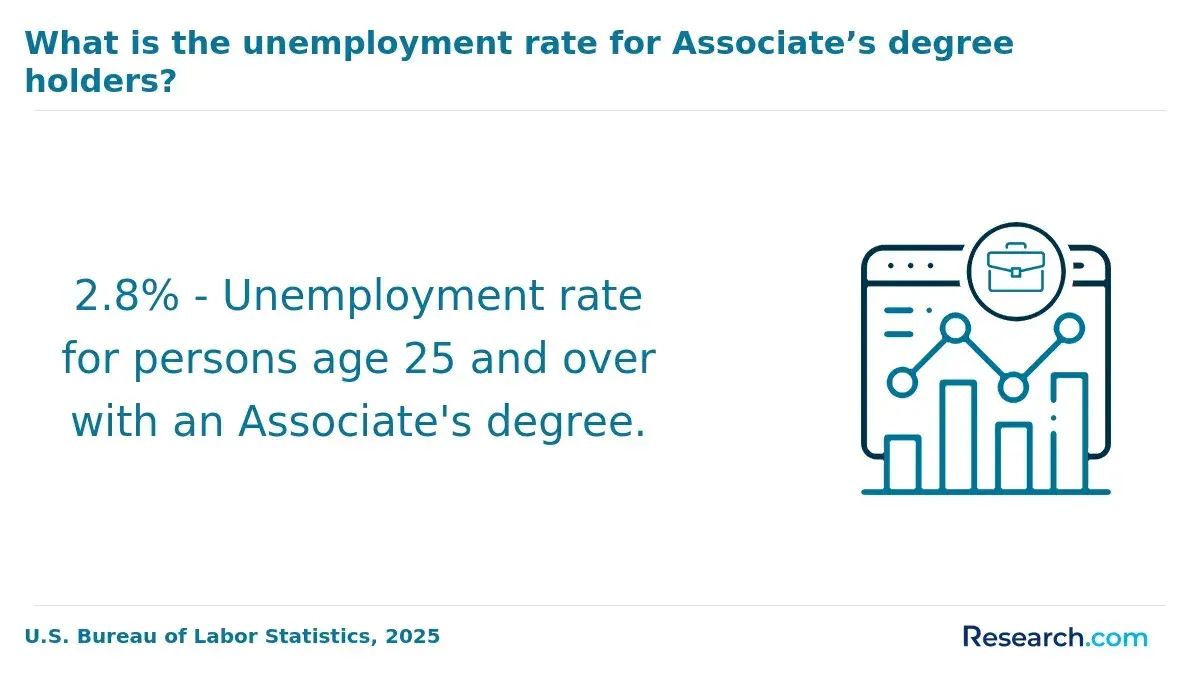
Associate degrees and technical certificates offer quicker entry into the workforce, often placing candidates in technician or support roles where hands-on skills matter more than formal credentials. However, these positions tend to come with lower wages and limited upward mobility, reflecting a 2.6% unemployment rate among associate-level workers that is higher than bachelor's degree holders. In contrast, advanced degrees such as master's or doctorates enhance eligibility for specialized research roles, management positions, and leadership tracks, with evidence showing a 10-15% wage premium over bachelor's degree holders. Students and working professionals must weigh the immediate advantages of entering the workforce sooner against the longer-term potential of graduate credentials, which can improve career flexibility but require greater time and financial investment.
Regional labor markets can also influence which credentials hold the most value; some manufacturing hubs prioritize practical certifications and associate qualifications due to demand for technical expertise, whereas metropolitan areas and high-tech sectors increasingly elevate education levels as a marker of expertise and leadership potential. Career mobility often requires combining credentials with relevant experience and specialization rather than relying solely on degree level. Thus, the decision to pursue higher education should consider both immediate labor market access and the evolving requirements of targeted roles, balancing faster employment against expanded future opportunities in a field that is steadily raising educational expectations.
What Entry-Level Jobs Can You Get With a Engineering Degree?
Entry-level jobs accessible to engineering graduates vary significantly based on degree level, prior experience, and certification status, shaping practical career trajectories. Bachelor's degree holders, who account for roughly 68% employment in core engineering roles within their first year according to the U.S. Bureau of Labor Statistics (2024), often qualify for positions emphasizing analytical skills and design, with licensing steps like the Engineer-in-Training (EIT) credential frequently required to unlock advancement, especially in civil engineering. In contrast, associate degree holders typically fill technician or technologist roles centered on applied skills, where internship experience can elevate hiring chances substantially but may limit longer-term mobility compared to higher degrees.
Master's degree recipients often bypass traditional entry-level roles altogether, entering specialized or research-oriented positions that demand robust technical expertise and prior leadership in projects. For students gauging engineering degree entry-level jobs, recognizing these distinctions is critical to aligning educational investment with employment stability and skill development opportunities. Transferable skills such as communication and problem-solving play a central role across levels, as employer expectations increasingly conflate "entry-level" with demonstrable readiness, not just credentials. Considering these factors alongside options like a business management degree online can offer a broader strategic outlook on one's career path and adaptability in a competitive labor market.
How Do Engineering Degree Levels Affect Career Advancement and Promotion Opportunities?
Degree level significantly impacts promotion trajectories within engineering, where bachelor's degrees often open pathways to entry and mid-level technical positions but may limit advancement without further qualifications or licensure. Many employers prioritize master's degrees for managerial and specialized roles; a 2024 O*NET analysis indicated over 60% of senior engineering job postings require a master's or higher, underscoring the credential's role in leadership eligibility. Professional Engineering licensure further influences advancement in fields like civil and environmental engineering, acting as a gatekeeper for supervisory positions that bachelor's degrees alone cannot unlock. However, pursuing advanced degrees can delay workforce entry, presenting a tradeoff particularly relevant for adult learners balancing practical experience with long-term career goals.
For working professionals and transfer students, the decision to pursue graduate education or certifications hinges on how these credentials translate into tangible promotion opportunities within their organization or sector. Master's programs incorporating certification preparation may accelerate progression compared to relying solely on experience, especially in public sector or consulting roles requiring licensure. Conversely, doctoral degrees tend to align with niche leadership, research, or academic roles, often implying slower but more specialized career tracks. This stratification illustrates that the value of additional credentials must be weighed against immediate employability and career timing, particularly for those integrating prior credits or military experience.
An engineering graduate recalled hesitating before enrolling in a master's program after several years in manufacturing, uncertain if it would advance his prospects beyond senior technician roles. His employer's emphasis on both licensure and advanced degrees for management positions eventually motivated him to pursue the degree, which he credits with boosting his confidence and eligibility for internal promotions. Yet he also recognized that without work experience, the delay in earning a graduate credential could have stalled his career, highlighting the nuanced balance between education, timing, and professional advancement in engineering fields.
Is a Engineering Degree Worth It Based on Salary, Employment, and ROI?
Salary expectations and employment stability vary significantly across degree levels in engineering, making the decision to invest in advanced credentials a nuanced one. Those holding bachelor's degrees typically see a substantial pay increase over high school graduates, but pursuing master's or doctoral degrees compounds earning potential and access to leadership roles. However, these benefits come with extended program durations that introduce opportunity costs-especially for working adults or transfer students weighing the implications of time away from full employment or family commitments. Regional labor demand also shapes outcomes, as volatile sectors like oil and petroleum engineering contrast with steadier fields such as biomedical engineering, affecting the reliability of returns on educational investment.
From the perspective of return on investment for engineering degrees, the balance between educational costs, completion time, and career trajectory is critical. Average debt levels remain manageable when aligned with starting salaries following a bachelor's degree, yet factors like part-time enrollment, transfer credits, and financial aid availability materially influence total cost and time-to-completion. For career-focused learners, professional licensure and ongoing skill development often outweigh additional academic qualifications alone, reflecting employer priorities in technical expertise and project management competence. Prospective students must also consider how quickly they can complete their chosen program without excessive disruption to optimize ROI and career mobility.
Practical considerations such as these highlight why the "worth" of an engineering degree is not universal. Adults exploring alternative educational pathways, including college programs for moms, must carefully match their personal circumstances and goals to field-based demand and credential expectations. The complex interplay between pay, employment prospects, and advancement opportunities underscores the importance of realistic planning beyond broad assumptions when evaluating engineering degree salary and employment outcomes.
How Do Associate, Bachelor's, Master's, and Doctoral Engineering Degrees Compare?
Choosing between associate, bachelor's, master's, and doctoral degrees in engineering significantly impacts career entry points, mobility, and professional outcomes. Associate degrees mainly lead to technical roles with limited advancement, often requiring further education for higher-level positions or licensure. For instance, many employers recognize ABET-accredited bachelor's degrees as the minimum for professional engineering (PE) licensure, which is crucial for leadership or specialized roles. Transfer agreements enabling stackable credits from associate to bachelor's programs can reduce redundancy and cost but deciding whether to pause after an associate degree often means trading off faster workforce entry against limited upward mobility.
Bachelor's degrees remain the primary gateway for most engineering professions, supporting broader specialization and eligibility for licensure that unlocks leadership paths and increased job stability. Recent data from the National Center for Education Statistics shows about 80% of bachelor's graduates find STEM employment within six months, underscoring its market relevance. However, this credential often involves greater student debt and time commitment compared to associate degrees, creating a critical cost-benefit consideration for students balancing finances and career goals. Advancing to a master's degree frequently correlates with higher employment rates and faster progression in research, management, and technology-driven industries, but students must weigh additional tuition and program length against tangible returns in role complexity and salary premium.
Doctoral degrees, while rare, enable distinct trajectories in academia, deep research, and innovation leadership but require substantial time and financial investment with variable short-term employment outcomes. These paths generally suit individuals targeting institutional influence or highly specialized industry niches rather than immediate workforce absorption. Navigating decisions about pursuing graduate degrees hinges on aligning career objectives with employer expectations, licensure requirements, and the practical value of incremental credentialing. Ultimately, the choice of degree level should be grounded in realistic trade-offs between school duration, costs, credential utility, and targeted occupational roles within an evolving labor market.
Which Industries and Employers Hire Engineering Graduates by Degree Level?
The hiring landscape for engineering graduates shifts markedly by degree level, aligning with employer demands for skill depth, practical experience, and credentialing. Associate degree holders frequently find roles in manufacturing and technical support within sectors such as automotive and utilities, where hands-on skills and industry certifications prevail over theoretical knowledge. Approximately 35% of associate-level engineering technicians work in manufacturing, highlighting this applied focus. This pathway suits candidates aiming for immediate workforce entry but may limit progression into leadership or specialized roles that require deeper technical expertise or licensure.
Bachelor's degree graduates dominate the largest engineering employment sectors-IT, civil infrastructure, energy, and biomedical engineering-where employers prioritize analytical and design competencies. Many regulated industries use a bachelor's degree as a licensing minimum, impacting eligibility for professional engineer (PE) certification and management tracks. Meanwhile, master's and doctoral holders typically access research-driven, innovation-intensive roles in government labs, consulting firms, or academia, often commanding leadership or policy influence responsibilities. Employers in these domains seek candidates with advanced problem-solving and interdisciplinary skills that undergird technology development and strategic oversight.
Certificate programs serve mainly as skill supplements for professionals targeting niche specialization or career pivots, without substituting formal credentials required for most engineering roles. Students deciding whether to advance beyond an associate degree must weigh not only immediate employability but also long-term access to career advancement, licensure, and sectors demanding innovation management. This tiered hiring reality means credential level strongly governs job function, employer screening, and career mobility across private, public, and regulated engineering environments.
What Skills, Credentials, and Experience Improve Engineering Career Outcomes?
Engineering professionals with bachelor's degrees who combine their technical coursework with internships or cooperative work experiences tend to achieve stronger employment outcomes in the first year after graduation. These experiential learning opportunities bridge theoretical knowledge and real-world problem solving, matching employer expectations for candidates ready to contribute immediately. For associate degree holders and those with technical certificates, targeted certifications such as Certified Engineering Technician (CET) or proficiency in industry-standard software improve job prospects but typically open more limited advancement opportunities compared to licensure. Employers often weigh portfolio evidence and demonstrated leadership from capstone projects or workplace roles heavily when academic credentials alone do not fully convey capability.
Licensure, especially the Professional Engineer (PE) designation, remains a decisive factor for long-term access to higher-responsibility roles and leadership positions, functioning as a formal validation of expertise following accredited education and supervised experience. Military experience and structured apprenticeships provide significant practical advantages by exposing candidates to disciplined engineering applications under demanding conditions, accelerating career progression and credential stacking. These combinations of degrees, certifications, and applied skills create flexibility for engineers to move across specialties and industries more smoothly, particularly for adult learners and transfer students weighing whether to pursue additional education versus specialized credentials or experience.
Soft skills including communication and teamwork critically influence promotion readiness, complementing technical qualifications in employer evaluations. For engineering students or working professionals exploring a career pivot-similar in complexity to transitions like becoming a speech pathologist-aligning skill development with specific industry needs and credentials that reflect practical, role-relevant competencies is essential. Understanding how these elements shape employment access and sustain career mobility helps clarify the opportunity costs and benefits inherent in progressing from one credential level to another within engineering pathways.
Which Engineering Degree Level Is Best for Your Career Goals?
Choosing the best engineering degree for career advancement hinges on the balance between employment accessibility, specialization opportunities, and professional mobility. Associate degrees offer accelerated, affordable entry into technician roles but often restrict eligibility for licensed or management positions. Bachelor's degrees remain the dominant credential employers seek for entry-level roles, with data from the National Center for Education Statistics showing about 85% employment within one year post-graduation. This level supports licensure eligibility, accepts transfer credits from associate programs, and commonly includes internships that enhance job readiness, making it a strategic choice for many students and working professionals.
Master's degrees, while costly and time-intensive, provide pathways to leadership, consulting, and advanced technical roles unavailable to those without graduate credentials. These programs frequently demand prior bachelor's completion and carry higher risks in selective admission and completion, factors critical for those weighing opportunity costs and accumulated debt. Doctoral degrees predominantly serve those targeting research or academic careers rather than direct industry roles. For transfer students, military-affiliated learners, or adults returning to school, understanding these tradeoffs is vital; some may benefit from options like online schools for military spouses that offer flexible advancement opportunities grounded in workforce realities.
Ultimately, aligning engineering degree level decisions with clear career goals requires acknowledging employer preferences, licensure requirements, time to completion, and credit transfer strategies. The choice between associate, bachelor's, and master's degrees directly influences long-term employment prospects and professional growth trajectories, reinforcing the importance of realistic, data-informed planning for those prioritizing engineering degree level career outcomes.
References
- How to Choose the Right Engineering Discipline for Your Career Goals https://www.imperial-overseas.com/blog/how-to-choose-the-right-engineering-discipline-for-your-career-goals/
- Planit : Career Areas https://www.planitplus.net/CareerAreas/View/10
- Entry-Level Mechanical Engineering Job Guide | Career Advice & Interview Tips | WayUp Guide https://www.wayup.com/guide/entry-level-mechanical-engineering-job-guide/
- 3 Engineering Career Skills That'll Make A Big Difference In Landing That Contract https://www.planacademy.com/engineering-career-skills-podcast/
- Engineering and technology offers graduates strong employment prospects https://www.engineeringuk.com/latest-news/news-articles/strong-employment-prospects-for-engineering-and-technology-graduates/
- Types of College Degrees https://www.act.org/content/act/en/students-and-parents/high-school-success/what-to-do-after-high-school/college-degrees.html
- Why an Engineering Degree is a Solid Investment | Vaughn College https://www.vaughn.edu/blog/why-an-engineering-degree-is-a-solid-investment/
- 5 Entry-Level Engineering Jobs with Great Potential https://ppi2pass.com/resources/fe-exam/entry-level-engineering-jobs
- Graduate engineering salary round up https://targetjobs.co.uk/careers-advice/engineering/graduate-engineering-salary-round
- Top 10 jobs for engineering majors and who’s hiring https://joinhandshake.com/blog/students/engineering-jobs/
Other Things You Should Know About Engineering
Graduate study, especially master's and doctoral levels, demands significant time and focus, often delaying full-time work experience. While advanced degrees can open doors to specialized roles or research-focused positions, employers in many engineering fields also highly value hands-on experience and practical project work. Prospective students should weigh whether spending extra years in academia offers a clearer path to leadership or innovation roles versus gaining industry exposure earlier, which may accelerate early promotions in more applied settings.
The competitiveness and structure of an engineering program shape both credibility and adaptability. Highly rigorous programs tend to emphasize theoretical foundations and advanced technical skills that appeal to R&D or high-tech sectors but may narrow immediate job scope. Conversely, more applied curricula with integrated internships and project-based learning can foster broader skill sets suitable for diverse industries. When selecting a degree path, balancing depth with practical versatility is critical for navigating shifting job markets and technological demands over time.
In sectors like manufacturing or infrastructure, employers sometimes prioritize efficiency, regulatory knowledge, and team coordination over specialized research skills tied to advanced engineering degrees. Holding a master's or doctorate may not confer substantial advantage there and could even cause misalignment with roles centered on operational management or standard engineering processes. For those targeting these industries, focusing on applied bachelor's-level training combined with relevant certifications might yield better employment alignment and faster integration into workplace culture.
For employed engineers, part-time programs offer a practical way to upskill without interrupting income or career momentum. Although longer to complete, these options allow immediate application of advanced concepts and steady professional growth. However, students should assess whether program quality and employer recognition remain strong in flexible formats and if their work environments support balancing added academic workload. Choosing part-time study is often advantageous, provided it maintains academic rigor and leads to measurable career benefits.