2027 Engineering ROI by Institution Type: Public vs Private vs Nonprofit Online Programs

Co-Founder and Chief Data Scientist
When comparing online engineering programs, prospective students often find price tags that diverge dramatically despite near-identical curricula. A 2024 study by the National Student Clearinghouse revealed that public institutions maintain a 15% higher graduation rate in online STEM fields compared to private counterparts, but private nonprofits typically report lower average student debt levels. This disparity challenges assumptions that cost alone determines return on investment and highlights the nuanced tradeoffs in institutional support and career services. Navigating these factors is critical since underestimated debt or stalled graduation can irreversibly affect career trajectories.
This article will dissect how public, private, and nonprofit online engineering programs differ in ROI, enabling readers to weigh educational and financial outcomes realistically.
Key Things to Know About Engineering ROI by Institution Type
- Public institutions generally offer lower tuition but may have more extended completion timelines, increasing overall costs and delaying workforce reentry, which affects ROI for working adults needing expedited credentialing.
- Private online programs often hold stronger industry ties and selective accreditation, enhancing employer recognition but typically incurring a higher debt load, creating a tradeoff between prestige and financial burden.
- Nonprofit online engineering schools emphasize learner support and flexible pacing, which improves graduation rates; however, variability in brand reputation can influence long-term career advancement opportunities across sectors.
- Key Things to Know About Engineering ROI by Institution Type Key Things to Know About Engineering ROI by Institution Type
- What Does ROI Mean for a Engineering Program and How Is It Measured? Understanding Engineering Program ROI
- How Do Public, Private, and Nonprofit Online Engineering Programs Differ in Overall Value? Value by Institution Type
- How Do Tuition Costs Affect the ROI of a Engineering Program Across Institution Types? Tuition Costs and ROI
- How Do Graduation Rates Influence Engineering Program ROI? Graduation Rates Impact ROI
- What Role Do Career Outcomes Play in the ROI of a Engineering Degree? Career Outcomes and ROI
- How Does Student Debt Impact the Long-Term ROI of a Engineering Program? Debt vs. Long-Term ROI
- How Do Flexibility and Adult Learner Support Affect Engineering Program Value? Flexibility and Program Value
- How Do Accreditation and Institutional Reputation Influence Engineering ROI? How Do Accreditation and Institutional Reputation Influence Engineering ROI?
- How Does Time-to-Degree Affect the ROI of Public, Private, and Nonprofit Engineering Programs? How Does Time-to-Degree Affect the ROI of Public, Private, and Nonprofit Engineering Programs?
- How Can You Choose the Best Engineering Program Based on Your ROI Goals? Choosing Programs by ROI
What Does ROI Mean for an Engineering Program and How Is It Measured?
Return on investment for an engineering program requires a nuanced assessment that goes beyond tuition sticker prices to incorporate total educational costs, student debt levels, and time-to-degree considerations. For example, a lower-cost public online program may appear financially attractive upfront, but if it has lower completion rates or extended time-to-degree compared to nonprofit online options, the additional months spent studying can increase opportunity costs and defer earnings, ultimately reducing net ROI.
Decision makers must balance these factors with institutional reputation and available learner support services, which materially affect completion likelihood and job readiness—key elements often overlooked in simplistic engineering program return on investment calculation methods.
Measuring ROI for online engineering degrees must also account for diverse student circumstances; working adults might prioritize flexible scheduling and strong career services over marginal tuition savings. Graduates from private programs may benefit from specialized industry networks that facilitate higher starting salaries or niche roles despite higher initial debt burdens.
According to 2024 data from the National Center for Education Statistics, public online programs generally offer lower tuition but can vary widely in career outcomes and support. Carefully weighing these tradeoffs in relation to personal goals is essential rather than assuming a universally superior ROI based solely on cost.
Ultimately, evaluating return on investment includes understanding the interplay between educational expenses, anticipated debt, and employment prospects in the context of one's situation. A prospective student considering an associate degree in 6 months online will prioritize different factors than someone pursuing a four-year engineering degree.
Such distinctions illustrate why ROI calculations must be individualized and grounded in realistic expectations about time commitment, job market integration, and long-term professional growth rather than simplistic formulaic comparisons.
How Do Public, Private, and Nonprofit Online Engineering Programs Differ in Overall Value?
Cost savings in public online engineering programs often come with tradeoffs in personalized support and flexibility, which can affect completion rates and career readiness despite typically lower tuition for in-state students. A 2024 National Center for Education Statistics report highlights that public programs frequently yield higher graduation rates at reduced costs but may lack the intensive career services and smaller cohort advantages seen in private alternatives.
Private nonprofit programs, while more expensive upfront, often justify their price through stronger employer reputations and enhanced networking opportunities, appealing especially to professionals who prioritize connections and leadership training but must weigh these benefits against potentially higher debt. Nonprofit options, spanning public and private sectors, emphasize mission-driven support such as flexible learning models and veteran-focused resources, which can improve retention and transfer pathways critical for adult learners balancing work and study.
The distinction in institutional reputation and accreditation status remains a pivotal factor for employers, with ABET accreditation serving as a consistent marker of technical competence across all types of programs. Students with limited financial flexibility might find public online programs more viable, provided they are comfortable with less individualized engagement, while those targeting advanced leadership roles or industry-specific networks may benefit from private nonprofit settings despite the heavier financial burden. The key is aligning program features with one's long-term career and financial goals, recognizing that choosing a cost-effective public option could mean fewer support services, whereas higher-priced programs offer potentially stronger outcomes but at increased financial risk.
One adult learner navigating these choices weighed a public university's affordable tuition against a private nonprofit's reputation for career services and technical rigor. Concerned about taking on significant debt, the student initially hesitated to invest in the private option despite its appeal. After comparing graduation statistics, transfer credits, and financial aid packages, the learner ultimately selected a nonprofit public-affiliated program that balanced accessibility with meaningful student support, feeling reassured by accreditation and the program's flexibility to accommodate ongoing work commitments without accelerating debt accumulation. This decision reflected a practical compromise, prioritizing long-term return on investment over perceived prestige or upfront cost alone.
How Do Tuition Costs Affect the ROI of an Engineering Program Across Institution Types?
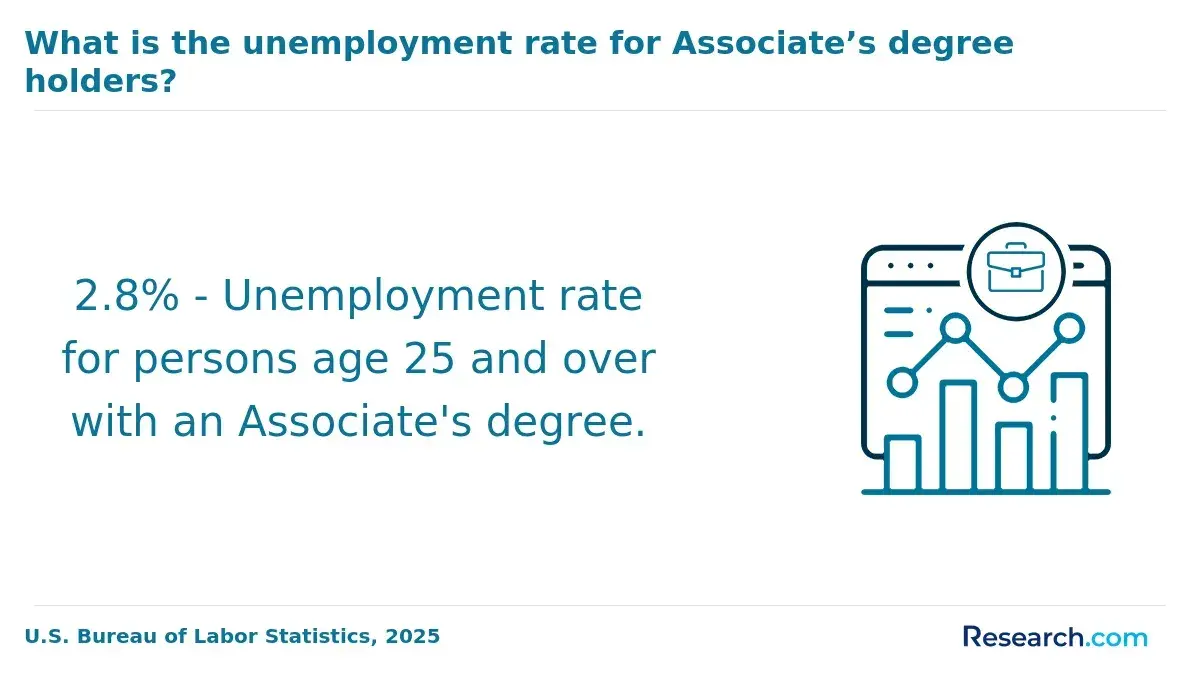
Tuition costs affect the ROI of online engineering programs in ways that extend beyond sticker price, with varying implications depending on institutional type and student circumstances. While public universities often offer lower annual tuition—generally between $8,000 and $15,000 according to 2024 National Center for Education Statistics data—this affordability advantage may be offset if completion rates lag or support services are insufficient.
For example, an adult learner balancing work and family might find that a private nonprofit program's accelerated pathways and stronger academic advising justify a higher net cost, especially when financial aid reduces that price by roughly 30%, narrowing the gap with public options.
However, higher tuition at private online institutions does not guarantee better ROI; graduates' outcomes depend heavily on program quality, employer connections, and resulting salaries. Georgetown University's 2024 research highlights that graduates from select private programs can earn approximately 15% more than those from public schools after five years, but increased student debt in private settings can diminish that advantage for some.
Ultimately, students must weigh factors such as average debt load, completion likelihood, and schedule flexibility alongside tuition, since lower sticker prices alone do not ensure superior value or faster entry into engineering careers.
How Do Graduation Rates Influence Engineering Program ROI?
Graduation rates provide important signals about the return on investment (ROI) in engineering programs, but they are not definitive measures on their own. Public online engineering programs tend to have lower average graduation rates—around 55% within six years—compared to private nonprofit programs, which average about 65%, according to the National Center for Education Statistics in 2024.
This discrepancy often relates to differences in student demographics and program flexibility: many public programs enroll part-time students juggling work and family, extending time-to-degree but offering more affordable and accessible pathways. In contrast, private nonprofit institutions may boast higher completion rates thanks to smaller cohorts and stronger academic support, but their higher tuition can diminish net ROI despite better graduation outcomes.
Evaluating the effect of graduation rates on online engineering degree returns requires consideration of how institutional context shapes persistence and completion. While graduation percentages can reflect program effectiveness, they must be weighed alongside factors like debt burden, part-time enrollment patterns, and career-services quality. For example, effective advising that accommodates adult learners' realities can boost graduation and employment outcomes without enforcing rigid timelines.
Prospective students comparing public and private options should also assess how these variables influence their long-term investment value rather than relying solely on completion statistics. Those seeking decisions grounded in practical performance data may find added clarity by consulting resources such as most reputable online universities, which contextualize graduation outcomes within broader institutional quality.
What Role Do Career Outcomes Play in the ROI of an Engineering Degree?
Career outcomes significantly shape the return on investment for public, private, and nonprofit online engineering programs by influencing both short-term job placement and long-term professional prospects. According to the National Center for Education Statistics, about 85% of engineering graduates secure employment in their field within six months, yet this rate differs by institution type and delivery mode.
Public programs often tap into local industry networks, providing regional employment advantages but limited geographic mobility, while private institutions may offer broader alumni connections that enhance early career opportunities at a higher tuition cost. Nonprofit programs frequently emphasize applied skills and certifications, which can bolster graduate competitiveness and offset financial burdens through accelerated workforce integration.
These varying career trajectories interact with tuition levels, student debt, and program length in complex ways, challenging students to balance affordability with the quality and relevance of outcomes. Employer expectations prioritize practical, project-based experience and alignment with emerging technologies—a factor that nonprofit and some private programs address more directly than traditional pathways. Additionally, career mobility and professional networking differ widely, impacting long-term salary growth and stability beyond initial placement. For many prospective learners, the ROI equation extends beyond immediate costs, hinging largely on how the credential translates into sustained employability and adaptability in fast-evolving engineering sectors.
One graduate from a nonprofit online engineering program reported initial doubts about the degree's value, uncertain if the cost and time investment would yield meaningful advancement. Over two years, this individual observed increased responsibilities within their company and clearer recognition of practical skills by employers, especially because of the hands-on certifications emphasized in the curriculum. While initial salary shifts were modest, the graduate found that internal promotions and expanded project roles-rather than immediate financial returns-reflected the degree's practical ROI, underscoring the importance of nuanced career metrics beyond upfront costs.
How Does Student Debt Impact the Long-Term ROI of a Engineering Program?
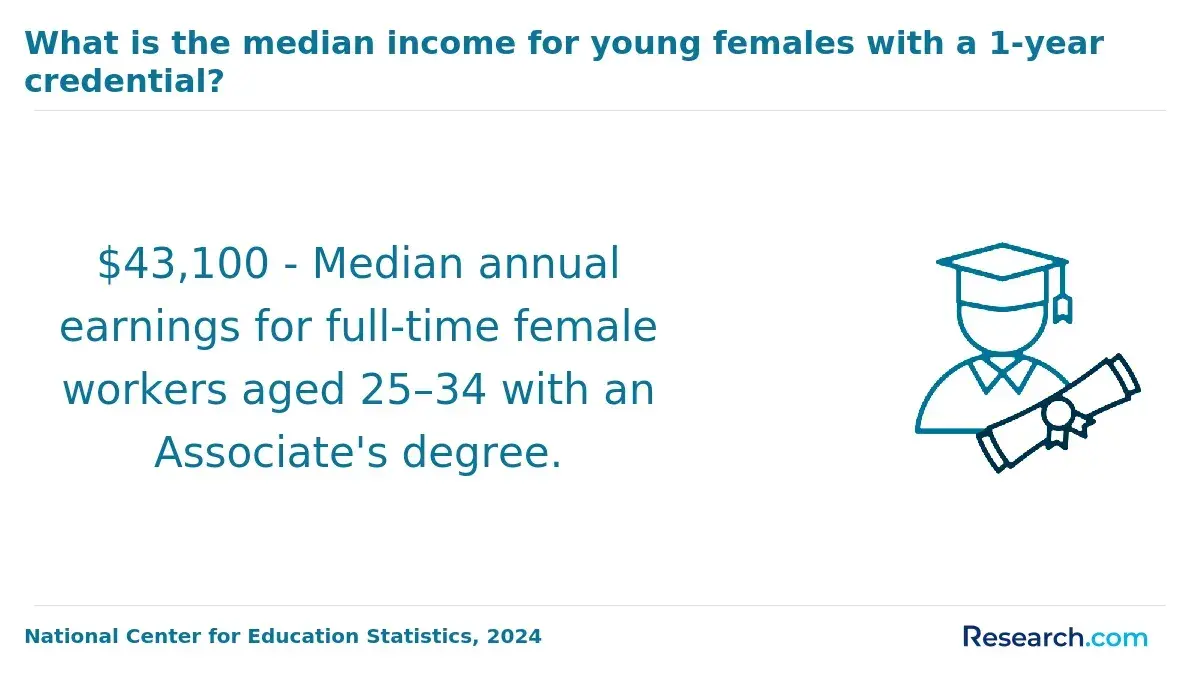
Higher student debt significantly alters the long-term return on investment (ROI) of an engineering program by extending repayment timelines and constraining financial flexibility. Engineering graduates from private nonprofit schools often accumulate around $42,000 in debt, whereas those from public institutions average closer to $29,500.
This disparity means a graduate facing higher debt might delay key financial decisions like saving for retirement or pursuing advanced certifications, which can directly impact lifetime earnings and career growth. When comparing debt-to-completion ratios, programs with inflated costs and lower graduation rates can blunt ROI by increasing the risk of extended repayment burdens and diminished immediate earning capacity.
The impact of student loan debt on long-term engineering degree return on investment also reflects workforce realities where timely loan repayment correlates with stronger credit and economic stability. Public institution engineering graduates demonstrate a 20% higher on-time repayment rate within five years, highlighting how lower debt and accessible financial aid support quicker economic recovery post-graduation.
However, some private and nonprofit programs justify their higher cost through specialized expertise or network advantages, which may elevate earning potential if matched with clear career advancement opportunities. Prospective students must critically weigh these tradeoffs, assessing whether the premium debt load aligns with realistic salary gains and personal circumstances.
Cost-conscious learners should also consider flexibility and program length as factors influencing ROI, particularly when balancing work and study. Online programs with varied durations and financing options, including some available through an online master degree pathway, can mitigate debt accumulation and accelerate return timelines.
Ultimately, understanding how borrowing strategies, institutional debt patterns, and repayment obligations shape the practical value of an engineering credential is essential for making informed choices that align with long-term financial and professional goals.
How Do Flexibility and Adult Learner Support Affect Engineering Program Value?
Flexible scheduling and comprehensive adult learner support significantly shape the return on investment of online engineering programs, but the optimal balance varies by individual circumstances. Public institutions often offer asynchronous courses and part-time enrollment, allowing working adults to manage study alongside employment without incurring excessive debt or delaying completion.
For example, a student juggling full-time work and family may benefit more from a public program's flexibility that reduces opportunity costs, even if personalized advising or career counseling services are less extensive than those found in private or nonprofit settings.
In contrast, private and nonprofit engineering programs frequently allocate greater resources toward targeted support services—such as one-on-one academic advising, career coaching, and accessible faculty—which can increase graduation rates by up to 20%, according to a 2024 Online Learning Consortium study. These enhanced services entail higher tuition but may justify costs for students seeking intensive guidance or transitioning careers.
Moreover, transfer agreements and military-friendly policies are vital differentiators; public schools typically streamline credit transfers, shortening degree timelines, while nonprofit programs deploy specialized resources to help veterans convert military training into academic credits, influencing time-to-degree and long-term career readiness.
While real-time synchronous sessions in some private programs enable valuable interaction, their rigid schedules can hinder adult learners' persistence if inflexible. Technology infrastructure and student retention initiatives-such as mental health and peer networks-also vary, impacting satisfaction and outcomes across sectors. Thus, cost-conscious adult learners must weigh these tradeoffs: prioritizing flexibility and transferability to avoid prolonged enrollment and debt, or investing in robust support that can improve completion likelihood and workforce integration but at higher upfront expense.
How Do Accreditation and Institutional Reputation Influence Engineering ROI?
Accreditation and institutional reputation directly shape the return on investment (ROI) for engineering programs by influencing employer recognition, graduate outcomes, and credit transferability. Regional accreditation guarantees foundational quality but does not alone ensure strong industry connections or career support.
Programmatic accreditation, such as from ABET, often matters more in technical fields-graduates from ABET-accredited online engineering programs report average starting salaries about 15% higher than those without such credentials, according to the National Center for Education Statistics. This demonstrates employer preference for graduates from programs meeting rigorous, specialized standards.
Institutional reputation further affects ROI through perceptions of rigor, alumni networks, and career services, with public universities frequently offering broader partnerships and clearer licensure pathways. Private nonprofit programs may excel with smaller class sizes but sometimes struggle with external brand recognition, which can impact early hiring.
Additional factors like graduation rates, student support, and credit transfer policies also play crucial roles; the Society of Professional Engineers found that 68% of employers favored candidates from programs emphasizing licensure prep and career guidance. Cost and flexibility remain essential considerations for adult learners balancing debt and work commitments, as lower cost with proper accreditation can yield better net ROI even if the institution lacks top-tier prestige.
How Does Time-to-Degree Affect the ROI of Public, Private, and Nonprofit Engineering Programs?
The relationship between time to degree and the return on investment for public, private, and nonprofit online engineering programs hinges on the balance between cost exposure and educational depth. Public institutions often report extended completion times, with about 40% of students taking six or more years to graduate according to NCES 2024 data, primarily due to accommodating part-time learners managing work and family obligations.
This longer timeline increases opportunity costs, including lost wages and ongoing tuition, but may reduce debt accumulation by allowing students to spread payments. By contrast, private nonprofit programs, where around 30% of students exceed six years, commonly feature accelerated tracks beneficial for full-time students but may impose pressure that risks burnout or reduced flexibility for those needing a lighter load.
Time-to-degree impact on engineering program ROI also reflects how institutions handle transfer credits and enrollment intensity. Public universities typically accept broader transfer credits from community colleges, shortening degree timelines and enhancing affordability, which is a critical factor for cost-conscious transfer students. Nonprofit programs often use cohort-based models that encourage timely completion and lower attrition rates, thereby improving ROI through fewer dropout-related losses.
For adult learners balancing employment and personal commitments, a moderately extended timeline with institutional support frequently produces better long-term outcomes than rapid completion that sacrifices internships or work experience opportunities, which employers increasingly value.
Prospective students weighing options should consider not only cost and program length but also how each model aligns with their capacity to manage schooling alongside other life demands and their need to access degrees for remote jobs.
How Can You Choose the Best Engineering Program Based on Your ROI Goals?
Determining the best engineering program based on ROI depends less on whether the institution is public, private, or nonprofit, and more on how individual priorities align with costs, debt, and career goals. Public online programs generally offer lower tuition sticker prices, which can benefit cost-conscious learners, but they may have varied graduation rates and fewer learner support services.
In contrast, private and nonprofit online engineering degrees often provide stronger advising and flexible options for working adults, which helps improve timely completion and reduce overall debt, factors essential to boosting ROI. A student balancing employment and family obligations may find these supports critical, even if the upfront cost is higher.
Debt outcomes differ significantly and impact ROI calculations; research from 2024 indicates public institution graduates typically carry less debt, but private nonprofit students might access larger financial aid packages that offset sticker price differences. Employer perceptions tied to institutional reputation and industry partnerships also affect career mobility and starting salaries.
Prospective students must weigh accreditation, program specialization, and career services alongside affordability, recognizing that program flexibility and time-to-degree can influence both educational cost and workforce entry timing. For those evaluating options, reviewing outcomes for the best online engineering degrees for career growth alongside affordability is vital, supplemented by tools such as this master's in training and development online resource that illustrates cost-effective pathways.
References
- Do employers frown on for-profit colleges and online degrees? https://www.aeaweb.org/research/do-employers-frown-on-for-profit-degrees
- 4 Mistakes Killing Your Software ROI (And How to Fix Them) https://enji.ai/blog/how-to-measure-software-development-roi/
- Is College Worth it? | Return on Investment Analysis of College Degree https://educationdata.org/college-degree-roi
- NEWS: Is College Still Worth It? New Report Says "Yes," and Ranks Olin as a Top College for ROI https://www.olin.edu/articles/news-college-still-worth-it-new-report-says-yes-and-ranks-olin-top-college-roi
- New study projects ROI for public colleges will surpass private colleges by 24% in 2025 - Utah System of Higher Education https://ushe.edu/new-study-projects-financial-roi-for-public-colleges-will-surpass-private-colleges-by-24-in-2025/
- For-profit Private vs. Non-profit Public https://talk.collegeconfidential.com/t/for-profit-private-vs-non-profit-public/1935747
- How to Calculate the ROI of Your College Degree - The College Funding Coach https://www.thecollegefundingcoach.org/how-to-calculate-the-roi-of-your-college-degree/
- View of Evaluating University Degree Programs Regarding the Effective Use of Public and Private Funding https://www.econjournals.com/index.php/irmm/article/view/3307/pdf
- How to Calculate ROI for a Project: Formula, Examples & Expert Tips - Epicflow https://www.epicflow.com/blog/how-to-calculate-roi-for-a-project/
- Public colleges offer highest chance of positive ROI to students, report finds https://www.highereddive.com/news/public-colleges-offer-highest-chance-of-positive-roi-to-students-report-fi/618531/
Other Things You Should Know About Engineering
Private online engineering programs often invest more in virtual labs and simulation tools due to higher tuition revenue, which can enhance practical learning, but this isn't universal. Public programs may have fewer resources for advanced virtual labs but often leverage partnerships with local industries to provide internship or project opportunities. Nonprofit institutions fall somewhere in between but can lack consistent investment in up-to-date engineering technology. Students prioritizing applied learning should carefully evaluate program resources and external collaboration, as these directly influence workplace readiness despite online delivery.
Employer expectations often align more with a program's accreditation and alumni performance than institution type alone, but private programs sometimes face skepticism about online rigor if they emphasize speed or convenience. Public institutions, especially those tied to well-known state universities, tend to carry established reputations that help graduates stand out. Nonprofits may vary widely, so candidates should research employer networks and outcomes rather than relying on institutional labels. Prioritizing programs with strong industry engagement and demonstrable project portfolios will better support hiring potential.
Private online engineering programs often market higher flexibility with asynchronous lectures and longer terms, which can spread workload but may extend time to degree and reduce regular interaction. Public online programs might follow more traditional academic calendars, resulting in more structured pacing that helps maintain consistent study habits but may be less adaptable for working professionals. Nonprofits typically strike a balance but can impose cohort-based progression that impacts how students manage their time. Understanding these nuances is crucial because differing flexibility affects not just convenience but course rigor and time management demands.
Nonprofit institutions often provide targeted career services and foundational bridge courses acknowledging the unique challenges of career changers, which can improve job readiness despite less name recognition. Public programs may offer broader access to technical resources and university alumni networks, but sometimes assume prior engineering background, creating steeper learning curves. Private programs typically focus on accelerated completion but may not prioritize transitional support. Career changers should weigh program support structures heavily, favoring nonprofits or public schools that explicitly accommodate nontraditional pathways.