2027 Grand Canyon University Online MS in Forensic Science: Cost, Curriculum, Admissions, and Career Outcomes

Co-Founder and Chief Data Scientist
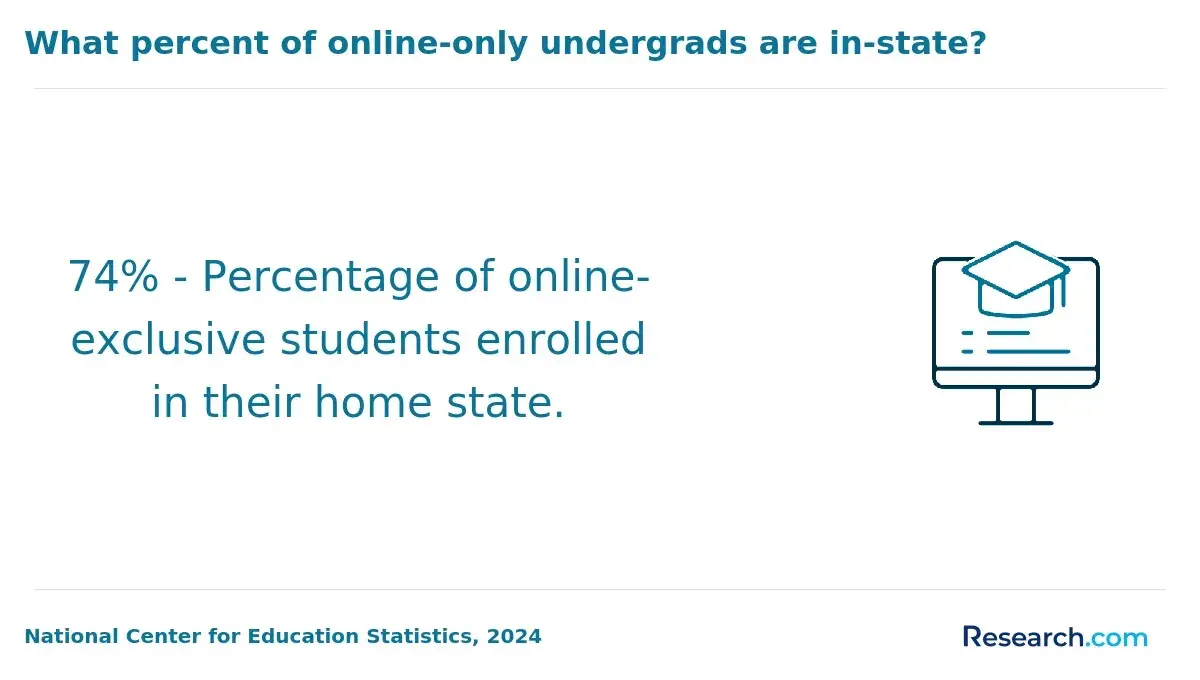
Pursuing an online MS in Forensic Science at Grand Canyon University presents a complex decision for students balancing career goals with academic demands. The challenge lies in assessing whether the program's curriculum, cost, and admissions flexibility align with one's professional trajectory and personal circumstances. According to the National Center for Education Statistics, nearly 40% of graduate students in 2024 prefer online formats, highlighting a growing demand for accessible programs that maintain academic rigor while accommodating work and life commitments. This trend underscores the importance of evaluating program delivery and outcomes carefully before enrolling.
This article will explore the cost, curriculum, admissions process, and career outcomes of the online MS in Forensic Science at Grand Canyon University to help prospective students make informed decisions aligned with their aspirations.
Key Points About Grand Canyon University's MS in Forensic Science Program
- The 60% acceptance rate in Grand Canyon University's online MS in Forensic Science signals moderate selectivity, allowing access while requiring applicants to demonstrate relevant academic and professional readiness.
- Employers generally acknowledge the program's regional accreditation and faculty expertise, which supports graduates securing roles in forensic and criminal justice sectors, though career advancement depends on field experience.
- The $37,212 total tuition reflects a significant investment; prospective students must weigh this cost against anticipated job market returns and potential salary growth within forensic science careers.
What can students expect from Grand Canyon University's online MS in Forensic Science curriculum?
The curriculum of Grand Canyon University online MS in Forensic Science is designed to balance academic rigor with the practical demands of forensic investigation careers, closely aligning with U.S. educational standards in the field. Students should expect coursework that cultivates scientific reasoning as well as hands-on analytical skills applicable in crime labs and law enforcement settings.
For example, a forensic specialist analyzing complex evidence from a crime scene will need to integrate biochemical knowledge with procedural accuracy-a skillset emphasized throughout the program's structure. Below are key curriculum components commonly found in Grand Canyon University forensic science program core courses and specializations.
- Forensic Biology: This course requires students to master techniques for analyzing biological samples, including DNA evidence. Skills acquired here are critical for accurately identifying and interpreting biological markers that serve as pivotal legal evidence.
- Forensic Chemistry: Emphasizing chemical principles related to toxicology and substance identification, students learn laboratory methods that must conform to evidentiary standards in judicial processes, ensuring findings withstand legal scrutiny.
- Crime Scene Analysis: This section stresses systematic evidence collection and scene reconstruction. Competency in these techniques directly impacts case outcomes by preserving evidence integrity and facilitating effective communication with legal stakeholders.
The program incorporates case-based learning and virtual simulations to address technology's growing role in forensic science while preparing students for immediate workforce entry and further certifications. This curriculum overview reflects an approach that fosters problem-solving in real-world contexts, crucial for those evaluating the practical value of Grand Canyon University online MS in Forensic Science curriculum overview before committing to the degree.
For students interested in extending their qualifications, exploring options among PhD programs may be a relevant long-term consideration.
What are Grand Canyon University's admission requirements for online MS in Forensic Science program?
The admission requirements for Grand Canyon University's online MS in Forensic Science reflect a selective approach that prioritizes academic readiness and relevant qualifications over standardized test scores. Applicants should expect their previous academic record and supporting documents to carry the most weight in admissions decisions.
For instance, a candidate with a solid undergraduate degree in biology seeking forensic specialization must prepare comprehensive documentation that evidences their foundation in science and capability to engage with advanced coursework. Below are key admission elements candidates should focus on when applying:
- Undergraduate Degree: A relevant bachelor's degree is essential, as the program expects students to have foundational knowledge necessary for the graduate curriculum. While exact minimum GPA requirements are not specified, a strong academic record improves chances given the competitive nature of the admissions process.
- Academic Transcripts: Applicants must submit transcripts from secondary schooling and undergraduate education. These documents help verify prior competencies and educational progression, which admissions committees evaluate closely in lieu of standardized test thresholds.
- English Proficiency: For non-native speakers, proof of English language ability through TOEFL is mandatory. This ensures students can manage complex technical vocabulary and communication demands typical in forensic science graduate work.
- Supporting Documentation: Letters of recommendation and other evidence of academic or professional competency, such as relevant certifications or professional experience, are encouraged though not explicitly required. These materials strengthen applications by providing qualitative context beyond transcripts.
- Additional Testing: Tests like the Wonderlic or WISC-III are optional and may enhance applications but are not compulsory. The absence of GMAT or GRE requirements reduces barriers for applicants with strong academic backgrounds but less standardized testing experience.
Is it difficult to get admitted to Grand Canyon University's online MS in Forensic Science program?
Admissions to MS in Forensic Science programs typically balance competitiveness with accessibility due to the growing demand for professionals skilled in both scientific analysis and legal frameworks. Many programs require applicants to demonstrate competence through standardized test scores and relevant academic background, but barriers vary significantly depending on institutional selectivity and program reputation.
Grand Canyon University's online MS in Forensic Science shows a moderately selective admissions profile, admitting about 60% of its nearly 48,000 annual applicants. This acceptance rate reflects a substantial pool of candidates meeting minimum qualifications, including SAT scores between 540-620 for verbal and 518-555 for math, or ACT scores from 19 to 56. While the program maintains standards to ensure quality, it does not impose overly restrictive entry requirements, allowing candidates with solid preparation to access the program without an excessively competitive hurdle.
For instance, one graduate recalled initially hesitating whether their test scores and undergraduate performance would measure up but found the admissions process clear and manageable. They appreciated that the program's openness enabled prompt application submission without the delays common in more selective programs, which allowed them to enter the field sooner amid an increasing need for forensic specialists.
What is the cost of attending an online MS in Forensic Science program at Grand Canyon University?
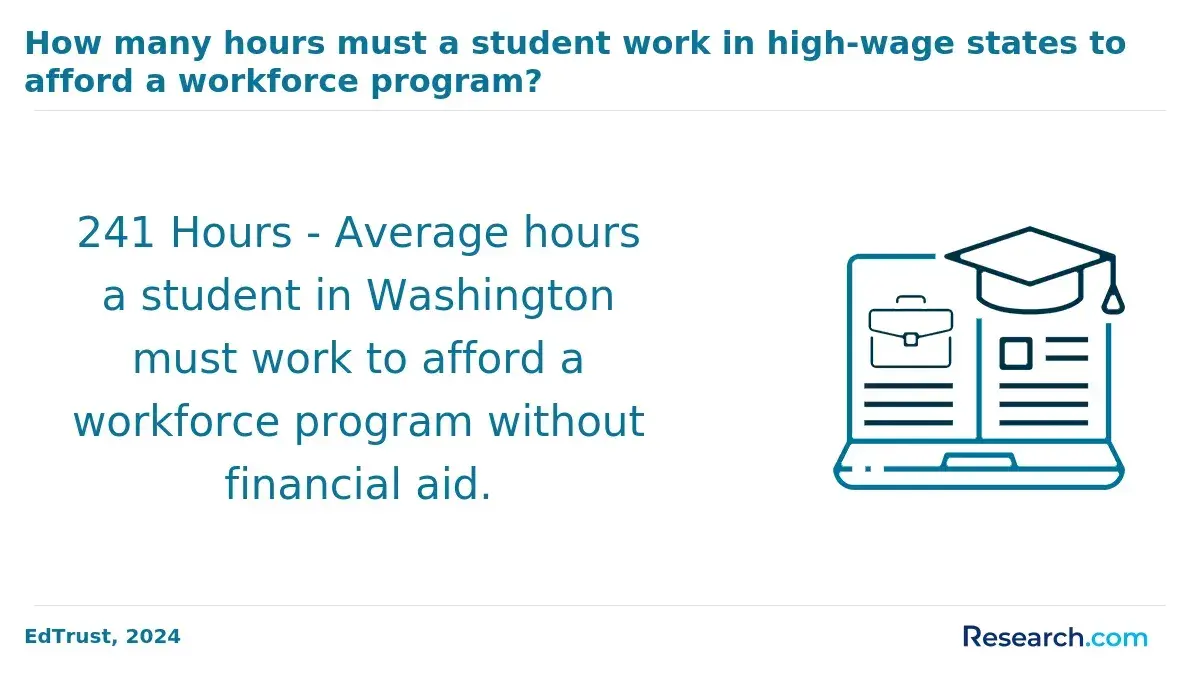
Tuition for the online MS in Forensic Science program at Grand Canyon University totals approximately $17,450 annually, excluding about $1,100 for books and supplies. The university's overall annual cost-including room, board, and other fees-can reach $37,212, which is higher than some federal estimates for comparable on-campus attendance. This gap highlights the importance of analyzing the full cost structure when comparing programs, especially considering how program-specific expenses may affect a student's financial planning.
The absence of additional technology fees for online learners is a practical advantage at Grand Canyon University, providing a consistent tuition rate regardless of geographic location. This predictability contrasts with institutions that often impose extra costs for distance education delivery, which can significantly increase total expenses. For forensic science students balancing work and study, such clarity in pricing can influence the decision to enroll in an online MS program.
When weighed against other MS in Forensic Science tuition rates, Grand Canyon University offers competitive base costs but may exceed some peer institutions once all fees are factored in. For prospective students deciding whether to invest in this program, understanding these tradeoffs is key-especially given the variable employer expectations regarding degree specialization versus hands-on experience in forensic roles.
Cost considerations for students pursuing an online MS in Forensic Science tuition at Grand Canyon University should also factor in broader labor market dynamics. Those assessing program value might refer to analyses of the most profitable college majors to contextualize whether the investment aligns with anticipated earning potential and career stability.
Are there financial aid options for online MS in Forensic Science students at Grand Canyon University?
Financial aid for students pursuing an online MS in Forensic Science at Grand Canyon University can significantly affect the overall return on investment, especially for those balancing education with professional or family obligations. Securing aid influences decisions around work hours, living costs, and debt load, which in turn impact career flexibility post-graduation.
Understanding the specific funding opportunities available helps prospective students plan realistically for both short-term expenses and long-term financial commitments. Below are key financial aid options that typically apply to these students.
- Institutional Scholarships: Merit-based awards focus on academic performance and leadership potential, often requiring a minimum GPA and application submission. These scholarships can reduce tuition considerably but tend to be competitive and limited in number.
- Federal Aid: Graduate students in this program are eligible for federal grants and loans through the FAFSA process. Subsidized and unsubsidized loans are available with repayment terms tailored for graduate-level borrowers, making them a common resource despite the necessity of future repayment.
- Corporate Tuition Reimbursement: Working professionals who have employer sponsorship through tuition reimbursement programs can offset costs substantially. Eligibility depends on employer policies and may require maintaining specific grade thresholds.
- Veteran Benefits: Military-affiliated students often utilize GI Bill benefits or other veteran education programs. These can cover a significant portion of tuition and fees, providing a crucial funding source for those eligible.
What learning resources are available to online MS in Forensic Science students at Grand Canyon University?
Effective learning resources are a critical factor influencing whether online MS in Forensic Science students can translate academic knowledge into practical competencies demanded by employers. Without interactive tools and timely support, students risk falling behind in grasping complex forensic methodologies or meeting the stringent expectations of forensic labs and agencies. This dynamic underscores the importance of resource quality in shaping outcomes like skill proficiency and job market readiness.
Below is an overview of resources that contribute to this foundational student support.
- Technical Support Team: A dedicated group available to resolve platform and access issues, ensuring uninterrupted engagement with coursework. Prompt technical assistance helps minimize delays that can impede learning momentum and project deadlines common in forensic workflows.
- Learning Management System: A centralized digital hub that organizes course materials, assignments, and assessments. Its structure facilitates consistent pacing and access to multimedia content critical for mastering forensic science concepts remotely.
- Academic Support Services: Includes tutoring, writing assistance, and advising tailored to the forensic science curriculum. These services address the discipline's analytical and communication demands, helping students prepare reports and research with precision.
- Digital Library Resources: Online access to scholarly journals and forensic databases supports research rigor and evidence-based learning. Availability of these specialized materials is essential for grounding theoretical knowledge in current forensic science practices.
- Career Placement Support: Networks with forensic professionals and organizations help connect students to internships and jobs. Career counseling and job search workshops bridge academic training with workforce expectations, mitigating risks of underemployment post-graduation.
Does Grand Canyon University's online MS in Forensic Science program have in-person clinicals or practicums?
Forensic science graduate programs often require in-person clinicals or practicums to ensure hands-on exposure to evidence collection, lab techniques, and courtroom procedures. These practical components are critical in many forensic roles that demand physical interaction with crime scenes or laboratory instruments.
However, Grand Canyon University's online MS in Forensic Science diverges from this industry norm by not mandating in-person clinical training opportunities for online forensic science students at Grand Canyon University, which affects candidates aiming for roles where direct lab experience is a prerequisite.
The program replaces traditional onsite practicums with virtual labs, case studies, and simulation exercises that emphasize theoretical knowledge and analytical skills. While this format supports flexibility and accessibility for working professionals and remote learners, individuals seeking comprehensive in-person practicum requirements may need to supplement their education with external internships at local forensic facilities. This tradeoff highlights a challenge for students balancing convenience with the depth of applied training expected in certain forensic careers.
Given these factors, prospective students should evaluate how the absence of mandated clinical practicums aligns with their career goals. For some, especially those targeting administrative, research, or analytical forensic science positions, the program's design may be sufficient. Others could require additional hands-on experience to meet employer expectations.
Those unsure about field-based requirements might also consider exploring an associates degree or other pathways that combine applied learning with academic credentials.
What careers can graduates of online MS in Forensic Science at Grand Canyon University secure?
The professional marketability of MS in Forensic Science graduates from Grand Canyon University hinges on their ability to translate academic preparation into viable, long-term careers. Graduates often enter roles where technical skill and analytical expertise directly impact investigative outcomes, a vital trait in today's justice-driven workforce.
For students weighing program options, understanding the career realities in Arizona and beyond helps clarify how job prospects after Grand Canyon University's forensic science degree completion align with local demand and employer expectations. Below are some typical sectors where graduates find practical employment opportunities.
- Forensic Analyst: These professionals collect and analyze physical evidence, often specializing in DNA, toxicology, or trace evidence. Salaries vary regionally but generally reflect strong demand for skilled analysts in crime laboratories and private firms.
- Crime Laboratory Technician: Technicians handle sample preparation, lab maintenance, and quality assurance, supporting forensic scientists. This role requires precise technical training and provides a solid entry point into forensic labs, with pay typically on the moderate end of the forensic spectrum.
- Forensic Specialist in Law Enforcement: Operating within police departments or legal teams, these specialists interpret evidence and may provide courtroom testimony. Their skill set supports investigative procedures and judicial processes, often commanding competitive wages tied to government or agency budgets.
- Digital Forensics Professional: Growing cybercrime concerns create demand for experts who recover and examine electronic data. This niche blends technical computing skills with investigative acumen, offering potential for higher pay and opportunities in both public and private sectors.
Graduates face a competitive workforce that values both theoretical knowledge and applied experience, particularly in Arizona's forensic fields. The program's curriculum supports these needs by covering analytical chemistry, biology, and crime scene investigation fundamentals, preparing students for real-world challenges.
For those evaluating program value against outcomes, this emphasis may improve employability across public forensic laboratories, law enforcement agencies, and governmental departments focused on criminal justice and public safety. More broadly, many view degrees from a non profit online university as a practical path to consolidating foundational skills with flexible learning.
What is the salary outlook for online MS in Forensic Science graduates?
Salary expectations for graduates holding an online MS in Forensic Science from Grand Canyon University tend to reflect a moderate premium over general alumni earnings but fall short when compared to higher-paying health and safety fields. Forensic science careers often require specialized knowledge similar to criminal justice or homeland security roles, where median salaries range from $35,660 to $63,625. This spectrum highlights the tradeoff graduates face: investing in niche scientific expertise with solid but variable financial returns, influenced heavily by employer type and location.
The median alumni salary across disciplines at Grand Canyon University is $42,186, positioning forensic science graduates slightly above average in career earnings for Grand Canyon University forensic science graduates. More science-focused roles such as clinical and medical laboratory science offer median salaries around $57,101, indicating that specialized scientific credentials aligned with healthcare or law enforcement tend to command better pay than many social science-related fields.
Students pursuing the forensic science degree should weigh these comparative earnings carefully against tuition and living costs, especially in markets like Arizona with specific demand profiles.
Additional context comes from related professions like registered nursing, where median salaries reach $78,940, signaling that technical specialization often leads to higher remuneration. Geographic variability and institutional hiring trends mean graduates must evaluate each opportunity's market context.
Prospective students assessing potential returns will also benefit from exploring easy bachelor degrees to understand foundational pathways that might affect long-term financial outcomes.
How do you know if Grand Canyon University's online MS in Forensic Science program is the right choice for you?
Selecting an MS in Forensic Science program requires thoughtful alignment with your professional objectives, learning style, and schedule flexibility. This decision impacts not only how you absorb material but also how effectively you can apply forensic methods in practice.
Below are key factors to weigh when determining if Grand Canyon University's online offering matches your needs.
- Flexibility And Learning Format: Consider whether asynchronous coursework and a blend of virtual labs fit your daily commitments. Evaluate if the balance between independent study and interactive elements supports your preferred learning approach, especially if you juggle work or family obligations.
- Curriculum Relevance To Career Goals: Assess how deeply the program covers both foundational theories and applied forensic techniques such as crime scene processing and evidence evaluation. A curriculum aligned with your target job roles ensures practical readiness.
- Faculty Accessibility And Support: Investigate faculty-to-student ratios and the availability of mentorship, which can influence personalized guidance and networking opportunities critical for interdisciplinary fields like forensic science.
- Community And Peer Engagement: Examine the extent of peer interaction and support structures online, as a sense of connection can enhance motivation and collaboration despite a virtual setting.
One graduate recalled weighing the decision carefully while working full-time in a related field. The flexibility of Grand Canyon University's structure allowed her to manage evening coursework without sacrificing job performance. Yet, she initially hesitated, unsure if the online format would offer sufficient hands-on experience compared to traditional programs.
Over time, she found that virtual labs and discussion forums partially compensated, making the program a pragmatic compromise that aligned with her career timeline and need for real-world application.
What Graduates Say About Grand Canyon University's MS in Forensic Science Program
- Ethan: "Studying at Grand Canyon University provided me with a solid foundation in forensic methodologies, but what truly stood out was the program's emphasis on real-world applications. The case-based assignments and access to virtual labs helped me build a portfolio that employers valued more than just certification. Even though some roles preferred licensure, the practical experience I gained allowed me to secure a position quicker than I expected and navigate the challenges of competing in a competitive job market."
- Martin: "Grand Canyon University's MS in Forensic Science program was pivotal during my career pivot from a general science background to forensic analysis. The flexibility of the online format let me study while working full-time, which was crucial. I found that while my salary growth plateaued due to lack of licensure, the knowledge and connections I gained through internships and faculty mentorship positioned me well for remote work opportunities and roles that emphasize hands-on experience over formal licensing."
- Fernando: "Reflecting on my journey through Grand Canyon University's MS in Forensic Science, I appreciate how the program highlighted the realities of the forensic field-especially employer preferences for candidates with robust portfolios and internships. The coursework was rigorous and required balancing multiple demands, but it sharpened my analytical skills and understanding of investigative processes. This prepared me to meet the practical hiring standards, although advancement often depended on additional certifications beyond the degree itself."
Other Things You Should Know About Degrees
To gain admission to the Grand Canyon University's online MS in Forensic Science in 2027, applicants must hold a bachelor's degree in a relevant science discipline with a minimum GPA of 3.0. Additionally, official transcripts and letters of recommendation are required for consideration.
Applicants commonly need a bachelor’s degree in a science-related field such as biology, chemistry, or forensic science, plus undergraduate coursework in chemistry and laboratory science. Some programs also review GPA and may require transcripts before admission is approved.
While Grand Canyon University's online MS in Forensic Science provides practical skills valued in many forensic roles, some employers-especially in research-heavy or federal lab settings-may prefer candidates from programs with stronger emphasis on laboratory research or well-known traditional institutions. Those targeting specialized or highly competitive forensic science careers should consider supplementing their degree with relevant certifications or hands-on experience to improve employability.
The program offers a broadly applicable curriculum without many specialized tracks, which can limit direct preparation for niche forensic disciplines. However, it provides a solid foundation suitable for various certifications and further study. Students prioritizing specialization should plan to pursue external credentialing or tailored electives post-graduation to align the degree with specific career objectives effectively.
References
- University Graduates First Class of Students with Master's in Forensic Science https://www.forensicmag.com/596915-University-Graduates-First-Class-of-Students-with-Master-s-in-Forensic-Science/
- Professional services https://www.strath.ac.uk/courses/postgraduatetaught/forensicscience/
- Master's Programme in Forensic Science https://www.uu.se/en/study/programme/masters-programme-forensic-science
- How To Become a Forensic Scientist: Requirements & Steps https://www.forensicscolleges.com/blog/htb/how-to-become-forensic-scientist
- GCU K12 Resources | Canyon PD https://www.canyonpd.com/gcu-k12-education-resources/
- Compare Forensic Scientist Schools & Training Programs https://www.criminaljusticeprograms.com/specialty/forensic-science-degrees/
- Higher Education Services https://www.gce.com/
- Forensic science scholarships in USA for Indian Students https://www.hotcoursesabroad.com/india/international-scholarships/us-usa/qn/forensic-science/211/qid/b18/scholarship.html
- Top Forensic Science Career Guide | Forensic Science Online https://www.forensicscienceonline.org/top-careers/
- GCU Dept. of Welcome Programs https://gcuwelcome.org/resources