2027 Grand Canyon University Online BS in Behavioral Health Science - Family Dynamics: Cost, Curriculum, Admissions, and Career Outcomes

Co-Founder and Chief Data Scientist
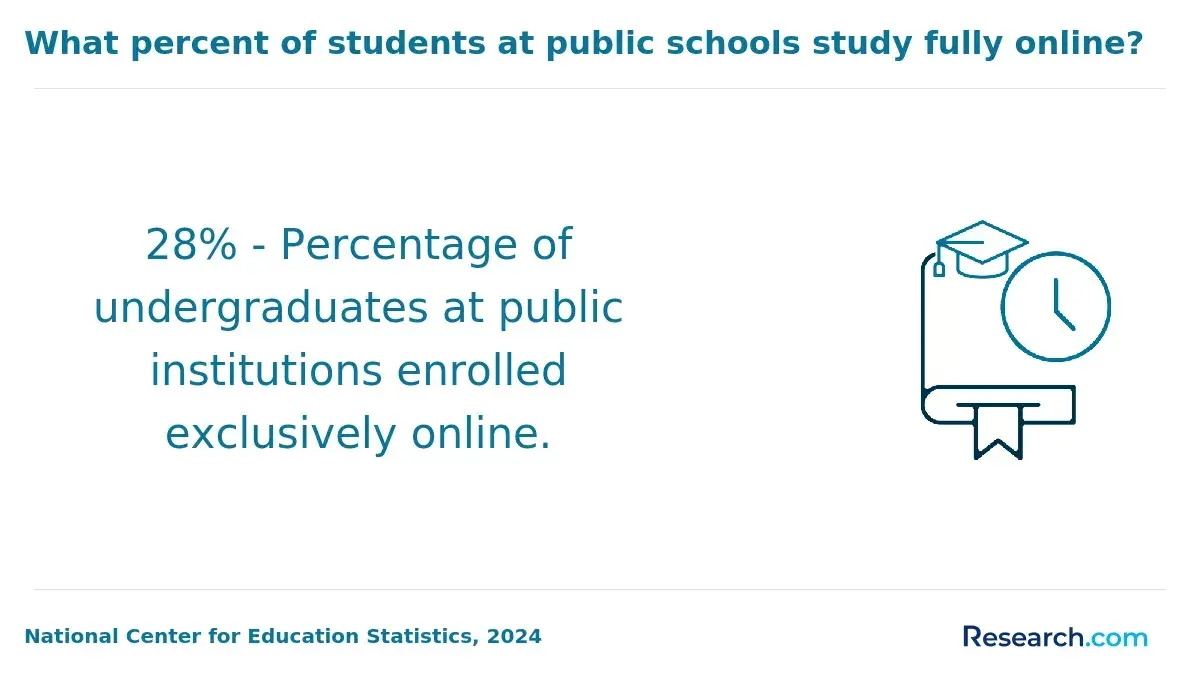
Balancing work, family, and education presents a significant challenge for many prospective students seeking to advance in behavioral health fields. The online BS in Behavioral Health Science - Family Dynamics program at Grand Canyon University may offer a flexible option, but understanding its alignment with academic and career objectives is critical. According to the National Center for Education Statistics, over 40% of postsecondary students enrolled exclusively in distance education courses in 2023, reflecting growing demand for accessible learning formats.
This trend signals the importance of evaluating program structure, curriculum relevance, and outcome prospects before committing. This article examines the cost, curriculum, admissions, and career outcomes to help prospective students make an informed decision.
Key Points About Grand Canyon University's BS in Behavioral Health Science - Family Dynamics Program
- With a 60% acceptance rate and total tuition of $37,212, this program balances moderate selectivity with financial accessibility, impacting who can realistically pursue this degree online.
- The program's regional accreditation and faculty combining academic rigor with practical experience suggest graduates gain relevant skills valued by employers in behavioral health and family services.
- Graduates typically achieve positive employment outcomes, reflecting the degree's alignment with workforce needs, though career success depends on applying learned family dynamics concepts in varied real-world settings.
What can students expect from Grand Canyon University's online BS in Behavioral Health Science - Family Dynamics curriculum?
The curriculum of Grand Canyon University's online BS in Behavioral Health Science - Family Dynamics is structured to blend foundational behavioral health knowledge with specialized focus on family systems, mirroring many US standards while emphasizing the intersection of individual and family dynamics.
For example, a student might analyze the behavioral patterns of a family dealing with substance abuse, applying crisis management and counseling theories learned in the program to assess intervention options. The coursework demands both theoretical understanding and applied skills, essential for workforce readiness in behavioral health roles. Key elements of the curriculum include:
- Counseling Techniques: This area requires students to engage deeply with communication strategies and practical methods to support families, crucial for developing empathetic and effective intervention skills.
- Family Dynamics Theories: Students explore core concepts and frameworks that explain interactions within family systems, enabling them to evaluate and influence behavioral health outcomes accurately.
- Intervention Strategies: Coursework includes scenario-based learning to prepare students for real-world crisis management and treatment planning relevant to family behavioral health settings.
This online family dynamics degree program in Arizona offers flexibility through multimedia content and asynchronous learning, but students should be prepared for the discipline needed to engage deeply with case studies and ethical considerations in behavioral health.
Overall, the curriculum equips graduates for entry-level roles in mental health and social services, with practical competencies aligned to employer expectations in family-centered behavioral care. Prospective students should also explore broader academic progression options, such as PhD online programs, if long-term advancement is a goal.
What are Grand Canyon University's admission requirements for online BS in Behavioral Health Science - Family Dynamics program?
Applicants to Grand Canyon University's online BS in Behavioral Health Science - Family Dynamics face selective admission measures that reflect the program's professional and academic focus. Unlike programs with open admission, candidates must show foundational academic preparation and language proficiency to demonstrate readiness for advanced behavioral health concepts and applied family dynamics theory.
For example, a student who completed high school overseas with varied grading systems would need to ensure their academic credentials align with U.S. equivalency standards and verify English proficiency to meet program criteria. The following summarizes the typical requirements applicants should expect:
- Secondary Education: Completing high school or possessing a GED is mandatory to establish basic academic readiness. This provides a minimum credential baseline critical for succeeding in degree-level coursework.
- GPA Documentation: Submission of secondary school GPA supports admission decisions by indicating academic performance trends. While exact school rank is not required, demonstrating a college-preparatory background is encouraged to suggest adequate preparation for undergraduate study.
- English Proficiency: Proof of English language skills through TOEFL scores is required. This ensures students can comprehend specialized behavioral health content and engage effectively in an online learning environment where linguistic nuances are crucial.
- Additional Assessments: Tests like the Wonderlic or WISC-III are recommended but not compulsory, offering optional ways to highlight cognitive abilities or learning strengths beyond academic records.
- Transfer Credits: Transfer students may receive credit for prior college work, advanced placement, or life experiences, yet specific criteria for credit transfer are less detailed. This flexibility can reduce time to degree but requires careful evaluation by admissions advisors.
Is it difficult to get admitted to Grand Canyon University's online BS in Behavioral Health Science - Family Dynamics program?
Admission difficulty for a typical BS in Behavioral Health Science - Family Dynamics program often balances academic standards with the practical goal of preparing students for roles in behavioral health services, making selectivity moderate rather than highly competitive. Many programs require applicants to show a foundational academic readiness but do not impose excessively stringent acceptance criteria, reflecting the field's growing but accessible appeal amid rising mental health workforce demand.
Grand Canyon University fits this pattern with an acceptance rate of 60%, which suggests their online BS in Behavioral Health Science - Family Dynamics program is moderately selective. With nearly 29,000 admits from close to 48,000 applicants, the program maintains a competitive atmosphere without being prohibitively difficult.
Admissions expects SAT scores between 540 and 620 verbal and 518 to 555 math, or ACT scores from 19 to 173, reflecting a solid academic baseline. This balance requires candidates to demonstrate both ability and commitment, which aligns with employer expectations for behavioral health roles emphasizing practical knowledge and reliability.
One graduate recalled deliberating whether to apply given initial doubts about meeting test score ranges. "I wasn't sure if my ACT was competitive enough, but after reviewing the numbers, I felt encouraged to submit my application," they shared. The process felt rigorous yet fair, with the university's clear criteria alleviating uncertainty. Ultimately, this clarity helped them prepare a stronger application and commit to the discipline with confidence.
What is the cost of attending an online BS in Behavioral Health Science - Family Dynamics program at Grand Canyon University?
The tuition cost of the online BS in Behavioral Health Science - Family Dynamics program at Grand Canyon University stands at $17,450 annually, excluding supplementary expenses such as books and living costs. Students should realistically budget around $1,100 more for books and supplies, which can be a notable factor for those managing tight financial plans. The total cost of attendance, factoring in housing and other fees, reaches approximately $37,212, which may influence decisions for those weighing remote study against on-campus options.
Grand Canyon University's flat-rate tuition structure for online learners, unaffected by geographic location, eliminates variability in pricing that can complicate financial planning. This contrasts with typical tuition in similar behavioral health science programs, which often exceed $18,000 annually and sometimes include additional technology or campus fees. The relative cost-effectiveness of GCU's online offering can be crucial for students comparing program affordability with expected outcomes.
Considering the cost of attending Grand Canyon University behavioral health science family dynamics program online requires factoring in how expenses align with career expectations in this field. Many employers look for candidates with practical knowledge and applicable skills, so cost savings must be weighed against the perceived credibility and hands-on experience the program provides. The financial structure here supports clearer budgeting but doesn't fully mitigate the broader costs tied to degree completion and employability.
When selecting a program, prospective students would benefit from examining longitudinal career returns, especially given the evolving labor market for behavioral health roles. Resources highlighting the highest paying degrees can provide additional context that frames the investment in GCU's program within wider workforce trends, clarifying whether the program matches one's economic and professional objectives.
Are there financial aid options for online BS in Behavioral Health Science - Family Dynamics students at Grand Canyon University?
Financial aid for students enrolled in the online BS in Behavioral Health Science - Family Dynamics at Grand Canyon University can be a pivotal factor in managing the overall cost burden, especially given the competitive nature of behavioral health careers where early financial stability influences professional decisions. While financial assistance is widely accessible, it often requires navigating eligibility criteria that balance academic performance with demonstrated financial need.
This reality necessitates careful planning from applicants who must weigh the conditions and availability of aid against the potential for accruing debt or delaying degree completion. The following outlines key financial aid avenues relevant to these students.
- Institutional Scholarships: Awarded based on merit or alignment with behavioral health fields, these scholarships reduce tuition significantly for students maintaining required GPAs. They typically require application through the university's financial aid office and sometimes involve essays or interviews.
- Federal Aid Programs: Eligibility hinges on FAFSA completion, financial need, and satisfactory academic progress. These include Pell Grants and federal student loans with fixed interest rates, offering structured repayment options suited to diverse financial circumstances.
- Veteran Benefits: Military-affiliated students may utilize GI Bill benefits, which can cover large portions of tuition, alleviating debt concerns. Verification of military service and enrollment status is required.
- Corporate Tuition Reimbursement: Available to employed students whose companies offer educational assistance, this option facilitates partial or full tuition reimbursement, depending on employer policies and job relevance.
- Flexible Payment Plans: For students needing cash flow management, GCU provides installment plans that spread tuition payments, reducing immediate financial pressure but requiring disciplined budgeting.
What learning resources are available to online BS in Behavioral Health Science - Family Dynamics students at Grand Canyon University?
Effective learning resources are critical for students in the online BS in Behavioral Health Science - Family Dynamics program at Grand Canyon University, as they bridge the gap between remote study and practical workforce readiness. Employers in behavioral health increasingly value candidates who not only understand theory but can also navigate professional workflows and apply knowledge in real-world settings.
For instance, access to targeted academic support can differentiate graduates who adapt quickly in internship environments or client-facing roles, where timely problem-solving and professional communication skills are essential.
Below are key resources supporting students through this program's demands and enhancing their employability prospects.
- Technical Support: Grand Canyon University provides a dedicated help desk to resolve issues related to online platforms, ensuring uninterrupted access to course materials and communication tools, which is vital for meeting deadlines and engaging with instructors promptly.
- Personalized Tutoring: Available academic tutoring focuses on behavioral health science topics, enabling students to clarify complex concepts and improve their mastery, which supports stronger academic performance and retention of critical knowledge.
- Writing Centers: Specialized assistance helps students develop professional writing competencies necessary for creating case notes, research papers, and reports common in behavioral health professions.
- Academic Advising: Advisors guide students in course selection and degree requirements, helping them avoid delays in progression and better align their studies with career goals in family dynamics and behavioral health sectors.
- Career Services: Through partnerships and industry contacts, GCU offers resources such as resume workshops, interview preparation, and internship placements that provide experiential learning opportunities, an important step for transitioning theoretical knowledge into relevant job skills.
Does Grand Canyon University's online BS in Behavioral Health Science - Family Dynamics program have in-person clinicals or practicums?
In-person clinical practicums remain a standard expectation in many behavioral health science programs, especially for students targeting licensure roles requiring supervised, hands-on experience. This practical training is often critical for demonstrating competencies to future employers in counseling, social work, or healthcare sectors.
However, Grand Canyon University family dynamics program clinical requirements diverge by not mandating in-person practicums, reflecting a tradeoff that emphasizes theoretical grounding over immediate clinical exposure.
Unlike typical BS in behavioral health science programs that require students to complete supervised fieldwork hours in counseling centers or social service settings, Grand Canyon University's online design accommodates those without access to local practicums. Instead, the curriculum integrates case studies, simulations, and interactive coursework to foster applied learning.
This approach can benefit students balancing work or family but may necessitate supplemental practical experience elsewhere for those pursuing licensure or positions demanding documented clinical hours.
Students weighing these considerations should recognize how in-person practicums influence employability and readiness in this field. Those aiming for direct client interaction roles might need additional post-graduation experiential requirements. For broader behavioral health roles, the program's theory-driven model still offers foundational knowledge useful within diverse service contexts.
Prospective enrollees can compare this model against other programs via resources such as the best online degrees listings to assess alignment with their professional objectives and industry expectations.
What careers can graduates of online BS in Behavioral Health Science - Family Dynamics at Grand Canyon University secure?
Graduates of the online BS in Behavioral Health Science - Family Dynamics from Grand Canyon University typically enter roles that bridge immediate employability with potential for future professional growth. Their marketability hinges on the ability to fill crucial support functions in behavioral and social service sectors, particularly within Arizona's workforce where demand for family dynamics behavioral health jobs in Phoenix remains steady.
Choosing these entry-level positions means assuming responsibilities that often do not require advanced licensure, which can limit initial earnings but provides a foundation for expertise and eventual credentialing. This pragmatic tradeoff involves gaining hands-on experience with direct client interaction, which employers tend to value when considering internal advancement or specialized training.
For many students, understanding this pathway is essential before committing tuition, especially since a range of online colleges free application options can influence program selection.
- Behavioral Health Technician: This role involves supporting licensed professionals by implementing care plans, observing patient behavior, and ensuring client safety. Pay is modest but experience gained is critical for future clinical opportunities.
- Family Support Specialist: Focused on improving family dynamics, this job entails counseling, education, and resource coordination to enhance child welfare. Effective communication skills are key to success and retention.
- Case Manager: Case managers link clients with healthcare and social services, requiring organizational ability and emotional intelligence. Salaries vary based on agency size and funding but offer pathways toward leadership roles.
What is the salary outlook for online BS in Behavioral Health Science - Family Dynamics graduates?
The salary outlook for graduates with an online BS in Behavioral Health Science - Family Dynamics from Grand Canyon University reflects the realities of social and mental health service roles, where entry-level compensation tends to cluster around modest earnings. Employers often expect these graduates to build relevant experience and pursue certification to enhance their earning potential.
For example, a family counselor starting in community advocacy may initially earn near the median alumni salary but could see growth with licensure and expanded responsibilities.
Analyzing the salary outlook for Grand Canyon University behavioral health science graduates, median wages align closely with related fields, such as Mental and Social Health Services and Allied Professions, at approximately $34,191, with social work graduates earning slightly more at $35,775.
This positioning reveals a tradeoff compared to higher-paying healthcare or public safety fields, indicating limited immediate financial upside but consistent demand in human services.
The average earnings for online BS in Behavioral Health Science Family Dynamics programs broadly range below the overall median alumni salary of $42,186 at Grand Canyon University. While this limits short-term income expectations compared to professions like registered nursing or homeland security, those committed to family dynamics roles benefit from practical, sustained employment opportunities across sectors emphasizing supportive and counseling services.
Prospective students should weigh these financial factors alongside professional aspirations and consider options within online universities with multiple start dates for throughput flexibility.
How do you know if Grand Canyon University's online BS in Behavioral Health Science - Family Dynamics program is the right choice for you?
Choosing a BS in Behavioral Health Science - Family Dynamics program requires weighing how well it fits your specific learning style, career ambitions, and life circumstances. This decision shapes your academic experience and the relevancy of skills you apply in practice. Several factors warrant close evaluation before committing to an online program like Grand Canyon University's.
Consider these key aspects to understand its suitability for your goals and constraints:
- Curriculum Relevance: Assess whether the program's focus on family dynamics aligns with your intended career path. Review course descriptions for practical applications, evidence-based methods, and specialization depth needed to meet employer expectations in behavioral health settings.
- Flexibility and Delivery: Analyze if the fully online, self-paced format supports your schedule and learning preferences. Flexible asynchronous coursework benefits those balancing work or personal commitments but requires disciplined time management to avoid pitfalls common in remote learning environments.
- Faculty and Support Services: Evaluate faculty credentials and accessibility, plus the availability of student support such as advising and career resources. An engaged academic community enhances learning, particularly when theoretical knowledge must be integrated with real-world practice.
- Career Alignment and Outcomes: Consider employment rates among graduates and whether the program equips you with competencies recognized by local employers or licensing bodies. Programs with practical skill emphasis can improve job readiness in family-focused behavioral health roles.
When I explored options for an online behavioral health degree, I hesitated because I needed to maintain my daytime job while preparing for a career change. The 24/7 accessibility at Grand Canyon University was crucial, but I was skeptical if a fully online setting would really teach me the interpersonal skills necessary for family systems work.
After speaking to alumni, I realized I had to prioritize programs with faculty experienced in applied behavioral health and a strong peer community. Finding a balance between program demands and my family responsibilities took time, but knowing the curriculum was specialized enough to meet regional employer expectations helped me decide it was the right path, even if it meant intensive self-motivation.
What Graduates Say About Grand Canyon University's BS in Behavioral Health Science - Family Dynamics Program
- Anthony: "Studying at Grand Canyon University gave me a solid theoretical foundation in family dynamics, but what truly helped was the program's emphasis on case studies and real-world scenarios. Navigating the job market after graduation, I realized many employers valued hands-on experience and internships more than just my degree. Still, the flexibility of the online BS in Behavioral Health Science - Family Dynamics program allowed me to complete my studies while gaining practical experience, which eventually opened doors to a remote behavioral health coordinator position."
- Soojin: "Grand Canyon University's program challenged me to think critically about systemic family issues and equipped me with practical skills to analyze and intervene effectively. What stood out was the curriculum's focus on cultural competence and evidence-based practices, which have been invaluable in my day-to-day work. While the degree alone didn't guarantee immediate advancement due to the field's licensing demands, it provided a necessary step to pivot into behavioral health roles and pursue specialized certifications that employers highly value."
- Sean: "The BS in Behavioral Health Science - Family Dynamics program at Grand Canyon University struck a balance between academic rigor and career readiness. I found that many employers in behavioral health prefer candidates with comprehensive portfolios and relevant experience, which I developed through the program's internship options. Although salary growth can be limited without a license, this degree positioned me well for entry-level opportunities and gave me the confidence and insight to explore supervisory roles down the line."
Other Things You Should Know About Degrees
The online format offers considerable flexibility with asynchronous coursework, allowing students to study around their work schedules. However, the program still requires consistent weekly engagement and deadlines that demand disciplined time management. Prospective students juggling full-time jobs should prioritize evaluating their capacity to commit several hours per week, as falling behind can quickly disrupt progress due to the cohort-based pacing of some courses.
The curriculum builds a foundation relevant for graduate study but may not fully cover specific certification prerequisites in some states or specialties. Students aiming for licensure or master's degrees should review post-graduation requirements early to plan additional coursework or exams accordingly. Those prioritizing graduate school admission should consider pairing this degree with targeted electives or minors that align with intended advanced programs.
Grand Canyon University integrates Christian values throughout its curriculum, which may enrich the learning culture for students comfortable with this perspective. However, those seeking strictly secular behavioral science training might find the approach less aligned with their preferences. When considering career outcomes, it's important to note that while the faith-based aspect can be an asset in faith-affiliated organizations, some secular employers may prioritize candidates from non-religious settings.
References
- Grand Canyon University Tuition and Fees | SoFi https://www.sofi.com/grand-canyon-university-tuition-and-fees/
- GCU K12 Resources | Canyon PD https://www.canyonpd.com/gcu-k12-education-resources/
- Higher Education Services https://www.gce.com/
- GCU LMS: Your Guide To Grand Canyon University's Platform | Two Continents CRM Portal https://crm.twocontinents.com/blog/gcu-lms-your-guide-to-grand-canyon-universitys-platform-1767648345
- GCU Dept. of Welcome Programs https://gcuwelcome.org/resources