2027 Best Online Degrees at University of California, Berkeley: Programs, Tuition, and Admissions

Co-Founder and Chief Data Scientist
Many prospective students assume that enrolling in an online program at a prestigious research university like the University of California, Berkeley means compromising flexibility or relevance, but UC Berkeley's online degrees challenge this notion by combining rigorous academics with adaptable learning formats. Serving a diverse population that includes working adults, transfer students, and career changers, Berkeley emphasizes programs in technology, business, and data science that align closely with evolving workforce demands. According to recent IPEDS data, nearly 4,500 students are engaged in UC Berkeley's extended and online education offerings, reflecting the institution's commitment to accessible, high-quality education beyond its traditional campus.
Choosing an online degree involves weighing multiple factors such as the range of program options, flexibility in pacing and scheduling, anticipated time to completion, tuition costs balanced against available financial aid, admissions criteria, and the level of career and academic support provided. Prospective students must also consider how each element impacts their unique circumstances, including how transfer credits may apply or the workload intensity relative to their personal and professional responsibilities. This article aims to clarify these dimensions to help learners assess whether UC Berkeley's 2026 online programs align with their goals and constraints.
Quick Facts About University of California, Berkeley Online Degrees
- The average annual tuition for online degrees at University of California, Berkeley is approximately $45,282, positioning it among higher-cost public universities; prospective students should weigh this investment against the institution's strong career outcomes and postgraduation opportunities.
- About 12% of Berkeley's undergraduate population transfers from other colleges, and the university allows credit transfers for both fall and spring admissions, reflecting a moderately flexible transfer policy that benefits working adults and career changers seeking to leverage prior academic work.
- Programs with workforce strengths include business, information technology, and healthcare fields, many of which offer pathways to professional licensure or certifications, thus providing clearer routes to career advancement rather than purely academic credentials.
Is University of California, Berkeley a Good School for Online Degrees?
UC Berkeley presents a rigorous and research-intensive environment for online graduate education, but with notable structural trade-offs. Its online degree portfolio remains relatively small and graduate-focused within its large public university framework, which can limit flexibility and program availability compared to specialized online institutions. Public university governance influences scheduling and enrollment capacities, so online learners may face less customization and slower pacing, critical considerations for part-time or professionally busy students.
Our research highlights that Berkeley's emphasis on graduate professional programs in areas like data science and public health appeals to self-motivated learners aligned with these strengths, while undergraduate online options are minimal, reflecting a traditional campus-first model. The institution's WASC accreditation assures academic rigor equivalent to on-campus degrees, reinforcing legitimacy for transfer credits and employer recognition.
Institutional Reputation and Enrollment Dynamics
Based on our analysis of University of California Berkeley online degree quality 2026, its student body of over 45,000 includes a significant proportion of nontraditional graduate students, supporting a community oriented toward professional advancement. However, geographic dispersion and time zone differences among online students may challenge cohort cohesion and synchronous engagement.
Access and Structural Limitations
The interplay of state residency policies and campus prioritization often constrains out-of-state and international access to certain online programs. Students seeking fully asynchronous or highly flexible formats might find Berkeley's offerings comparatively structured. For detailed timelines and program acceleration options, interested students can explore 1 year PhD programs online no dissertation USA as part of their broader research to weigh options.
One Berkeley graduate recalls balancing a demanding public health master's program with a full-time job across different time zones. "I appreciated learning from world-class professors and the program's research orientation, but coordinating synchronous sessions wasn't always easy," she explained. Her decision to enroll was driven by the university's reputation and faculty expertise, yet she navigated the trade-offs of limited scheduling flexibility and the necessity of self-discipline. This experience underscores that Berkeley's online degrees suit committed professionals equipped to manage the institution's structured rigor alongside their careers.
What Online Degree Programs Does University of California, Berkeley Offer?
UC Berkeley's online degree offerings focus primarily on graduate-level and bachelor's completion programs, reflecting its strategic emphasis on advanced education rather than entry-level or foundational degrees. The university does not offer associate degrees online, nor fully online four-year bachelor's programs, but provides targeted completion pathways such as the Bachelor of Arts in Sustainable Environmental Design, designed for students with prior credits, often working professionals.
This limited undergraduate breadth signifies a deliberate focus on specialized and workforce-relevant areas rather than broad disciplinary coverage.
Graduate Programs and Specializations
The core of Berkeley's online academic portfolio lies in its master's programs, featuring a wide range of fully online and hybrid degrees in sectors like data science, public health, engineering, and financial engineering. For example, the Master of Information and Data Science integrates interdisciplinary analytics skills, responding to high labor market demand. Similarly, health policy and engineering graduate degrees align with evolving workforce needs, supported by specialized certificates and executive education to expand professional pathways.
Professional Certificates and Continuing Education
Beyond degrees, Berkeley Extension offers numerous certificates and microcredentials tailored for career advancement and skills pivots in areas such as cybersecurity, digital marketing, and project management. Our research finds these credentials enable flexible, targeted skill development without the commitment of full degree programs, addressing the needs of working adults and career changers. However, fully online doctoral or terminal degrees remain unavailable, reinforcing Berkeley's traditional model for intensive research-based education.
How Do Online Classes Work at University of California, Berkeley?
Based on our research of UC Berkeley's online learning structure, classes primarily use asynchronous formats that provide 24/7 access to lectures and assignments, which suits students balancing work and personal commitments. This flexibility requires strong self-discipline and time management, as students must meet regular deadlines without fixed live sessions.
However, many programs incorporate synchronous components, such as weekly Zoom meetings or live discussions, to foster real-time interaction and collaboration, though these can restrict scheduling flexibility for working adults. UC Berkeley supports both part-time and full-time enrollment options, allowing students to adjust course loads to their availability; part-time study is common, especially through the Extension school. While accelerated courses exist, most online offerings follow traditional semester lengths, emphasizing comprehensive learning over rapid completion.
The university's bCourses LMS integrates coursework, communication, and live sessions across web and mobile platforms, facilitating management of complex schedules but requiring reliable internet for some components. Limited in-person requirements apply mainly to practicum or lab-based programs, which may challenge fully remote learners depending on their location or mobility.
Prospective students researching the top 10 highest paying degrees may find this type of flexibility especially valuable when pursuing career-focused educational pathways.
How Long Does It Take to Complete an Online Degree at University of California, Berkeley, and Can Transfer Credits Speed It Up?
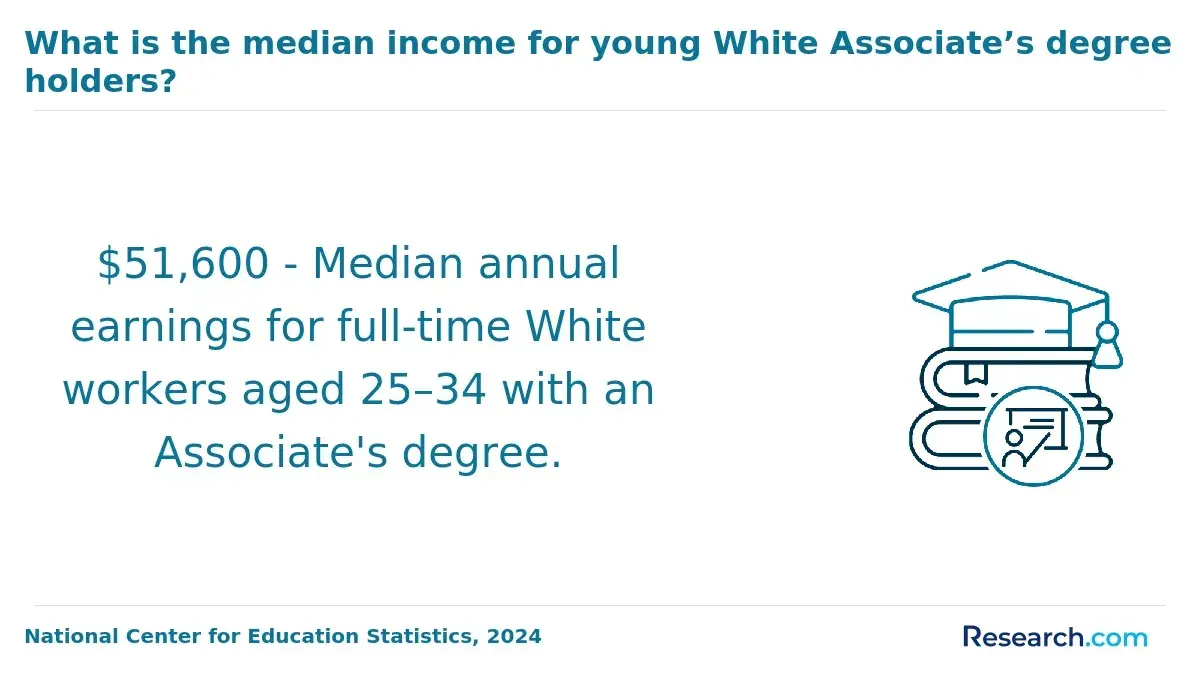
Contrary to a common assumption that all online degrees follow a rigid timeline, completing an online degree at the University of California, Berkeley varies significantly by level, enrollment status, and transfer credits. The university does not offer fully online associate degrees; these are typically earned through community colleges in about two years, with transfer credits playing a critical role in accelerating bachelor's completion.
For online bachelor's degrees, designed mainly as degree-completion pathways, full-time students with transferable credits usually finish within 2 to 3 years by taking 12 to 15 units per quarter, while part-time students may take 4 or more years. Master's programs offer flexible pacing: accelerated options like the Master of Information and Data Science allow one-year completion, whereas standard part-time programs extend to two years or more.
UC Berkeley's strict upper-division residence requirements mean transfer credits, while helpful, cannot dramatically shorten degree duration. Prospective students should plan early for credit evaluations, which impact online degree completion timelines and are crucial to understanding how long it takes to complete an online degree University of California, Berkeley offers.
Some online learners find that balancing work and study motivates them to choose flexible pacing. For example, one data science student transferred community college credits, enrolled part-time, and leveraged summer terms; she reflected, "Starting with 60 credits meant I wasn't starting from scratch, but I had to carefully plan around work and prerequisite courses. The option for multiple start dates helped, but delays in transfer credit approval added stress."
Her experience illustrates how transfer credits and enrollment choices shape real completion times in ways that straightforward timelines don't always capture. Navigating UC Berkeley's online degree pathways requires both strategic academic planning and responsiveness to transfer credit policies that directly affect pacing and graduation dates.
How Much Does an Online Degree at University of California, Berkeley Cost?
Online degrees at UC Berkeley closely mirror on-campus tuition models, charging per-credit-unit rates that reflect residency status rather than offering separate online tuition discounts. Undergraduate online courses generally cost about $500 per unit for California residents and $1,000 per unit for non-residents, leading to estimated total tuition between $60,000 and $120,000 for a full 120-unit bachelor's degree, though fully online bachelor's programs are rare.
Graduate online programs, such as the Master of Information and Data Science, typically charge around $1,125 per unit, totaling near $30,000 for 27 credits. Our research shows resident undergraduates face annual tuition near $14,850, while non-resident totals approach $45,282, including fees, underscoring significant cost differences tied to residency. Mandatory fees-ranging around $1,442 annually-add to tuition expenses but generally mirror on-campus charges.
This parity in cost structure highlights that online enrollment does not reduce tuition burdens, making residency status a key financial consideration for prospective online students at Berkeley.
Does University of California, Berkeley Offer Financial Aid for Online Students?
Financial aid options for University of California, Berkeley online students require careful navigation of federal, state, institutional, and employer-based resources to manage costs effectively. Based on our research, about 61% of students benefit from some form of financial aid, helping offset the $22,996 average tuition burden for online degree programs.
Federal aid eligibility hinges on FAFSA completion and program-specific rules, as federal grants like the Pell Grant may have limitations related to part-time or online enrollment status. California residents can access state aid like Cal Grants, though non-residents are often limited to federal or private scholarships. UC Berkeley's institutional scholarships include flexible awards for part-time and online learners, but may require specific enrollment statuses.
Employer tuition reimbursement is common among working professionals but depends on job stability and reimbursement policies. Understanding these trade-offs and meeting specific deadlines enhances affordability prospects for prospective enrollees seeking financial assistance for the University of California, Berkeley online student financial aid options.
A graduate recalled weighing UC Berkeley's complex financial aid landscape during her online master's. Approaching the FAFSA deadlines carefully, she combined a Pell Grant with a departmental scholarship aimed at adult learners. Since she worked full-time, she negotiated employer tuition reimbursement but prepared for the reimbursement lag by using savings strategically. She emphasized, "Balancing all the options wasn't straightforward.
The Cal Grant helped because I'm a California resident, but knowing which grants phased out with credit load required discipline. It took early planning to avoid surprises and make the aid work for my unique circumstances." This real-world experience illustrates that financial aid at Berkeley demands strategic coordination but can significantly reduce net costs for online students. She also explored resources tailored to online courses for stay at home moms to manage study-life balance alongside financial planning.
What Are the Admissions Requirements for University of California, Berkeley Online Programs?
Admissions to UC Berkeley's online degree programs balance high selectivity with accessibility tailored to diverse applicant profiles, especially working adults and transfer students. Our research shows that undergraduate online degree completion programs generally require a minimum GPA between 2.0 and 2.5, aligning with transfer standards but often expecting higher GPAs near 3.0 for competitive fields. Graduate programs demand stronger academic records, typically a minimum 3.0 GPA, with top departments seeking 3.5 or above.
Despite no centralized online acceptance rate, undergraduate admissions remain highly selective at about 11.5% overall, while graduate and professional online pathways display more moderate acceptance rates ranging from 10-50%, reflecting program-specific flexibility and workforce demand considerations.
Standardized testing is test-optional for undergraduates through 2025, reducing barriers related to SAT/ACT scores, while graduate requirements vary widely, with some programs waiving GRE or GMAT based on experience, enabling working professionals to apply more easily. Transfer students must typically have completed at least 60 semester units at accredited institutions, with credit evaluation emphasizing course relevance and accreditation to streamline degree progress.
In our analysis, the absence of open admission and the requirement of formal secondary school records, along with TOEFL scores for non-native speakers, exemplify Berkeley's commitment to upholding academic integrity alongside expanded access for qualified applicants.
Is University of California, Berkeley Accredited and Respected by Employers?
UC Berkeley's regional accreditation through WSCUC ensures its online degrees meet rigorous academic standards, supporting credit transfer and graduate admissions from accredited institutions. Specialized programmatic accreditations in business (AACSB), public health (CEPH), and social work (CSWE) enhance licensure eligibility and employer recognition in regulated fields. While online degrees face some lingering skepticism, employer attitudes increasingly favor credentials from prestigious, accredited universities like UC Berkeley, where reputation outweighs delivery format.
The university ranks consistently within the top 30 globally for academic influence and research output in the proprietary research.com database, reinforcing employer confidence. However, prospective students should consider state-specific licensure nuances, especially in nursing and education, as online options with full licensure remain limited. UC Berkeley's integration of online programs within a leading research university framework elevates its graduates' credibility compared to many online-only institutions but requires navigating complex professional requirements.
Institutional and Programmatic Accreditation
Regional accreditation certifies overall institutional quality, while specialized accreditations target professional standards critical for licensure and certification, boosting employability in sector-specific roles.
Employer Perceptions and Ranking Influence
The university's strong brand, elite faculty, and top-30 global academic standing enhance employer trust in online degrees, diminishing stigma associated with online formats, especially as employers increasingly value accredited online credentials.
What Support Services Does University of California, Berkeley Offer Online Students?
Contrary to assumptions that online learning limits student support, the University of California, Berkeley offers online students an integrated suite of academic and wellness services that mirror on-campus resources. In our analysis of the University of California, Berkeley online student support services, remote learners benefit from coordinated academic advising, tutoring across STEM and humanities, and specialized writing coaching designed to foster self-directed skill development.
Advising emphasizes degree planning and transfer-credit evaluation, helping reduce common online degree navigation challenges, though it requires students to proactively schedule virtual appointments amid other commitments. UC Berkeley also ensures robust career services through virtual resume reviews and digital career fairs, though spontaneous interaction with coaches is less frequent than on campus.
Technical support is notably accessible beyond standard hours, assisting with platforms like bCourses and Zoom, which caters well to a geographically dispersed student body. The university's library extends extensive digital collections and librarian consultations, crucial for rigorous research often required by graduate-level work. Among wellness resources, tele-health counseling and mindfulness programs address emotional well-being, a vital component for retention and persistence in online education.
Prospective learners balancing work and family should consider these features carefully, particularly the blend of structured support and expected student initiative. UC Berkeley represents a research-backed option as a not for profit online university with comprehensive online degree student resources that prioritize academic achievement and career readiness.
One graduate recalls managing a full-time job while completing a remote master's degree at UC Berkeley. She appreciated that her academic advisor helped tailor her course load to fit her schedule, clarifying transfer credits from previous study and preventing redundant coursework. "It wasn't just about getting advice; it was having someone who understood the juggling act," she said.
Though balancing tutoring appointments with irregular work hours posed challenges, the availability of evening sessions was a "game changer." Virtual career counseling steered her toward internships aligned with her goals, though she wished for more informal networking opportunities like those her on-campus peers experienced. Her experience underscores the practical trade-offs and benefits embedded in UC Berkeley's online support ecosystem in our research on California online degree student resources at UC Berkeley.
Is an Online Degree From University of California, Berkeley Worth It?
An online degree from the University of California, Berkeley offers competitive value, especially when balancing post-graduation earnings against tuition and debt. Our research shows early-career alumni salaries average about $92,446, nearly seven times the median debt of $13,000, indicating a strong earnings-to-debt ratio of approximately 7.11x. This suggests graduates can manage loan repayment effectively while building financial stability.
Furthermore, UC Berkeley online degrees maintain parity with on-campus curricula, enhancing employer recognition and career outcomes. Alumni in high-demand fields report salaries rising past $120,000 within ten years, aligning with practical workforce needs. For working adults and career changers, these outcomes reinforce the practical benefits of choosing a UC Berkeley online degree. Those prioritizing robust ROI may also explore good paying jobs for introverts that complement these educational paths.
What Graduates of University of California, Berkeley Online Programs Say
- Evelyn: "Balancing a full-time job with family obligations meant I had less than two hours a day to dedicate to my studies, so Berkeley's online program was a practical choice for me. I opted for it after realizing traditional grad school wasn't feasible given my schedule. While the curriculum strengthened my project management skills, I found that employers place significant value on hands-on experience, so landing an internship through the program was crucial for me to actually transition into a mid-level role."
- Jiho: "I decided to pivot from finance to data science but faced substantial resource constraints that ruled out in-person programs. Berkeley's online certificate offered the flexibility to learn on nights and weekends, though I quickly noticed that without a few high-impact projects in my portfolio, recruiters remained hesitant. My takeaway is that while the credential opened doors, building demonstrable work through freelance projects alongside the program was essential to secure the remote analyst position I now hold."
- Alexa: "Choosing Berkeley's online degree was largely motivated by the need to upskill without sacrificing my current job's income, but managing workload alongside work was tougher than expected. Although I gained advanced theoretical knowledge, some hiring managers still prioritized candidates with traditional licensure or more direct industry experience, which limited my upward mobility. Nonetheless, the program helped me solidify a role in user experience design and negotiate for remote work, which I value immensely."
Other Things You Should Know About University of California, Berkeley Degrees
UC Berkeley online degree programs typically offer extended admission windows, allowing students to apply at multiple points throughout the year. While this flexibility supports candidates balancing work or personal obligations, it can complicate academic planning since cohort start dates vary. Prospective students should prioritize programs with enrollment periods that align closely with their readiness and career timelines to avoid unnecessary delays or rushed preparation.
The workload for Berkeley's online degrees mirrors the rigor of on-campus programs, demanding significant time for readings, assignments, and collaboration. This level of intensity can strain students managing full-time jobs or caregiving duties. Those weighing enrollment should realistically assess their capacity for sustained focus and prioritize time management strategies or consider part-time options where available to balance academic demands with life obligations.
Admission to UC Berkeley's online degree programs in 2027 primarily requires a strong academic record, relevant test scores, and a compelling personal statement. It's crucial for prospective students to meet these criteria to enhance their candidacy and align with the program’s competitive nature.
Online programs at Berkeley provide less opportunity for spontaneous collaboration and in-person networking compared to on-campus alternatives, which can affect professional relationship-building. Students who place a high priority on immersive, face-to-face interaction might find the virtual format limiting. It's recommended to actively engage in online forums and seek external professional groups to supplement the relatively constrained peer interaction intrinsic to these programs.
References
- How to get into UC Berkeley: Admission Requirements 2023 https://www.collegeessayguy.com/blog/how-to-get-into-uc-berkeley
- University of California, Berkeley - Tuition and Fees | SoFi https://www.sofi.com/university-of-california-berkeley-tuition-and-fee/
- Does UC Berkeley offer financial aid to international students? https://www.sundialessayreview.com/questions/4809/does-uc-berkeley-offer-financial-aid-to-international-students
- Create Favorite https://berkeley.service-now.com/kb_view.do
- 10 Fun Facts about UC Berkeley | AdmitSee https://www.admitsee.com/blog/10-fun-facts-about-uc-berkeley
- Online College Degrees & Programs https://berkeleycollege.edu/online/index.html
- One Degree https://www.1degree.org/opp/get-financial-aid-to-attend-uc-university-of-california-berkeley-ca
- University of California—Berkeley (UCal Berkeley) https://www.princetonreview.com/college/university-california-berkeley-1023370
- UC Berkeley Tuition and Financial Aid https://www.prepscholar.com/sat/s/colleges/UC-Berkeley-tuition-financial-aid
- University of California, Berkeley Overview | CollegeData https://www.collegedata.com/college-search/University-of-California-Berkeley