2027 Is Purdue Global's Online BSN to MSN - Adult Gerontology Acute Care Nurse Practitioner Worth It? What Students Should Know

Co-Founder and Chief Data Scientist
Navigating the choice of an online BSN to MSN - Adult Gerontology Acute Care Nurse Practitioner program challenges nurses balancing career growth with demanding schedules. The Bureau of Labor Statistics projects rapid growth in nurse practitioner roles, highlighting the urgency to find programs that combine rigor with flexibility.
For students eyeing Purdue Global, it's crucial to assess how the program aligns with professional licensure requirements, clinical placement support, and the depth of adult-gerontology acute care content. This article examines these critical factors alongside employment outcomes and the online learning experience to help prospective students determine if Purdue Global's offering suits their goals and constraints.
Key Points About Purdue Global's Online BSN to MSN - Adult Gerontology Acute Care Nurse Practitioner Program
- Purdue Global's open admission policy for its BSN to MSN - Adult Gerontology Acute Care Nurse Practitioner program lowers entry barriers, but students must consider whether the $19,560 tuition balances with potential career outcomes.
- The program's $36,596 median alumni salary results in a 1.40x earnings to debt ratio, signaling modest financial returns that may affect long-term economic decisions for graduates.
- While employer recognition of Purdue Global's program is evolving, alumni gain practical skills through experienced faculty, which supports readiness for clinical roles despite ongoing reputation development.
What makes Purdue Global's online BSN to MSN - Adult Gerontology Acute Care Nurse Practitioner program stand out?
Choosing Purdue Global's online BSN to MSN - Adult Gerontology Acute Care Nurse Practitioner program involves weighing flexibility against the demands of rigorous clinical training. For working nurses, the program's fully online format allows study without career interruption, which is crucial when balancing shift work and family obligations. However, students must be self-directed to navigate a curriculum designed around adult and gerontology acute care, where paced learning and virtual simulations replace traditional clinical observation hours.
The program stands out for its scale and instructional resources, supported by 2,670 staff-including 711 full-time and 1,959 part-time faculty-which can translate into access to a wide range of expertise and individualized advising. With an enrollment of 44,421 students, Purdue Global leverages technology and institutional reach to provide a tailored yet scalable learning experience. This structure can benefit adult learners seeking clear progression milestones but may challenge those expecting frequent in-person mentorship.
Distinctively, the emphasis on evidence-based practice combined with a 48% graduation rate reflects both opportunities and hurdles. Graduates emerge equipped for acute care roles addressing complex patient populations, but prospective students should realistically assess their capacity to manage workload and self-motivation. This program suits nurses prioritizing flexible scheduling and comprehensive online resources to enhance clinical competence within acute adult and gerontology care contexts.
Is it difficult to get admitted to Purdue Global's online BSN to MSN - Adult Gerontology Acute Care Nurse Practitioner program?
Admission to most BSN to MSN - Adult Gerontology Acute Care Nurse Practitioner programs typically involves considerable competition due to limited clinical placements and rigorous prerequisites. Many programs require strong academic records, clinical experience, and standardized test scores, making the process challenging for working nurses balancing multiple commitments. This competitive environment can delay entry for qualified applicants who must navigate these barriers alongside professional responsibilities.
Purdue Global's online program adopts a markedly different approach by offering open admission without the need for SAT or ACT scores. This significantly lowers the traditional hurdles, broadening access for adult learners or those seeking a flexible pathway. While the streamlined admission process reduces entry difficulty, it does not diminish the program's clinical demands or educational rigor, which remain high due to the specialized nature of adult gerontology acute care. Consequently, the tradeoff lies in easier access offset by the requirement for self-discipline and readiness to meet advanced clinical competencies once admitted.
One graduate recounted deciding to apply after months of indecision about fitting program prerequisites into a hectic work schedule. The absence of standardized test requirements accelerated the initial application, but they found the subsequent clinical preparation intense. They noted, "I wasn't worried about getting in, but once I started, the clinical expectations demanded full focus.
The open admission was a relief, but it meant I had to be more proactive about managing my time and support network during the program." This experience underscores that while admission may be less daunting, succeeding requires substantial commitment beyond the application stage.
How does the curriculum of Purdue Global's online BSN to MSN - Adult Gerontology Acute Care Nurse Practitioner program stay aligned with current industry trends?
Purdue Global's BSN to MSN - Adult Gerontology Acute Care Nurse Practitioner curriculum addresses critical workforce needs but presents tradeoffs common to accelerated online nursing pathways. While the program covers essential clinical competencies, its alignment with current industry expectations hinges on balancing didactic content with sufficient practical exposure.
For example, acute care settings increasingly demand nurse practitioners who can navigate both complex diagnostics and emerging telehealth technologies, which makes program structure and clinical practicum intensity key factors for employer readiness. Below are primary aspects influencing how well Purdue Global's curriculum reflects adult gerontology acute care nurse practitioner current educational trends:
- Clinical Integration: The program includes a clinical practicum designed to provide hands-on experience managing chronic and acute conditions prevalent in geriatric populations. This practical immersion is crucial since theoretical knowledge without sufficient acute care exposure often limits new graduates' immediate employability in demanding healthcare environments.
- Curriculum Relevance: Core coursework emphasizes pathophysiology, pharmacology, and advanced health assessments targeting adult-gerontology populations. Such focus aligns with employer priorities to hire nurse practitioners proficient in evidence-based acute care and interdisciplinary collaboration.
- Emerging Technology Inclusion: Course content incorporates telehealth and patient-centered care models, reflecting industry shifts toward technology-enabled services. Keeping pace with these trends enhances adaptability but may not fully substitute for extended in-person clinical training sought by some healthcare systems.
The Purdue Global BSN to MSN curriculum industry alignment reflects a thoughtful response to evolving healthcare demands, yet students should weigh the balance of online learning with real-world clinical rigor when comparing programs. Those prioritizing swift entry into acute care roles may find this pathway compelling, especially when contextualized within broader offerings like the one year masters programs that stress condensed but intense preparation.
Ultimately, success in adult gerontology acute care roles depends heavily on how well graduates can translate academic knowledge into clinical proficiency, a challenge that this program addresses but does not fully mitigate.
How much does Purdue Global's online BSN to MSN - Adult Gerontology Acute Care Nurse Practitioner program cost?
Tuition for Purdue Global's online BSN to MSN - Adult Gerontology Acute Care Nurse Practitioner program stands at about $10,110 annually when excluding indirect costs like books, room, and board. This figure is significant since many online learners avoid housing expenses, making the program potentially more affordable than traditional on-campus equivalents. However, students should prepare for fluctuating costs related to course materials and supplies, which are billed separately and can impact overall affordability.
Financial aid plays a critical role in reducing net expenses for many students. Purdue Global's flat-rate tuition structure eliminates cost discrepancies between in-state and out-of-state students, simplifying budgeting. Furthermore, institutional aid and corporate tuition reimbursement partnerships are available, recognizing that roughly 80% of undergraduates utilize some form of financial assistance. This support can substantially lower effective costs, a vital consideration for working nurses balancing education with employment.
Compared with national averages for BSN to MSN - Adult Gerontology Acute Care Nurse Practitioner programs, Purdue Global's cost framework remains competitive, especially given the flexibility offered by an online format. Many competing programs impose higher tuition or additional fees for non-resident students, which Purdue Global's flat-rate structure avoids. This pricing strategy aligns with practical workforce demands as healthcare employers increasingly value credential completion without extended breaks in employment or relocation barriers.
Choosing this program requires weighing direct tuition costs against comprehensive educational expenses and available financial support. Students should also consider how program flexibility might influence their ability to maintain steady income streams during study.
For those exploring options and detailed cost implications, investigating online courses and financing pathways can offer additional clarity and cost-saving strategies when pursuing a BSN to MSN - Adult Gerontology Acute Care Nurse Practitioner degree.
What are the admission requirements for Purdue Global's online BSN to MSN - Adult Gerontology Acute Care Nurse Practitioner program?
Admission criteria for Purdue Global's online BSN to MSN - Adult Gerontology Acute Care Nurse Practitioner program prioritize accessibility over traditional academic gatekeeping, which can accelerate entry for professionals shifting specialties or returning to study after time away. Without requiring standardized test scores, the program lowers barriers commonly seen in similar advanced nursing tracks, but this flexibility comes with a need for applicants to carefully evaluate how their prior credits and experience align with program expectations to avoid extending time to completion.
Understanding these details upfront mitigates risks of unforeseen delays or redundant coursework. Below are key components of the admission process to consider:
- Open Admission Policy: The program does not demand minimum SAT or ACT scores, enabling a broader pool of applicants, including those without recent academic testing history, thereby easing entry for working nurses.
- Transfer Credits: Previous college-level coursework may be transferable, but limits apply and transferred classes must meet minimum grade standards. This affects how quickly a student progresses and can influence financial and time investment.
- Entrance Exams: Applicants are not required to submit GRE or other standardized test results, streamlining the application but shifting emphasis onto demonstrated professional readiness.
- Professional Resume: A clear documentation of clinical and work experience is essential, emphasizing practical competencies over academic metrics and reflecting workforce relevance.
- Supplementary Materials: Letters of recommendation and personal statements are optional, which reduces upfront application complexity but may limit opportunities to strengthen candidacy in competitive scenarios.
What is the ROI of attending Purdue Global's online BSN to MSN - Adult Gerontology Acute Care Nurse Practitioner program?
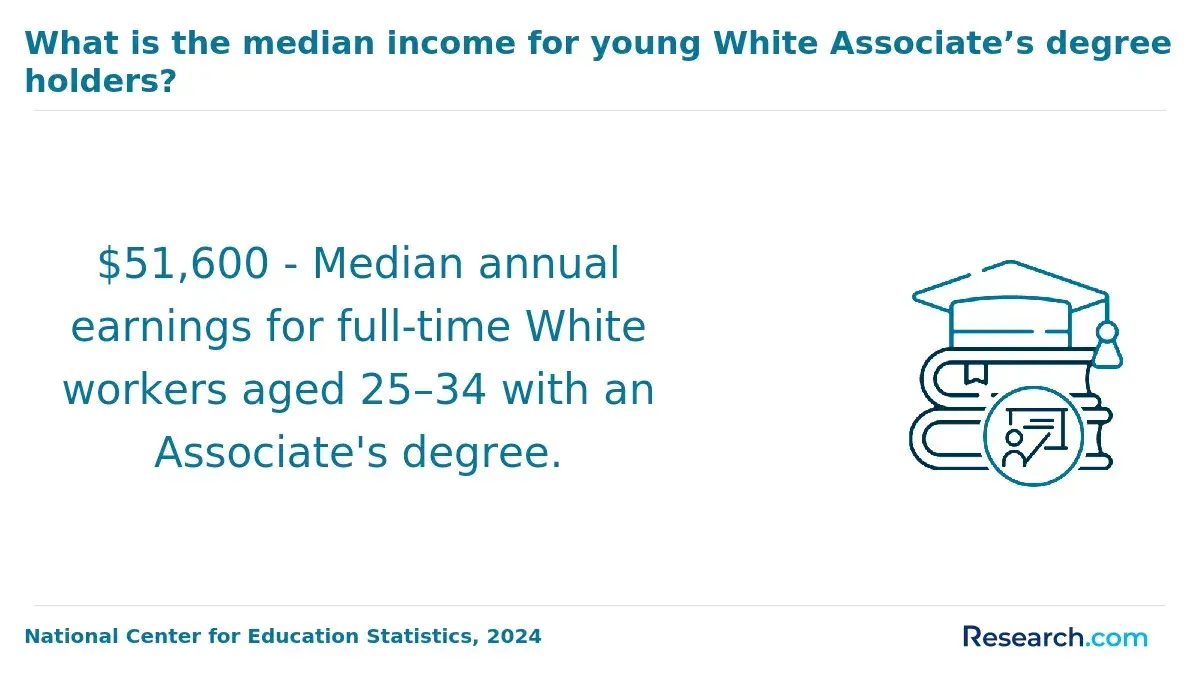
Analyzing the return on investment for Purdue Global's online BSN to MSN - Adult Gerontology Acute Care Nurse Practitioner program requires careful consideration of both costs and graduate earnings within the healthcare labor market. The total annual cost of attendance ranges from approximately $18,000 to nearly $20,000, while median starting salaries for alumni hover around $36,596.
This suggests that initial income may only moderately outpace program expenses, especially when factoring in the median student debt of $26,078, which exceeds one year's tuition costs.
In practical terms, this means graduates should anticipate a gradual financial payoff where steady salary growth over five to ten years becomes critical to improve their graduate earnings-to-debt ratio, currently estimated at 1.40x. Employers in hospital systems and government healthcare agencies typically value clinical experience alongside credentials, so early-career roles may not fully capitalize on degree-related earning potential.
Prospective students who can access scholarships or grants may markedly improve their net ROI, while those relying heavily on loans face added pressure to secure competitive positions that offer salary increases over time.
Deciding on this program must weigh these economic tradeoffs against local job market demand for nurse practitioners specializing in adult gerontology acute care. Given reporting that salaries tend to rise steadily with clinical expertise, individuals committed to long-term practice in high-need settings could see tangible benefits that justify the initial financial outlay.
Is there a high student satisfaction for Purdue Global's online BSN to MSN - Adult Gerontology Acute Care Nurse Practitioner program?
Student satisfaction with Purdue Global's online BSN to MSN - Adult Gerontology Acute Care Nurse Practitioner program tends to vary widely, reflecting the common tradeoffs inherent in primarily online healthcare education. While flexible scheduling suits those balancing work and family responsibilities, the limited direct interaction with faculty and peers can diminish the sense of community critical to many nursing students' engagement and motivation.
This gap in personal connection may affect both retention and overall satisfaction, especially in a demanding field where collaboration and mentorship often impact learning outcomes.
Purdue Global provides digital resources aimed at supporting remote learners, yet the absence of specific student organizations or structured mentoring for this niche program can leave some students feeling isolated. Navigating the rigorous curriculum alongside professional duties requires strong self-discipline. Students who thrive tend to be those who adapt well to independent study and remote communication methods.
The program's modest graduation rate further underscores challenges that prospective students should weigh, especially compared to more traditional or hybrid models offering richer interactive opportunities.
One graduate recalled, "I hesitated before enrolling because I worried about staying motivated without in-person support. It was tough juggling night shifts and coursework, but the flexibility was essential for me. The forums helped occasionally, but I often missed real-time feedback. Still, completing the program gave me a clear path to advance professionally, even if it wasn't the easiest route." This experience highlights how the program fits particular needs but demands personal resilience to fully benefit.
How does Purdue Global help online BSN to MSN - Adult Gerontology Acute Care Nurse Practitioner graduates secure employment?
Graduates of online BSN to MSN - Adult Gerontology Acute Care Nurse Practitioner programs face a competitive employment landscape where institutional support often shapes hiring outcomes. Schools with targeted career services significantly improve job placement rates by leveraging industry connections, mentorship networks, and specialized job portals. Purdue Global's approach aligns with evidence showing that 62% of new nurse practitioners secure their first positions through school-related networks or mentorship programs, underscoring the practical advantage of embedded employment support.
This support becomes a pivotal factor in navigating a crowded job market, particularly in specialized fields like adult gerontology acute care. Below are key ways Purdue Global facilitates employment for these graduates:
- Virtual Job Fairs: The program offers online events linking students directly with healthcare employers actively recruiting advanced practice nurses. These fairs enable early interaction with potential employers and can accelerate hiring before graduation.
- Alumni Mentorship: A robust alumni network pairs students with seasoned practitioners in adult gerontology acute care roles. Mentors provide career guidance, industry insights, and often referrals to open positions within their healthcare systems.
- Specialized Job Portal: Purdue Global maintains a dedicated platform for listings focused on acute and gerontological care, improving employment chances by filtering out unrelated nursing opportunities and targeting graduate specialties.
Such services illustrate how employment support for Purdue Global online BSN to MSN adult gerontology graduates translates into tangible career pathways. Those relying on broader, less specialized platforms may encounter longer job searches or less role alignment. For prospective students weighing educational investments, this layered assistance can be a critical consideration alongside program credentials and curriculum rigor.
Prospective applicants should also compare these supports with those found in other affordable online degree programs to gauge overall value and practical outcomes within adult gerontology acute care nursing.
What are the career outcomes for recent graduates of Purdue Global's online BSN to MSN - Adult Gerontology Acute Care Nurse Practitioner?
Career outcomes directly influence whether pursuing the online BSN to MSN - Adult Gerontology Acute Care Nurse Practitioner program at Purdue Global aligns with professional goals, especially given the specialized nature of adult gerontology acute care nurse practitioner job prospects in the US. Graduates typically step into roles demanding acute patient assessment and management of complex health issues among older adults, often within hospital or specialized clinic settings.
Understanding these workforce realities helps clarify the tradeoffs between advanced clinical responsibilities and entry-level nursing limitations. Below are typical positions reflecting employment and salary patterns associated with this concentration.
- Adult Gerontology Acute Care Nurse Practitioner: Professionals in this role manage critically ill older adults, performing acute assessments and coordinating complex care plans. Median salaries for these practitioners exceed general nursing averages, reflecting higher responsibility levels.
- Acute Care Nurse Practitioner: Focusing on severe and sudden health conditions, these nurses work in hospitals or specialty units, requiring advanced decision-making skills and offering competitive compensation compared to broader nursing roles.
- Long-Term Care Advanced Practitioner: These clinicians oversee ongoing management of chronic illnesses in long-term settings, balancing patient quality of life with medical interventions, often resulting in stable employment within aging care facilities.
Salary data linked to Purdue Global's program shows graduates earning near $68,216 on average, which notably surpasses fields like health services or allied health careers, averaging around $36,626. This gap underscores financial incentives for those choosing advanced practice nursing pathways. However, advancing into these roles demands readiness for heightened clinical acuity and interdisciplinary collaboration skills.
Students weighing these options may also consider programs labeled as self paced online college alternatives to balance learning flexibility with career requirements.
How do I know if Purdue Global's online BSN to MSN - Adult Gerontology Acute Care Nurse Practitioner program is the right fit for my goals?
Determining if Purdue Global's online BSN to MSN - Adult Gerontology Acute Care Nurse Practitioner program is the right fit for your goals requires weighing multiple factors tied closely to your academic and professional ambitions. The choice is rarely straightforward because the program's worth depends on how well it addresses your specific career pathway and readiness for roles in adult-gerontology acute care.
For example, a nurse aiming to work in a high-intensity hospital setting must prioritize clinical practicum depth and licensure preparation, while someone focused on flexible scheduling may value the online delivery model more. These considerations shape whether the program ultimately aligns with your interests and workforce goals. Here are key areas to evaluate:
- Curriculum Alignment: Confirm the coursework and clinical experiences directly support your intended scope of practice in adult-gerontology acute care, emphasizing specialized knowledge and skills vital for acute settings.
- Program Format and Flexibility: Assess how the fully online structure matches your learning style and time management capacity, particularly distinguishing between asynchronous and synchronous elements that impact your engagement and workload.
- Accreditation and Licensure Preparation: Verify that the program holds appropriate accreditation and adequately prepares you for state licensure and certification exams essential for practice in your chosen specialty.
- Support Services Availability: Consider the accessibility of advising, clinical placement assistance, and technology resources that influence your ability to navigate academic and clinical demands effectively.
- Program Outcome Metrics: Review graduation rates, employment statistics in acute care roles, and student satisfaction data to understand how the program stands relative to workforce expectations and peer institutions.
Reflecting on whether the Purdue Global online BSN to MSN adult gerontology acute care nurse practitioner program benefits your career path means prioritizing these factors in light of your goals. For those exploring further educational options, examining the easiest bachelor degree offerings may provide alternative perspectives on accessible healthcare pathways.
What Graduates Say About Purdue Global's Online BSN to MSN - Adult Gerontology Acute Care Nurse Practitioner Program
- Scarlett: "Completing the BSN to MSN - Adult Gerontology Acute Care Nurse Practitioner program at Purdue Global was demanding but it equipped me with a solid foundation in acute care. Navigating the job market, I learned that many employers highly value clinical experience and specialized certifications alongside licensure. Although the degree opened doors, I found success by focusing on building a robust portfolio and pursuing internships to stand out in competitive applicant pools."
- Cassidy: "Studying at Purdue Global gave me the flexibility to balance work and school, which was crucial since I was already working full time. Earning the BSN to MSN - Adult Gerontology Acute Care Nurse Practitioner credential helped me transition into positions with more autonomy, although I quickly realized that salary growth sometimes plateaus without additional certifications or doctoral-level education. Overall, the program helped me pivot toward roles with better remote work possibilities, fitting my lifestyle while expanding my clinical skills."
- Serenity: "My experience with the BSN to MSN - Adult Gerontology Acute Care Nurse Practitioner program at Purdue Global was very pragmatic. After graduation, I faced the reality that licensure alone wasn't enough to secure certain advanced practitioner roles; employers often wanted candidates with proven hands-on experience in acute care settings. This led me to focus on gaining that experience through residencies and networking in my local healthcare community. It wasn't a straightforward path, but the program gave me the credentials necessary to stay competitive and eventually advance."
Other Things You Should Know About Degrees
Although the coursework is delivered fully online, the program emphasizes case-based learning and simulation exercises to mimic acute care settings. However, this virtual exposure cannot fully replace hands-on experience, so students must seek supplementary real-world practice opportunities beyond the minimum clinical hours. For those with limited prior acute care experience, this gap may delay confidence in independent practice initially.
Purdue Global's online BSN to MSN program requires strong self-motivation since lectures, assignments, and exams are flexible but time-intensive. Students must juggle complex academic content with clinical hours and possibly ongoing employment. Those without disciplined scheduling skills or support systems may struggle to keep pace, making it advisable for candidates to evaluate their capacity for independent study before enrolling.
If financial aid or employer tuition reimbursement is minimal, prospective students should weigh the program's costs against potential salary gains and job prospects carefully. The program offers a pathway to an advanced nurse practitioner role with higher earning potential, but upfront expenses and time investment are considerable. Prioritizing employers with educational support may optimize return on investment and reduce financial strain during study.
References
- Top 40 Best MSN-AGNP Programs by Region for 2025 https://www.graduatenursingedu.org/top-40-best-msn-agnp-programs-by-region-for-2019-20/
- Top Online Adult-Gerontology NP Programs 2026: AGNP Rankings https://www.npschools.com/rankings/all-online-agnp-programs
- Sign In for Purdue Global https://purdueglobal.brightspace.com/
- How to Become a Community Health Nurse https://www.allnursingschools.com/specialties/adult-gerontology-nurse-practitioner/
- Adult-Gerontology Primary Care Nurse Practitioner https://nursinglicensemap.com/advanced-practice-nursing/nurse-practitioner/adult-anp/
- Global Student Satisfaction Awards 2025 https://studyportals.com/global-student-satisfaction-awards-past-winners/
- Purdue University Global https://www.onlinefnpprograms.com/school-profiles/purdue-university-global-online-np-programs/
- Adult gerontology acute care nurse practitioner (AGACNP) programs — NP Reasoning https://www.npreasoning.com/practice-management/family-nurse-practitioner-acute-care-gerontology
- Purdue University Global Online MSN Program Review https://betternurse.org/purdue-university-msn-program/
- Purdue Global Law School Career Services https://www.purduegloballawschool.edu/student-life/career-services