2027 Is Concordia University - St. Paul Good for Online Students? Programs, Flexibility, and Value

Co-Founder and Chief Data Scientist
Determining whether Concordia University - St. Paul provides a supportive and effective online learning environment presents a critical challenge for many prospective students balancing career, family, and education. With the National Center for Education Statistics reporting a continued annual increase in online enrollment by over 5% in 2024, understanding how Concordia University - St. Paul manages flexibility and program accessibility is essential. This growth reflects a broader shift toward remote learning driven by demand for adaptable schedules and career mobility. Evaluating available programs, tuition costs, and online student resources at Concordia University - St. Paul helps clarify its real-world value. This article examines these factors to guide informed enrollment decisions.
Key Points About Studying at Concordia University - St. Paul as an Online Student
- Tuition totaling $41,800 for an online degree at Concordia University - St. Paul indicates a significant financial commitment that should be weighed against post-graduation earning potential and debt impact.
- Included in tuition are virtual libraries, academic support, and scheduling flexibility, which underpin student retention but require proactive self-management to maximize value.
- A 59% graduation rate signals moderate student success, suggesting prospective students assess personal discipline and external obligations in the context of program demands.
What online degree programs are available at Concordia University - St. Paul?
Concordia University - St. Paul's online degree offerings reflect a practical alignment with workforce demands, targeting students who need flexible scheduling without compromising program relevance. A registered nurse balancing shifts might find the Bachelor of Science in Nursing (RN to BSN) particularly calibrated for continuous employment while upgrading credentials. These programs tend to be primarily asynchronous, accommodating diverse schedules yet occasionally incorporating synchronous sessions to enhance peer interaction and instructor feedback. Below are key online degrees available that illustrate this balance between accessibility and curriculum rigor.
- Bachelor of Science in Nursing (RN to BSN): Designed for working registered nurses, this program focuses on advancing clinical and leadership skills while providing mostly asynchronous coursework with some live sessions to foster collaboration and application of nursing practices.
- Bachelor's in Business Administration: This program covers foundational business disciplines and managerial concepts with coursework structured to fit professional schedules, emphasizing real-world case studies and strategic decision-making via flexible online modules.
- Bachelor's in Education (Licensure and Non-Licensure): Offering multiple tracks, including licensure pathways, it supports educators aiming to meet state requirements or broaden expertise, combining asynchronous lessons with occasional synchronous components to simulate classroom dynamics.
- Master of Business Administration (MBA): Targeting experienced professionals, this program integrates leadership, finance, and management training designed for online delivery with both individual and group assignments to mirror workplace collaboration.
- Master of Science in Nursing (MSN): Focused on advanced clinical practice and nursing leadership, the MSN program blends flexible online coursework with interactive sessions intended to advance evidence-based skills.
- Master's in Education: Graduate-level education degrees available in several specializations, these programs prepare educators for advanced roles with content tailored for online learning complemented by periodic live discussions.
- Online Certificate Programs: Complementing degree options, these shorter credentials offer targeted skill development relevant in various fields. For those weighing options, researching online certificate programs can supplement degrees effectively.
These offerings underscore Concordia University - St. Paul's approach to flexible online learning options, catering to both new students and working professionals who require modular access to coursework while maintaining real-world applicability. The variety of degree programs allows students to choose pathways that closely align with their career contexts and scheduling constraints, which is critical in fields like nursing and education where hands-on or state-specific credentialing often governs employability outcomes.
Are admissions for online degrees at Concordia University - St. Paul difficult?
Gaining admission to online degree programs at Concordia University - St. Paul is moderately accessible, with an acceptance rate of 75% reflecting a less selective approach compared to many institutions. This suggests that while the process is not highly competitive, applicants must still meet certain baseline criteria, distinguishing the university from fully open-admission models.
Concordia University - St. Paul requires applicants to have completed high school or earned a GED and expects secondary school GPA verification. Non-native English speakers must submit TOEFL scores, but standardized tests like the SAT or ACT are not mandatory, consistent with broader trends toward reducing reliance on such exams for online programs. Transfer students benefit from a relatively straightforward process, as the institution accepts various credit types including ACE, CLEP, and DSST exams, easing credit mobility.
This combination of moderate selectivity and flexible credit policies suits candidates who may not fit more restrictive admission profiles but still want recognized credentials. A recent graduate shared that while hesitant initially about meeting all requirements remotely, they found the process transparent and supportive, particularly appreciating clear guidance on credit transfers and no pressure to submit standardized test scores, which helped them enroll swiftly amid job obligations.
How flexible are the online degree programs are at Concordia University - St. Paul?
Concordia University - St. Paul structures its online degree programs to accommodate students juggling work, family, and education, which reflects in a blend of asynchronous and synchronous courses. The asynchronous format allows students to complete assignments on their own schedule, a significant advantage for working adults requiring flexibility. However, synchronous sessions facilitate real-time interaction that can enhance understanding and networking opportunities without demanding rigid attendance. Students should anticipate that certain programs-particularly in nursing and education-include hybrid elements such as clinicals or practicums. These on-site requirements, necessary to fulfill licensure or accreditation standards, are scheduled with consideration for student availability but reduce the fully online convenience.
The university operates on a structured academic calendar with multiple start dates throughout the year, increasing enrollment flexibility for students entering at different times. While these student-friendly online learning schedules at Concordia University - St. Paul provide notable adaptability, prospective students must weigh the tradeoffs between fully online coursework and occasional in-person commitments. Those seeking fully remote options but requiring hands-on experience may find challenges balancing these demands. For individuals exploring alternative paths, Concordia's offerings are part of a broader spectrum of 2 year bachelor degree programs that similarly mix convenience with essential practical components.
Is it expensive to attend an online program at Concordia University - St. Paul?
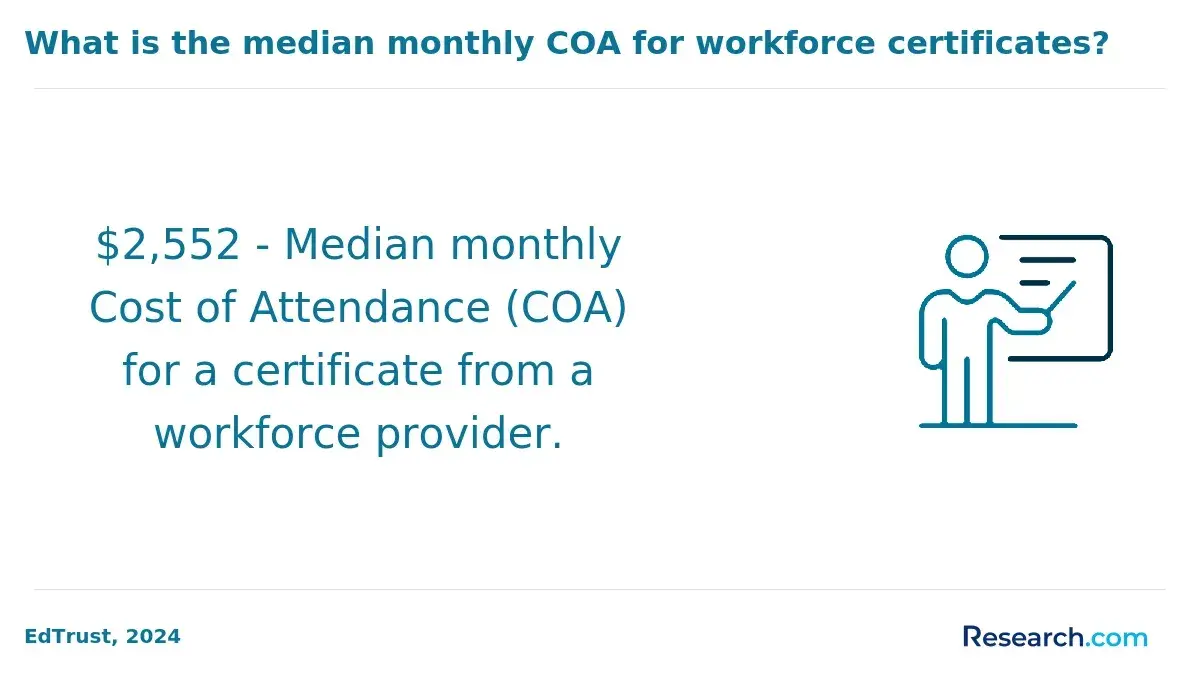
The average tuition for an online degree at Concordia University - St. Paul is approximately $25,000 annually, with total costs-including books, supplies, room, and board-reaching about $41,800. While modest differences appear in federal data showing a total in-state attendance cost near $34,495, the key expense drivers remain tuition and essential materials, aligning with typical private institution rates for online education.
Concordia University - St. Paul does not charge separate fees for online technology nor vary tuition by student location. This means learners often benefit from a flat-rate in-state tuition regardless of residence, making budgeting more predictable. However, students should consider that program-specific requirements may still impact personal expenses, especially for those needing additional supplies or resources beyond base tuition.
Financial aid markedly shifts affordability at Concordia University - St. Paul, with 99% of undergraduates receiving assistance averaging around $11,700. This level of aid can substantially lower net costs, which is essential when assessing affordable online degree options in Minnesota or comparing to broader national tuition trends.
Students weighing options can also explore 6-week online courses with certificates as flexible alternatives or supplements. These shorter programs can help manage educational expenses while maintaining career relevance in fast-evolving fields. The decision to invest in Concordia University - St. Paul's online offerings should factor in these cost dynamics along with program value and outcome expectations.
What resources are included in the tuition cost at Concordia University - St. Paul?
Access to comprehensive online learning resources is a critical factor influencing student success in virtual degree programs. For example, a student balancing full-time employment and coursework at Concordia University - St. Paul relies heavily on a stable technical infrastructure and academic support to meet deadlines and maintain academic progress without unnecessary barriers. Such integrated resources included in the tuition cost mitigate common pitfalls like technology disruptions or lack of personalized academic guidance, thereby supporting consistent engagement and completion rates. Below is an overview of key resources offered to online learners at Concordia University - St. Paul that reflect these institutional commitments.
- Dedicated Online Learning Platform: The university delivers a centralized digital environment where students can access course materials, submit assignments, and participate in discussions. This platform enhances flexibility by enabling asynchronous learning and ensures continuity in coursework access regardless of geographic location.
- Responsive Technical Support: Technical assistance is available to troubleshoot issues related to platform access, software compatibility, and connectivity. Prompt support reduces downtime and helps students maintain steady progress through their online curricula.
- Academic Advising Services: Personalized advising connects students with academic counselors who provide tailored guidance on course selection, degree planning, and addressing academic challenges. This personalized access helps learners avoid unnecessary course repetition and accelerates time to degree completion.
- Tutoring and Writing Assistance: Supplemental instruction and writing support services accessible through the student portal provide targeted help in overcoming subject-specific difficulties and improving academic writing skills, which can be particularly vital for students lacking prior college experience.
- Career and Networking Opportunities: Career services extend beyond academics, offering job placement support, internship connections, and counseling aligned with industry standards. Virtual networking events also facilitate real-world professional relationships, enhancing employability upon graduation.
Are the online degrees at Concordia University - St. Paul ideal for working professionals?
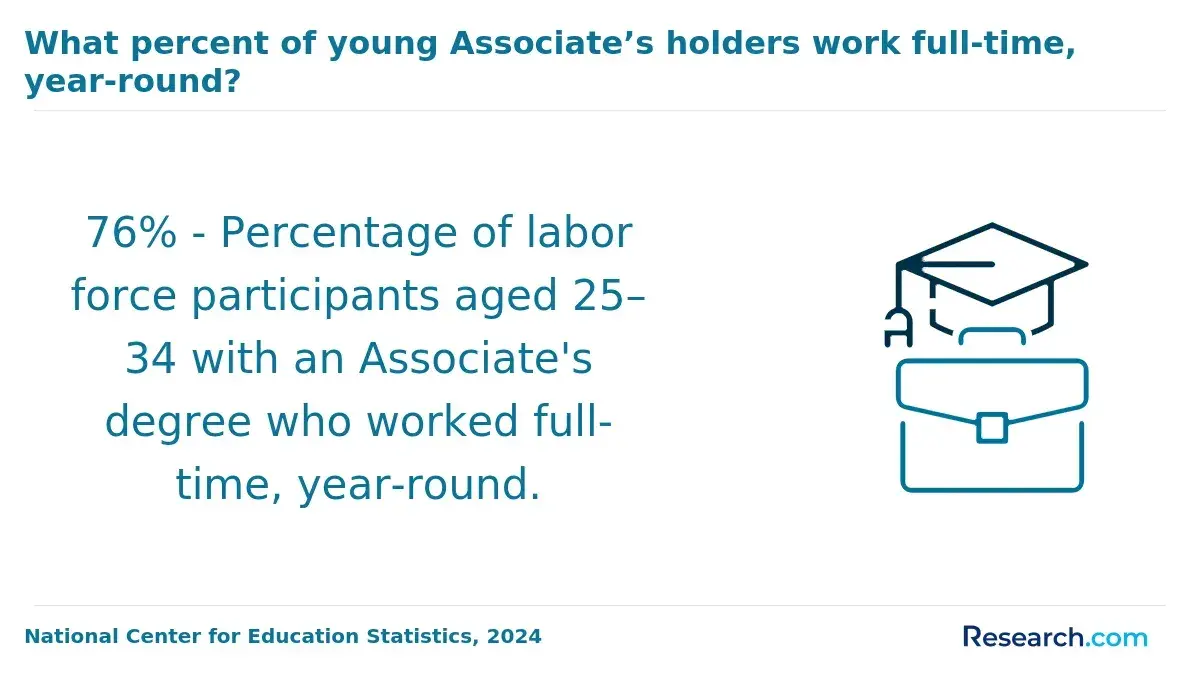
The online degrees for working professionals at Concordia University - St. Paul combine scheduling flexibility with curriculum designed to promote measurable career growth. For example, a mid-career healthcare administrator managing full-time work and family obligations can leverage asynchronous classes to progress steadily without compromising job responsibilities. The program's focus on applicable skills directly supports professional mobility and aligns with the expectations of employers seeking candidates who balance expertise with practical experience. This approach enables adult learners in St. Paul to integrate education seamlessly into complex daily routines while positioning themselves for leadership roles. Key structural features contribute significantly to this balance.
These aspects highlight why Concordia's flexible online programs for adult learners in St. Paul fit the needs of working students:
- Asynchronous Coursework: Allows students to complete assignments and access materials on their own schedule, minimizing conflicts with work hours and family commitments.
- Career-Relevant Curriculum: Programs emphasize real-world applications and leadership development, which many employers prioritize when considering internal promotions or hiring.
- Corporate Tuition Partnerships: Employer-aligned tuition assistance reduces financial barriers and reinforces the institution's value proposition for career-focused students.
- Undergraduate and Graduate Options: A range of degree levels and fields-including business, education, healthcare, and technology-permits learners to select programs matching specific professional goals.
- Program Pacing Flexibility: Students can choose accelerated or steady progression plans, accommodating different career stages and workloads.
- Integration of Workforce Needs: Curricula are structured to align with labor market demands, enhancing graduates' employability within evolving industries.
- Experienced Practitioner Faculty: Instruction often comes from professionals familiar with career challenges typical for working adults, adding relevant perspective and networking opportunities.
Those seeking models that lower application barriers may also explore online colleges with open enrollment and no application fee, which can complement or provide alternatives to Concordia University - St. Paul's offerings.
How big is the online student community at Concordia University - St. Paul?
The online student population at Concordia University - St. Paul is a substantial subset within its total enrollment of 5,854 students, reflecting a significant institutional focus on flexible, remote education. For instance, a working professional balancing family commitments can leverage these online offerings to pursue degrees without relocating or pausing their career. This level of scale indicates a well-established infrastructure that goes beyond merely hosting online courses.
Concordia University - St. Paul supplements its online academic programs with various honor societies and affinity groups designed specifically for remote learners. These groups are not just ceremonial; they serve as critical nodes for networking and academic collaboration, helping students access peer support that is often crucial for motivation and persistence in online environments.
Additionally, official social media groups and student-run forums form accessible platforms for interaction, enabling online students to exchange resources, clarify academic doubts, and build mentorship relationships. This digital ecosystem helps bridge the isolation common in online study, making the experience more interactive and supportive than many purely online-only programs.
While exact numbers for exclusively online enrollees are unavailable, the scale of total enrollment alongside these dedicated community structures suggests that Concordia offers a meaningful network effect. This can enhance student engagement and potentially improve outcomes by connecting learners to both academic and social resources crucial for sustaining progress through online degrees.
Is there high online student satisfaction at Concordia University - St. Paul?
Online students at Concordia University - St. Paul generally report a balance of strengths and challenges that shape their overall satisfaction. Many appreciate the flexibility of scheduling, which is critical for those juggling work and family responsibilities, allowing them to access coursework on their own terms. Faculty accessibility and responsiveness also rank highly, with students valuing instructors who provide timely support and practical insights applicable to real-world scenarios.
Despite these positives, some students encounter occasional technical issues with the learning platform, which can disrupt study flow and require additional troubleshooting time. Administrative delays in communication further complicate the experience, occasionally hindering quick resolution of academic or registration concerns. These hurdles, while frustrating, do not dominate student sentiment but suggest room for improvement in operational support.
For example, a working professional aiming to upskill while maintaining full-time employment may find the program's adaptability beneficial, yet might face setbacks if technical glitches delay assignment submissions or advisor responses. This dynamic underscores the importance of weighing platform reliability alongside flexibility when choosing an online program.
Overall, Concordia University - St. Paul's online offerings provide a supportive and practical learning environment favored by many, though not without occasional operational shortcomings. Students seeking a flexible education grounded in real-world relevance can expect a mostly positive, if sometimes imperfect, online experience.
What is the average salary for online degree graduates at Concordia University - St. Paul?
The average salary for online degree graduates from Concordia University - St. Paul reflects meaningful variation across fields, highlighting the importance of program choice when evaluating earnings after graduation from Concordia University - St. Paul online programs. For example, a nurse with a degree in Clinical Nursing typically enters the workforce with a median salary notably higher than graduates from social science fields, which affects long-term financial outcomes and return on investment. This disparity can guide prospective students weighing the cost and time commitment against expected employment sectors.
Fields tied to healthcare-such as Registered Nursing and Nursing Research-see median salaries around $69,374, driven by persistent demand and specialized skill requirements. Conversely, programs in Communication and Media Studies or Human Development yield median salaries closer to $30,561-$35,695, reflecting varying market saturation and employer valuation. Degrees in Computer and Information Technology Administration and Management or Business Administration also report competitive salaries in the $50,000-$57,000 range, positioning graduates for diverse roles beyond healthcare.
Many employers in healthcare, education, criminal justice, and corporate sectors value Concordia's practical curriculum and flexible delivery, which prepares students for real workplace conditions. This has implications for students targeting remote positions or nontraditional career paths, often seeking opportunities among degrees for work from home jobs. Such alignment enhances the operational relevance of these credentials and shapes realistic expectations of earnings and career advancement.
Does the ROI of an online degree from Concordia University - St. Paul justify the cost?
Investing in an online degree can require a significant financial commitment, but the long-term outcomes often determine whether that cost is prudent. At Concordia University - St. Paul, the total tuition for completing an online degree hovers around $41,800, which is a substantial amount yet typical for many private institutions offering flexible online study. Graduates tend to carry median debt just under $18,000, which indicates that many students either limit borrowing or receive some form of financial relief.
When weighing this debt against career earnings, the earnings-to-debt ratio of 3.36x provides a useful benchmark. This suggests that on average, alumni generate income surpassing three times their debt burden, implying a reasonable timeframe to recover the financial outlay. For instance, a working professional balancing family commitments might find the program's structure and tuition freeze helpful in managing expenses predictably, making the return on investment more tangible over a few years of post-graduation salary increments.
Examining loan default rates-the university reports relatively low figures-adds another layer of confidence that most graduates maintain stable employment and can meet loan obligations without undue hardship. The tuition guarantee policy further guards against unexpected increases during study, which is crucial for budget-conscious students who need upfront clarity on costs.
Although outcomes vary, this combination of manageable debt, reasonable recovery pace, and institutional safeguards suggests Concordia University - St. Paul's online degree can deliver favorable economic value for students who carefully navigate their financing and career trajectories.
One graduate, a single parent working full-time in healthcare, described initially hesitating due to tuition cost and balancing work-life demands. They shared that the fixed tuition rate allowed better financial planning, and the online format's flexibility made studying feasible alongside shifts. Within two years of graduation, they saw a noticeable salary increase that helped ease debt repayment concerns, concluding, "It wasn't easy juggling everything, but knowing the tuition wouldn't jump mid-stream and seeing my income rise made this degree worth the investment."
What Graduates Say About Concordia University - St. Paul's Online Degree Programs
- Ximena: "Studying online at Concordia University - St. Paul allowed me to balance full-time work and family commitments, which was crucial. When I entered the workforce with my degree, I noticed employers appreciated the practical skills I developed, though they emphasized my internship experience even more. Overall, the flexibility of the program helped me gain knowledge quickly, but I'm aware that without additional certifications, some advancement opportunities remain limited."
- Maryam: "My experience with the online program at Concordia University - St. Paul was both rigorous and eye-opening, especially in understanding how theoretical concepts apply in real workplace settings. After graduation, I faced the reality that my online degree opened doors, but building a strong portfolio and networking were equally important in securing remote work positions. I value the degree as a solid foundation, though I continue to pursue specialized training to stay competitive."
- Meera: "Choosing Concordia University - St. Paul's online degree was a strategic decision during my career pivot, aiming for a faster reentry into the workforce without pausing my income. The experience prepared me for practical challenges, but I quickly realized some employers prioritize direct experience over licensure or degree alone. Still, having the degree helped me move into a new field and negotiate better salary offers than I had previously."
Other Things You Should Know About Concordia University - St. Paul Degrees
In 2027, Concordia University - St. Paul provides robust access to faculty and academic support through various online platforms. Students can schedule virtual meetings, use digital office hours, and access around-the-clock academic resources, ensuring comprehensive support even in a fully online setting.
The coursework for online programs at Concordia University - St. Paul is designed with working adults in mind, but many students report a steady pace of assignments and deadlines that require consistent weekly commitment. Online students must be disciplined in managing time since the lack of in-person class meetings means falling behind can lead to rapidly accumulating pressure. Prioritizing a flexible schedule and strong organizational skills is critical to successfully balancing studies with work and personal responsibilities.
While Concordia University - St. Paul is regionally accredited and generally respected within Minnesota and the Midwest, employer recognition outside these areas can vary, especially in industries that emphasize traditional campus credentials. Prospective students targeting competitive national or international job markets should complement their degree with relevant experience or certifications. Emphasizing specific skills and practical knowledge from the program in resumes and interviews can improve employer perception of online degrees.
References
- Concordia University, St. Paul, in Partnership with Relearnit, Inc., Expands to Offer Online Sport Management Degrees through CSP Global - Relearnit https://relearnit.com/concordia-university-st-paul-in-partnership-with-relearnit-inc-expands-to-offer-online-sport-management-degrees-through-csp-global/
- Costs and Financial Aid https://www.concordiacollege.edu/admission/international-students/costs-and-financial-aid/
- Concordia University, St. Paul Creates Separate Division for Online Programs https://www.govtech.com/education/higher-ed/concordia-university-st-paul-creates-separate-division-for-online-programs
- Concordia University (St. Paul, MN) (CSP) https://www.princetonreview.com/college/concordia-university-st-paul--mn-1023059
- Concordia University St. Paul Tuition and Financial Aid https://www.prepscholar.com/sat/s/colleges/Concordia-University-St-Paul-tuition-financial-aid
- Concordia University, St. Paul, Introduces CSP Global, Sets Goal to Double Enrollment by 2030 https://www.prnewswire.com/news-releases/concordia-university-st-paul-introduces-csp-global-sets-goal-to-double-enrollment-by-2030-301717148.html
- Concordia University St. Paul Tuition | CollegeData https://www.collegedata.com/college-search/Concordia-University-St-Paul/money-matters
- Concordia University - St. Paul Reviews https://www.onlineu.com/online-reviews/concordia-university-saint-paul
- Concordia Salaries - Saint Paul Wages https://www.academicjobs.com/employers/concordia-college-st-paul/4287/salaries
- St. Paul’s Concordia University doubles enrollment in a decade https://www.startribune.com/st-pauls-concordia-university-bucks-trends-grows-to-become-second-largest-private-college-in-minnesota/601178700