2027 How Much Does It Cost to Study Online at The University of Texas at Arlington?

Co-Founder and Chief Data Scientist
Prospective students often wrestle with whether the cost of online programs at The University of Texas at Arlington aligns with the return on investment they expect. Tuition is just one factor, but understanding how it compares to other institutions and the broader affordability landscape is essential. Recent analysis shows that the average yearly tuition for online students nationally increased by 4%, reflecting shifts in education funding and delivery. This trend suggests that prospective enrollees must evaluate cost alongside program quality and career outcomes.
Applicants also face decisions about which programs provide meaningful skills that employers recognize. Choosing an online degree without clarity on admissions criteria and campus culture may lead to mismatched expectations or limited professional value. This article breaks down program options, tuition rates, enrollment requirements, and student experience at The University of Texas at Arlington to support informed decisions.
Key Points About the Cost of Studying Online at The University of Texas at Arlington
- The total cost of attendance at The University of Texas at Arlington, including tuition, fees, and other expenses, averages $25,265, reflecting the comprehensive financial commitment beyond tuition alone.
- Tuition costs $34,498, which incorporates extended online access and resource fees, requiring students to assess whether program benefits justify this level of investment.
- Students must balance tuition against expected career outcomes and employer preferences, ensuring program relevance and affordability align with their specific professional goals.
What is the total cost of earning an online degree at The University of Texas at Arlington?
The total cost of earning an online degree at The University of Texas at Arlington goes beyond the $34,498 tuition sticker price. For example, a working adult pursuing a business bachelor's degree must consider not only tuition but also approximately $1,000 for books and supplies and additional fees specific to distance learning technology. These supplemental costs, often overlooked, can shift budgets, especially for students balancing work and family commitments while aiming to avoid accruing excess debt.
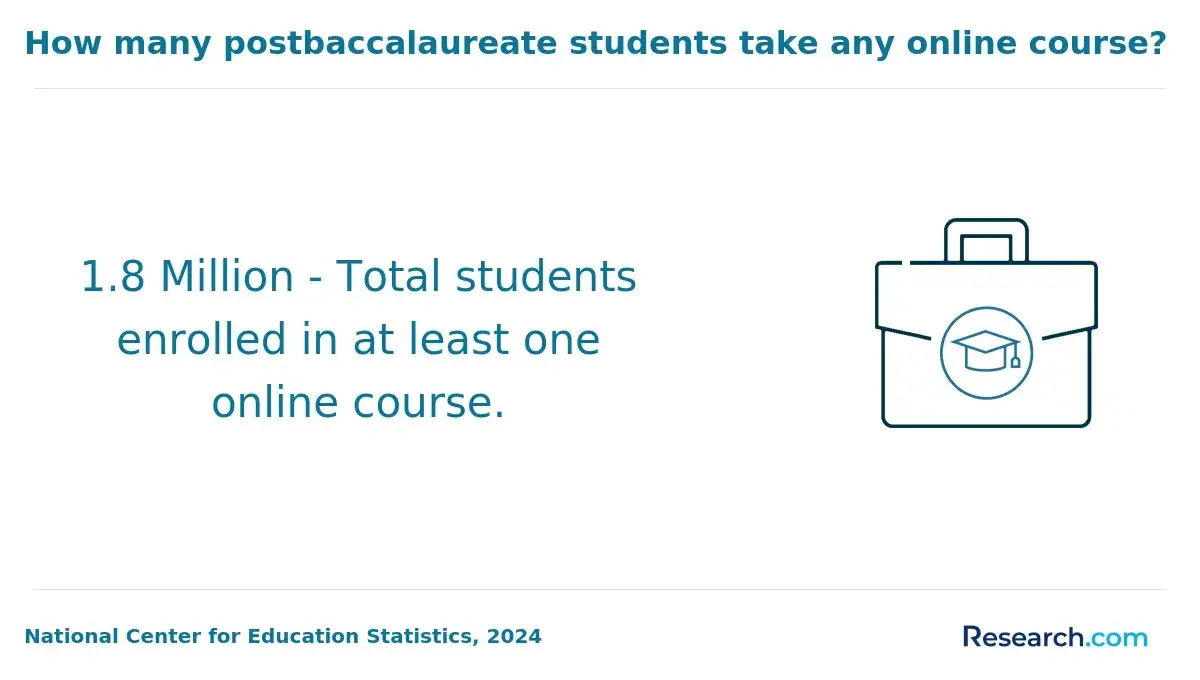
Tuition rates vary by program length and credit requirements, meaning the per-credit cost can accumulate differently depending on one's course of study. A recent study from the National Center for Education Statistics notes online tuition typically runs 10% to 15% lower than on-campus rates but flags mandatory distance learning fees that offset some savings. For students calculating affordability, this means the expected sticker price is a starting point, and realistic budgeting must factor in all fees, supplies, and living expenses, even if these can be lower for online learners.
Nearly 60% of online students nationwide receive financial aid, which can materially reduce net cost and make The University of Texas at Arlington's online programs more accessible. However, affordability is relative to future earning potential and employer expectations in each field. Careful evaluation requires comparing total investment with career outcomes, recognizing that while the upfront cost is sizable, strong program alignment with labor market demands can improve return on investment and justify the expenditure for many.
How do tuition rates vary across online programs at The University of Texas at Arlington?
Tuition rates at The University of Texas at Arlington vary notably across online programs, with STEM and professional fields often commanding the highest costs per credit. These programs reflect greater resource needs and specialized instruction compared to liberal arts or general education, which usually feature lower tuition rates. For example, an online engineering degree can cost significantly more per credit than a humanities program, leading to a higher overall expense for students pursuing technical careers.
Program length and credit requirements further influence total tuition. Some online bachelor's degrees may require around 120 credits for completion, while accelerated or graduate certificates demand fewer credits yet carry a higher per-credit fee. A 2024 National Center for Education Statistics study found that STEM online programs nationwide charge up to 25% higher tuition per credit than non-STEM fields, indicating that The University of Texas at Arlington's pricing is consistent with this national trend.
These cost structures highlight crucial tradeoffs for students considering online degrees. Investing in higher-priced programs may result in better labor market outcomes, but understanding each program's precise tuition cost is necessary for effective budgeting. Comparing tuition cost differences by online program at The University of Texas at Arlington enables students to weigh this financial investment against potential earnings.
Prospective students should analyze tuition alongside program outcomes and duration. This strategic approach helps identify affordable options that align with their goals and constraints. For those exploring various pathways, reviewing resources on easiest graduate degrees can provide additional insights into program demands and costs.
What additional fees increase the cost of studying online at The University of Texas at Arlington?
The additional online course fees at The University of Texas at Arlington significantly increase the total cost beyond tuition, shaping a more realistic financial outlook for prospective students. These costs reflect essential investments in course materials, technology, and administrative services that directly affect the learning experience and completion capabilities. The following outlines key categories of fees and expenses that students should anticipate when budgeting for an online degree.
These are the primary additional fees that influence the overall expense profile at The University of Texas at Arlington:
- Books and Supplies: Students typically spend about $1,000 on textbooks and course materials, which are often non-negotiable. Unlike traditional classes, online learners usually must purchase digital or physical copies themselves, adding a considerable upfront cost.
- Technology and Platform Fees: These fees support the online learning infrastructure, including access to learning management systems and video lectures. According to a 2024 study, such fees at UTA have increased by nearly 12%, reflecting more sophisticated and costly remote education technologies.
- Proctoring and Assessment Fees: Courses requiring secure exams impose charges for third-party software that monitors academic integrity. These fees vary by the complexity of the assessment but add another layer of cost for online students.
- Administrative or Enrollment Fees: These recurring semester fees cover registration processing, student services, and support resources like tutoring. They may be smaller than tuition but accumulate over multiple semesters.
- Lab and Specialized Software Fees: STEM and design programs often require approved software or virtual lab access. These mandatory fees can reach several hundred dollars per semester, influencing program affordability and completion.
- Internet and Hardware Costs: While not university-imposed charges, reliable internet service and suitable devices are non-negotiable for consistent attendance and active participation in online courses.
Consider a student enrolling in a STEM-focused online program who must pay for licensed software on top of tuition and standard fees. This combination can make choosing The University of Texas at Arlington substantially more costly than the sticker price suggests. For those evaluating affordable degree options with a shorter time frame, reviewing 1 year associate degree programs may help identify alternatives where these extra charges differ significantly.
Are online programs at The University of Texas at Arlington more affordable than campus-based programs?
Online tuition at The University of Texas at Arlington typically costs $270 per credit hour for Texas residents, with additional expenses largely limited to course materials and technology requirements. This contrasts with campus-based tuition around $227 per credit hour but comes with mandatory fees such as housing averaging $850 per semester, meal plans from $1,000 to $2,000 annually, and facility and parking fees near $300 per semester. For students prioritizing flexibility and lower living costs, online programs can represent significant savings despite the higher per-credit tuition.
The overall cost of attendance depends on program length and delivery format. Online programs sometimes extend beyond traditional timelines, which can affect cumulative tuition but allow students to balance work and study more effectively. Certain degrees may require occasional campus visits or lab sessions, increasing costs. Evaluating program-specific requirements helps clarify the true expenses beyond base tuition.
Comparing online and on-campus costs at The University of Texas at Arlington reveals important tradeoffs. On-campus students often face higher living and ancillary fees that push total expenses beyond their lower per-credit tuition. Conversely, online students avoid these fees but may pay more per credit. A 2024 study by the National Center for Education Statistics found online students save 20% to 25% in total attendance costs compared to on-campus peers. This difference highlights the financial benefit of reduced living and campus fees over nominal tuition disparities.
For a working professional considering an online degree, avoiding housing and meal plan costs can free up finances for other investments. However, on-campus enrollment might be worth the premium for those valuing networking and in-person resources. Understanding these financial and practical implications is key when weighing the cost comparison of online and on-campus tuition at The University of Texas at Arlington. This nuanced view helps prospective students align affordability with academic and career objectives, whether through online convenience or the immersive campus experience found at most affordable online colleges.
How do financial aid and scholarships affect the cost of an online degree at The University of Texas at Arlington?
Financial aid and scholarships substantially lower the net cost of obtaining an online degree at The University of Texas at Arlington by reducing the burden of sticker tuition. With 91% of undergraduates receiving financial aid and an average award of $8,427, these resources directly decrease out-of-pocket expenses, which is essential given the median debt load of $17,527 at graduation. For many students balancing work and family commitments, this financial support can be the difference between enrolling in a degree program and deferring education. For example, a working parent pursuing a Bachelor's degree online may offset childcare and technology costs through targeted aid, making sustained enrollment feasible.
The growth of employer tuition assistance programs also plays a role. A 2024 trend highlights increased employer engagement in funding online degrees, which further reduces net costs, especially in fields like nursing or business where demand is high. However, students should carefully evaluate these options since institutional aid might not cover indirect expenses such as software or hardware updates.
Key financial aid and scholarship opportunities at The University of Texas at Arlington include:
- Institutional Merit Scholarships: Awarded based on academic achievement, these scholarships reduce tuition costs for high-performing students. Applicants must submit transcripts and meet GPA thresholds to qualify, making it easier to lower the total cost of attendance.
- Online-Specific Scholarships: Although limited, these scholarships are tailored to online learners. Eligibility often depends on program enrollment and may require periodic applications, helping to offset indirect expenses exclusive to remote study.
- Departmental Grants: Certain academic departments offer grants to online students with demonstrated financial need or academic promise. These can be applied toward tuition or course materials, lessening overall costs.
- Federal Pell Grants: Need-based federal aid available to qualifying undergraduates. This grant does not need repayment and is applied automatically after FAFSA submission, directly cutting the net price.
- Employer Tuition Assistance: Many employers now provide partial or full tuition reimbursement for approved online degree programs. Students typically must maintain employment and meet program progress standards to benefit, easing debt accumulation.
- Veterans Education Benefits: Veterans and their dependents may use GI Bill benefits to cover full or partial tuition costs. This support substantially lowers expenses for eligible online students with military backgrounds.
- Technology Fee Waivers: Available for students facing financial hardship, these waivers reduce the supplemental fees associated with online learning platforms and course materials, which often add to total expenses.
One graduate recalled that navigating the financial aid process was initially overwhelming but crucial to managing costs. "Without the Institutional Merit Scholarship, I wouldn't have been able to afford the tuition on top of my work and family bills," she said. "Applying early for employer tuition assistance took some negotiation, but once approved, it made the difference between taking a break or finishing my degree on time." Her experience underscores how combining multiple aid sources can make the overall investment more manageable and align with long-term career goals.
How does enrollment status affect online degree costs at The University of Texas at Arlington?
Enrollment status significantly impacts online degree costs at The University of Texas at Arlington. Full-time students pay a flat tuition fee of $11,728 per semester, providing cost predictability and value for a higher credit load. Part-time students, however, pay per credit, which can cause expenses to fluctuate with course load changes. Accelerated enrollment may save time, but the per-credit or flat-rate tuition continues to influence total costs and pacing. For example, part-time learners balancing work might face longer time to degree and increased cumulative expenses despite paying less per semester.
Tuition differences by enrollment status for online students at The University of Texas at Arlington also include technology fees charged per semester. This fixed fee is more efficient for full-time students, lowering their effective cost per credit compared to part-timers. According to a 2024 analysis by the National Center for Education Statistics, increasing enrollment of part-time students creates demand for flexible, per-credit pricing. This trend impacts total education costs and the financial planning of students choosing to enroll part-time versus full-time.
Financial aid eligibility generally spans full and part-time students, with 91% of students receiving some aid at The University of Texas at Arlington. However, scholarships, employer tuition assistance, and other funding opportunities often favor full-time enrollment or accelerated paths, adding complexity to decisions about enrollment status. Prospective students must weigh these factors alongside tuition structures to optimize aid usage.
Students deciding on enrollment paths at The University of Texas at Arlington should balance affordability and academic progress against long-term goals. Evaluating the full cost of attendance, which totals $25,265 including fees and materials, helps set realistic expectations. Researching online colleges no application fee may also uncover cost-saving avenues during the application process, supporting more budget-conscious choices in pursuing an online degree.
How much student debt do online graduates from The University of Texas at Arlington typically accumulate?
Online graduates from The University of Texas at Arlington typically accumulate a median student debt of $17,527, placing their borrowing in a moderate range relative to national averages. This amount reflects a balance between manageable loan reliance and necessary investment in education. Borrowing levels are influenced by factors such as program length, availability of employer tuition assistance, and the student's use of scholarships or savings. Approximately 30% to 40% of online students nationally complete degrees without debt, suggesting a similar portion of UTA's online learners may avoid loans altogether by leveraging external funding or working while studying.
Graduates tend to evaluate this level of debt by considering earnings relative to what they owe. With an average earnings-to-debt ratio of 3.61x, most UTA online graduates earn about three and a half times their debt annually, which generally indicates a reasonable repayment burden. This ratio aligns with studies showing that 60% of online degree holders nationwide enter employment within six months of graduation, facilitating timely loan repayment and reducing default risk. Such outcomes are critical in determining whether the debt incurred translates into sufficient financial return given career goals and labor market conditions.
One recent national study highlighted that online graduates often have comparable or better early career employment rates than on-campus students, emphasizing practical value in online degrees. This trend matters because it supports quicker income growth after graduation, allowing students to manage or pay down loans more efficiently. For prospective online students at The University of Texas at Arlington, this means that borrowing moderately can be justified if aligned with realistic job prospects and steady employment.
One online graduate from The University of Texas at Arlington recalls hesitating before taking loans but ultimately borrowing close to the median amount to complete a business degree. "I was worried about debt, but my employer offered some tuition assistance which helped reduce the total," she said. "Starting a new career meant accepting some loan payments, but landing a job within months made the debt feel manageable rather than overwhelming." This experience captures the practical tradeoffs many face when balancing education costs and early career earning potential while pursuing degrees fully online.
Which online programs at The University of Texas at Arlington offer the strongest return on investment?
Strong return on investment typically comes from The University of Texas at Arlington online degree programs that align closely with high-demand job markets and deliver competitive salaries. For example, graduates in STEM fields often find employer demand keeps salaries robust, while nursing programs benefit from persistent healthcare staffing needs. Students pursuing these fields generally achieve an earnings-to-debt ratio around 3.61x, a significant indicator of cost-effectiveness. Below are some of the best online degree programs at The University of Texas at Arlington for ROI and how they offer value in practical terms.
- Computer Science: Graduates report an average salary around $71,876, reflecting strong employer demand in the tech industry. The program's alignment with evolving technology trends supports consistent job opportunities and salary growth.
- Computer Engineering: Offering median salaries near $71,966, this program benefits from integration with North Texas tech firms and corporations seeking hardware and software specialists.
- Registered Nursing: With average starting pay of $72,026, nursing graduates access a healthcare sector facing ongoing demand and regional growth. This program provides stable employment even amid economic fluctuations.
- Civil Engineering: Salaries typically reach $63,279, driven by infrastructure and construction projects in the region. Graduates gain access to both public and private sector roles with steady advancement potential.
- Electrical Engineering: Offering an average salary around $66,301, this program addresses needs in energy, telecommunications, and manufacturing industries.
- Mechanical Engineering: Graduates earn salaries near $64,000, supported by regional manufacturing and automotive markets requiring technical expertise.
- Accounting: With starting salaries around $49,770, accounting provides moderate returns linked to economic cycles but remains a foundational business skill with varied career pathways.
Analyzing these fields shows that high return on investment online courses at The University of Texas at Arlington are often those closely tied to employer demand and sector growth. Prospective students should also consider program costs relative to expected salaries when planning enrollment. For those exploring options, The University of Texas at Arlington offers a range of online colleges starting soon, providing flexible entry points to these top ROI programs.
How do career outcomes influence the cost-benefit equation of an online degree at The University of Texas at Arlington?
Student debt outcomes for online graduates from The University of Texas at Arlington reflect a critical balance between tuition costs and the realistic employment prospects tied to each program. With total program expenses remaining moderate compared to peer institutions, students weigh these costs against median salaries near $63,199 and employment rates ranging from 78% to 82% within a year post-graduation. This ratio signals that many graduates can manage their debt relative to their new income, but the burden varies widely depending on career placement and timing of job acquisition.
Program selection strongly influences long-term earnings and debt repayment capability. STEM and business graduates generally experience faster salary growth and greater alignment with high-demand industries, enhancing return on investment. By contrast, online degrees in lower-paying fields may delay financial recovery despite similar tuition, increasing the risk of prolonged debt. Skills acquired beyond the degree, such as technical certifications or practical experience, further tilt this balance by boosting market competitiveness and accelerating post-graduation income.
Real-world scenarios demonstrate the complexity of evaluating debt. For example, a graduate who secures full-time employment in a STEM role within six months can often manage moderate debt without extending loan terms. Conversely, graduates entering industries with slower entry-level wage growth or delayed hiring may face tougher decisions about taking on additional debt or seeking alternative credentialing paths. The interplay between starting salary, industry hiring trends, and debt size fundamentally shapes whether the online degree provides a net financial benefit over time.
Comparisons with other education routes matter substantially in student decision-making. Some prospective students weigh The University of Texas at Arlington's online tuition against community college certificates or in-person programs with larger upfront costs but faster re-employment prospects. The online degree's flexible access is attractive, but only when career outcomes justify the investment relative to alternatives. Assessing the probable return requires examining industry-specific demand, typical salary trajectories for graduates, and personal capacity to absorb debt in the context of shifting labor markets.
How can students reduce the cost of an online degree at The University of Texas at Arlington without sacrificing quality?
Graduates from online programs at The University of Texas at Arlington generally accumulate moderate student debt when compared to national averages, largely because many students intentionally balance enrollment intensity and utilize financial supports that align with long-term career goals. One practical example involves a working professional who transfers 30% of their credits from a community college to reduce tuition costs by nearly 20%, then leverages employer tuition reimbursement to cover close to half of remaining expenses.
This approach minimizes out-of-pocket borrowing and accelerates graduation timelines, which is critical to limiting debt accumulation. To replicate similar debt-reduction outcomes, students can adopt the following cost-saving strategies without diminishing the rigor or quality of their degree.
- Maximize Transfer Credits: Applying previously earned credits from accredited institutions can cut tuition fees by 20-25%, according to analyses from the National Center for Education Statistics. This saves money while allowing students to focus on advanced coursework that directly contributes to their majors.
- Apply Early for Scholarships: Competitive scholarships at The University of Texas at Arlington reward early applicants who demonstrate academic merit or financial need. Securing these awards lowers loan dependency without compromising curricular demands or graduation requirements.
- Utilize Employer Tuition Reimbursement: Many employers cover a substantial portion of tuition if students navigate their benefits effectively. Aligning course schedules with work commitments ensures educational progress while reducing personal debt burdens.
- Adopt Open Educational Resources: Replacing costly textbooks with digital rentals or open-access materials helps contain ancillary costs. These alternatives maintain content quality and accessibility essential for successful course completion.
- Leverage Competency-Based Learning Models: Programs that allow demonstration of skills for credit enable students to complete degrees faster if they possess relevant experience. Evidence shows competency pathways can shorten total time enrolled and reduce overall tuition expenses.
- Balance Part-Time Enrollment Strategically: Enrolling part-time extends graduation timelines but reduces immediate financial strain and supports better work-study-life balance. Graduates often report lower cumulative debt through measured pacing without losing academic momentum.
- Plan Course Loads Around Graduation Goals: Scheduling courses to fulfill major requirements efficiently avoids excess credits that inflate costs. Careful planning ensures steady progress, preserving both academic standards and financial feasibility.
What Graduates Say About the Cost of Studying Online at The University of Texas at Arlington
- Zoey: "When I started my online degree at The University of Texas at Arlington, I carefully weighed the tuition costs against my full-time job commitments. The fees were reasonable compared to similar programs, and the possibility of financial aid made the investment manageable without incurring significant debt. Completing the program online allowed me to transition smoothly into a management role, and I appreciate how the overall affordability let me balance career growth with financial stability."
- Daisy: "Choosing The University of Texas at Arlington's online program was a strategic decision shaped by budget constraints and the availability of employer tuition assistance. While tuition and fees weren't the cheapest I'd researched, the program's flexibility justified the cost, especially since I could apply scholarships. My degree notably enhanced my credentials in the job market, though I remained cautious about potential student debt and evaluated ROI carefully before enrolling."
- Delilah: "My experience with The University of Texas at Arlington's online degree was defined by a pragmatic approach to expenses: I prioritized a program that balanced moderate tuition with solid financial aid options. This approach meant taking a bit longer to finish while avoiding high loans. The degree opened doors in my field, and the cost-conscious enrollment strategy helped me enter the workforce without the pressure of significant financial burdens."
Other Things You Should Know About The University of Texas at Arlington Degrees
The University of Texas at Arlington expects online students to have reliable internet access and a computer capable of running necessary software, which may add to upfront expenses. Certain programs require specialized software or hardware, which can significantly increase costs if not already owned. Prospective students should assess these technology needs carefully, as acquiring or upgrading equipment affects the actual cost of study beyond tuition and fees.
Transfer credits are accepted on a course-by-course basis, but not all credits may apply toward degree requirements, potentially lengthening the program and increasing costs. Students often underestimate how partial credit acceptance can lead to retaking classes, which raises both time and financial commitments. Prioritizing a thorough credit evaluation before enrollment helps minimize unexpected expenses and accelerates completion.
In 2027, the estimated tuition for online undergraduate courses at The University of Texas at Arlington is approximately $11,728 per year for in-state students and about $28,444 for out-of-state students. Graduate programs may vary, so it's essential to verify specific program costs.
The flexibility of asynchronous courses allows students to balance work or family responsibilities but often requires strong time management skills to avoid prolonging the degree timeline. Extended enrollment increases cumulative fees and delays earning potential tied to graduation. Prospective students should weigh the lower per-semester cost against the risk of slower progression, which can inflate total expenses and affect career momentum.
References
- University of Texas - Arlington: Fees, Reviews, Rankings, Courses & Contact info https://www.hotcoursesabroad.com/study/us-usa/school-college-university/university-of-texas-arlington/73020/international.html
- UTA announces degree program cuts, consolidations | Fort Worth Report https://fortworthreport.org/2026/05/11/uta-announces-degree-program-cuts-consolidations/
- Average Student Loan Debt [2025]: by Year, Age & More https://educationdata.org/average-student-loan-debt
- Does College Pay Off? A Comprehensive Return On Investment Analysis - FREOPP https://freopp.org/whitepapers/does-college-pay-off-a-comprehensive-return-on-investment-analysis/
- Sign the Petition https://www.change.org/p/the-university-of-texas-at-arlington-officials-lower-tuition-cost-for-uta-summer-2020-due-to-covid-19-causing-classes-to-go-online
- Anyone know how much the tuition is at UTA? https://discussions.gyandhan.com/t/anyone-know-how-much-the-tuition-is-at-uta/16712
- Starting Salaries After Pursuing MS in University of Texas at Arlington (CS, MIS, Business Analytics, MBA) - Hellouni Blogs https://www.hellouni.org/blogs/study-abroad/starting-salaries-after-pursuing-ms-in-university-of-texas-at-arlington-cs-mis-business-analytics-mba/
- UT Arlington Tuition and Financial Aid https://www.prepscholar.com/sat/s/colleges/UT-Arlington-tuition-financial-aid
- Client Challenge https://www.dallasnews.com/news/education/article/ut-arlington-cut-consolidate-academic-programs-22249052.php