2027 Public Safety Degree Popularity by Gender, Region, and Degree Level

Co-Founder and Chief Data Scientist
A prospective public safety student examining enrollment data for 2024 notices stark differences: some states report a 30% surge in female enrollment, while others remain predominantly male. Such gender imbalances shape peer interactions and influence perceptions of inclusivity. Regional disparities, driven by localized workforce demand and funding priorities, create uneven access to quality programs.
Additionally, the choice between associate, bachelor's, or graduate degrees carries implications for career flexibility and advancement. These variations complicate how students and professionals interpret the practical value of a public safety degree amid shifting labor market needs. This article analyzes public safety degree popularity by gender, region, and degree level to guide informed education and career decisions.
Key Things to Know About Public Safety Degree Popularity by Gender, Region, and Degree Level
- Female enrollment in public safety programs rose to 38% in 2024, reflecting shifting workplace norms but creating a tradeoff as some employers remain unprepared for increased gender diversity.
- Southern U.S. states show 22% higher public safety degree attainment than the national average, underscoring regional demand variations tied to distinct local workforce needs and policy environments.
- Associate degrees dominate entry-level public safety education, yet students face cost and timing challenges that often delay progression to bachelor's-level qualifications, limiting mid-to-long-term career advancement.
- Key Things to Know About Public Safety Degree Popularity by Gender, Region, and Degree Level Key Things to Know About Public Safety Degree Popularity by Gender, Region, and Degree Level
- How Does Job Market Demand Influence Public Safety Degree Popularity? Market Demand and Degree Popularity
- How Does Online Public Safety Degree Enrollment Compare to Traditional Campus Programs? Online vs. Campus Enrollment
- What Degree Level Is Most Common Among Public Safety Students? Most Common Degree Levels
- How Do Enrollment Trends Differ Between Associate, Bachelor's, Master's, and Doctoral Public Safety Degrees? Enrollment Trends by Degree Level
- How Popular Is the Public Safety Degree Compared to Other College Majors? Degree Popularity vs. Other Majors
- Why Is the Public Safety Degree More Popular in Certain States and Regions? Regional Popularity Drivers
- What Demographic Groups Are Driving Growth in Public Safety Degree Programs? Growth by Demographic Groups
- What Is the Future Outlook for Public Safety Degree Enrollment by Gender, Region, and Degree Level? What Is the Future Outlook for Public Safety Degree Enrollment by Gender, Region, and Degree Level?
- How Have Public Safety Degree Enrollment Trends Changed Over the Past Decade? How Have Public Safety Degree Enrollment Trends Changed Over the Past Decade?
- Where Is the Public Safety Degree Most Popular Across the United States? Geographic Popularity Analysis
How Does Job Market Demand Influence Public Safety Degree Popularity?
Employer demand in protective services consistently shapes enrollment patterns in public safety degree programs, but this relationship is nuanced by regional and occupational factors. For instance, states with higher crime rates and increased funding for emergency responders often see elevated enrollment, reflecting local labor market priorities rather than national averages. This regional labor market trend affecting public safety degree enrollment indicates that urban centers with dense policing and emergency management infrastructures may foster greater demand for bachelor's degrees and advanced credentials, while rural areas might lean more heavily on associate degrees or certifications aligned with entry-level roles.
Gender participation in these programs is increasingly influenced by shifting workforce expectations and diversity initiatives responding to broader occupational demographics. Although public safety fields have traditionally skewed male, evolving employer preferences have encouraged more women to pursue degrees, especially in emerging areas like cybersecurity and emergency management, where credential requirements are rising. Students face practical tradeoffs in deciding on degree levels, balancing the immediate accessibility of associate degrees with the long-term employability advantages of master's programs, especially as many sectors now emphasize formal education alongside on-the-job training. For those considering pathways bridging clinical or administrative roles, resources like online MSN to DNP programs illustrate how advanced degrees can open distinct professional opportunities beyond traditional public safety tracks.
How Does Online Public Safety Degree Enrollment Compare to Traditional Campus Programs?
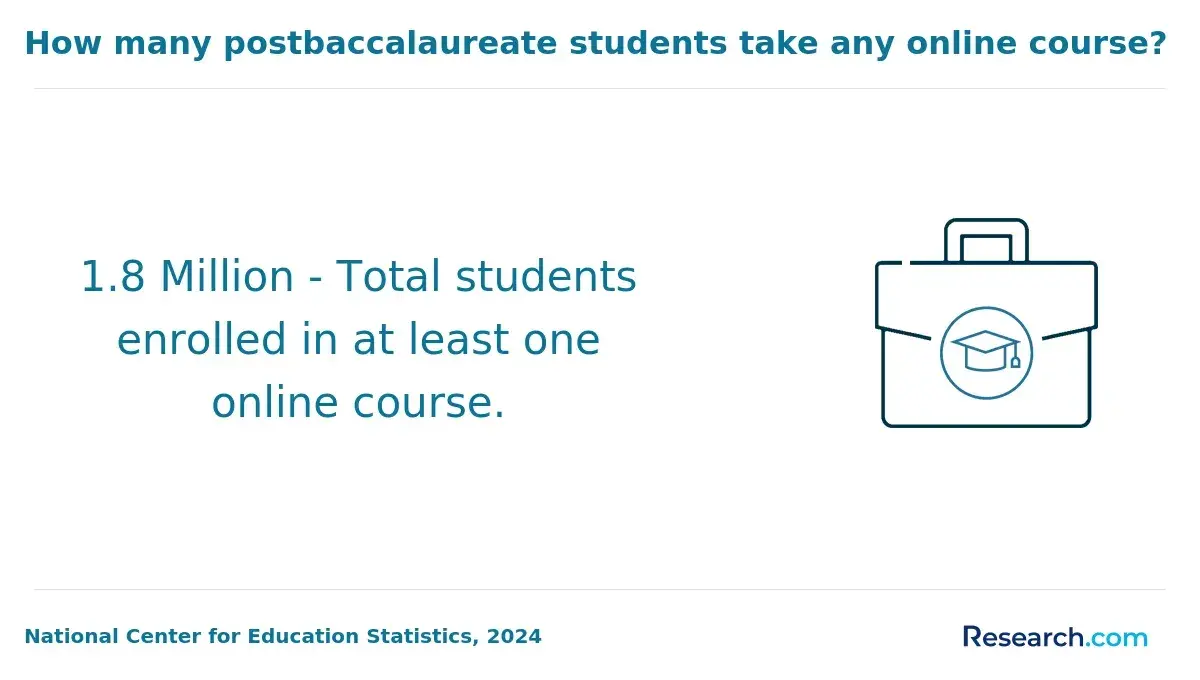
Enrollment trends reveal that online public safety degree programs primarily serve students who face geographic or scheduling barriers that traditional campuses cannot accommodate. Data from the National Center for Education Statistics in 2024 shows an 18% rise in online public safety enrollments over two years, contrasting with a relatively flat or declining presence on campuses. This growth largely reflects a demographic shift toward adult learners managing family and work commitments as well as individuals in rural areas lacking nearby educational institutions. However, the different modalities attract distinct populations: campus programs tend to enroll younger students from urban or suburban areas who benefit from direct access to hands-on training and peer networks, which contribute to somewhat higher completion rates.
The choice between online and campus formats often hinges on weighing access against depth of experiential learning, a crucial factor in public safety education where practical skills are critical. Institutions offering online tracks may incorporate simulations and fieldwork, but the absence of face-to-face interaction can restrict skill refinement and professional networking. These limitations can affect post-graduation employment competitiveness, especially when employers emphasize practical experience. Prospective students must consider how modality aligns with their local resources, career goals, and capacity for self-directed study, as these factors influence both enrollment decisions and eventual workforce readiness.
An example comes from a student living in a small town without a nearby public safety college, who initially doubted the legitimacy of online programs due to perceived gaps in hands-on training. Balancing a full-time job and family, this student chose an online bachelor's program recognizing it as the only viable option. While skeptical about missing the campus experience, the flexibility allowed steady progress and access to virtual simulations, though they missed out on informal peer support. This experience highlighted that, for many, online programs provide critical access but require tradeoffs in engagement and potentially in certain practical competencies.
What Degree Level Is Most Common Among Public Safety Students?
Bachelor's degrees dominate public safety education enrollment due to employer preferences and workforce requirements emphasizing complex analytical and leadership skills typically cultivated in four-year programs. Data from the National Center for Education Statistics in 2024 indicates that about 55% of students pursuing public safety credentials are enrolled in bachelor's programs, reflecting the demand for candidates with comprehensive training that extends beyond foundational operational knowledge. This prevalence also stems from smoother transfer pathways from associate degrees and the expansion of flexible online bachelor's options, which accommodate working adults aiming to balance professional and academic responsibilities.
Associate degrees, making up roughly 30% of enrollments, appeal to those seeking quicker entry into the workforce or a stepping stone toward higher degrees, but they often limit advancement opportunities in comparison to bachelor's credentials. Meanwhile, master's and doctoral programs represent a smaller segment-less than 15%-targeted at individuals pursuing specialized expertise, leadership roles, or policy-focused careers, which require greater time and financial investment. For prospective and current students, understanding these distinctions is crucial for aligning degree choices with career ambitions, weighing immediate workforce access against the broader long-term advantages associated with higher-level degrees in public safety.
How Do Enrollment Trends Differ Between Associate, Bachelor's, Master's, and Doctoral Public Safety Degrees?
Enrollment patterns in associate public safety degree programs reveal a strong regional variation, often reflecting local workforce demands for quicker credentialing and operational roles. These programs, which account for nearly 45% of total public safety enrollments according to the National Center for Education Statistics (2024), serve many students seeking immediate employment in law enforcement or emergency services without extended academic commitments. However, these trends contrast sharply with bachelor's, master's, and doctoral public safety degree comparison data, where enrollment growth aligns more closely with career specialization, leadership preparation, and research-focused objectives.
Bachelor's degrees are increasingly favored by students aiming for supervisory positions or technical specialization, driving a steady 5% annual enrollment increase nationally. This shift reflects employer preferences for candidates combining practical skills with a broader educational foundation, as well as a modest rise in female representation at this level. Master's programs, meanwhile, cater to professionals targeting mid-level leadership and policy roles, exhibiting slower growth but higher persistence, with women comprising around 40% of enrollees. Doctoral cohorts remain small and concentrated in research institutions, underscoring the niche demand for advanced academic and strategic positions.
For students weighing these options, the trade-offs are clear: associate degrees enable rapid workforce entry, while bachelor's and master's pathways provide greater flexibility and leadership eligibility. Those pursuing doctoral studies should anticipate extended timelines and a narrower professional scope. Awareness of these trends, including the influence of gender distribution and regional enrollment shifts, is essential when planning educational trajectories. When assessing career and financial outcomes, especially comparing degree levels, prospective students might also consider data on highest paying biology jobs as an example of how education and market demand interact across disciplines.
How Popular Is the Public Safety Degree Compared to Other College Majors?
The relative popularity of public safety degrees does not mirror national enrollment patterns seen in larger fields such as business or health professions, but this lower volume should not be mistaken for diminished career relevance. According to 2024 IPEDS data, public safety programs represent roughly 0.5% of undergraduate majors, a fraction compared to many social science and professional disciplines. This smaller scale reflects the field's specialized nature and regional demand fluctuations rather than a lack of workforce need, as government and emergency management roles often require certifications and practical training beyond academic credentials, influencing enrollment and completion trends.
Regional variation shapes public safety degree popularity, with urban and disaster-prone areas seeing more sustained or growing interest, whereas some rural or less-funded regions experience stagnant or declining numbers. Gender representation also highlights gradual shifts; women now comprise around 35% of enrollments nationally, signaling slow progress toward balancing a traditionally male-dominated field. Graduate-level public safety education tends to attract practitioners seeking specialized skills rather than large cohorts of new students, reinforcing the notion that program size is a secondary factor to alignment with targeted workforce needs and professional advancement pathways.
One graduate recalled noticing the contrast in class sizes between public safety and other majors early on, which initially sparked doubts about the degree's prominence. Conversations with advisors confirmed that smaller cohorts reflected focused curriculum and employer demands rather than limited opportunity. The student appreciated that despite fewer peers, the specialized knowledge and certifications emphasized in their program positioned graduates well for stable public sector roles, underscoring that public safety degree popularity is more a function of niche applicability than broad-based appeal.
Why Is the Public Safety Degree More Popular in Certain States and Regions?
Variations in public safety degree demand by state reflect the practical interplay between regional industry needs and educational infrastructure rather than simple student preference. States like Texas and Ohio illustrate how robust manufacturing and industrial sectors drive employer-supported public safety programs to mitigate workplace hazards. This dynamic creates clearer career pathways in these regions, influencing student decisions by aligning training availability with local workforce demand. Consequently, areas with well-established programs often provide richer networking environments and stronger employer connections, enhancing the perceived value of a public safety degree for graduates.
Regional trends in public safety education also reveal disparities influenced by demographic patterns and institutional access. The Southeast and Plains states, buoyed by comprehensive two-year colleges and technical institutes, offer accessible certificate and associate degree opportunities that accommodate non-traditional students and those balancing work commitments. Conversely, younger populations concentrated in these areas and in parts of the Midwest typically show higher enrollment rates due to local labor market demands for law enforcement and emergency services personnel. Additionally, online learning platforms expand options for rural and underserved regions, though the highest program popularity remains concentrated where state educational priorities and employer presence intersect.
These regional variations bear practical implications when choosing where to study or enter the workforce. Students evaluating program options might weigh the benefits of programs linked to strong industry clusters against broader accessibility offered by distance learning or shorter credential pathways such as those akin to the shortest online nurse practitioner program. Understanding how demand aligns with educational availability and workforce demographics enables more informed decisions, especially as public safety degree popularity by gender, region, and degree level evolves in response to shifting market pressures and policy priorities.
What Demographic Groups Are Driving Growth in Public Safety Degree Programs?
Shifts in public safety degree enrollment reflect evolving workforce demands and the expanding role of diversity in public sector roles. Female representation, now nearing 40% of candidates, signals increasing acceptance and recruitment efforts in fields historically skewed male, such as law enforcement and emergency management. This change not only diversifies peer networks and classroom dynamics but also challenges programs to address distinct training needs and career trajectories tied to gender. Geographic concentration of growth in southern and southwestern states further highlights how regional economic priorities, population expansion, and targeted homeland security investments influence where educational resources and student interest align.
Adult learners aged 25 to 40 significantly influence enrollment patterns, often balancing work and family while leveraging online and hybrid program formats that account for more than one-third of total candidates. While these modalities improve access for non-traditional students and military veterans transitioning into civilian roles, they also present practical limitations for hands-on training and community engagement essential to public safety professions. Rising participation by Hispanic and Native American students, propelled by scholarship targeting underserved groups, connects with employer demands for culturally competent workforce members, shaping program content and recruitment strategies. These demographic factors collectively underscore the nuanced challenges institutions face in maintaining equitable, effective education that aligns with patchwork regional labor market conditions and employer expectations.
What Is the Future Outlook for Public Safety Degree Enrollment by Gender, Region, and Degree Level?
Enrollment patterns for public safety degrees are set to increasingly reflect shifting demographics and labor market demands, with notable implications for program design and student decision-making. Women now account for roughly 35% of undergraduates in these fields, a figure expected to close the gender gap further by 2030 as recruitment efforts broaden. This rising gender diversity may prompt institutions to adapt support services and curricular content to better meet a more varied student body while influencing employer expectations for inclusive workforce readiness.
Regional disparities in enrollment closely link to localized public safety challenges and workforce needs. The South and Midwest report higher enrollment rates tied to rural and suburban safety demands, while Northeast and West Coast urban centers see growing interest in advanced degrees amid complex public safety infrastructures. Such geographic variation affects program availability and resource allocation, underscoring the importance for students and professionals to consider regional labor markets and institutional offerings when planning their education and careers.
Degree level choices reflect a tradeoff between flexibility and long-term advancement, as many students move away from associate degrees toward bachelor's and graduate programs that better align with leadership roles and evolving employer qualifications. The growth of online education supports this shift by accommodating working professionals pursuing advanced credentials without career interruptions. Students and graduates should weigh these dynamics carefully, as the degree pursued will impact employability, advancement potential, and responsiveness to changing public safety priorities outlined in data from the U.S. Department of Education and the National Center for Education Statistics.
How Have Public Safety Degree Enrollment Trends Changed Over the Past Decade?
Long-term shifts in public safety degree enrollment reveal critical insights about how educational and workforce priorities intersect with demographic and regional realities. Notably, the increasing participation of women-rising to nearly 40% of enrollees by 2024-signals more than gender diversification; it reflects targeted efforts to broaden access in what were once male-dominated fields, reshaping talent pipelines amid evolving labor market demands. This transition also challenges educators to ensure programs address distinct retention barriers and career pathways, as gender representation increasingly influences how degree relevance is perceived and sustained over time.
Public safety degree enrollment trends by region underscore the uneven distribution of growth, with states like California, Texas, and Florida leading due to urbanization, public safety workforce pressures, and expanded online program availability. These regions demonstrate how community needs and flexible learning platforms, including hybrid and fully remote formats, are crucial for accommodating working students and shifting educational preferences. Conversely, rural areas often experience stagnation or decline, revealing structural challenges such as limited access to specialized instruction that directly shape student demand and future recruitment strategies.
At the program level, increases in bachelor's degree completions-driven in part by online expansion-contrasted with the persistent niche status of doctoral public safety programs indicate a pragmatic focus on credentials aligned with workforce entry and mid-level advancement rather than advanced research roles. These choices carry implications for graduates evaluating degree value relative to employer expectations and for policy makers balancing program availability across degree levels. Prospective students must navigate these realities when assessing pathways such as an accelerated FNP or public safety degrees, considering how demographic, regional, and degree-level factors affect their long-term career trajectory.
Where Is the Public Safety Degree Most Popular Across the United States?
Public safety degree popularity is concentrated in regions where local workforce demands align closely with educational availability, rather than being evenly dispersed across the United States. This clustering occurs in states with significant emergency services infrastructure and urban populations, where institutional offerings respond directly to public safety needs. For example, large metropolitan areas in the Southern and Western United States provide accessible public safety programs that facilitate direct pipelines into law enforcement, firefighting, or emergency management roles. Such alignment often creates stronger networking environments for students and enhances post-graduation employment prospects, as local agencies tend to prefer candidates trained within their regional systems.
The top regions for public safety degree enrollment reflect distinct labor market pressures and demographic trends, such as younger populations and higher veteran densities, which influence program demand and specialization choices. Northeastern states, featuring advanced degree attainment in cybersecurity and emergency preparedness, illustrate how workforce emphasis shapes educational pathways and degree value perception. These geographic disparities mean prospective students must consider how regional institutional concentration impacts both the scope of available curricula and the practical returns on their investment. Awareness of factors like program accessibility and alignment with local employers weighs heavily when comparing public safety degree popularity by state.
As students and professionals evaluate educational options, understanding the regional dynamics that drive program enrollment is critical. It also highlights the importance of informed decisions regarding cost and tuition, such as those examined in analyses of online speech pathology school cost, providing a useful parallel in assessing affordability and accessibility. Ultimately, these regional patterns reflect nuanced tradeoffs affecting career trajectories within the public safety field.
References
- Online Public Safety Degree | Bachelor's (BS) Program | UWA Online https://online.uwa.edu/online-degrees/bs-bachelors-public-safety/
- Why Is It So Hard to Fill Public Safety Workforce Jobs? https://www.nlc.org/article/2023/09/11/why-is-it-so-hard-to-fill-public-safety-workforce-jobs/
- Social and demographic factors in shaping the perception of work as a source of health and safety risks: a study on adult Europeans https://ekonomiaisrodowisko.pl/journal/article/view/712
- College Numbers Down, Degrees Up: Understanding the Post-2010 Enrollment Shift — The Burning Glass Institute https://www.burningglassinstitute.org/bginsights/college-numbers-down-degrees-up-understanding-the-post-2010-enrollment-shift
- Bachelor of Applied Arts in Justice and Public Safety https://www.blueline.ca/product-demo/bachelor-of-applied-arts-in-justice-and-public-safety/
- Program Evaluation: Recruitment & Hiring Gender Disparities in Public Safety Occupations https://www.eeoc.gov/federal-sector/reports/program-evaluation-recruitment-hiring-gender-disparities-public-safety
- Research Center: Postsecondary Enrollment Rises as Academic Trends Shift https://www.studentclearinghouse.org/nscblog/postsecondary-enrollment-rises-as-academic-trends-shift/
- On-Campus vs. Online Law Enforcement Programs: Pros and Cons https://golawenforcement.com/articles/on-campus-vs-online-law-enforcement-programs-which-one-is-for-you/
- Bachelor's Degree Public Safety Administration https://europe.umgc.edu/online-degrees/bachelors/public-safety-administration
- College Degree Levels in Order | University of Phoenix https://www.phoenix.edu/articles/online-college/college-degree-levels-in-order.html
Other Things You Should Know About Public Safety
Gender imbalances persist in public safety programs, with men typically outnumbering women, especially at higher degree levels. Prospective female students may face a less diverse peer group, which can affect networking and support, while male students might encounter different expectations in fieldwork or leadership roles. Recognizing these disparities can help students choose programs that actively foster inclusivity and mentorship, which can enhance learning outcomes and workplace preparedness.
Regions with higher enrollment often mean more competitive programs but also better-established industry connections and internship opportunities, directly impacting job placements after graduation. Low-enrollment regions may offer more personalized attention but may lack extensive professional networks, potentially limiting immediate employment prospects. Students should weigh the advantage of stronger local industry ties against the benefits of smaller class sizes and consider their long-term career location preferences.
Graduate-level public safety degrees usually demand greater academic rigor and often require a balance of research, policy analysis, and leadership skills development, while undergraduate programs focus more on foundational knowledge and practical skills. Advanced degrees can open doors to higher-level administrative or specialized roles, but candidates should be prepared for a heavier workload and longer time commitment. For those prioritizing quicker entry into the workforce, a bachelor's or associate degree might provide a more expedient path, though with potentially narrower advancement prospects.
Prioritizing regional popularity can enhance networking and cultural fit within local agencies, especially where gender representation affects workplace dynamics. However, focusing on degree level specialization often better aligns with employers' expectations for certain roles, particularly those requiring advanced leadership or technical skills. Students should assess their target sector's gender norms and regional hiring patterns, combining program choice with degree level to maximize both inclusivity and professional relevancy.