2027 Public Safety Affordability by State: Where Students Pay the Most and Least

Co-Founder and Chief Data Scientist
Faced with choosing between a Public Safety program charging $8,000 in-state tuition and another out-of-state option surpassing $25,000, many students confront more than sticker shock. Beyond tuition, disparities in cost of living and hidden fees can eclipse advertised savings, dramatically affecting debt loads. A 2024 report found that state-level tuition increases averaged 4.5%, but gaps widened as border states maintained lower rates for residents, influencing cross-border enrollment decisions. This dynamic reshapes long-term financial planning, especially as borrowing limits tighten and job markets demand relevant credentials swiftly. This article examines state-by-state affordability to guide where pursuing a Public Safety degree is financially viable or burdensome.
Key Things to Know About Public Safety Affordability by State
- States with lower in-state tuition often offset savings through higher living costs or limited financial aid, impacting total affordability; students must weigh regional expenses against academic fees to avoid unexpected debt.
- Employers in high-demand markets increasingly favor candidates from programs with strong state-funded workforce alignment, meaning cheapest tuition states may not provide the best employment prospects for public safety graduates.
- Declining state support across many regions has raised out-of-state and campus-based tuition since 2023, pressuring students to consider online options carefully, as reduced cost doesn't always mean equivalent credential value.
- Key Things to Know About Public Safety Affordability by State Key Things to Know About Public Safety Affordability by State
- Which States Have the Most Affordable Public Safety Degree Programs? Most Affordable State Programs
- Which States Have the Highest Public Safety Degree Costs? Highest State Tuition Costs
- How Much Does a Public Safety Degree Cost by State? Degree Costs by State
- Why Does Public Safety Affordability Vary So Much Between States? State Affordability Variations
- How Do In-State and Out-of-State Tuition Rates Affect Public Safety Affordability? In-State vs. Out-of-State Rates
- How Does the Cost of Living Impact Overall Public Safety Affordability by State? Living Costs and Affordability
- Which States Offer the Best Value for a Public Safety Degree? Best Value State Degrees
- What Financial Aid and Scholarship Opportunities Can Reduce Public Safety Costs? What Financial Aid and Scholarship Opportunities Can Reduce Public Safety Costs?
- Are Online Public Safety Degree Programs More Affordable Than On-Campus Options? Are Online Public Safety Degree Programs More Affordable Than On-Campus Options?
- Is a Public Safety Degree Worth the Cost Based on Career Outcomes and ROI? Degree ROI and Outcomes
Which States Have the Most Affordable Public Safety Degree Programs?
States that consistently offer the most affordable public safety degree programs do so through a combination of strategic public funding, residency-focused tuition models, and the management of institutional costs. For example, states like Wyoming and Arkansas benefit from policies that prioritize in-state students by offering significantly reduced tuition rates combined with lower living expenses, making these programs more accessible without sacrificing regional workforce alignment. This means a student considering a degree in public safety must weigh whether relocating to a state with lower tuition and cost of living offsets the potential disruption and additional expenses against pursuing a program closer to home but potentially much costlier per credit hour.
Affordability in public safety education also hinges on the infrastructure of a state's higher education system and the availability of financial aid, which varies widely and affects net costs dramatically. New Mexico, for instance, supplements its resident tuition discounts with merit-based grants, helping reduce overall debt burdens, especially for those from low- to middle-income backgrounds. These factors influence enrollment decisions and degree completion rates, as students facing financial pressure may opt for programs with stable tuition and targeted aid rather than those with unpredictable cost escalations.
Budget-conscious learners should also consider flexible delivery options; online programs increasingly offered by some states help reduce indirect costs, a practical point highlighted in many assessments of the most affordable public safety degree programs by state. For students exploring comparable fields, such as healthcare administration, related research underscores the value of examining both tuition structure and support mechanisms-illustrated in analyses of healthcare administration online offerings-as financial decisions now directly impact long-term career mobility and debt management.
Which States Have the Highest Public Safety Degree Costs?
States with higher public safety degree costs typically reflect a complex interplay of limited state funding for public higher education, dense urban centers, and elevated living expenses. In areas like California and Massachusetts, students face tuition fees that can surpass $12,000 annually in addition to steep housing and transportation costs, forcing many to weigh whether the program's perceived prestige or location benefits justify the financial burden. This is compounded by fewer affordable community college options offering public safety curricula, pushing more students toward costly four-year institutions or private schools, which alters the balance between accessibility and investment risk. These cost dynamics often influence student choices around enrollment, prompting some to consider out-of-state programs with lower tuition or online alternatives, though such decisions can carry tradeoffs related to local employment networks and practical training opportunities.
Policy shortcomings in public funding also factor heavily into why certain states maintain elevated price points, as stagnant or reduced state contributions compel institutions to shift rising operational costs onto students. This makes tuition a moving target tied not just to institutional decisions but to broader economic pressures within regions. A 2024 analysis from the National Center for Education Statistics highlights that these variations contribute to a fragmented landscape where affordability and program availability differ significantly by geography, complicating financial planning for budget-conscious learners. Consequently, prospective public safety students must critically assess the long-term value proposition of degree programs that come with higher price tags, factoring in not only immediate expenses but prospects for employment and career advancement within their state or region.
One recent graduate recounted grappling with the decision to enroll in a public safety program within a high-cost state versus pursuing a more affordable program in a neighboring state. Initially hesitant due to out-of-state tuition penalties and the prospect of relocating, the student ultimately chose an online degree offered by an in-state institution with extensive financial aid, despite concerns about reduced hands-on training opportunities. This experience underscored the difficult balance between managing upfront costs and securing quality education that aligned with local employment pathways, as well as the unexpected expenses that surfaced even with financial support, such as travel for required fieldwork. The graduate's cautious approach reflected the broader challenge many students face when delimiting affordability, program fit, and practical readiness for a public safety career amidst uneven state funding and pricing landscapes.
How Much Does a Public Safety Degree Cost by State?
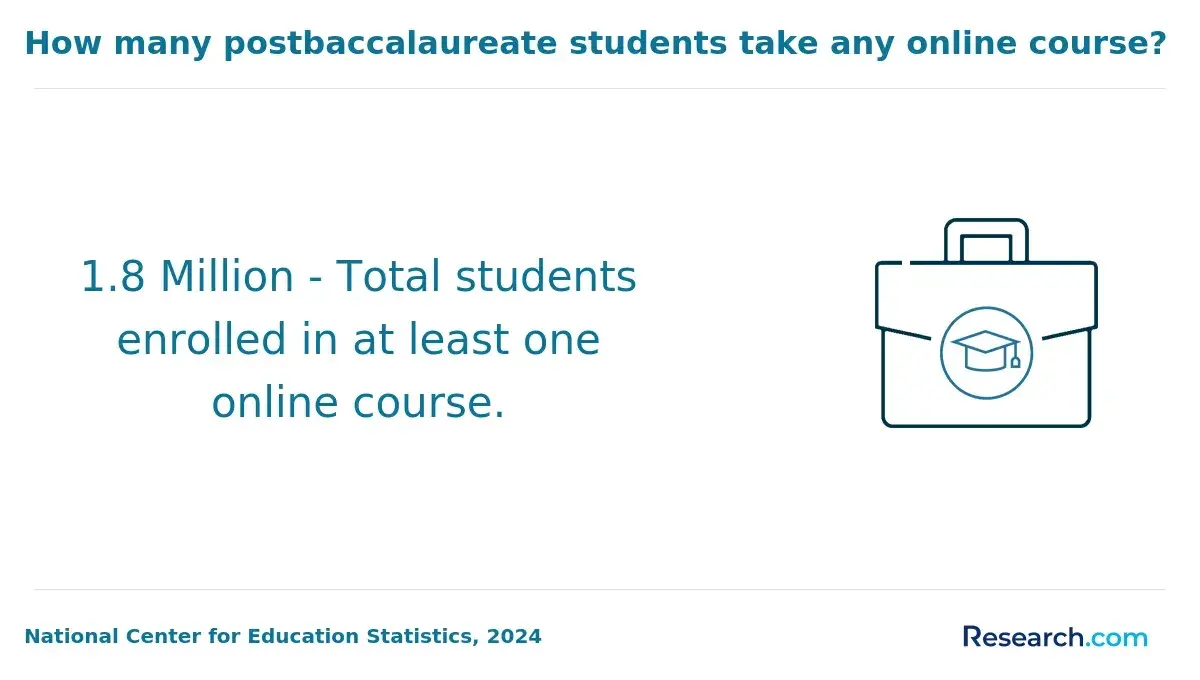
Tuition costs for public safety degrees differ widely across states, reflecting variations in public versus private institution presence, state funding, and regional economic factors. For example, in-state tuition at public colleges can fluctuate from around $4,500 annually in states like Wyoming to beyond $12,000 in New Hampshire, according to National Center for Education Statistics data from 2024. This disparity often forces budget-conscious students to weigh the value of attending out-of-state or private schools against higher tuition and living costs, which can substantially increase total educational expenses. In states with robust public university systems like California or Texas, lower in-state rates paired with financial aid accessibility reduce borrowers' reliance on loans, directly impacting long-term debt management and degree completion timelines.
Out-of-state rates further complicate cost considerations, frequently doubling or tripling in-state expenses, as seen in North Carolina where non-residents pay about $23,000 annually compared to $9,000 for residents. This steep gap influences decisions around relocation, eligibility for reciprocity agreements, and the appeal of online program alternatives that might mitigate living costs. High cost-of-living areas such as Massachusetts intensify financial pressures, demanding students account for housing and transportation fees beyond tuition when assessing affordability. Additionally, state-specific scholarship availability and institutional endowment resources shape net cost outcomes, underscoring the necessity for prospective students to explore targeted aid opportunities that align with their geographical and institutional preferences while planning their educational paths pragmatically.
Why Does Public Safety Affordability Vary So Much Between States?
State investment decisions play a critical role in shaping public safety degree cost differences by state. According to National Center for Education Statistics 2024 data, states that prioritize ample funding for public colleges help lower in-state tuition, directly easing financial barriers for residents pursuing public safety education. Conversely, states reducing subsidies to offset budget constraints tend to increase tuition fees, shifting costs onto students. For example, California and New York, with higher living expenses and less public subsidy relative to their operating costs, see notably steeper tuition compared to states like Idaho or Mississippi, where state support and cost of living remain lower.
The structure of residency policies and financial aid programs further influences affordability. Many states adopt significant tuition discounts for residents and allocate targeted aid, which can be decisive for students in budget-conscious educational planning and enrollment choices. Students weighing public safety programs must also consider how institutional factors such as program size, demand, and costly training equipment drive tuition variances, as these impact long-term investment decisions and time-to-degree. Such disparities often lead students to explore options like transferring, enrolling in online courses, or moving across state lines to manage expenses effectively.
Understanding these multidimensional factors aids learners in making informed tradeoffs about where and how to pursue their public safety studies. The economic environment-coupled with shifting workforce needs and policy differences-defines both access and affordability, underscoring the practical importance of evaluating state-specific costs against career and educational objectives. Prospective students cautiously navigating these complexities might also examine programs related to biology major jobs for comparative cost and demand insights, reflecting broader trends in allied fields.
How Do In-State and Out-of-State Tuition Rates Affect Public Safety Affordability?
Residency-based tuition differences significantly shape the financial calculus of pursuing a public safety degree, often making in-state enrollment a decisive cost-saving factor. With public four-year institutions charging roughly $10,300 annually for residents but nearly $22,800 for nonresidents according to National Center for Education Statistics 2024 data, the decision to attend out-of-state can more than double educational expenses. This pricing gap forces prospective students to weigh the costs of relocating and establishing residency-usually requiring a year-long presence-against the potential savings of in-state tuition, a tradeoff that may conflict with career timelines or local agency internship opportunities crucial to public safety training. In regions with interstate reciprocity agreements, reduced out-of-state tuition rates partially mitigate these costs, yet such arrangements remain unevenly distributed, compelling students to strategize enrollment based on both financial and geographic constraints.
Online public safety programs further complicate affordability calculations, as some public colleges extend in-state tuition to all online learners, while others maintain out-of-state pricing regardless of location. This inconsistency underscores the need for students to scrutinize institutional policies beyond sticker price, including available financial aid or private institution rates which often lack residency variation but may come with different aid structures. Ultimately, for budget-conscious students, the long-term impact of tuition classification extends beyond upfront costs to affect debt levels, program accessibility, and even local employment prospects driven by training site proximity-factors that must inform both educational planning and career path evaluation in public safety fields.
A recent graduate recalled hesitating before enrolling out-of-state after relocating for a specialized public safety program. Despite paying the higher nonresident tuition, they found the program's unique practicum connections worthwhile but admitted "it was tough not knowing if I'd save enough from residency reclassification or if the out-of-state price was just a sunk cost." This experience highlighted how timing residency qualification, program specificity, and financial planning intersect in real decisions, making tuition distinctions more than abstract figures but pivotal determinants of educational feasibility and debt burden.
How Does the Cost of Living Impact Overall Public Safety Affordability by State?
States with similar tuition rates for public safety degrees can present vastly different financial realities once cost of living is factored in, challenging straightforward comparisons based solely on educational expenses. For example, a student pursuing a public safety degree in California faces housing costs easily double those in Midwestern states, forcing tough budgetary tradeoffs between off-campus rent and transportation. This regional cost of living impact on public safety education expenses influences whether students take on additional work hours, opt for less convenient commuting options, or choose online alternatives to mitigate living costs. In such scenarios, financial aid and scholarship packages often fall short of bridging the gap created by high local expenses, raising the risk of increased student debt exposure or extended time to degree completion.
Beyond housing, day-to-day expenses like food, healthcare, and utilities should not be overlooked when measuring true affordability. Healthcare spending alone shows wide variation, complicating budgeting for public safety students balancing academic commitments with family health needs. Prospective students comparing programs should consider how these living costs affect not just immediate affordability but longer-term career readiness, especially in urban versus rural settings. Decisions about residency status or choosing hybrid versus fully on-campus study models hinge on such practical dimensions. For budget-conscious learners exploring alternatives, also consider programs like a nutrition online degree that may offer enhanced flexibility. A clear grasp of how cost of living affects public safety degree affordability by state equips students to navigate these tradeoffs with greater strategic insight.
Which States Offer the Best Value for a Public Safety Degree?
Evaluating value for a public safety degree requires looking beyond sticker tuition prices to the full financial and educational context within a state. States with low in-state tuition, like Wyoming, gain appeal only when coupled with strong graduation rates and a regional market that actively recruits graduates. For instance, Wyoming's average annual tuition below $6,000 pairs with completion rates above 55%, making it a more practical option than a state with similar costs but poorer outcomes or limited local demand. Conversely, students paying higher tuition in expensive states such as California often face heavy debt burdens exceeding $30,000, which may offset benefits from available resources if local job markets are saturated or competitive.
Residency policies, total cost of attendance including living expenses, and financial aid availability further complicate comparisons across states. Midwestern states like Illinois and Ohio balance moderately priced tuition with relatively high graduation rates and well-established employment channels for public safety roles, which can enhance return on investment despite not having the lowest possible costs. Deciding where to enroll or whether to pursue online alternatives also depends on the interplay of these factors and the local labor outlook; a low tuition state without viable employment opportunities may prolong job search times or force relocation later, increasing indirect costs. The 2024 College Scorecard data underscores how nuanced affordability is in this field, urging students to weigh degree completion outcomes and workforce demand alongside tuition to identify genuine value rather than pursuing the cheapest label alone.
What Financial Aid and Scholarship Opportunities Can Reduce Public Safety Costs?
Financial aid shapes the real cost of earning a public safety degree by varying widely with state policies and individual eligibility, forcing students to weigh the tradeoffs between in-state advantages and out-of-state expenses. According to the National Center for Education Statistics (NCES, 2024), about 63% of public safety students receive some form of financial assistance, though the practical impact depends on how grants, scholarships, and employer benefits stack within the constraints of residency rules, enrollment status, and academic progress. For example, Pell Grants provide non-repayable federal support primarily to low-income full-time students, but their value is limited in states with higher tuition or restrictive aid renewal terms, pushing some learners toward costly loans or part-time attendance that can extend time to degree completion.
State grants and institutional scholarships, often tied to residency and merit, create uneven affordability landscapes that influence where and how students enroll. States offering generous merit-based programs or tuition reciprocity can significantly reduce student debt burdens, especially for those living near borders who can access in-state rates through reciprocity agreements. However, students in states with weaker funding face higher out-of-pocket expenses, increasing dependence on institutional aid that frequently imposes competitive or need-based criteria. Employer tuition reimbursement programs serve as an essential supplement for working students, offsetting costs without adding debt but usually requiring continued employment post-degree, which may limit employer flexibility or job mobility.
Eligibility requirements such as full-time enrollment, satisfactory academic standing, and residency status often dictate financial aid availability, complicating decisions for part-time or working learners who must balance income needs against aid restrictions. Application timing and renewal conditions further demand strategic planning to maintain aid eligibility throughout the program. Recognizing these intersecting factors is critical for budget-conscious students comparing public safety programs across states, as outcomes depend not only on upfront tuition but also on long-term financial commitment shaped by aid policies and workforce realities.
Are Online Public Safety Degree Programs More Affordable Than On-Campus Options?
Online public safety degree affordability in the United States reveals a complex interplay between tuition pricing, residency rules, and ancillary costs. While fully online programs often list tuition rates 15% to 25% below traditional campus options-mainly due to reduced fees for facilities and student services-this advantage can be offset by technology expenses or less favorable institutional scholarships for remote learners. For example, a working adult balancing family responsibilities might find an online program's flexible schedule reduces opportunity costs, but must still budget for high-speed internet or specialized software. Conversely, on-campus students face housing and transportation costs that vary widely by state and metropolitan area, influencing the overall financial burden beyond tuition alone.
Cost comparison of online versus on-campus public safety programs must include these indirect factors along with financial aid patterns. Federal and state grants typically apply equally to both delivery modes; however, institutional aid may skew toward traditional enrollees, especially in programs with limited online cohorts. Employers and local public safety agencies increasingly support online students through tuition reimbursement, enhancing affordability for employed professionals. Ultimately, affordability varies with enrollment status, state policies, and program design, making individualized cost-benefit analysis essential, particularly for students weighing relocation risks or remote learning challenges. Those interested in identifying highly cost-effective pathways might also explore related fields such as the cheapest psych NP programs online.
Is a Public Safety Degree Worth the Cost Based on Career Outcomes and ROI?
Affordability variations in tuition and fees markedly shape the career outcomes and cost effectiveness of public safety degrees in the US, making geographic choice a critical factor. Students pursuing a public safety degree in high-cost states often face heavier debt loads that extend repayment periods and reduce early-career net income. For instance, graduates in lower-cost states may enter the workforce with substantially less debt and benefit from local demand for emergency management or law enforcement roles paying median wages closer to $45,000, compared to $75,000 in urban centers. These disparities underscore how ROI from such degrees cannot be assessed purely by tuition but must also consider wage differentials, local labor market strength, and debt burden.
Graduation rates add another dimension to evaluating public safety degree return on investment by state. With completion rates averaging about 55%, prolonged time to degree completion inflates costs and delays workforce entry, exacerbating opportunity costs. Prospective students should analyze not only out-of-state versus in-state tuition variations but also program quality, certification pathways, and career alignment. Geographic mobility and financial aid availability further affect whether students can access better-paying job markets or advanced training. Understanding such tradeoffs is essential, particularly for budget-conscious learners looking to maximize long-term career stability and earnings potential.
Rather than generic recommendations on quantity, prospective students might explore how many SLP grad schools should I apply to as a parallel exercise in navigating graduate education selectivity and acceptance rates. Prioritizing evidence-based decision-making focused on practical outcomes helps balance the complex variables influencing public safety degree viability in today's labor landscape.
References:
- Measuring Public Safety: Key Metrics for Governments - Zencity https://zencity.io/measuring-public-safety-key-metrics-for-state-governments/
- How the Post-Pandemic Price Surge Reshaped Affordability in America https://www.commonsenseinstituteus.org/arizona/research/jobs-and-our-economy/the-inflation-hangover-how-the-post-pandemic-price-surge-reshaped-affordability-in-america
- The College Affordability Gap: Insights and Impact on Families https://encoura.org/resources/wake-up-call/the-college-affordability-gap-insights-and-impact-on-families
- Lowering the Cost of Living for American Families - Center for American Progress https://www.americanprogress.org/article/lowering-the-cost-of-living-for-american-families/
- Online Public Safety Degree | Bachelor's (BS) Program | UWA Online https://online.uwa.edu/online-degrees/bs-bachelors-public-safety/
- 2025 Most Affordable Online Bachelor's Degrees in Law Enforcement https://www.onlineu.com/most-affordable-colleges/law-enforcement-degrees
- Is an EHS Degree Worth It? Comparing Degree vs. Certification ROI https://ehscareers.com/employer-blog/is-ehs-degree-worth-it-comparing-degree-certification-roi/
- Best Public Safety Administration Degree Programs of 2026 https://policeofficer.org/degree-programs/public-safety-administration/
- Ranking the 50 State Public University Systems on Prices & Outcomes - FREOPP https://freopp.org/whitepapers/ranking-the-50-state-public-university-systems-on-prices-outcomes/
- USA: Housing crisis forcing a choice between affordability and safety | PreventionWeb https://www.preventionweb.net/news/housing-crisis-forcing-americans-choose-between-affordability-and-safety
Other Things You Should Know About Public Safety
Even if tuition appears low in some states, differences in program design can significantly affect overall affordability. States with accelerated or competency-based public safety programs may demand more hours per week or reduced flexibility, increasing living and opportunity costs for students. Therefore, budget-conscious students should weigh tuition against factors like course scheduling, field training requirements, and contact hours, as these directly influence personal finances and time management.
Lower tuition alone does not guarantee better outcomes in public safety fields, which heavily rely on hands-on experience and employer connections. Students must consider whether affordable programs in certain states offer robust field placements, internships, or simulation labs critical for competence and job readiness. Prioritizing practical training quality over the lowest sticker price can lead to stronger employability and faster career advancement.
Public safety careers often require state-specific certifications, which can vary widely and affect total education costs and program relevance. States with more rigorous licensing expectations may compel students to invest in additional preparatory courses or exams, increasing their financial burden. Prospective students should evaluate how well a program aligns with the certification standards of states where they intend to work, as mismatches can mean costly retraining or limited job prospects.
Students must account for the disparity in entry-level salaries and job availability across states when assessing public safety affordability. Even in states with moderate tuition, low wages and fewer public safety positions can prolong the return on investment and strain post-graduation finances. Candidates targeting employment-critical sectors should prioritize states where education costs and local job market realities collectively improve the likelihood of timely and sufficient income to offset their expenses.