2027 Public Safety Degree Oversupply or Undersupply? Student Volume vs Employer Demand

Co-Founder and Chief Data Scientist
Facing a decision about pursuing a public safety degree requires carefully weighing whether graduates match employer demand. In 2024, Bureau of Labor Statistics projections show only 3% growth in protective service occupations, while some regions report a 15% increase in graduates entering these fields, signaling potential oversupply. This imbalance can lead to heightened competition, credential inflation, and underemployment risks, especially where specific technical skills or certifications are prioritized but lacking. Conversely, pockets of undersupply persist in rural or specialized sectors, affecting job availability and career advancement. This article examines public safety student volume alongside employer demand, job growth, regional trends, and skill gaps to clarify whether opportunities are sustainable or increasingly constrained.
Key Things to Know About Public Safety Graduate Supply and Employer Demand
- A 2024 workforce projection shows job openings in public safety growing modestly but unevenly, concentrating demand in urban regions; this geographic imbalance suggests graduates face varied local employment prospects.
- Entry-level competition intensifies as degree completions outpace specialized role availability, prompting employers to seek candidates with niche skills or certifications, influencing curriculum relevance and student focus.
- Rising program enrollment increases educational costs and time investment, pressuring candidates and educators to weigh credentialing benefits against the risk of credential oversaturation in certain public safety niches.
- Key Things to Know About Public Safety Graduate Supply and Employer Demand Key Things to Know About Public Safety Graduate Supply and Employer Demand
- Is There an Oversupply or Undersupply of Public Safety Graduates? Graduate Oversupply or Shortage
- How is Public Safety Degree Enrollment Changing? Degree Enrollment Trends
- How Many Public Safety Graduates Enter the Workforce Each Year? Annual Graduate Workforce Entry
- Does Job Growth Support the Rising Supply of Public Safety Graduates? Job Growth Versus Supply
- How Competitive is the Entry-Level Market for Public Safety Graduates? Entry-Level Market Competition
- Which Industries Have the Greatest Demand for Public Safety Graduates? Top Hiring Industries
- Where are Public Safety Graduates Most in Demand? Top Geographic Demand
- Which Public Safety Specializations and Degree Levels Face the Strongest Demand? Which Public Safety Specializations and Degree Levels Face the Strongest Demand?
- Are Employer Skill Gaps Affecting Demand for Public Safety Graduates? Are Employer Skill Gaps Affecting Demand for Public Safety Graduates?
- What is the Future Supply-and-Demand Outlook for Public Safety Graduates? Future Supply-Demand Outlook
Is There an Oversupply or Undersupply of Public Safety Graduates?
The current landscape of public safety degree graduate supply versus employer demand reveals a complex imbalance rather than a uniform oversupply or undersupply. While nationwide data from sources like the National Center for Education Statistics and Bureau of Labor Statistics show steady growth in graduates, many employers report that openings-particularly for bachelor's-level roles in emergency management and public safety administration-are only moderately exceeded by supply in some regions. However, this broad alignment masks critical geographic and sector-specific disparities: states like Texas and California with expanding emergency preparedness programs face shortages, while rural areas with stagnant public safety budgets experience higher competition among graduates for limited positions.
Regional public safety workforce shortages and graduate numbers are further complicated by specialization and credential mismatches. Associate degree holders often confront tighter job market competition due to fewer entry-level openings targeting their qualifications, contrasting with master's graduates who meet increasing employer demand for advanced crisis response and leadership skills. This dynamic is amplified when technology and data analytics capabilities become prerequisites, shifting hiring preference toward hybrid skill sets. For prospective students, recognizing these nuances alongside evolving occupational demand and experience expectations is crucial to avoid misleading conclusions based on aggregate graduate-to-job ratios, especially since many programs continue enrollment growth even as some sectors experience stagnant job creation.
Understanding these supply-demand interactions in practical terms is essential when making educational and career decisions. For example, while municipal law enforcement roles may saturate in certain states, emerging openings within healthcare emergency preparedness or homeland security can offer less competitive paths. Those evaluating choices related to workforce needs should also consider the logistics of where they seek employment, as localized shortages often necessitate geographic mobility. Prospective students looking into viable alternatives may find it useful to explore nursing programs easy to get into as insurance against narrower public safety labor markets while building complementary skills valuable in overlapping emergency response fields.
How is Public Safety Degree Enrollment Changing?
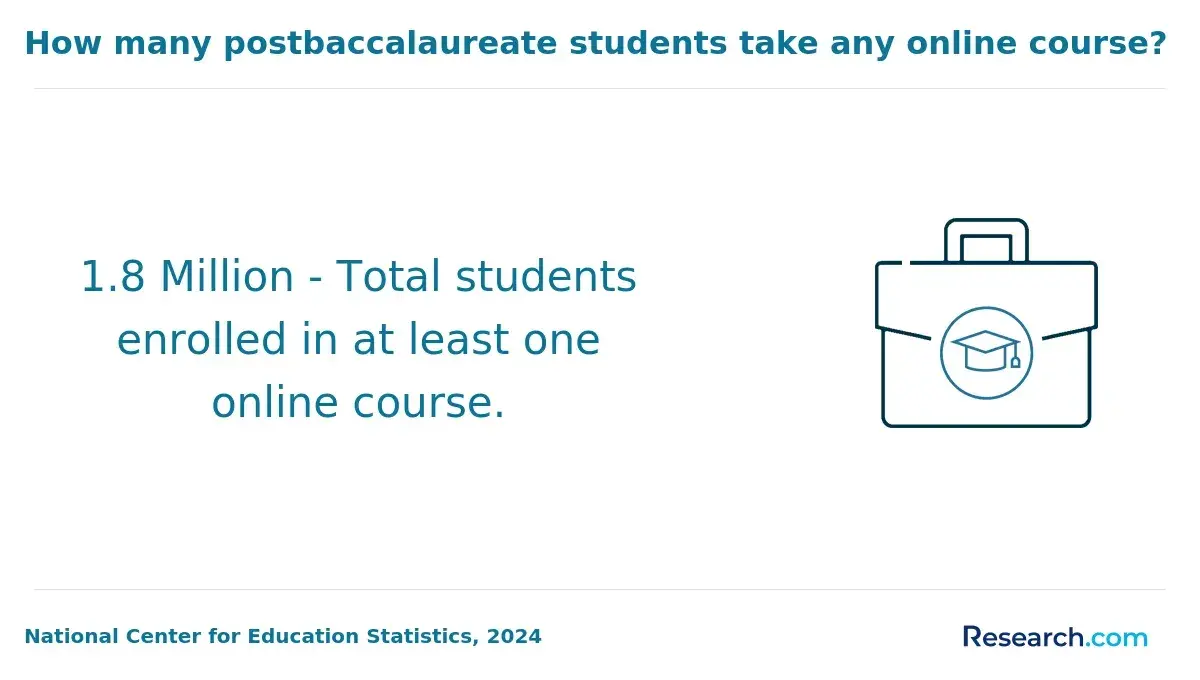
Public safety degree enrollment is experiencing a subtle redistribution rather than straightforward growth or decline, with notable reductions at associate and bachelor's levels offset by expanded online program participation. This shift complicates the alignment between graduate supply and employer demand, as smaller traditional cohorts may ease competition in some markets while online recruits, often older and working professionals, diversify and expand the candidate pool. Regional disparities further distort national trends; some rural areas face critical personnel shortages even as urban centers see saturation in certain specialties, underscoring that broad enrollment data alone cannot accurately predict local job prospects or hiring challenges. According to the National Center for Education Statistics, total enrollment dipped slightly through 2024, reflecting shifting student priorities amidst economic uncertainty and evolving labor market signals, which may prompt some prospective students to reconsider the risk of investing time in potentially oversupplied fields without strong regional demand.
This nuanced enrollment picture influences workforce planning, as institutions recalibrate offerings toward certificates and practical credentials better tied to entry-level employment, responding to employer calls for immediate deployable skills rather than extended degree paths. The modest reduction in younger high school graduates entering these programs raises concerns about long-term talent pipelines, particularly in areas reliant on fresh entrants to sustain frontline public safety roles. Meanwhile, the persistence of completion rates among certificates and associates suggests community colleges and specialized programs remain vital channels for workforce entry despite fluctuating bachelor-level interest. Misinterpreting these patterns-for example, assuming enrollment declines equate to easy job placement-can mislead students and policymakers, potentially exacerbating mismatches between skill supply and demand in key localities.
A current public safety student recalls that their program's online cohort has grown noticeably over the past two years, attracting more professionals balancing jobs and education, which contrasts with smaller on-campus classes reflecting fewer traditional applicants. This student observed increased course availability in flexible formats, easing access but also injecting uncertainty about whether rising enrollment signals a robust job market or intensifies future competition for limited roles. Conversations with peers reveal mixed perceptions: some view the enrollment shifts as a chance to engage with a broader network and updated curricula, while others worry that the declining pipeline of recent high school graduates could shrink opportunities in their preferred specialization over time.
How Many Public Safety Graduates Enter the Workforce Each Year?
Assessing whether the public safety field faces oversupply or undersupply based solely on annual graduate numbers is misleading, as the transition from graduation to workforce entry involves varied timelines and requirements. Data from the National Center for Education Statistics and the Integrated Postsecondary Education Data System indicate that 25,000 to 35,000 graduates complete public safety-related degrees yearly across associate, bachelor's, and graduate levels. However, not all of these graduates pursue positions directly aligned with their studies right away; many delay workforce entry or opt for related but distinct roles such as security or compliance, which complicates straightforward supply and demand analyses.
The job market for public safety roles is further complicated by regional hiring disparities, certification prerequisites, and fluctuating employer demand that cannot be captured by graduate counts alone. For example, while criminal justice produces the largest graduate cohort, its varied career pathways and employer demands differ substantially from fire science or emergency management, where smaller graduate pools often face localized but acute hiring needs. This means that a region with abundant graduates may still struggle with workforce vacancies if certification and specific skill requirements are unmet, or if budget constraints reduce hiring despite ongoing replacement demand.
Consequently, relying exclusively on annual completion figures from sources like IPEDS or state education agencies risks oversimplifying workforce realities and can misguide prospective students or policymakers. Understanding the alignment between graduate output, timely credentialing, and employer hiring cycles offers a more nuanced framework to evaluate how many graduates effectively integrate into public safety occupations. Recognizing these dynamics highlights that degree volume alone does not equate to labor-market saturation or shortage but must be contextualized against certification hurdles, geographic variation, and evolving public safety workforce needs.
Does Job Growth Support the Rising Supply of Public Safety Graduates?
Despite projections of moderate growth in many public safety occupations, rising numbers of graduates threaten to outpace the actual availability of entry-level positions. For example, police and firefighting roles often exhibit slow expansion combined with hiring freezes, meaning recent graduates without extensive internships, additional certifications, or geographic flexibility may struggle to find immediate employment. Replacement demand through retirements does create openings, yet in regions facing budget constraints or stagnant population growth, this turnover may not suffice to absorb the growing graduate supply. A candidate with a bachelor's degree in public safety from a metropolitan area with saturated job markets might face strong competition, pushing them toward supplemental qualifications or related specialties.
Occupational growth figures alone can obscure below-surface dynamics, as fields like emergency management or cybersecurity within public safety show more robust expansion but demand specialized skills beyond general degrees. Prospective students must weigh the likelihood of matched employer demand against their educational investment and geographic preferences, recognizing that degree completions have risen significantly at associate and bachelor's levels in recent years according to the National Center for Education Statistics. Balancing practical experience and certifications remains crucial to navigating employer expectations and counteracting underemployment risks. Those focused on cost-effective pathways should also consider options like the cheapest online RN to BSN programs, as comparative affordability influences the sustainability of education-to-employment transitions in allied fields.
How Competitive is the Entry-Level Market for Public Safety Graduates?
The entry-level market for public safety graduates in 2024 reveals a nuanced imbalance between graduate supply and employer demand rather than a simple oversupply. While enrollment in public safety programs has expanded steadily, job creation at the entry level has not matched this pace, leading to intense competition for available positions. Recent data from the U.S. Bureau of Labor Statistics points to a moderate overall increase in public safety jobs but significant variability across regions and sectors. Graduates must therefore account for skill mismatches and local hiring trends when navigating an often saturated market. Key factors influencing hiring dynamics include the following:
- Practical Experience Expectations: Employers increasingly prioritize candidates with hands-on experience, certifications, or volunteer history. Pure academic credentials rarely suffice, pressuring recent graduates to supplement studies with tangible skill-building opportunities.
- Job Creation vs Graduate Volume: Although more students complete public safety degrees annually, job openings grow unevenly due to budget limitations and shifting public priorities, constraining new hire numbers in many localities.
- Regional Demand Variability: Hiring patterns diverge widely by geography, with some areas experiencing freezes or contractions while others expand roles in emergency management or law enforcement, compelling candidates to consider relocation or niche specializations.
- Applicant-to-Opening Ratios: Aggregate analyses from industry sources like Indeed Hiring Lab suggest that candidate pools often surpass openings by multiples, increasing the difficulty of standing out without differentiated skills.
- Sector-Specific Competition: Demand is uneven across domains such as fire protection versus emergency dispatch, requiring graduates to assess where supply-demand gaps align with their interests and credentials.
- Credential Inflation: Hiring managers frequently require additional certifications beyond a degree, raising barriers for entry-level applicants and expanding the timeframe before stable employment.
- Underemployment Risks: Many graduates initially accept lower-tier or tangential roles while seeking relevant experience, which can delay career trajectory and increase financial strain.
One recent graduate's experience illustrates these dynamics: after completing a public safety program, they applied across multiple states but faced large applicant pools and recurrent demands for firefighting certifications and internships. Despite several promising interviews, shortages of openings locally led to accepting a security position outside their preferred specialization while pursuing further certification. This strategic compromise, driven by uneven regional demand and credential expectations, reflects common early-career tradeoffs in a market where immediate alignment between graduate output and employer needs remains elusive.
Which Industries Have the Greatest Demand for Public Safety Graduates?
Employer demand for public safety graduates is concentrated in sectors where complex risk environments intersect with regulatory and operational pressures. The strongest hiring occurs in industries that require broad situational awareness, crisis management capabilities, and compliance expertise. Graduates often face a tradeoff: government roles generally offer greater volume but come with lengthy hiring processes and certification prerequisites, while private security can provide faster entry and diverse specialization options but less stability. Healthcare is an emerging area blending traditional safety functions with medical compliance demands, often valuing candidates with additional credentials. Professionals weighing these sectors should consider how regional public safety graduate employment trends and specific employer expectations impact both job availability and advancement potential.
Industries currently generating the highest demand for public safety graduates include:
- Government Agencies: Federal, state, and local governments lead demand due to retirements and policy-driven expansions. Entry-level roles often involve enforcement and emergency response, with advanced positions requiring cybersecurity or interagency coordination skills that public safety graduates frequently develop.
- Healthcare Sector: Hospitals and healthcare systems increasingly rely on public safety expertise for security management and compliance monitoring, particularly amid heightened concerns about pandemics and bioterrorism. This sector values emergency planning and risk assessment skills combined with knowledge of healthcare regulations.
- Private Security Services: Driven by rising corporate security needs and critical infrastructure protection, private firms seek graduates skilled in threat analysis and technology use. These roles often focus on sectors like transportation and energy, offering specialization but with variable hiring scales.
- Manufacturing: While offering fewer positions, manufacturing demands public safety professionals for compliance enforcement and emergency preparedness, often requiring niche certifications and experience with industrial safety standards.
- Education Institutions: Schools and universities hire for campus safety and compliance, generally with modest hiring volumes but increasing attention on threat mitigation and emergency protocols.
Job seekers comparing sectors might, for example, find government roles offer steady openings but require navigating competitive application processes and longer career pipelines. In contrast, private security may allow quicker employment but with less predictable advancement. Such comparisons benefit from factoring in local market conditions and how emerging fields like hospital security fit into broader regional public safety graduate employment trends.
Prospective students should also recognize that public safety credentials often complement other specialized degrees or certifications for optimal employability. This is evidenced by related fields such as the development of online rad tech programs, which highlight the growing need to integrate safety expertise with technical healthcare roles.
Where are Public Safety Graduates Most in Demand?
National employment data for public safety graduates often mask significant regional disparities that strongly influence actual job prospects. For example, while states like Texas and California present high overall job volumes due to dense urban centers and extensive emergency management infrastructures, these opportunities are concentrated heavily in metropolitan hubs. A graduate relocating to Houston might find more openings but also contend with intense competition, higher living costs, and employer preferences for niche skills such as cybersecurity or crisis coordination within municipal agencies. Conversely, a smaller state with fewer openings may offer less competition but also fewer positions, increasing the risk of longer job searches or underemployment without geographic mobility.
Public safety demand correlates closely with local industry concentration and government investment in security frameworks rather than broad population figures alone. Regions with expanded municipal services, active community policing initiatives, or growing corporate risk management sectors frequently seek candidates with cross-disciplinary expertise, which can raise entry thresholds but also improve sustained employability for specialized graduates. Meanwhile, rural or less populated areas often suffer from oversupply as the number of qualified graduates exceeds available roles, prompting candidates to weigh relocation tradeoffs against cost of living and remote work limitations. Labor market analyses highlight that a graduate's strategic fit-balancing local employer expectations, credential specificity, and sector trends-is critical to turning available positions into stable employment rather than cyclical or short-term roles.
Which Public Safety Specializations and Degree Levels Face the Strongest Demand?
Labor-market demand within public safety is far from uniform, concentrating instead in specialized skills and credential levels that align with the evolving needs of agencies. Employer demand peaks where practical expertise intersects with advanced education, especially in sectors facing dynamic challenges like cybersecurity and emergency response. For example, a graduate with a bachelor's in cybersecurity focused on public safety applications typically encounters stronger hiring prospects than an entry-level graduate with a general public safety administration degree, given the escalating threats and limited qualified talent pool. Such differentiation highlights the importance of matching education choices to workforce realities rather than pursuing broad credentials with uncertain demand. The U.S. Bureau of Labor Statistics and LinkedIn Workforce Insights underscore that roles requiring advanced problem-solving and strategic capabilities attract more employer interest despite overall public safety field fluctuations. Key areas reflecting heightened employer demand include:
- Emergency Management Bachelor's and Master's: These degrees meet acute needs in disaster-prone regions where agencies seek professionals with combined operational experience and planning skills. Demand is reinforced by the complexity of coordinating multi-agency responses and increased frequency of severe weather events.
- Cybersecurity for Public Safety Agencies: Focused bachelor's degrees in cybersecurity or IT, paired with certifications, are critical due to rapid technological shifts and an ongoing shortage of skilled candidates able to protect sensitive public safety infrastructure.
- Law Enforcement Leadership Degrees: Bachelor's and master's degrees in criminal justice administration or forensic science enhance promotion potential and supervisory hiring, reflecting employer preference for advanced knowledge and specialized expertise over associate-level credentials.
- Fire Science and EMS Certifications: Specialized credentials supplement degrees, improving employment prospects by validating technical skills essential for front-line emergency response roles in both urban and rural settings.
- Regional Demand Variability: Rural and underserved locales often face recruitment difficulties despite national overproduction in some public safety fields, emphasizing geographic skill mismatches rather than broad shortages.
- Higher Degree Plus Experience: Long-term job stability tends to favor candidates who combine advanced degrees with substantial hands-on experience, limiting the value of lower-level qualifications in competitive urban labor markets.
Are Employer Skill Gaps Affecting Demand for Public Safety Graduates?
The issue currently is less a straightforward shortage of public safety graduates and more a significant gap in the specific technical and professional competencies employers require. Hiring managers often encounter candidates who meet baseline degree requirements but lack critical applied experience, digital proficiency, or relevant certifications-factors essential for specialized roles such as cybersecurity analysts or advanced forensic technicians. For example, an emergency management coordinator position may remain unfilled not due to a dearth of graduates, but because applicants fail to demonstrate up-to-date skills in data analysis and interagency collaboration. This dynamic distorts labor-market signals, creating a misleading impression of either oversupply or undersupply depending on regional or sector-specific demands.
The credential mismatches fueling employer skill gaps affect demand for public safety graduates unevenly, based on how well educational programs and candidates align with evolving industry needs. Employers increasingly evaluate candidates on demonstrable hybrid skill sets, combining core knowledge with hands-on technology use and communication capabilities tailored to complex public safety threats. Graduates who supplement their studies with internships, specialized training, or relevant projects are better positioned to compete in this environment, where job competition varies notably by geography and role complexity. Prospective students and current degree holders must assess their program choices and skill development strategies with this reality in mind, as failure to do so leads to underemployment even with robust graduate numbers.
The narrowing gap calls for a continuous review of curriculum relevance and career pathways. Those considering careers in public safety might also explore complementary fields or credentials, akin to how some turn to accelerated PharmD programs for streamlined expertise in healthcare-highlighting the value of targeted, outcome-focused training over generalized degrees. Understanding this helps clarify the complex interplay of graduate supply, employer demand, and the importance of strategic skill acquisition to maintain employability in a competitive, changing labor market.
What is the Future Supply-and-Demand Outlook for Public Safety Graduates?
Targeted job searches in public safety typically outperform high-volume, unfocused applications because employers value precise alignment of skills and experience with their specific needs. Graduates who identify entry-level roles such as emergency management technician or cybersecurity analyst in regions with demonstrated demand can better allocate their time and effort. For example, a graduate focusing solely on urban police officer postings in an oversaturated city may face intense competition, whereas those exploring rural or underserved areas often find opportunities more accessible. Tailoring resumes to reflect employer language and emphasizing relevant certifications or project experience increases the likelihood of passing automated screenings and securing interviews.
Application timing and market research remain crucial; many public safety employers expect candidates to demonstrate practical readiness in areas like disaster resilience or community risk assessment, which requires deliberate cultivation during education or internships. Networking is a factor but insufficient alone without concrete evidence of job readiness, including specialized skills that exceed generalist degree holders. Public safety graduate employment projections in the United States indicate volume growth, creating localized competition that necessitates strategic role selection and geographic flexibility to improve hiring outcomes.
Given regional demand trends for public safety degree holders, understanding where and how workforce shortages exist allows graduates to avoid oversaturated markets. Pursuing complementary skills or certifications aligned with current employer expectations can convert more applications into offers. Those seeking guidance on aligning education with practical job-market demands should review resources like the best online sociology bachelor degree listings for insight into programs adapting to evolving regional needs.
References
- Top 7 Career Paths as a Safety Professional | NREP https://www.nrep.org/blog/career-paths-for-safety-professionals
- Expanding the Public Safety Workforce - Center for American Progress https://www.americanprogress.org/article/expanding-the-public-safety-workforce/
- Why graduates prefer public sector jobs – and what it costs firms https://voxdev.org/topic/labour-markets/why-graduates-prefer-public-sector-jobs-and-what-it-costs-firms
- Best Public Safety Administration Degree Programs of 2026 https://policeofficer.org/degree-programs/public-safety-administration/
- Public Safety and Security Market Size, Share & Forecast Analysis | Industry Growth Trends - 2032 https://www.marketsandmarkets.com/Market-Reports/public-safety-security-market-1024.html
- Career Opportunities https://www.publicsafetytesting.com/for-candidates/career-opportunities/all
- After the Pomp & Circumstance: Advice for Public Safety Graduates - Lexipol https://www.lexipol.com/resources/blog/after-the-pomp-circumstance-advice-for-public-safety-graduates-lexipol/
- Employers will increasingly focus on graduates’ skills over technical knowledge https://wonkhe.com/blogs/employers-will-increasingly-focus-on-graduates-skills-over-technical-knowledge/
- Polish Graduate tracking system - articles https://ela.nauka.gov.pl/en/labor-market/graduates_in_security
- BEST CAREER OPTIONS FOR SAFETY PROFESSIONALS - Ken Institute https://keninstitute.com/best-career-options-for-safety-professionals/
Other Things You Should Know About Public Safety
In public safety degree programs, the balance between hands-on training and theoretical knowledge significantly impacts employability. Employers often prioritize candidates with real-world experience-such as internships, simulations, or certifications-because these demonstrate immediate readiness for complex fieldwork. Students should evaluate programs that integrate applied learning opportunities, as purely academic curricula may leave graduates less prepared to meet practical expectations, increasing the risk of underemployment.
Advanced degrees can signal specialization and leadership potential but also carry the risk of oversupply in certain geographic or sector-specific job markets. Those considering master's or doctoral programs should carefully research local and regional employer needs, as these credentials often align better with policy, administration, or research roles rather than frontline employment. Prioritize advanced study only if targeting roles where employers explicitly require or prefer higher qualifications, or when aiming to shift into management or specialized consultancy.
Program quality, including accreditation status and faculty expertise, is closely tied to graduate success and recognition by employers. Attending a program lacking recognized accreditation or industry-aligned curriculum often results in weaker employment prospects and fewer professional networking opportunities. Prospective students should critically assess these factors, as even in high-supply markets, strong program credentials can distinguish candidates and improve their chances amid competition.
Given the saturation of certain entry-level roles, supplementing a public safety degree with interdisciplinary skills-such as data analysis, cybersecurity, or public health-can broaden employment options and increase adaptability. This approach mitigates risks associated with market shifts and employer preferences that change faster than curricula can adapt. Graduates who proactively acquire complementary competencies tend to outperform peers who rely solely on traditional public safety training, making this a practical recommendation for career longevity.