2027 Public Safety ROI by Institution Type: Public vs Private vs Nonprofit Online Programs

Co-Founder and Chief Data Scientist
Imagine a prospective student weighing three online public safety programs-each listing similar curricula but varying drastically in tuition, graduation rates, and career support. A 2024 National Student Clearinghouse report found public institutions boast 12% higher graduation rates than many private for-profit programs, a gap that directly influences debt accumulation and time to workforce entry.
Yet, some nonprofit programs report better job placement despite longer completion times, complicating the choice. Overlooking such nuances risks unnecessary student debt and stalled career progress. This article analyzes the nuanced ROI differences across public, private, and nonprofit online public safety programs to guide informed decision-making grounded in practical outcomes.
Key Things to Know About Public Safety ROI by Institution Type
- Lower total educational costs at public institutions often reduce student debt exposure, though this can come with slower career services responsiveness, affecting job placement speed compared to private or nonprofit peers.
- Private online programs may offer stronger employer recognition due to longstanding reputations, yet higher tuition and variable graduation rates create nuanced tradeoffs between prestige and debt sustainability.
- Nonprofit online options frequently provide flexible pacing suited for working adults, but extended time to completion can delay earnings growth, highlighting crucial timing considerations when evaluating long-term return on investment.
- Key Things to Know About Public Safety ROI by Institution Type Key Things to Know About Public Safety ROI by Institution Type
- What Does ROI Mean for a Public Safety Program and How Is It Measured? Understanding Public Safety Program ROI
- How Do Public, Private, and Nonprofit Online Public Safety Programs Differ in Overall Value? Value by Institution Type
- How Do Tuition Costs Affect the ROI of a Public Safety Program Across Institution Types? Tuition Costs and ROI
- How Do Graduation Rates Influence Public Safety Program ROI? Graduation Rates Impact ROI
- What Role Do Career Outcomes Play in the ROI of a Public Safety Degree? Career Outcomes and ROI
- How Does Student Debt Impact the Long-Term ROI of a Public Safety Program? Debt vs. Long-Term ROI
- How Do Flexibility and Adult Learner Support Affect Public Safety Program Value? Flexibility and Program Value
- How Do Accreditation and Institutional Reputation Influence Public Safety ROI? How Do Accreditation and Institutional Reputation Influence Public Safety ROI?
- How Does Time-to-Degree Affect the ROI of Public, Private, and Nonprofit Public Safety Programs? How Does Time-to-Degree Affect the ROI of Public, Private, and Nonprofit Public Safety Programs?
- How Can You Choose the Best Public Safety Program Based on Your ROI Goals? Choosing Programs by ROI
What Does ROI Mean for a Public Safety Program and How Is It Measured?
ROI in a public safety program requires a nuanced evaluation that goes beyond tuition sticker price. Prospective students need to weigh total educational costs, including fees and ancillary expenses, against graduation rates and time-to-degree because longer programs can increase opportunity costs through lost wages. For example, public online programs often demonstrate stronger completion metrics and lower tuition compared to private online counterparts, which can mean less debt and faster entry or reentry into the workforce. However, a lower upfront cost does not always translate into higher value if the program lacks industry recognition or robust career support that align with employer expectations.
Measuring the ROI of online public safety degrees also demands attention to how different institutional types affect long-term career trajectories. Nonprofit programs frequently offer specialized certifications and stronger employer connections, which can enhance job placement and advancement potential despite higher tuition. Within this context, students' individual goals and financial situations influence ROI judgments-those seeking rapid credentialing might consider accelerated programs to reduce time and cost, but should validate these credentials' market relevance. Informed enrollment decisions arise from balancing educational quality, debt burden, institutional reputation, and practical outcomes rather than defaulting to the cheapest or fastest option.
Students comparing options must therefore interpret ROI as a complex metric integrating not only financial inputs and outputs but also qualitative factors like program structure and support services. The 2024 National Center for Education Statistics reported that public online programs have generally higher graduation rates, which is critical since incomplete programs result in sunk costs without career benefit. By embracing a holistic assessment that incorporates debt load, labor market relevance, and time-to-degree, individuals can better align program choices with realistic career expectations and economic tradeoffs.
How Do Public, Private, and Nonprofit Online Public Safety Programs Differ in Overall Value?
Cost-conscious learners evaluating online public safety programs must weigh more than tuition alone, as institutional type strongly shapes financial commitments, graduation rates, and career alignment. Public institutions generally offer lower sticker prices supported by state funding, but their larger class sizes can mean less tailored support, potentially impacting degree completion and skill mastery.
In contrast, private programs often deliver smaller cohorts and personalized aid, though this frequently comes with higher average student debt-recent data from the 2024 Postsecondary Student Outcomes Survey indicates private graduates incur roughly 25% more debt than their public counterparts. Nonprofit programs occupy a middle ground with moderate costs and variable reputations, where accreditation and practical training relevance frequently outweigh institutional prestige in employer evaluations, ultimately shaping a student's long-term career value.
Beyond cost and completion metrics, program flexibility and real-world preparation vary across institution types, influencing which model suits different learner profiles. Public programs may leverage field partnerships to offer stronger hands-on experiences, beneficial for working professionals seeking to enhance practical skills, whereas private and nonprofit formats often excel in delivering competency-based or flexible scheduling that appeals to career changers and active-duty personnel.
However, such convenience sometimes sacrifices depth in applied training, which employers continue to prioritize alongside accredited credentials. Therefore, the return on investment for candidates depends on balancing affordability and debt against educational quality, workforce relevance, and personalized support, all factors critical for navigating public safety career paths in a competitive job market.
One prospective student faced a difficult choice after comparing an in-state public online program with a well-regarded private nonprofit option. Concerned about taking on extensive debt, she initially leaned toward the public program's affordability but hesitated over its limited student services and reported lower graduation rates. The nonprofit's stronger accreditation and flexible pacing appealed to her need for balancing work and study, yet the higher tuition and less established employer connections gave her pause.
Ultimately, she chose the nonprofit program after confirming through alumni that its comprehensive career support reduced job search time, providing a clearer pathway to recouping her investment despite upfront costs-a decision reflecting nuanced tradeoffs rather than simple cost comparisons.
How Do Tuition Costs Affect the ROI of a Public Safety Program Across Institution Types?
Lower tuition at public institutions may initially appear more cost-effective for public safety students, but this advantage can be misleading when evaluating true return on investment. Graduates often face longer completion times or less academic support, which can reduce employability and delay entry into the workforce, diminishing overall financial benefits.
Conversely, private nonprofit programs, despite charging roughly three times higher tuition on average, typically offer comprehensive support services and accelerated pathways that improve graduation rates and subsequent job placement, factors that heavily influence long-term career earnings and debt repayment capacity.
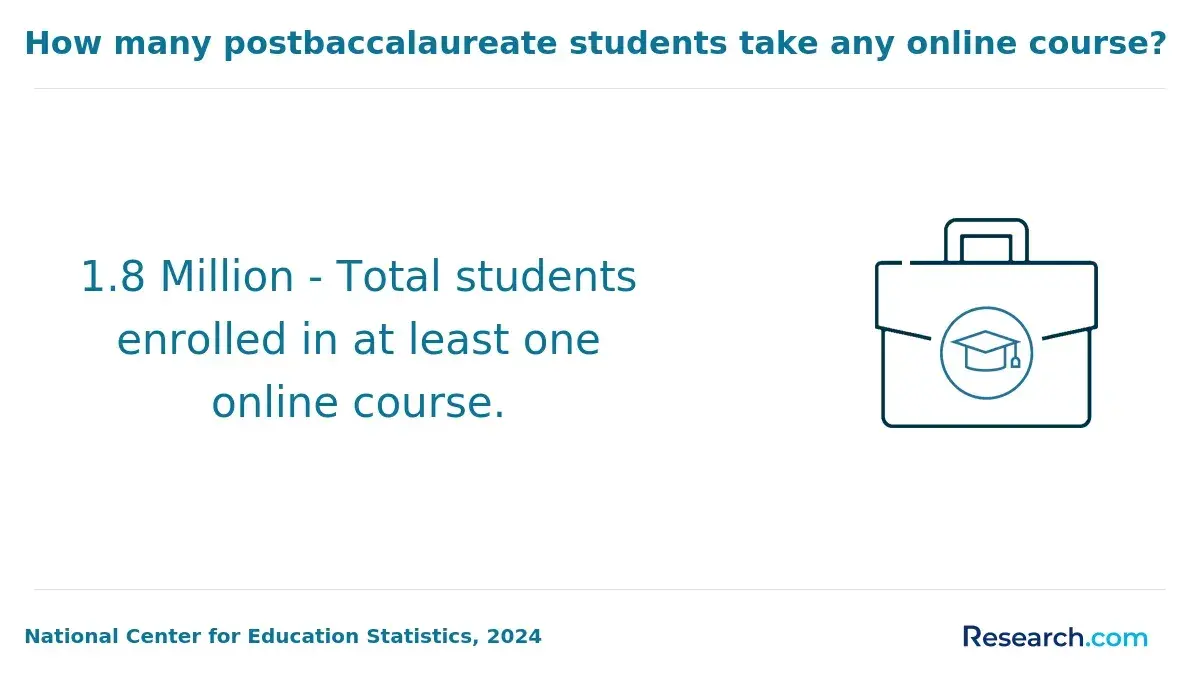
A 2024 study by The Institute for College Access & Success highlights that students from private nonprofit online public safety programs tend to borrow about 20% more than their public counterparts; however, these same graduates generally achieve higher employment rates within a year post-graduation.
This dynamic suggests that investing more upfront may be justifiable for learners prioritizing timely completion and strong workforce integration. For working adults balancing work and study, program flexibility and tailored career support in nonprofit settings often yield better alignment with real-world demands, whereas public programs may provide affordability but less personalized guidance, potentially impacting student success and institutional value.
Ultimately, tuition cost alone does not determine the economic value of public safety credentials. Decision-making should incorporate factors beyond sticker price, such as financial aid availability, graduation timelines, and post-degree employment prospects. Adult learners and career changers must weigh how support and completion likelihood offset higher debt or tuition, recognizing that lower upfront costs without adequate academic or career assistance can lead to extended financial strain and slower income growth over time.
How Do Graduation Rates Influence Public Safety Program ROI?
Graduation rates significantly shape the return on investment for public safety programs, yet their impact varies by institution type due to differing student populations and support structures. Public institutions generally report higher completion percentages, reflecting stronger academic support and accountability systems that help students finish on time, directly influencing debt levels and cost efficiency.
Private and nonprofit online programs often enroll adult learners balancing extensive work or family obligations, which can extend time-to-degree and complicate straightforward comparisons of online public safety program completion and return on investment. This demographic difference means lower graduation rates in these sectors do not necessarily equate to poorer value, as many students benefit from program flexibility and relevant training despite slower progress.
Data from the National Center for Education Statistics in 2024 shows clear disparities, with public schools outperforming others in graduation metrics for public safety fields. However, relying solely on these rates overlooks outcomes like employer recognition of practical skills, long-term career advancement, and debt burden-all critical to evaluating ROI.
For example, students prioritizing flexibility might accept longer enrollment to maintain income, thereby accumulating more debt but gaining marketable competencies. When assessing public safety program roi, adult learners should also consider program adaptability, student services, and post-graduation employment statistics rather than focusing only on how quickly programs are completed.
Those weighing educational options might find value in exploring related fields with growing demand, such as a health information management degree, which often features structured pathways and competitive costs. Ultimately, graduation rates serve as one useful indicator of institutional effectiveness but must be contextualized alongside practical tradeoffs, support mechanisms, and student circumstances to guide informed decisions grounded in real-world educational planning.
What Role Do Career Outcomes Play in the ROI of a Public Safety Degree?
Career outcomes serve as a critical lens through which the ROI of public safety degrees can be meaningfully assessed, revealing tradeoffs that differ notably among public, private, and nonprofit online institutions. For instance, a 2024 report from the National Center for Education Statistics shows public institutions boasting a 78% graduate employment rate within six months, surpassing private and nonprofit counterparts that hover around 70-72%.
This gap not only reflects hiring market dynamics but also affects the net value of education when juxtaposed with tuition costs and resultant debt. Public programs often benefit from stronger ties to government and community agencies, which can ease entry into relevant roles, while private and nonprofit schools might offer niche certifications that enhance mobility in specialized areas, though sometimes at a higher price point and with variable employer recognition.
Choosing among these options requires balancing immediate job placement odds with longer-term career sustainability and cost burden. Institutions emphasizing rigorous accreditation and practical training may better prepare graduates for licensure-dependent roles, influencing how quickly earnings can justify educational expense. Conversely, some private and nonprofit programs cater to professionals seeking interdisciplinary or flexible schedules, potentially extending time to degree but offering adaptability for working students.
These differences highlight the importance of aligning program strengths with individual career goals, local job market saturation, and professional networks, rather than assuming a uniform ROI. Real-world implications include weighing how career mobility and employer pipelines translate into promotions, stability, or cross-sector transitions over time.
One graduate who completed an online public safety program shared that initially, the ROI calculation felt uncertain, as she weighed the upfront debt against unclear career benefits. However, after leveraging the degree to secure an internal promotion that expanded her operational responsibilities, she recognized how the program's targeted curricula and employer network became instrumental for her upward mobility. She noted, "The financial return wasn't immediate, but the credential opened doors to new roles within my department that wouldn't have been accessible otherwise," illustrating the nuanced and evolving nature of career outcomes in evaluating educational investments.
How Does Student Debt Impact the Long-Term ROI of a Public Safety Program?
Student debt exerts a substantial influence on the long-term return on investment (ROI) of a public safety program by directly affecting graduates' financial flexibility and career decisions. For instance, students attending private online programs often incur median debts exceeding $30,000, which can double the risk of loan default compared to their peers in public institutions.
This higher repayment burden typically restricts disposable income, delaying wealth accumulation and limiting the ability to pursue advanced certifications or further education critical for upward mobility in public safety careers. These financial tradeoffs underscore the importance of carefully assessing borrowing levels relative to expected earnings and career trajectories within this field.
The impact of graduation debt on career outcomes for public safety graduates varies notably by institution type, completion rates, and financial aid availability. Public online programs generally combine lower median debt-around $18,000-with higher graduation and repayment rates, improving overall ROI through better employability and reduced financial stress.
In contrast, some private for-profit programs with high tuition and lower completion rates may lead to greater financial strain, undermining long-term career prospects. Evaluating educational quality alongside affordability, including options like hybrid ABSN programs for comparison, helps adult learners and career changers make informed decisions that balance cost, program speed, and career relevance.
How Do Flexibility and Adult Learner Support Affect Public Safety Program Value?
Flexible scheduling and targeted support services substantially shape both the cost-effectiveness and completion rates of online public safety programs. Programs offering asynchronous courses and part-time options enable employed adults to maintain steady progress without sacrificing income, which directly affects persistence-research from the National Center for Education Statistics (2024) reports an 18% higher completion rate over six years for students in asynchronous formats.
However, flexibility alone does not guarantee success; adult learners must also consider the availability of robust academic advising, career counseling, and faculty interaction, which drive expedited degree completion and improve job placement, especially in private institutions where these services are often more intensive but come with higher tuition fees.
Nonprofit programs frequently provide a mixed model balancing affordability with meaningful learner support, including transfer credit evaluation and accommodations for military or working students. Such services can reduce time-to-degree and total costs by minimizing credit loss and providing retention initiatives that have raised graduation rates by up to 12 percentage points compared to public programs lacking these efforts.
Nevertheless, decision-makers should weigh these benefits against variation in program quality and institutional capacity, as nonprofits can differ widely in outcomes. Ultimately, adult learners must assess how differences in flexibility and support affect opportunity costs, debt load, and long-term employability rather than defaulting to assumptions about public programs being cheaper or private ones always better-funded.
How Do Accreditation and Institutional Reputation Influence Public Safety ROI?
Accreditation and institutional reputation do not simply serve as formal endorsements; they deeply affect the practical return on investment for students in public safety programs. Graduates from regionally accredited programs see notably higher employment rates-15% more within six months according to the 2024 National Center for Education Statistics report-reflecting employer preferences for recognized academic quality that directly influences hiring decisions.
For example, a student choosing between a public institution with regionally recognized accreditation and a private online provider with less transparent credentials must weigh how well credits will transfer and whether the degree meets specific licensing requirements, as these factors materially impact career mobility and credential utility.
Public institutions often provide a more consistent academic framework aligned with state licensing and credit transfer standards, typically at lower tuition costs, which benefits cost-conscious learners by reducing debt burden without sacrificing employer recognition. Private and nonprofit providers can offer specialized curricula and flexibility but vary substantially in accreditation rigor and reputation, which complicates the calculus of long-term ROI.
Employers increasingly scrutinize not only brand name but tangible outcomes-graduation rates, licensure eligibility, and student support services-that underpin a program's credibility and graduate success. This nuanced landscape requires students to critically evaluate how accreditation and institutional standing interact with affordability and career goals, given that these attributes often determine if a degree facilitates usable credentials, sustainable employment, and manageable debt over time.
How Does Time-to-Degree Affect the ROI of Public, Private, and Nonprofit Public Safety Programs?
Time-to-degree significantly shapes the ROI of public, private, and nonprofit online public safety programs by directly influencing tuition exposure, opportunity costs, and debt accumulation. For example, while private for-profit institutions often offer faster completion times averaging 3.9 years, this acceleration may come with increased academic intensity and fewer part-time options, limiting flexibility for working adults.
Conversely, public institutions average closer to 4.8 years, partly due to higher rates of part-time enrollment and complex transfer credit policies, which can extend graduation timelines but offer crucial balance for students juggling work and family. This dynamic underscores the importance of comparing graduation timelines and ROI in public safety education on a practical level, rather than relying on surface metrics.
Nonprofit online programs frequently blend accelerated and competency-based pathways to accommodate adult learners' varied schedules, enhancing ROI by reducing opportunity costs without sacrificing quality. These programs typically demonstrate higher completion rates-around 70% within six years-compared to 60% at public universities, reflecting more robust academic support and structured pacing. Importantly, employers often prioritize degree completion quality over speed, so selecting a program with flexible transfer credit acceptance and realistic timelines can sustain career momentum and limit debt burdens.
For those exploring specialized routes, resources like ADN to NP programs may offer valuable insights into tailored educational pathways that align with both personal circumstances and workforce demands.
How Can You Choose the Best Public Safety Program Based on Your ROI Goals?
The highest return on investment in public safety programs hinges less on whether the institution is public, private, or nonprofit online, and more on how individual priorities intersect with realities like cost, debt burden, time-to-degree, and career prospects. Public institutions often offer lower tuition and greater financial aid options, which can reduce overall student debt, a critical factor according to a 2024 report from the National Center for Education Statistics showing public graduates typically carry about 30% less debt than private counterparts. Yet, private programs may provide smaller classes and stronger learner support, potentially boosting graduation rates and employer appeal, especially where local reputation impacts job placement.
Flexibility, especially for working adults managing family or employment, remains a significant ROI variable. Nonprofit online programs frequently excel here with accelerated schedules and remote coursework but may involve higher costs and less financial aid availability, altering the cost-benefit calculus. Students who balance personal obligations with career goals must weigh whether quicker completion and adaptable formats justify tougher finances, while traditional public programs may require more rigid scheduling but lessen financial strain. Evaluating program accreditation, graduation likelihood, and employability evidence within this framework is essential when choosing the best online public safety program for career goals.
ROI assessments must also consider employer expectations and institutional reputation, as regional public programs sometimes facilitate better job placement than lesser-known private schools. For those investigating further education options spanning various fields, comparing debt and affordability across programs like counseling PhD programs can help contextualize investment decisions. Ultimately, the best strategy integrates personal circumstances with nuanced tradeoffs among program type, cost, quality, and long-term career value in public safety education.
References
- How to Measure ROI in Public Safety Marketing https://www.redflashgroup.com/public-safety-marketing-budgeting-roi/
- Public colleges offer highest chance of positive ROI to students, report finds https://www.highereddive.com/news/public-colleges-offer-highest-chance-of-positive-roi-to-students-report-fi/618531/
- Calculate Your Safety ROI: It’s Easier than You Think- Novara https://novara.com/blog/calculate-your-safety-roi-its-easier-than-you-think/
- How is ROI measured | Ideagen EHS https://www.ideagen.com/thought-leadership/blog/how-is-roi-measured-in-safety-tools-and-strategies-to-calculate-impact
- Calculating the ROI of Senior EHS Leadership: A CFO’s Guide https://ehscareers.com/employer-blog/calculating-the-roi-of-senior-ehs-leadership-a-cfos-guide/
- ‘MBAs for the Public Good’? https://www.vitalcitynyc.org/mbas-for-the-public-good-does-getting-a-masters-degree-make-sense-for-nonprofit-professionals/
- Calculating Safety ROI - Flight Safety Foundation https://flightsafety.org/asw-article/calculating-safety-roi/
- Risk Management: A Key Component in Public Safety - Police Chief Magazine https://www.policechiefmagazine.org/risk-management-key-component-public-safety/
- Measuring ROI in Environment, Health, and Safety – ROI Institute https://roiinstitute.net/measuring-roi-in-environment-health-and-safety/
- Campus Safety Budgeting: Improving Efficiency and Measuring ROI – PUPN https://pupnmag.com/article/campus-safety-budgeting-improving-efficiency-and-measuring-roi/
Other Things You Should Know About Public Safety
Employer recognition tends to vary more by program specialization and hands-on training opportunities than by institution type alone. However, public institutions often have stronger ties with local government agencies and municipal employers, which can be an advantage for students targeting those sectors. Private and nonprofit programs may offer more niche or innovative curriculum options, but without practical experience or strong industry partnerships, graduates might face skepticism from certain employers. Prospective students should prioritize programs with clear employer engagement and field experience components to maximize ROI, regardless of institution type.
Private online programs often market a more accelerated pace with intensive coursework, whereas public and nonprofit programs may follow more traditional academic calendars and pacing. For working professionals balancing jobs and family, the constant high workload of some private programs can lead to burnout and lower completion rates, ultimately diminishing ROI. Public and nonprofit programs usually allow more flexibility in course sequencing, which can better support sustained progress without compromising learning quality. Choosing a program that matches one's time availability and stress tolerance is crucial to avoid wasted tuition and prolonged time-to-completion.
Adult learners seeking direct career advancement should weigh institution types based on how well they align with employer credential preferences and professional development needs. Public institutions often provide broader access to state certifications and recognized credentials that many public safety careers require. Nonprofit online programs might offer more tailored continuing education and networking opportunities with sector-specific professionals. Private institutions could be more suitable for learners aiming for rapid credential stacking or specialized roles but carry a higher risk of misaligned employer recognition. Evaluating local job market demands and credential relevance is essential for adult learners prioritizing workforce impact.
Transfer credit acceptance can vary widely, with public institutions generally maintaining more standardized and transparent policies compared to private or nonprofit programs. This can significantly enhance ROI by reducing redundant coursework and accelerating program completion time. Private online programs often have stricter or more opaque credit evaluation processes, potentially lengthening the study period and increasing costs. Students with prior credentials or experience should inquire early about credit transfer mechanisms, as this directly impacts overall investment and the ability to leverage past learning efficiently.