2027 Public Safety Skills Gap Analysis: What Employers Want vs What Degree Programs Teach

Co-Founder and Chief Data Scientist
A recent graduate with a degree in public safety steps into the job market eager to contribute but quickly encounters a gap between academic training and employer demands. Technical skills taught in many programs often focus heavily on theory, leaving practical competencies like incident management, communication under pressure, and real-world problem solving underdeveloped. This mismatch can delay employment or require additional on-the-job training, creating frustration for graduates and employers alike.
Key Things to Know About Public Safety Skills Gap
- Employer surveys in 2024 reveal a 40% gap between public safety program curricula and expectations for real-time decision-making skills, emphasizing a need for practical scenario training over theoretical knowledge.
- Graduates face strong demand for advanced communication and crisis management skills not fully addressed in classrooms, prompting increased on-the-job training to bridge this competency shortfall.
- Students enhancing career readiness benefit from internships and certifications in emerging tech applications, a strategy proven to increase employment rates by 25% within the first year post-graduation.
- Key Things to Know About Public Safety Skills Gap Key Things to Know About Public Safety Skills Gap
- What Skills Do Employers Expect From Public Safety Graduates? Employer Expectations
- What Do Public Safety Degree Programs Typically Teach? Program Curriculum
- Where Is the Biggest Skills Gap Between Public Safety Programs and Employers? Biggest Skills Gap
- Which Technical Skills Are Most Important for Public Safety Careers? Technical Skills
- Which Workplace Skills Matter Beyond Technical Knowledge? Workplace Skills
- How Do Internships and Real-World Experience Improve Career Readiness? Career Experience
- How Can Students Close the Public Safety Skills Gap Before Graduating? Closing Skills Gap
- How Is the Public Safety Job Market Changing Employer Skill Requirements? How Is the Public Safety Job Market Changing Employer Skill Requirements?
- How Do Different Public Safety Programs Compare in Career Preparation? How Do Different Public Safety Programs Compare in Career Preparation?
- How Should Students Choose a Public Safety Program That Builds Career-Ready Skills? Choosing a Program
What Skills Do Employers Expect From Public Safety Graduates?
The following list outlines key competencies that consistently emerge as critical for public safety graduates across varied roles and organizations.
- Technical Proficiency: Fluency with cybersecurity fundamentals, emergency management software, and geographic information systems is frequently demanded as agencies modernize. Graduates typically build this through hands-on labs and internships, enabling real-world operational effectiveness.
- Critical Thinking and Judgment: Employers value the ability to rapidly analyze complex incidents under pressure and make evidence-based decisions. Educational scenarios that simulate crisis response help develop this vital skill.
- Communication Skills: Clear communication is essential for coordinating multidisciplinary teams and engaging communities during emergencies. Public safety curricula that emphasize interpersonal interaction foster these abilities.
- Emotional Intelligence: Managing diverse community interactions increasingly requires cultural competence and empathy to de-escalate situations and build trust, skills gained through fieldwork and community engagement.
- Adaptability and Lifelong Learning: Given fast-evolving threats and technology, continuous education on legal updates and emerging risks is crucial. Graduates committed to ongoing training stay relevant and effective.
- Practical Experience: Employers often highlight gaps in real-world tool usage and problem-solving, underlining the importance of internships, certifications, or specialized vocational training. Programs such as the cheapest medical coding certification online can offer complementary credentialing that enhances employability.
What Do Public Safety Degree Programs Typically Teach?
Here are the typical skills taught in public safety degree programs:
- Risk Assessment and Management: Students learn to identify, evaluate, and prioritize risks across various public safety scenarios. This area is critical because effective hazard mitigation can prevent loss of life and property, supporting long-term operational success in agencies.
- Incident Command Systems: Training focuses on structured approaches to managing emergencies, emphasizing coordination and resource allocation. Mastery here ensures graduates can operate within national frameworks like the Department of Homeland Security's National Preparedness Goal.
- Legal and Ethical Foundations: Coursework addresses laws, regulations, and ethical dilemmas relevant to public safety professions. Understanding these principles anchors decision-making processes and fosters accountability in high-stakes environments.
- Communication and Interpersonal Skills: Programs stress clear, effective communication and conflict resolution. These skills are essential for community engagement, de-escalation techniques, and functioning in diverse, multidisciplinary teams.
- Technology and Data Analytics: Technological training includes geographic information systems (GIS), surveillance tools, and data interpretation. Proficiency in these areas supports strategic planning and situational awareness in an increasingly digital public safety landscape.
- Disaster Preparedness and Response Planning: Students acquire knowledge of emergency protocols and resource mobilization. This helps cultivate adaptable leadership able to manage rapidly evolving crises.
- Community-Oriented Policing Strategies: Emphasis on building trust and partnerships within communities prepares graduates to address social complexities and improve safety outcomes over time.
For those exploring online colleges for addiction counseling and other related healthcare fields, looking into a number of resources can provide comparative insights into career preparation across emergency support disciplines.
Where Is the Biggest Skills Gap Between Public Safety Programs and Employers?
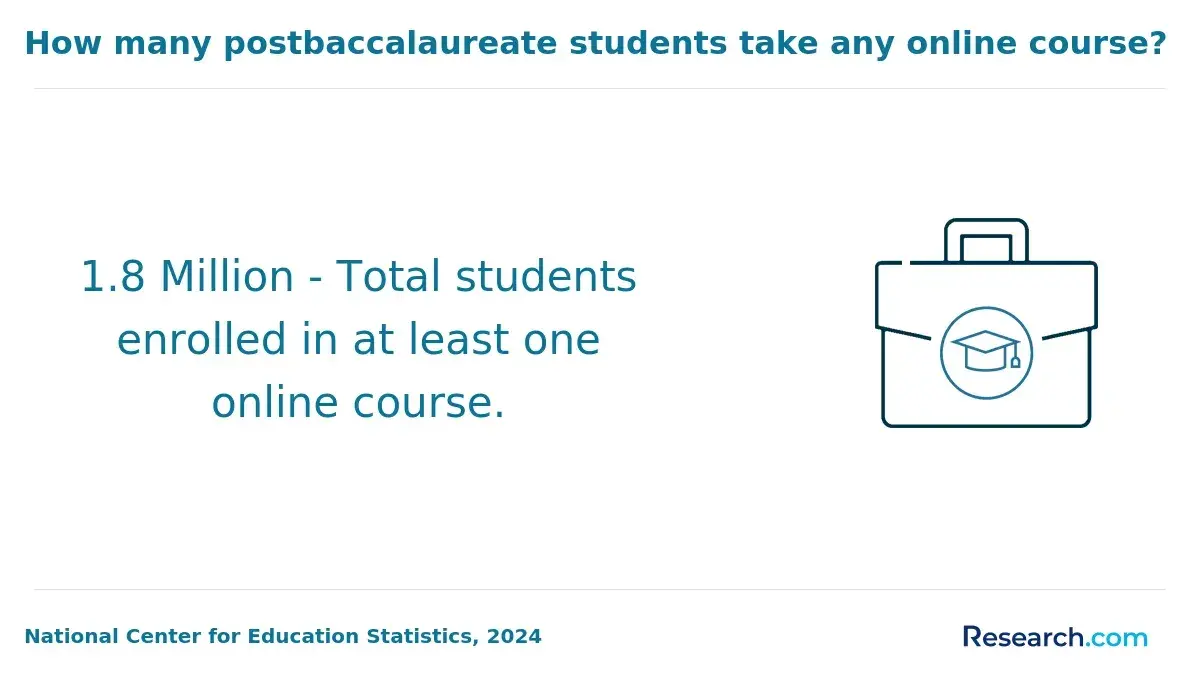
A significant skills gap persists between the competencies emphasized in public safety degree programs and those demanded by employers, particularly as the professional landscape evolves rapidly. Recent data from the 2024 National Center for Education Statistics shows that over 60% of agencies report graduates lack key technical and practical proficiencies needed on day one. The disparity largely stems from educational programs prioritizing foundational knowledge over applied experience with emerging technologies and real-world scenarios. Below are the primary areas where graduates often fall short and actionable steps students can take to close these gaps before entering the workforce.
- Applied Technology Skills: Many curricula do not keep pace with advancing tools such as cybersecurity protocols, geographic information systems (GIS), and digital forensics. Graduates may understand theoretical concepts but struggle with hands-on applications, which delays operational readiness. Engaging in internships with agencies that use these technologies or earning certifications in relevant platforms significantly improves employability.
- Critical Thinking Under Pressure: Programs tend to emphasize standard operating procedures and legal frameworks but provide limited exposure to high-stakes, dynamic problem-solving. Employers expect personnel who can adapt quickly in volatile environments, so participating in simulations, scenario exercises, or crisis management workshops is essential for bridging this competency gap.
- Interagency Communication: While communication fundamentals are taught, experience coordinating among multiple agencies during complex incidents is often missing. This shortfall hampers teamwork and crisis response effectiveness. Students should seek opportunities to collaborate on cross-disciplinary projects or volunteer in community drills to build these skills.
- Cultural Competency: As public safety roles increasingly involve diverse populations, graduates must demonstrate sensitivity and ethical judgment tailored to varied social contexts. Coursework alone may provide only superficial insights; authentic community engagement and service-learning initiatives deepen understanding and readiness for this critical aspect.
A recent graduate reflected on the transition from academics to employment in a mid-sized urban police department. Though confident in theory, the graduate hesitated during a multi-agency emergency response that required quick collaboration with fire, EMS, and federal units. Realizing the gap in practical communication and technological skills, they immediately pursued additional field training and certifications. Over time, this hands-on experience compensated for initial classroom limitations, underscoring the urgent need for applied learning before graduation to reduce early career vulnerability.
Which Technical Skills Are Most Important for Public Safety Careers?
Technical skills are essential for translating academic knowledge into effective performance within public safety professions. As technology rapidly evolves, the most impactful competencies reflect shifting operational priorities, emerging threats, and the integration of advanced tools. Employers increasingly seek candidates who can confidently apply these skills in practical scenarios, adapting to diverse systems and collaborative environments. For example, a first responder managing a multi-agency incident must seamlessly operate digital communication platforms while safeguarding sensitive information. The following list highlights core technical skills shaping public safety roles in 2024 based on recent workforce competency analyses.
- Digital Communication Systems: Mastery of digital radios and interoperable networks is critical to coordinating emergency responses. Students develop proficiency through hands-on training with current communication technologies, enabling real-time collaboration across agencies and improving incident resolution efficiency.
- GIS Technology: Geographic information systems support spatial analysis and resource allocation during crises. Coursework in GIS combined with practical mapping exercises prepares graduates to deliver precise situational awareness, a skill increasingly demanded by employers according to the 2024 Public Safety Workforce Competency Report.
- Cybersecurity Measures: Protecting data integrity in public safety infrastructure is paramount amid rising cyber threats. Exposure to cybersecurity principles and defense tactics through specialized certifications equips candidates to mitigate risks and maintain operational continuity.
- Data Analytics and Incident Management Software: Ability to interpret real-time data and utilize predictive analytics underpins strategic decision-making at emergency scenes. Training often includes simulation of incident command systems, fostering adaptive responses and enhancing operational effectiveness.
- Drone Operation and Remote Sensing: As aerial technologies gain relevance, skills in piloting drones and analyzing remote sensor data offer new reconnaissance and planning capabilities. Practical instruction in drone deployment broadens tactical options beyond traditional methods.
- Radio Operations and Computer-Aided Dispatch (CAD): Foundational competencies remain vital, ensuring reliable communication and efficient dispatching. Established training modules focus on these skills, balancing legacy systems knowledge with contemporary technological updates.
- Interoperability and Software Adaptability: Employers prioritize professionals who quickly master evolving software platforms and maintain system compatibility. Continuous learning through updated coursework or workplace training enhances long-term employability by addressing this dynamic requirement.
Which Workplace Skills Matter Beyond Technical Knowledge?
Technical expertise alone rarely secures lasting success in public safety careers. Employers repeatedly report that professional skills, often called durable or soft skills, critically influence job performance and career resilience. A National Institute of Justice study from 2024 found that over 70% of public safety employers rank communication and critical thinking above technical knowledge when hiring new graduates. This reveals how essential these competencies are for individuals navigating unpredictable, high-stakes environments. Below are the core workplace skills that consistently matter beyond technical training.
- Effective Communication: Clear and calm communication is vital when officers face tense or confusing situations. Public safety students can build this skill through role-playing exercises and community engagement projects, which prepare them to convey information accurately and de-escalate conflicts-skills that foster trust and safer outcomes on the job.
- Critical Thinking: The ability to assess rapidly evolving scenarios and make sound decisions sets apart successful professionals. Coursework centered on scenario analysis and simulation-based exercises enhances problem-solving aptitude, enabling personnel to respond decisively when protocols alone are insufficient.
- Emotional Intelligence: Empathy and stress management are indispensable for managing trauma exposure and maintaining constructive community relationships. Developing this skill during internships or mentoring programs can reduce burnout and improve cooperation with both colleagues and the public, integral for long-term career sustainability.
- Adaptability: Public safety threats and technologies continually evolve, requiring personnel who can adjust tactics and embrace new tools. Graduates demonstrating resilience and openness to ongoing education are more likely to retain relevance and effectiveness as their careers progress.
- Continuous Learning: Employers expect professionals to engage in lifelong learning to keep pace with changing standards and innovations. Integrating experiential learning, such as simulation exercises, helps students internalize this mindset early, reinforcing a habit essential for career growth.
- Interpersonal Collaboration: Many public safety roles demand teamwork under pressure. Group projects and cross-disciplinary training foster collaboration abilities, helping staff coordinate complex operations and leverage diverse expertise effectively.
- Ethical Judgment: Navigating moral dilemmas with integrity is foundational. Discussing case studies and ethics in coursework supports graduates in making principled decisions that uphold public trust and institutional accountability.
The gap between technical training and these professional competencies is evident in many degree programs, which tend to emphasize equipment mastery over non-technical skills. Prospective students seeking to strengthen workforce readiness should seek programs and internships that emphasize this integrated skill development. For example, public safety students might explore ultrasound tech programs or related fields that incorporate communication and ethical considerations alongside technical instruction, illustrating how multi-dimensional training enriches career outcomes.
public safety soft skills employers value
key professional skills for public safety careers
How Do Internships and Real-World Experience Improve Career Readiness?
Degree programs in public safety often provide essential theoretical foundations, but they rarely expose students to the complexities of real-world scenarios critical for full career readiness. Classroom instruction cannot replicate the unpredictable, high-pressure environments where rapid decision-making and adaptive problem-solving are necessary. For example, a student might learn incident response protocols in a lecture but must develop confidence and practical judgment by applying those protocols during an internship where outcomes are uncertain and stakes are high. Experiential learning bridges this gap by allowing students to internalize skills, navigate interpersonal dynamics, and build resilience-qualities that employers prioritize but that textbooks alone cannot develop.
Internships, practicums, and cooperative education offer more than technical skill development; they foster professional communication, deepen understanding of workplace culture, and clarify job expectations. These experiences enable students to practice managing stress, coordinating across agencies, and responding to evolving priorities, increasing adaptability and work-readiness. According to a 2024 report by the National Center for Education Statistics, public safety students who complete relevant internships have a 28% higher employment rate within six months of graduation compared to peers without such experience. However, not all opportunities are equal-variability in program quality and agency partnerships means students must be selective and proactive in seeking placements aligned with their goals.
To maximize the benefits of experiential learning, students should secure internships early, engage deeply in applied projects, and cultivate relationships with mentors and professionals in the field. Reflecting critically on these experiences helps translate practical insights into long-term competencies and clearer career direction. Importantly, internships complement academic achievement and continuous skill improvement rather than replace them, highlighting the need for an integrated approach to career preparation that combines strong coursework, hands-on experience, and active professional development to meet evolving employer standards.
How Can Students Close the Public Safety Skills Gap Before Graduating?
Students pursuing a public safety degree do not need to wait until earning their diploma to develop the skills employers demand. Actively integrating hands-on experience and applied learning into their academic pathway enhances both competency and confidence before entering the workforce. Employers increasingly prioritize graduates who demonstrate proven situational skills, decision-making capabilities, and adaptability alongside theoretical knowledge. This makes the strategic blending of coursework with practical engagement a critical element in closing the skills gap. Below are key strategies students can adopt to position themselves more competitively.
- Internship Engagement: Internships remain the most direct route to acquiring workplace skills that academic programs often underrepresent, such as crisis response and protocol application. Over 70% of public safety employers now favor candidates with documented internship experiences, according to a 2024 Georgetown University study. Gaining exposure through well-selected placements boosts situational awareness and prepares students for the realities of on-the-job decision-making.
- Applied Research Participation: Involvement in undergraduate research projects sharpens analytical thinking and technological fluency critical to navigating emerging public safety challenges. The National Science Foundation reports that students engaged in applied research show heightened adaptability to evolving policy and tech environments. Active collaboration with faculty mentors enhances understanding beyond standard coursework.
- Project-Based Learning: Collaborative projects simulate real-world problem solving, requiring students to integrate data analysis and strategic planning. This method fosters teamwork and creativity, two traits crucial for dynamic public safety roles. Pursuing assignments tied to community or agency needs bridges academic theory with pressing operational demands.
- Certification Acquisition: Earning recognized certifications signals professional competence in specialized areas like emergency management or cybersecurity. Employers increasingly view such qualifications as evidence of up-to-date knowledge, with certified graduates showing a 30% higher likelihood of quick job placement, as found in a 2024 International Association of Chiefs of Police survey. Prioritizing relevant credentials enhances employability and differentiation.
- Cross-Disciplinary Skill Building: Developing complementary skills such as communication, technology literacy, and cultural competence prepares students for multifaceted job environments. Engaging in workshops, seminars, or volunteer roles outside core courses broadens practical expertise, reinforcing the holistic aptitude employers seek.
- Networking and Mentorship: Building relationships with professionals in public safety agencies provides real-time insights and potential referral opportunities. Informational interviews and attending sector events connect students with mentors who can advise on navigating career pathways effectively.
A recent graduate recalled hesitating before accepting an unpaid internship at a local law enforcement agency, concerned about balancing this commitment with final semester coursework. However, the immersive experience proved pivotal, exposing them to incident command protocols and inter-agency communication that textbooks alone never captured. The tangible skills and the endorsement from the internship supervisor eased their job search significantly, demonstrating that practical immersion-even with initial uncertainty-can decisively narrow the gap between academic training and employer expectations in public safety careers.
How Is the Public Safety Job Market Changing Employer Skill Requirements?
Technological innovation and shifting policy priorities have transformed the public safety job market, leading employers to value more interdisciplinary expertise. The U.S. Bureau of Labor Statistics reports accelerated growth in roles like emergency management and cybersecurity, surpassing traditional law enforcement and firefighting positions. This dynamic compels public safety professionals to integrate technical skills such as data analytics, GIS mapping, and crisis communication alongside foundational tactical knowledge. For example, a community policing officer may now also be expected to utilize advanced communication platforms and interpret real-time data to respond effectively in multifaceted emergencies, reflecting broader industry trends.
Employers increasingly emphasize soft skills highlighted in LinkedIn's 2024 workforce analysis, including adaptability, emotional intelligence, and collaborative problem solving. These are essential as public safety roles often involve multi-agency coordination amid evolving threats like cybercrime and public health crises. Lightcast labor market data reveals a growing preference for candidates who combine formal education with practical experience and continuous learning, underscoring a gap between academic programs and employer expectations. This signals that relying solely on degree coursework limits workforce readiness without complementary internships, certification programs, or cross-disciplinary skill development.
To meet evolving employer demands, students should balance core public safety curricula with applied projects, internships, and active skill refinement throughout their careers. Proactively engaging in certifications or cooperative experiences can meaningfully bridge gaps in practical knowledge and enhance employability. Those pursuing opportunities like an accelerated SLP master's program illustrate the value of integrating accelerated, specialized credentials with foundational education to better align with market realities. This holistic approach fosters greater career resilience amid the changing landscape of public safety job market trends.
How Do Different Public Safety Programs Compare in Career Preparation?
Career preparation in public safety degree programs depends on far more than the degree title alone. The actual design and emphasis of each curriculum heavily influence graduates' ability to meet employer expectations and succeed in diverse operational roles. Recent 2024 analyses from the National Institute of Justice show that programs incorporating practical, experiential components correlate with higher employer satisfaction and improved graduate job placement. Hence, prospective students must critically assess program characteristics beyond academic reputation to gauge true workforce readiness. Below are key factors to compare when evaluating public safety academic curricula from a career readiness perspective.
- Experiential Learning Opportunities: Hands-on experiences such as internships, simulations, and scenario-based training significantly enhance practical skill development. Programs differ widely here; some emphasize immersive fieldwork, while others focus mostly on theory. Students should examine how much real-world exposure a program offers and whether it matches their intended career path.
- Curriculum Breadth and Depth: Multidisciplinary programs combining technology, communication, and ethics tend to produce adaptable graduates. However, an emphasis on breadth might limit opportunities for in-depth research or policy analysis, which are critical for federal or strategic roles. Aligning curriculum focus with career goals is essential for long-term success.
- Alignment with Employer Competencies: Competencies like critical decision-making, cultural competence, and interagency collaboration are increasingly valued but often underrepresented in coursework. Evaluating a program's connection to employer networks and emphasis on these skills helps identify readiness gaps that students may need to address independently.
- Professional Development Focus: Programs fostering ongoing learning and adaptability prepare graduates for evolving public safety demands. This includes training in emerging technologies and continuous collaboration frameworks, influencing career progression beyond entry-level roles.
Considering these factors alongside academic reputation enables students and recent graduates to make informed choices. For those transitioning from other fields or exploring alternative education paths, examining options such as accelerated BSN programs for non nurses can also provide relevant insights into how curriculums integrate workforce readiness. Understanding the nuanced tradeoffs between program styles and employer expectations is crucial in navigating public safety degree programs career readiness effectively.
How Should Students Choose a Public Safety Program That Builds Career-Ready Skills?
Choosing between online, hybrid, and campus formats for public safety programs involves weighing distinct long-term benefits and limitations tied to career readiness and workforce integration. For example, a student balancing family commitments might thrive in a hybrid program, gaining practical skills on campus while leveraging flexible online coursework. The 2024 National Center for Education Statistics and RAND Corporation reports highlight that programs emphasizing hands-on training and work-based learning produce graduates who secure employment faster.
Key factors to consider include:
- Skill application opportunities: Campus formats often provide extensive simulation labs and direct mentorship, enhancing practical preparedness. Hybrid models combine these with online theory, while fully online programs may rely more on virtual simulations, which can limit tactile experiences but offer accessibility for remote learners.
- Networking and mentorship: In-person settings foster stronger relationships with instructors and peers, which research links to higher employer satisfaction post-graduation. Hybrid programs offer moderate networking, while online formats may challenge building professional connections.
- Curriculum adaptability: Online and hybrid programs tend to update content swiftly to address emerging cyber threats and mental health crises in public safety, a critical advantage in a rapidly evolving field.
- Self-discipline demands: Online students must demonstrate high motivation and time management to succeed without on-site accountability, making these programs better suited for self-directed learners.
- Cost and accessibility: Online programs often reduce expenses related to commuting and housing, promoting enrollment diversity. However, campus experiences can offer richer access to current technology and protocols critical in public safety training.
- Career support services: Campus programs typically provide robust job placement services and internships through agency partnerships, a factor linked to faster employment within six months of graduation as highlighted by RAND.
- Outcome transparency: Prospective students should prioritize programs with clear data on graduate employment rates and employer satisfaction, as these metrics reveal alignment with workforce needs irrespective of format.
References
- How to Conduct a Skills Gap Analysis: A Leader’s Guide to Skills Gap Assessment https://www.cornerstoneondemand.com/resources/article/how-to-conduct-a-skills-gap-analysis/
- Top 10 Skills Employers Are Looking For https://blog.kavaliro.com/blog/top-10-skills-employers-are-looking-for
- Skills Gap Analysis Complete Guide https://www.centranum.com/resources/capability-and-competency/skills-gap-analysis/
- Career development in public safety agencies https://www.police1.com/police-jobs-and-careers/articles/career-development-in-public-safety-agencies-px3zrJqEawbPDUdh/
- BS in Public Safety Administration | Neumann University https://www.neumann.edu/academics/online-degree-completion/public-safety-administration-degree
- Online Public Safety Programs https://www.wlu.ca/academics/faculties/faculty-of-human-and-social-sciences/assets/resources/online-public-safety-programs.html
- Professional Soft Skills You Need for the Workplace | University of Phoenix https://www.phoenix.edu/blog/professional-soft-skills-for-the-workplace.html
- Skills Gap Guide & Toolkit https://www.tpp.co.uk/clients/skills-gap-guide/
- 10 Essential Skills You Need to Become a Health and Safety Officer - My Training Academy https://mytrainingacademy.org.uk/blog/post/10-essential-skills-you-need-to-become-a-health-and-safety-officer
- Public Safety - Alabama SkillsUSA https://alskillsusa.org/industry/public-safety/
Other Things You Should Know About Public Safety
Many degree programs emphasize a broad curriculum that covers foundational concepts, but employers increasingly seek candidates with specific certifications that demonstrate practical competencies. Students face a tradeoff between dedicating time to earning these credentials or progressing through standard coursework. Prioritizing certifications recognized by employers can improve job readiness, though it may require balancing or reducing elective opportunities within the program.
Rigid, theory-heavy programs often leave graduates less prepared for the unpredictable, fast-paced nature of public safety work. Employers prioritize candidates who can apply skills flexibly under pressure, yet many programs lack opportunities for scenario-based learning or problem-solving simulations. Students should seek programs that integrate adaptive learning experiences to better align their skills with workplace realities.
Public safety demands evolve rapidly due to changes in technology, threat landscapes, and policy. Overemphasizing immediate employer skills may leave graduates unprepared for future shifts or emerging roles. A balanced curriculum that fosters critical thinking alongside current technical skills can ensure long-term career viability, even if it sacrifices some short-term specificity.
Intensive academic workloads can limit students' capacity to engage deeply with experiential learning opportunities like internships or simulations. Meanwhile, employers expect new hires to quickly apply practical knowledge in high-stakes environments. Programs that structure workload to allow hands-on experiences alongside theory better prepare students for the real pace and demands of public safety careers, making such programs preferable for effective workforce readiness.