2027 Public Safety Degree Completion Rates by Format: Online, Hybrid, and Campus Programs Compared

Co-Founder and Chief Data Scientist
Choosing how to complete a public safety degree often presents a complex dilemma. A prospective student weighing the options between online, hybrid, and traditional campus programs must consider not only convenience but also the reality of staying on track to graduate. Each format carries unique challenges related to time management, engagement, and resource access, which can significantly influence a student's ability to persist through demanding coursework.
Completion rates vary notably across these formats, reflecting differences in instructional design and learner support that affect success. Understanding these patterns helps clarify which program type aligns best with a student's circumstances and goals. This article examines completion rates for online, hybrid, and campus public safety degrees, explores key factors driving student outcomes, and offers guidance on selecting the format most conducive to degree attainment and career progress.
Key Things to Know About Public Safety Degree Completion Rates by Format
- Online public safety programs show a 12% lower completion rate than campus formats due to limited hands-on training, affecting readiness for fieldwork and delaying career progression.
- Hybrid models combine in-person labs with online lectures, resulting in completion rates near campus levels and better skill integration crucial for operational roles.
- Campus programs' higher completion rates correlate with structured environments and peer interaction, which boost accountability but may challenge working professionals balancing schedules.
- Key Things to Know About Public Safety Degree Completion Rates by Format Key Things to Know About Public Safety Degree Completion Rates by Format
- How Do Completion Rates Compare Across Online, Hybrid, and Campus Public Safety Programs? Completion Rate Comparison
- What Factors Have the Greatest Impact on Public Safety Degree Completion? Degree Completion Factors
- Which Public Safety Degree Format Is Hardest to Complete? Completion Difficulty
- How Does Each Public Safety Learning Format Affect Student Success? How Does Each Public Safety Learning Format Affect Student Success?
- How Does Enrollment Status Affect Public Safety Completion Rates? How Does Enrollment Status Affect Public Safety Completion Rates?
- Can Transfer Credits Improve Public Safety Degree Completion? Transfer Credits
- What Student Support Services Improve Public Safety Completion Rates? Student Support Services
- How Do Public Safety Completion Rates Affect Career Outcomes? Impact on Career Outcomes
- How Should Students Choose the Best Public Safety Learning Format? Choosing the Best Format
- What Are the Long-Term Pros and Cons of Each Public Safety Learning Format? Learning Format Pros & Cons
How Do Completion Rates Compare Across Online, Hybrid, and Campus Public Safety Programs?
Completion rates by program format are often mistaken as direct reflections of program quality, yet they more accurately indicate the varying profiles and circumstances of enrolled students. For example, online learners in public safety programs frequently juggle full-time employment and family obligations, which impacts persistence differently than on-campus students, who may benefit from a more immersive, structured college environment. Recognizing these nuances is essential for interpreting public safety degree completion rates by program format as indicators of student outcomes rather than solely institutional effectiveness.
The divergence in graduation rates between online, hybrid, and campus public safety programs largely arises from factors such as work commitments, enrollment intensity, and access to institutional resources. Campus formats typically show higher completion rates due to consistent scheduling and direct academic support, whereas hybrid options offer a compromise between flexibility and personal engagement. Fully online programs, while providing vital flexibility, often see lower completion due to greater demands on self-discipline and fewer real-time peer interactions. Still, individual student motivation and circumstances ultimately shape success as much as the delivery mode.
Prospective students should weigh completion rate comparisons alongside their own learning preferences, available study time, and external responsibilities to choose the format most aligned with their needs and career objectives. For those balancing multiple priorities, hybrid or online pathways might offer practical advantages despite modestly lower graduation rates. Conversely, students seeking a more traditional experience with direct academic support might prioritize campus programs. Exploring options like easy nursing programs can also provide insight into choosing formats with supportive structures. Ultimately, understanding the comparison of graduation rates in online hybrid and campus public safety programs helps tailor educational decisions to real-world constraints and goals.
What Factors Have the Greatest Impact on Public Safety Degree Completion?
Degree completion in public safety programs hinges on a complex interaction of personal readiness, academic capabilities, and institutional factors rather than motivation alone. Students who seem highly motivated may still struggle without sufficient support or preparatory skills. Understanding the most influential variables can guide candidates to focus on areas that truly affect their persistence and success. The following list highlights key factors that commonly determine the likelihood of graduation from public safety programs.
- Prior Academic Preparedness: Students entering public safety programs with strong foundational skills in critical thinking and time management tend to complete their degrees at notably higher rates. This factor is crucial for online learners who must self-direct much of their study, and those with weaker academic backgrounds should seek preparatory coursework or tutoring early on to build necessary skills.
- Consistent Student Engagement: Active participation in coursework and meaningful interaction with instructors and peers significantly support persistence. Campus programs often facilitate engagement through scheduled classes, while online students must proactively create structures to stay connected and accountable, mitigating isolation that can lead to dropout.
- Availability of Institutional Support Services: Access to targeted advising, tutoring, and career counseling tailored for public safety students markedly improves completion rates. Institutions offering format-specific resources help students overcome obstacles related to workforce readiness and certification requirements, raising overall graduation likelihood.
- Format-Specific Challenges and Supports: Each delivery mode presents distinct hurdles; fully online students face self-discipline demands and isolation risks, while hybrid students must balance in-person and virtual commitments. Recognizing these challenges and utilizing available support services designed for their format can help students persist through difficulties.
- Work-Life Balance and External Responsibilities: Many public safety students juggle jobs, family, or community obligations that compete with study time. Those who establish effective time-management strategies and communicate needs with advisors tend to reduce dropout risk and maintain steady progress.
- Clarity of Career Goals and Workforce Alignment: Students with a precise understanding of how their public safety degree translates to employment and certification are more motivated to persist. Engaging with career services and exploring expected outcomes - such as referencing realistic figures on medical billing and coding salary or related fields - can reinforce commitment to program completion.
- Peer Support and Networking Opportunities: Social connections foster a sense of belonging and accountability, crucial in preventing attrition. Campus settings naturally encourage this, whereas online learners benefit from seeking virtual communities and study groups to replicate this support.
Which Public Safety Degree Format Is Hardest to Complete?
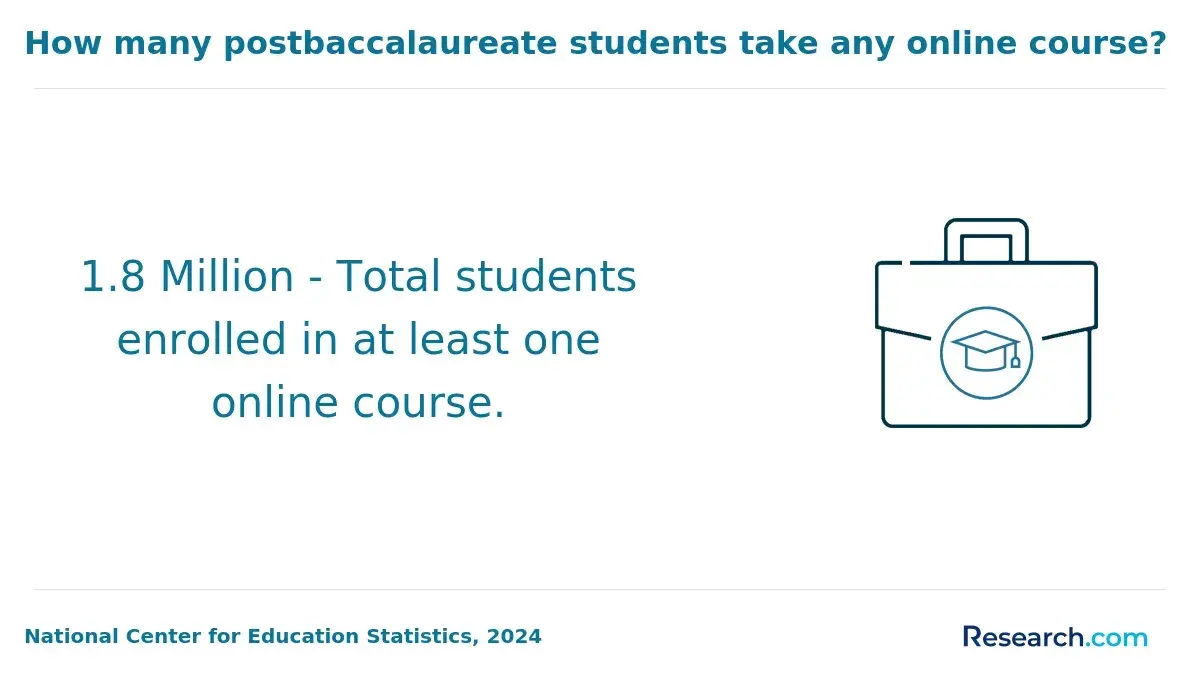
Recent evidence highlights substantial differences in degree completion depending on whether students pursue public safety programs online, in hybrid formats, or fully on campus. Data from the National Center for Education Statistics in 2024 reveal that online public safety students graduate at rates roughly 15-20% lower than those in traditional campus programs. The absence of consistent face-to-face interaction and the challenge of staying motivated in a remote environment contribute heavily to these disparities. Hybrid programs tend to narrow this gap by combining the flexibility of online learning with periodic hands-on experiences, resulting in persistence rates closer to campus-based models.
The practical nature of public safety education, which often requires simulations, physical training, and community engagement, is more naturally supported in campus and hybrid formats. Online-only students may struggle with protracted timelines or increased dropout risks due to limited opportunities for direct application of skills. However, on-campus programs demand rigid schedules and commuting that may not suit nontraditional students juggling work or family responsibilities. Hybrid approaches can offer an adaptable balance, though they still require students to manage the dual demands of both in-person and remote commitments.
A graduate who completed a hybrid public safety program recalled struggling initially with managing online coursework while coordinating scheduled training sessions. She hesitated during her first few months, overwhelmed by the need to switch between virtual lectures and physical skill exercises. Her experience underscored how hybrid models demand strong time management and adaptability. Despite the stress, she valued the direct engagement, noting it kept her connected to peers and instructors in a way pure online programs did not, ultimately boosting her confidence and determination to complete the degree. This nuanced journey reflects how perceived difficulty varies widely depending on individual circumstances and program structure.
How Does Each Public Safety Learning Format Affect Student Success?
Success in public safety degree programs hinges less on the format itself and more on how well it aligns with a student's learning style, schedule, and external commitments. A format that complements individual needs can enhance persistence and completion rates, while a mismatch may increase the risk of dropping out. For example, a working parent balancing unpredictable hours might thrive in a hybrid program that offers both flexibility and face-to-face support, whereas a student seeking structured daily immersion may perform better in a campus setting. The following points highlight key ways learning formats impact student success:
- Access to Direct Faculty Engagement: Campus-based programs provide immediate interaction with instructors, fostering clearer communication and quicker resolution of academic challenges. Students who benefit from real-time feedback often complete their degrees more smoothly compared to online learners who face limited synchronous contact.
- Flexibility Versus Accountability: Online formats offer unparalleled flexibility for those juggling work or family but require strong self-discipline. Learners lacking time-management skills may struggle with retention, reflecting higher attrition rates reported by the National Center for Education Statistics in 2024.
- Support Services Availability: Physical campuses usually house comprehensive academic and advising services that can be accessed on demand, while online students rely heavily on virtual resources. The quality and responsiveness of these services directly influence student persistence across formats.
- Community and Peer Interaction: Hybrid programs tend to blend the best of both worlds by providing flexible scheduling alongside opportunities for face-to-face peer engagement. Research from the National Student Clearinghouse Research Center in 2024 shows these programs can boost student satisfaction and degree completion through increased social support.
- Structured Environment Impact: The routine and discipline enforced by on-campus classrooms create an environment conducive to focus and consistent progress. Students prone to distraction or isolation may find the campus format accelerates their academic momentum compared to fully remote study.
- Technology Dependence and Digital Literacy: Online learners must navigate various platforms and troubleshooting independently, which can be a barrier for those less comfortable with technology. Hybrid and campus formats mitigate this issue by integrating in-person tech support and training.
How Does Enrollment Status Affect Public Safety Completion Rates?
Enrollment status is one of the most significant factors shaping degree completion rates for public safety students, but its effect goes beyond simply the number of courses taken. Completion outcomes depend heavily on how enrollment interacts with individual circumstances such as work, family, and learning environment. This nuance means neither full-time nor part-time enrollment universally guarantees success; instead, students should weigh their personal situations carefully. Below are key ways enrollment status influences public safety degree completion.
- Time Commitment and Academic Integration: Full-time students generally benefit from more consistent engagement with coursework and campus resources, which fosters better institutional connections. According to recent data from national education sources, full-time enrollees complete their programs at rates approximately 20-30% higher than part-time counterparts. This suggests that students with fewer external obligations might thrive by committing fully to their studies.
- External Responsibilities and Prioritization: Part-time students often balance jobs, family care, or other significant duties that reduce available study time. This constraint can impede steady progress, especially in demanding public safety curricula. Prospective students with heavy outside commitments should plan for slower pacing that accommodates these realities rather than overextending.
- Program Format Interaction: The impact of enrollment status varies depending on program delivery. In online public safety programs-favored by many working adults for flexibility-part-time students face lower completion rates due to the need for self-regulation. Hybrid programs, combining scheduled face-to-face with online elements, offer part-time students enhanced accountability and engagement, which can improve success.
- Access to Support Services: Full-time students in campus-based programs typically benefit from immediate access to faculty, tutoring, and peer networks, all of which reinforce persistence. Part-time students, especially online, may need to proactively seek similar supports to avoid isolation and attrition.
- Motivation and Momentum: Maintaining motivation is often easier for full-time students immersed daily in their academic environment. Part-time learners should consider strategies to preserve momentum across longer program durations, as prolonged studies can increase dropout risk.
- Financial Considerations and Planning: While part-time enrollment may ease short-term financial burdens by spreading costs, it often extends total time to degree, possibly increasing overall expenses and delaying workforce entry. Full-time students might face immediate financial strain but benefit from quicker credential attainment and earlier employment in public safety roles.
- Real-World Scenario Illustration: Consider a working parent enrolled part-time in a hybrid public safety program: the structured on-site sessions help them balance study with family duties, improving chances of completion beyond asynchronous online-only routes. This example highlights how enrolling part-time in a hybrid format can strategically offset some common obstacles affecting public safety degree completion.
For students exploring online options, it is worth investigating specialized paths like online radiology tech programs, which similarly face challenges balancing enrollment status with completion outcomes. Understanding these dynamics in public safety programs allows students to make informed choices aligning enrollment pace and format with their personal and professional goals.
Can Transfer Credits Improve Public Safety Degree Completion?
Transfer credits can significantly affect completion rates in public safety degree programs by reducing redundant coursework and shortening the time needed to graduate. A 2024 study by the National Student Clearinghouse Research Center found that students transferring credits from accredited institutions had a 35% higher likelihood of graduating within six years than those without transfer credits. This advantage is especially relevant for nontraditional students who juggle work, family, and education demands, as well as those with prior college courses, military training, or professional certifications.
However, the actual impact of transfer credits varies widely depending on how well they align with a program's core requirements and institutional policies. For instance, a student who completed relevant coursework or training elsewhere may bypass foundational classes and proceed quickly to advanced topics, reducing both cost and time. Yet not all credits are accepted equally-campus-based programs often enforce stricter transfer rules due to state or institutional mandates, while online and hybrid programs tend to offer greater flexibility through articulation agreements designed for working adults.
Consider a prospective student with prior emergency management training seeking to enroll in an online public safety bachelor's degree. If their institution accepts these credits as fulfilling core components, the student could accelerate their pathway significantly. On the other hand, if the credits only cover elective requirements or if multiple transfer credits come from diverse institutions without clear applicability, the student may still face extended timelines or integration challenges.
Students should carefully evaluate whether transferring credits will improve progress by obtaining an official credit evaluation, scrutinizing program requirements, and comparing how many credits remain versus their intended pace of study. While transfer credits often help reduce course duplication and financial strain, they do not guarantee faster completion on their own. Academic advising and thoughtful alignment with program standards remain critical to leveraging transfer credits effectively.
What Student Support Services Improve Public Safety Completion Rates?
Completion rates for public safety degrees hinge notably on how well student support services address the unique challenges of each learning format. Online learners often face isolation, while campus students benefit from physical presence but can struggle with scheduling constraints. Hybrid students might gain flexibility but need tailored engagement strategies. Critical support elements vary in impact depending on student circumstances and delivery mode. The following list outlines key student services linked to improved persistence and graduation outcomes based on recent research.
- Targeted Academic Advising: Regular, personalized contact with academic advisors helps students navigate complex degree requirements and maintain momentum. The National Center for Education Statistics found that 65% of public safety students with consistent advising graduated within six years, compared to only 42% with limited advising.
- Timely Tutoring Services: Offering accessible tutoring-whether virtual or in-person-addresses knowledge gaps that might otherwise cause delays or dropout. Flexible scheduling is especially vital for online and hybrid learners balancing work and study.
- Structured Mentoring Programs: Mentors provide guidance beyond academics, supporting motivation and professional identity. When mentoring is integrated, students report stronger engagement and perseverance through program challenges.
- Virtual Peer Networks: For remote learners, online study groups and real-time chat support alleviate feelings of isolation and create informal academic communities, which correlate with improved retention in asynchronous course formats.
- Career Services Aligned with Public Safety: Internship assistance, resume workshops, and employer networking increase students' practical readiness and enhance the perceived value of their studies, boosting persistence. Graduates accessing these services were 30% more likely to secure relevant jobs within a year.
- Interactive Orientation and Progress Tracking: Programs that incorporate interactive onboarding and transparent progress dashboards help students set realistic goals and stay accountable, with studies linking these tools to a 15% uplift in completion rates.
- Accessible In-Person Counseling and Study Spaces: Campus students benefit from physical access to counseling and dedicated spaces for focus, which foster engagement and emotional well-being though may be limited by rigid scheduling.
One online public safety graduate shared how she initially hesitated about enrolling due to fears of managing coursework alongside full-time employment. What ultimately kept her moving forward was a mix of proactive advisor outreach and peer study sessions that matched her irregular hours. Though isolated physically, the virtual connections and flexible tutoring eased moments of overwhelm and prevented burnout. Her experience reflects how a nuanced combination of services-not any single offering-can sustain persistence in demanding nontraditional formats.
How Do Public Safety Completion Rates Affect Career Outcomes?
Completion rates in public safety degree programs fundamentally influence career outcomes, especially when comparing online, hybrid, and campus formats. While online options increase access for working adults, data from the Bureau of Labor Statistics in 2024 shows that bachelor's degree completion significantly correlates with higher employment rates and earnings. For example, an officer who finishes a campus or hybrid public safety program may more quickly qualify for leadership roles than one in an online program with lower completion rates. The following points outline how degree completion shapes long-term career trajectories.
- Higher earnings and employment stability: Graduates with a completed bachelor's in public safety are more likely to secure stable jobs with competitive salaries. Completion demonstrates persistence and mastery of critical skills, making these candidates preferable for employers. This is especially true in sectors like emergency management where specialized knowledge commands premium pay.
- Eligibility for supervisory and specialized roles: Finishing the degree often serves as a minimum requirement for promotions to supervisory or technical positions. Employers prioritize candidates who demonstrate commitment through graduation, which opens doors to higher responsibility and better job titles. Those balancing work and study in hybrid programs tend to gain this advantage more readily.
- Increased likelihood of graduate education enrollment: Bachelor's degree holders in public safety are more inclined to pursue advanced degrees, expanding their expertise and career options. Advanced credentials often enhance adaptability and access to academic or administrative career paths, particularly in evolving fields requiring continuous professional development.
- Stronger workforce integration and credential recognition: Completing the program solidifies the validity of credentials necessary for specialized assignments. Without completion, individuals risk credential challenges that can delay entry into critical roles or limit long-term career growth. Prospective students should assess their ability to persist based on format suitability to improve completion odds.
Understanding these dynamics is crucial for prospective public safety students weighing the career outcomes of online versus campus public safety programs. For those researching career paths, reviewing resources related to bioinformatics degree jobs can offer comparative insight into how degree completion shapes professional possibilities across fields, reinforcing that successful graduation is a pivotal step beyond initial enrollment. Addressing public safety degree completion rates impact on careers requires balancing flexibility with realistic persistence demands to align education choices with long-term goals.
How Should Students Choose the Best Public Safety Learning Format?
Completion rates differ widely depending on the learning format chosen for public safety education, making the best public safety degree format for student success largely a function of individual circumstances. Recognizing that demographic factors, work commitments, and personal discipline weigh heavily, students must critically evaluate their readiness for the demands of online, hybrid, or campus settings. For example, a working parent managing multiple jobs might lean toward online study's flexibility but must also be prepared for its challenges in self-motivation and time management. Below are key considerations to guide this decision.
- Self-Discipline and Time Management Skills: Online programs demand higher self-regulation since students manage their own schedules without daily in-person oversight. Evaluating one's ability to prioritize and consistently dedicate study time is crucial to persist and complete the degree.
- Work and Life Commitments: Students balancing employment and family obligations often find online or hybrid formats more feasible. Hybrid learning, combining face-to-face sessions with online work, tends to yield stronger completion rates for those with moderate commitments.
- Preference for Structured Interaction: Campus programs provide immersive environments with live peer interaction and immediate access to instructors, enhancing accountability and practical skill development essential for public safety careers relying on hands-on training.
- Access to Support Systems: The presence of academic advising, counseling, and peer networks significantly improves persistence, especially in online formats. Prospective students should assess whether robust support services are readily available.
- Learning Style and Motivation: Individuals thriving on routine and external supervision often succeed better in campus settings, while highly self-motivated learners can capitalize on the flexibility of online programs if they actively engage resources.
- Technology Proficiency and Resources: Reliable internet access and familiarity with online learning platforms are baseline requirements for online and hybrid formats; students should realistically assess their technical readiness.
- Program Completeness and Degree Outcomes: Research from the National Center for Education Statistics and Department of Education shows degree completion rates vary significantly with delivery method and student demographics, underscoring the importance of choosing a format that aligns with one's situation for long-term employability.
Understanding these factors is essential in choosing the right public safety program delivery method for successful degree completion. For more detailed insights into related fields and degree types, students may explore different types of counseling degrees as a comparative resource in navigating education options.
What Are the Long-Term Pros and Cons of Each Public Safety Learning Format?
Long-term outcomes of completing a public safety degree vary significantly across online, hybrid, and campus formats, influencing career readiness, networking, and skill retention. Recent 2024 research from the National Education Analytics Center reveals distinct advantages tied to each format, underscoring the need for students to match learning environments with their personal and professional contexts. Below are key considerations to help weigh these trade-offs effectively.
- Career-Ready Skill Development: Campus programs excel in cultivating practical skills through direct, hands-on training crucial for high-pressure public safety roles. Hybrid models offer periodic in-person sessions that can partially replicate this experience, while online formats may lag due to limited tactile engagement, potentially challenging readiness in real-world situations.
- Professional Networking Opportunities: Face-to-face interaction on campus fosters robust peer and instructor connections that aid job placement and mentorship. Hybrid students benefit moderately through occasional gatherings, whereas online learners often face isolation, making proactive networking essential.
- Flexibility and Accessibility: Online and hybrid formats provide greater ease for working adults or those with family commitments, as supported by 2024 data from the Education Policy Institute showing a 15% higher retention rate for flexible learners. Campus formats demand strict scheduling, limiting accessibility for nontraditional students.
- Employment Outcomes and Employer Perception: Employers surveyed by the Public Safety Workforce Council in 2024 tend to favor campus graduates for frontline roles, citing immediate teamwork skills. However, advances in virtual simulation are narrowing employability gaps for online learners over time.
- Long-Term Skill Retention: Studies show sustained skill application is strongest among campus graduates due to immersive environments. Hybrid learners retain moderate proficiency by blending digital and in-person learning, while online-only students may need supplementary real-world practice to maintain competencies.
- Scheduling and Logistical Barriers: Hybrid programs can introduce conflicts by requiring physical presence while maintaining online coursework, posing challenges for some. Campus-only formats require relocation or daily travel, which is impractical for many adults.
- Personal Learning Preference Alignment: Independent learners often thrive online, gaining self-paced advantage, while those needing structure succeed on campus or in hybrid settings where accountability and interaction are higher.
References
- What is Public Safety Administration? https://learn.neumann.edu/neuperspectives/what-is-public-safety-administration
- Student Supports: The Role of Social Safety-Net Programs in College Student Success - California Policy Lab https://capolicylab.org/topics/education/student-supports-the-role-of-social-safety-net-programs-in-college-student-success/
- Public Safety Group - A Jones & Bartlett Learning Brand https://www.psglearning.com/
- Public Safety (BA) https://www.wlu.ca/programs/human-and-social-sciences/undergraduate/public-safety-ba/index.html
- The Pros and Cons of Online Safety Training Courses - Workers Comp Insurance https://gunnininsurance.com/the-pros-and-cons-of-online-safety-training-courses/
- Public Safety Administration - Forsyth Tech Community College https://www.forsythtech.edu/programs/public-safety-administration/
- Best Public Safety Administration Degree Programs of 2026 https://policeofficer.org/degree-programs/public-safety-administration/
- Training Without Disruption: Designing Public Safety Campuses That… https://grace-design.com/media/insights/training-without-disruption-designing-public-safety-campuses-that-stay-current
- Grow Your Career with an Online Master’s in Public Safety Leadership | UMGC https://www.umgc.edu/blog/grow-career-online-masters-public-safety-leadership
- Public Safety Pathways | LAPSEN https://lapsen.org/public-safety-pathways/
Other Things You Should Know About Public Safety
Campus public safety programs typically require extensive hands-on training, which can slow completion due to scheduling and resource constraints. While this experiential learning is essential for many public safety roles, it demands significant time and physical presence, sometimes leading to higher dropout rates. Online formats, by contrast, offer more flexibility but may lack critical real-world practice, which some students find challenging when transitioning to the field. Prospective students should weigh if they can commit to the demanding hands-on elements without compromising their ability to finish on time.
Many public safety employers still show a preference for traditional campus degrees due to perceived rigor and credential credibility, which can motivate on-campus students to complete their programs. Conversely, those enrolled in online or hybrid programs might face skepticism, potentially affecting their morale or job prospects after graduation. Knowing how local agencies or desired employers view different formats can guide students toward paths that align better with workplace expectations and potentially improve their drive to persist through challenging coursework.
Hybrid public safety programs often require students to oscillate between remote study and on-site training, creating complex scheduling demands. This fragmentation may increase the chance of missed sessions and complicate time management, especially for working students balancing multiple responsibilities. If a student lacks stable internet access or proximity to training centers, these hurdles can significantly lower completion chances. Students should prioritize hybrid programs only if their circumstances align well with the demands of managing dual learning environments.
Structured cohort pacing common in campus programs fosters peer accountability and routine, which can enhance perseverance among public safety students facing rigorous material. However, those with unpredictable work schedules or family obligations might find such rigidity increases attrition risk. Online formats offer self-paced learning, appealing to non-traditional students but risking procrastination without disciplined time management. For most students balancing multiple commitments, hybrid models with some structured pacing but greater flexibility may strike the best balance for completion success.