2027 Highest-Paying Jobs You Can Get With a Human Services Degree

Co-Founder and Chief Data Scientist
Many seeking a degree in human services face uncertainty about its financial value-especially when comparing salaries with and without graduate credentials or professional licensure. The wage premium for advanced degrees in this field can exceed 25% nationally, highlighting the tangible benefits of further education.
Licensure and certification also boost earning potential significantly by unlocking specialized roles. Furthermore, the return on investment (ROI) for a human services degree often surpasses alternative career pathways when factoring in geographic demand and industry growth.
This article examines these critical factors-degree level, certification, industry, and location-to help readers make informed financial decisions and optimize career outcomes.
Key Things to Know About the Highest-Paying Jobs You Can Get With a Human Services Degree
- Graduate credentials offer a wage premium-master's degree holders in human services earn approximately 15% more than those with only a bachelor's degree.
- Professional licensure and certification boost salaries significantly-certified case managers see salary increases averaging 10-20% compared to non-certified peers.
- The return-on-investment for a human services degree often surpasses alternative pathways-due to strong job growth and credential demand in healthcare and social assistance sectors.
What Exactly Does a Human Services Degree Qualify You to Do in Today's Job Market?
A human services degree prepares graduates for careers aimed at enhancing individual and community well-being through direct support, advocacy, and resource coordination.
The U.S. Bureau of Labor Statistics (BLS) and professional associations highlight this degree's role in qualifying individuals for jobs in social work, case management, community outreach, counseling support, and program administration.
Employers increasingly prefer candidates with both technical expertise and strong interpersonal and analytical skills-abilities that human services education cultivates beyond practical experience alone. This dynamic reflects evolving career opportunities with a human services degree that align with today's multidisciplinary labor market.
- Core Competencies: Graduates demonstrate communication, crisis intervention, and ethical decision-making skills, alongside a deep understanding of social systems and client advocacy. They also master data-driven assessment techniques essential for impactful service delivery and program evaluation.
- Licensure and Scope: While a human services degree provides foundational knowledge, it does not grant clinical licensure for counseling or social work. High-paying and credential-gated roles-such as licensed clinical social workers (LCSWs) or licensed professional counselors (LPCs)-require advanced degrees or certifications.
- Employer Expectations: Data from LinkedIn Insights reveals demand for degree holders able to coordinate multidisciplinary services, write grants, and implement policies, reflecting employer preference for structured training and formal credentials.
- Career Path Diversity: Human services degree job prospects in the United States span nonprofit, government, healthcare, and education sectors, with earnings varying by specialization and credentialing.
- Degree Levels and Earnings: Bachelor's degree holders typically fill entry to mid-level roles; graduate degrees significantly increase salary potential, leadership opportunities, and access to credential-restricted positions.
For those considering educational pathways in allied fields, exploring the easiest RN program to get into may offer an alternative route to a healthcare career with robust compensation. This wide-ranging analysis equips prospective students to weigh the return on investment of a human services degree against other options and to make financially informed decisions aligned with their career ambitions.
Which Human Services Jobs Command the Highest Salaries Right Now?
Clinical Social Worker: Among the highest-paid roles for human services degree holders, clinical social workers provide mental health therapy and case management in healthcare and social welfare settings. Recent BLS data show median annual salaries around $60,000, with the 75th percentile earning approximately $77,000. Top-decile earners-those with advanced licenses and significant experience-can surpass $100,000.
A master's degree in social work (MSW) or counseling usually gives a measurable salary advantage over bachelor's holders. Healthcare, government, and private practice sectors-especially in urban and suburban areas with high living costs-offer the most competitive wages. Human services degree holders often compete with counseling and psychology professionals for these positions.
Healthcare and Social Service Manager: Graduates moving into administrative roles in healthcare facilities or community organizations often command strong salaries. Median pay runs about $75,000 annually, rising to around $100,000 at the 75th percentile, with top earners exceeding $120,000.
These positions usually require program management expertise, often favoring advanced degrees or healthcare administration certifications. Metropolitan markets with large populations tend to pay the highest wages, underscoring the importance of geographic market as a key compensation factor.
Substance Abuse and Behavioral Disorder Counselor: Salary potential reflects licensure and setting. Median earnings near $48,000 rise to $65,000 at the 75th percentile, with the top 10% earning over $90,000 annually.
Private healthcare and rehabilitation centers typically pay more than government or nonprofit sectors. Licensed counselors earn a noticeable salary premium, highlighting the value of professional certification within this human services career.
Marriage and Family Therapist: Often requiring a master's degree and state licensure, median pay is around $55,000, reaching close to $75,000 for experienced professionals at the 75th percentile. Top earners-particularly those running private practices-can exceed $90,000. These roles are competitive with psychology and counseling fields, but a human services degree plus licensure offers solid earning potential.
Rehabilitation Counselor: Human services graduates fit well in this role assisting clients with disabilities. Median salary is near $38,000, with the top 25% earning roughly $54,000 and the highest 10% surpassing $70,000. Certifications and state licensure heavily influence compensation. Government agencies and healthcare facilities generally provide the best pay packages.
Salary Influences:
- Degree Level: Advanced degrees-especially master's and licenses-typically lead to higher pay and senior positions.
- Occupational Specialization: Roles like clinical therapy and healthcare management attract higher wages than entry-level casework.
- Industries: Healthcare, government, and private sectors differ significantly in pay scales.
- Geographic Market: Urban and high-cost areas routinely offer premium salaries to attract qualified talent.
- Employer Type: Private practices may provide greater income potential but often require entrepreneurial effort.
Human services degree holders must weigh these factors carefully-degree level, specialization, location, and employer type-to maximize their salary potential. Many competing credentials exist, but the measurable salary advantage emerges clearly when combined with graduate education, professional licensure, or certifications.
Prospective students may also consider alternative pathways, such as pursuing an online nursing degree, which leads to distinct high-paying careers. This nuanced understanding empowers enrollment decisions aligned with income goals and long-term aspirations.
How Does Degree Level-Bachelor's vs. Master's vs. Doctoral-Affect Human Services Earning Potential?
Educational attainment directly dictates earning thresholds and career trajectories within the human services sector. Progression from undergraduate studies to advanced graduate degrees correlates with expanded clinical responsibilities and higher salary brackets. The breakdown below details the financial benchmarks across primary degree levels.
- Bachelor's Degree Premium: Individuals holding a bachelor's in human services generally earn between $35,000 and $55,000 annually, with some variation based on geography and industry. These roles-such as case managers and social service assistants-often require no additional graduate education and offer stable, mid-range compensation with opportunities for advancement.
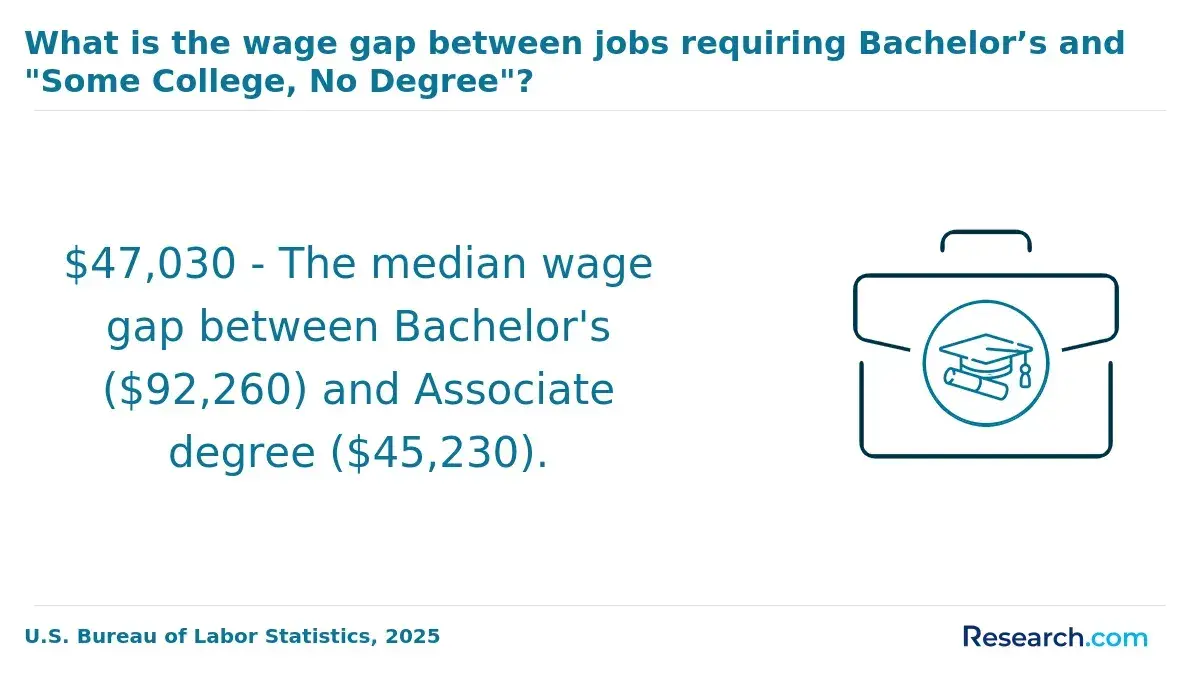
- Master's Degree Wage Increase: Advanced positions typically demand a master's degree coupled with state licensure, including licensed clinical social workers and program directors. This credential usually yields salaries from $60,000 to $85,000, representing a 20% to 40% wage premium compared to bachelor's holders, driven by specialized training and eligibility for certification.
- Doctoral Degree Salary Impact: Doctoral-level credentials-whether professional doctorates like the Doctor of Social Work or research-focused PhDs-open the door to leadership, academic, and high-level research roles. Salaries for these positions often exceed $90,000 and carry a wage increase over master's degree holders of 15% or more, although this varies by sector and job type.
A professional who graduated with a human services degree shared his experience, emphasizing the balance between ambition and pragmatism: "Transitioning from my bachelor's felt overwhelming-not just the coursework, but the financial strain and time away from full-time work."
"The master's program demanded juggling family and study, but the eligibility for licensure and increased salary was a clear motivator. Looking back, the decision to pursue the master's first-rather than jumping to a doctoral program-helped me build real-world experience while steadily improving my earnings."
Employment sectors determine the financial compensation and career trajectories available to human services graduates. Earning potential varies across corporate, governmental, and nonprofit environments. The following breakdown analyzes how different work settings shape baseline wages, professional roles, and growth opportunities within the field.
- Private Sector: Human services graduates often earn top salaries in private industries like healthcare entities, managed care organizations, and corporate social responsibility divisions. Large hospital networks and insurance providers leverage substantial revenues to offer premium wages for specialized roles such as clinical coordinators or program managers, making this sector attractive for those seeking the highest paying industries for human services graduates.
- Government Employment: Employment at federal, state, or local government levels pays competitively, especially in public health, social policy, and social work roles. Salaries tend to increase with higher degrees and licensure-social workers holding master's degrees and certifications can see annual earnings $15,000 to $20,000 above entry-level positions. This sector's regulatory environment and public mandate contribute to robust compensation packages.
- Nonprofit Sector: Although generally offering lower wages compared to private and government employers, large nonprofits with significant funding-such as those focused on mental health or child welfare-provide higher salary brackets and leadership roles. These organizations value specialized credentials and experience, serving as important options for graduates analyzing top employers offering salaries for human services degree holders.
- Self-Employment and Consulting: Graduates entering private practice or consulting capitalize on their expertise to set individualized rates. Income potential hinges on niche knowledge, relevant certifications, and professional networks, though success demands business skills and reputation building for sustained income growth.
Advanced degrees and licenses like the Licensed Clinical Social Worker (LCSW) dramatically elevate earning potential. Many industries reward master's or doctoral credentials with salaries exceeding $70,000, compared to $40,000-$50,000 for bachelor's-level roles, demonstrating how credential-gated employment creates significant wage premiums.
Targeting employers in financially robust sectors and investing in industry-relevant training and networking enhances access to higher-paying roles. For example, pursuing medical coding jobs salary knowledge can complement human services credentials, boosting employability and salary prospects across multiple sectors.
Remote and hybrid models are reshaping salary landscapes-licensed counselors and social workers can now serve clients across state lines when licensing permits, allowing geographic flexibility. However, many frontline jobs still require physical presence, making markets with higher wages and lower living costs attractive for professionals unable or unwilling to work remotely.
Evaluating relocation against remote opportunities requires understanding both nominal and cost-adjusted pay. High salaries in expensive areas may yield less disposable income than moderate earnings from remote jobs based in affordable locales. This comparison is essential for making well-informed career choices tailored to financial and personal priorities within the human services field.
- San Francisco Bay Area, California: This region leads in median salaries for social work, counseling, and community service management roles, though its high living costs temper the real earnings. Advanced positions needing graduate degrees and professional licenses, particularly in healthcare social work, command substantial pay.
- New York City Metropolitan Area: Home to numerous nonprofits, healthcare organizations, and government entities, New York offers high nominal wages for licensed clinical social workers and administrators. Despite elevated expenses, adjusted incomes remain competitive, with many roles adopting hybrid models combining onsite and remote duties.
- Washington, D.C. Metro Region: Federal agencies and advocacy groups underpin strong wages here, which hold up well after cost-of-living adjustments. Research, policy, and program coordination jobs increasingly offer remote options, though clinical roles often require local presence.
- Denver, Colorado: With moderate living costs and rising demand in mental health services, Denver balances solid salaries and quality of life, attracting professionals desiring both outdoor amenities and rewarding careers.
- Boston, Massachusetts: A center for healthcare and social work education, Boston provides wage premiums for those with master's or doctoral credentials and clinical licenses. High living costs are partially offset by opportunities in telehealth and remote research roles.
- Texas Metro Areas-Houston and Dallas: Growing urban centers with expanding social service and healthcare sectors offer competitive pay alongside relatively low living expenses. Credentialing is typically required for client-facing positions, but many administrative and case management roles accommodate remote work.
When asked about her experience navigating geographic salary differences, a professional who built her career after earning a human services degree reflected thoughtfully.
She described the complex decision-making involved-balancing the appeal of higher-paid urban centers with cost-of-living realities and licensure requirements. Remote work expanded her options but also introduced challenges in establishing client trust without face-to-face interaction.
Ultimately, she appreciated the flexibility gained through hybrid roles that blended location-independent work with occasional in-person duties, highlighting how such arrangements helped her sustain a fulfilling career while managing personal and financial goals effectively.
Certifications and licensures greatly enhance earning potential for human services professionals by validating expertise and boosting employer trust. Key credentials include the Certified Human Services Professional (CHSP), Licensed Clinical Social Worker (LCSW), and Certified Addictions Counselor (CAC)-each offering measurable salary benefits backed by industry data.
- Certified Human Services Professional (CHSP): Requires a bachelor's degree plus relevant experience, with an exam focused on ethics, assessment, and service planning. Maintenance involves continuing education every three years, costing about $350-$450. Holders typically see a 10-15% salary increase compared to peers without certification.
- Licensed Clinical Social Worker (LCSW): Demands a master's in social work, supervised clinical hours, and passing the ASWB exam. Renewal usually occurs every two years, including continuing education and fees of roughly $200-$300. LCSWs often earn 20-30% more due to their advanced clinical authority.
- Certified Addictions Counselor (CAC): Involves specialized coursework and supervised practice in addiction counseling. Recertification every two to three years requires continuing education and costs about $150-$250. Salary premiums range from 8% to 20% in treatment roles.
Job requirements vary-some positions mandate licensure, especially clinical roles, while others prefer certification. Researching employer preferences and ensuring credentials have accreditation from recognized bodies like ANSI or NCCA is essential. Certifications from less credible providers may not provide meaningful salary improvements.
While obtaining these credentials entails upfront and ongoing expenses, the documented wage premiums often exceed 20%, making them a financially sound investment for professionals aiming to increase compensation and career stability.
Salary progression in human services varies widely by experience, credentials, and strategic career choices. Entry-level roles-often earning between $30,000 and $45,000 annually-reflect foundational duties with limited experience. Within five years, earning potential rises to $45,000-$60,000 for professionals who obtain certifications or specialize in case management or coordination.
- Mid-Career Growth: By the ten-year mark, many workers reach pivotal moments such as promotions to supervisory or specialized practitioner roles, increasing earnings to $60,000-$75,000 annually. Licensure in fields like clinical counseling or social work enhances this growth.
- Advanced Credentials: Graduate degrees and professional licenses-like those held by licensed clinical social workers (LCSWs)-mark significant wage premiums, with salaries commonly exceeding $80,000.
- Leadership and Specialization: Transitioning into management positions such as program directors or agency heads frequently pushes incomes beyond $90,000. High earners often refine reputational capital, business development, and leadership skills-especially in high-demand areas like mental health or disability services-enabling some to surpass six-figure earnings.
- Strategic Decisions: Those who combine advanced specialization, leadership, and professional networking differentiate their compensation. Geographic location and employer type also heavily influence pay, with nonprofits often offering lower salaries than government or private agencies.
Salary benchmarking by the Bureau of Labor Statistics and the Georgetown Center on Education and the Workforce indicates that credential accumulation and role advancement are the primary drivers of income growth over a human services career. Realistic expectations recognize steady, incremental increases at five and ten years-but peak earnings hinge on deliberate credentialing and strategic role selection.
Specializations within human services that lead to the highest-paying roles often require advanced technical knowledge, licensure, or focus on areas with scarce talent pools. Clinical mental health counseling, healthcare administration, and social work with clinical licensure are notable for their strong wage growth fueled by labor market demand and regulatory complexity.
Clinical mental health counselors-who diagnose and treat behavioral health issues-are in particular demand, commanding premium salaries that reflect certification difficulty and workforce shortages. These fields stand prominently among the highest-paying human services specializations in the United States.
Healthcare administration uniquely combines management skills with deep health system expertise, driving salaries upward due to increasing regulatory oversight and the growing need for care coordination.
Licensed clinical social workers (LCSWs) also earn higher wages by providing psychotherapy and clinical assessments-roles less susceptible to automation and requiring graduate-level education. For those exploring top human services concentrations for salary growth, fields such as aging services, substance abuse counseling, and rehabilitation services show promising labor market expansion and employer demand.
Students early in their academic planning should prioritize specializations with favorable occupational projections and salary benchmarks rather than choosing solely on passion. Those already enrolled in general human services programs can improve income potential through targeted internships, certifications like Certified Rehabilitation Counselor (CRC), or credential stacking in areas like gerontology-methods allowing entry into high-paying roles without further degrees.
- Return On Investment: Top online human services programs offer competitive tuition combined with above-average alumni salaries, presenting strong financial outcomes compared to traditional degrees.
- Licensure Premium: Credentials such as clinical licenses and social work licensure typically increase salaries by over 20%-30% versus non-licensed roles.
- Market Scarcity: Specializations in substance abuse counseling and geriatric services face critical shortages, amplifying salary growth potential.
- Credential Stacking: Combining professional certifications with work experience opens pathways to lucrative opportunities without extended schooling.
For more detailed guidance on selecting specialized programs aligned with financial goals, prospective students should also consider related fields with strong outcomes-such as the best dietetics programs—which similarly combine high credential value with salary growth potential.
The job market for human services professionals is projected to grow steadily over the next decade, driven by demographic changes and evolving societal needs. According to the Bureau of Labor Statistics (BLS), many roles-such as social workers, counselors, and rehabilitation specialists-are expected to expand faster than the average for all occupations.
This positive forecast supports long-term earning stability in human services careers, particularly for those holding advanced credentials.
Labor market trends shaping this growth include aging populations increasing demand for elder care and health-related social support, alongside legislative shifts expanding access to mental health and social programs.
While technology is transforming service delivery, the interpersonal nature of human services roles means automation risk remains low. Nonetheless, credential inflation is intensifying, as more candidates pursue graduate degrees and licensure-both linked to significant wage premiums and better job security.
- Growth Potential: Clinical social work and substance abuse counseling anticipate job growth exceeding 10% over ten years, driven by social challenges and policy focus.
- Automation Risk: The heavily interpersonal and regulated aspects of these occupations protect them from automation, supporting career longevity.
- Economic Vulnerability: Budget cuts in government-funded agencies can reduce social work and community service roles, especially in regions dependent on public funding.
- Credential Inflation: Advanced degrees and professional licensure increasingly differentiate high earners from entry-level workers, making ongoing education critical.
- High-Paying Roles and Cyclicality: Several well-paid roles, including healthcare social workers and counselors, offer stability. However, some high salaries result from limited openings or cyclical demand, posing higher career risks.
Successfully navigating this landscape requires aligning skills with growth sectors, adapting to policy shifts, and targeting roles less exposed to outsourcing or funding volatility. Degree holders should also consider salary outcomes relative to costs and alternative career paths.
For example, professions like psychiatric nurse practitioners show more consistent salary gains, with the PMHNP salary reflecting this trend. Understanding such nuances enables informed decisions about the financial value of a human services degree and its fit for one's income goals and risk tolerance.
Leadership roles in human services mark the top career levels, including titles like program director, clinical supervisor, human services manager, and executive director. These positions typically exist at mid-to-senior organizational tiers, with responsibilities spanning team oversight, budget management, and strategic service planning to address community needs effectively.
- Salary Premium: Data from the U.S. Bureau of Labor Statistics show that human services managers earn a median wage exceeding $70,000-substantially higher than the roughly $40,000 median for direct service workers. Executive roles often top $100,000, reflecting accountability for large budgets, regulatory compliance, and organizational performance.
- Common Pathways: Progression to leadership usually requires 5 to 10 years of experience starting from entry- or mid-level roles, often supplemented by graduate education such as a master's in human services, social work, or business administration. Licenses and certifications like the Licensed Clinical Social Worker (LCSW) credential provide an advantage. Demonstrated skills in project management, staff supervision, and community relations are essential for advancement.
- Timeframe and Credentials: Many aspiring leaders pursue an MBA or related graduate degree mid-career to broaden expertise in finance and organizational strategy-key factors in qualifying for upper-level compensation packages.
Strategic Career Decisions:
- Invest in Graduate Education: Blending human services knowledge with business skills strengthens leadership qualifications.
- Pursue Licenses and Certifications: Credentials enhance credibility and open access to specialized leadership roles.
- Develop Management Skills: Early experience in team leadership and budget oversight accelerates promotion.
- Expand Professional Network: Building connections within industry associations and community groups creates advancement opportunities.
Aligning credentials, experience, and skills with these strategies positions professionals to access the highest-paying leadership roles in human services-maximizing long-term career growth and compensation.
Advances in technology, changing demographics, and evolving regulations are reshaping roles within the human services field-creating opportunities in innovative, well-paying careers projected to grow substantially over the next decade.
- Digital Mental Health Specialists: These professionals combine traditional counseling expertise with proficiency in telehealth platforms and AI tools, reflecting a shift toward tech-enabled mental health services.
- Gerontological Care Coordinators: As the elder population expands, coordinators skilled in integrating complex health, financial, and social support technologies will see increased demand and compensation.
- Data and Policy Analysts in Social Services: New roles merge human services knowledge with data analytics and predictive modeling to optimize community program outcomes and resource distribution.
- Behavioral Health Integration Coordinators: Positioned at the crossroads of physical and behavioral health, these coordinators require a mix of clinical understanding and administrative expertise within integrated care frameworks.
Human services degree curricula are evolving-embedding interdisciplinary topics like health informatics, data science, and policy analysis-to equip students for these emerging roles. Partnerships with certificate programs and boot camps further enable skills acquisition in cutting-edge areas.
Prospective students and professionals should consider adding credentials in digital health, data analytics, or regulatory compliance to increase marketability. However, pursuing nascent occupations carries inherent risks-some roles may mature slower or not reach predicted adoption levels.
- Risk Evaluation: Early entry into innovative human services fields offers potential rewards, but requires vigilance in tracking labor market shifts to avoid investing in less viable paths.
- Continuous Monitoring: Staying informed through professional associations and labor market intelligence platforms-such as Lightcast, Burning Glass, and LinkedIn Economic Graph-helps identify high-growth opportunities and adapt career strategies accordingly.
What Graduates Say About the Highest-Paying Jobs You Can Get With a Human Services Degree
- Timothy: "Completing my degree in human services truly opened my eyes to the wage premium that comes with having specialized credentials-it's clear that employers value this background significantly. I also learned that obtaining professional licensure can boost your salary more than I initially expected, making the extra effort well worth it. Comparing the return on investment, I feel confident my degree offers a stronger financial outlook than some alternative pathways I considered, which really motivates me to keep advancing."
- Emilio: "Looking back, the role of geographic location in salary variations amazed me-working in urban centers versus rural areas can create a substantial difference in earnings for human services professionals. It made me realize that where you choose to work plays just as important a role as your education. My reflective journey showed me that combining industry choice with proper certification can maximize income potential, which is crucial when planning long-term career goals."
- Xavier: "From a professional standpoint, understanding the salary impact of different industries helped me strategically decide where to focus my career efforts-some sectors just pay better for human services graduates. Obtaining licenses and certifications wasn't just about meeting requirements-it directly influenced my earning capacity and professional credibility. Overall, the evidence on return-on-investment strongly supports pursuing this degree versus alternative routes, making it a smart career decision."
Other Things You Should Know About Human Services Degrees
Human services graduates in 2027 can find high-paying roles in industries such as healthcare administration, social policy consulting, and corporate social responsibility departments. These sectors often offer competitive salaries and opportunities for advancement, rewarding expertise in managing diverse human services needs efficiently.
Internships, practicums, and early hands-on experience are critical in boosting starting salaries for human services graduates. These placements provide practical skills and professional networking opportunities-making graduates more attractive to employers. Candidates with clinical or practicum experience often qualify for higher-paying positions because they require less on-the-job training and demonstrate readiness for responsibility.
Pursuing certifications like Certified Social Work Case Manager (C-SWCM) or Licensed Clinical Social Worker (LCSW) can significantly enhance earning potential for human services degree holders in 2027, offering specialized skills that are highly valued in the field.
- How Do Certifications Influence Salary Increases? https://certiprof.com/blogs/news/how-do-certifications-influence-salary-increases
- Career insight — Getting certified can boost your salary by 20% https://firebrand.training/uk/blog/career-insight-getting-certified-can-boost-your-salary-by-20
- How Getting an HR Certification Increases Your Salary - John Boitnott https://jboitnott.com/how-getting-an-hr-certification-increases-your-salary/
- What Can You Do With a Human Services Degree? https://www.snhu.edu/about-us/newsroom/social-sciences/what-can-you-do-with-a-human-services-degree
- Master’s degrees lead to better employment prospects and higher salaries | Newswise https://www.newswise.com/articles/master-s-degrees-lead-to-better-employment-prospects-and-higher-salaries
- Top 15 Countries to Build a Career in HR [2026] https://digitaldefynd.com/IQ/countries-to-build-career-in-hr/
- What can you do with a bachelor's in human services? | edX https://www.edx.org/resources/what-can-you-do-with-a-bachelors-in-human-services
- What Careers Can You Pursue with a Human Services Degree? https://www.edumed.org/medical-careers/human-services/
- Research Summary: Education and Lifetime Earnings https://www.ssa.gov/policy/docs/research-summaries/education-earnings.html
- Where Does HR Receive the Highest Salary? - Namely https://namely.com/blog/where-does-hr-receive-the-highest-salary/