2027 Best Online Human Services Degrees for Jobs

Co-Founder and Chief Data Scientist
Choosing the best online human services degree can feel overwhelming when factors like accreditation standards, curriculum rigor, cost, and real-world experience all influence career success. Many students overlook how essential practical experience requirements and student support infrastructure are for workforce readiness. Studies show that graduates from accredited programs with strong practicum components see a 25% higher employment rate within six months of graduation. This article examines key factors-such as return on investment and career outcomes-offering a clear framework to help prospective students identify high-value online human services degrees that align with their professional goals and financial situations.
Key Things to Know About the Best Online Human Services Degrees for Jobs
- Accreditation standards ensure programs meet rigorous regional or national criteria-students graduating from accredited online human services degrees report 25% higher employment rates within six months.
- Curriculum rigor balances theory and applied practice-top programs require extensive coursework in counseling, ethics, and policy, preparing students for diverse service roles.
- Cost and return on investment vary widely-affordable programs with strong alumni networks yield better long-term career outcomes and reduce student debt burdens.
What Is a Human Services Degree, and What Can It Do for Your Career?
A human services degree equips students to work directly with individuals and communities to enhance well-being and tackle social challenges. According to prominent organizations like the National Organization for Human Services (NOHS), the field blends psychology, sociology, counseling, and social work into a holistic approach.
Unlike social work or psychology alone, human services emphasize practical intervention strategies and resource coordination to empower clients in diverse environments. This integration makes it ideal for those seeking meaningful careers that impact lives.
Students learn about human behavior and development, social policy and ethics, case management, counseling skills, and cultural competency-working respectfully with diverse populations.
- Human Behavior and Development: Understanding how individuals grow and change across life stages.
- Social Policy and Ethics: Exploring laws and ethical standards guiding practice.
- Case Management and Counseling: Applying communication and problem-solving techniques.
- Cultural Competency: Engaging knowledgeably with diverse groups.
The field offers varied degree levels aligned with career goals:
- Associate's Degrees: Entry-level skills for community support and residential programs.
- Bachelor's Degrees: Broader curriculum for case management, coordination, and supervision.
- Master's Degrees: Preparation for advanced clinical roles, leadership, and policy.
- Doctoral Degrees: Research, administration, and academic teaching emphasis.
This article focuses on the best online human services degree programs for career advancement-especially important for working adults and military veterans balancing multiple commitments. We examine top accredited human services degrees with practical experience components, cost-effectiveness, and strong career outcomes.
For those aiming to complete credentials swiftly, consider options like the 1 year DNP program online for accelerated paths in related fields.
How Do Online Human Services Degree Programs Compare to Traditional Campus Programs?
Comparing the best online human services degree programs versus traditional campus degrees reveals key differences critical to student outcomes and educational quality.
- Accreditation and Curriculum Rigor: Both online and campus programs accredited by reputable agencies maintain comparable standards, ensuring curriculum depth covers essential competencies like social welfare, ethics, and client advocacy. This rigorous curriculum forms the foundation for career readiness.
- Faculty Qualifications: Campus and online programs typically employ experienced professionals with graduate credentials. However, some online programs leverage adjunct faculty specially trained for remote instruction, enhancing course design tailored for virtual engagement.
- Student-Faculty Interaction: Traditional campus settings offer more face-to-face contact and spontaneous dialogue, important for certain learners. Online programs counterbalance this with synchronous classes, video office hours, and dedicated mentorship to foster meaningful connections despite physical distance.
- Peer Collaboration: Direct, casual interactions occur more naturally in-person. Yet, well-structured online cohorts use discussion boards, virtual breakout rooms, and group projects to build professional teamwork and engagement-methods shown to approximate campus collaboration quality.
- Clinical or Practicum Requirements: Hands-on experience remains essential. Both delivery modes require local field placements coordinated by advisors, ensuring students gain necessary practical training regardless of format.
- Employer Perception: Surveys reveal growing acceptance of online human services degrees-particularly from accredited institutions with strong graduate success-where reputation and practicum experience often outweigh program format.
- Accessibility and Flexibility: Online degrees offer a genuine structural advantage for working adults, caregivers, remote residents, and military veterans-groups benefiting from schedule flexibility and eliminated commuting without compromising quality. This dimension is especially relevant when assessing differences between online and campus human services degree outcomes for diverse learners.
- Limitations and Solutions: Online programs face challenges replicating campus socialization and immediate feedback. Leading institutions address these via technology-enhanced platforms, cohort models promoting peer accountability, and short on-campus residencies for immersive learning.
Students concerned about MHA degree cost and return on investment should similarly scrutinize program transparency on accreditation, experiential learning, and graduate outcomes before enrolling.
What Are the Accreditation Standards That Define a Reputable Online Human Services Degree?
Accreditation plays a critical role in establishing the legitimacy of online human services degree programs-ensuring they meet stringent academic and professional benchmarks valued by employers and graduate schools. Regional accreditors-recognized by the U.S. Department of Education-assess entire institutions, confirming overall quality. Prominent examples include the Middle States Commission on Higher Education and the Western Association of Schools and Colleges, whose endorsements carry significant weight across the country.
Alongside regional accreditation, program-specific accreditors offer focused evaluation tailored to the human services field. Key bodies include:
- Council for Standards in Human Service Education (CSHSE): The main programmatic accreditor setting industry-relevant standards for human services degrees.
- Council on Education for Public Health (CEPH): Oversees programs intersecting with community health, often overlapping with human services curricula.
- Council on Social Work Education (CSWE): Primarily accredits social work programs but influences quality metrics relevant to human services education.
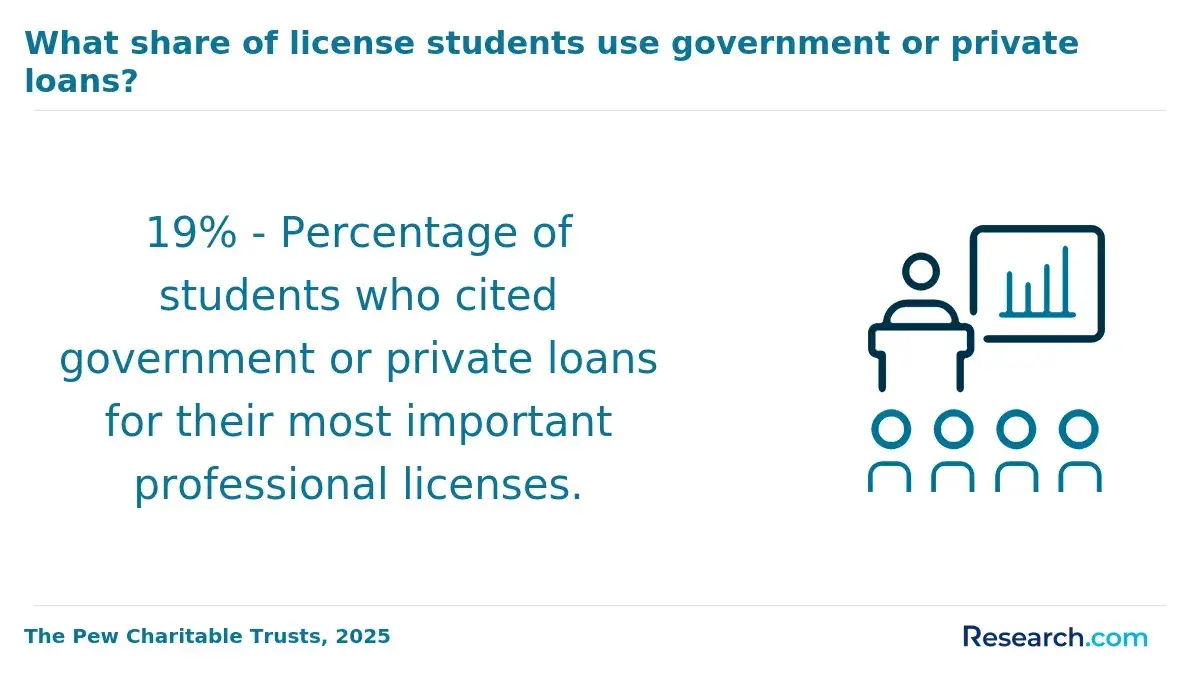
Choosing an unaccredited or poorly accredited program can hinder licensure eligibility, impede credit transferability, and diminish employer confidence-significantly restricting career progress. To avoid these pitfalls, students should confirm accreditation status through authoritative sources such as the Department of Education's Database of Accredited Postsecondary Institutions and Programs and the Council for Higher Education Accreditation (CHEA) directory, which provide up-to-date listings of valid institutional and programmatic accreditations.
Accreditation is not negotiable-whether programs entice with low costs or flexible schedules, it must remain a baseline standard to protect academic investment and future opportunities.
IPEDS data shows higher completion rates for associate and bachelor's completion programs, which suit broader student populations. Stackable credentials enable learners to progress smoothly from certificates to master's degrees, maximizing credit transfer and return on investment. Students should prioritize programs accredited for quality and offering robust support, curriculum rigor, and practical experience.
- Associate's Degrees: Designed for newcomers like recent high school graduates, these programs typically take about two years and cover foundational human services concepts. They require no prior experience and prepare students for entry-level roles in social service agencies. These degrees often serve as a first step toward more advanced credentials.
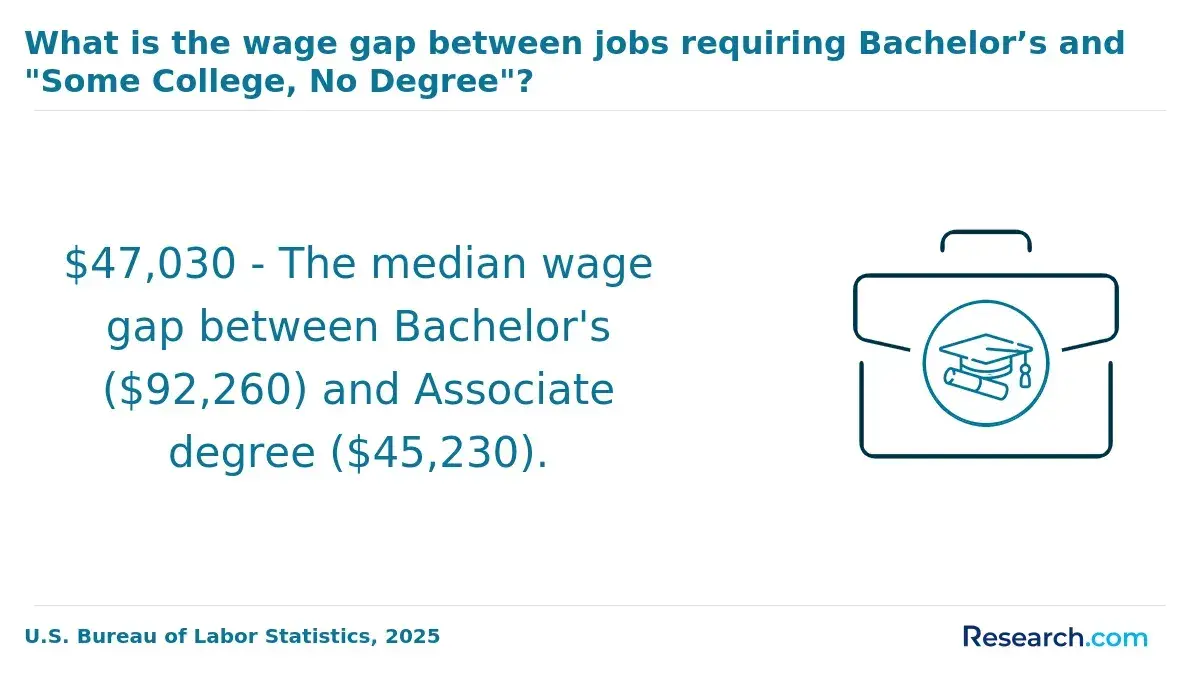
- Bachelor's Completion Programs: Intended for those with some college credits or an associate degree, these online programs allow working adults to complete a four-year degree within two to three years. Graduates usually qualify for frontline case management and advocacy roles that offer higher earning potential than associate degree holders. These programs are popular among students seeking flexible scheduling to balance work and family.
- Master's Degrees: These advanced degrees typically require a bachelor's and sometimes relevant work experience. Taking about two years on average, they train students for leadership, program management, and specialized counseling positions, often including internships for practical exposure. Higher salaries and supervisory opportunities are common outcomes for graduates.
- Doctoral Programs: Aimed at scholars and executives pursuing policy, academic, or top-level professional roles, these rigorous programs need a master's degree for admission. Completion varies between three and six years, with low enrollment and completion rates reflecting the challenging nature of these degrees.
- Post-Baccalaureate Certificates: These shorter credentials are for professionals seeking skill enhancement or licensure without committing to a full degree. They often act as stackable steps toward a master's degree, allowing credits to transfer and accelerating career advancement with minimal additional education.
For those exploring alternative healthcare paths, resources like the LPN fast track program may offer additional avenues.
Costs for an online human services degree vary widely based on institution type, residency status, and program length. Public universities typically offer the most affordable tuition for in-state students-generally between $5,000 and $15,000 for the entire degree. Out-of-state attendees often face rates two to three times higher. Private nonprofit schools generally charge between $20,000 and $40,000, while for-profit institutions may fall within a similar range but sometimes tack on extra technology or administrative fees.
Beyond tuition, other expenses such as textbooks, software, technology fees, and potential travel or housing costs for on-site residencies or field experiences should be factored in.
Key federal financial aid resources help make these costs manageable:
- Pell Grants: Need-based grants that do not require repayment, often covering a significant portion of tuition for eligible students.
- Federal Student Loans: Options include subsidized loans, which pause interest accumulation while enrolled, and unsubsidized loans, which begin accruing interest immediately, providing flexible borrowing opportunities.
- GI Bill Benefits: Available to qualifying veterans, these benefits may cover tuition, fees, and include a housing allowance for approved online programs.
Additional scholarships specific to human services students are offered through professional organizations, state workforce programs, and individual institutions, often awarded based on merit or financial need. Combining these with federal aid can noticeably reduce overall costs.
Prospective students should look beyond per-credit tuition to calculate the total program cost, including all fees and expenses. Utilizing tools such as the College Scorecard's net price calculator assists in estimating actual out-of-pocket costs after grants and scholarships, enabling better program comparisons and budgeting before enrollment.
Completion times for online human services degrees vary by level-associate programs usually require about two years of full-time study, bachelor's degrees demand roughly four years or 120 credits, master's degrees take an additional two years after the bachelor's, and doctoral paths span three to six years depending on research commitments.
- Degree Level: Associate programs build foundational skills, typically completed in 20 to 24 months full-time; bachelor's degrees range from 3.5 to 4 years, with some accelerated options as short as 2.5 years.
- Enrollment Status: Full-time students progress more swiftly, while part-time learners-often working adults-may extend their studies beyond six years for a bachelor's degree.
- Transfer Credits: Applying prior college coursework can shorten degree duration substantially, depending on institutional policies and relevance.
- Pace-Based and Competency Models: These frameworks let students move forward by demonstrating mastery rather than following fixed semesters, benefiting motivated adults balancing career and education.
- Accelerated and Year-Round Enrollment: Programs offering continuous terms-including summer sessions-allow learners to finish more quickly than traditional schedules.
- Prior Learning Assessment: Credit for job experience, military service, or certifications can reduce coursework, which is especially valuable for veterans and adult learners.
- Program Length Restrictions: Institutions enforce minimum and maximum time limits; exceeding these can impact financial aid eligibility due to satisfactory academic progress rules.
- Average Completion Data: Actual time-to-degree frequently exceeds advertised minimums, reflecting part-time enrollment and life demands common among online students.
These factors equip students to estimate realistic timelines for earning an online human services degree while selecting programs aligned with their individual circumstances and career aspirations.
High-quality online human services programs offer a comprehensive curriculum that balances foundational knowledge with practical skills-ensuring graduates are well-prepared for diverse workplace demands. Leading standards, such as those from the Council for Standards in Human Service Education (CSHSE), emphasize coursework that spans critical competency areas to ready students for both entry-level and advanced roles.
- Core Knowledge: Key subjects include human behavior and development, social welfare policy, ethics, professional issues, communication techniques, and cultural diversity-forming a solid conceptual framework for understanding client needs and systemic challenges.
- Skill Development: Effective programs prioritize applied competencies like client assessment, case management, crisis intervention, advocacy, and resource coordination, directly translating into workplace effectiveness.
- Integrative Experience: Capstone projects and supervised internships or practicum courses provide essential real-world exposure, blending theory with practice and producing measurable performance outcomes.
- Competency-Based Outcomes: Graduates demonstrate proficiency in ethical decision-making, culturally competent services, clear communication, and collaborative problem-solving-skills valued by human services employers and required for certification.
- Curriculum Currency: Top programs maintain relevance through regular course reviews-often annually or biennially-guided by industry advisory boards, incorporating technological advances, emerging methodologies, and evolving regulations like mental health policy changes.
Prospective students should request detailed course sequences, syllabi, and learning outcomes maps before committing-offering transparency beyond promotional materials and evidence of academic rigor aligned with the workforce.
According to the U.S. Bureau of Labor Statistics, social and human services occupations are projected to grow 17% over the next decade, highlighting strong demand for graduates armed with up-to-date skills and comprehensive training.
Choosing an online human services program that offers the best return on investment (ROI) means analyzing program costs alongside post-graduation salary data, employment rates, and loan default statistics. Public universities with competitive tuition and strong employer networks often deliver the best results-graduating students who secure jobs at higher rates relative to their educational expenses.
Programs demonstrating lower loan default rates suggest students effectively manage their debt compared to their earnings after graduation.
- Cost Effectiveness: In-state tuition reciprocity agreements at many public institutions allow working adults to benefit from significantly reduced tuition rates, sometimes nearly matching in-state prices. This advantage can substantially increase the ROI of an online human services degree.
- Employment Outcomes: The top online human services degrees for career advancement frequently report employment rates over 80% within a year of graduation. Their robust connections to local nonprofits and agencies help graduates quickly find relevant work.
- Median Earnings: Examining median earnings at six and ten years post-enrollment provides clearer insight into career trajectory. Programs tied to established professional networks often support graduates in reaching salary levels that justify upfront investments.
- Financial Aid Impact: Employer tuition reimbursement programs, along with scholarships targeted to working adults or veterans, can dramatically reduce net costs and improve ROI. Prospective students should explore these options early in their application process.
- Program Quality Indicators: Accreditation from nationally recognized bodies and rigorous curricula aligned with professional standards highlight programs designed to prepare students for real-world challenges-vital for maximizing long-term career benefits.
- Student Support Services: Accessible advising, career coaching, and internship placement assistance bolster completion rates and smooth graduates' transitions into meaningful careers, enhancing overall ROI.
Aspiring students and working adults deciding on an online human services degree should look beyond broad rankings and instead focus on specific program data regarding costs, graduate earnings, and job placement. This data-driven approach ensures informed choices tailored to individual goals and circumstances.
For those exploring similar fields, resources like the online exercise science degree guide on research.com can offer complementary insights into program evaluation.
Admissions requirements for competitive online human services programs vary widely based on institutional selectivity and degree level. Programs designed for graduate study typically demand higher academic and professional qualifications than open enrollment community college offerings. For applicants assessing requirements for enrolling in human services degree online, several core elements are common across reputable programs.
- Minimum GPA: Selective graduate programs often require a minimum undergraduate GPA between 3.0 and 3.5. Less selective or community college programs may have lower or no minimum GPA standards.
- Standardized Tests: Many programs have adopted test-optional policies since the COVID-19 pandemic. GRE scores may no longer be mandatory in some cases, but certain research universities still require them-especially for master's-level applicants.
- Letters of Recommendation: Generally, 2 to 3 letters from academic or professional references are requested to demonstrate the applicant's readiness for graduate-level work and human services competencies.
- Personal Statement: A well-crafted statement outlining motivations, career goals, and relevant experience helps admissions committees evaluate candidate fit and commitment.
- Professional Experience: While some programs accept recent graduates, many prefer or require related human services or social work experience, particularly for advanced degree seekers.
- Prerequisite Coursework: Applicants lacking a background in human services or related fields often need to complete foundational courses before or during their graduate program. Common prerequisites include introductory psychology, sociology, or social welfare policy.
Admissions rigor varies significantly-from open-admission community college certificates to highly selective master's programs at research universities. Prospective students benefit from honestly evaluating their academic records, professional experience, and preparedness relative to these standards.
Contacting admissions advisors directly is essential to obtain current information, as policies about test-optional status, GPA minimums, and prerequisite coursework evolve frequently. For those comparing programs, resources such as Capella University vs WGU RN to BSN reviews provide valuable insights into program quality and outcomes.
Graduates with an online human services degree access a wide array of career options spanning social service agencies, healthcare settings, nonprofit organizations, and government. At the bachelor's level, many begin in roles centered on direct client engagement and case coordination-positions providing essential experience for future specialization.
- Case Manager: Evaluates client circumstances, develops individualized care plans, and links clients to community resources; typically found in healthcare, social services, and nonprofit sectors.
- Community Outreach Worker: Acts as a liaison between communities and service providers, delivering education and support, frequently employed by public health departments or advocacy groups.
- Social Services Assistant: Aids social workers and counselors by helping clients navigate public benefits and social systems, often within government agencies or NGOs.
Advanced roles-often requiring a master's degree or specialized certification-expand into clinical, supervisory, research, and policy development fields. These positions emphasize leadership, clinical intervention, or program evaluation, typically demanding licensure or additional credentials.
- Clinical Social Worker or Counselor: Delivers therapeutic services and treatment plans, requiring graduate education and state licensure.
- Human Services Manager: Oversees program operations and staff, necessitating professional experience combined with graduate-level training or management education.
- Program Specialist or Researcher: Designs and assesses social programs, often employed in academic institutions, nonprofits, or government entities focused on policy.
The degree also supports career transitions for professionals from related fields such as education, criminal justice, or healthcare. Focused additional training or certifications enable these individuals to move into specialized human services areas, including mental health counseling, substance abuse treatment, or family welfare services.
Typical career advancement over five to ten years involves progression from entry-level client-focused roles to clinical or management careers. Lateral shifts are common across sectors-such as moving from outreach to case management or shifting into advocacy-allowing professionals to diversify skills and align their work with evolving personal and community priorities.
The salary landscape for professionals with an online human services degree varies widely-factors like degree level, work experience, location, industry, and specialization all affect earning potential. Entry-level roles such as human services assistants typically earn median salaries around $35,000 to $40,000 annually. Those obtaining a bachelor's degree can expect starting salaries between $40,000 and $50,000, with compensation increasing alongside experience.
- Degree Level: Advanced credentials frequently lead to higher pay. Associate degree holders generally earn less than bachelor's degree graduates, who earn less than those with master's degrees or specific certifications.
- Experience: Salaries begin near the median during early career stages; however, professionals with five to ten years-especially in supervisory roles-often surpass $60,000 yearly.
- Industry Sector: Earnings depend on employer type. Government and healthcare organizations usually offer higher wages compared to nonprofit and social assistance agencies.
- Geographic Market: Urban and high-cost regions tend to provide salaries 10-20% above national averages, while rural markets generally pay less.
- Specialization: Experts in mental health, substance abuse counseling, or healthcare case management often command increased salaries due to higher demand and specialized skills.
Certifications such as Certified Human Services Professional (CHSP) or Licensed Clinical Social Worker (LCSW) carry well-documented salary premiums-often boosting earnings 15-30%. Online graduates can pursue these credentials through accredited programs and continuing education to accelerate career advancement.
Looking ahead, increasing demand driven by demographic trends and healthcare needs suggests modest wage growth exceeding the average for all jobs. However, economic shifts, funding availability, and policy changes can cause salary fluctuations.
Individuals should consult current Bureau of Labor Statistics and industry salary data to ensure accurate, region-specific compensation expectations. Relying on outdated information risks misjudging the real market environment, highlighting the importance of ongoing research and informed decision-making.
What Graduates Say About the Best Online Human Services Degrees for Jobs
- Timothy: "Choosing a program with solid accreditation standards was a game changer for me-knowing my degree would hold weight made my job search so much easier. The curriculum was challenging but really practical, preparing me for real-world scenarios rather than just theory. Plus, the support system from the advisers and tutors made balancing work and study doable."
- Emilio: "Reflecting on my time studying human services online, the cost and return on investment stood out the most-affordable tuition combined with solid career outcomes gave me peace of mind about my future. The courses demanded a lot of critical thinking, pushing me beyond the usual online degree experience. I also appreciated how the program included hands-on practical experience requirements that truly prepared me for my current role."
- Xavier: "From a professional perspective, the student support infrastructure in my online human services program was exceptional-helping me navigate challenges kept me motivated and efficient. The curriculum was rigorous and up-to-date with industry trends, which definitely strengthened my career prospects. Most importantly, the emphasis on practical experience requirements enriched my learning and boosted my confidence in the field."
Other Things You Should Know About Human Services Degrees
The best online human services programs focus on developing practical skills such as case management, client advocacy, and crisis intervention. Graduates typically gain strong communication and interpersonal skills, cultural competence, and an understanding of social service systems. Critical thinking and ethical decision-making are also emphasized to prepare students for the complexities of human services work.
Online human services programs usually require students to complete a practicum or internship in a setting relevant to their career goals. These hands-on experiences are arranged locally, allowing students to work with agencies or organizations near their residence. Program coordinators often assist with placement to ensure that students meet clinical hour requirements and gain practical skills under qualified supervision.
Strong online programs offer academic advising, career counseling, and technical support tailored to working adults. Many provide access to virtual tutoring, workshops, and professional development resources. Additionally, students can engage in online communities, attend virtual events, and connect with alumni to build networks that support career advancement in human services.
Many online human services bachelor’s programs require 120 to 150 supervised practicum or internship hours, while some associate programs require 60 to 100 hours. Placement sites are usually approved by the program and must match the student’s service setting or population focus.
- Best Online Degree Programs for Working Adults https://www.scholaro.com/db/News/best-online-degree-programs-256
- Online Human Services Degrees: What You Need to Know https://www.ucumberlands.edu/blog/online-human-services-degrees-what-you-need-know
- What Can You Do With a Human Services Degree? https://www.snhu.edu/about-us/newsroom/social-sciences/what-can-you-do-with-a-human-services-degree
- The Best Online Degrees for Working Adults [Complete Guide] https://beal.edu/best-online-degrees-for-working-adults/
- What does a nursing assistant do? https://apexlearning.org.uk/online-health-and-social-care-courses-are-they-recognised-by-employers/
- How long does it take to earn a degree in human services? https://www.herzing.edu/faq/how-long-to-earn-degree-human-services
- Human Services Degree Online | Bachelor in Human Services https://www.montreat.edu/online/human-services/
- The Most Affordable Online Human Services Degrees https://www.edumed.org/online-schools/human-services-degrees/most-affordable/
- Online Human Services Degree | Programs & Career Options https://www.learnhowtobecome.org/best-online-bachelors-in-human-services-degree-programs/
- Best Online Degrees for Working Adults in 2026 https://straighterline.com/blog/degreecompletion-best-online-degrees-for-working-adults-in-2026