2027 Walden University Online Doctor of Information Technology (DIT) - Information Technology Leadership: Cost, Curriculum, Admissions, and Career Outcomes

Co-Founder and Chief Data Scientist
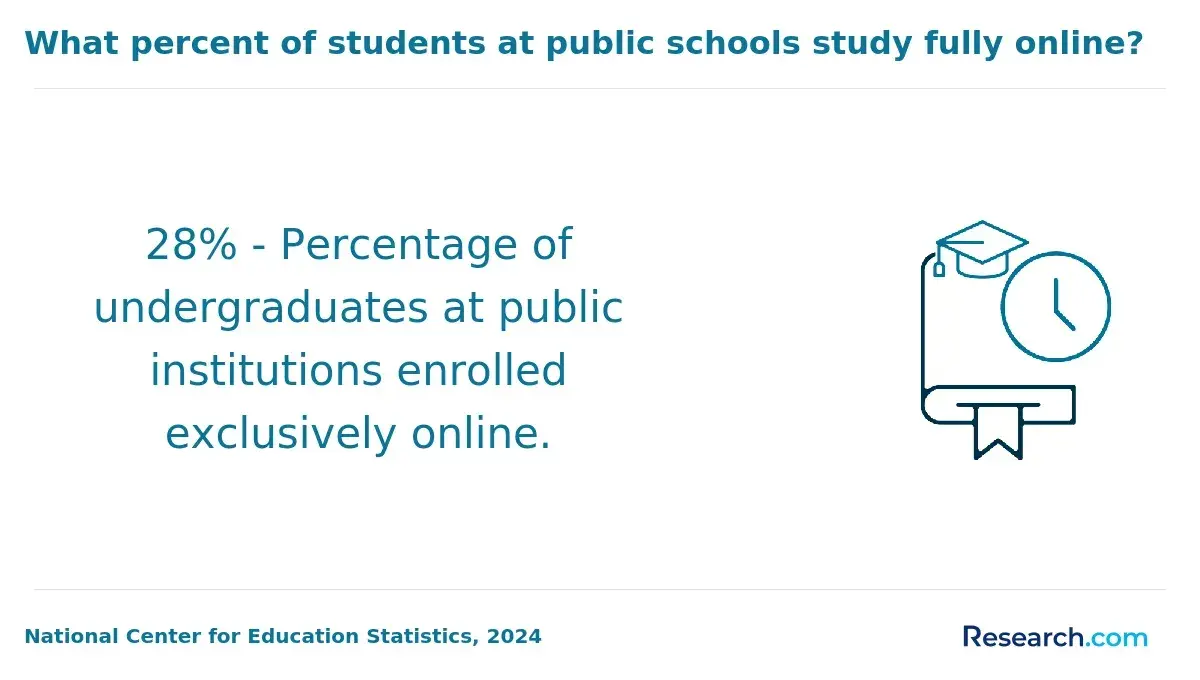
Choosing an online Doctor of Information Technology (DIT) - Information Technology Leadership program often means balancing career advancement with professional and personal obligations. In 2024, the National Center for Education Statistics reports a continued rise in adult learners enrolling in online doctoral programs, reflecting a shift toward flexible, accessible education that fits diverse schedules. Yet, the decision requires understanding how program structure, cost, and curriculum align with specific leadership goals and employer expectations in IT fields. Analyzing these factors reveals critical tradeoffs in time investment and career outcomes. This article examines Walden University's DIT program's cost, admissions, curriculum, and career implications to aid this decision.
Key Points About Walden University's Doctor of Information Technology (DIT) - Information Technology Leadership Program
- Walden University's open admission policy lowers entry barriers, which can attract diverse candidates but may challenge those seeking highly selective peer cohorts for rigorous academic engagement.
- The program's $34,458 tuition reflects a significant financial commitment that requires students to weigh long-term career advancement possibilities against upfront and opportunity costs.
- Graduates tend to receive reasonable employer recognition in IT leadership, indicating practical value for career growth, though outcomes vary with industry, location, and individual experience.
What can students expect from Walden University's online Doctor of Information Technology (DIT) - Information Technology Leadership curriculum?
The curriculum of Walden University's online Doctor of Information Technology (DIT) - Information Technology Leadership program is designed to position graduates for strategic influence in IT management, focusing heavily on bridging technology with business objectives. Unlike more generalized IT doctorates, this curriculum mirrors core components found in standard US DIT programs, incorporating rigorous training in leadership and research methodologies.
For example, a student might be tasked with designing a technology strategy to overhaul legacy systems within a healthcare organization, demanding both technical insight and executive decision-making skills. Below is an overview of key coursework elements emphasizing applied knowledge and leadership development:
- IT Project Management: Students are expected to master frameworks for planning and executing complex technology projects, emphasizing risk management and stakeholder engagement. This course develops competencies essential for managing multifaceted IT initiatives within large organizations.
- Research Methods and Data Analysis: Focused on equipping students with robust methodologies, this coursework sharpens analytical skills necessary to evaluate technology trends and inform evidence-based decisions, a critical requirement in leadership roles.
- Organizational Leadership: Emphasizing theories of leadership and change management, this module prepares candidates to drive innovation while navigating ethical and cultural challenges that affect organizational performance.
This program's structure fosters a blend of technical acumen and leadership expertise, aligning with expectations for IT executives across industries. Complementing coursework with a doctoral study or capstone project, students confront real-world problems to demonstrate transformational leadership in technology settings. The online format supports flexible pacing, which suits professionals balancing work with doctoral studies.
Prospective students evaluating this curriculum against alternative paths, such as exploring what is the easiest masters degree to get online options, should consider their long-term career trajectory and ability to absorb interdisciplinary content critical to IT leadership roles. The Walden University online Doctor of Information Technology (DIT) - Information Technology Leadership curriculum emphasizes strategic decision-making skills that remain relevant in evolving technology sectors.
What are Walden University's admission requirements for online Doctor of Information Technology (DIT) - Information Technology Leadership program?
Admission to Walden University's online Doctor of Information Technology (DIT) - Information Technology Leadership reflects a pragmatic balance between accessibility and assessing readiness for advanced leadership roles. Rather than relying on standardized test scores, the program emphasizes practical qualifications and evidence of relevant academic and professional accomplishments. For example, a mid-career IT manager without recent academic testing might find this pathway suitable, as the admissions process focuses on documenting leadership and technical experience alongside formal education. Below is an overview of the typical requirements applicants should expect when applying:
- Academic Transcripts: Applicants must submit official transcripts demonstrating completion of a relevant graduate degree from accredited institutions, ensuring foundational knowledge appropriate for doctoral-level study.
- Professional Experience: A current resume is required to outline career milestones and leadership roles, providing insight into the applicant's capacity to contribute to and benefit from the program.
- Letters of Recommendation: While not always mandatory, these are often advised to reinforce the candidate's qualifications and potential, offering third-party perspectives on leadership capabilities.
- Transfer Credit Evaluation: For those seeking to transfer credits, acceptance depends on alignment with curriculum standards and accreditation, requiring consultation with admissions advisors to assess applicability.
The lack of specific GPA or standardized test requirements reduces entry barriers but places greater weight on the qualitative strength of academic records and professional readiness. This approach suits applicants who have substantial IT leadership experience but may lack recent academic testing. However, applicants should carefully prepare documentation to convincingly demonstrate both intellectual ability and practical expertise, as hiring and peer expectations for doctoral graduates in IT leadership typically demand demonstrable accomplishment beyond credentials alone.
Is it difficult to get admitted to Walden University's online Doctor of Information Technology (DIT) - Information Technology Leadership program?
Competitive admission processes often characterize many Doctor of Information Technology (DIT) - Information Technology Leadership programs, limiting access based on strict academic or testing criteria. This selectivity can delay entry for professionals balancing work and education goals, adding uncertainty about acceptance. In contrast, Walden University's program adopts an open admission approach, removing standardized test requirements such as the SAT or ACT and minimizing barriers that typically reduce applicant pools.
Without disclosed acceptance rates, the open admission policy indicates that candidates meeting basic qualifications can usually enroll without facing rigorous competition or strict quotas. This accessibility aligns with a broader trend among flexible online doctoral programs aiming to serve experienced IT professionals seeking leadership roles without the prolonged wait associated with competitive screening. However, the tradeoff may involve a more diverse peer group regarding academic background, which can impact cohort dynamics and resource allocation.
One graduate recalled initial hesitation in submitting the application, uncertain about qualifications amid prior job demands. They noted feeling immediate relief when no test scores or restrictive criteria appeared, allowing quicker focus on coursework planning. This streamlined process enabled earlier immersion in leadership topics critical to their workplace advancement, underscoring how admission ease can influence timely professional development decisions for working adults.
What is the cost of attending an online Doctor of Information Technology (DIT) - Information Technology Leadership program at Walden University?
Tuition for the online Doctor of Information Technology (DIT) - Information Technology Leadership program at Walden University is approximately $12,498 annually, excluding ancillary expenses like books and living costs. Total yearly expenditures, when accounting for fees, supplies, and estimated room and board, reach $34,458. This pricing transparency is significant since many candidates must weigh whether the higher total cost of attending, including optional relocation, justifies the potential return on investment in leadership roles within IT. Walden does not charge additional technology fees for online students, and tuition is uniform regardless of residency, simplifying financial planning for out-of-state enrollees.
The cost implications affect students differently depending on their circumstances. Those studying remotely without relocating avoid room and board expenses, lowering the effective cost. However, students who require living arrangements near campus or seek in-person components may face substantially higher budgets. When compared with other online Doctor of Information Technology program costs in the US, Walden's tuition and fees remain competitive, but students must factor in the comprehensive costs of attendance, including books and supplies, which add about $900 annually.
Regarding program value, employers in IT leadership often emphasize demonstrated expertise, relevant certifications, and applicable experience alongside formal credentials. As such, candidates considering the Doctor of Information Technology program cost in the US should carefully appraise how this degree aligns with career trajectories and employer expectations in their target industries. Some sectors reward advanced doctoral credentials more than others, meaning this investment might yield varying returns depending on the hiring context.
Cost-conscious prospective students might also explore how financial commitments to programs like Walden's intersect with broader workforce trends and potential salary gains, especially given shifts in demand for expertise across sectors. For comparative insight into lucrative career paths involving advanced IT skills, interested individuals can refer to what majors make the most money. Evaluating these factors alongside tuition and fees is critical to making an informed educational and professional decision.
Are there financial aid options for online Doctor of Information Technology (DIT) - Information Technology Leadership students at Walden University?
Financial aid options for students in the online Doctor of Information Technology (DIT) - Information Technology Leadership program at Walden University exist but require careful navigation to balance funding against long-term financial obligations. Since many doctoral candidates manage professional and family responsibilities simultaneously, understanding aid availability can influence decisions around enrollment timing and loan dependence. For example, a working IT professional leveraging employer tuition reimbursement may reduce upfront costs but face limits on covered expenses or program choices. Below is an overview of key financial aid pathways relevant to prospective students.
- Institutional Scholarships: Merit-based awards specific to graduate-level learners in the DIT program; these scholarships typically require competitive applications and academic performance evidence. They can reduce tuition costs substantially, but often cover only a portion of overall expenses.
- Federal Aid: Eligibility for federal student loans and grants depends on completing the FAFSA, with loan disbursements tied to specific enrollment statuses. These funds provide accessible capital but must be repaid with interest, influencing long-term debt.
- Corporate Reimbursement: Employed students may use workplace tuition benefit programs, which vary widely in coverage and pre-approval requirements. This option minimizes out-of-pocket spending but depends on employer policies and job stability.
- Veteran Benefits: Military-connected students can access education benefits under laws like the GI Bill, which cover significant tuition portions and sometimes fees. Qualification usually involves service record verification.
- Program-Specific Grants: Occasionally available to doctoral students in information technology leadership, these grants focus on supporting research or leadership development and do not require repayment but may demand progress reporting.
What learning resources are available to online Doctor of Information Technology (DIT) - Information Technology Leadership students at Walden University?
Effective learning resources are a critical determinant in whether online Doctor of Information Technology (DIT) - Information Technology Leadership students can successfully navigate complex coursework and meet employer expectations in IT leadership roles. Given the independence required in online doctoral study, these resources also mitigate common challenges such as isolation, technology barriers, and the need for specialized research support. Students aiming for senior IT positions must not only master theoretical knowledge but also develop practical skills in data analysis, academic writing, and leadership strategy. The learning environment at Walden University reflects this reality by integrating multifaceted support systems designed to foster both academic rigor and professional networking. Key components of this support include:
- Online Learning Platform: A 24/7 accessible digital environment provides seamless engagement with course materials, multimedia content, and peer collaboration tools, essential for students balancing professional and academic responsibilities across different time zones.
- Technical Support: Dedicated teams offer prompt troubleshooting to minimize downtime, an important factor in sustaining momentum during intensive doctoral-level research and project work.
- Academic Tutoring and Writing Assistance: Personalized help in areas like academic writing and dissertation planning strengthens essential communication skills and ensures adherence to doctoral research standards, an area where many candidates falter without targeted guidance.
- Research Services: Specialized librarian support helps students efficiently navigate scholarly databases and maintain rigor in sourcing up-to-date, credible materials for their dissertations, reflecting the demands of IT leadership roles that require evidence-based decision-making.
- Professional Networking and Career Resources: Access to faculty mentors, industry experts, and a broad alumni network facilitates connections that can influence job placements and leadership development opportunities, addressing a known limitation of online programs-reduced face-to-face industry exposure.
Does Walden University's online Doctor of Information Technology (DIT) - Information Technology Leadership program have in-person clinicals or practicums?
Unlike fields such as nursing or education, where in-person clinicals or practicums are often essential for doctoral candidates to gain supervised hands-on experience, many information technology leadership doctoral programs do not require such on-site components. This distinction impacts how students balance their studies with existing professional roles and employer expectations. Walden University's Doctor of Information Technology (DIT) - Information Technology Leadership program follows this convention and does not mandate in-person clinicals or practicums, making it more accessible for professionals who need flexible scheduling without relocation or physical attendance requirements.
Specifically, the Walden University dit program practicum requirements omit any compulsory attendance at clinical sites or in-person practicums. Instead, the program emphasizes applying research and leadership skills directly within the student's current workplace or through case-study analysis. This approach reflects a broader industry trend where practicums or clinical components are less common in IT-focused doctorates compared to healthcare or education, reducing barriers for working professionals seeking advanced credentials without interrupting their careers.
Prospective students evaluating the in-person clinical components in Walden University online DIT will find that their practical learning revolves around project-based tasks and dissertation-driven research rather than mandatory physical placements. For those balancing professional and personal responsibilities, this structure offers a pragmatic path to develop leadership expertise. For additional context on related degree structures catering to career-focused students, explore degrees for moms.
What careers can graduates of online Doctor of Information Technology (DIT) - Information Technology Leadership at Walden University secure?
Graduates of Walden University's online Doctor of Information Technology (DIT) - Information Technology Leadership program often secure positions where combining advanced technical expertise with strategic management is essential. Successfully moving into senior IT roles requires more than technical skill; it demands the ability to navigate complex organizational goals and lead diverse teams effectively. Career outcomes for Walden University DIT information technology leadership graduates illustrate that the degree's real value lies in roles where technology drives business innovation and governance. This distinction is crucial when considering the tradeoffs between applied leadership skills and deep technical specialization. Below are typical career paths reflecting these dynamics.
- Chief Information Officer (CIO): Responsible for developing and executing IT strategies that align with overall business objectives, CIOs direct technology infrastructure and innovation, often commanding six-figure salaries tied to organizational impact.
- Enterprise Architect: These professionals design comprehensive IT frameworks to support scalable and secure business solutions, requiring strong leadership in IT governance and project oversight.
- IT Project Executive: Overseeing large-scale, complex IT initiatives, project executives balance resource management with strategic goals to drive digital transformation efforts, a role critical to aligning technology deliverables across departments.
- Senior IT Manager: Tasked with leading IT teams, managing budgets, and ensuring efficient operation of systems, this role demands a blend of organizational skills and up-to-date technical knowledge.
For prospective students weighing the merits of advanced IT degrees, understanding such tailored career trajectories clarifies the practical impact on employability. These outcomes reinforce the importance of wrapping technical leadership training with applied research and strategic decision-making-qualities increasingly sought by employers especially in sectors like healthcare, finance, and government. As with other options such as short certificate programs that pay well online, the decision to pursue this doctorate should consider not only immediate job prospects but also long-term adaptability to evolving IT leadership demands in the United States.
What is the salary outlook for online Doctor of Information Technology (DIT) - Information Technology Leadership graduates?
Salary prospects for graduates of the online Doctor of Information Technology (DIT) - Information Technology Leadership program reflect the realities of advanced IT roles that combine technical expertise with organizational leadership. Given that leadership positions often require managing complex projects and teams, income levels typically align with or exceed median wages for Computer and Information Sciences graduates. However, candidates must consider that salary growth depends heavily on their ability to leverage specialized skills in competitive markets.
The median alumni salary of $42,810 from Walden University provides a baseline, while those with Computer and Information Sciences degrees report a higher median of $54,093, suggesting that career earnings for Walden University DIT graduates may vary considerably based on sector and role. For example, graduates moving into IT management roles can expect compensation closer to or above this higher threshold, reflecting demand for leadership in technology-driven business contexts.
Other relevant data shows that business administration and management degree holders earn a median of $47,287, which aligns with typical DIT leadership positions focused on operational oversight. This indicates a tradeoff: while certain specialized fields, such as health or nursing leadership, offer higher salaries, the DIT's strength lies in melding technical scope with strategic management. Prospective students should consider these dynamics alongside the program's content and consult resources like the best degrees for remote work when evaluating long-term career implications.
How do you know if Walden University's online Doctor of Information Technology (DIT) - Information Technology Leadership program is the right choice for you?
Selecting a doctoral program in information technology leadership requires careful alignment with your career trajectory, learning preferences, and capacity to engage with demanding curricula remotely. This decision affects how effectively you can balance full-time work and personal obligations while advancing toward senior IT leadership roles. Consider these critical factors before committing:
- Curriculum Integration: Assess whether the program effectively combines advanced technical content with leadership frameworks that translate to practical decision-making in diverse organizational contexts. Such integration is vital for sustaining relevance amid evolving IT landscapes.
- Learning Flexibility: Evaluate the delivery format's adaptability to your schedule, particularly asynchronous options that allow access to coursework without fixed login times. Flexibility can mitigate conflicts between study, workplace demands, and personal responsibilities.
- Peer and Faculty Engagement: Determine the level of interaction with a diverse cohort and faculty, crucial for expanding your network and enriching perspectives on real-world problems through collaborative learning.
- Values and Leadership Focus: Reflect on the program's emphasis on ethical leadership and social impact, especially if aligning with organizations that prioritize responsible technology stewardship and societal contributions is important for your future roles.
One graduate recalled, "When I was weighing online options, I needed a program that wouldn't force me offline for lectures or require travel, since I was managing a mid-level IT team and family. Seeing Walden's flexible, asynchronous design alongside their focus on leadership in tech made me pause, but ultimately convinced me because it matched my goal to influence strategic IT decisions without pausing my career. The real test was daily balancing act, and knowing the program's structure supported that made all the difference."
What Graduates Say About Walden University's Doctor of Information Technology (DIT) - Information Technology Leadership Program
- Anthony: "Studying the doctor of information technology (DIT) - information technology leadership program at Walden University gave me a solid foundation in both strategic management and emerging technologies. I found the coursework on IT governance particularly valuable when pivoting towards a leadership role at my company. Since employers in my sector often weigh practical experience and certifications more heavily than degrees, this program helped me pair academic insight with industry-recognized credentials, which ultimately opened doors to advanced project management positions."
- Soojin: "My experience at Walden University was marked by a balance of academic rigor and flexible scheduling, which was essential as I continued working full-time. The program's emphasis on remote collaboration and leadership frameworks directly translated to my current role managing distributed IT teams. However, I quickly realized that despite holding a doctor of information technology (DIT) - information technology leadership degree, salary growth can plateau without complementary certifications, so I've had to strategize continuous learning beyond the degree to compete effectively in the market."
- Sean: "Reflecting back, enrolling in the doctor of information technology (DIT) - information technology leadership program at Walden University was more than an academic pursuit-it reshaped my approach to career advancement. The program challenged me to think critically about IT's role in organizational change, but navigating the hiring landscape post-graduation was humbling. Many employers prioritize portfolios and real-world leadership experience, so while the degree was invaluable, I also had to actively seek internships and leadership opportunities to make my resume stand out."
Other Things You Should Know About Degrees
The Walden University Online Doctor of Information Technology (DIT) program in Information Technology Leadership requires students to commit approximately 15 to 20 hours per week to coursework. However, the program offers flexible pacing options to accommodate varying schedules.
Practical IT leadership or related experience often shapes how well students can engage with advanced topics and apply theory to real-world challenges. Those lacking substantial managerial experience may struggle with some course assignments designed for seasoned professionals. Prospective students with limited leadership background might need to invest extra effort or consider preliminary leadership training before enrolling.
Walden offers faculty mentorship and structured checkpoints during the dissertation phase, but the initiative and discipline to drive research largely rest with the student. Delays in milestone approvals or insufficient preparatory groundwork commonly extend time to completion. To avoid prolonged timelines, students should prioritize early topic selection and actively engage advisors throughout the process.
The degree carries credibility in IT leadership circles but may not yet be as widely recognized as traditional PhDs in business or computer science. Employers seeking practical leadership skills rather than pure research acumen may value the applied focus of Walden's program. However, prospective students targeting senior executive posts should weigh whether this degree aligns with their industry's preferred qualifications or if complementary certifications are necessary.
References
- LibApps Login @ Walden University https://waldenu.libapps.com/libapps/login.php
- Walden University Introduces Online Doctor of Information Technology (D.I.T.) Program https://www.prnewswire.com/news-releases/walden-university-introduces-online-doctor-of-information-technology-dit-program-216467341.html
- Walden University introduces online Doctor of Information Technology (D.I.T.) program https://dssresources.com/news/3839.php
- Online Doctor of Information Technology (DIT) https://www.wguni.org/blog/information-technology-24/online-doctor-of-information-technology-dit-95
- Doctorate In Information Technology: Scope and Careers https://istm.org.in/blogs/doctorate-in-information-technology-scope-eligibility-and-career-options
- Doctor of Information Technology (DIT) https://www.westcliff.edu/academics/college-of-technology-engineering/doctor-of-information-technology-dit/