2027 Radiology Technician Affordability by State: Where Students Pay the Most and Least

Co-Founder and Chief Data Scientist
Entering the allied health field as a radiology technician offers a streamlined track to a stable, well-paying career, but steep regional cost discrepancies can easily complicate a student's financial future. When tuition for radiography programs in one state outpaces another by thousands of dollars, prospective technicians are forced to critically evaluate their anticipated starting salaries against mounting educational debt. A recent 2025 analysis revealed that students pursuing medical imaging degrees in the most expensive states—or those absorbing out-of-state penalties—take on up to 35% more student loan debt on average. Beyond the standard sticker price, mandatory clinical rotation travel, specialized lab equipment fees, and state-by-state licensing exams create hidden financial hurdles that vary wildly across the country. This article explores radiology technician affordability on a state-by-state basis, uncovering where students face the highest and lowest financial barriers to help them make strategic, cost-effective enrollment choices.
Key Things to Know About Radiology Technician Affordability by State
- States with lower published tuition often have higher indirect costs like housing, pushing total attendance above national averages, meaning the "cheapest" option may strain budgets once living expenses are factored in.
- In-state versus out-of-state tuition gaps can exceed 2.5 times in some states, limiting cross-border enrollment and signaling regional workforce preferences influencing employer recruitment patterns.
- Online radiology technician programs offer timing flexibility but frequently charge premiums comparable to campus tuition, requiring students to weigh access advantages against long-term debt implications carefully.
- Which States Have the Most Affordable Radiology Technician Degree Programs? Most Affordable State Programs
- Which States Have the Highest Radiology Technician Degree Costs? Highest State Tuition Costs
- How Much Does a Radiology Technician Degree Cost by State? Degree Costs by State
- Why Does Radiology Technician Affordability Vary So Much Between States? State Affordability Variations
- How Do In-State and Out-of-State Tuition Rates Affect Radiology Technician Affordability? In-State vs. Out-of-State Rates
- How Does the Cost of Living Impact Overall Radiology Technician Affordability by State? Living Costs and Affordability
- Which States Offer the Best Value for a Radiology Technician Degree? Best Value State Degrees
- What Financial Aid and Scholarship Opportunities Can Reduce Radiology Technician Costs? What Financial Aid and Scholarship Opportunities Can Reduce Radiology Technician Costs?
- Are Online Radiology Technician Degree Programs More Affordable Than On-Campus Options? Are Online Radiology Technician Degree Programs More Affordable Than On-Campus Options?
- Is a Radiology Technician Degree Worth the Cost Based on Career Outcomes and ROI? Degree ROI and Outcomes
Which States Have the Most Affordable Radiology Technician Degree Programs?
State-level variations in public funding, tuition policies, and educational infrastructure profoundly shape where radiology technician degree programs remain financially accessible. For instance, Wyoming leverages resource revenues to subsidize public higher education, enabling annual tuition costs under $3,500 at two-year colleges, which contrasts sharply with states where tuition exceeds $5,000. This affordability is not merely a function of sticker price-students domiciled in states with streamlined residency access, like New Mexico, often benefit from in-state tuition rates that substantially lower overall expenses, making a significant difference for those weighing cross-state enrollment options.
The interplay between tuition costs and living expenses also affects practical decision-making in budgeting for a radiology technician degree. Lower housing and transportation costs in states with affordable programs frequently result in true savings beyond tuition alone, reducing dropout risk by easing financial strain. Additionally, states that invest in targeted financial aid for healthcare education, such as Mississippi's health-focused scholarships, can transform nominally expensive tuition into an economically viable pathway. Conscious evaluation of these factors guides students toward programs that align with their financial situation and career timelines, especially as many employers now require verified competencies rather than prestige, making affordability a critical factor in sustainable degree completion.
For budget-conscious learners comparing the most affordable radiology technician degree programs by state, understanding these systemic distinctions is pivotal. Cost differences influence enrollment decisions, carry implications for program length if part-time study is needed, and ultimately affect long-term educational value. Those seeking low-cost options must also consider residency policies and access to financial aid, alongside tuition rankings, to fully assess net affordability. For students exploring the intersection of cost and quality in healthcare education, resources like DNP online programs provide useful benchmarks on program duration and investment, informing choices grounded in both economics and employability.
Which States Have the Highest Radiology Technician Degree Costs?
States with higher radiology technician degree costs frequently reflect deeper structural and economic factors rather than just tuition pricing alone. Limited state subsidies for technical education in places with costly urban centers shift more financial responsibility onto students, pushing public institution fees to levels normally seen in private colleges elsewhere. For example, in 2024, public in-state tuition in California's radiologic technology programs averages over $12,000 annually, a threshold that complicates decision-making for budget-conscious learners when weighed against living expenses in metropolitan regions. Residency restrictions further narrow affordable access, as out-of-state and international students often face steep out-of-pocket increases, forcing many to consider tradeoffs between program reputation, regional job markets, and manageable debt loads.
The prominence of private nonprofit institutions in states like Massachusetts inflates average program costs, so the availability of lower-cost public community colleges genuinely influences affordability and accessibility. This institutional mix means prospective students must evaluate whether geographic cost premiums translate into tangible advantages such as clinical placements or employer networks that justify higher initial investments. Many students facing these disparities lean toward online alternatives or programs in neighboring states with more moderate expense profiles, recognizing that upfront savings may enable more sustainable career entry despite potentially fewer regional connections. Therefore, the challenge lies in balancing short-term financial impacts with long-term employability in areas where radiology technician demand continues to rise, but education cost variability remains significant.
A student who researched radiology technician programs extensively recalled feeling uncertain about moving to a high-cost state where in-state tuition was unavailable due to residency rules. They weighed the prospect of paying over double for out-of-state tuition versus pursuing an accredited online program closer to home. Although the local options had lower sticker prices, concerns about clinical experience quality and local employer recognition complicated their choice. Navigating financial aid offerings offered some relief but not enough to dismiss the heavy burden of living costs layered on top of tuition. This experience underscored how crucial it is for prospective students to map out both direct and indirect expenses alongside institutional reputations to make an informed, pragmatic decision about where-and how-to pursue a radiology technician degree.
How Much Does a Radiology Technician Degree Cost by State?
The cost of obtaining a radiology technician degree fluctuates widely depending on state-level factors that shape tuition and related expenses. States with robust public community college networks, like California or Texas, often offer in-state tuition below $2,500 annually, resulting in total program costs under $10,000 when factoring fees and materials. Conversely, states such as Massachusetts or New York see average costs exceeding $12,000 per year, influenced by higher living expenses and the prevalence of private institutions charging elevated tuition. These disparities require students to weigh whether saving on tuition by attending a local public college justifies potential differences in program quality or job market alignment elsewhere.
The distinction between public and private educational institutions is pivotal, as well as in-state versus out-of-state tuition policies, which can double the financial burden for non-residents. Beyond tuition, regional cost-of-living variations materially affect overall affordability, particularly housing and transportation costs that are critical for practical career training. Financial aid offerings vary widely by state and often depend on healthcare workforce priorities embedded in state budgets, meaning that a program that appears costly on paper might be more accessible after aid is factored in. Such complexities mean students must analyze their willingness to relocate, potential debt loads, and the possibility of online learning alternatives when strategizing their educational investment.
Recent data from the National Center for Education Statistics (2024) highlights an average associate degree tuition range from $4,000 to over $15,000 annually across states, underscoring these cost disparities. This variation impacts not only immediate affordability but long-term financial planning, as borrowing requirements and access to debt management resources differ by location. Prospective radiology technicians should therefore integrate these state-specific cost drivers with realistic regional employment outcomes and program strengths before committing to a pathway, balancing upfront expenses against career prospects and personal circumstances.
Why Does Radiology Technician Affordability Vary So Much Between States?
State funding policies and institutional mixes fundamentally shape radiology technician education cost differences by state, with public colleges in well-subsidized states like California offering significantly lower in-state tuition versus less-supported regions. This disparity often forces students in underfunded states toward private or out-of-state programs, increasing their financial burdens and complicating long-term educational planning. For example, limited public options in some states push budget-conscious students to weigh costly private alternatives or explore online schools, highlighting the tradeoff between affordability and program access amid growing demand across healthcare systems.
Cost of living and local economic conditions further influence tuition and fees, as institutions in high-expense states such as Massachusetts must offset operating costs, affecting radiology technician affordability. Variations in student aid programs also create uneven net prices; states with targeted grants for technical training can mitigate sticker shock despite high tuition. According to 2024 National Center for Education Statistics data, public higher education funding levels remain a primary factor in these disparities, directly impacting enrollment behavior and decisions to transfer or pursue online schools for medical billing and coding. Recognizing these interdependent dynamics is essential for prospective students prioritizing both cost and career outcomes in a competitive job market.
How Do In-State and Out-of-State Tuition Rates Affect Radiology Technician Affordability?
Tuition disparities between in-state and out-of-state students significantly shape the financial feasibility of pursuing a radiology technician degree, often steering enrollment decisions beyond mere program quality. For example, public community colleges typically charge about $4,800 annually for residents but nearly double that for nonresidents, according to 2024 data from the National Center for Education Statistics. This gap complicates decisions for students weighing relocation against program specialization, as paying out-of-state rates can surpass private institution tuition, narrowing cost advantages. Regional reciprocity agreements can mitigate these differences, but eligibility criteria and limited participating states restrict their benefit, reinforcing the importance of residency classification when budgeting for education.
Financial aid dynamics further amplify these enrollment considerations, since many state-sponsored grants are contingent on in-state residency, effectively reducing funding access for out-of-state learners. Additionally, some radiology technician programs offer standardized tuition through online or hybrid formats, which can provide consistent pricing regardless of geographic status and serve as a strategic alternative to high out-of-state fees. Ultimately, students must balance the higher upfront costs of nonresident tuition against potential returns such as employer network strength and job market presence within a program's region, rather than defaulting to the cheapest option.
A former student shared that, despite initially qualifying as a resident after moving, administrative hurdles delayed their reclassification, leading to unexpected out-of-state tuition charges for the first year. This financial strain prompted them to reconsider the anticipated savings and influenced later choices to prioritize programs with clearer residency policies. Their experience illustrates how nuanced residency rules and timing can materially affect affordability, underscoring the value of early and thorough investigation of institutional tuition policies before committing.
How Does the Cost of Living Impact Overall Radiology Technician Affordability by State?
Evaluating radiology technician education cost variations by state requires looking beyond tuition to the broader cost of living differences that shape the actual financial burden students face. Housing costs, often the largest expense, vary drastically-students in high-demand urban centers like San Francisco may spend nearly three times more on rent than those in Midwest states such as Ohio. This disparity significantly influences decisions on where to enroll, as affordable tuition paired with elevated living expenses can inflate overall educational costs well beyond initial estimates, impacting student debt levels and financial aid requirements.
Transportation, food, healthcare, and utility costs further complicate affordability calculations. Regions with limited public transit force reliance on personal vehicles, increasing fuel and maintenance expenses, while metropolitan areas may offer better transit but at higher daily fares. Local wage conditions affect the feasibility of part-time employment, a common strategy to offset these costs. Such nuances highlight that state cost of living effects on radiology technician affordability are pivotal when planning education, affecting not just enrollment location but also commuting choices and the practicality of online versus in-person programs.
Students balancing these variables must carefully weigh tradeoffs between tuition and living expenses to optimize long-term career and financial outcomes. For example, pursuing a degree in a lower-cost state may offer a better investment despite similar program quality. Those seeking flexible pathways might explore opportunities like the fastest psych NP program as a parallel model of cost and time efficiency. Ultimately, an informed approach grounded in local economic realities enables smarter decisions around the affordability and accessibility of radiology technician training across the United States.
Which States Offer the Best Value for a Radiology Technician Degree?
Assessing the best value for a radiology technician degree requires moving beyond headline tuition figures to consider how residency policies, total attendance costs, and program outcomes interact in different states. For instance, Texas offers relatively low in-state tuition around $5,000 per year through extensive community college networks, combined with moderate living expenses and strong local employer demand that supports faster job placement. This blend of factors may yield a quicker return on investment even if out-of-state tuition or private options considerably raise costs.
Florida illustrates a nuanced tradeoff where tuition tends to be somewhat higher, but financial aid availability and state initiatives to widen healthcare education access improve affordability for many students. The state's growing healthcare employment sector and competitive graduation rates help offset these expenses. Conversely, in Ohio, public institutions emphasize high degree completion and strong partnerships with regional healthcare providers, lowering average student debt and promoting realistic earning potential after graduation.
States such as California and Massachusetts typically present high sticker prices compounded by steep living costs, which may erode the financial benefits of their prestigious programs. Students must weigh these costs against post-degree salary prospects and job market density, recognizing that the cheapest tuition option is not always synonymous with greatest long-term value. Strategic decisions about where to qualify for in-state tuition, enroll in public versus private institutions, or leverage emerging online program options are essential given diverse regional economics and employment forecasts documented in 2024 labor statistics.
What Financial Aid and Scholarship Opportunities Can Reduce Radiology Technician Costs?
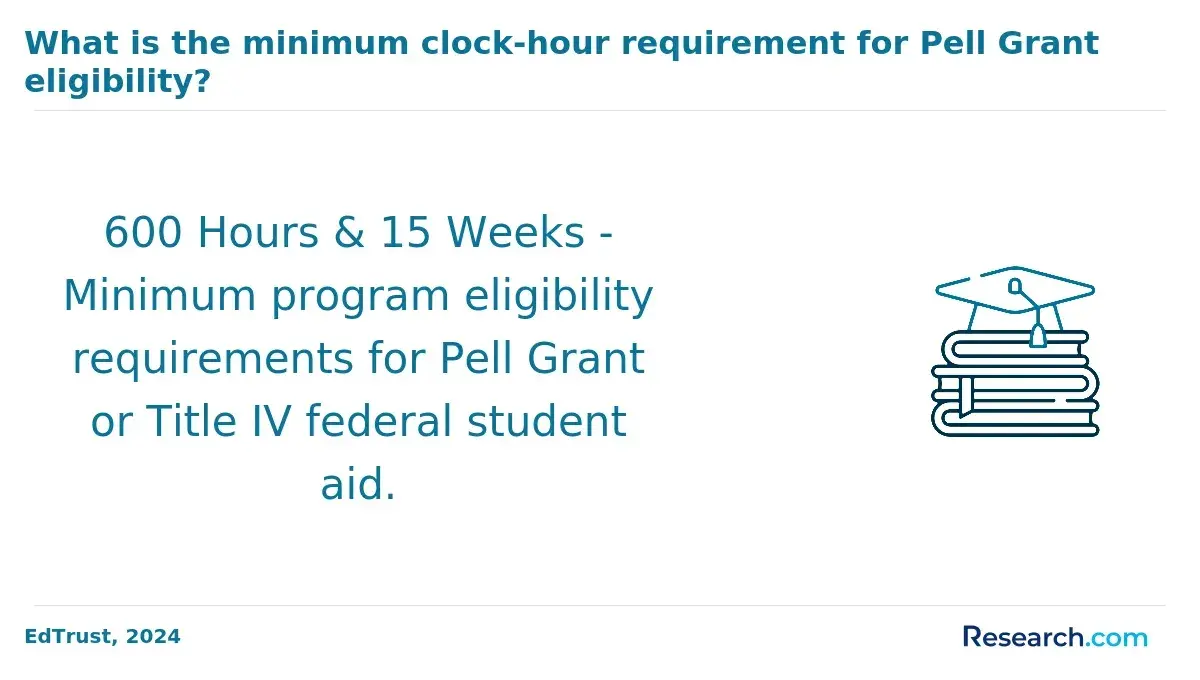
Federal aid programs like the Pell Grant remain pivotal for reducing Radiology Technician education costs, especially for students at public community colleges or technical schools where tuition can still pose a barrier. Nearly 25 million students benefit annually from Pell Grants, highlighting its scale and importance, yet qualifying requires careful attention to income thresholds, citizenship status, and FAFSA application timing. Students must also navigate state-specific grant programs, which vary widely; for instance, states like California and New York provide more generous awards and tuition reciprocity, enabling learners to lower costs by choosing in-state or compact-agreement institutions. Such policy nuances mean affordability is not just a function of sticker price but hinges on residency rules, renewal requirements, and the complex interaction of aid stacking policies.
Institutional scholarships introduce further variability, shifting based on merit criteria or demonstrated financial need, with many small awards tied to local associations or healthcare employers who may also offer tuition reimbursement as part of employee benefits. However, these resources often favor full-time enrollees, leaving part-time students-who may need to work simultaneously-at a disadvantage, complicating educational planning for those balancing finances and time. This uneven aid landscape underscores a critical tradeoff: selecting a program or state with robust integrated workforce initiatives can increase completion rates and minimize debt burdens by aligning funding with healthcare sector demand, an important consideration for learners strategizing long-term employability and financial sustainability in Radiology Technician training.
Are Online Radiology Technician Degree Programs More Affordable Than On-Campus Options?
Assessing affordability between online and on-campus radiology technician degree programs requires attention beyond sticker tuition. While online programs often charge lower tuition and reduce or eliminate fees related to campus facilities and residency, the real cost advantage depends heavily on each student's state residency and local living expenses. For instance, students in high-cost urban states might save significantly on housing and commuting by studying online, but they also face technology costs and must still travel for required clinical practicums. These nuances complicate any straightforward comparison of online radiology technician degree costs by state, making personalized budgeting essential.
Financial aid and scholarships may be somewhat equitable across program formats, yet some grants remain restricted to on-campus students, impacting net cost and access. Students balancing work and study might find online programs more affordable in opportunity cost terms, as flexible schedules can allow continued employment and reduce income loss typically associated with full-time, day-time campus attendance. However, practical constraints such as mandatory in-person labs and clinical rotations often limit the convenience factor and introduce travel expenses regardless of the primary mode of instruction.
Ultimately, affordability of online versus on-campus radiology technician programs varies by individual circumstances and program design, underscoring the importance of comprehensive cost analysis. Prospective learners should evaluate not only tuition but also the implications for clinical competence and employability influenced by hands-on training. For those analyzing education investment in allied healthcare, consulting resources that provide insight into related career outcomes, like health information management salary, may add valuable context when comparing options.
Is a Radiology Technician Degree Worth the Cost Based on Career Outcomes and ROI?
Evaluating the worth of a radiology technician degree requires scrutinizing more than just tuition fees-it demands a nuanced understanding of career outcomes and state-by-state affordability differences. For example, while some Northeastern states charge over $15,000 annually for programs, states like Texas or Florida keep costs below $6,000, significantly impacting debt burden and financial flexibility upon graduation. Median salaries near $62,000 and steady 7% job growth nationally affirm a solid employment outlook, but students must weigh these against opportunity costs, program quality, and completion rates, which influence time-to-employment and overall return on investment.
Prospective students should assess the radiology technician salary and job outlook in the United States alongside local healthcare demand and certification opportunities, which vary regionally and affect upward mobility. Radiology tech programs with completion rates above 80% generally correlate to better support and faster workforce entry, key factors for minimizing debt accumulation and maximizing earnings. For budget-conscious students, lower-tuition states with robust healthcare markets like Ohio and Arizona can offer more favorable career ROI, whereas high-cost programs risk diminishing returns due to increased borrowing.
References:
- Radiologic Technologist Salaries And Job Prospects • How Radiology Works https://howradiologyworks.com/radiologic-technologist-salaries/
- Online Radiology Tech Programs: Finding the Right School https://www.edumed.org/online-schools/radiology-tech-programs/
- Most Affordable Online Radiology Technology Degrees https://www.collegechoice.net/healthcare/radiology/most-affordable-online-bachelors-degrees/
- Financial Aid and Expenses https://www.gradyhealth.org/training-programs/radiologic-technology-program/financial-aid-and-expenses/
- Importance of Cost of Living | Goldwater Institute https://www.goldwaterinstitute.org/cost-of-living/
- Compare Radiologic Tech Salaries: California vs. Other Top States | Incredible Health https://www.incrediblehealth.com/tech/compare-radiologic-technologist-salaries-california-vs-texas-florida-and-new-york/
- 9 High-Paying Radiology Tech Jobs with a Bright Future https://www.mtmi.net/blog/9-high-paying-radiology-tech-jobs
- Job Search USA - Browse jobs in your area | Resume-Library.com https://www.resume-library.com/career-advice/radiology-tech/radiology-tech-average-salary
- Tuition & Costs - Colorado Mountain College https://coloradomtn.edu/tuition-costs/
- Academic Scholarships https://www.asrt.org/foundation/programs/academic-scholarships
Other Things You Should Know About Radiology Technician
States vary significantly in their clinical hour requirements and partnerships with local healthcare facilities. Higher clinical hour demands can extend program length or necessitate unpaid internships far from home, increasing indirect costs such as transportation and housing. Therefore, affordability isn't just about tuition; states with more flexible but still credible clinical experience requirements may reduce total out-of-pocket expenses and time-to-completion, which is crucial for budget-conscious students prioritizing a quicker return to employment.
Lower tuition can be attractive, but states where employers highly value local program credentials often offer better hiring pipelines and higher starting salaries. Choosing a more affordable state without strong health system connections can mean longer job searches or lower wages, undermining initial cost savings. Students should weigh cost against local industry demand, as a modestly higher tuition in a state with strong employer engagement often leads to faster job placement and higher lifetime earnings.
States with stringent licensing exams or additional certifications may require extra exam fees and supplemental coursework, adding to the total financial burden. However, these states often maintain higher professional standards, which can translate into better preparedness and potentially higher wages. Students aiming for long-term career mobility should prioritize states whose licensing processes align with nationally recognized credentials while minimizing redundant costs that do not strongly enhance job prospects.
Relocation for a more affordable program can lower upfront education costs but carries risks if the student's license or certification is not easily transferable or if local job markets are saturated. Evaluating state-specific job growth and retention rates is essential before relocating; prospective students should favor states where they can realistically establish residency and job connections post-graduation. If relocation complicates local licensing reciprocity or job searching, the short-term savings may be offset by longer-term employment challenges.