2027 Radiology Technician Tuition Inflation Report: How Fast Are Program Costs Rising?

Co-Founder and Chief Data Scientist
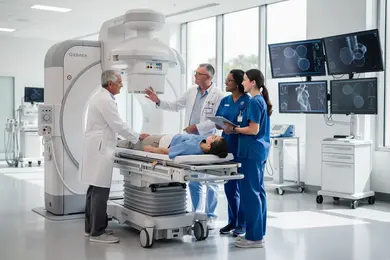
Tuition inflation in radiology technician programs reflects distinct operational and educational demands not seen in many other disciplines. Enhanced accreditation standards now emphasize advanced clinical training and use of cutting-edge imaging technology, driving up institutional costs. These programs invest heavily in specialized equipment, such as digital radiography and MRI simulators, while maintaining low student-to-faculty ratios to meet licensing requirements.
According to the 2024 AART workforce report, enrollment in radiologic technology programs has grown by 8% over two years, intensifying pressure on faculty and clinical site availability. The predominance of younger students entering the field amplifies demand for flexible, tech-intensive curricula that can adapt to evolving healthcare environments.
Key Things to Know About Radiology Technician Tuition Inflation
- Between 2019 and 2024, average radiology technician tuition rose by over 15%, outpacing general inflation and forcing students to weigh longer program completion times against escalating costs.
- Employers increasingly expect candidates to hold certifications tied to advanced equipment training, which may necessitate additional costly courses beyond core tuition, altering workforce readiness strategies.
- Rising tuition limits accessibility, particularly for low-income applicants, influencing enrollment patterns and potentially skewing the demographic composition of future radiology technician cohorts.
- Key Things to Know About Radiology Technician Tuition Inflation Key Things to Know About Radiology Technician Tuition Inflation
- How Much Has Radiology Technician Tuition Increased Over the Past Decade? Tuition Increased
- How Does Radiology Technician Tuition Inflation Compare to Overall Inflation? Tuition Inflation
- Which Types of Schools Have Experienced the Fastest Radiology Technician Tuition Growth? Tuition Growth by School Type
- What Factors Are Driving Rising Costs in Radiology Technician Degree Programs? Tuition Cost Drivers
- How Does Radiology Technician Tuition Growth Vary by State and Region? Tuition Growth by State
- Are Online Radiology Technician Programs Becoming More Affordable Than Campus-Based Programs? Online Program Affordability
- How Have Financial Aid and Scholarships Changed as Radiology Technician Tuition Has Increased? Impact on Financial Aid and Scholarships
- How Does Rising Radiology Technician Tuition Affect Student Debt After Graduation? Impact on Student Debt
- Do Higher-Cost Radiology Technician Programs Deliver Better Career Outcomes or Earnings? Impact on Career Outcomes
- What Do Current Tuition Trends Suggest About the Future Cost of a Radiology Technician Degree? Tuition Trends
How Much Has Radiology Technician Tuition Increased Over the Past Decade?
Tuition for radiology technician programs has risen substantially over the last ten years, with data from the National Center for Education Statistics and the U.S. Department of Education College Scorecard indicating a 40% to 50% increase between 2014 and 2024. Most of these programs are offered through community colleges and technical schools, where the majority of students enroll. This growth in average annual cost notably surpasses overall inflation, highlighting a distinct trend specific to allied health education. The pattern suggests a widening gap between program expenses and the financial expectations of prospective students weighing their educational investments.
The upward trajectory in tuition is driven by multiple intersecting factors. Enhanced clinical training requirements and advances in imaging technology necessitate higher institutional spending, often translating directly into increased student costs. Additionally, tighter state funding and regulatory changes compel schools to expand curriculum offerings and maintain accreditation standards, further raising operational costs. The higher demand for skilled radiology technician graduates, paired with shifting enrollment patterns, also influences pricing decisions, underscoring how supply-and-demand dynamics contribute to these tuition increases.
These trends present key affordability challenges for students considering a radiology technician degree. Rising costs raise the likelihood of greater student debt and force many to balance financial constraints against potential employment outcomes, as wage gains in the field have not consistently matched tuition inflation. Navigating this environment requires careful consideration of program quality and long-term value, especially since shorter credential pathways still entail significant financial commitments. For those seeking the easiest DNP program online or similar efficient routes, understanding tuition inflation in radiology technician programs offers critical context for informed decision-making in healthcare education.
How Does Radiology Technician Tuition Inflation Compare to Overall Inflation?
Tuition inflation for radiology technician programs has consistently surpassed general inflation rates, with annual increases averaging around 3.5% to 5% compared to the Consumer Price Index growth of roughly 2.5% to 3% in recent years. This gap reflects more than just a simple rise in educational costs; it signals a divergence shaped by the specialized nature and operational demands of radiology technician training.
Regional differences in radiology technician program cost increases versus national inflation trends also show that some areas bear heavier cost pressures due to local funding shifts and healthcare industry demands. These patterns underscore how tuition costs in this field escalate faster than broader economic inflation measures, complicating affordability for many students and families.
The structural drivers behind this growing tuition premium include declining public subsidies and increased reliance on tuition revenue to offset institutional budgets, especially for specialized allied health programs. Administrative expenses and expanded support services have also grown, as programs invest more in technology, clinical partnerships, and regulatory compliance to maintain accreditation standards.
Additionally, many programs face higher operational costs due to equipment upgrades and workforce demands that are not subject to general market inflation, contributing to tuition inflation that disproportionately impacts radiology technician education compared to other sectors. This reflects broader changes in higher education funding models where reducing state funding leads institutions to shift costs onto students rather than absorb them. For prospective students, these trends create long-term affordability challenges and raise the importance of carefully assessing return on investment in radiology technician programs.
Increased tuition inflation drives higher borrowing levels, affecting debt repayment timelines and influencing program selection based on cost versus employment outcome considerations. Navigating these pressures requires attention to the nuances of education cost drivers and may prompt some learners to explore alternatives or supplemental credentials, such as pathways like RN to BSN online, to optimize cost and career trajectory within healthcare.
Which Types of Schools Have Experienced the Fastest Radiology Technician Tuition Growth?
Tuition growth for radiology technician programs is uneven across institution types due to distinct financial models, enrollment pressures, and resource demands. Public funding constraints, competitive positioning, and variations in program delivery each play a critical role in driving how quickly costs rise. Grasping these differences is key for prospective students assessing affordability and long-term return on investment amid shifting educational expenses.
- Public Community Colleges and Technical Schools: These institutions benefit from state appropriations that moderate tuition increases, often limiting annual growth to around 3%. Their mission to serve local populations with accessible, workforce-oriented training keeps pricing relatively stable, though limited state budgets and rising operational costs pressure incremental hikes.
- Private For-Profit Career Colleges: Frequently dependent on tuition revenue rather than public funds, for-profit providers have seen tuition growth exceeding 6% annually. Aggressive marketing, shorter accelerated programs, and flexible scheduling allow them to command premium prices, but rapid increases can strain affordability for self-paying adult learners.
- Regional Public Universities: Facing reduced state support and expanding program offerings, some have had to raise tuition more steeply. Extended program durations and added clinical resource needs in radiology technician training also contribute to upward cost pressure compared to smaller colleges.
- Private Nonprofit Universities: Though less common as radiology technician program hosts, these schools manage costs through endowments and diversified revenue streams. They tend to have moderate tuition growth but must balance investment in specialized equipment and faculty with maintaining market competitiveness.
- Research-Intensive Universities: While predominantly focused on higher-degree health professions, their affiliation with radiology programs can increase costs due to facility standards and technology investments. Tuition hikes here are often influenced by broader institutional goals and flagship branding rather than direct program demand.
Data from the 2024 American Association of Community Colleges' Workforce Report highlights that tuition increases at public institutions remain more controlled compared to their for-profit counterparts, underscoring the influence of funding structures on cost trajectories. For students weighing program choice, recognizing these systemic factors aids in contextualizing tuition trends beyond face-value comparisons.
What Factors Are Driving Rising Costs in Radiology Technician Degree Programs?
The upward trajectory in tuition costs for radiology technician degree programs stems from a complex combination of institutional and economic influences rather than isolated factors. These programs operate within a broader higher education funding landscape where decreases in public financing compel many institutions to increase tuition reliance to sustain operations. This shift is compounded by evolving healthcare industry demands that require programs to maintain cutting-edge resources and specialized staff, intensifying cost pressures.
Consequently, program pricing reflects not only educational content but also the infrastructure and compliance burdens that align with evolving accreditation and clinical training requirements. Key contributors to rising expenses include declining state appropriations for public colleges, which have prompted greater dependence on student fees to cover operational deficits. Faculty wages have escalated in response to competitive labor markets where experienced radiology professionals command premium salaries both in academia and clinical settings.
Administrative growth related to regulatory compliance and expanded student support services further inflates institutional budgets. Additionally, investments in digital platforms, medical imaging technology, and simulation tools increase capital and maintenance costs. According to the National Center for Education Statistics 2024 report, tuition in health-related technical fields has increased by 5.6% nationwide over the past two years, signifying broader systemic financial stress beyond general inflation.
How Does Radiology Technician Tuition Growth Vary by State and Region?
Tuition growth for radiology technician programs varies significantly across U.S. states and regions, reflecting complex interactions among state funding policies, institutional types, and local economic conditions. States with robust public higher education systems often control tuition increases through state appropriations and subsidies, which can restrain growth in program costs. In contrast, regions with a higher concentration of private or research-intensive institutions tend to experience faster tuition growth driven by institutional pricing strategies and market demand.
These institutional differences intersect closely with broader regional economic pressures, making the pattern of radiology technician tuition increase by state far from uniform. Key drivers of these disparities include differences in state appropriations for public colleges, which have generally been declining or stagnant in many states, forcing institutions-especially in the Northeast and West-to raise tuition to cover operational costs and respond to growing healthcare workforce demands. Public community colleges and technical schools in the Midwest and South, sustained by more stable or targeted subsidies, frequently show more modest tuition increases.
The cost of living also plays a pivotal role, with states like California and New York experiencing upward pressure on tuition consistent with higher housing and labor costs. Moreover, the prevalence of private institutions with less constrained pricing models in certain regions escalates tuition growth rates, particularly when aligned with high-demand metropolitan labor markets and healthcare sectors. These regional differences in tuition growth have broader implications for student decision-making and program affordability. Students may face tradeoffs between enrolling in higher-cost programs in states with greater workforce demand and potential wage premiums versus more affordable options in areas with slower tuition growth but weaker healthcare markets.
Such disparities can influence long-term return on investment, particularly as escalating costs may outpace salary growth or job availability. Prospective learners must navigate these nuanced costs alongside local labor conditions, as illustrated by comparisons even within states. This complexity parallels tuition and workforce dynamics found across other healthcare fields, including in online MSN PMHNP programs, where balancing educational expenses against employment prospects remains equally critical.
Are Online Radiology Technician Programs Becoming More Affordable Than Campus-Based Programs?
While online radiology technician programs often advertise reduced tuition compared to traditional campus offerings, the affordability gap is shaped by complex institutional pricing strategies and delivery models. According to a 2024 report by the National Center for Education Statistics, tuition inflation for online allied health programs averages about 3% annually, slightly less than the 4.2% seen with in-person programs. However, these headline cost differences do not necessarily reflect total educational expenses, as online students frequently face additional fees linked to clinical placements, licensing preparation, and occasional in-person lab requirements. Consequently, the overall cost-effectiveness of online versus campus-based pathways must consider these nuances rather than rely solely on base tuition comparisons.
Underlying this pricing dynamic are several factors influencing the relative affordability of online education in radiology technology. Institutions delivering online programs can leverage lower physical infrastructure costs, as they need fewer campus facilities and fewer on-site support services, which traditionally drive expenses for in-person cohorts. Conversely, upfront investments in digital learning platforms, specialized instructional design, and robust virtual student support can partially offset these savings. Furthermore, faculty workload models often differ, with online teaching requiring additional time for course development and student engagement in virtual formats. These contrasting cost centers shape how colleges balance their tuition rates, creating a pricing landscape that is less about uniform discounts and more reflective of strategic resource allocation and scalability considerations across modalities.
A graduate of a recent online radiology technician program recalled navigating the admissions process amid rolling deadlines. Initially hesitant due to uncertainty about clinical placement logistics and related costs, they delayed submitting final materials until receiving clearer guidance from program advisors. This pause created anxiety about securing a slot, given demand fluctuations each cycle. Ultimately, the graduate appreciated the flexibility but noted that the staggered timeline required careful planning to manage financial and practical considerations, underscoring that perceived affordability of online options often hinges on timing and institutional responsiveness during enrollment.
How Have Financial Aid and Scholarships Changed as Radiology Technician Tuition Has Increased?
Financial aid and scholarship structures for Radiology Technician programs have evolved notably as tuition has surged in recent years, but these adjustments have not fully offset rising costs. While there is broader access to need-based aid through federal and state grants, award amounts have generally failed to keep pace with tuition inflation, diminishing their impact on net affordability. Institutional scholarship support has become more targeted, often prioritizing underrepresented or economically disadvantaged students, yet many programs struggle to expand aid budgets sufficiently to match price increases. Additionally, the number of scholarships specifically earmarked for Radiology Technician students has grown modestly, although increased applicant competition limits the practical availability of these funds.
Several factors drive these dynamics, including heightened competition among programs to attract qualified applicants amid shifting labor market demands. Federal and state aid programs have broadened eligibility, but changes in funding formulas and budget constraints mean that per-student grants often stagnate or grow slowly. Meanwhile, institutions have increasingly leaned on merit-based scholarships as a tool to draw higher-achieving candidates, sometimes as a strategic response to tuition discounting trends intended to balance enrollment and revenue. This complex interplay between aid policies and pricing strategies reflects a broader tension in healthcare education financing: balancing accessibility with institutional sustainability in a context of steady cost escalation.
Consequently, many students encounter a relatively stable net price environment that masks underlying increases in sticker tuition and potential borrowing. This gap intensifies financial pressure, leading to greater reliance on loans and cautious consideration of program value versus cost. Aid distribution trends influence not only students' financial planning but also enrollment decisions, as prospective Radiology Technician students must weigh the likelihood of receiving sufficient support against rising tuition and evolving workforce conditions. Ultimately, understanding these financial aid shifts is critical for navigating the affordability and long-term implications of pursuing Radiology Technician credentials in today's market.
How Does Rising Radiology Technician Tuition Affect Student Debt After Graduation?
Rising tuition for radiology technician programs leads directly to increased student borrowing, as many students must cover larger portions of their education costs through loans. As tuition climbs, the portion of expenses that financial aid and grants do not cover expands, forcing greater reliance on borrowing. Recent government education reports in 2024 indicate students graduating from radiology technician programs carry average debts between $20,000 and $35,000, depending on program type and specialization. This growth in tuition-driven debt increases the financial burden after graduation, particularly for students in certificate or associate degree tracks where repayment periods begin almost immediately following program completion. The impact of this rising debt is a crucial factor shaping long-term affordability and financial outcomes for these students.
Key contributors to rising debt levels include widening gaps between tuition increases and stagnant or insufficient financial aid, especially within private versus public institutional programs. Interest accrues on unsubsidized loans during the education period, compounding debt by the time of graduation. Additionally, salary variations across radiology technician roles mean some graduates face tighter repayment conditions, as entry-level wages often do not rise commensurately with tuition or loan amounts. These disparities highlight the complex interaction between program costs, income potential, and student borrowing behavior, underscoring the need for comprehensive evaluation of educational investments. Prospective students should also be aware that rising radiology technician tuition impact on student debt in the US applies not only to immediate costs but to their ability to manage debt without compromising essential financial goals.
Graduates often confront repayment stress as higher debt levels increase monthly payment demands, potentially delaying milestones like homeownership or emergency savings accumulation. Loan forgiveness programs and income-driven repayment plans can alleviate some pressure but are not universally applicable nor guaranteed. This financial strain influences decision-making around program selection and the perceived return on investment of certifications versus degree length and institutional prestige. Those weighing their options might also explore alternative educational pathways, including online healthcare degrees-such as those demonstrated in a growing trend to study exercise science online-to better balance cost, time, and career readiness in a demanding healthcare job market.
Do Higher-Cost Radiology Technician Programs Deliver Better Career Outcomes or Earnings?
Higher-cost radiology technician programs do not inherently guarantee better career outcomes or significantly higher earnings. Recent data from 2024 sources such as the U.S. Bureau of Labor Statistics and National Center for Education Statistics reveal that salary variations among graduates tend to be modest, regardless of tuition expenses. Factors beyond price, such as licensure, certification, and state approval, carry greater weight in employer hiring decisions, reflecting industry norms that emphasize standardized competencies over institutional cost or reputation. This suggests that higher tuition alone is an unreliable predictor of starting salaries or long-term financial returns for radiology technicians.
Key determinants of career outcomes include the depth and quality of clinical rotations, geographic location, and employer networks rather than program cost alone. Programs that maintain strong partnerships with local hospitals or healthcare systems can offer valuable internship pipelines, improving job placement rates within specific regional markets. Additionally, opportunities to pursue specialization or advanced credentials can influence earnings potential more than basic program expenses. Alumni outcomes and long-established institutional relationships with healthcare employers tend to vary widely and do not always correlate directly with program tuition. Understanding these nuances is essential when analyzing the regional earnings differences for radiology technician graduates and their prospects in competitive job markets.
Prospective students must critically evaluate the return on investment, balancing tuition inflation against likely debt burdens and career outcomes. Prioritizing programs with rigorous clinical training and state certification preparation often yields better operational value than simply selecting based on cost. For those exploring broader healthcare education pathways, including advanced degrees, resources on DSW programs online can offer insight into economical options for continued professional development within allied health fields.
What Do Current Tuition Trends Suggest About the Future Cost of a Radiology Technician Degree?
Current tuition trends indicate that the cost of a Radiology Technician degree is likely to continue rising at a rate slightly above general inflation. Over the past five years, associate degrees in health professions have seen an average annual tuition increase of around 3.5%, according to the National Center for Education Statistics 2024 update. This pattern reflects a persistent upward trajectory rooted in historical funding models and inflation-adjusted cost pressures, rather than short-term anomalies. Such steady growth suggests that prospective students should anticipate incremental but consistent tuition increases rather than sudden spikes or stabilization in pricing.
Several key factors contribute to shaping future tuition costs. Institutional funding constraints, especially reduced public support and reliance on tuition revenue, compel programs to raise fees to maintain quality. Concurrently, demand for specialized skills in advanced medical imaging drives programs to invest heavily in cutting-edge technology and clinical training infrastructure. The expansion of online education options may moderate some overhead costs but comes with new expenses linked to digital resources and compliance. These dynamics create a complex pricing environment where higher educational delivery costs coexist with evolving student service expectations, underpinning continued tuition inflation.
The rising cost trajectory raises affordability challenges, particularly for traditional students sensitive to upfront expenses and adult learners balancing tuition with other financial commitments. Increasing program fees often translate to greater borrowing or choosing shorter certification routes, impacting long-term career paths and earning potential. Understanding these tuition trends allows prospective Radiology Technician students to more effectively evaluate educational pathways, anticipate financial burdens, and make informed decisions aligned with workforce realities and employer expectations.
References:
- How Much Is a Radiology Technology Program? https://medcareernow.com/articles/how-much-is-a-radiology-technology-program
- Costs - Radiologic Technology https://www.mtsac.edu/radiologic/costs.html
- Radiologic Technology: Program Costs https://dacc.edu/depts/radtech/costs
- Radiology Technology Degree Program | Rasmussen University https://www.rasmussen.edu/degrees/health-sciences/radiologic-technology/
- X-Ray & Radiologic Technologist Program | Levittown & Medford, NY https://hunterbusinessschool.edu/programs-offered/radiologic-technology-program/
- 9 High-Paying Radiology Tech Jobs with a Bright Future https://www.mtmi.net/blog/9-high-paying-radiology-tech-jobs
- Radiologic Technologist - Explore Healthcare Careers - Mayo Clinic College of Medicine & Science https://college.mayo.edu/academics/explore-health-care-careers/careers-a-z/radiologic-technologist/
- Rad Tech News: Funding the Future https://www.radiologytoday.net/archive/rt_Oct24p6.shtml
- Radiologic Technology https://www.century.edu/programs/radiologic-technology/
- Guide to Top Scholarships for Online Radiology Tech Students https://www.edumed.org/financial-aid/scholarships/radiology-tech-programs/
Other Things You Should Know About Radiology Technician
When tuition costs rise rapidly, shorter radiology technician programs can reduce total education expenses despite higher per-credit prices. Accelerated programs may increase upfront intensity but lower overall debt and entry time into the workforce. Prioritizing program duration alongside cost helps balance tuition inflation impact against practical workload and readiness for employer expectations.
Higher tuition does not guarantee better clinical experiences, yet many programs cut or limit hands-on training to manage costs amid inflation. Reduced clinical hours can impair skill development and accreditation, affecting employability. Students should critically evaluate program clinical offerings, as inflated tuition may disproportionately fund administrative costs rather than essential experiential learning.
Programs with robust employer connections and job placement services may justify higher tuition by improving graduate employment rates and starting salaries. However, rising tuition only adds value if these services effectively shorten job searches and align with current industry demands. When choosing, weigh the tangible benefits of career support against the tuition increase, considering local job market conditions.
Rapid tuition inflation can deter students from seeking advanced certifications or continuing education post-graduation due to cumulative cost concerns. This tradeoff may limit long-term career progression and specialization opportunities essential in radiology. Prospective students should factor in inflation trends when planning lifelong learning pathways, possibly prioritizing foundational programs with flexible credit transfer options to mitigate future expenses.