2027 Best Online MBA Programs With No GMAT Required

Co-Founder and Chief Data Scientist
Choosing an online MBA is no longer just a question of rankings or convenience. For many working professionals, the bigger decision is whether the program will recognize career experience in place of a standardized test. In 2027, over 900 U.S. programs now offer test-optional or no-GMAT admission routes, making graduate business education more accessible to managers, career changers, entrepreneurs, and professionals with strong work histories.
A no-GMAT online MBA can be a smart option if you have evidence of business readiness through professional experience, undergraduate performance, leadership responsibility, quantitative coursework, or industry credentials. It can also save time and money by removing months of test preparation. However, “no GMAT required” does not automatically mean easier admission or lower quality. The best programs still evaluate applicants carefully and should be judged by accreditation, curriculum fit, faculty quality, cost, flexibility, and career outcomes.
This guide explains which online MBA programs do not require the GMAT, how AACSB accreditation affects program credibility, what admissions committees look for instead of test scores, and how to compare affordable, executive, and career-focused options.
Key Benefits of Getting Into Online MBA Programs for Healthcare Professionals
- Expanded career opportunities: Completing an online MBA without the GMAT opens doors to management and leadership positions across industries, including finance, healthcare, technology, and consulting. Professionals can leverage their degree to move into director-level or strategic roles that require business acumen and decision-making skills.
- Competitive salary potential: Graduates of online MBA programs often report median salaries between $90,000 and $100,000, depending on industry, region, and prior experience. This return on investment makes pursuing an MBA a valuable step for mid-career professionals seeking financial and professional growth.
- Flexible online learning: Studying online allows professionals to balance work, family, and other commitments. Programs are typically asynchronous or partially synchronous, enabling students to complete coursework on their own schedule without sacrificing professional responsibilities.
What are the best online MBA programs with no GMAT required in 2027?
The best no-GMAT online MBA programs combine credible accreditation, flexible delivery, strong faculty, career-relevant concentrations, and admissions policies that value professional experience. Some schools fully remove the GMAT or GRE requirement, while others offer waivers for applicants who meet experience, GPA, or credential thresholds. Always confirm the current policy with the admissions office before applying, because waiver rules can vary by applicant profile.
Below are ten strong U.S. options that either waive the GMAT or do not require it:
Syracuse University (Whitman School of Management)
- No GMAT required for applicants with 2+ years of experience.
- AACSB-accredited program with a strong focus on business analytics and finance.
- Best suited for professionals who want a recognized university brand and a curriculum connected to data-driven management.
University of North Carolina at Chapel Hill (Kenan-Flagler Business School)
- GMAT waivers available for qualified applicants.
- Flexible online MBA with leadership and management focus.
- A strong fit for applicants seeking a highly regarded business school with a broad leadership curriculum.
University of Tennessee, Knoxville (Haslam College of Business)
- Fully online; no GMAT or GRE required.
- Affordable, AACSB-accredited, with executive focus.
- Good for working professionals who want a practical management degree without relocating or pausing employment.
Xavier University (Williams College of Business)
- No GMAT required; AACSB-accredited.
- Emphasis on ethics, strategy, and leadership.
- Useful for students who want a values-centered business education with a strong management foundation.
Florida International University (FIU College of Business)
- GMAT waived for applicants meeting GPA or experience thresholds.
- Strong online MBA in international business.
- Especially relevant for students interested in global markets, cross-border business, and diverse business environments.
Northeastern University (D’Amore-McKim School of Business)
- No GMAT/GRE required.
- Focus on analytics, innovation, and corporate partnerships.
- Well matched for professionals who want applied learning tied to business technology and employer networks.
University of Delaware (Alfred Lerner College of Business & Economics)
- GMAT waiver available for applicants with 3+ years of experience.
- 100% online; customizable concentrations.
- A practical choice for students who want to tailor the MBA around a specific business function or career goal.
Pepperdine University (Graziadio Business School)
- No GMAT required.
- Leadership- and values-based MBA with robust alumni network.
- Best for professionals who value leadership development, relationship building, and a mission-driven business approach.
University of Massachusetts–Lowell (Manning School of Business)
- No GMAT required for applicants with relevant work experience.
- Affordable, AACSB-accredited, high ROI.
- Strong option for cost-conscious students who still want a respected accredited business program.
Missouri State University (College of Business)
- No GMAT required.
- One of the most affordable AACSB-accredited online MBAs.
- A strong fit for students prioritizing low tuition, accreditation, and practical business training.
When comparing these programs, look beyond the test policy. A strong no-GMAT MBA should align with your target role, budget, schedule, and preferred learning style. For a broader list of cost-conscious options, explore affordable online MBA programs.
Which AACSB accredited schools offer online MBAs with no GMAT required?
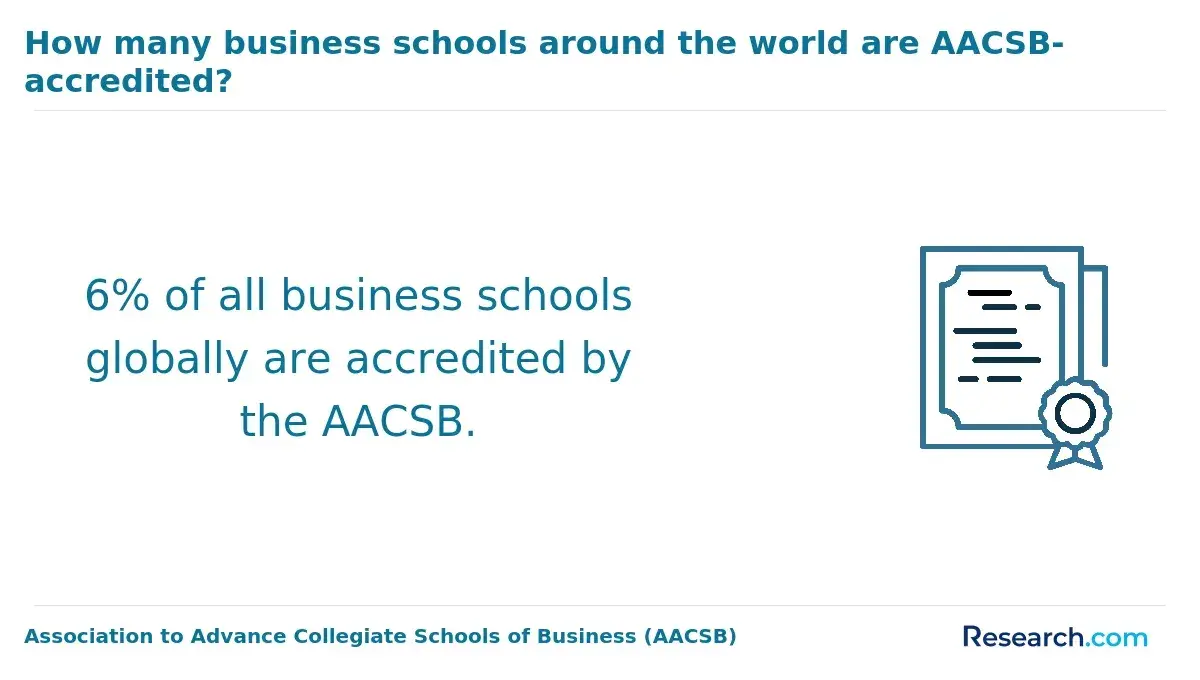
AACSB accreditation is one of the most important quality signals for an MBA program. It indicates that a business school has met rigorous standards for faculty qualifications, curriculum design, learning outcomes, strategic planning, and continuous improvement. For students choosing an online MBA with no GMAT requirement, AACSB accreditation can help separate respected programs from weaker options that rely mainly on convenience or aggressive marketing.
Several U.S. schools offer AACSB-accredited online MBAs that do not require the GMAT or that provide waivers for qualified applicants. Xavier University, Florida International University, and Northeastern University are examples of schools that allow applicants to demonstrate readiness through professional experience or academic achievement instead of standardized testing. Many of these programs also offer specializations in finance, healthcare management, business analytics, and leadership.
Why AACSB accreditation matters
- Employer confidence: AACSB accreditation signals that the program has been reviewed against recognized business education standards.
- Academic rigor: Accredited schools are expected to maintain strong faculty, relevant curricula, and measurable learning outcomes.
- Career mobility: A degree from an AACSB-accredited program may carry stronger recognition across industries, regions, and multinational employers.
- Future education options: Credits and credentials from AACSB-accredited programs are more likely to be understood by other universities and professional organizations.
How to compare AACSB no-GMAT programs
Start with fit, not prestige alone. A highly ranked program may not be the best choice if it lacks your preferred concentration, has required synchronous sessions you cannot attend, or charges more than your expected return justifies. Review the following before applying:
- Admissions policy: Determine whether the program is truly no-GMAT or only offers a waiver under specific conditions.
- Curriculum depth: Look for advanced coursework in strategy, accounting, finance, analytics, operations, marketing, and leadership.
- Concentrations: Choose electives that connect directly to your career goal, such as healthcare management, business analytics, or finance.
- Student support: Strong online programs provide advising, career services, technical support, and faculty access.
- Total cost: Compare tuition, fees, books, required residencies, and any travel costs—not just the advertised per-credit price.
For a complete list of options, see AACSB accredited schools online. Choosing an AACSB-accredited no-GMAT program can give you flexibility without sacrificing the quality signal many employers expect from a graduate business degree.
Can executive MBA programs be completed online without the GMAT?
Yes. Many executive MBA programs can be completed online without the GMAT, especially when they are designed for experienced professionals. EMBA admissions committees often place more weight on leadership responsibility, career progression, management experience, and organizational impact than on standardized test scores. For applicants who already manage teams, budgets, operations, or strategy, a GMAT score may add less value than a strong resume and clear executive goals.
Online EMBA programs are built for mid- to senior-level professionals who want advanced business training without leaving the workforce. They typically emphasize strategic leadership, financial decision-making, organizational change, global business, innovation, and executive communication. Some programs are fully online, while others include optional or required residencies for networking and applied projects.
Key features of online EMBA programs
- Experience-centered admissions: Schools evaluate leadership history, scope of responsibility, promotions, industry expertise, and measurable business results.
- Executive-level curriculum: Courses are often more strategic and less foundational than traditional MBA courses, with a focus on enterprise-wide decision-making.
- Peer learning: Students learn from classmates who bring substantial professional experience across industries and functions.
- Flexible scheduling: Online formats help executives balance coursework with travel, family obligations, and demanding work schedules.
- Networking formats: Programs may use virtual team projects, live online sessions, cohort models, and optional on-campus residencies.
When an online EMBA may be better than a traditional online MBA
An online EMBA is usually the better fit if you already have significant leadership experience and want to move into senior management, executive leadership, consulting, or board-level responsibilities. A traditional online MBA may be better if you are earlier in your career, changing industries, or still building core business knowledge.
Before applying, check whether the program’s no-GMAT policy is automatic or waiver-based. Some schools may still request evidence of quantitative readiness through transcripts, prior coursework, certifications, or professional duties involving budgeting, analytics, or financial decision-making.
For those exploring budget-friendly options, cheapest EMBA programs show that executive education does not always require the highest tuition tier. The strongest online EMBA programs without GMAT requirements maintain credibility by admitting experienced professionals and delivering advanced, leadership-focused coursework.
The most affordable online MBA programs with no GMAT required are usually public university programs or cost-conscious accredited private programs that keep tuition transparent and limit added fees. Affordability should be measured by total program cost, not only by per-credit tuition. A program with low tuition may still become expensive if it requires extra courses, residency travel, high technology fees, or a longer time to completion.
Programs such as University of Tennessee, Missouri State University, and UMass Lowell offer online MBAs without requiring the GMAT while keeping tuition competitive. They combine flexible pacing, accredited coursework, and specializations in high-demand fields such as healthcare management, finance, and analytics.
How to evaluate affordable online MBA programs
- Total cost vs. per-credit cost: Calculate the full price of tuition, fees, books, required software, residencies, and graduation charges.
- Accreditation: Prioritize institutional accreditation and, when possible, respected business accreditation such as AACSB.
- Financial aid options: Review scholarships, employer tuition reimbursement, military benefits, payment plans, and federal aid eligibility.
- Time to completion: A shorter program may reduce opportunity cost, but an accelerated pace can be difficult while working full time.
- Concentration value: Choose a specialization that supports a real career move rather than one that simply sounds marketable.
- Career services: Affordable programs are strongest when they still provide advising, resume support, employer connections, and alumni access.
Common affordability mistakes to avoid
- Choosing the cheapest program without checking accreditation.
- Ignoring fees that are not included in the advertised tuition rate.
- Borrowing the maximum loan amount without estimating repayment obligations.
- Assuming every MBA concentration has the same labor-market value.
- Overloading courses to finish faster and then underperforming due to work or family demands.
For a comprehensive list of cost-conscious options, see most affordable online MBA programs no GMAT. The best affordable program is not simply the lowest-priced one; it is the program that gives you credible training, a manageable schedule, and a realistic path to career advancement without unnecessary debt.
A no-GMAT policy changes what admissions committees emphasize, but it does not remove selectivity. Instead of using a standardized test score as a readiness indicator, schools look more closely at your academic record, professional experience, leadership potential, communication skills, and evidence that you can handle quantitative graduate coursework.
In practical terms, a no-GMAT application must make a stronger case through the materials you submit. Your resume, essays, recommendations, transcripts, and interview responses need to show that you are prepared for MBA-level work and that the program matches your career direction.
Key admission considerations
- Work experience: Typically 2–5 years, emphasizing leadership, project management, decision-making, and measurable impact.
- Academic history: Undergraduate GPA, prior business coursework, quantitative courses, and any record of graduate study.
- Professional accomplishments: Promotions, awards, revenue growth, cost savings, process improvements, team leadership, or successful projects can strengthen the application.
- Personal statement: A strong essay connects your career goals, leadership development needs, and reasons for choosing the specific program.
- Letters of recommendation: The best letters come from supervisors or professional contacts who can describe your judgment, initiative, teamwork, and readiness for graduate study.
- Quantitative readiness: Schools may look for evidence of accounting, finance, statistics, analytics, budgeting, or data-based decision-making experience.
What replaces the GMAT in a strong application?
Applicants should not treat “no GMAT” as permission to submit a minimal application. If you are not submitting a test score, strengthen the rest of the file. Use your resume to show progression, your essay to explain direction, and your recommendations to verify leadership ability. If your undergraduate GPA is weak or your transcript lacks quantitative coursework, consider highlighting professional responsibilities that show analytical competence.
Some programs also use foundation courses in accounting, statistics, or finance to help students prepare for quantitative MBA content. These courses are not a penalty; they can be useful if you have been away from school for several years or come from a non-business background.
The main effect of a no-GMAT policy is a more holistic review. Schools are asking whether your real-world experience, academic record, and goals indicate that you can succeed—not whether you can perform well on one standardized exam.
Yes, online MBA programs without GMAT requirements can be respected by employers when they come from accredited, reputable institutions. Most employers do not evaluate an MBA graduate based on whether the applicant submitted a GMAT score. They are more likely to consider the school’s reputation, accreditation, curriculum relevance, professional experience, and the candidate’s ability to solve business problems.
The no-GMAT policy itself is usually not a red flag. Many well-known business schools now use test-optional or waiver-based admissions because standardized tests do not capture every form of leadership potential or professional readiness. What matters is whether the program maintains academic rigor and whether graduates can demonstrate practical skills.
Key factors influencing employer perception
- Accreditation: AACSB accreditation demonstrates rigorous curriculum and faculty quality.
- Program reputation: Well-known institutions maintain credibility even with test-optional policies.
- Alumni success: Graduate outcomes, career advancement, and salary increases reflect program value.
- Relevant skills: Employers value evidence of strategy, finance, analytics, leadership, communication, and operational decision-making.
- Work experience: An MBA is most powerful when paired with a record of professional achievement.
How to make a no-GMAT online MBA more valuable
- Choose a program with recognized accreditation and a curriculum aligned with your target role.
- Use electives to build specific skills in areas such as finance, analytics, healthcare management, or leadership.
- Complete applied projects that can be discussed in interviews or added to a professional portfolio.
- Stay active in alumni networks, career services, and professional associations.
- Translate coursework into measurable workplace results whenever possible.
Online MBAs without GMAT can lead to roles in management, finance, consulting, and technology. Employers assess the complete candidate: degree quality, experience, accomplishments, references, and fit for the role. A no-GMAT MBA from a reputable, accredited school can be fully credible in the job market.
An online MBA with no GMAT requirement is a good fit for applicants who can show readiness through work experience, leadership, academic history, or professional accomplishments. It is especially useful for people who would lose momentum by spending months preparing for a standardized test when they already have evidence of business ability.
These programs are not only for people who dislike testing. They are designed for applicants whose strengths may be better demonstrated through career progression, managerial responsibility, entrepreneurial experience, technical expertise, or prior academic work.
Applicants who may benefit most
- Mid-career professionals: Individuals with work experience looking to move into management or executive roles.
- Working parents or caregivers: Those needing flexible online formats to balance personal and professional responsibilities.
- Industry switchers: Professionals seeking to change fields without delaying admission for GMAT preparation.
- Healthcare, technology, and finance professionals: Those seeking specialization can benefit from flexible curricula that align with career goals.
- Military and public-sector professionals: Applicants with leadership, logistics, operations, or administrative experience may be able to make a strong case without a test score.
- Entrepreneurs: Business owners can use an MBA to strengthen finance, strategy, marketing, and scaling skills.
Who should think carefully before choosing a no-GMAT route?
- Applicants with limited work experience and a weak undergraduate record may need another way to prove readiness.
- Applicants targeting highly selective programs should check whether a strong GMAT score could still improve competitiveness.
- Applicants with little quantitative background may need foundation coursework or other evidence of analytical ability.
By removing the GMAT barrier, these programs allow candidates to highlight professional achievements, leadership potential, and academic readiness rather than test-taking ability. The best applicants still prepare carefully and choose programs that match their career goals, schedule, budget, and preferred learning format.
Online MBAs with no GMAT usually require the same core application materials as other MBA programs, minus the standardized test score. Schools still need evidence that you can succeed in graduate-level business courses and contribute meaningfully to class discussions, group projects, and applied assignments.
Requirements vary by school, but most no-GMAT online MBA applications include the following:
- Bachelor’s degree: From an accredited institution.
- Professional experience: Varies from 2 to 8 years depending on the program.
- Resume/CV: Demonstrates leadership, projects, promotions, management responsibilities, and relevant accomplishments.
- Letters of recommendation: Provide professional insight into skills, judgment, work ethic, and potential for graduate study.
- Personal statement or essay: Explains career goals, program fit, leadership motivation, and how the MBA supports your next step.
- Prerequisite coursework: Some programs require foundation knowledge in accounting, finance, or statistics.
- Transcripts: Used to evaluate academic preparation, GPA trends, and quantitative coursework.
- Interview: Some schools use interviews to assess communication skills, motivation, and fit with the program.
How to strengthen a no-GMAT application
- Quantify your impact: Use numbers where possible to describe budgets managed, teams led, revenue supported, costs reduced, or processes improved.
- Explain career direction: Admissions committees want to see why an MBA is necessary now and how the program fits your goals.
- Choose recommenders carefully: A detailed letter from a direct supervisor is usually more useful than a generic letter from a high-ranking executive.
- Address weaknesses directly: If your GPA is lower or your background is not business-related, explain what has changed and what proves current readiness.
- Show fit with the program: Mention concentrations, course formats, faculty strengths, or learning features that connect to your goals.
Preparation matters because the GMAT is not available to offset a thin application. In no-GMAT admissions, your professional record, academic evidence, recommendations, and goals carry more weight.
The GMAT policy does not usually determine how long an online MBA takes. Completion time depends on the program structure, number of credits, course load, academic calendar, transfer credit policy, and whether you study full time or part time.
- Full-time online programs: Typically 12–24 months.
- Part-time programs: May extend to 3–4 years for working professionals.
- EMBA programs: Usually 18–24 months, balancing advanced coursework with executive responsibilities.
Factors that can speed up completion
- Accelerated course terms or year-round enrollment.
- Taking multiple courses per term.
- Transfer credits, if the program allows them.
- Waived foundation courses based on prior business coursework.
- A structured cohort format with a fixed completion schedule.
Factors that can slow completion
- Part-time enrollment due to work or family responsibilities.
- Prerequisite or foundation courses in accounting, finance, or statistics.
- Taking a term off during a job change, relocation, or personal obligation.
- Required residencies or capstone projects that are offered only at certain times.
Students should choose a pace they can sustain. Finishing quickly can reduce time away from career advancement opportunities, but an overloaded schedule can hurt learning, grades, and work performance. The right timeline is the one that supports both completion and meaningful skill development.
What career paths can you pursue after completing an online MBA without GMAT?
An online MBA without GMAT can support many of the same career paths as a traditional MBA, provided the program is reputable and aligned with your goals. The degree can be especially useful for professionals seeking promotion, broader management responsibility, a pivot into a new business function, or stronger strategic and financial skills.
Common career paths include:
- Business operations manager: Overseeing day-to-day company operations, improving processes, managing resources, and coordinating teams.
- Director of healthcare services: Managing healthcare facilities, departments, programs, budgets, compliance needs, and patient-service operations.
- Financial analyst or controller: Providing strategic financial planning, budgeting, reporting, forecasting, and analysis.
- Project manager or consultant: Leading projects or advising organizations on efficiency, change management, growth, and strategy.
- Data analytics lead: Applying analytical skills to drive business decisions, performance measurement, and strategy.
How concentrations can shape career outcomes
- Finance: Useful for roles involving budgeting, investment analysis, corporate finance, and financial leadership.
- Business analytics: Supports careers that require data interpretation, performance measurement, and evidence-based decision-making.
- Healthcare management: Helps professionals move into leadership roles in hospitals, clinics, insurance organizations, and health systems.
- Leadership or management: Supports advancement into supervisory, director-level, and general management roles.
- International business: Relevant for professionals working with global markets, supply chains, or multinational teams.
The MBA alone does not guarantee a specific role. Career outcomes depend on prior experience, industry demand, networking, internships or projects, location, and how well you can connect the degree to measurable business value. To maximize the return on a no-GMAT online MBA, choose electives strategically, build relationships with faculty and classmates, and apply coursework to real workplace problems whenever possible.
Other Things You Should Know About Online MBA Programs With No GMAT Required
Yes. Many AACSB-accredited online MBA programs waive the GMAT for applicants with a qualifying undergraduate GPA, professional experience, or a completed graduate degree. AACSB is the main business-school accreditor, and accreditation status is listed directly by the school and the accreditor.
In 2027, students enrolling in online MBA programs with no GMAT required can access various financial aid options, including federal student loans, scholarships specific to online institutions, and employer tuition reimbursement plans. Eligibility requirements and aid amounts can vary by program and provider.
- AACSB. (n.d.). Search accredited Schools. aacsb.edu.
- BusinessBecause. (2025, October 17). What is the average MBA salary in the USA? businessbecause.com.
- mba.com. (n.d.). GMAT Exam. mba.com.
- Menlo Coaching. (2025, October 8). Applying to MBAs with a GMAT (or GRE) Waiver. menlocoaching.com.
- Nugent, T. (2021). Why Do an Online MBA?. mba.com.