2027 Signs an Online MBA Program Is a Good Fit for You

Co-Founder and Chief Data Scientist
Considering an online MBA program can feel overwhelming, especially when balancing a full-time job and an unrelated undergraduate degree. Many worry about fitting rigorous coursework into an already busy schedule or whether their background will allow them to thrive in business studies.
The uncertain return on investment and program credibility also add to this challenge. This article will explore key indicators that show an online MBA program aligns with individual goals and circumstances, guiding prospective students to make informed decisions tailored to their career ambitions and lifestyle demands.
Key Things You Should Know
- Flexible scheduling and online resources suit working professionals balancing careers and education, with 68% of online MBA students employed full-time in 2025.
- Programs emphasizing practical skills and specializations in technology or healthcare management have 22% higher employment rates post-graduation compared to generalist MBAs.
- Accreditation by recognized bodies like AACSB ensures program quality, influencing employer recognition and average salary increases of 15% within two years after graduation.
What is an online MBA and how does it differ from traditional campus-based programs?
An online MBA program offers a flexible graduate business degree option mainly delivered through digital platforms, letting students complete coursework without attending physical classes. This format contrasts with traditional campus-based MBA programs, which require in-person attendance for lectures, discussions, and networking events.
Such flexibility is crucial for working professionals balancing career and education.
Key differences between online and traditional MBA programs include:
- Flexibility: Online MBAs provide asynchronous access to lectures and materials, accommodating full-time jobs and family responsibilities.
- Location Independence: Students can enroll from any geographic location, unlike campus programs that demand presence.
- Interaction and Networking: While campus programs excel in face-to-face networking, many online MBAs use virtual collaboration tools and occasional in-person residencies.
- Program Duration: Online MBAs often offer part-time pathways, potentially extending completion compared to some traditional full-time options.
Online MBA programs benefits in the United States are reflected in enrollment trends, with online formats now constituting 58% of MBA enrollments. This shift caters to professionals who need education fitting demanding schedules, such as managers working 40+ hours weekly who benefit from asynchronous learning and flexible deadlines.
Prospective students should consider their learning style, career objectives, and time availability. Those needing direct mentorship or immersive experiences may prefer campus programs, while others prioritizing work-life balance often find online MBAs more suitable. For those evaluating costs, exploring the cheapest online MBA programs can help identify affordable options aligned with educational goals.
Is an online MBA degree accredited and recognized by employers?
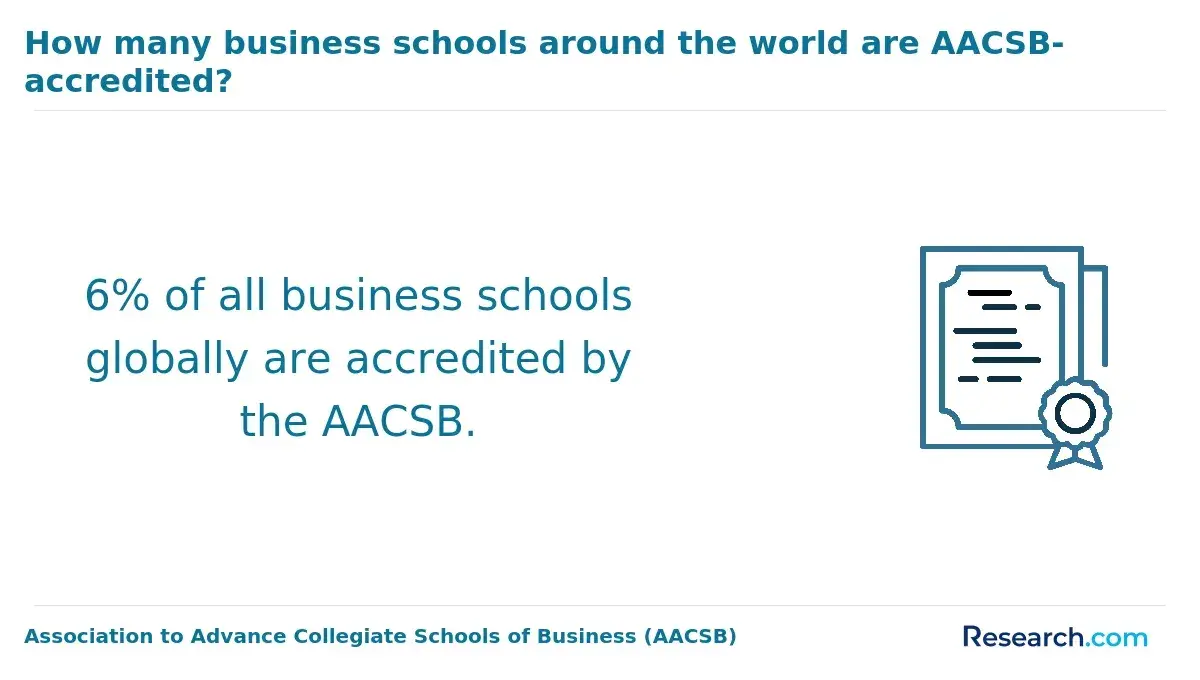
Accreditation plays a pivotal role in how employers view accredited online MBA programs and determines their recognition in the job market. Students should ensure that their online MBA degree accreditation and employer recognition come from agencies endorsed by the U.S. Department of Education or the Council for Higher Education Accreditation (CHEA), such as AACSB, ACBSP, or IACBE.
These accreditations guarantee the program meets stringent academic standards comparable to traditional campuses. Employers tend to value degrees from accredited programs, with those from AACSB-accredited institutions often holding the same respect as in-person MBAs in sectors like finance, consulting, and technology. Degrees from unaccredited or diploma mill providers may face skepticism or dismissal during hiring.
Selective admissions and strong reputations enhance a program's standing amid rising competition, as average online MBA enrollment per program has decreased recently due to an oversupply of programs. Candidates benefit from prioritizing schools with solid employer ties and alumni networks to boost career prospects.
Flexibility attracts many students balancing family and work, yet it should not replace the need for verified accreditation. Prospective students can explore AACSB MBA programs to find accredited options recognized by employers.
What are the admission requirements for online MBA programs?
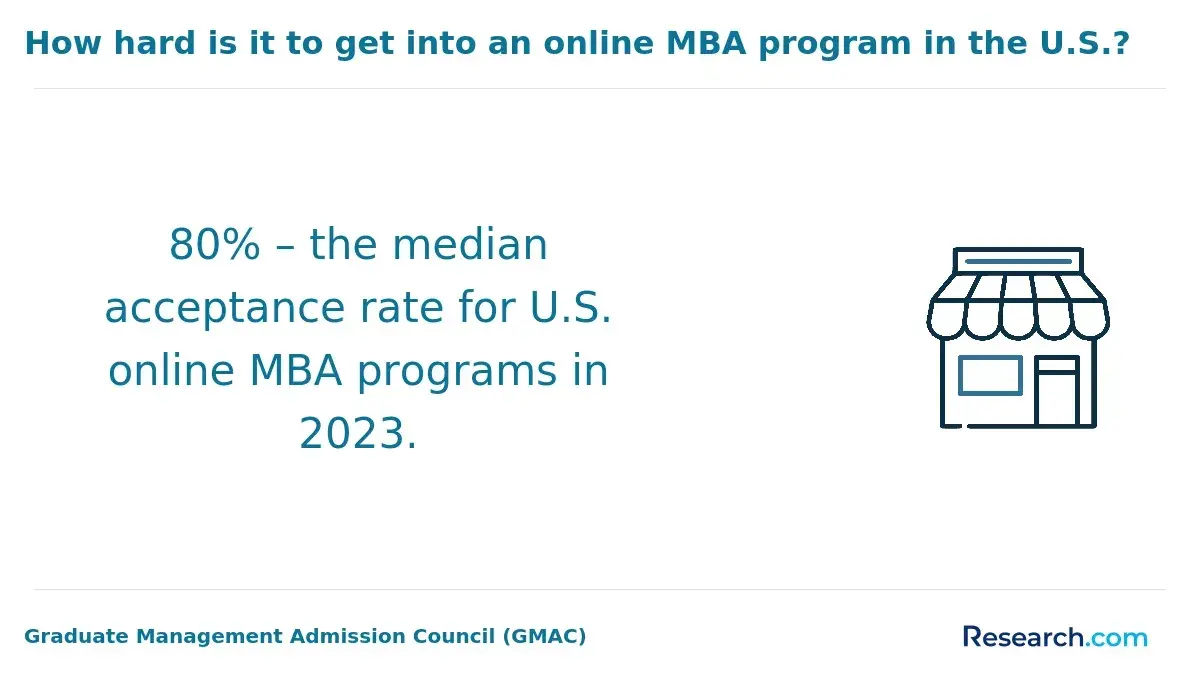
Admission requirements for online MBA programs in the US typically include a bachelor's degree from an accredited institution, a competitive GPA often around 3.0 or higher, and two to three years of professional work experience. Many programs request GMAT or GRE scores, although waivers are becoming more common for those with strong undergraduate records or significant managerial experience.
Letters of recommendation from employers or academic mentors are crucial to demonstrate leadership potential and readiness for graduate-level study. Essays and personal statements evaluate communication skills and career goals, while some programs require virtual interviews to assess fit and motivation. International applicants must prove English proficiency with TOEFL or IELTS scores.
Geographic location affects acceptance rates and eligibility, as seen in Indiana University Kelley's online MBA program, which has a notably low acceptance rate of 23% for 2024-2025, highlighting its selectivity among top-ranked options. Students should research residency or state restrictions that some programs enforce due to accreditation or consortium agreements.
Preparing early is key, focusing on strengthening the resume and academic prerequisites, including any leadership training. Knowing application deadlines is important since rolling admissions and fixed dates impact submission timing and financial aid. Those seeking online executive MBA programs affordable can find detailed guidance and options.
An online MBA program in the US typically spans one to three years, depending on whether students enroll full-time or part-time. Accelerated tracks enable completion in 12 to 18 months with intensive course loads and year-round classes. Part-time options, popular among working professionals, allow balancing career and study, often extending the duration to two or three years. This flexibility caters to diverse student needs regarding the duration of an online MBA program in the US.
The average cost of accredited online MBA degrees varies widely due to factors like institution type, program length, residency status, and additional fees such as application and technology charges. Tuition generally ranges from $30,000 to over $100,000. Public universities tend to offer lower in-state tuition rates between $30,000 and $60,000, while private schools often charge between $60,000 and $100,000 or more. Prospective students should also budget for textbooks and exam proctoring.
When assessing value, consider salary outcomes alongside cost. For instance, Kelley Direct Online MBA graduates report an average starting salary of $110,792, highlighting potential long-term benefits. Many programs provide scholarships, employer tuition assistance, and flexible payment options, helping to manage expenses.
Those interested in affordable options might explore the cheapest online MBA no GMAT offerings, which can reduce financial barriers and application hurdles.
An online MBA curriculum delivers essential business knowledge and practical skills tailored for leadership and management roles. Core courses often cover finance, accounting, marketing, operations management, organizational behavior, and strategic management, fostering financial literacy, analytical thinking, and decision-making capabilities vital for executive-level positions.
Specialized electives allow students to focus on fields such as entrepreneurship, data analytics, supply chain management, or international business, helping tailor the experience to individual career goals.
Key skills developed include:
- Advanced problem-solving
- Effective communication
- Team leadership
- Project management
- Ethics and corporate governance insights
Online MBA programs emphasize real-world learning through case studies, simulations, and capstone projects, enhancing practical expertise directly applicable to work. Students also gain proficiency with digital collaboration tools and business software, reflecting today's technology-driven workplaces.
Acceptance rates for ranked online MBA programs have increased to 77.28%, highlighting greater access and growing employer recognition of online degrees. Prospective students should assess course offerings for alignment with career ambitions and seek programs integrating emerging topics like data-driven decision-making or sustainability. This approach enhances competitiveness in an evolving job market.
An MBA graduate can explore varied career paths across industries such as finance, consulting, marketing, technology, healthcare administration, nonprofit leadership, and entrepreneurship. Common roles include financial analyst, investment banker, chief financial officer, management consultant, strategy advisor, brand manager, product manager, operations manager, and business development manager.
In technology firms, MBA holders often take on product leadership and project management roles, while in healthcare and nonprofits, leadership positions benefit greatly from an MBA background. Online MBA programs have grown in popularity, largely because many students prefer to bypass graduate admissions tests. This demand reflects the view that "test scores aren't your strength," making these programs especially appealing to career changers and working professionals.
Choosing the right career path depends on prior experience and industry fit. For example, engineering backgrounds align well with tech management, whereas sales experience often leads to success in marketing leadership. Core MBA skills such as data analysis, strategic thinking, and leadership are critical for complex decision-making roles.
Key considerations include identifying industries with growth, required certifications, and how an MBA can influence salary advancement. Graduates should also focus on strategic networking and acquiring internships or projects that showcase leadership capabilities.
The median base salary for MBA graduates entering the workforce is around $115,000 annually, with higher starting salaries common in consulting, finance, and technology sectors, often exceeding $130,000. Salary growth typically correlates with experience, leadership roles, and specialized skills.
Management occupations are expected to grow by 10% through 2032, much faster than the average for all jobs, driven by needs in healthcare management, data analytics, and sustainable business practices. These expanding fields offer promising opportunities for MBA talent.
Tuition costs for online MBA programs vary and should be weighed against potential salary gains. For example, the University of Florida Warrington charges $1,208 per out-of-state credit. Candidates may find that programs with specialized tracks or strong employer networks justify higher expenses through better job placement and career advancement.
Decisions about industry changes or relocation often impact salary. Urban centers like New York and San Francisco provide the highest pay but come with elevated living costs. Researching local job markets and employer demands is essential for aligning education choices with career objectives.
Evaluating online MBA programs involves looking closely at accreditation, curriculum, and career outcomes. Accreditation from respected bodies like AACSB or EQUIS confirms academic rigor and employer recognition. The curriculum should align with your career goals by emphasizing practical skills, leadership development, and offering specialization tracks that reflect industry demands.
Faculty expertise is crucial; professors engaged in current research or industry practices provide relevant knowledge and valuable networking opportunities. Delivery modes, whether live, recorded, or hybrid, impact flexibility and student interaction.
Career services and alumni networks greatly influence professional growth. For example, 99% of University of Florida Warrington online MBA students are employed during their studies, fostering strong peer and professional connections. Such support enhances internship access, mentorship, and job placement.
Tuition costs and financial aid should be weighed alongside program quality and outcomes. Transparent pricing paired with strong career results is a good indicator of value. Student satisfaction and graduation rates offer insight into program effectiveness. Reading verified reviews and speaking with alumni can provide a clearer picture of the student experience.
- Is the program accredited by recognized bodies?
- What specialization tracks are offered?
- How accessible and experienced are instructors?
- What career services and networking opportunities exist?
- How do graduates perform in the job market?
Carefully comparing these elements helps select an online MBA program that aligns with professional goals and learning preferences.
Completing an online MBA while working full-time requires careful planning and effective time management. Many programs offer flexible schedules with asynchronous coursework that allows students to study during evenings or weekends. For instance, Indiana University Bloomington, ranked #1 by US News 2026 Best Online MBA Programs, provides modular classes designed to fit the needs of working professionals.
Students should plan to allocate 10 to 15 hours weekly for coursework and communicate openly with employers about their education goals. This can sometimes lead to supportive accommodations like adjusted work hours or remote options. Key strategies to succeed include:
- Prioritizing courses with manageable workloads and clear deadlines each term
- Using employer tuition assistance programs to ease financial burdens and mental load
- Engaging with peer groups within the program for motivation and shared learning
- Setting realistic limits on overtime at work to avoid burnout
Global programs may involve live sessions across time zones, so confirm if asynchronous options exist. Assessing your physical and mental capacity beforehand is important. Applying discipline and selecting programs known for flexibility, like Indiana University Bloomington's nationally top-ranked program, can help full-time workers successfully earn an online MBA.
What certifications or professional credentials complement an online MBA degree?
Professional certifications complement an online MBA degree by enhancing career opportunities and showcasing specialized expertise to employers. Popular credentials include Project Management Professional (PMP), Certified Public Accountant (CPA), Certified Financial Planner (CFP), and Chartered Financial Analyst (CFA), each catering to distinct career paths and industries.
PMP is valuable for MBA graduates targeting leadership in project management, boosting salary potential and job prospects. CPA suits those pursuing accounting roles or CFO positions due to its regulatory and financial reporting focus. CFP is geared toward financial advisors and wealth managers, while CFA is preferred for careers in investment banking, asset management, or equity research with an emphasis on financial analysis and ethics.
The rise of data analytics and technology has introduced certifications like Certified Analytics Professional (CAP) and Certified Information Systems Auditor (CISA), which support MBA holders looking to excel where business meets technology. These hybrid skills are increasingly in demand as MBA enrollments grow 3.2% annually through 2030.
Choosing certifications aligned with career goals and employer preferences strengthens competitiveness. For example, healthcare administrators may pursue Certified Medical Manager (CMM), and marketing professionals might seek Professional Certified Marketer (PCM). Employers often value candidates who combine real-world skills and networking opportunities alongside their online MBA coursework to maximize career impact.
Other Things You Should Know About MBA
Yes, many online MBA programs offer specializations in areas such as finance, marketing, entrepreneurship, or supply chain management. Choosing a specialization allows students to tailor their education toward a particular industry or career path, enhancing their expertise in that field. However, the availability of specializations depends on the school and program.
Although online MBA students do not have traditional in-person networking events, many programs provide virtual networking through discussion boards, group projects, and live sessions. Some schools also host alumni hubs and facilitate connections with industry professionals. While different from on-campus experiences, these virtual opportunities can still help build valuable professional relationships.
In 2027, the perception of online MBA programs by employers continues to improve as they recognize the program's rigorous curriculum and the commitment required. Accreditation from reputable institutions ensures the online MBA holds similar value to on-campus alternatives, thus many employers view them as equally credible.
Online MBA programs frequently offer flexible scheduling options, allowing students to complete coursework asynchronously at their own pace. Many provide resources such as academic advising, time management workshops, and technology support to help students stay on track. Balancing work, study, and personal life is a core consideration in the design of these programs.
- Is an Online MBA Right For You? Pros, Cons and Other Considerations https://www.park.edu/blog/is-an-online-mba-right-for-you-pros-cons-and-other-considerations/
- Online vs. In-Person MBA: Benefits and Differences https://freemannews.tulane.edu/2025/11/04/online-vs-in-person-mba-benefits-and-differences
- How to Manage an Online MBA with a Full-Time Job | FIND MBA Online https://findmbaonline.com/articles/how-to-manage-an-online-mba-with-a-full-time-job
- Online MBA vs Traditional MBA: What are the differences? | StudyNext Australia https://studynext.com/au/resources/online-mba-vs-on-campus-mba
- MBA Alternative Courses vs. Professional Certifications: Which Path Offers More Value? - GRMI https://grm.institute/blog/mba-alternative-courses-vs-professional-certifications/
- Online vs. Traditional MBA: Pros and Cons https://krea.edu.in/ifmrgsb/online-vs-traditional-mba-pros-and-cons/
- Earn Your Online MBA — No GMAT Required for Entrance https://www.snhu.edu/about-us/newsroom/business/earn-your-online-mba-no-gmat-required
- Online MBA vs Campus MBA Program - Which one to choose https://rcu.education/online-mba-vs-campus-mba-programs/
- 7 Key Factors to Consider Before Choosing an Online MBA Program https://dsuonline.com/resources/blogs/7-tips-before-choosing-online-mba/
- Online MBA Admissions Requirements by Program [Chart] https://www.bschools.org/blog/online-mba-admissions-requirements