2027 Is Southern New Hampshire University's Online BS in Business Administration - Industrial Organizational Psychology Worth It? What Students Should Know

Co-Founder and Chief Data Scientist
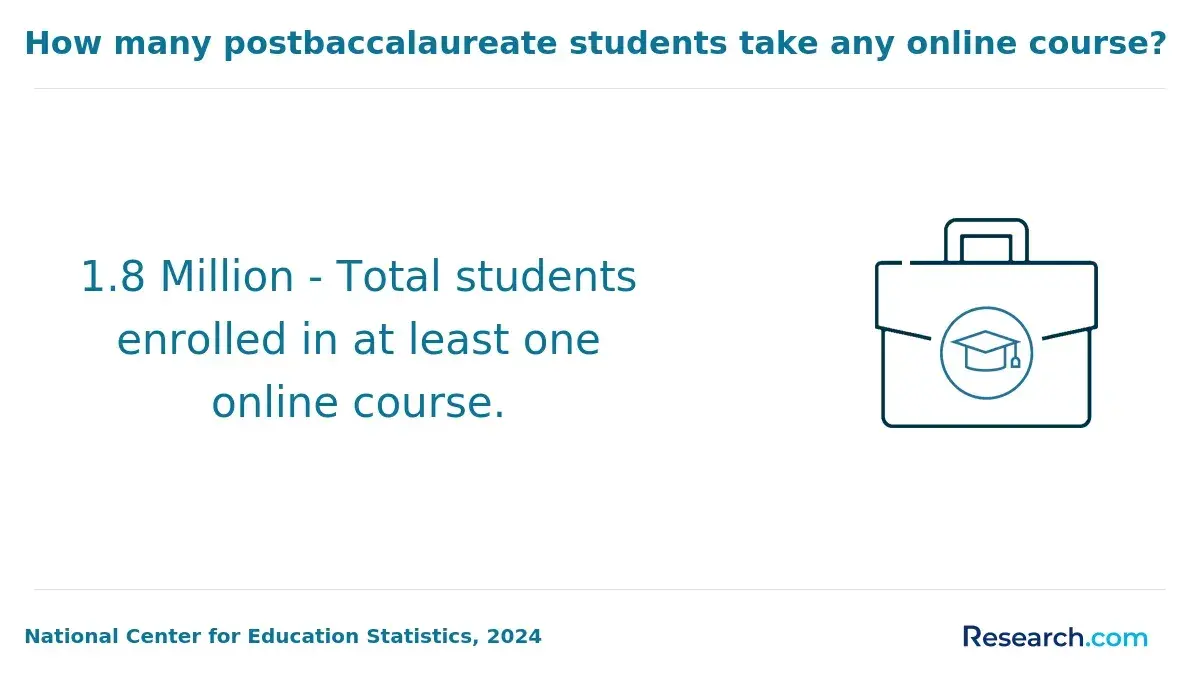
Choosing the right online BS in Business Administration - Industrial Organizational Psychology program can challenge students balancing career ambitions with flexible learning needs. With online enrollment in bachelor's business degrees growing by over 10% annually according to the National Center for Education Statistics, ensuring the program aligns with evolving workforce demands and adult learning preferences is critical. This field requires a nuanced understanding of both organizational dynamics and psychological principles, making practical applicability and curriculum rigor key factors.
Evaluating Southern New Hampshire University's offering involves assessing whether it equips students to navigate complex workplace challenges effectively. This article explores those considerations to guide informed decisions about pursuing this degree online.
Key Points About Southern New Hampshire University's Online BS in Business Administration - Industrial Organizational Psychology Program
- Southern New Hampshire University's BS in Business Administration - Industrial Organizational Psychology program has a 96% acceptance rate, making it accessible, though the moderately difficult admission process may require careful preparation.
- Graduates earn a median salary of $50,318 against $51,392 tuition, resulting in a 2.39x earnings to debt ratio, indicating a moderate financial return that balances cost and career prospects.
- The curriculum emphasizes employer-aligned skills with faculty expertise rooted in practice, supporting career advancement in organizational psychology and broader business roles within competitive labor markets.
What makes Southern New Hampshire University's online BS in Business Administration - Industrial Organizational Psychology program stand out?
Southern New Hampshire University's online BS in Business Administration - Industrial Organizational Psychology caters primarily to learners who require flexible scheduling due to work or personal commitments. This flexibility allows students to engage with coursework at their own pace while maintaining access to academic advising and faculty support. For example, a working professional seeking to enhance their understanding of workforce dynamics without leaving their job can benefit substantially from this format. However, the comparatively moderate graduation rate of 45% suggests that self-motivation and time management are crucial for success in this environment.
The program's unique value lies in integrating industrial-organizational psychology principles within a business administration framework-an approach that many programs separate or do not thoroughly combine. This offers graduates practical skills to address talent management, employee engagement, and organizational development. Employers in sectors like human resources and corporate training increasingly look for candidates who understand both business operations and psychological frameworks, making this degree particularly relevant for roles that intersect leadership and workforce effectiveness. The scale of SNHU, with 14,416 staff members including 4,710 full-time faculty, supports a broad array of digital resources and interactive platforms, enhancing online engagement despite the inherent challenges of virtual learning.
Is it difficult to get admitted to Southern New Hampshire University's online BS in Business Administration - Industrial Organizational Psychology program?
Admission to a typical BS in Business Administration - Industrial Organizational Psychology program can be moderately competitive due to its interdisciplinary demands, blending business management skills with psychological insight. Employers often look for candidates who demonstrate both analytical ability and understanding of organizational behavior, adding a layer of selectivity beyond traditional business degrees.
Southern New Hampshire University presents a more accessible entry point with a 96% acceptance rate, enrolling 43,377 students out of 45,127 applicants annually. This relatively high acceptance suggests the admission process is less restrictive compared to many universities offering specialized business psychology programs. Notably, SNHU does not require SAT or ACT scores, easing barriers for applicants who may prefer alternative criteria or have apprehensions about standardized testing. However, this accessibility may come with a tradeoff in applicant preparedness or program selectivity.
For candidates weighing options, SNHU's moderate admission standards mean fewer hurdles at entry but necessitate self-motivation and effective time management to thrive, especially in an online format tailored for working professionals.
One graduate recalled applying late during a job transition phase, uncertain about balancing application deadlines with professional obligations. "I hesitated because I wasn't sure if dropping my routines to apply would pay off. The lack of standardized test requirements made the process less intimidating, but I still worried about being just another applicant in a large pool," they explained. Ultimately, the high acceptance rate provided relief, allowing them to focus on enrollment and early coursework without prolonged waiting or rejections, which contrasted sharply with their experience applying to more traditional business programs earlier in their career.
How does the curriculum of Southern New Hampshire University's online BS in Business Administration - Industrial Organizational Psychology program stay aligned with current industry trends?
The Southern New Hampshire University online BS in Business Administration - Industrial Organizational Psychology curriculum strategically integrates business principles with applied psychology to meet evolving workforce demands, particularly in New Hampshire's dynamic job market. This alignment addresses practical employer expectations in HR analytics, leadership communication, and organizational development. Graduates face real-world scenarios where they must interpret behavioral data and apply it to talent management or change initiatives-skills increasingly prioritized over purely theoretical knowledge. Below are key factors that demonstrate how SNHU's curriculum maintains relevance within current industry trends.
- Data-Driven Focus: SNHU emphasizes quantitative skills and applied statistics, equipping students to navigate workforce analytics and evidence-based decision-making, essential for roles requiring interpretation of behavioral metrics and performance indicators.
- Practical Application: Coursework incorporates case studies and assignments mimicking actual business challenges, fostering hands-on problem solving. This approach helps students understand operational implications and prepares them for nuanced workplace dynamics rather than abstract concepts.
- Industry-Relevant Topics: Core subjects like organizational behavior and human resource management directly reflect the competencies employers seek, including ethical leadership and employee engagement. This ensures graduates possess the targeted skill set to influence organizational effectiveness.
The alignment of SNHU business administration industrial organizational psychology courses with current job market trends in New Hampshire means graduates are positioned to meet employer standards in workforce-related roles. However, prospective students should weigh how this curriculum compares to other programs' emphasis on specialization or emerging technologies. For those exploring easy degrees that pay well, understanding these tradeoffs around program depth and practical readiness is critical for informed decision-making.
The total cost of attending Southern New Hampshire University's online BS in Business Administration - Industrial Organizational Psychology program centers around a tuition and fees base of $16,450 annually, excluding additional expenses. Students should plan for roughly $1,800 in books and supplies each year, with total annual costs potentially reaching over $51,000 when factoring in room, board, and other living expenses-though these latter fees primarily apply to on-campus learners. Unlike many programs, SNHU offers a flat-rate tuition model for online students regardless of residency, simplifying budgeting and removing regional tuition variability.
This pricing structure intertwines with institutional financial aid and corporate partnerships designed to offset costs, especially for online enrollees. Approximately 81% of SNHU students receive some form of financial aid averaging $3,350, which meaningfully reduces tuition burdens but does not eliminate them. The availability of employer tuition reimbursement further enhances affordability for working students, reflecting a practical route to manage costs without incurring large debts.
Comparing Southern New Hampshire University BS in Business Administration - Industrial Organizational Psychology tuition fees to similar programs nationally reveals competitive positioning. Many comparable degrees command higher prices, especially when factoring in in-person attendance premiums and lack of flat-rate pricing. For students weighing occupational psychology roles within business, where employer expectations increasingly favor demonstrated competencies and accredited credentials, balancing cost with program quality and flexibility becomes critical.
Prospective students should evaluate these cost factors alongside job market realities associated with highest paying degrees in related business and psychology disciplines. The decision involves tradeoffs between immediate financial investment and long-term labor market outcomes, particularly in industries where organizational psychology expertise influences workforce effectiveness and strategic leadership development.
Admission to southern new hampshire university's online BS in Business Administration - Industrial Organizational Psychology program involves a structured evaluation that balances academic readiness with practical considerations. Students should assess how their secondary education and experience align with these criteria, as meeting them impacts transfer credit acceptance and may affect time to completion. Understanding these nuances helps candidates navigate potential obstacles such as credit limitations or language proficiency requirements. Below are key admission considerations to keep in mind:
- Academic Credentials: Completion of high school or GED is mandatory, accompanied by a documented secondary school record and evidence of college-preparatory coursework. A minimum secondary school GPA is required, while ranking is advised but not strictly enforced.
- Recommendations: Submission of letters of recommendation is required, reflecting the program's emphasis on qualitative assessments beyond test scores.
- Testing Requirements: While formal entrance exams, portfolios, or practical exams are not mandatory, standardized tests like Wonderlic or WISC-III are recommended but optional. Transfer students do not need to submit SAT or ACT scores.
- Language Proficiency: Non-native English speakers must provide TOEFL scores to demonstrate adequate language skills essential for successful online learning.
- Transfer and Credit Policies: The program limits transferable credits based on passing grades and recognizes advanced placement and experiential learning credits, but specific caps should be confirmed with admissions to avoid unexpected delays.
The return on investment for attending Southern New Hampshire University's online BS in Business Administration - Industrial Organizational Psychology program hinges on balancing tuition costs against the earning potential graduates can expect. With a total annual cost of attendance around $51,000, and a lower in-state figure near $37,500, prospective students must consider whether the median starting salary of approximately $50,300 justifies this financial commitment. In this field, starting salaries tend to hold steady over a decade but may not reflect rapid growth unless complemented by professional experience or advanced roles, which suggests the need for strategic career planning post-graduation.
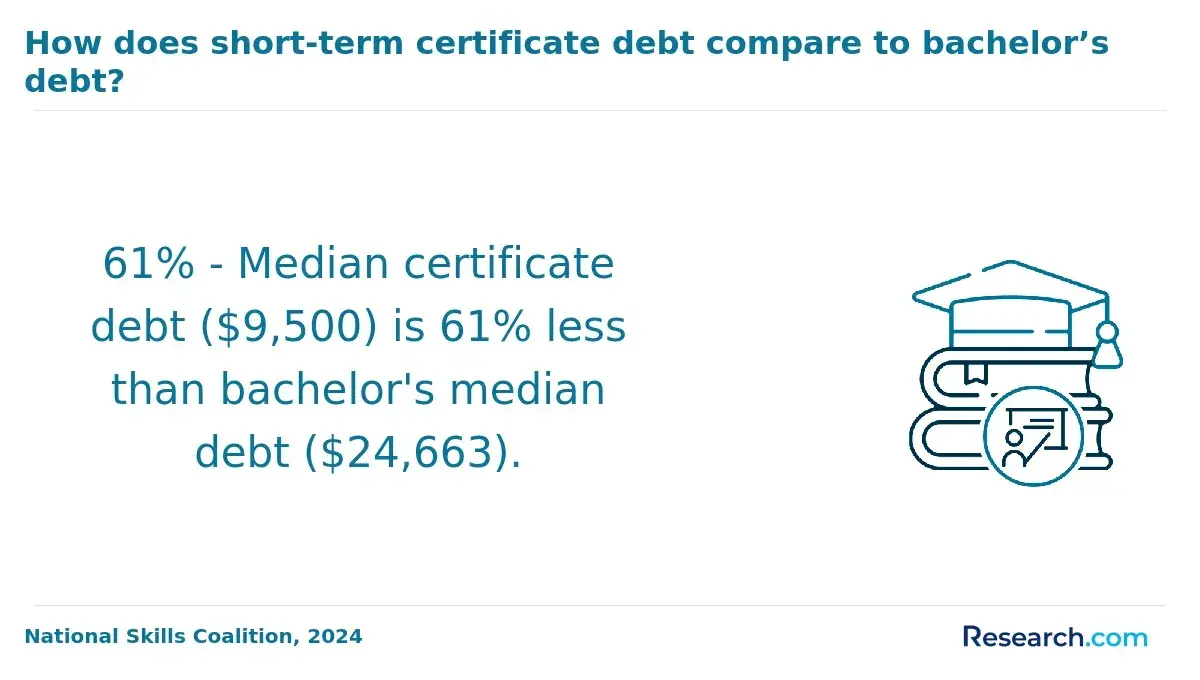
Financial aid such as scholarships or grants can significantly improve individual ROI by reducing debt load, which for graduates averages around $21,000. This debt level paired with an earnings-to-debt ratio of about 2.4x indicates manageable repayment relative to income. However, securing high-paying positions in human resources, consulting, or organizational development depends on networking, relevant internships, and sometimes additional certifications beyond the degree alone. Graduates employed in notable companies and government agencies benefit from long-term salary growth, often achieving key promotions within five to ten years, reinforcing that ROI is partly tied to ongoing career development rather than immediate salary uplift upon graduation.
Student satisfaction in Southern New Hampshire University's online BS in Business Administration - Industrial Organizational Psychology program reflects a complex balance between flexibility and academic challenge. For remote learners juggling employment or family responsibilities, the program's adaptable structure is a decisive factor, allowing smoother integration of studies into demanding schedules. This flexibility, however, is paired with an expectation of consistent effort, and some students may find the workload's rigor tests their time-management skills, impacting overall satisfaction.
The student community within the program benefits from a range of support services that mitigate common issues in online education, such as isolation and limited engagement. Peer networking opportunities and mentoring programs foster connection, which many students identify as crucial to their sustained motivation and persistence. Still, the moderate graduation rate signals that these resources do not uniformly prevent attrition, emphasizing the importance of individual initiative alongside institutional support.
Students also note the program's emphasis on balancing academic rigor with well-being, a tradeoff appreciated in a field where psychological insight and organizational understanding must be paired with practical skill application. The structure promotes a sense of achievement for those who adapt to its demands but may challenge students lacking established study habits or external support.
One graduate shared, "Initially, I hesitated because I wasn't sure if I could keep up while working full-time and caring for my family. The program's flexibility was critical, but it was the student forums and mentor check-ins that helped me stay on track. There were weeks when deadlines felt overwhelming, yet knowing that support was just a message away made the difference. Finishing the degree felt like a real accomplishment, largely because it wasn't just about the content-it was about managing everything life threw at me alongside school."
Schools play a pivotal role in bridging educational attainment and successful employment, especially in specialized fields like industrial organizational psychology. Southern New Hampshire University's support mechanisms for online BS in Business Administration - Industrial Organizational Psychology graduates are structured to address common hiring barriers such as limited industry connections and lack of tailored career preparation. Data indicates graduates engaged with the university's targeted career services have a 25% higher employment rate within six months post-graduation, underscoring how institutional resources influence job market outcomes in practice. Below are several channels through which SNHU facilitates employment opportunities for its graduates.
- Virtual Career Support: Online workshops and remote coaching focus on refining resumes and interview techniques specific to organizational psychology roles. This preparation helps align student profiles with employer expectations in business and psychology sectors.
- Virtual Job Fairs: SNHU organizes digital recruitment events that connect students and alumni directly with companies interested in candidates with combined business and psychology expertise, overcoming geographic and industry networking limits.
- Alumni Mentorship Programs: Current students gain access to professional mentors among SNHU graduates, enabling industry insight sharing and potential job leads, which are critical in a competitive job market.
- Job Placement Portal: The university provides a curated job board tailored to online students, simplifying access to relevant listings and application support, thereby decreasing common employment hurdles.
Leveraging these resources is crucial for maximizing employment prospects for Southern New Hampshire University online business administration psychology graduates. For broader context on accredited options in online education, prospective students should consider rankings and evaluations of the best online colleges, which may provide additional perspective on institutional effectiveness.
Career outcomes are a critical lens through which to evaluate the practical value of Southern New Hampshire University's online BS in Business Administration - Industrial Organizational Psychology, especially since this program targets roles merging business acumen with psychological insights. For graduates juggling varied employment landscapes, understanding typical job placements and earning potential shapes realistic expectations and informs decisions about investing time and resources. This is particularly relevant given the moderate but varied salary benchmarks that reflect the interdisciplinary nature of industrial organizational psychology. Below are key career paths that highlight expected outcomes and tradeoffs for students assessing job placement rates after a BS in Business Administration Industrial Organizational Psychology:
- Human Resources Specialist: These professionals focus on recruitment, retention, and employee satisfaction efforts. Their salaries tend to align with business administration averages, providing a steady income but often requiring experience beyond entry level to progress.
- Training and Development Coordinator: In this role, professionals design and implement workforce skill enhancement programs. Earnings typically hover closer to human services salaries, reflecting the educational and facilitative nature of the work.
- Organizational Development Consultant: Consultants advise on strategic organizational changes and culture improvement, generally commanding salaries in the upper management range. This career often demands advanced problem-solving skills and industry experience.
Considering these options within the current labor market underscores why career prospects for Southern New Hampshire University online business administration graduates must be weighed carefully. Prospective students should also explore broader industry demands and salary trends, sometimes consulting resources on online colleges to benchmark opportunities and cost-effectiveness.
Determining if Southern New Hampshire University's online BS in Business Administration - Industrial Organizational Psychology program fits your goals involves weighing multiple factors that align with your specific professional and academic aspirations. For instance, if your aim is a managerial role requiring applied organizational behavior knowledge rather than research-heavy work, the program's practical course design and career services will be far more relevant. Recognizing these distinctions is critical because educational pathways in this field vary significantly in how they prepare students for roles in consulting, talent management, or human resources. Evaluating the program effectively means considering several key aspects, including the following:
- Curriculum Relevance: Assess how well the coursework balances core business administration principles with specialized industrial-organizational psychology topics. Look for classes that emphasize data-driven organizational behavior, talent analytics, and workplace assessment skills that directly translate to job tasks.
- Program Flexibility: Consider whether the fully online format at Southern New Hampshire University matches your learning style and life responsibilities. While it suits independent learners seeking convenience, you should verify the availability of interactive elements like virtual discussions or mentorship when hands-on engagement is a priority.
- Career Support Services: Investigate access to internships, alumni networks, or job placement assistance tied to industrial-organizational psychology and business administration. Strong employer connections can materially affect your ability to enter competitive job markets.
- Reputation and Accreditation: Review the program's accreditation status and how graduates perform in the labor market. Accreditation ensures a baseline of educational quality that influences employer recognition and graduate studies eligibility.
- Alignment with Career Path: Reflect on whether the program prepares you for the practical realities of your intended profession, whether in consulting, human capital analytics, or management. This self-assessment helps avoid misalignments that could limit your post-degree opportunities.
For students considering whether a program like this could be a stepping stone or the right fit, it's also useful to compare them with other accessible degrees to contextualize workload and outcomes. This is similar to exploring what is the easiest bachelor's degree to get for those prioritizing manageable program demands while aiming for strategic career goals. Ultimately, assessing how Southern New Hampshire University's BS in Business Administration - Industrial Organizational Psychology online program matches student aspirations requires this multifaceted, context-aware approach.
What Graduates Say About Southern New Hampshire University's Online BS in Business Administration - Industrial Organizational Psychology Program
- David: "Studying at Southern New Hampshire University allowed me to pursue my BS in Business Administration - Industrial Organizational Psychology while working full-time, which was crucial for my situation. The program's flexible structure helped me build foundational skills that made transitioning into an HR analyst role smoother, though I quickly realized employers in this field often favor candidates with extensive portfolios or certifications beyond the degree itself. While my salary growth has been steady, I've encountered trade-offs since I chose not to pursue licensure, making leadership positions a slower climb."
- Naomi: "Completing my BS in Business Administration - Industrial Organizational Psychology at Southern New Hampshire University was a strategic move when I decided to pivot from marketing to organizational development. The coursework emphasized practical applications, which equipped me to compete for remote consultancy roles, though I found that gaining internship experience during the program was key in standing out. The flexibility of SNHU's program supported my career shift, but I remain aware that certain advanced roles will require additional certifications or graduate study."
- Adam: "My experience at Southern New Hampshire University was both demanding and rewarding while earning my BS in Business Administration - Industrial Organizational Psychology. I appreciated the real-world scenarios embedded in the curriculum, which prepared me for the complex dynamics I face now as an employee relations specialist. However, navigating hiring realities has taught me that having practical experience and a solid network often outweighs academic credentials alone, especially since many employers look for demonstrated results over just degrees in this industry."
Other Things You Should Know About Degrees
Yes. SNHU allows up to 90 transfer credits toward the 120-credit online bachelor’s degree, including credits from regionally accredited colleges and some approved military training. Students must still complete at least 30 credits through SNHU to earn the degree.
The online format restricts traditional in-person networking, which can be a drawback for students aiming to build professional connections in organizational psychology. Although virtual events and forums exist, they typically lack the ongoing engagement available in campus settings. Students motivated to network should proactively engage in online professional groups or local industry events to compensate for this gap and enhance career prospects.
For those targeting graduate programs, this BS degree offers foundational knowledge but may not be as research-intensive as traditional psychology tracks. Graduates planning to continue into master's or doctoral programs should ensure they supplement coursework with research experience and consider how the business-centric curriculum aligns with graduate prerequisites. Prioritizing programs with stronger empirical research components might better prepare students for advanced study in industrial organizational psychology.
- Industrial Organizational Psychology | Bachelor of Science | University of Phoenix https://www.phoenix.edu/online-psychology-degrees/industrial-organizational-psychology-bachelors-degree.html
- Top 10 Industrial Organizational Psychology Bachelor Degree Programs https://www.organizationalpsychologydegrees.com/best/bachelors-in-industrial-organizational-psychology/
- Southern New Hampshire University (SNHU) https://www.princetonreview.com/college/southern-new-hampshire-university-1023271
- Southern New Hampshire University Review 2022 - https://collegestats.org/colleges/snhu/review/
- The Best Industrial Organizational Psychology Bachelor's Degrees https://successfulstudent.org/industrial-organizational-psychology-bachelor-degrees/
- How To Become An Industrial Organizational Psychologist | Psychology.org https://www.psychology.org/careers/industrial-organizational-psychologist/
- SNHU Online BA in Psychology & Forensic Psychology https://www.onlineeducation.com/psychology/schools/snhu-ba-in-psychology-programs
- Bachelor of Science in Business Administration 4+0 in collaboration with Southern New Hampshire University, USA https://newinti.edu.my/programme/4-0-bachelor-science-business-studies-collaboration-southern-new-hampshire-university-usa/
- Careers in Industrial-Organizational Psychology | TUW https://www.tuw.edu/school-news/careers-in-industrial-organizational-psychology/
- Best Accredited I/O Psychology | Business Psychology Degrees and Programs https://www.psychologydegree411.com/degrees/business-psychology/