2027 Michigan State University for Working Adults: Flexible Schedules, Transfer Credits, and Online Format

Co-Founder and Chief Data Scientist
Balancing a full-time job, family care, and personal obligations often leaves little room for degree completion. Working adults who consider Michigan State University must assess if the school's schedule flexibility genuinely accommodates erratic hours and unexpected demands. With roughly 48% of its adult learners enrolling in online or hybrid formats according to the university's latest enrollment report, this trend signals heightened institutional responsiveness to nontraditional students, but it also raises questions about the adequacy of support and pacing for those juggling multiple roles.
Evaluating transfer credit policies further complicates the decision since not all prior coursework may fit seamlessly within degree requirements. This article examines how Michigan State University's flexible scheduling, transfer credit opportunities, and online formats function in practice. It aims to help prospective students make informed choices grounded in realistic tradeoffs and the practical impact on their educational success and workforce goals.
Key Points About Michigan State University's Flexible Schedules, Transfer Credits, and Online Learning for Working Adults
- Michigan State University's online programs use scheduling formats aligned with professional workflows, allowing working adults to engage in education while managing employment and family commitments without sacrificing pace or access.
- Transfer credit policies admit evaluations from prior college and work-related academic credits, including ACE, CLEP, and DSST exams, facilitating accelerated degree progress when maximized despite excluding life experience credits.
- Admission requires moderate effort, involving GED, GPA, and TOEFL standards, with broad credit acceptance across fall, spring, and summer terms, which supports continuous enrollment options tailored to diverse academic trajectories.
Is Michigan State University a good fit for working adults?
Michigan State University offers a viable path for working adults through its flexible scheduling and robust online programs. Transfer credit policies accommodate prior learning, reducing time to degree completion. These structural supports align well with the demands of employed students, as over 55% of its online learners maintain full-time jobs, a significant factor for adults balancing family and work commitments.
The value of MSU's format varies with individual circumstances and program choice. Some degrees may require more synchronous engagement or hands-on components, complicating schedules for those with irregular work hours. Students less comfortable with digital platforms might face a steeper learning curve, while those with prior credits benefit from accelerated progress. The university's strong 82% graduation rate suggests effective support, but part-time pacing often extends time to finish, which can increase opportunity costs.
Compared to peer institutions, MSU's combination of transfer flexibility, mostly asynchronous online courses, and dedicated adult learner services ranks favorably. However, some universities target specific working adult niches with even more modular options or competency-based assessments. Prospective students should weigh whether MSU's mid-range tuition and median graduate earnings of $67,253 justify investment considering their career field and employer expectations for credentials.
For example, a full-time marketing professional looking to return to school may find MSU's online offerings practical for upskilling without work disruption. Yet, someone with unpredictable shift work might struggle with any synchronous requirements, making a more self-paced program preferable. Thus, Michigan State University fits working adults best when its structural strengths align closely with the student's schedule flexibility and career objectives.
How flexible are Michigan State University's online class schedules?
Michigan State University's online class schedules offer a deliberate blend of traditional 16-week semesters and accelerated 5- or 8-week terms. This format suits working adults who must juggle job obligations and family responsibilities. Courses are primarily asynchronous, with 70% delivered in a way that allows students to engage on their own time. Multiple start dates across the academic year add to this adaptability, accommodating shifts in employment cycles.
Scheduling flexibility varies by program demands. Degrees requiring synchronous live sessions, internships, clinical experiences, or intensive group projects may limit when and how courses can fit into a student's weekly routine. For example, a working adult enrolled in a social work program might face stricter scheduling due to mandatory fieldwork hours. This contrasts with programs allowing fully asynchronous coursework, which can be more easily adjusted around unpredictable work shifts.
Compared to typical online scheduling at peer institutions, Michigan State University's model sits in the middle in terms of flexibility. Its staffing ratio supports personalized advising, yet the lack of credit for prior life experiences restricts acceleration options for some adults. Unlike programs offering extensive transfer credits or life experience recognition, students at MSU might experience longer pathways to degree completion despite flexible pacing. This distinction matters for those prioritizing accelerated progress aligned with career timelines.
About 65% of MSU's online students balance full-time employment with their studies, indicating practical engagement with this model. Those seeking a more tailored approach should consider how the university's flexible schedules integrate with their unique work and personal commitments. For individuals exploring flexible educational routes, MSU's offerings provide options yet demand disciplined time management. Students evaluating online options should also review programs featuring master's degrees online with potentially greater credit transfer flexibility.
How long does it take working adults to finish a degree at Michigan State University?
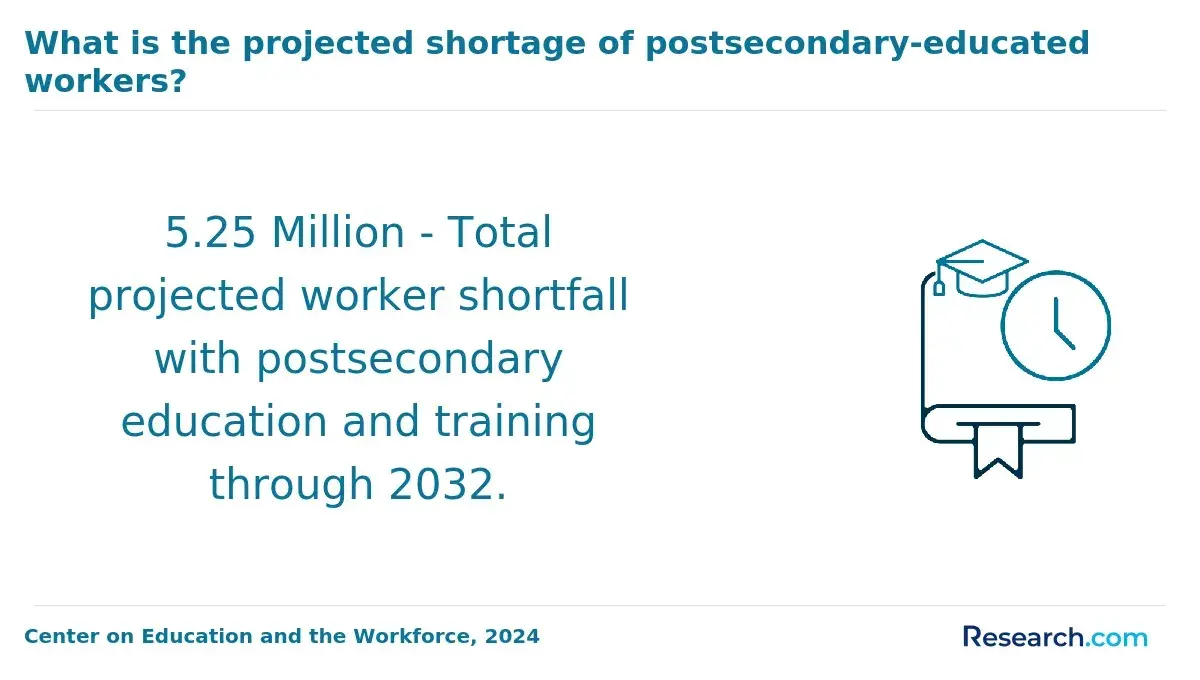
Working adults enrolled in online programs at Michigan State University generally take longer than traditional full-time students to complete their degrees. While the average graduation rate for MSU students stands at 82%, this primarily reflects full-time timelines near four years. For adult learners balancing employment and family commitments, the typical graduation timeline for Michigan State University adult learners extends toward six years or more, especially when attending part-time. The university's 6-week and 8-week accelerated courses offer opportunities to maintain steady progress by focusing on fewer classes per term, potentially shortening degree completion.
Several factors influence how long working adults take to finish their degrees at Michigan State University. Transfer credits can notably reduce the course load, shortening time to degree by recognizing previous academic work. However, MSU lacks widespread competency-based or self-paced degree options that might accelerate graduation based on prior mastery. Degree program requirements and individual course load decisions also impact timelines. Many adults juggle personal and professional responsibilities that necessitate part-time enrollment, further extending their completion dates compared to the standard four-year plan.
A 2024 trend in adult education highlights that online learning environments like those at MSU improve retention and modestly accelerate completion timelines. This matters because successful degree advancement depends on the ability to self-manage time and stay motivated amid work obligations. When compared with similar institutions, Michigan State University offers a realistic pathway for working adults, contingent on leveraging transfer credits and flexible scheduling. Prospective students should weigh these practical tradeoffs before committing to the program.
Consider a working parent pursuing a bachelor's degree online who transfers 30 credits from prior college work. With full-time work and family duties, they might enroll part-time in accelerated courses. This scenario can extend the average time to degree completion for working adults at Michigan State University but remains manageable with consistent commitment. For those seeking easy college degrees online, MSU's structure supports a measured timeline balanced against real-world demands.
Transfer credits offer a strategic advantage for working adults at Michigan State University by significantly shortening the time needed to graduate. Adults juggling employment, family care, and studies benefit from credit recognition that eliminates redundant coursework. This reduces financial strain and lowers the weekly hours required for class attendance. Efficient transfer of eligible credits allows students to focus on advanced, career-relevant courses sooner.
A recent study from the National Center for Education Statistics found that working adults who transfer credits graduate up to 35% faster on average, underscoring the real impact of credit transfer on timely degree completion. Below are key ways transfer credits accelerate graduation.
- Fewer Remaining Degree Requirements: Applying transfer credits directly decreases the number of courses needed to meet degree criteria. This allows students to complete their program requirements in less time, freeing them to maintain steady work schedules and family commitments.
- Reduced Course Load Per Term: Transfer credits can lower the course load each semester, making it easier to balance job demands with academic responsibilities. This manageable pacing prevents burnout and supports consistent progress toward graduation.
- Flexible Enrollment Timing: Michigan State University accepts transfer credits in fall, spring, and summer terms. This flexibility enables working adults to plan start dates and course sequences around fluctuating work obligations.
- Lower Overall Tuition Costs: Fewer required courses translate into reduced tuition expenses. Saving money on education lessens economic pressure, which can otherwise delay degree completion for working adults.
- Utilization of Articulation Agreements: Agreements with community colleges streamline credit recognition. This prevents unnecessary course repetition and streamlines the transfer process, speeding time to degree.
- Credit Acceptance Across Exam Types: The ability to transfer credits from ACE recommendations and CLEP or DSST exams allows diverse prior academic achievements to count. Adults with exam-tested knowledge bypass introductory classes, focusing on advanced material.
A Michigan State University student shared how transferring credits nearly halved the time needed to finish their degree while managing two jobs and family care. They explained that by carefully mapping out eligible college coursework before enrolling, they avoided extra semesters. "There was hesitation at first because I wasn't sure how many credits would actually count," they said. "But once I saw the transfer credits posting, it felt like a huge relief. It meant fewer nights of studying after work and more time for my kids." This informed approach to credit transfer made balancing life and school demands achievable without sacrificing progress.
Michigan State University recognizes prior learning primarily through standardized assessments rather than direct credit for work experience. Credits can be earned via Advanced Placement (AP), CLEP, DSST/Dantes exams, and ACE recommendations linked to military or corporate training transcripts. However, work or personal experience alone does not translate into academic credit unless formally assessed through these established channels. Portfolio reviews or informal prior learning assessments are not part of the university's credit awarding framework.
Eligibility for prior learning credit at Michigan State University depends on the degree program and institutional policies, which require clear documentation and alignment with course outcomes. For example, a working adult with military training might receive ACE-recommended credit if it matches coursework, but a professional without such formal certification would likely need to rely on exams. This selective recognition means adult learners must strategically plan how to document and validate their knowledge to benefit fully from transfer credits or prior learning opportunities.
Compared to many adult-serving universities, Michigan State University maintains a moderately restrictive stance on awarding credit for prior learning, focusing on standardized testing rather than experiential credit. National data indicate approximately 41% of similar institutions increasingly integrate prior learning assessment credits into degree plans, reflecting a shift toward valuing real-world experience. MSU's cautious approach requires prospective students to weigh the actual time and cost savings of their prior learning against potential limits on recognized credits.
Transfer credits for working adults at Michigan State University generally follow traditional policies that cap non-traditional credits, adding complexity to degree planning. Adults balancing employment and education should consider that while the school provides some flexibility through exam credits, the exclusion of broader experiential credit could prolong degree completion. As a result, learners looking for accelerated paths might explore alternatives such as a cheapest online university option that embraces a wider array of prior learning credits for faster progress.
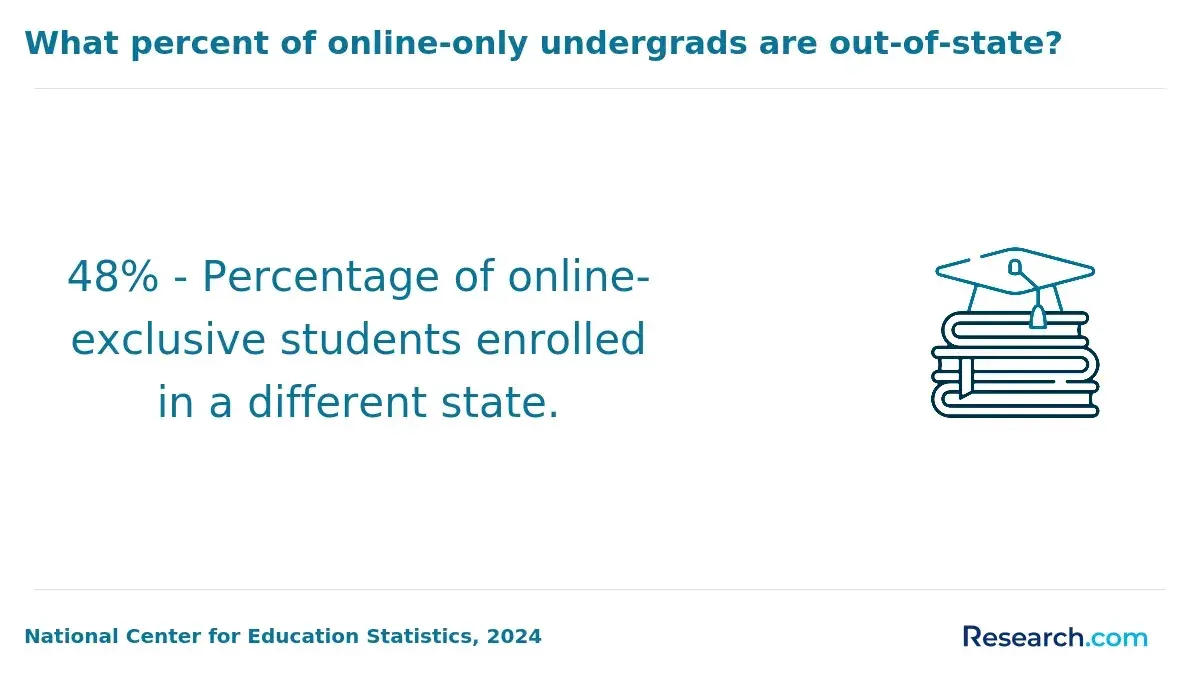
Success in Michigan State University's online programs depends on having reliable technology and strong digital learning skills. Working adults face unique challenges because coursework competes with job demands and family time. Nearly 45% of working adult students enroll fully online, highlighting the necessity of mastering technology without direct supervision. Failing to adapt to the digital environment risks falling behind or wasting time on avoidable technical issues.
These competencies extend beyond access and require disciplined time management and problem-solving to keep pace. Consider these essential technology and learning skills to navigate MSU's online format effectively.
- Consistent Reliable Internet Access: MSU's online platform requires stable web connectivity to access course materials and live discussions. Unstable internet disrupts learning continuity and increases stress, so working adults should test and secure dependable networks at home or nearby. Reliable access allows for scheduled study sessions around work hours without unexpected interruptions.
- Familiarity with Desire2Learn (D2L) Brightspace: Navigating the D2L interface efficiently streamlines assignment submission and communication with instructors. Early engagement with orientation resources reduces technological frustration. Practicing navigation builds confidence and speeds up task completion, optimizing precious time on coursework instead of troubleshooting.
- Up-to-Date Devices and Software: Using computers with current browsers and PDF readers ensures smooth operation of MSU's digital content. Outdated hardware or software risks compatibility issues that can cause missed deadlines or lost work. Routine device checks and updates prevent these avoidable disruptions.
- Digital Literacy and Troubleshooting Skills: Students must independently resolve minor tech problems to avoid delays. This skill includes basic software troubleshooting and knowing when to seek help. Strengthening digital literacy helps maintain momentum in busy schedules and is valued by employers who expect proactive problem solvers.
- Self-Regulation and Time Management: Balancing coursework with employment requires strict personal discipline. Online learners need to set schedules, prioritize tasks, and resist distractions while studying alone. Developing these habits fosters consistent progress without burnout and aligns with employer expectations for reliability.
- Effective Virtual Communication: Active participation in online discussions and timely correspondence with faculty and peers supports learning and networking. Clear, concise messaging is vital when face-to-face interaction is limited. Working adults can benefit from mindful communication practice in professional contexts.
- Motivation and Adaptability to Flexible Formats: MSU's flexible program demands self-motivation to engage regularly with course content. Adjusting study times to fit changing work or family needs requires adaptability. Cultivating this mindset sustains persistence through periods of competing priorities.
One Michigan State University graduate recalled the struggle of juggling a night shift job while taking online courses. Initially overwhelmed by D2L's layout and sporadic internet at home, she crafted a routine that included early morning review sessions using campus Wi-Fi and weekly check-ins with technical support. She admitted hesitating to ask for help at first, fearing it would signal weakness, but learned that proactive engagement saved her time and stress. Over months, she built digital confidence which made her coursework manageable despite unpredictable work hours and family demands.
Affordability is a crucial factor for working adults managing education alongside full-time or part-time jobs and family responsibilities. Michigan State University's total cost of attendance at $30,528 is significant, but navigating tuition through flexible online formats can help control expenses. Many adult learners face the challenge of balancing tuition costs with other financial obligations, making strategic financial aid and credit transfer use essential. Evaluating cost-effectiveness involves weighing upfront investment against potential savings from transfer credits and employer support, as well as practical financing strategies.
Below are key affordability factors influencing costs for working adults at Michigan State University.
- Per-Credit Tuition Model: Michigan State University typically charges tuition by credit for online programs, allowing part-time students to spread expenses over multiple terms. This can reduce immediate financial strain and accommodate fluctuating work schedules.
- High Financial Aid Availability: Approximately 97% of students receive financial aid, which often includes federal grants and subsidized loans through FAFSA. For working adults, maximizing aid eligibility is vital to offset tuition costs effectively.
- Transfer Credit Savings: Utilizing previous college credits can cut total degree costs by up to 40%, based on national data. Adults returning to education benefit greatly from this, enabling faster completion and reduced tuition.
- Employer Tuition Assistance: Many employers offer tuition reimbursement or discounts through partnerships with MSU. While these programs require navigating company policies, they can significantly reduce out-of-pocket expenses.
- Institutional Scholarships and Discounts: MSU provides scholarships that may be targeted to adult learners or corporate partners. These options, though variable, offer incremental savings when accessible.
- Flexible Online Degree Format: Online programs enable working adults to balance course loads during off-hours, potentially avoiding lost wages while maintaining progress toward a credential.
- Alignment with High-Demand Careers: Practical fields supported by MSU's flexible programs often yield quicker return on investment due to increasing employer demand, especially in healthcare and technology sectors.
For adults aiming to reduce overall costs while earning a degree, combining these factors with careful planning is essential. Exploring short certificate programs that pay well online can also complement degree efforts by providing targeted skills with lower initial investment.
Balancing work, family, and study at Michigan State University presents tangible challenges for adult learners pursuing online degrees. Time management conflicts often arise when job duties and family responsibilities compete with academic deadlines. Many experience isolation in large-scale online courses where peer engagement is limited, reducing informal learning and motivation. A common scenario involves a student working full-time while managing family care, who then faces difficulty adapting to varied academic tools and structured coursework after workforce absences.
These challenges shape how working adults progress and persist in their studies. The following points outline key obstacles and how they influence students' academic trajectories.
- Limited peer interaction: Large online classes at Michigan State University often lack meaningful student engagement, which can erode motivation and reduce opportunities for informal knowledge sharing. Students should actively seek study groups or virtual meetups to build connections despite the platform's scale.
- Steep academic adjustment curve: Returning students must quickly adapt to coursework technology and rigorous schedules after time away from formal education. Time management tools and institutional tech support are critical to minimize delays.
- Complex transfer credit evaluations: Transfer policies may unexpectedly reduce credit recognition, requiring duplicate courses that extend degree timelines. Early, detailed credit audits can prevent surprises and inform course planning.
- Balancing work and study at Michigan State University: Managing dual roles impacts study consistency and focus. Structured weekly calendars and employer communication about academic commitments can alleviate conflicts.
- Insufficient institutional support: Nearly half of adult learners report inadequate tailored resources, impacting persistence. Advocating for specialized advising improves navigation of program requirements and financial aid.
- Family responsibility demands: Caregiving duties limit available study periods, creating stress and rushed assignment completion. Establishing clear boundaries and leveraging flexible scheduling options help mitigate pressure.
- Program rigidity despite flexibility claims: While some online programs offer flexibility, rigid course sequences or limited start dates disrupt personalized pacing. Investigating program structures, such as online colleges starting this month, can identify more adaptable options aligned with adult learner needs.
Evaluating online schools for working adults requires more than relying on reputation alone. Cost, flexibility, and career outcomes differ significantly and can impact the long-term value of the degree. For example, a nursing professional seeking advancement might prioritize transfer credit policies to expedite completion, while a business professional may weigh alumni earnings heavily. Michigan State University balances these factors distinctly compared to similar institutions.
Below are key elements that set MSU apart for working adults.
- Flexible Scheduling and Course Access: Michigan State University offers scheduling options that accommodate work and family demands better than many peer programs. This flexibility reduces course conflict risks, allowing adult learners to maintain employment while studying. Students should compare actual course availability across terms, not just advertised flexibility.
- Transfer Credit Acceptance Rate: MSU ranks in the top quartile nationally for accepting transfer credits among adult learners, which shortens time to degree. Many competitors have more restrictive policies, creating extra costs and delays. Assessing transfer policies upfront can save significant time and money for working adults with prior college credit.
- Alumni Earnings Relative to Debt: With a median alumni salary of $67,253 and an earnings-to-debt ratio of 2.89x, Michigan State University shows strong return on investment compared to schools with lower tuition but weaker career outcomes. For many working adults, this metric translates to better long-term financial stability post-graduation.
- Dedicated Career Support Networks: Unlike some online-only institutions, MSU connects students to regionally relevant employers and provides adult-focused career counseling. This link is crucial in turning credentials into tangible job opportunities, especially in competitive or shifting labor markets.
- Retention and Graduation Rates: The retention and completion rates for Michigan State University's adult learners slightly exceed national online averages, indicative of effective student support. Prospective students should verify how each school supports online adult learners through advising, tutoring, and progress tracking.
- Total Cost Compared to Competitors: MSU's total cost of attendance of $30,528 is higher than some online programs that may appeal based on tuition alone. However, a lower tuition does not necessarily offset weaker outcomes or less flexibility. Careful financial and career outcome comparisons are essential.
- Practical Impact on Work-Life Integration: Consider a full-time working parent seeking to finish their degree while mentoring at work. MSU's combination of flexible scheduling, transfer credit policies, and career resources may reduce strain and accelerate completion relative to less accommodating institutions.
Michigan State University's online programs offer flexible scheduling and transfer credit options that can support working adults who need to balance education with other responsibilities. Fields such as Computer and Information Sciences and Engineering show stronger median salaries, indicating that students aiming for technical or industry-specific skills may gain greater career leverage. However, progress depends heavily on self-directed learning and consistent application of skills beyond the classroom, which is critical for translating academic achievement into workplace advancement.
The value of a degree from Michigan State University varies by industry and employer expectations. For technical disciplines with clear licensure or certification requirements, the university's curriculum aligns well with employer preferences and workforce readiness. In contrast, liberal arts and natural sciences graduates often encounter lower median earnings, which may reflect narrower direct demand or the need for additional credentials. Career services and corporate partnerships provide added benefits, though the ultimate return relies on how actively a student engages with these resources and aligns their education to specific job markets and long-term goals.
Compared to similar comprehensive online institutions, Michigan State University shows average career placement outcomes, with 72% of graduates securing employment or further education within six months. This benchmark suggests reasonable, but not exceptional, employer recognition. Prospective students should assess how their intended program fits with labor market trends and competitor offerings, especially if quicker or higher-paying returns are priorities. In practice, choosing Michigan State University often entails weighing its flexibility and institutional resources against sector-specific salary prospects and professional preparation.
For a working professional in information technology, enrolling in a program with median alumni earnings near $76,000 might justify MSU's online format despite demanding schedules. Meanwhile, those pursuing degrees in less directly market-aligned fields should consider if supplemental certifications or networking efforts will be needed to enhance employability. Ultimately, individual strategy and field selection greatly shape whether Michigan State University serves as a practical step toward career advancement or requires significant external effort to convert the degree into tangible gains.
What Graduates Say About Michigan State University's Flexible Schedules, Transfer Credits, and Online Learning for Working Adults
- Diego: "Balancing a full-time job with my degree at Michigan State University required me to be very intentional about using their flexible scheduling options. I found the transfer credit evaluation process a bit meticulous, as determining which previous courses fit into my program took some back-and-forth, but it ultimately helped me reduce the course load and avoid burnout. The fully online format gave me the agility to plan my semesters around work demands, even though some specialized courses were only available in certain terms, which meant I had to anticipate and register early to stay on track. Graduating from Michigan State University definitely opened doors in my industry, validating the deliberate trade-offs I made between accelerating credit transfer and pacing my learning carefully."
- Zain: "When I enrolled at Michigan State University, the possibility of transferring credits from my community college was a huge deciding factor for me. Navigating the transfer credit evaluation was straightforward but required patience to get all the documentation submitted properly. The flexible scheduling of online courses was a lifesaver for managing my irregular work hours and family commitments; however, I chose to maintain a steadier course load rather than rush through, accepting a slightly longer timeline to avoid overextending myself. This approach allowed me to deeply engage with material and, ultimately, the degree has been instrumental in my recent promotion by showcasing my commitment and skill set to my employer."
- Arjun: "My experience at Michigan State University was shaped largely by how I leveraged their transfer credit policies and the flexibility of online scheduling to maintain a balance between my academic and professional responsibilities. Figuring out exactly which credits would transfer wasn't always intuitive, and I had to remain organized while coordinating with advisors to avoid surprises in my degree audit. Because I work in a dynamic sector, the asynchronous nature of many courses helped me handle unexpected projects without falling behind. While this means my graduation took a bit longer than some peers, the quality of learning and career advancements post-graduation made it worthwhile."
Other Things You Should Know About Michigan State University Degrees
The transfer credit evaluation at Michigan State University can take time and may not always accept all credits from prior institutions, especially if course content or accreditation differs. This uncertainty means working adults might face delays finalizing their schedules or unexpected additional coursework, affecting graduation timelines. It is advisable to get a preliminary credit evaluation before enrollment to understand how much credit will apply. Prioritizing institutions with clear credit articulation agreements with Michigan State University can reduce these risks.
While Michigan State University awards the same degree regardless of delivery format, some employers still perceive online degrees as less rigorous, especially in industries with traditional hiring norms. The practical impact varies widely by sector and the student's ability to demonstrate skills and knowledge beyond the diploma. For working adults in fields valuing experience and certifications, online degrees can be sufficient, but for those entering conservative industries, supplementing education with tangible projects or internships may be necessary to counteract potential bias.
Michigan State University requires transfer students to earn at least 60 credits in residence to receive a bachelor’s degree. Many online and hybrid programs also limit the number of transferable credits, so students should confirm program-specific rules before enrolling.
- MSU | Online Degrees and Certificates https://explore.michiganstateuniversityonline.com/
- Michigan State University (MSU) Online | Degrees & Certificates https://www.michiganstateuniversityonline.com/
- Analyzing time-to-degree for transfer students at Michigan State University https://www.per-central.org/items/detail.cfm
- Adulting Is Hard-MSU Extension's Got a Class for That (And I... https://www.metroparent.com/education/adulting-is-hard-msu-extensions-got-a-class-for-that-and-its-perfect-for-teens-193637
- Intentionality & Design: Improving Success for Adult Learners in Michigan - Education Strategy Group https://edstrategy.org/esg-featured-work/improving-success-for-adult-learners-in-michigan/
- Why Adult Learners Persist, and How Colleges Can Engage Them | John M. Belk Endowment https://jmbe.org/news/why-adult-learners-persist-and-how-colleges-can-engage-them
- Explore How MSU's Professional Online MBA Is Changing the Game https://mbagradschools.com/mba-success-stories/msu-professional-online-mba
- Adult Interest in College Is High — But So Are Barriers https://mcacs.talentfirst.net/barriers-to-student-success/
- Online Courses from Michigan State University https://www.edx.org/school/michiganstateuniversity
- Here’s what MSU students will pay for tuition in the 2025–26 academic year - The State News https://statenews.com/article/2025/07/heres-what-msu-students-will-pay-for-tuition-in-the-202526-academic-year