2027 How Hard Is It to Get Into Ultimate Medical Academy Online Programs?

Co-Founder and Chief Data Scientist
Applicants considering Ultimate Medical Academy's online programs often face uncertainty about how tough the admissions process really is. With the recent surge in online healthcare education demand-an increase of over 20% in applications to similar institutions as reported by the National Center for Education Statistics-prospective students must recognize that acceptance rates can reflect a selective filtering beyond just meeting basic criteria. Admission decisions hinge on more than grades or test scores; factors like relevant experience and ability to navigate rigorous online learning environments increasingly influence outcomes.
This reality means applicants need strategic insight to evaluate their chances realistically and strengthen their profiles accordingly. This article analyzes the selectivity of Ultimate Medical Academy's online programs, details key admission requirements, and highlights elements that impact admission decisions. Understanding these will help prospective students approach applications with clarity and a practical sense of how to position themselves effectively.
Key Points About Admission Difficulty at Ultimate Medical Academy Online Programs
- Ultimate Medical Academy uses open admission with no selective filtering, so acceptance effectively approaches 100%, ensuring minimal competition but requiring applicants to self-assess motivation and readiness in a non-restrictive environment.
- Applicants generally face minimal formal requirements, lowering entry barriers but shifting emphasis onto persistence and practical skills development to improve program completion and career applicability.
- The open access model limits traditional admission hurdles but raises the importance of candidate-driven success factors, as institutional selectivity does not predict employability or long-term professional outcomes.
How competitive is admission to Ultimate Medical Academy's online programs?
Admission to Ultimate Medical Academy's online programs is effectively non-competitive due to their open admission policy, which practically accepts all applicants who meet the basic eligibility criteria. Unlike traditional healthcare education programs that may have rigorous selection processes, Ultimate Medical Academy does not impose stringent academic or testing requirements upfront. This approach lowers barriers to entry, making it accessible to a broad spectrum of candidates, including those with varying academic backgrounds and professional experiences.
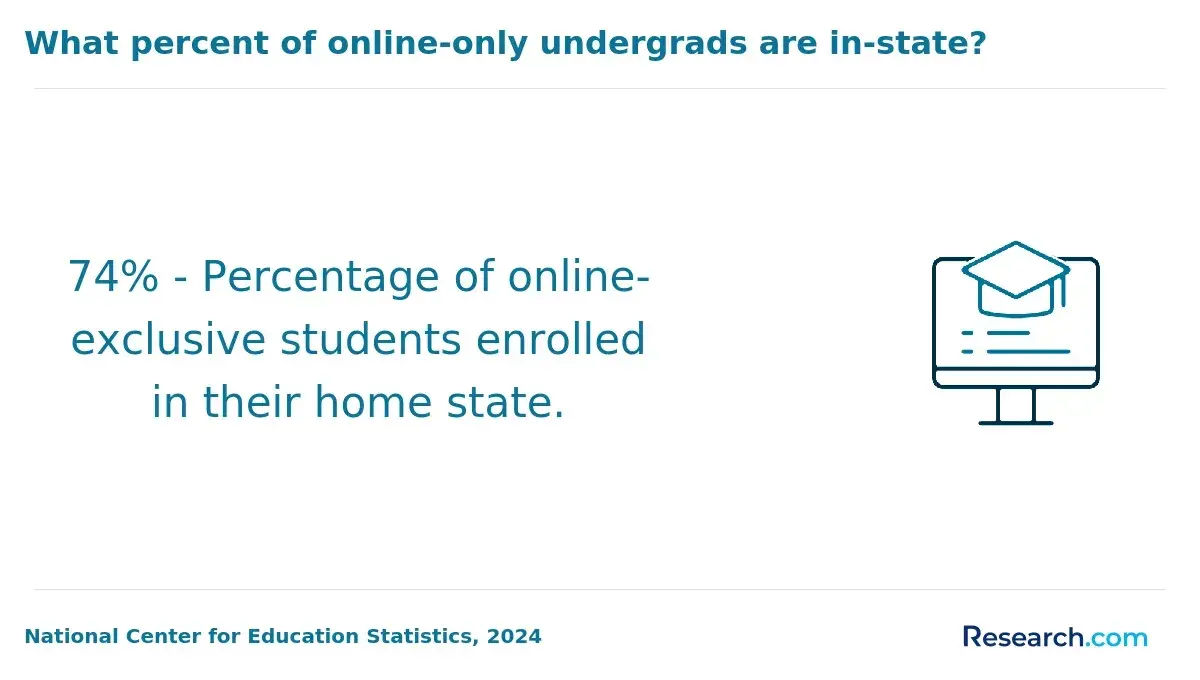
Despite this ease of admission, the open policy presents a different type of challenge for students. According to a 2024 report by the National Center for Education Statistics, institutions with open admissions often serve students with diverse academic preparedness, which can lead to lower completion rates and variable employability outcomes. Applicants should therefore consider their own motivation and commitment to self-directed learning, as the lack of selectivity means programs rely heavily on students' ability to manage coursework independently and gain practical competencies on their own initiative.
Prospective students typically assess their chances of admission as nearly guaranteed but must shift focus to readiness for program demands and career requirements. For example, an applicant aiming to become a medical assistant will find that while entry is simple, success depends on mastering certifications and clinical skills valued by employers. Preparing stronger applications often means ensuring foundational knowledge or gaining relevant experience beforehand rather than impressing an admissions committee.
What academic credentials do successful applicants typically have?
Successful applicants to Ultimate Medical Academy online programs tend to hold academic credentials that prioritize readiness for healthcare roles rather than competitive academic metrics. The school's open admission policy forgoes standardized test requirements, which lowers the barrier for entry and widens access, especially for those eager to enter practical healthcare positions quickly.
For instance, a prospective student might lack high standardized test scores but excel through completing relevant coursework or maintaining a steady high school GPA, which often aligns with a 2.5 to 3.5 range according to workforce studies by the National Center for Education Statistics. This flexibility means applicants can leverage varied academic backgrounds to meet admission needs.
The following list details typical academic qualifications of students accepted to Ultimate Medical Academy online programs, illustrating how different credentials contribute to eligibility and preparation:
- High School Diploma or Equivalent: This is the foundational credential required for admission. Applicants demonstrate readiness by completing high school or earning a GED, establishing baseline academic proficiency.
- Relevant Prerequisite Coursework: Courses in biology, health sciences, or related subjects strengthen an applicant's practical understanding and readiness for healthcare training, though not mandatory.
- Moderate GPA Range: Most successful students have a high school GPA between 2.5 and 3.5, reflecting the program's focus on potential and practical skills over high academic rankings.
- Test-Optional Policy: The absence of SAT, ACT, GMAT, or GRE requirements removes traditional academic hurdles, allowing candidates with diverse academic histories to apply.
- Basic Literacy and Numeracy Skills: Competency in reading comprehension and basic math is assumed, as these skills underpin essential tasks in healthcare settings and coursework.
- Prior Healthcare Exposure (Optional): Experience through volunteering or work in healthcare environments can enhance application strength but is not a formal requirement.
- Career-Focused Motivation: Applicants who clearly articulate their goals aligned with practical healthcare roles are often favored, highlighting a non-academic factor that supports admission decisions.
Students evaluating their chances should consider these criteria alongside career aspirations and relevant program demands. Those seeking guidance on how to align academic choices with career paths may explore the best college degrees to build a stronger foundation for healthcare professions. Such preparation complements the open and inclusive admissions framework of Ultimate Medical Academy online program admission requirements.
What admissions requirements matter most beyond GPA?
Admission to Ultimate Medical Academy online programs is less about academic transcripts and more about practical readiness and professional alignment. Applicants with strong communication skills, relevant healthcare experience, and motivation typically fare better. For example, a candidate who has volunteered in a clinical setting demonstrates practical competence that may outweigh modest GPA results.
Such real-world demonstration of skills aligns with employer demand in healthcare, emphasizing reliability and technical ability over academic metrics alone. The following factors illustrate key admissions elements beyond GPA that influence success at Ultimate Medical Academy.
- Basic Skills Assessment: Applicants must complete a standardized skills test measuring essential healthcare-related competencies. Preparation through practice tests or refresher courses improves outcomes, reflecting the institution's focus on foundational knowledge over prior grades.
- Professional Readiness: Demonstrating a clear professional plan or previous healthcare exposure signals applicant seriousness. Candidates often strengthen this through detailed personal statements or relevant work and volunteer experiences.
- Program Prerequisites: Meeting specific course or certification prerequisites required for chosen programs ensures applicants can handle the curriculum. This may involve submitting transcripts or credential documentation to confirm eligibility.
- Background Checks: Safety and compliance are critical in healthcare roles, so criminal background checks are mandatory. Clear and timely documentation here can prevent admission delays or denials linked to compliance issues.
- Motivation and Communication Skills: Admissions reviewers evaluate motivation levels and communication aptitude through interviews or essays. These traits are strong indicators of persistence and employability in healthcare environments.
According to recent research from the National Center for Education Statistics, non-academic factors like motivation and practical experience weigh heavily for acceptance in career-focused programs with open admissions. Their findings underscore that employers value these attributes in healthcare fields more than GPA, reinforcing Ultimate Medical Academy's applied admissions approach.
Prospective students focusing on application requirements for Ultimate Medical Academy online programs should emphasize these areas to enhance their prospects. Those aiming for some of the highest paying majors must understand how these criteria connect their educational pathway with workforce demands.
Are online Ultimate Medical Academy programs easier to get into than campus-based programs?
Ultimate Medical Academy applies the same admissions criteria for both its online and campus programs. Applicants must meet consistent academic prerequisites, submit comparable documentation, and undergo identical background checks. Recent data shows an acceptance rate of about 82% for online programs versus 76% on campus. This difference largely reflects a broader, more varied applicant pool online rather than easier admission standards.
The distinct applicant demographics influence program selectivity. Online candidates come from diverse geographic and educational backgrounds, expanding the applicant base and increasing acceptance volume without lowering standards. Campus programs tend to attract local applicants with more uniform academic profiles, which tightens competition. Thus, variations in acceptance rates stem more from applicant variability than from adjustments in admissions rigor.
In terms of selectivity, both formats maintain comparable admission standards despite minor rate differences. Prospective students should evaluate their qualifications against program prerequisites instead of assuming online programs offer a less competitive path. Employers treat credentials from both formats equally, reflecting consistent curricular and admissions expectations.
How do admissions standards vary across different Ultimate Medical Academy online programs?
Admissions standards at Ultimate Medical Academy online programs vary widely due to differences in academic discipline, professional licensure prerequisites, and applicant demand. Programs focused on entry-level healthcare roles typically have lower barriers to admission, reflecting the need to provide accessible pathways into the field.
Conversely, specialized or advanced certifications attract fewer applicants and require stronger academic and professional backgrounds to ensure graduates meet employment standards. These dynamics create a distinct contrast in selectivity across program types. Below is an overview of how admissions criteria shift by specific online programs.
- Medical Billing and Coding Diploma: This program generally has the most accessible admissions standards, often requiring only a high school diploma or GED. It aims to quickly prepare students for entry-level positions, so the application process is designed to be straightforward to accommodate those new to healthcare education.
- Associate of Science in Health Information Technology: Admission here demands proof of basic computer literacy and sometimes prerequisite coursework in biology or health sciences. The slightly higher standards reflect the technical skills needed to manage patient data and comply with healthcare regulations effectively.
- Practical Nursing Associate Degree: This program requires completion of certain science prerequisites and a background check because graduates are directly responsible for patient care opportunities. These stricter criteria help ensure candidate readiness and protect public safety, resulting in lower acceptance rates than diploma programs.
- Bachelor of Science in Healthcare Management: Applicants must present college transcripts and demonstrate some professional experience or related coursework. The admissions screen aims to separate candidates who have foundational knowledge and the leadership potential for administrative roles in healthcare.
- Master's in Healthcare Administration (limited online availability): This graduate-level program requires comprehensive undergraduate transcripts, professional references, and occasionally standardized test scores. It enforces competitive admissions to maintain academic rigor for students expected to fill higher-level management positions.
- Doctorate Programs in Health Sciences: Admissions are highly selective with expectations for extensive clinical or research experience and strong academic records. This selectivity preserves program quality and prepares graduates for research-intensive or policy-shaping roles.
- Medical Assistant Diploma: This faster-track program expects a high school diploma along with some healthcare exposure and basic skills verification. The admissions balance accessibility with the need to ensure patient safety given the clinical nature of medical assisting roles.
A 2024 study by the National Center for Education Statistics highlights that Ultimate Medical Academy undergraduate acceptance rates hover around 75%, whereas graduate program acceptance can fall below 40%. This wide discrepancy signals practical tradeoffs for online applicants, who may find online tuition costs for undergraduate healthcare diplomas more affordable and accessible but face significant competition and prerequisites for advanced credential paths.
Prospective students should carefully consider these variances aligned with career aspirations and readiness for more demanding admission profiles. The school also offers a range of accredited online degree programs designed to meet diverse learner needs.
How do transfer credits and prior experience affect admission chances?
Transfer credits and prior experience at Ultimate Medical Academy influence admission chances in ways that go beyond simple acceptance or rejection. The academy balances accessibility with academic rigor, requiring clear documentation and course equivalencies. Applicants with relevant credits or professional background gain a measurable advantage but must still meet defined curricular standards.
This practical selectivity means transfer students can shorten completion time but not bypass foundational program elements. Recent research highlights that while a majority of health-focused programs accept transfer credits, fewer rigorously evaluate professional experience, which UMA partially addresses through its policies.
Consider these specific factors that impact admission outcomes for transfer and nontraditional applicants:
- Official Transcript Verification:The academy mandates official transcripts from prior institutions to assess credit validity. This ensures submitted coursework aligns with UMA's program curriculum, making thorough documentation crucial for a smoother admission process.
- Credit Equivalency Requirements:Transfer credits must match UMA's course content and credit hours. Applicants who have completed substantially similar coursework increase their chances, but minor mismatches can lead to credit denial.
- Limits on Transfer Quantity:UMA imposes caps on how many credits can transfer, emphasizing core program completion. Applicants relying heavily on transferred credits may face longer paths to graduation despite initial acceptance.
- Prior Learning Assessments:Structured evaluations of work or military experience are recognized but applied selectively. Documentation like certifications or employer verification can strengthen applications but rarely substitute all academic requirements.
- Professional Experience Relevance:Experience in allied health or clinical settings can enhance admission prospects when combined with formal education. However, purely experiential applicants without aligned coursework face greater hurdles.
- Program-Specific Policies:Some UMA programs may have stricter credit transfer standards due to licensure or accreditation demands, affecting how much prior work counts toward admission.
- Impact on Time to Completion:Transfers accepted for core and elective credits often reduce study duration, but applicants should anticipate some mandatory coursework to maintain credential credibility with employers.
What common application mistakes lead to rejection?
Admissions decisions for Ultimate Medical Academy's online programs often hinge on more than academic credentials alone. The quality and completeness of an application signal an applicant's attention to detail and seriousness, traits vital for success in healthcare roles. According to a national study, 37.4% of denials in online programs result from missing or improperly formatted documents, a statistic that underlines procedural errors as a significant barrier to acceptance.
Employers in medical fields value reliability and clear communication, so admissions committees interpret application missteps as potential red flags. Below are common application mistakes that frequently lead to rejection from Ultimate Medical Academy online programs.
- Incomplete Documentation: Missing transcripts or failure to fully detail academic history create doubts about preparation. Admissions staff often see these gaps as a sign of unreliability. Applicants should double-check that all records are submitted and correctly formatted.
- Ignoring Prerequisite Requirements: Not clearly demonstrating eligibility or prerequisite completion can lead to automatic rejection. It is crucial to verify and explicitly state qualifications relevant to program entry.
- Poorly Tailored Personal Statements: Generic essays that lack specific motivation hurt applicants by failing to show alignment with healthcare demands. Personal statements must clearly connect past experience and goals to program expectations.
- Unexplained Application Gaps: Gaps in academic or work history without explanations raise concerns about commitment. Providing context or valid reasons helps strengthen the application.
- Poor Attention to Detail: Errors such as typos or inconsistent information reflect negatively on an applicant's diligence, a key employer-valued trait. Careful proofreading is essential.
- Failure to Follow Instructions: Overlooking submission guidelines or required formats signals lack of professionalism. Adhering strictly to application instructions improves chances.
- Underestimating the Application as a Professional Test: Treating the application as routine rather than a demonstration of readiness disregards how admissions see applicants. Successful candidates treat it as an opportunity to exhibit traits valued in medical roles.
For applicants balancing commitments, understanding these pitfalls is vital. Those interested in programs with additional considerations for military-affiliated students may want to explore options among military friendly online colleges that emphasize streamlined admissions processes and support.
Prospective students searching for insight into Ultimate Medical Academy online application mistakes will benefit most from proactive document management, precise eligibility demonstration, and a thoughtful personal narrative. These practices align with employer expectations and improve both admission prospects and future professional reliability.
How can applicants improve their chances of acceptance?
Applicants aiming to strengthen their Ultimate Medical Academy admissions chances must go beyond submitting basic requirements. Evidence shows that candidates with relevant healthcare experience or prerequisite course completion enjoy a 27.3% higher acceptance rate, reflecting the school's focus on practical readiness. This preference signals a broader trend in online program admissions favoring demonstrable commitment and foundational skills over minimal eligibility.
For example, a candidate who completed certified medical assistant training before applying would be better positioned than one without such background. Incorporating a targeted personal statement aligned with healthcare career goals further differentiates applicants. Strategies to improve test scores remain relevant despite the growing emphasis on competency-based evaluations.
Prospective students exploring degrees for seniors must also consider how the competitive nature of healthcare education admission requires clear demonstration of motivation and preparedness. Below are key approaches to improve acceptance chances at Ultimate Medical Academy online programs.
- Leverage Healthcare Experience: Highlight prior work or certifications in healthcare to exhibit practical knowledge and readiness. This signals to admissions your familiarity with medical environments and patient care challenges.
- Complete Prerequisite Coursework: Finish foundational classes before applying to show academic preparedness. This reduces uncertainty about your ability to handle program rigor.
- Optimize Test Scores When Required: Improve standardized test results to strengthen your application. Even in competency-focused programs, solid exam performance often remains a critical admission factor.
- Craft a Focused Statement of Purpose: Clearly connect your healthcare career goals with Ultimate Medical Academy's program outcomes. A well-aligned narrative demonstrates intent and commitment.
- Submit Thorough and Accurate Applications: Ensure all materials, including transcripts and paperwork, are complete and error-free. Admissions weigh application quality as an indicator of professionalism and seriousness.
Does admission selectivity affect student success and career outcomes?
Admission selectivity at Ultimate Medical Academy's online programs influences student success by filtering for candidates likely to persist and complete their studies. More competitive admissions tend to identify students with stronger academic preparation, which improves graduation rates and long-term career outcomes. A 2024 study in the Journal of Higher Education Outcomes found that selective admissions generally correlate with higher earnings and completion, reflecting students' readiness rather than just the quality of the program.
Ultimate Medical Academy's average graduation rate of 56% shows the challenge of retention with less selective admissions. This means students face a higher likelihood of non-completion, which directly impacts their economic outcomes and potential student debt repayment. For example, a student admitted with minimal academic screening may need to develop stronger time management and self-motivation skills to finish the program and achieve the reported median alumni earnings of $29,194.
Admissions standards serve to flag applicants who can meet academic demands, but outcomes also depend heavily on factors like personal resilience, access to support services, and work-life balance. Many employers in healthcare prioritize certification and practical skills over institutional reputation, which allows students from less selective programs to find meaningful employment despite lower average earnings. However, the economic ceiling remains limited compared to graduates from more selective institutions with higher completion rates.
Selecting a program with easier admission criteria, like Ultimate Medical Academy's online option, may facilitate quicker entry into healthcare fields, but students must weigh the risk of potentially slower progress or lower earnings. Students should realistically assess their capacity for independent study and ongoing commitment, as these personal factors often outweigh selectivity in determining long-term success and debt outcomes in healthcare support careers.
What should students consider before applying to a Ultimate Medical Academy online program?
Admissions decisions for Ultimate Medical Academy online programs cannot be isolated from broader academic, financial, and career factors that shape student success. Candidates confront challenges that extend beyond meeting entry criteria, including managing a demanding online healthcare curriculum at an accelerated pace.
Financial readiness should be scrutinized carefully since the total investment often exceeds initial tuition estimates due to extra fees and extended completion timelines. Career outcomes also hinge on regional labor markets and the relevance of credentials to local employers. The following points highlight key considerations before applying.
- Time Management and Self-Discipline: Online programs require consistent self-motivation and the ability to juggle coursework with personal and professional obligations. Students who underestimate this risk falling behind, given that nearly 40% of UMA students take longer than planned to finish, increasing their cost and effort.
- Financial Commitment Beyond Tuition: Tuition averages around $15,000, but additional expenses for books, supplies, and fees push the total cost above $18,000. Prospective students should factor in potential cost overruns due to extended program duration or unforeseen fees to avoid financial strain.
- Technology Access and Reliability: Success in UMA's online healthcare curriculum depends on reliable technology and steady internet access. Students without stable resources may face barriers that impede progress and increase frustration, making upfront assessment critical.
- Local Employment Market Dynamics: Employment outcomes vary significantly by region and credential type. UMA's career services may aid placement, but students should research local demand for allied health roles and align program choice with viable job prospects to optimize return on investment.
- Career Services and Employer Connections: Programs with established employer partnerships provide a measurable advantage; the National Education Policy Center noted a 12% higher employment rate within a year for those programs offering follow-up career support. UMA's services are helpful but not a guarantee, requiring students to engage proactively.
- Program Pace and Academic Preparedness: UMA's accelerated format demands readiness in prior healthcare knowledge or learning aptitude. Students lacking a solid foundation or time flexibility may find the fast pace overwhelming, negatively affecting completion likelihood and satisfaction.
- Personal Career Goals and Long-Term Fit: Evaluating how UMA's curriculum and credential align with long-term objectives is essential. Applicants should consider whether the program meets industry requirements in their intended area and supports future advancement rather than immediate entry only.
What Students Say About Getting Into Ultimate Medical Academy Online Programs
- Matthew: "When I first considered enrolling in an online program at Ultimate Medical Academy, I was concerned about the competitiveness of admissions. The prerequisite requirements and GPA expectations seemed fairly straightforward compared to other institutions I researched, which helped me decide to apply. Studying online allowed me the flexibility to work part-time, and after graduation, the degree opened doors in healthcare administration that I hadn't anticipated."
- Hiroshi: "I approached the application process to Ultimate Medical Academy with some hesitation, unsure whether my prior work experience and academic record would make me a strong candidate. I focused on crafting a thorough application and highlighting my practical background to compensate for a slightly below-average GPA. The online program's structure was demanding yet manageable, and ultimately, the credential gave me a significant advantage when seeking roles in medical billing and coding."
- Jordan: "Choosing Ultimate Medical Academy was a strategic decision after I weighed the trade-offs between applying to more selective programs and one with a more accessible admissions process. Their transparency about application requirements and the support provided during enrollment made preparing my materials less daunting. The online degree not only fit my schedule but also positively impacted my confidence entering the workforce as a certified medical assistant."
Other Things You Should Know About Ultimate Medical Academy Degrees
Ultimate Medical Academy's online programs use a modular format with specific start and end dates for each course, which requires timely commitment from students. This structure means that admission is not just about getting accepted but also about showing readiness to join and keep pace without breaks. Students who cannot commit to a regular study rhythm may find the admission process more demanding in practice, since the school prioritizes candidates who can handle consistent deadlines in a compressed timeframe.
The program's workload is intensive, reflecting its goal to prepare students quickly for healthcare roles. Admission committees look for signs that applicants can manage time and stress effectively, given the fast progression through courses. If you have significant work or family commitments, the difficulty lies not only in admission but in lasting through the program. Prioritizing admissions to programs that offer flexible pacing or part-time options might be a better choice if managing heavy workload is a concern.
Admission barriers at Ultimate Medical Academy tend to be moderate, focusing more on readiness than exclusivity, which means getting in does not strongly filter for future success predictors. Real career outcomes depend more on individual effort, networking, and additional certifications post-graduation than on the admission process itself. This suggests that applicants might prioritize admission convenience and program support over stringent selectivity when deciding if this school fits their career strategy.
References
- UMA Online Admissions https://www.ultimatemedical.edu/future-students/admissions/
- Ultimate Medical Academy Reviews https://www.onlineu.com/online-reviews/ultimate-medical-academy
- Most Common Reasons Medical School Applicants Get Rejected https://www.medlinkstudents.com/blog/most-common-reasons-medical-school-applicants-get-rejected/
- Ultimate Medical Academy Statistics https://app.overgrad.com/universities/5691-ultimate-medical-academy
- Don't Get Rejected! Avoid These 7 College Application Blunders https://matchtocollege.com/blog/7-college-application-mistakes-rejection
- Ultimate Medical Academy Transfer | Eastern International College https://eicollege.edu/admissions/uma-eictransfer/