2027 How Hard Is It to Get Into Regent University Online Programs?

Co-Founder and Chief Data Scientist
Imagine a working professional weighing multiple online degree options while facing a surge in applications across U. S. universities. Recent data shows that online program applications have grown by over 15%, increasing competition for available spots. For candidates targeting Regent University's online programs, this means meeting baseline academic metrics alone may not guarantee admission. Admissions teams weigh not just grades and test scores but also relevant experience and clarity in career goals.
Given this competitive landscape, applicants must strategically present strengths beyond transcripts. Understanding how acceptance decisions incorporate holistic factors helps prospective students better position themselves. This article unpacks Regent University's admissions difficulty, key requirements, and factors that genuinely influence acceptance to guide informed application strategies.
Key Points About Admission Difficulty at Regent University Online Programs
- Regent University's 41% acceptance rate signals moderate selectivity that balances accessibility with maintaining academic standards essential for employer recognition in online programs.
- Applicants typically meet average admission qualifications; the volume of 7,261 total applicants creates steady competition without requiring exceptional academic or professional credentials.
- Minimal difficulty in admission allows broader applicant inclusion but still demands meeting baseline criteria, influencing career prospects tied to accredited program completion.
How competitive is admission to Regent University's online programs?
Admission to Regent University online programs is notably competitive, with a 41% acceptance rate from more than 7,200 applicants. This selectivity is lower than the national average acceptance rate of around 60% for online programs reported by the National Center for Education Statistics, signaling stricter admission standards. Such selectivity suggests that Regent's admissions process favors candidates who offer stronger academic or professional qualifications, which may increase the credential's perceived value among employers.
Applicants should prepare to meet defined program-specific standards, including relevant prior coursework, professional experience, and application materials that demonstrate clear goals aligned with program outcomes. For example, a candidate applying for an online business degree might need to showcase managerial experience or relevant internships to differentiate their submission. Understanding these requirements helps applicants realistically assess their competitiveness rather than rely on generalized admission probabilities.
Prospective students often refine their applications after recognizing the moderate rejection rate and employer expectations tied to selectivity. Those targeting Regent's programs must weigh the effort of preparing thorough applications against alternative online options with higher acceptance. This pragmatic approach ensures that applicants focus their resources on programs where admission aligns with their qualifications and career objectives, optimizing the return on investment in their educational pursuits.
What academic credentials do successful applicants typically have?
Successful applicants to Regent University online programs consistently demonstrate a combination of solid academic records and verified competencies rather than relying solely on test scores. Admissions focus on a well-rounded profile that includes GPA, secondary school rank, and prior learning experiences. For instance, a candidate with a strong high school GPA coupled with advanced placement credits or life experience can stand out even if standardized test scores are average. This approach reflects a practical assessment strategy prioritizing foundational knowledge and real-world readiness. Below are key academic credentials shaping admission prospects for prospective applicants.
- High School Diploma or Equivalent: Applicants typically must hold a recognized secondary education credential, such as a GED. This minimum ensures a baseline qualification confirming preparedness for undergraduate coursework.
- Secondary School GPA and Rank: Competitive GPA and school rank are crucial, as Regent evaluates applicants based on academic consistency. A solid GPA evidences discipline and capacity for handling college-level work.
- Recommendation Letters and Demonstrated Competencies: Though not mandatory, strong endorsements and proofs of skills can enhance an application, signaling motivation and aptitude beyond grades.
- Standardized Test Scores (Optional): Submission of SAT or ACT scores is recommended but not required. Typical admitted ranges are 540-640 verbal and 510-610 math for SAT, 21-26 for ACT, indicating moderate expectations aligned with holistic review.
- TOEFL Scores for Non-Native English Speakers: English proficiency is mandatory for international students, ensuring academic success in an online environment demanding comprehensive language skills.
- Credits from Life Experiences and AP Exams: Recognition of prior learning offers flexibility. Applicants leveraging this can reduce redundancy in coursework and demonstrate applicable knowledge.
- Holistic Admissions Trend: Reflecting National Center for Education Statistics data, Regent places growing emphasis on a broad evaluation of credentials rather than rigid score thresholds, a trend echoed in various 1 year PhD programs online no dissertation.
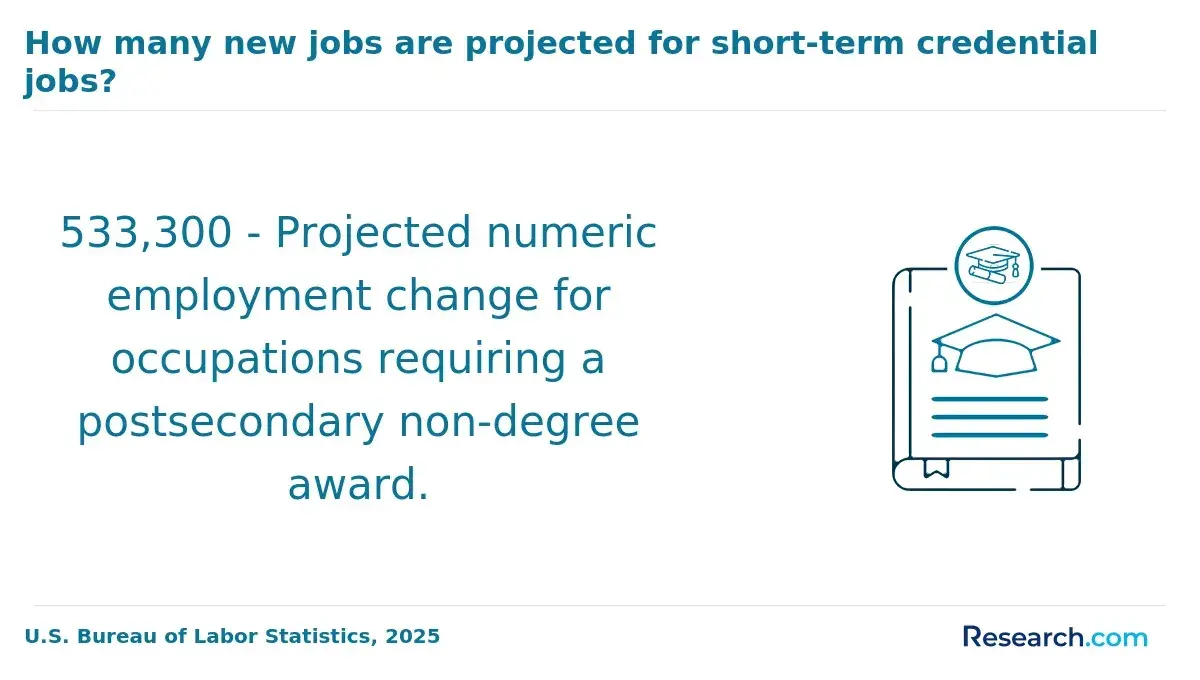
What admissions requirements matter most beyond GPA?
The admissions process at Regent University's online programs weighs several factors beyond secondary school GPA. This multi-dimensional evaluation balances academic achievements with practical competencies and demonstrated English proficiency, which often matter more in competitive applicant pools. For example, an applicant with a solid TOEFL score and verified life experience credits could gain advantage over a higher GPA candidate lacking these elements. This approach reflects a broader shift in admissions toward assessing real-world readiness and adaptability rather than raw academic metrics alone. Below are key areas applicants should address to strengthen their applications effectively.
- English Proficiency: Regent University requires a TOEFL exam to verify applicants' English language skills. Candidates can improve their chances by surpassing the minimum score threshold, as recent studies show applicants with strong TOEFL results have a 15% higher acceptance rate, highlighting the program's emphasis on communication skills.
- High School Credential or GED: Completing a formal high school diploma or GED is mandatory. Submitting official documentation promptly solidifies eligibility, ensuring the application passes baseline academic requirements.
- Demonstrated Competencies: Applicants can submit portfolios showing relevant skills or prior learning. This substantiates practical knowledge and aligns with Regent's preference for candidates with validated professional or academic competencies beyond grades.
- Recommendations: Formal letters of recommendation provide insight into character and academic qualities. Strong endorsements from educators or employers can tip the balance in an applicant's favor by adding depth to the profile.
- Credit for Life Experiences and Advanced Placement: Recognition of life or prior learning credit can enhance standing, reducing required coursework and demonstrating maturity. This acceptance of non-traditional academic credits reflects employer expectations for adaptable graduates.
Secondary school rank and optional cognitive tests like Wonderlic or WISC-III may also contribute but are less influential. Prospective students assessing Regent University online program admission criteria beyond GPA should carefully compile an evidence-based application portfolio. This ensures competitiveness, especially for those aiming to enter fields linked to the highest paying jobs.
Regent University's online programs report an acceptance rate near 72%, slightly above the 65% rate for campus applicants, yet this difference does not imply easier entry. Admission standards, including academic qualifications and professional experience, remain consistent across both formats. The same admissions committee reviews applications, focusing on alignment with program objectives rather than delivery method.
Admissions criteria can vary by program and applicant demographics. Online programs tend to attract working adults balancing careers and education, which broadens the applicant pool without diluting standards. Meanwhile, campus programs might see more traditional students with different readiness profiles unlike some degrees for older adults. This demographic variance partly explains acceptance rate differences but does not suggest lower rigor for online entrants.
Comparing selectivity, Regent's online programs are marginally less selective numerically but maintain comparable academic thresholds. Prospective students should weigh readiness to meet curricular demands and professional expectations instead of relying on acceptance percentages alone. Employers prioritize demonstrated skills and coursework quality over whether a degree was earned online or on campus.
One 2024 trend highlights growing enrollment in online cohorts from diverse career stages, reflecting Regent's intent to accommodate varied lifestyles without compromising standards. This approach positions applicants to consider how program format fits their personal and professional contexts rather than assuming an easier admissions path.
One Regent online student shared, "Initially, I thought applying online might be simpler, especially since I couldn't relocate. But after comparing application requirements, I realized the process was just as competitive. The admissions questions pushed me to clarify my career goals more than I expected. That challenge made me appreciate the program's seriousness and helped me commit fully once accepted."
Admissions standards at Regent University's online programs are not uniform because of varying academic disciplines, professional licensure requirements, and differing applicant demand. Fields tied to regulated professions or highly specialized knowledge naturally require a more rigorous review process. Programs focusing on adult learners finishing undergraduate degrees prioritize accessibility and prior credits, whereas graduate and doctoral programs emphasize deeper academic preparation and relevant experience. These factors drive distinct selectivity levels, affecting acceptance chances based on program type and career implications. Below is a detailed look at how these standards differ across specific online degree programs at Regent University.
- Undergraduate Degree Completion: Admissions focus on previous college coursework with a moderate GPA requirement usually between 2.0 and 2.5. These programs cater to adult learners needing flexible pacing, so accessibility outweighs selectivity. The lower threshold reflects the emphasis on retention and degree completion over early academic intensity.
- Master of Business Administration (MBA): Applicants must hold a bachelor's degree with at least a 3.0 GPA and demonstrate some professional experience. Admissions prioritize alignment with the curriculum's practical demands and leadership potential. The MBA's acceptance rate of around 65% signals a balance between competitiveness and inclusiveness to maintain program quality.
- Online Master of Education: This program often requires licensure or teaching experience alongside academic qualifications. The admissions review weighs professional background to meet state certification standards, making it more selective than general master's programs. Practical teaching demands shape these additional requirements.
- Doctor of Psychology (PsyD): Entry requires a master's degree, strong academic records, and evidence of relevant clinical or research experience. The program's acceptance rate below 40% reflects high rigor necessary for preparing licensed psychologists, where applicants must also submit writing samples and undergo interviews to demonstrate readiness.
- Doctor of Strategic Leadership: Candidates need significant professional leadership achievements and a master's degree. Admissions assess both academic potential and sector-specific accomplishments. The competitive selection ensures candidates can contribute to advanced organizational contexts.
- Masters in Public Administration (MPA): Admissions demand a solid academic background and relevant public sector experience. The program emphasizes management competencies linked to policy impact, prompting review of professional history alongside academic records. This sets it apart from less specialized master's programs.
- Online Bachelor's vs. On-Campus Programs: The online undergraduate admissions often exhibit more flexible prerequisites compared to traditional campus-based options, reflecting Regent University online tuition cost comparison trends. This flexibility promotes accessibility for adult learners but may trade off selectivity and cohort homogeneity.
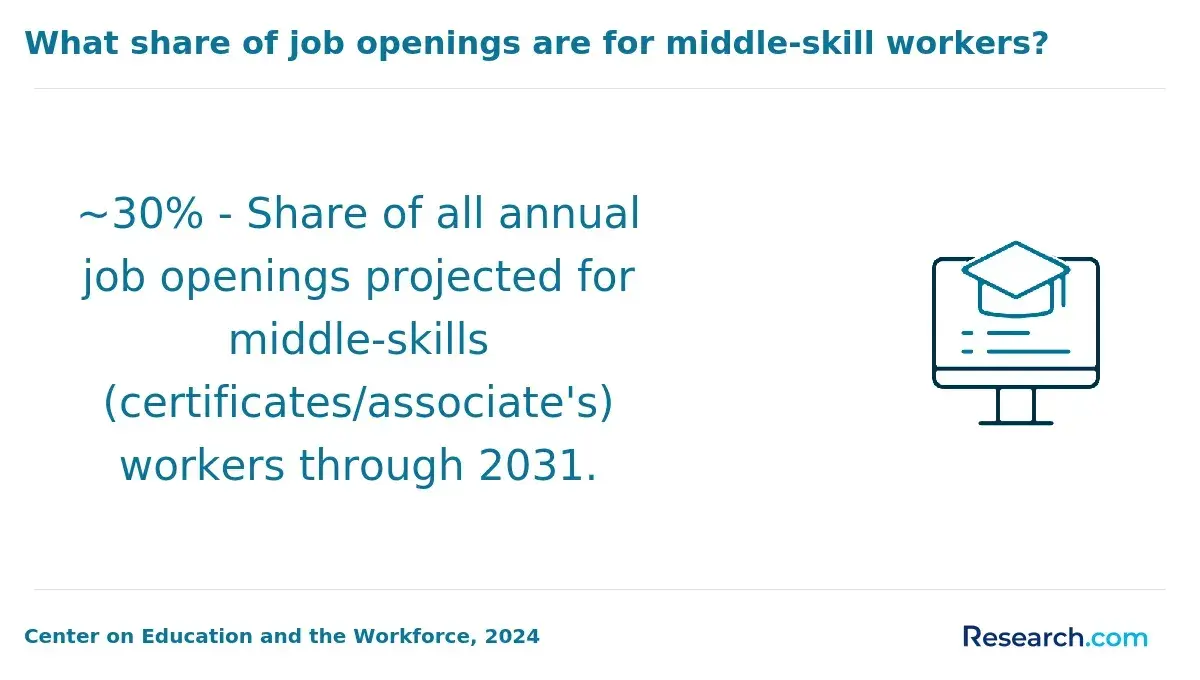
Transfer credits and prior experience have a substantial but nuanced impact on admission chances at Regent University's online programs. The school's openness to diverse credit sources lowers barriers for students who have accumulated academic and professional credentials elsewhere. However, admissions committees weigh the relevance and quality of these credits to ensure students meet program requirements and workforce expectations. Incorporating validated prior learning can also accelerate degree progression, but applicants must be strategic in demonstrating how such credits align with Regent's curriculum standards. A recent national analysis found that universities recognizing alternative credit pathways see up to 15% higher degree completion rates among adult learners, underscoring the practical advantage of flexible credit acceptance.
The following points illustrate key credit and experience types affecting admission and enrollment strategies:
- ACE-Recommended Credits: The American Council on Education assesses military and corporate training for college credit equivalency. Applicants can submit ACE credit reports to Regent University, providing a pathway to recognize professional and military learning, which can strengthen admission by demonstrating transferable skills beyond traditional coursework.
- CLEP Exams: College-Level Examination Program tests offer a cost-effective way to earn college credit by exam. Submitting passed CLEP scores allows applicants to bypass certain general education requirements, making their application more attractive by showing mastery of foundational subjects.
- DSST/DANTES Exams: These exams assess knowledge from military training and civilian work experience. Regent University's acceptance encourages applicants with nontraditional backgrounds to document learning outcomes formally, aiding admission committees in evaluating academic readiness.
- Previous Accredited College Credits: Transfer credits from accredited institutions remain the most straightforward validation method. Strong performance in relevant courses directly supports admission chances, especially when prior coursework matches Regent's degree plan requirements.
- Professional Experience Portfolio: This includes documented work history, certifications, and trainings that may not carry formal credit but demonstrate skill acquisition. Regent's recognition of such portfolios requires detailed submission and can improve admission by evidencing readiness for specific program demands.
- Term Flexibility for Transfer: Regent University admits transfer students in fall, spring, and summer terms. This flexibility allows applicants to time their transfer optimally, which can be crucial when coordinating credit evaluation timelines and satisfying prerequisite sequences for complex programs.
- Alignment with Program Competencies: Ultimately, the value of transfer credits and experience depends on how well they articulate with the program's core learning outcomes. Applicants must ensure that prior credits support essential skill development to maintain admission competitiveness and long-term credential validity.
One Regent University online graduate shared their experience transferring credits from two prior institutions plus military training. They recalled feeling uncertain about how much would apply and worried about prolonging their studies. However, submitting ACE and DSST credits early helped clarify their standing, allowing admission counselors to map out a clear degree path. The graduate found that this transparent credit articulation reduced both time and financial burden while ensuring coursework remained rigorous. They emphasized the importance of early documentation and direct communication with the registrar to avoid surprises and support a smoother admission process.
Admission outcomes at Regent University's online programs hinge heavily on application quality, not just academic credentials. Many candidates possess the necessary academic background but falter in their submission process, which can signal low attention to detail. This is critical because online learning demands high self-management, and admissions decisions often reflect an assessment of applicants' readiness for those challenges. Awareness of common errors can improve acceptance chances and long-term program success. Below are key application mistakes to avoid for Regent University online application errors to avoid.
- Incomplete Documentation: Missing or incomplete transcripts and standardized test scores often cause outright rejection. Admissions officers see this as an inability to follow instructions, reflecting poorly on the applicant's capacity to meet program demands. Ensure all requested documents are submitted fully and promptly.
- Missed Deadlines: Late applications convey poor time management. Given that online programs rely on strict schedules, failure to respect deadlines suggests potential struggles with pacing. Submit all materials well before cutoff dates to avoid this pitfall.
- Unclear Personal Statements: Vague or irrelevant statements reduce competitive edge. Admissions prefer applicants who clearly link their goals with the program's outcomes. Articulate a practical, outcome-focused educational plan relevant to career aims.
- Poor Attention to Detail: Typos, formatting errors, or missing signatures suggest carelessness. Such flaws indicate a risk of disengagement in coursework. Review all paperwork carefully before submission.
- Failure to Highlight Practical Goals: Applications that ignore real-world application of skills appear unmotivated. Demonstrating a connection between education and career goals aligns with employer expectations and institutional priorities.
- Overlooking Program-Specific Requirements: Some applicants neglect details unique to Regent University, such as specific prerequisite courses or forms. Familiarity with these requirements is crucial to avoid rejection due to procedural noncompliance.
- Neglecting to Explore Accelerated Options: Candidates unaware of or failing to consider accelerated degree programs may miss opportunities for timely completion and reduced costs. Incorporating this awareness into application strategy can enhance both admission chances and career trajectory.
Applicants aiming for acceptance into Regent University online programs must demonstrate clear academic preparation and relevant professional experience. The admissions process favors those who connect past roles to specific educational goals and show steady career progression. Data indicates that applicants submitting detailed resumes and tailored essays experience a 17.3% higher acceptance rate, underscoring the value of personalized application materials. Showing how one's background aligns with job market demands is critical, especially in fields experiencing growing employer demand for online credentials tied to skills. For example, a working professional transitioning into healthcare management might highlight leadership in clinical settings along with a targeted personal statement. This approach offers a more practical and compelling narrative than generic applications.
Strengthening your Regent University online application involves specific strategies that reflect both academic readiness and workforce relevance. Many candidates overlook how detailed professional recommendations or GPA benchmarks differentiate their profile. Given competitive volumes, clear demonstration of motivation and alignment with program goals matters significantly.
Consider the following actionable steps to increase acceptance rates at Regent University online programs:
- Craft a Focused Personal Statement: Align your essay closely with career objectives and past experiences to show intentional purpose. This clarity distinguishes your application from generic submissions.
- Highlight Progressive Work Experience: Emphasize leadership roles or consistent career advancement, as these signal readiness for adult learners balancing education and employment.
- Provide Specific Letters of Recommendation: Use references who can attest to your professional or academic skills, which offers credible validation beyond grades.
- Meet or Exceed GPA Expectations: Maintaining or surpassing suggested academic thresholds demonstrates foundational readiness prioritized in admissions decisions.
- Prepare a Detailed Resume: Present a comprehensive, tailored resume that connects skills and accomplishments to your intended program, reflecting recent research on acceptance success.
Applicants should also explore options among online colleges with weekly start dates to find the best fit.
Admission selectivity at Regent University's online programs is calibrated to identify candidates with baseline academic readiness, which supports a moderate graduation rate of 54%. This suggests the admissions process filters out applicants unlikely to persist but does not strongly predict higher completion or exceptional career outcomes. Students admitted under this standard may face typical retention challenges common to many mid-tier programs, requiring additional supports to convert admission into degree attainment.
While admissions standards matter, a 2024 study from the National Center for Education Statistics highlights that for many mid-range institutions, factors such as program relevance, quality of student support, and market-aligned skills development have a greater impact on success and earnings than selectivity alone. For example, two students admitted under the same criteria may differ significantly in outcomes if one accesses robust career services and relevant experiential learning while the other does not.
The median alumni salary of $44,498 at Regent University indicates a modest economic return reflecting moderate selectivity. Employers often look beyond admissions rigor to practical competencies and applied knowledge. In professions with increasing demand like healthcare administration or information technology, demonstrated skills and networking often outweigh admissions prestige when hiring decisions are made.
Consequently, prospective students should view Regent University's selectivity as one part of a broader decision matrix. Admissions standards help manage academic risk but should be balanced with personal commitment, program fit, and strategic use of institutional resources. Selectivity is not a guaranteed predictor of success but a baseline filter within a more complex ecosystem influencing academic persistence and career trajectory.
Admissions decisions at Regent University should not be viewed in isolation. Students must weigh their readiness, financial capacity, and professional alignment alongside acceptance likelihood. Taking a purely application-focused approach risks overlooking crucial factors that influence both academic success and post-graduation outcomes. A 2024 survey by the Online Learning Consortium highlights that 62% of students who align program choice with career demands report better satisfaction and employability, underscoring the importance of strategic evaluation. Consider these factors carefully before applying.
- Financial Commitment and Total Cost: Tuition averages around $19,000 annually but excludes fees, technology, and textbooks that can significantly raise expenses. Evaluating your budget and potential debt impact helps avoid financial strain that could undermine academic focus and completion.
- Self-Discipline and Time Management: Online learning requires consistent self-motivation and effective time use without in-person structure. Assess personal habits honestly to determine if you can meet deadlines and maintain engagement remotely, as these skills directly correlate with success in Regent's programs.
- Technology Access and Reliability: Stable internet and up-to-date hardware are non-negotiable for accessing course materials and participating in virtual activities. Consider your current technological setup's adequacy and the cost of potential upgrades before committing.
- Admission Criteria and Academic Preparedness: Beyond basic eligibility, Regent University may require prerequisite courses or demonstrate competitive academic performance. Reviewing these requirements ensures you meet entry standards, reducing the risk of delayed start dates or denied applications.
- Program-Career Fit and Labor Market Demand: Aligning your chosen program with projected employer needs enhances long-term value. The Online Learning Consortium's findings reinforce that students focused on demand-driven paths experience improved employability, emphasizing the need for real-world career relevance.
- Long-Term Career Planning Versus Immediate Enrollment: Applying without clarity on how the degree fits into your broader trajectory may lead to costly detours. Map out how Regent's online credentials will bridge current skills gaps or open doors aligned with realistic goals.
- Support Services and Resource Availability: Effective online study depends on accessible academic advising, tutoring, and technical help. Investigate Regent's support infrastructure to gauge its adequacy for your learning needs, as insufficient support can increase dropout risks.
What Students Say About Getting Into Regent University Online Programs
- Aaliyah: "When I first started looking into online degree programs, I was uncertain about how competitive the admissions process would be at Regent University. Their clear GPA requirements and emphasis on relevant work experience helped me tailor my application effectively. Studying online there challenged me academically and professionally, and graduating from Regent University opened doors to roles I hadn't considered before, especially because employers respect the program's rigor."
- Asia: "I hesitated applying at first because I wasn't sure if my undergraduate GPA would meet Regent University's standards, but they really value professional experience alongside academic records, which worked in my favor. The application process made me reflect on my career goals deeply, and choosing Regent's online program was strategic-it's rigorous but accessible, and it definitely strengthened my CV. After graduating, I noticed how my degree was a conversation starter in interviews, which helped me land a position with growth potential."
- Zara: "My decision to apply to Regent University's online program came after comparing several institutions; while some were more selective, I appreciated Regent's balance between accessibility and academic quality. I invested time into crafting detailed application materials to highlight my leadership experience, which I believe made a difference. The program's demanding coursework prepared me well, and earning my degree online from Regent University has been pivotal as I transitioned into a competitive job market."
Other Things You Should Know About Regent University Degrees
The online programs at Regent University often require a blend of asynchronous coursework and real-time interaction, which adds practical complexity to admissions decisions. Applicants are evaluated not only on traditional academic factors but also on their ability to manage flexible yet structured learning environments. This focus means admission committees prefer candidates who have demonstrated self-discipline and effective time management, making admission slightly more challenging for those without evidence of such skills.
Regent University's online programs tend to have demanding workloads, including extensive reading, research, and collaborative projects. Admissions committees weigh applicants' ability to balance these commitments alongside personal and professional responsibilities. Therefore, individuals with unrealistic expectations about workload may face admission hurdles, as success depends heavily on managing intensity rather than just meeting minimum academic thresholds. Prioritizing realistic self-assessment before applying is advisable to avoid admission mismatches.
Regent University’s online graduate programs usually require a completed bachelor’s degree from an accredited institution and a minimum 3.0 GPA for regular admission. Applicants below that mark may still be considered through conditional admission, which can require additional documentation or stronger supporting materials.
- How to apply https://www.rcl.ac.uk/study/apply/
- Enrollment Management To Maximize Admissions | Regent Education https://www.regenteducation.com/enrollment-management
- Admissions https://www.regent-college.edu/admissions/
- Regent University SAT, ACT & GPA Requirements for Admissions https://testbook.com/en-us/college/regent-university-admissions
- Regent University Transfer Credit https://www.straighterline.com/colleges/regent-university/
- Online College Review: Should I Go to Regent University? https://www.collegetransitions.com/blog/regent-university-online-college-review/
- Regent University Requirements for Admission https://www.prepscholar.com/sat/s/colleges/Regent-University-admission-requirements
- Regent University https://www.princetonreview.com/college/regent-university-1041540
- Regent University Score Requirements | Clastify https://www.clastify.com/blog/score-requirements/regent-university
- Apply to Regent University https://www.commonapp.org/explore/regent-university/