2027 Public Policy Degree Popularity by Gender, Region, and Degree Level

Co-Founder and Chief Data Scientist
Consider a prospective public policy student reviewing enrollment data only to find that female representation in master's programs exceeds 60% nationally in 2024, while some regions show strong male dominance at the bachelor's level. This uneven gender distribution could affect peer networks, classroom dynamics, and even perceived program inclusivity. Meanwhile, states with higher demand for public policy graduates often reflect distinct local government priorities or federal funding shifts, complicating the interpretation of degree popularity as a proxy for job market strength. Recognizing these nuances helps avoid simplistic conclusions that might misguide students navigating educational pathways and career prospects.
This article will dissect public policy degree popularity across gender, region, and degree level, providing insights to inform more strategic educational and career decisions.
Key Things to Know About Public Policy Degree Popularity by Gender, Region, and Degree Level
- Women represent over 60% of public policy undergraduates nationwide in 2024, highlighting ongoing gender imbalances that shape program culture and may influence employer diversity initiatives.
- Enrollment surges in the Midwest contrast with declines on the West Coast, reflecting regional economic shifts that affect local government and nonprofit hiring, thus shaping graduates' employment geographies.
- Master's-level public policy programs see slower growth due to higher costs and time commitments, signaling a tradeoff where immediate workforce entry often outweighs long-term credential investment for many candidates.
- Key Things to Know About Public Policy Degree Popularity by Gender, Region, and Degree Level Key Things to Know About Public Policy Degree Popularity by Gender, Region, and Degree Level
- How Does Job Market Demand Influence Public Policy Degree Popularity? Market Demand and Degree Popularity
- How Does Online Public Policy Degree Enrollment Compare to Traditional Campus Programs? Online vs. Campus Enrollment
- What Degree Level Is Most Common Among Public Policy Students? Most Common Degree Levels
- How Do Enrollment Trends Differ Between Associate, Bachelor's, Master's, and Doctoral Public Policy Degrees? Enrollment Trends by Degree Level
- How Popular Is the Public Policy Degree Compared to Other College Majors? Degree Popularity vs. Other Majors
- Why Is the Public Policy Degree More Popular in Certain States and Regions? Regional Popularity Drivers
- What Demographic Groups Are Driving Growth in Public Policy Degree Programs? Growth by Demographic Groups
- What Is the Future Outlook for Public Policy Degree Enrollment by Gender, Region, and Degree Level? What Is the Future Outlook for Public Policy Degree Enrollment by Gender, Region, and Degree Level?
- How Have Public Policy Degree Enrollment Trends Changed Over the Past Decade? How Have Public Policy Degree Enrollment Trends Changed Over the Past Decade?
- Where Is the Public Policy Degree Most Popular Across the United States? Geographic Popularity Analysis
How Does Job Market Demand Influence Public Policy Degree Popularity?
Employer demand in sectors like healthcare regulation and environmental policy increasingly shapes public policy degree enrollment, especially at the graduate level, where specialized expertise is prized. For example, Washington, D.C.'s concentration of federal agencies consistently attracts higher enrollment in public policy programs focused on regulatory affairs, reflecting regional labor market trends that influence public policy degree popularity. Yet, this alignment is not uniform; many employers accept candidates from related disciplines or certificate holders, which dilutes direct enrollment impacts despite notable workforce shortages in areas such as Medicaid policy administration.
Such labor market signals also intersect with gender and degree level choices, as certain subfields with rising demand show gendered enrollment patterns owing to traditional workforce roles and hiring preferences. The National Center for Education Statistics reports a notable 12% increase in graduate public policy program enrollment in recent years, though these gains are unevenly distributed geographically, with rural areas lagging behind. Prospective students weighing these trends might also consider alternative pathways, including cheap online doctorate degree options that offer flexibility without geographic constraints, underscoring the practical tradeoffs faced when interpreting how job market demand shapes public policy degree enrollment.
How Does Online Public Policy Degree Enrollment Compare to Traditional Campus Programs?
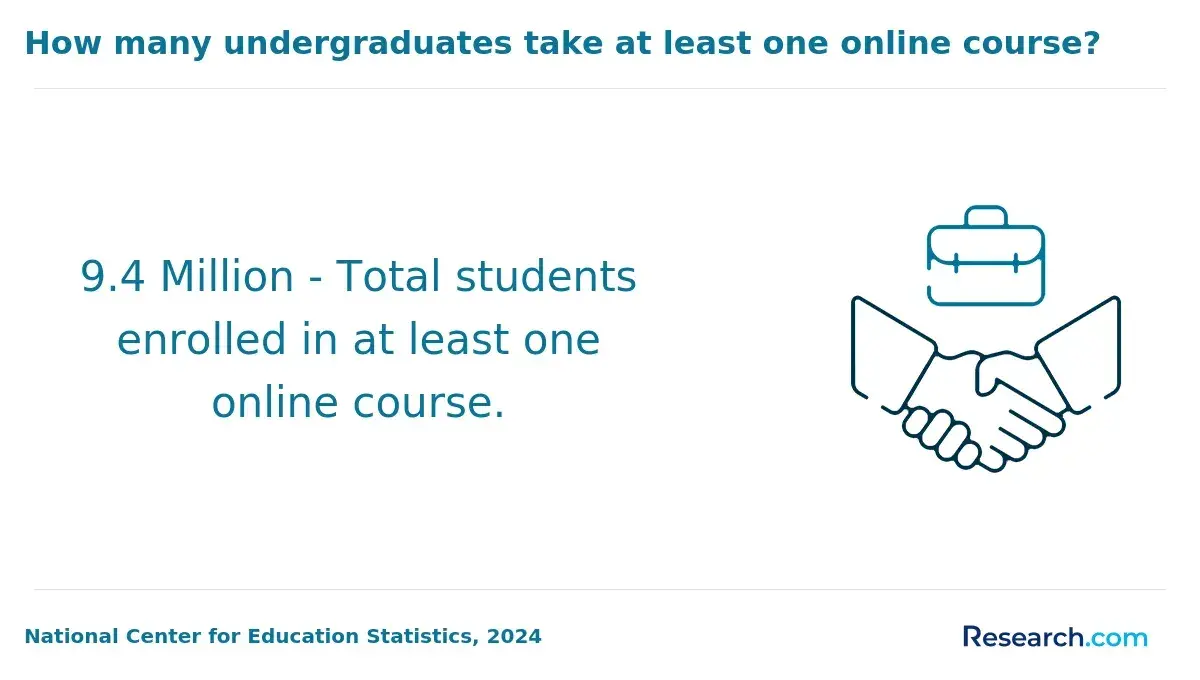
Online enrollment in public policy graduate programs has notably expanded, now comprising roughly 38% of the student body according to 2024 data from the National Center for Education Statistics, compared to 25% five years prior. This shift largely reflects the modality's appeal to mid-career learners who require geographic flexibility and scheduling accommodations, particularly in rural or underserved areas. By contrast, traditional campus programs continue to draw mostly younger, first-time full-time students who prioritize immersive engagement, on-site resources, and direct networking opportunities. The divergence in age and life stage between online and on-campus cohorts also impacts curriculum design, peer interaction, and ultimately, student outcomes.
This modal split influences access and participation unevenly; while online formats lower barriers related to relocation and commuting, they demand greater self-discipline and time management abilities, which can affect retention differently than structured campus environments. Employers increasingly accept accredited online degrees, especially when paired with relevant work experience, but some sectors within public policy still weight campus-based internships and in-person networking more heavily. For prospective students weighing these options, understanding how modality aligns with their career stage and geographic constraints is critical for matching educational pathways with professional aspirations and realistic commitments.
One graduate recalled initially doubting the value of an online public policy program due to concerns over reduced networking and academic rigor. Living in a remote area with limited access to reputable universities, they ultimately chose the online route for its flexibility and viability alongside full-time employment. Although they missed some aspects of in-person interaction, targeted virtual workshops and adviser support helped bridge the gap. This decision highlighted the practical tradeoffs often invisible in aggregate data but essential for individuals balancing diverse responsibilities and regional limitations.
What Degree Level Is Most Common Among Public Policy Students?
Master's degrees dominate enrollment in public policy programs due to their alignment with employer expectations and the complexities of roles in government and nonprofit sectors. Many positions explicitly require or prefer graduate-level credentials, reflecting the advanced analytical and managerial skills needed. Data from the National Center for Education Statistics and IPEDS for 2023-2024 show that over 60% of public policy students are enrolled in master's programs, highlighting their pivotal role in preparing graduates for leadership and specialized responsibilities.
Bachelor's degrees serve primarily as foundational qualifications, with about a quarter to a third of students pursuing them as either an entry point or preparatory step toward graduate study. Associate degrees, often limited in scope, and doctoral programs represent smaller fractions of enrollment because they cater to more specialized aims-whether early-stage credentialing or research-intensive careers. The increasing availability of online and part-time master's programs further expands access for working professionals, intensifying demand for graduate education compared to undergraduate or doctoral options.
Choosing the appropriate degree level also involves weighing practical tradeoffs: master's programs require greater time and financial investment but typically enhance employability and earning potential in the public policy labor market. Meanwhile, bachelor's degrees offer a quicker pathway into the field but may limit advancement without further study. Doctoral degrees, while vital for academic and policy research careers, remain niche given their low enrollment share and longer timelines. Prospective and current students should consider how these factors impact their career objectives and readiness to navigate evolving employer standards within this sector.
How Do Enrollment Trends Differ Between Associate, Bachelor's, Master's, and Doctoral Public Policy Degrees?
Enrollment patterns in public policy degrees reveal how educational access and career focus shift with each degree level. Associate programs attract students seeking pragmatic entry points into government or nonprofit work, often offered regionally at community colleges with limited completions and transfer-oriented curricula. By contrast, bachelor's degree enrollments, which grew by roughly 8% between 2018 and 2023 according to NCES data, represent the largest and most demographically diverse segment, appealing to both recent high school graduates and mid-career adults pursuing broader social impact roles. These trends suggest that prospective students must consider not only the credential's level but also how degree popularity across regions intersects with program design and local workforce demands.
Master's degrees in public policy are experiencing faster enrollment growth, up 12% from 2020 to 2023 per the Council of Graduate Schools, driven by increasing professionalization and demand for specialized analytical competencies. This level draws a more gender-balanced and internationally diverse cohort preparing for mid- to senior-level policy roles, emphasizing the tradeoff between longer investment and enhanced occupational standing. Doctoral candidates remain a smaller, steady group focusing on research careers; their limited accessibility reflects significant time, cost, and academic prerequisites, often including prior master's qualifications. For example, students weighing accelerated workforce entry might opt for bachelor's programs over doctoral tracks, while those targeting academic or specialized leadership paths must plan for these enrollment realities and their impact on educational planning and long-term career strategy within the public policy landscape.
Regional differences in public policy degree program popularity also influence these decisions, as availability and program orientation can vary widely, making it critical for students to align their choices with local labor market needs and institutional strengths. Those exploring foundational credentials might also consider an online criminal justice degree as a comparative pathway that can complement public policy skills in certain sectors.
How Popular Is the Public Policy Degree Compared to Other College Majors?
Public policy's relatively low undergraduate enrollment compared to majors like business or engineering signals more than just niche appeal; it reflects the field's specialized focus and a constrained job market that shapes student decisions and program growth. In 2024, fewer than 20,000 bachelor's degrees in public policy and related areas were awarded nationwide, a stark contrast to the 300,000 in business administration reported by the National Center for Education Statistics. This gap suggests that while public policy attracts a distinct student segment interested in governance and social issues, it offers fewer large-scale, high-demand employment pathways, influencing availability of courses, peer communities, and specialization options across institutions.
Graduate-level policy programs have exhibited stronger growth, with master's degrees rising about 10% from 2019 to 2024 according to IPEDS data, highlighting expanding relevance at advanced levels particularly for roles in government and nonprofit sectors. Regional enrollment disparities also emerge, as urban and politically engaged states report higher participation, and gender trends reveal a slight female majority within undergraduate cohorts. These structural patterns not only affect prospective students' strategic choices but also underscore the importance of internships and networking given the project-based, competitive hiring environment in much of the public policy workforce.
One public policy graduate recalled noticing the small size of their program compared to business or STEM fields during orientation, which initially sparked uncertainty about career prospects. Their academic advising conversations confirmed that public policy's popularity was modest but growing, especially at the master's level, and emphasized the critical role of hands-on experience and local political engagement to enhance employability. This awareness encouraged the student to weigh practical tradeoffs between broader majors and the specialized focus of public policy before committing to the degree path.
Why Is the Public Policy Degree More Popular in Certain States and Regions?
Variations in public policy degree popularity by state often mirror local labor market structures and institutional capacities rather than mere student preference. For example, states like Washington, D.C., California, New York, and Massachusetts exhibit higher enrollment driven by concentrated policy employers such as federal agencies and think tanks, which provide tangible post-graduate employment opportunities. This regional demand for public policy programs creates a feedback loop where student recruitment, internship availability, and employer networks fortify each other, enhancing the practical value and perceived worth of degrees in these hubs. Conversely, less urbanized or economically diverse states may see lower enrollments, limiting networking environments and constraining access to high-impact experiential learning crucial for public policy careers.
The geographic concentration of robust public policy programs reflects disparities in educational access and regional economic priorities, affecting students' decisions on where to study or work. Regions with established research universities offering specialized curricula tend to attract students seeking close ties to local policy ecosystems, which can significantly influence degree portability. Moreover, demographic and political factors-such as younger populations and educational attainment-play a role, as these correlate with heightened interest and investment in interdisciplinary degrees like public policy. Online education partially mitigates geographic constraints, although proximity to policy sectors remains a dominant factor in driving enrollments and employment outcomes in this field. Prospective students should weigh these regional influences alongside career goals to navigate the practical realities of job market alignment and degree relevance.
For those exploring educational choices broadly, comparing these regional dynamics to fields like leadership studies may offer insights; for instance, individuals might consider options such as the best organizational leadership master's programs online for alternative pathways that can complement or substitute public policy education depending on local market conditions. Understanding how these regional demand factors shape program popularity by state helps clarify the long-term implications of public policy degree attainment on workforce integration and professional trajectory.
What Demographic Groups Are Driving Growth in Public Policy Degree Programs?
Shifts in public policy degree enrollment reflect significant labor market dynamics and evolving access to education, with women now representing about 60% of students-a continuation of their expanding presence in social sciences driven by both interest in public service and employer demands for diverse leadership. The growth of adult learners, particularly those balancing part-time or online studies, underscores the importance of flexible program delivery, accommodating professionals seeking mid-career transitions into governmental and nonprofit roles. This demographic trend influences program design, pushing institutions to expand non-traditional learning options that align with practical workforce integration rather than purely academic advancement.
Geographically, the Southern and Western United States show the fastest enrollment increases, shaped by regional economic needs and broader demographic changes including higher participation among Hispanic and Native American students. These patterns not only diversify classroom perspectives but also reflect local workforce priorities that can enhance graduates' community relevance and employment prospects. Meanwhile, master's degrees dominate growth due to their alignment with professional roles in public administration and advocacy, while undergraduate programs attract younger students aiming to develop foundational skills early. The relative stability of doctoral enrollment signals a niche focus on research and academia, distinct from the more practice-oriented master's and undergraduate levels.
Additionally, rising representation of first-generation college students, supported by targeted outreach and financial aid, highlights the intersection of social equity and workforce development within public policy education. This demographic expansion complicates peer networks and student needs, requiring institutions to balance inclusivity with rigorous policy training. For prospective students and workforce stakeholders, these enrollment trends emphasize the need to carefully weigh program format, regional context, and degree level in relation to career goals, recognizing that practical employability often hinges on how well programs incorporate diverse experiences and meet shifting employer expectations.
What Is the Future Outlook for Public Policy Degree Enrollment by Gender, Region, and Degree Level?
Enrollment in public policy degree programs is poised to diverge notably by gender, region, and degree level, influencing program availability and career trajectories. Female students are projected to outnumber males by approximately 12% over the next five years, a shift driven by changing workforce participation and increased interest in governance and social justice fields. This demographic trend challenges institutions to adapt recruitment and curricular strategies to a more diverse student body, potentially expanding policy content areas aligned with equity and inclusion priorities.
Regionally, the Southern and Western United States will likely see the most significant enrollment increases due to urban growth and investments in public infrastructure, which heighten demand for expertise in urban and environmental policy. In contrast, Northeastern programs may experience constrained growth, pressured by market saturation and rising tuition costs, which could limit student access and affect institutional long-term planning. Meanwhile, master's programs will continue to dominate but are increasingly supplemented by doctoral studies that are projected to grow at an 8% rate over the next decade, reflecting employer demand for advanced analytical capabilities and specialized research skills relevant to complex policy challenges.
These enrollment patterns highlight important tradeoffs for prospective students balancing education level, geographic context, and career targets. Expanding online offerings primarily benefit master's candidates seeking flexibility amid professional obligations, whereas bachelor's degrees face slower growth amid competition from interdisciplinary alternatives. Recognizing these nuanced shifts helps current students and graduates evaluate the relevance of their credentials in evolving labor markets and informs workforce observers about how demographic and regional dynamics shape the future public policy education landscape.
How Have Public Policy Degree Enrollment Trends Changed Over the Past Decade?
Shifts in public policy degree enrollment over the past decade reveal important implications for program relevance and workforce preparedness, especially as public policy roles demand increasingly specialized skills. Growth has been most pronounced at the master's level, which now constitutes nearly 60% of public policy graduates as of 2023, reflecting employer preferences for advanced expertise in areas such as environmental and health policy. This trend also accentuates a practical tradeoff for prospective students weighing the time and financial costs of graduate education against the potential need for nuanced policy analysis in a competitive job market.
Gender dynamics in public policy enrollment underscore both evolving societal norms and targeted educational policies enhancing access for women, who represented about 58% of degree recipients in 2023. Such demographic shifts contribute to diverse perspectives in policy development but also raise questions about how workforce pipelines adapt to gendered expectations and career trajectories. Regionally, growth varies notably; the Northeast and West Coast see faster expansion tied to urban policy hubs, while the South and Midwest reflect steadier, slower increases influenced by local economic factors and program availability, impacting students' decisions based on geographic labor market realities.
Broader enrollment patterns in public policy degree programs intersect with educational delivery modes, including expanded online offerings that improve accessibility for nontraditional students, such as military personnel seeking flexible scheduling. These shifts, including availability through an online college for military, illustrate changing demographics and learner needs captured in public policy degree enrollment trends in the United States. Prospective and current students must carefully evaluate these evolving conditions to align educational pathways with realistic career and regional workforce demands.
Where Is the Public Policy Degree Most Popular Across the United States?
The popularity of public policy degrees is highly concentrated in states and metropolitan areas where government, research institutions, and nonprofit sectors are deeply embedded in the local economy. This clustering is less about uniform demand and more a reflection of regional economic structures and the availability of specialized educational programs. For instance, the Northeast and Mid-Atlantic regions maintain strong enrollment numbers due to a rich ecosystem of federal agencies, think tanks, and lobbying groups that draw students seeking direct pathways into policy-driven careers. Such concentration influences how prospective students evaluate the real-world utility of their degree based on where they study and intend to work, as access to internships and professional networks in these hubs often outweighs the nominal prestige of a program in less connected areas.
Regional trends in public policy degree enrollment also correlate closely with the presence of research universities offering interdisciplinary curricula aligned with evolving workforce needs like social justice, healthcare, and sustainability policy. West Coast states like California reflect this pattern, with rising public policy interest driven by expanding public sector employment and nonprofit activity, particularly in emerging fields. This uneven geographic distribution means students in certain states face different career gateway challenges and opportunities after graduation, underscoring the importance of aligning educational choices with local labor market dynamics. For those weighing program options, understanding such patterns is crucial, especially given how public policy careers intersect with complex regional ecosystems rather than nationwide uniform demand.
Meanwhile, the clustering of public policy students in political centers like Washington, D.C., offers distinct networking and employment benefits, but it also intensifies competition for federal internships and entry-level roles. Those looking at long-term prospects will benefit from reviewing labor markets linked to strong public policy knowledge of practical policymaking, not only for familiar government positions but also for expanding roles in healthcare, education, and nonprofit management. As students consider fields known for attracting introverted professionals, exploring high paying careers for introverts within the public policy arena can also clarify paths with stable demand and meaningful impact.
References
- Discover Career Paths With Bachelor's Degree In Public Policy https://online.mountsaintvincent.edu/degrees/undergraduate/bachelor-public-policy/rewarding-careers/
- In a Tight Labor Market, Does a College Degree Still Matter for Employment? - Public Policy Institute of California https://www.ppic.org/blog/in-a-tight-labor-market-does-a-college-degree-still-matter-for-employment/
- The Deepening Gender Divide in Credentials, 2000–2020: Continuity, Change, and Implications https://www.rsfjournal.org/content/11/1/154
- Educational Attainment Statistics [2025]: Levels by Demographic https://educationdata.org/education-attainment-statistics
- Reflecting on a decade of higher education policy and politics – and looking ahead https://wonkhe.com/blogs/reflecting-on-a-decade-of-higher-education-policy-and-politics-and-looking-ahead/
- Public Policy Careers: 2023 Guide to Career Paths, Options & Salary https://www.beyondberea.org/blog/2023/03/22/public-policy-careers-2023-guide-to-career-paths-options-salary/
- College Numbers Down, Degrees Up: Understanding the Post-2010 Enrollment Shift — The Burning Glass Institute https://www.burningglassinstitute.org/bginsights/college-numbers-down-degrees-up-understanding-the-post-2010-enrollment-shift
- Online Master of Public Administration - Graduate School of Public Policy https://www.schoolofpublicpolicy.sk.ca/programs/masters-programs/online-master-of-public-administration.php
- 5 Graduate and Online Enrollment Trends to Watch in 2024 https://www.ruffalonl.com/blog/graduate-online-enrollment/5-graduate-and-online-enrollment-trends-to-watch-in-2024/
- Higher education trends: How to reposition public four‑year universities for the next decade https://www.bakertilly.com/insights/higher-education-trends-for-public-fouryear-universities
Other Things You Should Know About Public Policy
Gender imbalances in enrollment often correlate with differences in peer perspectives and networking opportunities, which can shape classroom dynamics and collaborative projects. Prospective students should consider whether a program actively fosters inclusivity and diverse representation, as this can affect mentorship availability and broaden policy focus areas. Prioritizing programs known for balanced gender participation may enhance exposure to a wider range of viewpoints critical for effective policymaking.
Regional enrollment patterns frequently reflect local policy priorities and governmental structures, which influence curriculum emphases and internship prospects. For example, programs in urban centers might focus more on metropolitan governance, while rural-region schools emphasize agricultural or environmental policy. Students should assess whether a program's regional specialization aligns with their career goals or if they need to supplement their education to gain broader expertise.
Higher degree levels typically offer deeper theoretical frameworks but may shift focus away from hands-on policy implementation skills, impacting immediate job readiness. Bachelor's programs often emphasize foundational knowledge and practical internships, while master's and doctoral degrees prioritize research and advanced analysis. Prospective students should weigh whether their career path benefits more from practical experience or advanced theoretical mastery and choose their degree level accordingly.
Programs with intensive coursework and research demands can delay entry into the workforce but often lead to specialized roles or higher-level positions over time. Conversely, less demanding programs may allow quicker graduation and entry-level employment but limit immediate access to senior policy roles. Students should align their tolerance for academic intensity with their career timelines, prioritizing programs that complement their personal circumstances without compromising essential skill acquisition.