2027 How Employers Are Changing Hiring Criteria for Public Policy Graduates in the AI Era

Co-Founder and Chief Data Scientist
A recent graduate with a degree in public policy faces a challenging reality: simply holding the credential no longer guarantees a competitive edge in today's AI-driven job market. As artificial intelligence technologies dramatically reshape workplace practices, employers increasingly seek candidates who demonstrate practical skills alongside academic knowledge. According to the World Economic Forum's 2024 Future of Jobs report, more than 50% of organizations plan to adopt AI tools within two years, accelerating changes in job requirements and favoring versatility and technological fluency.
This shift means traditional hiring criteria for public policy roles are evolving quickly. Beyond core policy expertise, employers now prioritize AI literacy, data analysis capabilities, and adaptable problem-solving skills that complement human judgment. This article examines how these hiring standards are changing, the rising importance of transferable skills in public policy careers, and strategic approaches students and recent graduates can take to stay competitive in an AI-augmented labor market.
Key Things to Know About the Changing Hiring Criteria for Public Policy Graduates in the AI Era
- Employers increasingly expect public policy graduates to integrate AI tools for data-driven decision-making, which shifts hiring preferences toward candidates who demonstrate applied AI fluency within policy contexts.
- A 2024 survey found 68% of policy employers prioritize AI literacy alongside traditional skills, indicating that mastery of AI ethics and algorithmic impacts is now critical for policy analysis roles.
- Graduates combining domain expertise with transferable skills like statistical reasoning and tech adaptability outperform peers, reflecting the market's demand for versatile problem-solvers navigating AI-induced complexity.
- Key Things to Know About the Changing Hiring Criteria for Public Policy Graduates in the AI Era Key Things to Know About the Changing Hiring Criteria for Public Policy Graduates in the AI Era
- How Is AI Changing What Employers Look for in Public Policy Graduates? How Is AI Changing What Employers Look for in Public Policy Graduates?
- Which AI Skills Are Employers Expecting Public Policy Graduates to Have? AI Skills
- Which Human Skills Are Employers Looking for in Public Policy Graduates? Human Skills
- How Are AI Tools Changing Daily Work in Public Policy Careers? AI Workplace Tools
- How Are Employers Evaluating Public Policy Candidates Beyond Academic Credentials? Hiring Criteria
- How Are Public Policy Degree Programs Adapting to AI? AI Curriculum
- Which Industries Are Changing Hiring Expectations Most for Public Policy Graduates? AI and Industry Expectations
- How Is AI Changing Career Growth for Public Policy Professionals? AI and Career Growth
- How Should Public Policy Students Prepare for AI-Driven Hiring? Career Preparation
- How Should Students Choose a Public Policy Program for the AI Era? How Should Students Choose a Public Policy Program for the AI Era?
How Is AI Changing What Employers Look for in Public Policy Graduates?
Employers are increasingly valuing public policy graduates who can integrate AI technologies into their work rather than merely possess technical skills in isolation. The shift toward AI-driven policy analysis requires candidates to collaborate with intelligent systems, interpreting complex data outputs to inform decisions rather than performing routine data handling.
According to data from the World Economic Forum, over 60% of hiring organizations in 2024 prioritize digital literacy and data analytics alongside traditional policy competencies, underscoring the importance of hybrid skill sets that blend social science knowledge with AI fluency. For instance, professionals adept at using AI-enabled predictive tools can anticipate emerging societal trends, allowing organizations to design proactive, evidence-based policies rather than reactive ones.
This evolution in hiring criteria reflects a broader change in employer expectations: adaptability and continuous learning have become essential as AI platforms and methodologies rapidly advance. The impact of artificial intelligence on public policy hiring criteria now favors candidates who are not only technically proficient but who also demonstrate ethical judgment and effective communication skills for articulating AI-derived insights to diverse stakeholders.
Soft skills tailored to working alongside autonomous systems-such as ethical reasoning and interdisciplinary knowledge-are increasingly critical, as noted in the 2024 NASPAA report. Moreover, the U.S. Bureau of Labor Statistics highlights that public policy professionals who combine AI capabilities with strong social science foundations enjoy a distinct advantage in job placement across both government agencies and private organizations.
Students preparing for this evolving landscape should pursue hands-on experience with emerging AI tools and cultivate interdisciplinary competencies that include technology, ethics, and justice. Those seeking affordable and accessible educational opportunities to build these skills might consider exploring colleges online that accept FAFSA to balance cost with quality learning. Ultimately, human expertise remains indispensable in interpreting AI outputs and navigating their moral implications, ensuring that even as AI reshapes public policy functions, graduates remain indispensable contributors to informed, equitable governance.
Which AI Skills Are Employers Expecting Public Policy Graduates to Have?
Artificial intelligence is reshaping employer expectations in public policy professions, pressing graduates to demonstrate skills that extend beyond traditional policy analysis. Practical AI competencies have become a gateway to distinguishing candidates in a market where wage growth lags behind inflation, according to recent workforce reports. Employers now seek individuals who can actively integrate AI tools to enhance decision-making, scenario planning, and policy evaluation. This reflects a shift from purely theoretical knowledge to applied technological fluency.
Below are five essential AI competencies for public policy graduates that reflect this evolving demand.
- Data Analysis and Interpretation: Employers prioritize the ability to manipulate and interpret large datasets using AI-driven platforms. Public policy professionals who can employ machine learning models to predict trends and uncover insights are more effective in crafting evidence-based policies. Students should gain hands-on experience with Python, R, or AI-powered analytics tools during their studies to meet this expectation.
- Ethical AI Frameworks: Increasingly, policymakers face scrutiny over AI's societal impacts, making ethical literacy indispensable. Understanding bias mitigation, transparency, and accountability in AI applications ensures that policies promote fairness and public trust. Graduates can prepare by studying regulatory standards and engaging with ethical AI case studies relevant to governance.
- AI-Assisted Scenario Modeling: Rapidly assessing the outcomes of policy decisions under different assumptions is crucial for adaptive governance. AI tools enable sophisticated simulation of economic, environmental, and social impacts, allowing more agile responses to uncertainty. Developing proficiency in scenario modeling software empowers graduates to support strategic policymaking.
- Communication of Complex AI Insights: Translating intricate AI-generated data into clear, actionable messages for diverse stakeholders is a key skill. Employers value candidates who can bridge technical analysis with accessible policy recommendations. Strengthening communication skills alongside technical training enhances graduates' influence in interdisciplinary environments.
- AI Regulatory Knowledge: Navigating the evolving legal frameworks governing AI use is increasingly a core expectation. Public policy professionals must align technological innovation with compliance and societal values to craft viable policy proposals. Keeping abreast of current AI legislation and policy debates during academic and professional development is essential.
These competencies address the imperative for public policy graduates to demonstrate key artificial intelligence skills employers seek in policy professionals. For those exploring specialized interdisciplinary programs, options such as an lMFT online program also reflect the expanding landscape of advanced, applied studies integrating technology and policy considerations.
Which Human Skills Are Employers Looking for in Public Policy Graduates?
As artificial intelligence increasingly automates routine data processing and analysis in public policy, the distinct human abilities to interpret, question, and apply these outputs have become essential. AI tools can generate volumes of information quickly but cannot navigate the ethical complexities or contextual subtleties that policy decisions demand. This shift is driving employers to value skill sets that complement AI rather than compete with it, transforming hiring criteria for public policy graduates in 2024 and beyond.
Below are five human skills that stand out as critical in this evolving landscape.
- Critical Thinking: Beyond what AI can compute, employers seek graduates who can evaluate data through a nuanced lens, considering social, political, and moral dimensions. Strengthening this skill involves engaging with diverse perspectives and case studies that challenge assumptions, enabling graduates to discern which AI-generated insights have real-world relevance.
- Effective Communication: Translating complex, technical findings into accessible narratives remains a cornerstone of policy work. Public policy professionals must hone their ability to tailor messages for varied audiences-from legislators to community stakeholders-ensuring AI-assisted information drives informed decision-making and public understanding.
- Collaboration: The AI era demands more interdisciplinary teamwork, with human actors leading inclusive dialogues that synthesize technological outputs and stakeholder needs. Developing collaboration skills involves practice in conflict resolution, active listening, and coalition-building across sectors and disciplines.
- Emotional Intelligence: Navigating human reactions and cultural contexts that AI tools cannot grasp is paramount. Emotional intelligence equips graduates to empathize with affected populations and manage interpersonal dynamics effectively, fostering trust and responsiveness in policymaking environments.
- Adaptability: Given AI's rapid evolution, employers favor candidates who show resilience and openness to continuous learning. Adapting involves not just technical skill updates but also mindset shifts toward embracing new methodologies and integrating AI insights with evolving political landscapes.
One recent public policy graduate recalled a high-pressure internship scenario where they had to present AI-generated economic forecasts to a skeptical city council. The graduate initially hesitated, recognizing that raw data alone would not persuade the diverse group. Drawing on emotional intelligence, they first acknowledged community concerns, then applied critical thinking to contextualize the forecasts within local realities.
This approach, combined with clear, audience-tailored communication, ultimately built enough credibility to advance a collaborative dialogue. The experience underscored how these human skills enable graduates not only to use AI effectively but also to guide its application in dynamic policy settings.
How Are AI Tools Changing Daily Work in Public Policy Careers?
AI adoption is rapidly changing the workflow for public policy professionals, with over 60% now relying on AI-powered analytics to process complex data sets more efficiently, according to the 2024 World Economic Forum Future of Jobs Report. This technological shift reduces the time spent on routine tasks such as data gathering, compliance verification, and report drafting, allowing specialists to concentrate on nuanced policy analysis and strategic communication. For instance, natural language processing tools can rapidly review legislative documents and public comments, identifying trends and concerns without manual effort, which enhances both speed and accuracy in policy assessment.
As AI automates foundational work, professionals' roles are evolving toward managing algorithmic outputs and integrating human judgment with machine insights. Employers increasingly seek candidates who combine technical literacy with strong critical thinking to interpret AI-driven results, flag biases, and ensure transparency. The U.S. Bureau of Labor Statistics highlights this dual expertise as essential, while research from the Brookings Institution emphasizes ethical oversight as a core competency. In practice, early-career public policy workers must navigate a landscape where adding value means coordinating with AI systems and applying domain knowledge to guide responsible, equitable decision-making.
This shift also entails developing advanced collaboration skills, as public policy roles expand beyond traditional analysis to include continuous refinement of AI applications influencing governance and public outcomes. Staying effective demands ongoing learning about AI enhancements and a nuanced understanding of how these tools impact social welfare. Ultimately, professionals who adapt to this integration by marrying creativity, ethics, and technological fluency will be better positioned to contribute meaningfully in an increasingly AI-driven policy environment.
How Are Employers Evaluating Public Policy Candidates Beyond Academic Credentials?
Employers evaluating public policy candidates in the AI era are shifting focus from purely academic credentials to a more comprehensive appraisal of practical skills and real-world experience. Recent employer expectations for public policy graduates in the AI era emphasize demonstrated proficiency in data analysis, AI literacy, and applied problem-solving rather than transcripts alone.
For instance, a candidate who can showcase an internship involving AI-driven analytics or a portfolio of projects using Python or R to analyze policy impacts often stands out more than one with only strong academic grades. This approach reflects recruiters' recognition that navigating today's complex policy challenges demands adaptable professionals who excel in interdisciplinary settings and can communicate technical insights effectively.
These skills evaluation criteria for public policy candidates beyond academics highlight the increasing value of soft skills such as critical thinking, teamwork, and communication, especially in environments that blend remote and hybrid work models. According to recent studies by the National Association of Colleges and Employers and Deloitte Human Capital Trends, employers now prefer candidates who demonstrate collaborative problem-solving and can translate complex data into actionable policy recommendations for stakeholders. Hiring managers are adopting more holistic practices to better gauge a candidate's ability to contribute in fluid, AI-augmented policy ecosystems, where adaptability and practical know-how often outweigh conventional academic metrics.
For students and early-career professionals, developing a blend of technical and interpersonal skills is essential to remain competitive. Engaging in certificate programs, internships, or certificate programs in cybersecurity and AI ethics can help build relevant expertise. Additionally, pursuing credentials from non-traditional sources such as a social media marketing university can broaden a candidate's toolkit to include strategic digital engagement-a growing asset in public policy roles focused on stakeholder interaction. Ultimately, demonstrating hands-on experience and adaptability equips graduates to thrive amid evolving employer standards and emerging technological demands.
How Are Public Policy Degree Programs Adapting to AI?
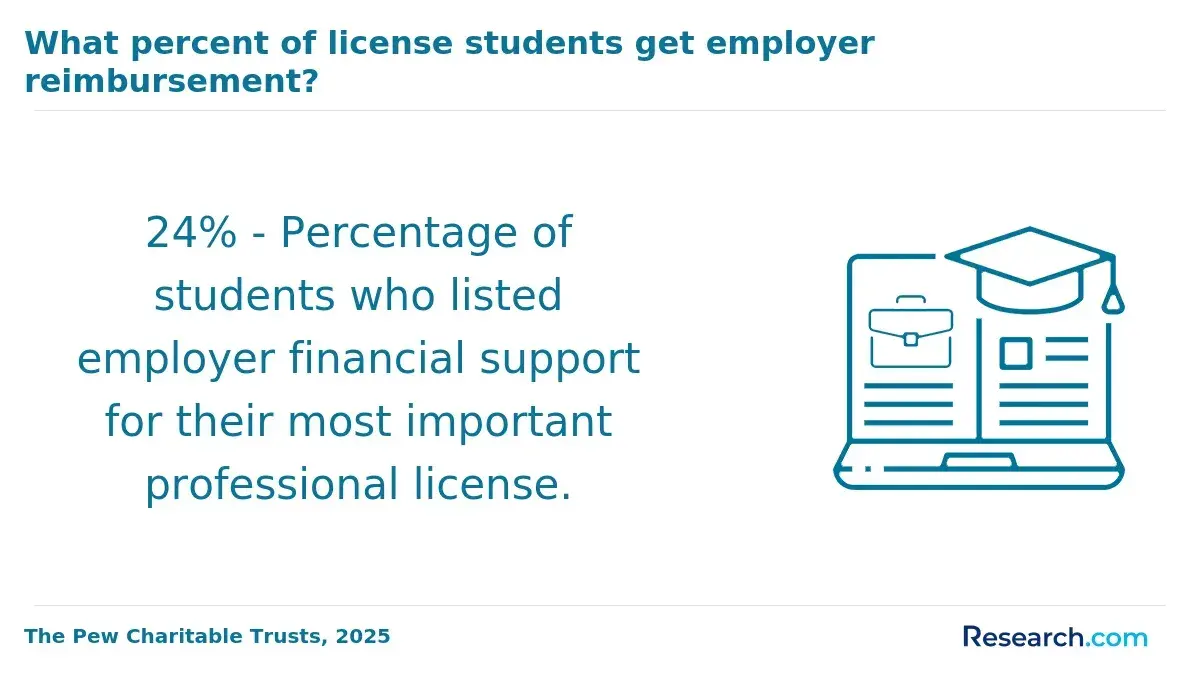
Public policy degree programs are increasingly reshaping curricula to embed artificial intelligence concepts alongside their traditional focus on governance and ethics. According to the 2024 National Center for Education Statistics report, about 65% of U.S. public policy programs now include courses covering AI fundamentals, data analytics, and algorithmic governance. This reflects a response to employer expectations that graduates possess not only analytical skills but also the ability to critically assess AI-driven decision-making frameworks. For example, students might examine case studies where algorithmic bias affected regulatory outcomes, combining technical understanding with ethical evaluation.
Such program developments emphasize interdisciplinary approaches, blending social science with computer science to build fluency in machine learning basics and AI impact assessment without sidelining core policy skills like stakeholder engagement and legislative process. Institutions are partnering with AI-focused organizations to offer experiential learning opportunities, such as policy labs where students apply AI tools in simulated regulatory environments. At the same time, curriculum designers strive to balance technical proficiency with lifelong learning strategies and ethical training to prevent graduates from becoming narrowly specialized technocrats disconnected from societal implications.
This nuanced integration aims to produce public policy professionals capable of navigating complex AI challenges while upholding democratic accountability and equity. The Brookings Institution's recent workforce analysis highlights a 40% rise in job openings requiring data literacy alongside policy expertise, underscoring the importance of hybrid skill sets. Ultimately, degree programs adapting to AI foster judgment that transcends algorithmic outputs, preparing students to engage with evolving technology critically and thoughtfully in high-stakes policy roles.
Which Industries Are Changing Hiring Expectations Most for Public Policy Graduates?
The rate at which AI reshapes hiring demands varies notably across industries, driven by the intensity of AI integration and regulatory complexity. Consequently, prospective public policy graduates meet different expectations depending on whether they target tech startups, government agencies, or healthcare organizations. Imagine a recent graduate weighing offers from financial services and government roles; the skills each employer emphasizes range from AI ethics and governance to cross-sector collaboration and regulatory foresight.
Recognizing these industry-specific priorities can help graduates tailor their skill development more strategically. Below are five sectors where AI-driven shifts are transforming hiring criteria most significantly for public policy graduates.
- Technology: Employers prioritize expertise in AI governance, data privacy, and algorithmic accountability as tech firms lead AI adoption. Public policy graduates must grasp complex regulatory frameworks and ethical implications to guide compliance and strategic initiatives in this fast-evolving environment.
- Healthcare: As AI revolutionizes diagnostics and patient care, specialists who understand the intersection of health policy, AI ethics, and equity are in high demand. Navigating ethical dilemmas and social impacts related to AI-driven tools requires nuanced policy analysis skills.
- Financial Services: The sector increasingly relies on AI for fraud detection, risk modeling, and compliance automation. Graduates proficient in regulatory standards that address AI transparency and risk management hold a competitive edge amid vigorous digitization efforts.
- Government Agencies: Policymakers face pressure to create adaptable legal frameworks that keep pace with technological change. AI governance roles demand interdisciplinary training in law, ethics, and policy to ensure responsible technology deployment across public programs.
- Energy and Environment: Though less discussed, this sector is rapidly integrating AI for monitoring and managing resources. Public policy professionals familiar with AI-driven sustainability initiatives and regulatory compliance are increasingly sought after to balance innovation with environmental responsibility.
A recent public policy graduate shared how she hesitated initially between a government position focused on AI policy and a role at a healthcare nonprofit integrating AI in patient equity programs. Her decision hinged on recognizing that while both sectors valued AI ethics expertise, the healthcare role demanded deeper knowledge of social determinants impacted by AI, which aligned with her passion. She later reflected that understanding these nuanced, sector-specific expectations helped her avoid a common pitfall among graduates: pursuing positions misaligned with evolving industry demands, ultimately positioning her for meaningful work that balanced her skills with real-world AI challenges.
How Is AI Changing Career Growth for Public Policy Professionals?
The speed at which artificial intelligence integrates into different sectors directly affects how industries adjust their hiring expectations for public policy graduates. Some fields rapidly embrace AI-driven analytics and automation, reshaping the required skill sets, while others proceed more cautiously due to regulatory, ethical, or structural complexities.
This uneven pace results from the interplay between technological maturity, organizational readiness, and stakeholder sensitivity. Understanding which industries are most impacted can help public policy professionals target skill development strategically.
Below are key industries where hiring criteria for public policy graduates are adapting most rapidly in response to AI and related technologies.
- Healthcare and Biotechnology: AI's ability to analyze large datasets accelerates health policy design focused on patient outcomes, privacy, and ethical use of algorithms. Employers seek public policy professionals who understand AI-enabled clinical data analysis and regulatory frameworks governing emerging biotech innovations.
- Financial Services: With AI optimizing risk modeling and compliance monitoring, firms demand policy graduates skilled in data science fundamentals and algorithmic transparency. Navigating financial regulations alongside AI ethics is crucial for these roles.
- Environmental and Energy Sectors: The integration of AI in climate modeling and energy distribution creates new policy challenges. Hiring increasingly favors candidates conversant in AI tools for environmental impact assessment and sustainable governance.
- Government and Regulatory Agencies: As AI automates routine tasks, agencies expect public policy professionals to combine traditional governance knowledge with AI literacy to design adaptable regulations and manage socio-technical risks effectively.
- Technology and Telecommunications: In fast-evolving digital infrastructure sectors, public policy roles emphasize understanding AI's influence on privacy, security, and digital equity. Applicants with hybrid skills bridging tech expertise and policy analysis have a competitive edge.
These shifts underscore the importance of building hybrid competencies that reflect AI's growing influence on both technical and ethical dimensions of policy-making. Resources like artificial intelligence degree programs increasingly incorporate such interdisciplinary training. For public policy graduates, mastering this evolving landscape is essential to remain competitive, aligning with documented trends on AI impact on career growth for public policy professionals.
How Should Public Policy Students Prepare for AI-Driven Hiring?
Preparing for AI-driven hiring demands more than obtaining a public policy degree; it requires cultivating a blend of technical expertise, AI literacy, and strong human-centered skills. Employers increasingly seek candidates who not only understand traditional policy analysis but can also navigate complex AI tools and data outputs. As a result, students must develop competencies that bridge technology and strategy while maintaining the ability to communicate nuanced insights clearly. Within this context, here are practical strategies to help public policy students adapt to the evolving job market.
- Develop Digital Literacy: Over 60% of employers emphasize digital and data analysis skills, reflecting AI's expanding role in policy work. Students should engage with data visualization and AI analytics tools to interpret machine-generated insights effectively, making them more competitive in hiring processes focused on AI integration.
- Engage With AI Ethics: Understanding the ethical dimensions of AI deployment is crucial given concerns about bias and accountability. Courses or seminars on AI regulation enhance strategic judgment, preparing students to contribute thoughtfully to governance challenges posed by AI technologies.
- Gain Practical Experience: Internships or projects involving AI applications in public policy serve as real-world scenarios where students can demonstrate adaptability. Hands-on experience develops problem-solving skills and familiarity with AI's impact on decision-making frameworks.
- Enhance Communication Skills: Translating complex AI-generated data into clear, actionable policy recommendations remains essential. Strong communication bridges technical knowledge and stakeholder engagement, a combination highly valued by employers in the AI-influenced hiring landscape.
- Pursue Cross-Disciplinary Learning: Students should complement core policy studies with AI fundamentals, machine learning concepts, and data privacy. This interdisciplinary approach reflects labor market demands observed by the U.S. Bureau of Labor Statistics and prepares graduates for roles requiring hybrid expertise.
For those exploring additional educational pathways, programs like the best online accelerated project management degree can provide valuable skills aligned with AI-driven project oversight and strategic implementation in policy environments.
Ultimately, preparing public policy graduates for AI job market dynamics involves integrating both evolving digital competencies and enduring analytical rigor to meet the distinct demands shaped by artificial intelligence.
How Should Students Choose a Public Policy Program for the AI Era?
Choosing a public policy program today involves more than assessing reputation or cost; it requires careful evaluation of how well programs integrate AI and data analytics to meet evolving employer demands. The 2024 EDUCAUSE Horizon Report reveals that 78% of higher education institutions now embed AI into curricula, showing the growing importance of technical fluency alongside traditional policy expertise.
Graduates must navigate complex data and design solutions informed by AI, making interdisciplinary skills essential. Consider this real-world example: a recent graduate with strong data science experience and ethical training was better equipped to design AI-driven policy models that a traditional policy-only peer struggled to develop. Such outcomes underscore the need to choose programs offering comprehensive preparation. Key factors to evaluate include:
- AI and Data Integration: Programs should embed machine learning, data analytics, and AI applications across courses to ensure practical skills for analyzing complex datasets and forecasting policy impacts.
- Interdisciplinary Collaboration: Look for partnerships with STEM or computer science departments that offer hands-on AI experience, aligning with workforce expectations for hybrid expertise.
- Ethical and Governance Training: Balanced curricula include policy ethics and AI governance frameworks to prepare students for leadership roles addressing AI's societal implications.
- Experiential Learning Opportunities: Internships, labs, and collaborative projects using AI tools provide real-world practice that enhances employability and applied understanding.
- Critical Thinking and Communication: Soft skills focusing on ethical decision-making and communicating complex AI concepts remain vital for effective policy advocacy and stakeholder engagement.
References
- Beyond Academic Credentials: Assessing Competency Assessment Tools https://wenr.wes.org/skilled-immigrants-workforce-integration/beyond-academic-credentials-assessing-the-utility-of-competency-assessment-tools/
- T15P01 - Artificial Intelligence and Public Policy (full) https://www.ippapublicpolicy.org/conference/icpp7-chiang-mai-2025/panel-list/21/panel/artificial-intelligence-and-public-policy/get-panel-pdf-full/1800
- AI Policy Jobs: A Complete Career Guide https://www.peopleinai.com/blog/ai-policy-jobs-guide
- AI & Public Policy Hub - The Policymaker https://thepolicymaker.appi.org.au/ai-public-policy-hub/
- Introduction to policy careers - Emerging Technology Policy Careers https://emergingtechpolicy.org/essentials/introduction-to-policy-careers/
- Want to shape AI policy? Consider working in the US government https://80000hours.org/career-reviews/ai-policy-us-government/
- The impact of AI on entry-level jobs: A graduate perspective - IFOW https://www.ifow.org/news-articles/the-impact-of-ai-on-entry-level-jobs-a-graduate-perspective
- AI Policy https://www.rand.edu/programs/courses/ai-policy.html
- Skills in the Age of AI - Policy Connect https://policyconnect.org.uk/report/skills-age-ai/
- AI Skills for Life and Work: Labour market and skills projections https://www.gov.uk/government/publications/ai-skills-for-life-and-work-labour-market-and-skills-projections/ai-skills-for-life-and-work-labour-market-and-skills-projections
Other Things You Should Know About Public Policy
Yes, many employers now expect public policy graduates to complement their core knowledge with skills drawn from data analysis, economics, or technology fields. This shift means that candidates who have integrated interdisciplinary coursework or practical experience into their education often stand out. Prioritizing programs or experiences that encourage cross-field collaboration can therefore enhance job prospects, though it may require balancing diverse skill development against depth in traditional policy analysis.
Employers in the AI era increasingly favor candidates who can show applied problem-solving abilities through projects that incorporate data-driven insights and real-world policy challenges. While theoretical knowledge remains important, practical experience with tangible outcomes is often more persuasive. Graduates should prioritize internships, capstone projects, or case studies that highlight their ability to leverage AI or data tools in meaningful policy contexts to optimize their competitive profile.
The growing demand for AI fluency and data literacy places additional demands on students to manage both traditional policy frameworks and technical competencies simultaneously. This can intensify workloads and necessitate more strategic learning prioritization, potentially discouraging deep specialization in favor of versatile, hybrid skill sets. Students and educators must weigh the tradeoff between breadth and mastery to avoid overwhelm while aligning with evolving employer preferences.
Targeting organizations that invest in continuous training around AI and emerging analytical methods can be crucial for career longevity and adaptability in public policy roles. Such employers acknowledge the rapid pace of technological change and prefer candidates ready to evolve rather than those with static skill sets. Early-career professionals should therefore consider an employer's commitment to upskilling as a key criterion, possibly even over initial salary or title, to maintain relevance in a shifting job market.