2027 Public Policy Affordability by State: Where Students Pay the Most and Least

Co-Founder and Chief Data Scientist
Choosing between a flagship university with high out-of-state tuition and a regional school offering lower in-state rates poses a critical dilemma for public policy students balancing short-term costs against long-term debt. In 2024, average out-of-state tuition topped $30,000 annually in many states, nearly double in-state charges, prompting students to reconsider relocation or residency adjustments.
This often obscures total attendance costs, as living expenses can erode perceived savings, especially in high-cost urban centers. These financial trade-offs directly affect borrowing requirements, program completion timelines, and early-career stability for public policy graduates.
This article examines state-by-state affordability to highlight where public policy education is most and least accessible financially.
Key Things to Know About Public Policy Affordability by State
- States with lower in-state tuition often have higher living costs or limited financial aid, creating a tradeoff where nominal affordability may inflate total expenses for public policy students relocating there.
- Employers increasingly value internships and local network ties, so attending an affordable out-of-state public policy program might reduce workforce access despite initial cost savings.
- Recent data shows a 7% rise in borrowing among out-of-state public policy students since 2022, highlighting delayed degree completion risks that impact long-term financial burden and access to scholarships.
- Key Things to Know About Public Policy Affordability by State Key Things to Know About Public Policy Affordability by State
- Which States Have the Most Affordable Public Policy Degree Programs? Most Affordable State Programs
- Which States Have the Highest Public Policy Degree Costs? Highest State Tuition Costs
- How Much Does a Public Policy Degree Cost by State? Degree Costs by State
- Why Does Public Policy Affordability Vary So Much Between States? State Affordability Variations
- How Do In-State and Out-of-State Tuition Rates Affect Public Policy Affordability? In-State vs. Out-of-State Rates
- How Does the Cost of Living Impact Overall Public Policy Affordability by State? Living Costs and Affordability
- Which States Offer the Best Value for a Public Policy Degree? Best Value State Degrees
- What Financial Aid and Scholarship Opportunities Can Reduce Public Policy Costs? What Financial Aid and Scholarship Opportunities Can Reduce Public Policy Costs?
- Are Online Public Policy Degree Programs More Affordable Than On-Campus Options? Are Online Public Policy Degree Programs More Affordable Than On-Campus Options?
- Is a Public Policy Degree Worth the Cost Based on Career Outcomes and ROI? Degree ROI and Outcomes
Which States Have the Most Affordable Public Policy Degree Programs?
State-level investment in higher education and tuition-setting policies significantly shape where students find the most affordable public policy degree programs. States like Indiana and Oklahoma offer substantially lower in-state tuition, often below $9,000 annually, due to stronger public university funding frameworks that reduce reliance on student fees. This dynamic creates a meaningful tradeoff: while tuition is lower, students must consider that regional cost-of-living differences and the availability of financial aid—both merit and need-based—vary widely, affecting the overall cost of attendance and long-term financial outcomes for the degree.
Such cost disparities influence enrollment decisions and completion planning, as students from outside low-cost states face higher non-resident rates and fewer residency-based tuition discounts. Those prioritizing affordability might opt for programs in states with multiple public universities competing for applicants, which can keep tuition rates more competitive and offer diversified financial support. Additionally, the expansion of fully online public policy programs complements affordability efforts by lowering living expenses and allowing greater flexibility; students weighing these options may find it productive to explore online SLP programs as a benchmark for how specialized online degrees can align cost with employer expectations in public service fields.
Ultimately, the intersection of tuition rates, residency rules, and state funding priorities means affordability is not uniform and must be evaluated in context. Lower-cost public policy degrees do not automatically equate to higher return on investment without considering program quality and career support mechanisms. Thus, budget-conscious learners who compare tuition alongside post-graduation outcomes and regional economic factors will better position themselves to optimize both educational access and practical long-term benefits from their degree choice.
Which States Have the Highest Public Policy Degree Costs?
States with the highest costs for public policy degrees often reflect broader funding and economic realities rather than arbitrary pricing. Limited state appropriations compel universities, especially in California, New York, and Massachusetts, to increase tuition, sometimes pushing annual in-state fees above $15,000 and exceeding $20,000 in certain areas. When paired with elevated urban living expenses in cities like Boston and San Francisco, the total cost of attendance can surpass $40,000 annually, influencing students' decisions about where to enroll. For many, this means weighing local cost savings against access to established networks and employment hubs that denser, higher-cost regions uniquely provide.
Residency requirements further complicate affordability; out-of-state students frequently face tuition rates nearly double those of residents, intensifying financial strain for those relocating. These disparities often force learners to consider alternative strategies, such as online study options or targeting states with stronger public funding and lower living expenses. While programs in expensive states may offer tangible advantages through faculty expertise and employer connections, students must critically assess whether potential debt burdens align with their expected career trajectory and personal financial tolerance.
A recent graduate recalled grappling with these costs while choosing between a prestigious program in a high-cost state and a more affordable in-state university with a less prominent public policy department. Though tempted by the reputation and opportunities of the former, concerns about out-of-state tuition and housing pushed them to explore hybrid options and apply aggressively for scholarships. Their caution reflected uncertainty about whether higher expenses would translate into commensurate career benefits or simply extend repayment periods, highlighting the nuanced decisions students face beyond sticker prices.
How Much Does a Public Policy Degree Cost by State?
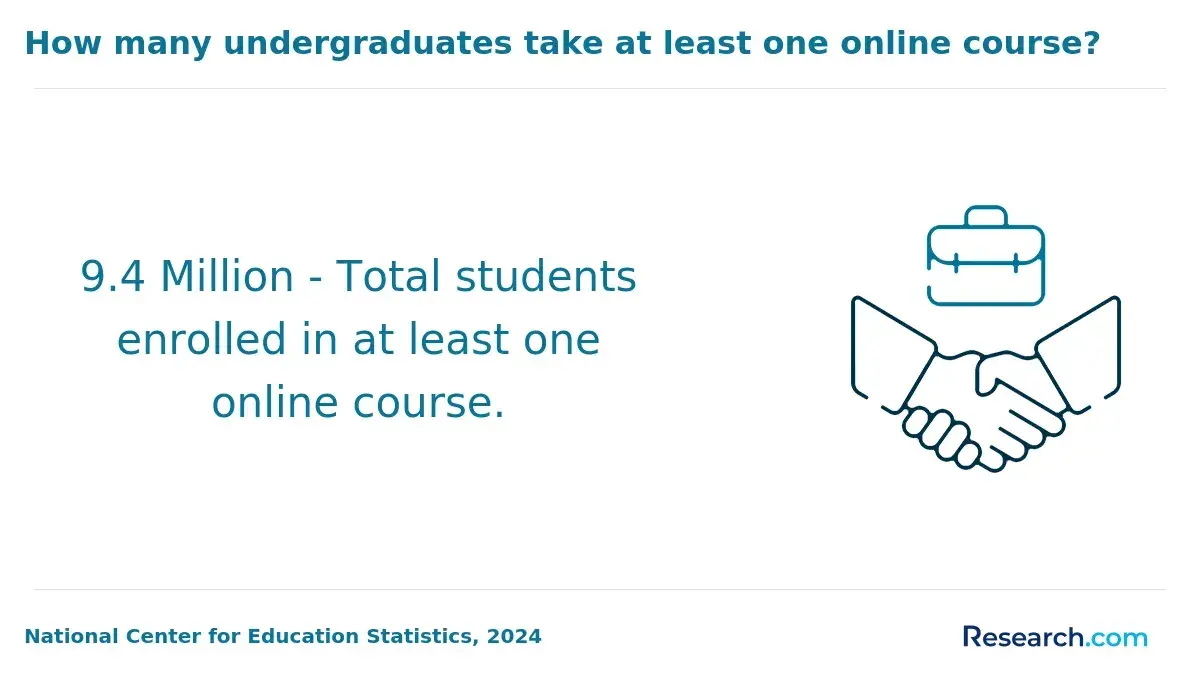
Public policy degree costs differ substantially by state due to diverse tuition models, institutional funding, and regional economic conditions, all of which directly impact student financial planning and career-related decisions. For example, while average in-state tuition hovers around $10,500 annually nationally according to 2024 data from the National Center for Education Statistics, students in states like California or New York face bills exceeding $15,000, reflecting higher operational expenses and urban living costs.
Non-resident students contend with even steeper premiums, sometimes more than doubling in-state rates; Massachusetts out-of-state tuition surpassing $30,000 exemplifies how residency status can dramatically alter affordability and borrowing needs.
These disparities extend beyond sticker price, influencing where students choose to enroll and whether relocating or online study options are viable alternatives to minimize debt burdens. Public institutions usually offer more favorable pricing to residents, but states with stronger financial aid infrastructures—such as Georgia and Texas—effectively reduce net expenditures for in-state attendees, shaping both accessibility and retention in public policy programs.
Conversely, private colleges impose uniform, often higher tuition regardless of state ties, prompting cost-benefit analyses centered on program reputation, career placement potential, and long-term salary trajectories to justify upfront investments.
Ultimately, prospective public policy students must weigh state-specific tuition factors alongside local labor market demands and cost of living to strategically align their educational choices with career outcomes.
States with lower tuition but limited program resources or smaller economies may require additional consideration of internship and employment opportunities post-graduation. Incorporating these financial and practical variables into degree planning clarifies the real value and tradeoffs inherent in selecting a public policy educational path across different states.
Why Does Public Policy Affordability Vary So Much Between States?
State funding decisions profoundly shape the affordability of public policy degree programs, with higher per-student allocations often translating to lower in-state tuition and reduced financial strain for residents. For instance, states like Wyoming that allocate substantial budgets to public higher education enable more affordable pathways compared to states such as Nevada, where funding is tighter.
Residency policies further complicate this landscape by creating a sharp tuition divide between in-state and out-of-state students, which can reroute enrollment patterns and influence whether students pursue local programs, transfer, or opt for online options. The National Center for Education Statistics 2024 report highlights how these structural funding differences directly affect the financial calculus facing prospective students.
Local economic conditions and institutional priorities also lead to wide cost disparities. In areas with high living costs like Massachusetts, nominal tuition fees reflect the operational realities universities face, imposing higher overall expenses on students. Additionally, flagship institutions in large states frequently apply tuition premiums driven by enrollment demand and program prestige, which smaller regional schools might avoid but at the cost of fewer academic offerings.
Access to financial aid remains uneven across states, and its availability is a critical factor in net affordability, especially for lower-income applicants navigating the often complex decisions tied to the public policy degree cost differences by state.
Students comparing programs must weigh these cost variables alongside long-term considerations such as employability and career trajectories. For budget-conscious learners, exploring options like online degrees or in-state enrollment can mitigate expenses, although this may involve tradeoffs in specialization and networking opportunities.
Those assessing pathways might find resources like the cheap online business degree listings helpful to parallel affordability strategies beyond traditional public policy routes, emphasizing the importance of strategic planning when navigating state factors affecting public policy affordability.
How Do In-State and Out-of-State Tuition Rates Affect Public Policy Affordability?
Residency-based tuition policies profoundly shape the financial feasibility of pursuing a public policy degree, often dictating whether a program is realistically accessible. With average in-state tuition at public institutions around $10,500 annually versus $27,000 for out-of-state students, according to 2024 National Center for Education Statistics data, the gap can drastically alter a student's education budget.
This compels many to weigh the cost of relocating or attempting to establish residency against the higher tuition premium, especially since some states offer reciprocity agreements that partially mitigate these expenses for regional neighbors. Additionally, eligibility for state financial aid frequently hinges on residency status, which can reinforce the affordability gap and influence which programs students seriously consider.
For students who struggle to meet residency criteria or enroll as out-of-state attendees, online public policy offerings have become a strategic option, often featuring uniform tuition regardless of location and relieving the financial burden linked to housing and relocation. Still, students must balance these savings against the potential limitations in networking and local employment connections that often accompany distance education.
Public versus private institution tuition models also factor into decision-making, as private colleges typically do not differentiate rates by residency, potentially making out-of-state public tuition less competitive when considering total cost. Ultimately, navigating residency rules, regional policies, and program delivery formats requires deliberate assessment of both short-term costs and longer-term career and geographic mobility implications.
One recent graduate recalled initially planning to move to a neighboring state with lower in-state tuition rates but hesitating after discovering the complexity of residency reclassification and its one-year requirement before gaining lower tuition eligibility. Faced with paying full out-of-state tuition at a nearby flagship public university, the graduate weighed the financial strain against the benefits of attending a well-regarded in-state program with substantial state-funded scholarships.
Although the out-of-state tuition was a shock, the graduate ultimately considered the decision worthwhile given the local internship opportunities tied directly to the program's extensive public sector connections, underscoring how nuanced and situational these affordability decisions can be for public policy students.
How Does the Cost of Living Impact Overall Public Policy Affordability by State?
Housing costs can greatly skew the perceived affordability of earning a public policy degree, with states like California and New York imposing significantly higher expenses that often double students' overall financial burden compared to lower-cost states such as Mississippi or Arkansas. These disparities extend beyond tuition, influencing crucial decisions such as whether to pursue local enrollment, live on campus, or opt for remote study to mitigate high rent and utility prices.
For budget-conscious learners and families comparing regional living expenses and public policy education costs in the US, factoring in transportation becomes essential, as limited public transit in rural or lower-cost states can offset lower housing costs through increased commuting expenses and vehicle maintenance.
Food prices and healthcare premiums add another layer of complexity, with urban centers frequently charging more for groceries and medical coverage than their rural counterparts. These factors affect students' capacity to balance work and study, especially given varying local wage conditions and employment opportunities that influence financial aid needs and debt exposure.
Prospective students should also consider how these cost-of-living effects on public policy degree affordability by state impact long-term enrollment choices and degree-completion strategies, including the value proposition of programs available through different modalities.
For those exploring options beyond public policy, insights from related fields—including an analysis of a social media marketing degree—illustrate similar regional affordability dynamics that can inform cross-disciplinary planning.
Which States Offer the Best Value for a Public Policy Degree?
Evaluating the value of a public policy degree across states requires more than just comparing sticker tuition prices; it demands a nuanced look at in-state tuition eligibility, state-specific financial aid programs, and regional economic conditions affecting employability. For example, Wyoming's low in-state tuition of around $5,000 annually makes it financially accessible, but without a strong local job market or robust degree completion rates, the net benefit may be muted.
Conversely, North Carolina combines moderate tuition costs with a 62% six-year graduation rate and a public sector closely aligned with public policy careers, enhancing return on investment despite somewhat higher costs. This illustrates that affordability must be weighed alongside graduation outcomes and local demand to assess true value.
Public higher education funding and institutional support also shape long-term outcomes. States like Minnesota, which invest significantly in per-student funding, tend to offer smaller class sizes and better academic advising, helping reduce time to degree and improving postgraduate earnings by roughly 10% above the national median for public policy graduates, according to 2024 labor data.
By contrast, states with high tuition and excise living expenses like California and New York can impose financial burdens that extend degree completion timelines, elevate student debt, and ultimately lower net gains despite prestigious institutions and strong job markets. Prospective students should consider not only the base tuition but also the total cost of attendance and the interplay between institutional resources, workforce alignment, and personal circumstances when choosing where to study public policy.
What Financial Aid and Scholarship Opportunities Can Reduce Public Policy Costs?
Financial aid availability and structure significantly shape where and how students can afford a public policy degree, with about 85% of undergraduates leveraging some form of assistance according to the National Center for Education Statistics 2024 data. Federal programs like Pell Grants provide critical support but are tightly linked to family income and enrollment status, often disadvantaging part-time students who must balance work and study. Meanwhile, state grants can make or break affordability depending on residency—attending an in-state public university in states with well-funded grants like California or New York materially lowers costs, whereas states with limited support leave students facing steeper net expenses.
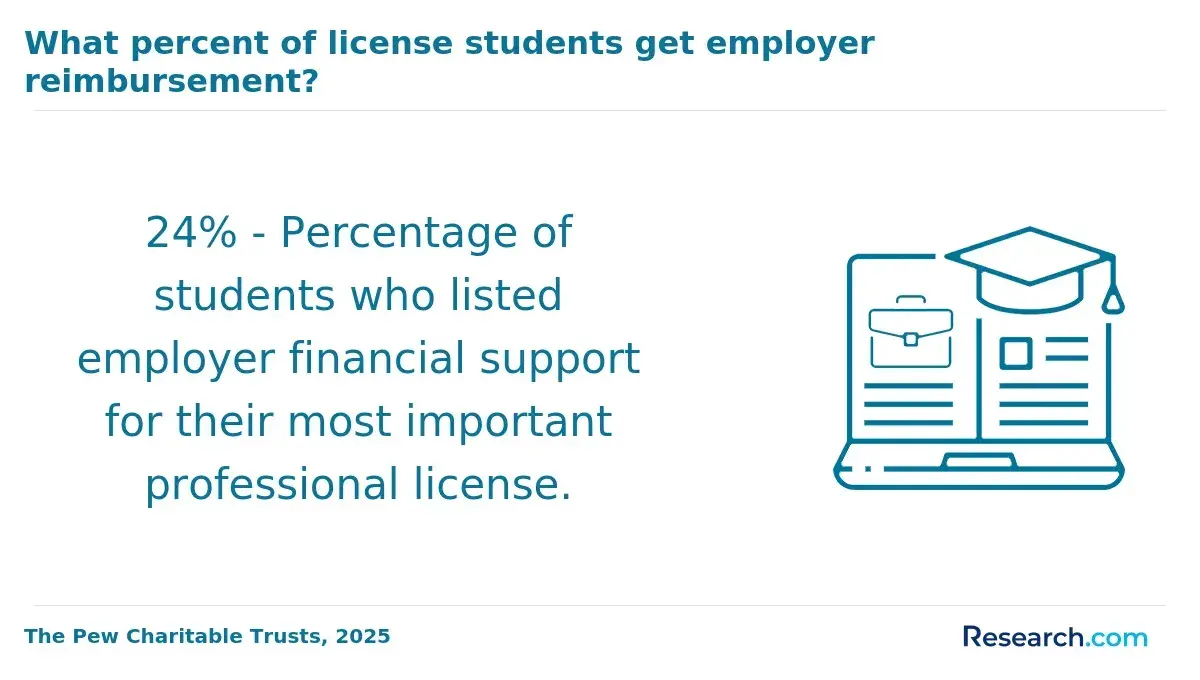
Institutional scholarships introduce additional complexity; merit-based awards disproportionately favor high-achieving students and may not fully address financial need, constraining access for lower-income applicants. Tuition reciprocity agreements such as the Academic Common Market allow some students to circumvent prohibitive out-of-state tuition by paying in-state rates elsewhere, a strategic option for those in states with limited program availability. Employer tuition reimbursement, though less widely utilized, offers another pathway to reduce debt for public policy graduates entering government or nonprofit sectors but requires navigating eligibility criteria and employer-specific policies.
Navigating these aid sources requires close attention to residency qualifications, application deadlines, aid renewal conditions, and how different supports stack or exclude one another, making thorough, state-by-state financial planning essential for those aiming to minimize long-term educational debt.
Are Online Public Policy Degree Programs More Affordable Than On-Campus Options?
An online public policy degree comparison reveals that the perceived cost advantage of online programs depends heavily on multiple factors, including tuition structures, residency policies, and individual expenses beyond tuition. While online tuition can be 15-25% lower than in-person rates—as confirmed by a 2024 NCES report—students must consider technology fees and the financial burden of acquiring reliable hardware or software. For example, a working professional maintaining full-time employment while enrolled in an asynchronous online program may save substantially on lost wages compared to a traditional on-campus learner restricted by fixed schedules, which affects the true affordability calculus in a meaningful way.
Cost differences between online and on-campus public policy programs extend well beyond sticker price, influenced by ancillary costs like housing, commuting, and meal plans for campus students that often add thousands annually. However, on-campus learners typically have more direct access to institutional scholarships and work-study programs, which can offset higher fees, whereas online students may face limitations accessing these resources despite greater scheduling flexibility.
Prospective students should carefully assess how state residency rules and program delivery formats impact both tuition and financial aid possibilities, especially in high-fee states where online degrees may present a notably cost-effective alternative. Considering these tradeoffs is critical for budget-conscious learners navigating where and how to pursue a public policy degree most strategically, with practical implications for both short-term affordability and long-term career investment.
Students particularly interested in balancing military obligations or unique scheduling needs may find valuable options among the most recognized military friendly universities online, which often tailor cost and program delivery to meet flexible enrollment demands. Understanding these nuances ensures realistic expectations about employer recognition and program quality across delivery modes, which is essential when choosing between online and campus-based public policy routes under varying financial and personal circumstances.
Is a Public Policy Degree Worth the Cost Based on Career Outcomes and ROI?
Evaluating the return on investment for a public policy degree requires looking beyond tuition costs to include state-level affordability, graduation rates, and long-term career trajectories. For instance, students in states like California or Texas often experience better financial outcomes due to lower in-state tuition and stronger completion rates, which reduce the overall debt burden—a critical factor given that social science graduates frequently carry $30,000 to $40,000 in student loans, according to Federal Reserve Bank of New York data.
Public policy degree career outcomes in the United States vary considerably, as median salaries around $60,000 depend heavily on sector, location, and additional credentials, making program choice and geographic mobility key considerations in financial planning.
Choosing a high-cost program without clear alignment to local labor market demand or career goals may limit financial flexibility, especially since policy analyst roles, while growing at 7% annually, often require graduate-level education for advancement. Students must also factor in opportunity costs and program quality when comparing pathways, weighing prospects against the debt they assume. Budget-conscious learners should explore all options, including related degrees or specialized certifications such as an online cybersecurity bachelor degree for veterans, which may provide alternative routes into government or nonprofit sectors with different economic profiles.
Ultimately, return on investment for a public policy degree is nuanced and highly dependent on individual circumstances; prospective students must assess how tuition, graduation success, regional employment conditions, and long-term professional plans interact. Those prioritizing affordability and strong completion metrics often achieve better economic footing upon entering the workforce. This practical approach is essential for candidates navigating the variable landscape of public policy education costs and outcomes.
References
- College Affordability Still Out of Reach for Students with Lowest Incomes, Students of Color https://www.ihep.org/college-affordability-still-out-of-reach-for-students-with-lowest-incomes-students-of-color/
- Making College Affordable: Providing Low-Income Students with the Knowledge and Resources Needed to Pay for College - Jack Kent Cooke Foundation https://www.jkcf.org/research/making-college-affordable-providing-low-income-students-with-the-knowledge-and-resources-needed-to-pay-for-college/
- 50 Shades of Housing: State Approaches to the Crisis - The New Localism https://www.thenewlocalism.com/newsletter/50-shades-of-housing-state-approaches-to-the-crisis/
- How much do in-state students pay in tuition and fees to attend four-year public universities? - APLU https://www.aplu.org/our-work/4-policy-and-advocacy/publicuvalues/college-costs/
- Regional Price Parities by State and Metro Area https://www.bea.gov/data/prices-inflation/regional-price-parities-state-and-metro-area
- Tuition and Financial Support https://www.rand.edu/programs/mphil-policy-analysis/funding-your-mphil.html
- Cost of Living Index by State 2026 https://worldpopulationreview.com/state-rankings/cost-of-living-index-by-state
- Trending State Public Policy Issues - Bloomberg Government https://about.bgov.com/insights/state-government/state-policy-trends-to-watch/
- The Importance of the Cost of Living and Policies to Address It https://www.goldwaterinstitute.org/the-importance-of-the-cost-of-living-and-policies-to-address-it/
- This map shows how cost of living varies by state https://finance.yahoo.com/personal-finance/banking/article/cost-of-living-by-state-map-164246259.html
Other Things You Should Know About Public Policy
Lower tuition states often have fewer resources for hands-on learning like policy labs, internships, or partnerships with government agencies. While affordability is important, paying slightly more for a program with strong experiential opportunities can offer practical skills and networking advantages that significantly enhance employability. Students should compare not just sticker price but what the program's real-world engagement looks like, since this affects readiness for policy analysis roles and career advancement.
More affordable public policy programs sometimes have heavier course loads or compressed timelines to reduce overall educational costs. This can increase student stress and limit time for internships or part-time work, which are critical for building experience. Conversely, higher-cost programs might spread requirements out, allowing deeper engagement but at a financial premium. Students balancing work, family, and finances should prioritize programs whose structure realistically fits their capacity to complete on time without burnout.
Employer expectations vary geographically and by sector; some regions prioritize graduates from high-profile institutions regardless of cost, while others emphasize demonstrated skills and local policy knowledge. Graduates from more affordable programs may need to supplement their education with internships, certifications, or localized expertise to remain competitive. Prospective students should research regional job markets to understand whether affordable degrees align with employer preferences or if additional qualifications will be necessary.
Choosing a program strictly for low cost can risk missing out on critical aspects like curriculum relevance, faculty expertise, or alumni networks that facilitate career growth. While budget constraints matter, prioritizing programs that offer strong career services and alignment with desired policy sectors-public health, urban planning, environmental regulation, etc.-generally yields better post-graduation outcomes. Affordable options are best when paired with strategic choices about program strengths and professional fit rather than cost alone.