2027 Public Policy Degree Oversupply or Undersupply? Student Volume vs Employer Demand

Co-Founder and Chief Data Scientist
A mid-career professional with a master's in public policy weighs going back to school amid signs of shifting demand. Recent data from the U. S. Bureau of Labor Statistics shows that public policy-related roles are projected to grow just 3% by 2028, which is below the average for comparable social science fields. Meanwhile, university enrollment in public policy programs has risen 12% since 2020, intensifying competition for a limited number of openings. Geographic disparities further complicate hiring, with urban centers concentrating most policy jobs while graduates in smaller regions face scarce opportunities. This mismatch risks degree devaluation and underemployment.
Policyholders, educators, and students must understand the delicate balance between graduate output and actual employer needs. This article will compare public policy student volume with employer demand, job growth, industry requirements, regional hiring conditions, and skill gaps to clarify whether the field offers sustainable opportunities or mounting competition.
Key Things to Know About Public Policy Graduate Supply and Employer Demand
- Graduate completions in public policy rose 12% since 2020, outpacing a 5% growth in relevant job openings, signaling increased competition primarily for entry-level roles in saturated urban centers.
- Employers emphasize specialized skills in data analytics and regulatory expertise, creating demand pockets that favor graduates with focused competencies over generalist public policy degrees.
- Extended program durations and rising tuition pose a timing and cost tradeoff, pressuring students to weigh slower return on investment against niche sector opportunities concentrated in government and non-profits.
- Key Things to Know About Public Policy Graduate Supply and Employer Demand Key Things to Know About Public Policy Graduate Supply and Employer Demand
- Is There an Oversupply or Undersupply of Public Policy Graduates? Graduate Oversupply or Shortage
- How is Public Policy Degree Enrollment Changing? Degree Enrollment Trends
- How Many Public Policy Graduates Enter the Workforce Each Year? Annual Graduate Workforce Entry
- Does Job Growth Support the Rising Supply of Public Policy Graduates? Job Growth Versus Supply
- How Competitive is the Entry-Level Market for Public Policy Graduates? Entry-Level Market Competition
- Which Industries Have the Greatest Demand for Public Policy Graduates? Top Hiring Industries
- Where are Public Policy Graduates Most in Demand? Top Geographic Demand
- Which Public Policy Specializations and Degree Levels Face the Strongest Demand? Which Public Policy Specializations and Degree Levels Face the Strongest Demand?
- Are Employer Skill Gaps Affecting Demand for Public Policy Graduates? Are Employer Skill Gaps Affecting Demand for Public Policy Graduates?
- What is the Future Supply-and-Demand Outlook for Public Policy Graduates? Future Supply-Demand Outlook
Is There an Oversupply or Undersupply of Public Policy Graduates?
Current labor market data suggests that the volume of public policy graduates nationally roughly matches employer demand, but this alignment masks significant regional and sectoral discrepancies. While integrated data systems show a moderate rise in degree completions over recent years, metropolitan hubs like Washington, D.C., exhibit heightened competition for mid and senior-level roles due to concentrated government and think tank activity. Conversely, states with fewer qualified graduates face challenges filling specialized roles in areas such as environmental regulation or health policy, illustrating how generalized oversupply narratives can obscure localized shortages and critical skill gaps.
The interplay between degree level and employer expectations further shapes workforce dynamics. Master's graduates generally find more favorable prospects since advanced analytical and leadership skills are often prerequisites, whereas bachelor's degree holders encounter stiffer competition intensified by preference for best 1 year PhD programs online or relevant experience.
Moreover, shifts in occupational demand increasingly favor candidates with cross-disciplinary expertise, including data analytics and economics, reinforcing that supply-demand balance in public policy hinges not just on headcount but on the evolving match between skills and job requirements. Prospective students weighing enrollment growth and regional demand trends should consider these factors carefully, as illustrated by current research on online psychology degree programs that highlight credential specificity's role in employability.
How is Public Policy Degree Enrollment Changing?
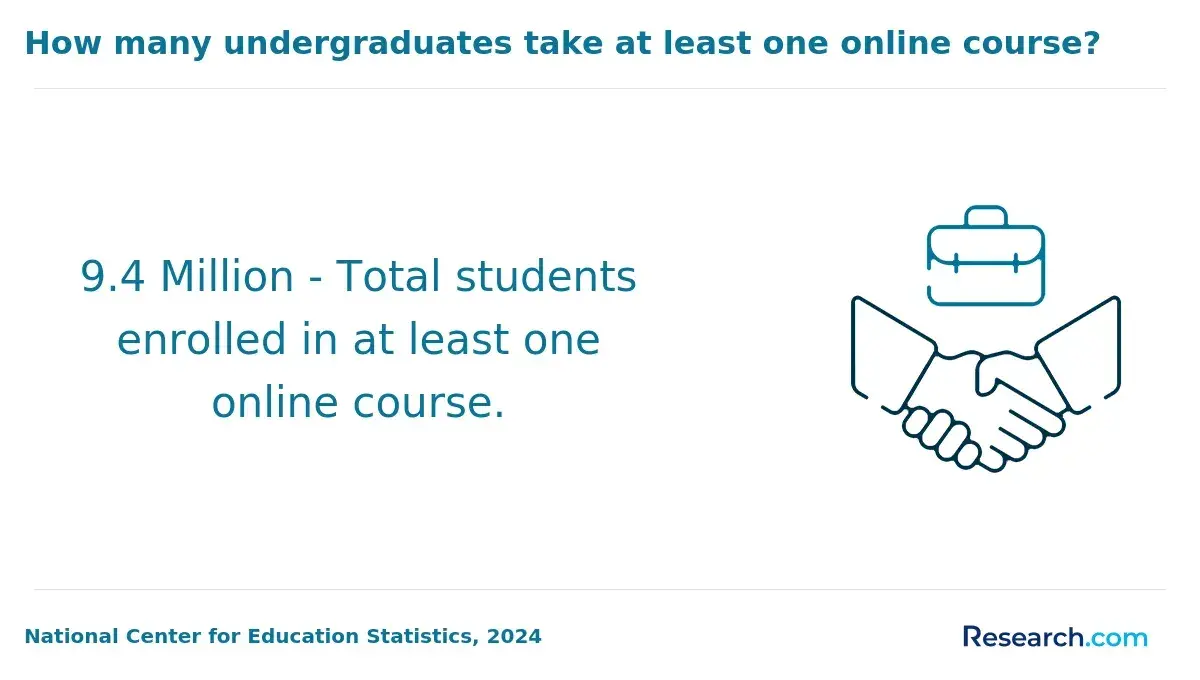
Shifts in public policy degree enrollment reveal a complex balance between graduate supply and employer demand rather than clear oversupply or shortage. While bachelor's programs experience slight declines, likely reflecting broader undergraduate trends and wavering interest, master's-level enrollment and completions have risen by about 7% in recent years, driven by working professionals attracted to flexible online and hybrid formats. This growth, noted in data from the National Center for Education Statistics and IPEDS for 2024, suggests that labor markets in urban and policy-intensive regions may absorb additional qualified candidates, but even those markets face localized competition. As a result, relying solely on national enrollment totals risks masking regional saturation or shortages, especially as demographic shifts increase diversity and influence career trajectories.
The expansion of online master's programs offers greater accessibility but introduces tradeoffs, such as variable employer recognition of credentials tied to delivery format and uneven specialization saturation. Employers in some sectors report difficulty filling niche roles despite more graduates, while others confront heightened applicant competition, underscoring the importance of aligning credential choices with realistic local demands and personal career goals. This uneven landscape demands nuanced decision-making, since escalating enrollment does not guarantee expanded job opportunities, and declining undergraduate interest might reflect either reduced demand or a strategic shift toward advanced skill acquisition.
A current master's student in public policy recounted how her program's cohort size increased noticeably over two years, particularly in fully online tracks, altering the classroom dynamic and raising questions about post-graduation job prospects. She appreciated the convenience of remote learning but recognized that more peers pursuing similar roles could heighten competition, especially within government agencies in her region. The student expressed a cautious optimism, noting that while expanded access to the degree is positive, she remains attentive to emerging employer preferences and regional labor conditions to avoid overestimating demand based on enrollment growth alone.
How Many Public Policy Graduates Enter the Workforce Each Year?
The annual number of public policy graduates entering the U.S. workforce does not straightforwardly indicate either oversupply or shortage in the field, as employment outcomes depend heavily on timing, specialization, and labor market segmentation. Data from the National Center for Education Statistics and the Integrated Postsecondary Education Data System in 2024 show roughly 8,000 to 10,000 graduates earn bachelor's and master's degrees related to public policy each year, but this figure combines multiple degree types, program emphases, and delivery modes, including online. Many graduates delay entering policy-focused roles immediately, pursuing internships, further education, or work in adjacent sectors, which complicates direct comparisons to immediate labor demand or vacancy data.
While government, nonprofits, and research organizations absorb a majority of graduates within the first year after finishing their degrees, the pool of specialized job openings remains limited relative to total degree awards. Employers often seek candidates with practical experience, data analysis proficiency, or sector-specific knowledge, resulting in competitive hiring environments where not all graduates qualify equally for core policy analysis or legislative support roles. Regional hiring trends further affect opportunities, as some localities maintain higher demand for public policy skill sets, whereas others face tighter labor market conditions or prioritize internal promotions over external hiring.
Interpreting graduate volumes without accounting for replacement demand, evolving employer requirements, and the delay between graduation and employment can mislead stakeholders about workforce balance. Unlike fields with standardized credential-to-job pipelines, public policy's interdisciplinary nature means graduates compete across a broad spectrum of roles, diluting apparent oversupply. Consequently, realistic workforce planning should integrate nuanced labor market data rather than rely solely on degree production statistics to assess alignment with employer demand and long-term employment outcomes.
Does Job Growth Support the Rising Supply of Public Policy Graduates?
Employment projections show steady growth in policy-related roles, but this pace often does not align with the surge in public policy graduate output. While openings expand at around 5% annually according to the U.S. Bureau of Labor Statistics, many programs report graduate increases exceeding 8-10%, creating a notable mismatch between labor supply and employer demand. This imbalance is compounded by many entry-level positions favoring candidates with specialized skills or relevant experience, limiting new graduates' immediate access to jobs and increasing competition, especially in regions without dense government or nonprofit sectors.
Geographic and specialization factors strongly influence this dynamic, with areas that have concentrated public sector and NGO presence offering better opportunities, particularly in fields like data analytics and program evaluation. However, many graduates face underemployment or stagnating wages in more saturated markets. Replacement demand due to retirements can soften the supply pressure in slower-growing niches, but reliance on turnover-driven openings may mask limited net job creation. Prospective students and current degree holders should weigh these factors carefully rather than assuming a straightforward relationship between a public policy degree and job availability.
Given this complexity, strategic decisions around graduate training and career entry-including acquiring practical experience and flexible relocation-become essential. For those considering related fields or skills acquisition, exploring alternatives such as a fully online engineering degree might offer more predictable labor market returns in some cases. Understanding the nuanced labor market realities rather than relying solely on headline growth figures is critical for realistic career planning in public policy.
How Competitive is the Entry-Level Market for Public Policy Graduates?
The entry-level job market for public policy graduates in 2024 reflects a complex interplay between graduate output and employer demand, producing varied competition intensity based on location, sector, and candidate qualifications. While job openings have shown modest growth in government and nonprofit sectors, many positions require prior experience or skill sets beyond a general policy degree. This dynamic results in elevated competition levels-averaging 15-20 applicants per opening-significantly higher than some STEM disciplines but below more saturated social science fields. These factors contribute to a scenario where supply of graduates often outpaces fully suitable entry-level roles, but regional and sector-specific demand occasionally creates pockets of opportunity. The following factors are central to understanding hiring challenges.
- Applicant Saturation:The volume of public policy graduates exceeds new entry-level roles, leading to intense applicant pools. Job seekers should critically evaluate local graduate rates against vacancy growth to gauge realistic prospects.
- Experience Prerequisites:Many postings require internships or fellowships, restricting access to candidates lacking hands-on exposure. Graduates must weigh how quickly they can acquire applied experience to remain competitive.
- Sectoral Demand Variance:Government and nonprofit fields show modest expansion, while private sectors remain selective. Awareness of these disparities helps tailor job searches for better alignment.
- Geographic Concentration:Major metropolitan and federal hubs present more openings but draw higher competition; smaller markets offer fewer roles but sometimes lower applicant volume, influencing location-based decisions.
- Specialization Benefits:Expertise in data analysis, regulatory navigation, or economics enhances attractiveness, as employers prioritize interdisciplinary skills over generalist credentials.
- Remote Work Impact:Remote positions have broadened applicant pools nationwide, intensifying competition beyond traditional regional boundaries.
- Skill Demonstration:Effective communication and quantitative research abilities remain critical filters in recruiting, making practical skill portfolios essential for advancing past initial screenings.
A recent public policy graduate described their job search in a competitive federal hub marked by numerous applicants meeting baseline qualifications. Despite holding multiple internships, they encountered repeated requests for even more specialized experience in data analysis or regulatory affairs during interviews. Steering away from congested metropolitan postings, they cautiously expanded their search to smaller state agencies with fewer applicants, albeit accepting roles initially unrelated to their preferred focus. This strategy reflected a pragmatic response to a crowded entry-level market, balancing persistence with willingness to reorient career expectations while awaiting stronger opportunities.
Which Industries Have the Greatest Demand for Public Policy Graduates?
Employer demand for public policy graduates tends to cluster in sectors where policy knowledge intersects with regulatory complexity and strategic implementation. Understanding which industries offer both volume and realistic advancement prospects requires analyzing hiring patterns, competition levels, and the specialized skills sought. For example, a graduate weighing roles in government versus consulting might find more openings in federal agencies but face less competition or higher skills expectations in consulting. These tradeoffs highlight why job availability alone does not correspond directly to easy entry or long-term career growth. The strongest demand aligns with environments requiring constant policy interpretation, stakeholder coordination, and evidence-based decision-making. Below are key industries generating the greatest employment opportunities for public policy graduates.
- Government Agencies: These remain the largest employers due to their role in developing and enforcing regulations across multiple policy areas. Entry-level positions often involve program coordination or policy analysis with progression to management or specialist roles requiring legal, budgetary, and compliance expertise.
- Nonprofit Sector: Organizations focused on social services, environmental advocacy, and education seek policy graduates to design programs and lead advocacy. Demand here hinges on demonstrated impact measurement and community engagement skills, though funding fluctuations may affect job stability.
- Regulated Corporations: Healthcare, energy, and finance companies increasingly hire policy-trained professionals to navigate compliance and corporate social responsibility. Roles prioritize policy translation into business strategy, requiring skills in regulatory affairs, risk management, and stakeholder communication.
- Consulting Firms: These employers value rapid policy analysis and data-driven recommendations. Competition is fierce, and success depends on advanced skills like economic modeling and quantitative analytics alongside traditional policy knowledge.
- Education and Research Institutions: Gradually expanding in demand, these institutions require policy expertise for curriculum development, policy impact evaluation, and grant writing, favoring graduates with strong research credentials and academic experience.
Graduates must assess these industry dynamics in light of the practical realities of competition, required credentials, and regional labor-market conditions. Those considering interdisciplinary or complementary training, as seen in sectors like regulated corporations or consulting, often improve long-term prospects. For individuals seeking further specialization, exploring related fields such as sports management online programs can broaden career options tied to public policy's intersection with regulated industries.
The analysis reflects current public policy graduate job demand by industry while helping clarify where supply may face surpluses or deficits in the employment landscape.
Where are Public Policy Graduates Most in Demand?
National employment statistics for public policy graduates often obscure significant regional disparities in demand and competition. While metropolitan hubs like Washington D.C. concentrate a dense cluster of federal agencies, think tanks, and advocacy groups, this high employer density comes with intense applicant competition and elevated living costs. For instance, a graduate weighing a move to D.C. must balance the advantage of numerous job openings against substantial competition and housing expenses, while those opting for less saturated secondary hubs such as Boston or parts of California might find fewer roles but lower cost pressures and potentially less rigid credential expectations.
Public policy job availability is tightly linked to geographic factors such as the presence of government institutions, nonprofit ecosystems, and consulting firms specialized in social and regulatory sectors. Rural and smaller states typically report an oversupply of public policy graduates relative to openings, creating challenges in gaining traction without specialization or willingness to relocate. Meanwhile, increasing demand in states like Virginia and Maryland aligns with expanding state-level policy initiatives in healthcare and environmental regulation, though remote work options remain limited and variable by employer sector. Graduates aiming for meaningful employment should prioritize regions where their specific skills-such as data analytics blended with policy expertise-match emerging market niches rather than gravitating solely by headline job counts.
Which Public Policy Specializations and Degree Levels Face the Strongest Demand?
The current labor market for public policy professionals reveals that demand is concentrated in specific subfields and degree levels, rather than being evenly spread across all specializations. Employers increasingly prioritize candidates with practical, interdisciplinary skills that respond to real-world challenges in technology, health, environment, and data analytics. For example, a master's graduate focused on health policy may find significantly more openings in government and hospital systems compared to a bachelor's degree holder with a generalist public policy background, who may face more competition and restricted entry-level roles. The 2024 National Center for Education Statistics data align with this, indicating that while master's degree holders are growing in number, demand outpaces supply in several key subfields. The following key points highlight where employer interest is strongest:
- Health Policy Master's: High demand exists in government agencies and healthcare organizations due to expanded public health infrastructure needs. Candidates with a master's and relevant certifications often qualify for analyst and managerial roles.
- Environmental Policy Specialists: Driving forces include climate-focused regulations and sustainability initiatives. Experts with advanced degrees in environmental or energy policy are preferred for strategic roles in public and private sectors.
- Data Analytics for Policy: Employers seek professionals skilled in quantitative analysis, data interpretation, and policy modeling. These roles typically require graduate-level training with strong technical competencies.
- Social Policy Experts with Advanced Degrees: Social services agencies and nonprofits favor candidates with master's or doctoral credentials who possess both theoretical frameworks and applied experience.
- Bachelor's Degree Holders: Often face a crowded market and need supplemental credentials or specialized skills to compete effectively, limiting movement beyond entry-level posts.
- Doctoral-Level Roles: Positions tend to be highly specialized in research or high-level advisory capacities. While fewer in number, these roles value niche expertise and academic credentials.
Are Employer Skill Gaps Affecting Demand for Public Policy Graduates?
The current labor market for public policy graduates is less about an absolute shortage of candidates and more about a discrepancy between employer skill expectations and the qualifications that graduates typically bring. Employers increasingly seek candidates with applied experience in data analytics, digital proficiency including programming languages like Python or R, and familiarity with industry-specific tools, which often goes beyond traditional policy education. For example, hiring managers in urban centers report numerous unfilled roles despite a steady supply of graduates, because many candidates lack targeted technical competencies or credentials that directly support role demands. Misreading such demand as a mere oversupply risks overlooking these nuanced skill gaps that shape real hiring outcomes.
Regional demand for skilled public policy professionals often reflects these competency mismatches, with complex, interdisciplinary roles driving a premium on practical experience and specialization alignment rather than degree volume alone. Employers weigh communication abilities and demonstrated problem-solving in policy-relevant contexts heavily, disadvantaging those with only academic credentials. This dynamic influences competition especially in entry-level and cross-sector positions, where complementary skills in economics, data science, or communication improve employability. Prospective students should consider integrating internships and project work with focused skill development-such as data modeling or quantitative analysis-and may benefit from exploring a data scientist degree adjunct to better meet evolving employer criteria.
What is the Future Supply-and-Demand Outlook for Public Policy Graduates?
Targeted job searches consistently outperform high-volume, unfocused applications because they allow graduates to align their qualifications closely with employer demands, particularly in regions and industries where public policy degree holders face stronger hiring momentum. Graduates who identify specific entry-level job titles-such as policy analyst positions within government agencies or specialized roles in environmental regulation-can tailor their resumes to the language and skill sets emphasized by employers, improving the chance of securing interviews. Prioritizing locations with robust public sector budgets or growing private advisory markets better matches the regional employment outlook for public policy degree holders, helping candidates avoid investing time in overly saturated labor pools. Without this focus, applicants risk diluting their efforts across jobs where basic qualifications are insufficient, reducing practical outcomes despite numerous submissions.
Incorporating evidence of job readiness through relevant projects, internships, or data analysis experience is particularly crucial given the growing importance of quantitative skills across public policy roles. Graduates who fail to demonstrate these competencies may find it difficult to differentiate themselves, especially as some traditional sectors show signs of oversupply. Market research and application timing also influence interview conversion, as employers in fast-moving niches like health policy or sustainable development often fill openings quickly. Although no single tactic guarantees employment, effective resource allocation toward positions where candidates meet stated requirements increases the likelihood of moving beyond initial screening. Those unfamiliar with how to navigate such nuances might benefit from insights found in focused career resources akin to the child life specialists salary guides, which emphasize strategic alignment of skills and employer expectations.
References
- Public Policy: A Lucrative Career Option in Upcoming Years - Higher Education Digest https://www.highereducationdigest.com/public-policy-a-lucrative-career-option-in-upcoming-years/
- Public Policy Careers: 2023 Guide to Career Paths, Options & Salary https://www.beyondberea.org/blog/2023/03/22/public-policy-careers-2023-guide-to-career-paths-options-salary/
- Health Workforce Projections | Bureau of Health Workforce https://bhw.hrsa.gov/data-research/projecting-health-workforce-supply-demand
- Investing in Workers Can Further Ease Inflation and Boost Economic Growth https://www.americanprogress.org/article/investing-in-workers-can-further-ease-inflation-and-boost-economic-growth/
- Master's in Public Policy MPP - The Red Pen https://theredpen.in/masters-in-public-policy-mpp/
- Is there an oversupply of university graduates? - VDC https://vdc.edu.au/vdc-news/is-there-an-oversupply-of-university-graduates/
- The Failure of Public-policy Schools https://www.nationalaffairs.com/publications/detail/the-failure-of-the-policy-schools
- Will California Run Out of College Graduates? - Public Policy Institute of California https://www.ppic.org/publication/will-california-run-out-of-college-graduates/
- Public Policy Analyst Salary and Job Outlook https://teach.com/online-ed/short-courses/online-public-policy-courses/public-policy-analyst-salary-career-outlook/
- What Are the Benefits of a Public Policy Degree? https://www.ivywise.com/ivywise-knowledgebase/what-are-the-benefits-of-a-public-policy-degree/
Other Things You Should Know About Public Policy
Employers increasingly favor candidates with practical experience and skills directly tied to policy implementation and evaluation. Students choosing heavily theoretical programs may face challenges translating their academic knowledge into job-ready competencies without supplementary internships or applied projects. Prioritizing programs that integrate real-world case studies, data analysis, and collaborative problem-solving tends to improve employability and career adaptability in a competitive labor market.
Generalist public policy degrees can limit graduates when employers seek specialized expertise, such as in health, environmental, or economic policy. Without targeted knowledge or credentials, candidates may struggle to differentiate themselves in specialized job markets. It's advisable to couple a broad public policy education with sector-focused internships or certifications to enhance relevance and reduce time spent navigating uncertain entry points.
Differences in curriculum depth and faculty connections significantly impact a graduate's market readiness and networking opportunities. Programs with strong practitioner involvement and cutting-edge research tend to place students in more competitive positions. Prospective students should prioritize institutions known for robust mentorship and experiential learning to maximize their return on investment amid uneven program quality nationwide.
Balancing work and study can dilute the depth of learning and limit opportunities for full-time internships, which are crucial for experiential skill-building in public policy. However, for those with relevant job experience, part-time or executive-style programs that emphasize applied learning within their current roles can enhance career progression. Choosing a program format aligned with one's professional circumstances and learning style is paramount to avoid extending time-to-degree without commensurate career advancement.