2027 Public Policy Degree Growth by State: Where Interest Is Rising the Fastest

Co-Founder and Chief Data Scientist
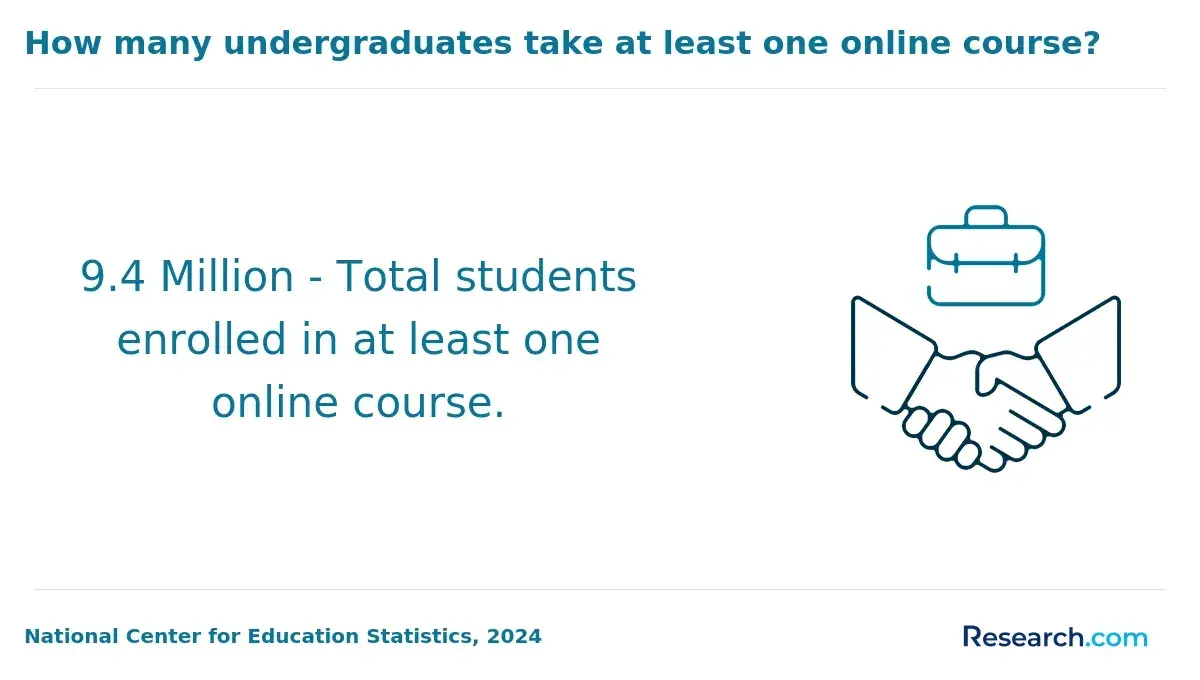
In states where shifting economic landscapes and evolving regulatory frameworks intersect, interest in public policy degrees is accelerating at uneven rates. Regions with expanding public sectors or emerging policy challenges often see faster enrollment growth, linked to local demand for skilled graduates who can navigate complex governance issues. Recent data from the National Center for Education Statistics highlights a 12% rise in flexible, online public policy program enrollments nationwide in 2024.
This trend reveals growing accessibility for working adults and career changers, reshaping the timing and structure of advanced study. Understanding these state-specific dynamics is crucial for aligning educational choices with evolving workforce needs and long-term career mobility.
Key Things to Know About the State Where Public Policy Degree Interest Is Rising the Fastest
- States with growing economies and expanding public sectors, like Texas, see rapid enrollment increases, reflecting employer demand for policy professionals skilled in regulatory navigation, yet this growth often raises competition for limited local internships.
- Rising adult learner enrollment in states such as Florida, driven by expanded online offerings, signals increased accessibility but requires careful balancing of work-study timelines to avoid delayed workforce reentry.
- In states with regulatory complexity, like California, stringent licensure and credentialing expectations push programs to embed compliance training, aligning graduate skills with employer needs yet potentially extending program duration and cost.
- Which States Are Seeing the Fastest Growth in Public Policy Degree Enrollment? States with Fastest Growth
- What Does Enrollment Growth in Public Policy Programs Actually Tell Prospective Students? Interpreting Enrollment Growth
- How Do Regional Job Market Conditions Drive Public Policy Degree Demand by State? Regional Job Market Conditions
- Which States Have Added the Most New Public Policy Degree Programs in the Last Five Years? States with New Programs
- How Has the Rise of Online Education Changed Which States Lead in Public Policy Program Interest? Role of Online Education
- What Demographic Trends Are Fueling Public Policy Degree Growth in Specific States? Demographic Trends Fueling Growth
- How Do State Funding Levels for Public Policy Services Influence Degree Program Growth? Role of State Funding
- Which States Are Emerging as Unexpected Leaders in Public Policy Degree Interest? Leaders in Growth
- How Does State Population Size Affect the Interpretation of Public Policy Degree Growth Data? Role of State Population
- What Role Do State Licensing Requirements Play in Driving or Suppressing Public Policy Enrollment? Role of State Licensing
Which States Are Seeing the Fastest Growth in Public Policy Degree Enrollment?
Enrollment growth in public policy degree programs reflects shifting labor market demands and regional economic priorities rather than uniform national momentum. While a growing share of programs nationwide respond to workforce needs, states exhibiting the most rapid increases in public policy degree enrollment reflect unique local drivers impacting demand for related skills. This uneven surge is particularly pronounced in states balancing demographic change, regulatory complexity, and emerging industry clusters, influencing how educational institutions tailor offerings and how students weigh program relevance to their career prospects. For those evaluating where public policy degree enrollment growth by state signals stronger employer ties or specialized training opportunities, understanding this geography is essential for realistic career planning.
- California: Enormous economic diversity underpins fast growth in public policy education, with institutions prioritizing urban policy and environmental regulation disciplines to meet demands from state agencies and a dynamic nonprofit sector, highlighting tradeoffs between broad policy skills and niche expertise in sustainability initiatives.
- Florida: Demographic shifts and expanded government roles in public health and disaster management spur enrollment, especially near major metropolitan areas, but students should consider how program focus aligns with the state's evolving public administration needs under climate-related pressures.
- Texas: Growth is concentrated in metropolitan centers tied to energy, healthcare, and education sectors, offering graduates sector-specific advantages; however, this signals the need for curriculum adaptability as government functions become more complex in these domains.
- Virginia: Proximity to federal institutions drives steady enrollment increases, making it attractive for students targeting careers in national governance, defense, and cybersecurity, though local employment competition can be intense given the concentration of graduates.
- Colorado: Expansion in tech and sustainability sectors supports steady growth, with programs emphasizing innovative governance, but students must weigh the regional scale and labor market absorption capacity when considering return on investment.
Subsequent sections will analyze how factors like regional economic specialization, labor market conditions, regulatory environments, and institutional responsiveness influence enrollment patterns. Prospective students benefit from assessing these dimensions since enrollment momentum often correlates with program evolution, employer engagement, and ultimately, career pathway robustness. Prospective learners may also wish to explore specialized offerings, including cheap cheapest online doctoral programs that augment practical policy competencies.
What Does Enrollment Growth in Public Policy Programs Actually Tell Prospective Students?
Rising enrollment in public policy programs often signals growing interest, but it does not guarantee program quality or career success. Without considering outcomes like retention, graduation, and job placement, prospective students risk making decisions based on incomplete information that may not align with their professional goals or the realities of the job market.
Raw growth numbers provide a starting point but must be viewed alongside other indicators to accurately assess a program's value. A program with high enrollment but poor retention may indicate structural or curricular issues causing students to drop out. Conversely, strong graduation rates reflect clear academic pathways and effective institutional support. Employment outcomes are equally crucial, as many employers seek graduates with proven skills and networks that position them for roles in government, nonprofits, or consulting sectors. Furthermore, success in licensure and certification exams can validate specialized expertise relevant to certain public policy careers.
Some programs inflate enrollment through aggressive marketing or lowered admission criteria, which can undercut academic rigor and job market relevance. Distinguishing genuine program growth driven by labor market demands from growth fueled by recruitment tactics requires scrutiny beyond surface-level data. Direct conversations with current students and alumni provide insight into program strengths and weaknesses that public statistics cannot capture.
- Retention Rates: High retention suggests student support and curriculum alignment with expectations.
- Graduation Rates: Timely degree completion signals structured academic pathways and resources.
- Job Placement Outcomes: Placement in relevant sectors demonstrates responsiveness to labor market demands.
- Recruitment Versus Quality: Enrollment boosted by marketing or relaxed standards can dilute academic rigor.
- Licensure and Certification Success: Exam pass rates confirm professional readiness in specialized roles.
- Direct Feedback: Student and alumni insights enrich understanding beyond quantitative data.
Enrollment growth is just one metric; pairing it with outcome data and firsthand feedback enables well-informed decisions aligned with career aspirations and market realities.
How Do Regional Job Market Conditions Drive Public Policy Degree Demand by State?
Regional labor market forces substantially shape the demand for public policy degrees by influencing where policy expertise is most needed. States with robust healthcare expansion, growing public sector roles, increased school district recruitment, and employer-driven incentives see a strong rise in opportunities that draw candidates toward public policy programs. For example, a student choosing a program in California must weigh the advantage of the state's diversified economy against the intense competition fueled by broad healthcare and regulatory agency growth-a tradeoff reflecting how local economic conditions impact both enrollment trends and graduate outcomes.
- California: Leading in projected job openings linked to expansive healthcare systems and strong public sector activity, the state supports a substantial demand for professionals skilled in navigating complex policy environments.
- Texas: Accelerating public workforce growth in metropolitan areas combined with employer incentives for policy implementation expertise drives rapid increases in openings for public policy graduates.
- Florida: Population-driven hiring in school districts and expanded healthcare administration roles create steady demand for graduates who can design and oversee state and local initiatives.
- New York: Emphasizing social service expansion and urban policy, it expects meaningful growth in public policy job opportunities aligned with government staffing plans.
- Washington: Investments in technology-focused policy programs and environmental regulation enforcement contribute to upward employment trends requiring specialized policy skills.
Prospective students would be prudent to examine workforce demand in their chosen state closely, as this alignment affects access to practicums, internships, and competitive salary negotiations. Strong regional job markets often increase expectations around practical abilities and policy acumen, elevating the importance of real-world experience in program selection. Those flexible about study location can consult comprehensive data sources such as Bureau of Labor Statistics projections and state job reports to discern nuanced regional trends. Furthermore, exploring options like the cheapest masters degree online may offer additional pathways for balancing cost against market-driven program benefits within shifting public policy degree job market trends by state.
Which States Have Added the Most New Public Policy Degree Programs in the Last Five Years?
Growth in accredited public policy degree programs across several states reflects distinct regional forces influencing higher education and workforce demands. The interplay of local economic priorities, available funding, and institutional accreditation goals shapes where institutions choose to launch new degrees or expand existing tracks. However, a larger program menu within a state introduces complexity for applicants who must weigh scholarship variability and program focus depth against the practicalities of tuition costs and career alignment.
- California: This state dominates new program introductions, driven by growing employer needs in urban planning, health policy, and environmental regulation. Public universities capitalize on state grants and federal research funds to develop specialized curricula, while private colleges enhance accessibility through expanding online offerings targeting employed professionals.
- Texas: Expansion here responds strongly to workforce shortage designations in public administration and policy analysis. Programs have increased student intake to satisfy regional government and nonprofit needs. Schools also refine curricula to emphasize energy policy and border issues, spurred by accreditation standards and market differentiation.
- New York: The dense ecosystem of think tanks and advocacy groups fuels growth both through new degrees and online options. Local competition pressures institutions to offer targeted scholarships and niche focus areas such as urban policy and immigration law, benefiting candidates prioritizing specialized training paired with financial aid.
- Georgia: Investments aligned with regional economic development and sector workforce needs drive program expansion in metro centers. Institutions often add flexible online tracks appealing to mid-career students while boosting enrollment to meet public sector demand.
- Washington: State emphasis on environmental and technology policy underpins program creation. Partnerships with government entities encourage responsiveness to geographically dispersed applicants, with competitive pricing strategies and online degrees increasing accessibility.
Applicants should recognize that states with multiple newer programs offer broader specializations but also face variability in financial aid competitiveness and tuition pricing. A prospective student targeting such states is advised to conduct detailed comparisons within the same locale, as institutional approaches to accreditation rigor, curriculum relevance, and graduate outcomes can differ significantly despite geographic proximity.
One recent graduate recounted hesitating during the rolling admissions cycle while weighing offers from programs in states with rapid growth. Facing a delay in notification from a preferred school's newly launched program, they applied to several programs later in the cycle, aiming to secure options before deadlines. This uncertainty prompted strategic timing of applications and careful monitoring of scholarship announcements. Eventually securing admission into a program with a strong online track and relevant specialization eased the pressure, but the experience highlighted how enrollment expansions in select states can create timing hazards and decision challenges for candidates balancing career transitions alongside academic entry logistics.
How Has the Rise of Online Education Changed Which States Lead in Public Policy Program Interest?
The expansion of fully online public policy programs has fundamentally shifted which states lead national enrollment, dissolving the previous dependence on geographic proximity. Students are no longer confined to nearby campuses but now select programs based on perceived quality, cost, and accreditation status, with several states hosting flagship online offerings that attract considerable out-of-state demand. This transformation positions these states as de facto national hubs for public policy education rather than local providers. However, this expanded access introduces complexities around state-specific licensure and certification that remain tied to physical locations and can affect graduates' career mobility and employability.
- Geographic Decoupling: Online delivery enables students from any state to enroll in reputable programs far beyond their home regions, challenging traditional enrollment patterns based on commuting feasibility.
- Reputation Effects: States that have invested in comprehensive online programs, often linked to established research universities, experience enrollment gains nationwide, extending their influence across regional boundaries.
- Cost and Flexibility: Competitive tuition rates coupled with asynchronous course schedules attract professionals balancing work and study, especially when local options are limited or more expensive.
- Licensure Constraints: Despite educational accessibility, variations in state licensure requirements for public administration or related roles necessitate careful advance verification to avoid credential mismatches.
- Workforce Integration: States with strong public sector demand leverage online alumni to fill local government and nonprofit roles, strengthening regional labor market connections.
- Informed Selection: Prospective students must evaluate program outcomes, employer recognition, and regulatory compatibility to ensure the chosen online program aligns with their professional aspirations and geographic constraints.
What Demographic Trends Are Fueling Public Policy Degree Growth in Specific States?
Analyzing public policy degree enrollment growth by state demographic trends reveals that workforce demand is highly sensitive to localized population shifts and their attendant social challenges. For example, states with aging populations require graduates who can navigate healthcare policy complexities and social service programs, whereas states with youthful, immigrant-heavy demographics need professionals skilled in multicultural and integrative policy environments. This variation creates nuanced career prospects that diverge sharply depending on geographic choice, emphasizing the necessity for prospective students to align their educational paths with regional demographic realities and long-term labor market stability rather than purely national trends.
- Population Aging: States such as Florida and Arizona face increasing pressure to develop policies addressing elder care, healthcare funding, and social security sustainability, fostering steady growth in demand for public policy professionals versed in geriatric and healthcare systems design.
- Immigration Patterns: In states like California, Texas, and New York, large immigrant communities drive the need for public policy experts adept in education equity, affordable housing, and workforce integration, reflecting a complex policy environment that attracts enrollees focused on multicultural and urban policy challenges.
- Urbanization: Rapid metropolitan expansion in places like Colorado and Georgia elevates demand for expertise in infrastructure planning, environmental policy, and transportation governance, appealing to students targeting smart city development and urban sustainability initiatives.
- K-12 Enrollment Growth: States such as Nevada and Utah, experiencing rising K-12 populations, create openings for graduates specializing in education policy and youth services, aligning with future workforce needs in school funding and reform.
- Mental Health Diagnoses: Increasing mental health diagnoses observed in Oregon and New Mexico spur growth areas in public health policy, with an emphasis on designing effective mental health services and social safety nets responsive to community well-being.
These demographic factors result in highly localized hotspots of enrollment growth that national-level data fails to capture, underscoring the importance of examining state-specific trends for practical career planning. Especially for career changers and geographically mobile students, understanding the evolving regulatory and institutional frameworks in these areas informs strategic decisions that enhance employability and long-term career resilience. It is also worth noting the interplay between specialized public policy pathways and related fields, as evidenced by the increasing prominence of programs such as the operations management degree, which overlaps with public administration and policy implementation disciplines in various state job markets.
How Do State Funding Levels for Public Policy Services Influence Degree Program Growth?
State funding levels directly shape the size and vitality of public policy degree programs by influencing both institutional offerings and labor market opportunities. States that commit resources to Medicaid reimbursements, block grants, school-based mental health, and community health centers tend to create more stable, visible career pathways for graduates. This public investment supports consistent hiring needs, which programs respond to by expanding curricula and cultivating partnerships with employers. In contrast, jurisdictions with erratic or low funding risk shrinking program footprints as students and graduates migrate to better-funded markets, weakening local talent pools and deterring university investment in public policy education.
- Funding Stability: Reliable funding encourages universities to develop tailored programs aligned with predictable regional workforce demands for policy analysts and program administrators.
- Employment Pipeline: States with strong public service budgets generate internships and entry-level roles directly linked to local institutions, enhancing program appeal for career-oriented students.
- Graduate Retention: Limited state investment often pushes graduates to relocate for opportunities, undermining local networks and program growth.
- Legislative Trends: Analyzing recent state budget and funding legislation helps candidates assess whether their target region's public policy sector is positioned for sustained growth or decline.
- Program Outcomes: Prospective students should request data on the percentage of alumni employed in-state after several years to measure a program's alignment with local market viability.
A graduate recounts applying to several programs during a rolling admissions cycle, hesitating to commit as news surfaced of fluctuating state-level funding for community health initiatives in her preferred state. The delay in program decisions and uncertainty about local job prospects forced her to weigh early offers elsewhere against holding out for a state known for stronger fiscal commitments. Ultimately, she accepted an offer where funding appeared more secure, reflecting her awareness of how funding volatility directly impacted both the quality of education and tangible career opportunities following graduation.
Which States Are Emerging as Unexpected Leaders in Public Policy Degree Interest?
Emerging states in public policy degree growth illustrate that opportunities often arise in less saturated markets, offering tangible benefits but also notable risks. Students who opt for programs in these regions frequently encounter less competitive admissions and lower tuition, which can be decisive factors for working professionals or geographically flexible candidates. However, this can come with tradeoffs linked to program stability and local labor market dynamics, especially where growth is driven by transient funding rather than institutionally embedded demand. A recent analysis of graduate enrollment trends reveals that many employers in healthcare, urban planning, and data-driven policy roles increasingly value graduates from states investing purposefully in workforce-relevant curricula, highlighting the practical implications of location on hiring outcomes.
- Indiana: Indiana's surge in public policy interest is fueled by the creation of newly accredited programs at mid-tier universities, supported by legislative workforce development grants focused on healthcare policy and economic revitalization. This trajectory appeals to those prioritizing affordability and entry access, although the reliance on state budgets for sustained funding adds an element of uncertainty over long-term program viability.
- Oregon: Oregon's growth centers on programs with strong emphases on environmental regulation and sustainable urban planning, reflecting the state's progressive policy environment. The durability of this growth is reinforced by institutional partnerships with local government, suggesting graduates will find expanding opportunities in sustainability-focused roles within public and private sectors.
- Mississippi: Strategic federal and state investments targeting rural economic development and public health have propelled Mississippi's emerging status. Despite few new accredited programs, it offers a less congested market for degree candidates. Yet, growth remains vulnerable without firm institutional expansion, making it a less predictable environment for career development.
- North Carolina: The Research Triangle's rise as a tech and innovation hub correlates with increasing enrollment in public policy programs incorporating data analytics and technology policy. This steady, diversification-driven demand aligns with employer interest in graduates versed in cutting-edge policy analysis-a factor enhancing North Carolina's appeal to students seeking practical, long-term workforce relevance.
While traditional centers like Washington D.C., California, and New York still dominate public policy education, identifying the fastest growing states for public policy degrees provides critical context for managing the balance between established reputations and emerging, agile markets. For students evaluating programs, exploring quick masters degrees online can complement consideration of geographic growth trends and timeliness in admissions, which often display cyclical spikes linked to regional funding initiatives in these emerging states.
How Does State Population Size Affect the Interpretation of Public Policy Degree Growth Data?
Interpreting growth in public policy degree enrollment by state cannot rely solely on absolute numbers; it requires situating these figures within the context of state population size and existing workforce capacity. For example, a large state producing 2,000 new public policy graduates annually may seem attractive at face value, but relative to its population, this might represent limited market expansion. Conversely, a smaller state adding 300 graduates could indicate a faster per-capita growth rate, signaling a deeper shift in demand and potentially stronger early-career prospects due to less market saturation.
Absolute growth figures can be misleading without per-capita analysis, which measures new graduates per 100,000 residents-an approach that better captures genuine supply increases relative to local demand. Workforce saturation, or the ratio of licensed public policy professionals to the population, further clarifies which states have underserved markets. Graduates entering states with lower licensed professional densities typically encounter less competition for job openings, influencing salary prospects and job stability.
Students and career changers examining multiple states should prioritize regions where the ratio of licensed public policy professionals to population is below the national average. These markets often have healthier balances between openings and qualified candidates, improving employment outcomes. Regulatory complexity also matters, as states with more restrictive licensure or certification requirements can hinder the practical value of a new degree. For those assessing educational options, it is beneficial to contrast labor market dynamics with program affordability and delivery; for instance, exploring the best online master's for teaching can provide additional context on cost-effective pathways.
- Population Influence: Larger states show higher raw graduate numbers but often have lower per-capita growth, which can mask slower market expansion.
- Per-Capita Analysis: Normalizing data by population size reveals smaller states with rapid proportional increases in public policy degree interest.
- Workforce Saturation: States with fewer licensed professionals relative to their population usually offer stronger hiring potential and less competition for entry-level roles.
- Regulatory Complexity: Restrictive licensure or certification criteria in some states can limit employment prospects despite graduate supply.
What Role Do State Licensing Requirements Play in Driving or Suppressing Public Policy Enrollment?
State licensing requirements decisively influence enrollment trends in public policy graduate programs by affecting prospective students' calculations about their future professional pathways. When licensure pathways are clearly defined and feasible, states tend to witness stronger enrollment growth as students anticipate predictable transitions to practicing roles. For example, a working professional considering a return to education in a state with transparent licensure can better estimate the time and effort needed post-graduation compared to peers targeting states with ambiguous or frequently shifting requirements, where uncertainty can lead to deferred or abandoned plans.
Furthermore, employer demand in states with robust licensing frameworks often leans toward candidates presenting recognized credentials, reinforcing the practical value of licensure and elevating program appeal. This creates a reinforcing cycle where strong licensure infrastructure supports program expansion and fuels further advocacy for regulatory improvements.
- Clarity: Transparent, well-documented licensing criteria reduce uncertainty, enabling students to map a realistic timeline for credential attainment and subsequent employment.
- Stringency: Licensure processes that are overly complex or demanding, particularly those with multiple high-stakes exams or extensive supervised practice, may deter career changers and working students juggling multiple responsibilities.
- Accessibility: Practical, incremental milestones within licensure programs foster broader participation and inclusivity, supporting enrollment growth from diverse applicant pools.
- Employer Expectations: Licensing boards influence hiring by setting professional standards; employers often favor licensed candidates, especially in states prioritizing credentialed expertise in public policy roles.
- Feedback Loop: Established licensure systems enable programs to grow, which simultaneously builds local capacity to advocate for streamlined or updated regulations responsive to workforce needs.
- Due Diligence: Prospective students benefit from a comprehensive review of their target state's full licensure pathway-beyond academic requirements-to compare rigor and feasibility against alternative states before committing.
References
- Making sure you're not a bot! https://www.econstor.eu/bitstream/10419/81319/1/wp858.pdf
- The COVID-19 pandemic has changed education forever. This is how https://www.weforum.org/stories/2020/04/coronavirus-education-global-covid19-online-digital-learning/
- What is Public Policy? What Makes It Important Now More Than Ever https://www.ispp.org.in/what-is-public-policy-why-is-studying-public-policy-more-important-now-than-ever/
- Why studying public policy is important in today’s world? https://jgu.edu.in/blog/2023/06/01/why-studying-public-policy-is-important-in-todays-world/
- Why State Licensing Laws are a Big Deal and How to Reform Them https://www.mackinac.org/25462
- Stabilizing and Strengthening State Funding for Public Higher Education After the Big Beautiful Bill - Center for American Progress https://www.americanprogress.org/article/stabilizing-and-strengthening-state-funding-for-public-higher-education-after-the-big-beautiful-bill/
- Demography, a relevant variable in Public Policies https://www.cfp.pt/en/blog/demography/demography-a-relevant-variable-in-public-policies
- California’s Higher Education Funding Landscape - Public Policy Institute of California https://www.ppic.org/publication/californias-higher-education-funding-landscape/
- State University No More: Out-of-State Enrollment and the Growing Exclusion of High-Achieving, Low-Income Students at Public Flagship Universities - Jack Kent Cooke Foundation https://www.jkcf.org/research/state-university-no-more-out-of-state-enrollment-and-the-growing-exclusion-of-high-achieving-low-income-students-at-public-flagship-universities/
- Nearly 9 in 10 Colleges Plan to Expand Online Programs as Student Demand Soars, New Report Finds https://encoura.org/resources/press-room/Nearly-9-in-10-Colleges-Plan-to-Expand-Online-Programs-as-Student-Demand-Soars-New-Report-Finds
Other Things You Should Know About Public Policy
Employers in states with rising public policy degree interest typically emphasize graduates' abilities to analyze complex regulatory environments and work across diverse stakeholder groups. High-growth state economies often include a mix of government agencies, nonprofit organizations, and private sector companies seeking candidates who can navigate evolving policy challenges like healthcare, environmental regulation, and urban development. This demand narrows the focus to programs that offer experiential learning or internships linked to local policy issues, making hands-on, applied skills more valuable than purely theoretical knowledge.
Enrollment growth reflects both rising interest and expanding institutional capacity, but it does not directly indicate program quality or employability. Students should interpret growth data as a signal of developing local demand and potentially richer networking opportunities rather than a definitive measure of graduate outcomes. Prioritizing states where growth aligns with strong employer presence and dynamic policy sectors can enhance timely job placement, while rapid growth without corresponding labor market expansion may lead to oversupply and underemployment.
Rural and underserved states tend to expand public policy programs primarily to fill critical local shortages in government and social services leadership. These initiatives focus on cultivating talent that understands specific regional challenges, such as rural healthcare access or economic revitalization, which larger urban programs may overlook. While this creates meaningful community impact, limited alumni networks and fewer large-scale employers mean graduates must often accept positions with narrower scopes or consider broader geographic moves to maximize career growth.