2027 Mechanical Engineering Tuition Inflation Report: How Fast Are Program Costs Rising?

Co-Founder and Chief Data Scientist
Mechanical engineering tuition trends reflect complex shifts in program delivery and workforce dynamics unique to the discipline. Increasing demands for advanced laboratory facilities, sophisticated simulation software, and specialized faculty expertise drive rising operational costs. Additionally, accreditation standards updated in 2023 emphasize hands-on training and integration of emerging technologies, elevating resource intensity.
Enrollment patterns reveal a growing proportion of mid-career students seeking upskilling, aligning with industry shifts towards automation and sustainability. These factors contribute to tuition inflation distinct from broader higher-education pressures. Analyzing how program expenses evolve clarifies the structural forces shaping mechanical engineering education and signals workforce readiness challenges ahead.
Key Things to Know About Mechanical Engineering Tuition Inflation
- Mechanical engineering tuition has increased nearly 6% annually since 2020, outpacing general inflation; this accelerating cost growth challenges affordability and forces students to reassess funding strategies early.
- Employers increasingly value specialized skills over degree pedigree, meaning rising tuition may yield diminishing returns if programs lack updated technical focus aligned with industry demand.
- The rapid inflation of mechanical engineering tuition extends time-to-degree tradeoffs, where students may delay entry into the workforce due to higher debt burdens, impacting long-term career progression.
- How Much Has Mechanical Engineering Tuition Increased Over the Past Decade? How Much Has Mechanical Engineering Tuition Increased Over the Past Decade?
- How Does Mechanical Engineering Tuition Inflation Compare to Overall Inflation? How Does Mechanical Engineering Tuition Inflation Compare to Overall Inflation?
- Which Types of Schools Have Experienced the Fastest Mechanical Engineering Tuition Growth? Tuition Growth by School Type
- What Factors Are Driving Rising Costs in Mechanical Engineering Degree Programs? Tuition Cost Drivers
- How Does Mechanical Engineering Tuition Growth Vary by State and Region? Tuition Growth by State
- Are Online Mechanical Engineering Programs Becoming More Affordable Than Campus-Based Programs? Online Program Affordability
- How Have Financial Aid and Scholarships Changed as Mechanical Engineering Tuition Has Increased? Impact on Financial Aid and Scholarships
- How Does Rising Mechanical Engineering Tuition Affect Student Debt After Graduation? Impact on Student Debt
- Do Higher-Cost Mechanical Engineering Programs Deliver Better Career Outcomes or Earnings? Impact on Career Outcomes
- What Do Current Tuition Trends Suggest About the Future Cost of a Mechanical Engineering Degree? What Do Current Tuition Trends Suggest About the Future Cost of a Mechanical Engineering Degree?
How Much Has Mechanical Engineering Tuition Increased Over the Past Decade?
Data from the National Center for Education Statistics and the U.S. Department of Education College Scorecard indicate that mechanical engineering tuition at public four-year institutions in the United States has risen by roughly 35% to 45% over the last decade. This decade-long rise in mechanical engineering program costs surpasses general inflation and mirrors broader increases seen within STEM fields, though it remains notably steeper than the average consumer price index growth. Private institutions have generally outpaced these trends, with some elite programs experiencing tuition hikes exceeding 50% since 2014, amplifying financial challenges for many students.
The inflation in mechanical engineering tuition can be traced to several interrelated factors, including decreased state funding for public universities and greater institutional investment in specialized faculty, modern laboratory facilities, and advanced technological infrastructure. These expenditures reflect the evolving demands of the discipline, where keeping pace with rapid industry innovations requires costly upgrades and resources. Additionally, rising student interest in engineering disciplines amid a competitive job market has increased enrollment pressures, fueling further cost escalation. Such dynamics underline a complex education finance landscape where maintaining program quality drives tuition upward despite affordability concerns.
Rising tuition intensifies financial burdens for prospective and current students, often necessitating higher reliance on loans, scholarships, or part-time work, which can affect time to completion and post-graduation financial security. These pressures force families to scrutinize the long-term return on investment more carefully, balancing mechanical engineering's strong labor market demand against escalating educational expenses. For those exploring cost-effective pathways, considering options like the cheapest PhD programs or targeted scholarships becomes critical to mitigating debt and maximizing career outcomes.
How Does Mechanical Engineering Tuition Inflation Compare to Overall Inflation?
Data from the National Center for Education Statistics highlights that the tuition inflation rate for mechanical engineering programs in the United States consistently exceeds general consumer price inflation, with engineering tuition rising around 3.5% to 4% annually compared to approximately 2.1% for the Consumer Price Index reported by the U.S. Bureau of Labor Statistics. This gap indicates that mechanical engineering tuition inflation rate United States trends are nearly double the pace of broader economic inflation. This disparity reflects distinct cost pressures within higher education that are not captured by conventional inflation measures tracking consumer goods and services. Understanding this divergence is essential for assessing the real affordability and investment needed for technical degrees over time.
The structural reasons behind mechanical engineering tuition inflation outpacing overall inflation are multifaceted. Declines in state funding for public universities have shifted more financial responsibility onto tuition payers, while administrative expenses and expanded student services have grown at rates above inflation. Investments in specialized laboratory equipment, technology upgrades, and faculty expertise required to maintain competitive mechanical engineering programs further amplify these cost increases. These factors combine to drive tuition pricing apart from general inflation trends, reflecting systemic shifts in how higher education is financed and resourced in an increasingly complex market environment.
For students and families, the widening gap between mechanical engineering tuition and general inflation exacerbates affordability challenges and often necessitates greater reliance on borrowing. This inflationary disconnect may also influence program selection decisions, as prospective learners weigh the return on investment amid rising educational expenses. Evaluating these dynamics alongside labor market realities and the long-term value of engineering degrees remains critical when forecasting both the financial and occupational outcomes connected to engineering degrees.
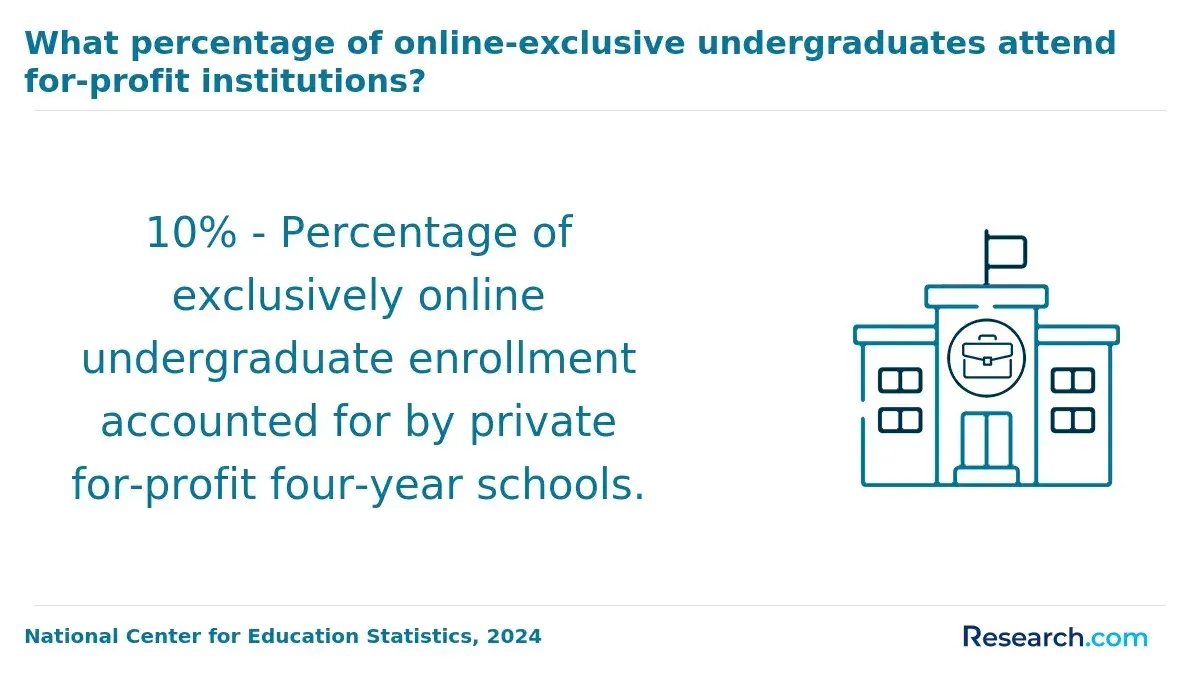
Which Types of Schools Have Experienced the Fastest Mechanical Engineering Tuition Growth?
Tuition growth rates for mechanical engineering degree programs vary widely depending on institutional type, funding mechanisms, and program delivery approaches. These differences are shaped by how schools generate revenue, allocate resources, and respond to enrollment shifts and labor market demands. Understanding these dynamics is essential to interpret cost trends and assess the real affordability and value of mechanical engineering education over time.
- Public Universities: Typically funded by state appropriations, public universities have faced constrained budgets leading to moderate tuition increases, often around 3-4% annually. These institutions balance demand from in-state students with public accountability, which helps limit tuition spikes but may reduce investment in specialty facilities for mechanical engineering programs.
- Private Nonprofit Universities: Relying heavily on tuition and private funding, these schools exhibit faster tuition growth, frequently exceeding 6% per year. Their emphasis on research, advanced lab infrastructure, and smaller class sizes increases operational costs, which are passed on to students through higher price inflation.
- For-Profit Institutions: Often focused on scalable program delivery and market responsiveness, many for-profit providers experience variable tuition trends influenced by enrollment volatility and regulatory pressures. Their pricing frequently reflects accelerated growth to cover marketing expenses and program expansion, though some have moderated increases due to enrollment declines.
- Research-Intensive Universities: Institutions with extensive mechanical engineering research commitments face higher operational costs due to the need for cutting-edge equipment and faculty expertise. These expenses contribute to above-average tuition increases as they invest in maintaining competitive program quality and attracting grant funding is partially counterbalanced by overhead costs.
- Regional and Teaching-Focused Colleges: Less reliant on research funding and more on tuition and teaching revenues, these colleges tend to have slower tuition growth. Their mechanical engineering offerings might be smaller scale, resulting in cost efficiencies and more restrained price inflation compared to research-focused counterparts.
Data from the National Center for Education Statistics (NCES, 2024) highlights these patterns, showing private nonprofit mechanical engineering tuition rising at more than double the rate of public institutions. This divergence reflects deeper structural distinctions in funding models and institutional missions that shape long-term affordability and the financial burden of engineering education for diverse student populations.
What Factors Are Driving Rising Costs in Mechanical Engineering Degree Programs?
Rising costs in mechanical engineering degree programs stem from a complex convergence of institutional funding shifts and broader economic pressures rather than any single factor. These programs face escalating demands to attract specialized faculty with competitive salaries and to maintain cutting-edge facilities that support hands-on, technology-intensive learning experiences. Simultaneously, expanding administrative requirements linked to compliance and student support services place additional financial burdens on departments. The interplay of these elements drives tuition increases beyond typical inflation trends, reflecting deeper shifts in how universities allocate resources and absorb rising operational expenses.
Public universities, long reliant on state funding, are confronting reduced appropriations that have intensified their dependence on tuition revenues, placing upward pressure on costs for mechanical engineering students. Faculty salaries have grown substantially as institutions compete for advanced technical expertise vital to sustaining program quality and research capacity. Meanwhile, administrative growth-particularly in accreditation compliance and specialized student services-has contributed to significant budget increases, with one recent national report noting a 35% rise in these expenses over the last decade. Digital infrastructure investments, including enhanced simulation software and remote learning tools post-pandemic, further inflate costs, reflecting the sector's shift toward high-tech, resource-heavy educational delivery models.
A recent mechanical engineering graduate recalls that the admissions process itself added an unexpected layer of complexity amid these rising costs. Applying during a period of rolling admissions to several public universities, they experienced delays in receiving final acceptances, which complicated decisions about where to enroll before tuition fees increased for the upcoming academic year. The uncertainty forced a careful weighing of financial readiness against program reputation and potential scholarship opportunities, underscoring how timing and administrative processes can compound the practical challenges students face amid the evolving cost structures in engineering education.
How Does Mechanical Engineering Tuition Growth Vary by State and Region?
Mechanical engineering tuition increase by state and region reflects complex interplays between state-level funding policies, university system structures, and regional economic factors rather than simple geographic trends. Public institutions heavily reliant on state appropriations face distinct pressures when those funds fluctuate, directly impacting tuition growth. States with more aggressive reductions in public university funding often shift costs to students, causing sharper tuition inflation, especially for specialized programs like mechanical engineering. Meanwhile, private and research-intensive universities may set tuition based on broader institutional priorities and market positioning, leading to varying growth patterns distinct from public counterparts.
Key drivers behind these regional differences include the degree of state appropriations, cost-of-living disparities, and the concentration of research flagship universities or private institutions with premium pricing models. For instance, states such as California and Massachusetts have experienced mechanical engineering tuition increase rates above 5% annually, driven by higher living costs and competitive institutional funding environments. Conversely, Midwest states with more stable or increasing public investment in higher education tend to see more moderate tuition pressures, often between 2% and 3%, reflecting efforts to maintain accessibility amid workforce demands. These variations are also influenced by local labor market needs where high demand for mechanical engineering talent in certain regions can incentivize institutions to expand enrollment and adjust pricing accordingly.
These regional tuition disparities have far-reaching implications for student mobility and program selection. Students from lower-income backgrounds may find access constrained in high-cost regions, amplifying reliance on loans and financial aid, while more stable growth areas might offer broader affordability but potentially fewer resources or research opportunities. Mechanical engineering tuition increase by state thus plays a critical role in shaping the return on investment for education paths, influencing which programs students can realistically consider, especially when balancing educational costs against post-graduate employment prospects. Prospective students evaluating these tradeoffs amid evolving economic conditions might also explore alternatives such as flexible or hybrid formats offered through options like MBA online programs that do not require standardized tests, underscoring the importance of strategic decision-making in education pathways.
Are Online Mechanical Engineering Programs Becoming More Affordable Than Campus-Based Programs?
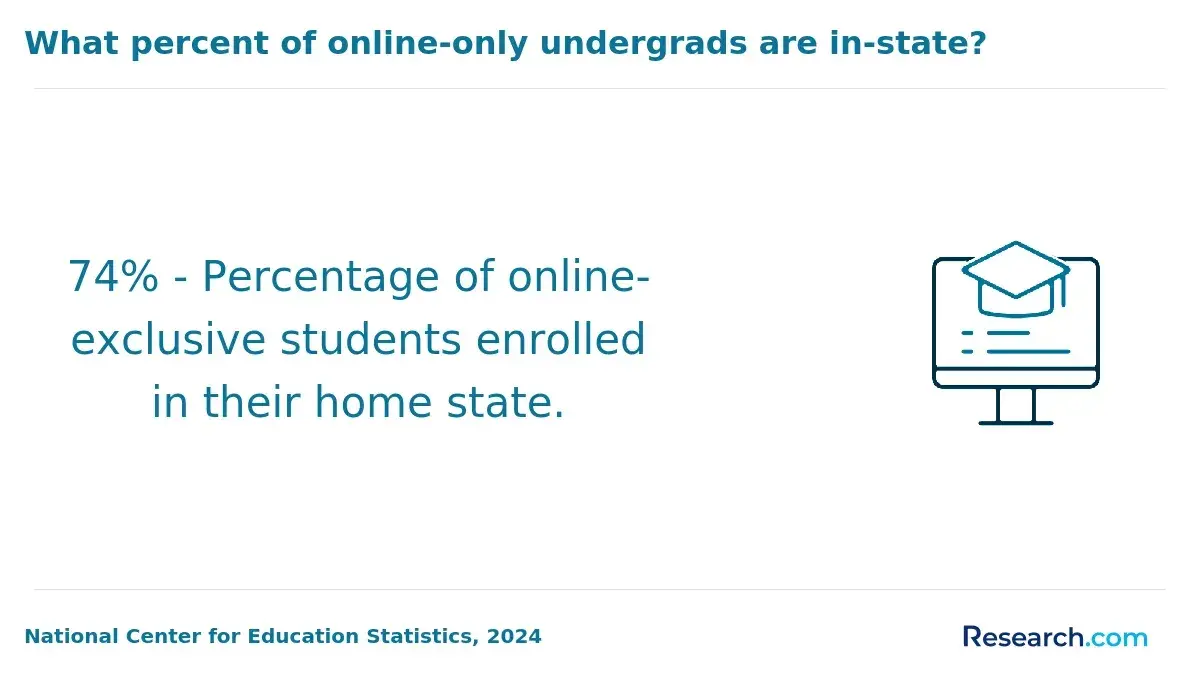
Online mechanical engineering degree programs have historically presented a cost advantage over traditional campus-based offerings, primarily due to differing institutional pricing models linked to delivery format. Recent data from the National Center for Education Statistics (NCES) in 2024 indicates that annual tuition for online programs remains roughly 15% lower than on-campus equivalents. However, this gap is shrinking as escalating expenses associated with virtual instructional delivery narrow that difference. While on-campus programs maintain costs tied to physical facilities, housing, and commuting, online programs face unique pricing pressures driven by their need to replicate hands-on experiences digitally and maintain expansive tech infrastructures, resulting in evolving affordability dynamics rather than static cost savings.
The relative affordability of online mechanical engineering programs hinges on several cost structure factors. Reduced overhead from physical classrooms and campus services lowers baseline expenses for online formats, but substantial investments are required to support complex virtual labs, software licenses, and robust learning management systems. Instructional design tailored for effective remote engineering education carries additional development costs that must be recouped via tuition. Faculty delivery models also differ, with some online programs employing higher ratios of adjunct instructors or asynchronous teaching modalities to optimize scalability. Meanwhile, comprehensive student support services-ranging from technical help to career advising-must be maintained remotely, contributing further to program expenses. These components collectively compress the initial tuition advantage found in earlier years and suggest a more nuanced cost interplay shaped by institutional strategy and long-term investments in digital learning infrastructure.
A graduate of a recent online mechanical engineering program recalls navigating the admissions timeline amid these changing cost considerations. After submitting materials early, they faced uncertainty due to rolling admissions delays, which complicated financial planning and raised concerns about tuition inflation while waiting for confirmation. The candidate eventually decided to commit despite unresolved questions about cost increases, driven partly by the lack of a comparable campus-based option within budget and timing constraints. This real-world scenario underscores how affordability is not only a function of sticker price but also tied to strategic decisions influenced by institutional processes and market timing in the evolving landscape of engineering education.
How Have Financial Aid and Scholarships Changed as Mechanical Engineering Tuition Has Increased?
Financial aid and scholarship frameworks for mechanical engineering programs have not expanded proportionally with rising tuition costs. Although nominal increases in institutional aid have occurred, many colleges are shifting their focus toward merit-based scholarships intended to attract academically strong applicants rather than broadly offset tuition hikes. This trend results in a scholarship-to-tuition ratio that often declines, leaving students-particularly those from less advantaged backgrounds-with a widening affordability gap. Need-based aid programs have been extended at some institutions, but these expansions frequently come with stricter eligibility rules and heightened demand, limiting the real growth in assistance when adjusted for inflation.
Several factors influence these developments. Increasing competition among universities to secure top-performing students has incentivized the use of merit awards as a recruitment tool rather than purely as affordability support. Meanwhile, changes in federal and state aid policies have not kept pace with tuition inflation, placing greater pressure on institutions to manage financial aid budgets through targeted discounting strategies. The reliance on loans within financial aid packages grows as a result, shifting more of the cost burden to students despite robust employment prospects post-graduation in this field. These dynamics reflect how institutional pricing strategies and public funding constraints shape the composition and availability of financial support.
Consequently, the net cost for many mechanical engineering students has remained stable or even increased despite greater aggregated aid dollars, since the relative increases in tuition often outstrip financial aid growth. The reliance on merit aid can marginalize lower-income applicants, while expanded loan dependency raises questions about long-term repayment risks. This landscape necessitates careful consideration of how aid packages combine with tuition trends to affect a student's total financial commitment, potentially influencing both program choice and accessibility for diverse socioeconomic groups.
How Does Rising Mechanical Engineering Tuition Affect Student Debt After Graduation?
Rising tuition for mechanical engineering programs directly increases student borrowing levels, as many learners must rely more heavily on loans to cover escalating costs. This trend is evident in the growing average debt loads that correlate with tuition inflation, reflecting a significant shift in how students finance their education. The increase in borrowing is particularly impactful for traditional college-age students who typically have limited access to alternative funding sources. In fact, median debt balances for mechanical engineering graduates have been rising by approximately 5% annually, a figure aligned with tuition cost increases and underscoring the compounding financial pressures. These elevated borrowing requirements shape the degree's immediate affordability and post-graduation financial burden.
Key factors shaping this dynamic include widening gaps between tuition and available financial aid, especially at private institutions where sticker prices far outpace public counterparts. Interest accumulates during study periods, further escalating the total repayment amount. Additionally, income variations within mechanical engineering subfields affect graduates' ability to manage debt; while employment prospects in aerospace or automotive engineering remain favorable, cost-of-living disparities and sector-specific salary differences influence repayment capacity. Adult learners, balancing family and career commitments, present different borrowing and repayment profiles that complicate one-size-fits-all financial strategies. This multidimensional interplay of tuition costs, aid shortfalls, interest growth, and earnings variability critically informs how rising mechanical engineering tuition and student debt in the US impact long-term economic outcomes.
The resulting repayment pressures influence educational choices, with some graduates deferring advanced degrees or specialized certifications due to loan stress. Income-driven repayment plans and loan forgiveness programs provide relief mechanisms but may not fully offset increased debt burdens or the extended repayment horizon associated with higher tuition. For students weighing educational paths, consideration of both upfront costs and projected debt-related obligations is essential to evaluating mechanical engineering program costs on graduate loan repayment. Prospective students may also explore more affordable alternatives, such as accredited online options including online masters under 10k, to balance educational quality and financial sustainability.
Do Higher-Cost Mechanical Engineering Programs Deliver Better Career Outcomes or Earnings?
The question of whether higher-cost mechanical engineering programs deliver better career outcomes or earnings is complex and resists simple conclusions based solely on tuition expense. Data from the U.S. Department of Education's College Scorecard and the National Center for Education Statistics (2024) shows that while graduates from more expensive programs often start with salaries 5% to 15% higher than their counterparts from less costly schools, these earnings advantages typically diminish within 5 to 10 years after graduation. This suggests that program cost alone is not a reliable predictor of long-term career success or superior earnings trajectories for mechanical engineering students.
Career outcomes depend heavily on multiple factors beyond tuition price. Institutional prestige, specialized research resources, employer partnerships, and geographic proximity to industry hubs can all influence early-career placement and salary levels. Programs with robust internship pipelines and alumni networks may facilitate better initial opportunities, but these advantages require active engagement from students and favorable labor market conditions to translate into sustained career benefits. This nuanced relationship underscores why tuition cost must be interpreted alongside considerations of program specialization depth, employer demand, and regional industry concentrations as part of any analysis of mechanical engineering tuition and career earnings correlation.
Given these complexities, prospective students should evaluate return on investment for mechanical engineering programs in the United States by balancing tuition costs against personal career goals, flexibility, and hands-on learning opportunities. A personalized approach to program selection informed by data on career placement and labor market outcomes is essential. For examples of alternative degree pathways that emphasize practical experience without dissertation barriers, exploring options such as online EdD programs no dissertation can offer insights into how evolving educational models impact affordability and career relevance.
What Do Current Tuition Trends Suggest About the Future Cost of a Mechanical Engineering Degree?
Current tuition trends in mechanical engineering degree programs indicate a continued upward trajectory in costs that outpaces general inflation. The National Center for Education Statistics 2024 report shows average tuition increases of approximately 3.8% annually at public four-year institutions, with private colleges often exceeding 4.5%. These figures reflect deeper structural factors rather than momentary spikes, as historic growth consistently surpasses consumer price index adjustments, signaling that future degree pricing will likely maintain this relative escalation.
Several institutional and market dynamics drive these cost patterns. Funding constraints in public education limit reliance on state appropriations, pushing schools to raise tuition to cover faculty salaries and modernized laboratories essential to mechanical engineering curricula. Meanwhile, rising demand for specialized skills incentivizes investment in technology-enhanced instruction and expanded student support, including hybrid and online learning platforms. These programmatic upgrades improve educational quality but add systemic expenses that institutions transfer to students. Enrollment fluctuations, particularly shifts toward adult learners seeking flexible, affordable pathways, further influence pricing strategies as schools balance accessibility with fiscal sustainability.
For prospective students, these tuition trends complicate long-term financial planning. Escalating costs intensify reliance on loans and financial aid, increasing debt burdens, especially for traditional-age students. Adult learners commonly weigh part-time or online options to mitigate expenses while balancing work and family commitments. Understanding nuanced tuition drivers helps interpret cost forecasts not as fixed predictions but as indicators shaped by institutional priorities, policy environments, and evolving workforce needs. This perspective supports informed decision-making amid growing concerns about mechanical engineering degree affordability and return on investment.
References
- Why College Is Too Expensive — And How Competition Can Fix It - FREOPP https://freopp.org/whitepapers/why-college-is-too-expensive-and-how-competition-can-fix-it/
- Career Outcomes From Top Engineering Programs - Ivy Scholars https://www.ivyscholars.com/career-outcomes-from-top-engineering-programs/
- KIT - Department of Mechanical Engineering - Study - Prospective Students - Mechanical Engineering (International) (MEI) - MEI additional information https://www.mach.kit.edu/english/4658.php
- 3.1 Inflation – Engineering Economics https://www.saskoer.ca/engecon/chapter/3-1-inflation/
- FUTURE OF MECHANICAL ENGINEERING TRENDS -Ken Institute https://keninstitute.com/future-of-mechanical-engineering-trends/
- Tracking College Tuition Growth https://www.richmondfed.org/publications/research/economic_brief/2024/eb_24-23
- Inflation and Its Impact on Education Loans in 2026 https://www.wemakescholars.com/blog/how-inflation-impacts-education-loan
- Why Should We Study Mechanical Engineering? https://studyfans.com/en/blogs/561
- Online Mechanical Engineering Degrees 2025 https://www.affordablecollegesonline.org/degrees/engineering-programs/mechanical-engineering/
- Inflation: What Cost Engineers Should Understand https://www.spcea.org/inflation-what-cost-engineers-should-understand
Other Things You Should Know About Mechanical Engineering
Rising tuition often reflects expanded access to advanced labs and experiential learning, but not all programs invest equally in these areas. Students should evaluate whether higher costs correspond to meaningful improvements in practical training, as employers increasingly value real-world skills. Prioritizing programs with strong co-op, internship, or lab components can justify steeper tuition by enhancing employability and reducing the need for unpaid experience post-graduation.
Increased tuition can push more students toward part-time jobs, adding strain to an already demanding curriculum known for heavy project and lab commitments. This dual burden risks longer degree completion times and may reduce learning quality. Prospective students need to realistically assess their capacity to manage both academic intensity and financial demands before committing, as stretched resources can compromise both grades and practical skill development.
Lower tuition programs can offer solid technical foundations without the prestige premium, but they may lack extensive industry networks or specialized research opportunities. For students who value immediate affordability and practical skill acquisition, these programs often represent a better ROI, especially if supplemented with internships or certifications. In contrast, those targeting highly competitive sectors might need to balance cost with program reputation and employer preferences carefully.
With tuition rising steadily, delaying enrollment can increase total education costs significantly. However, rushing into a program without adequate financial planning or academic readiness might increase dropout risks or debt burden. Prospective students should aim to secure funding and confirm program alignment with career goals before starting, as strategic timing that balances cost trends with individual preparation can minimize long-term financial strain and optimize outcomes.