2027 Mechanical Engineering Skills Gap Analysis: What Employers Want vs What Degree Programs Teach

Co-Founder and Chief Data Scientist
A prospective mechanical engineering student faces a confusing landscape as they weigh degree options against career goals. Recent graduates often encounter a gap between the skills emphasized in their programs and those demanded by employers in today's competitive job market. This disconnect can delay career progress and limit opportunities in industries requiring hands-on technical expertise and interdisciplinary knowledge.
Without a clear understanding of these differences, students risk investing valuable time and resources into education that falls short of workforce needs. This gap affects not only immediate job placement but also long-term career development, as graduates may struggle to adapt to evolving industry standards. Employers increasingly prioritize practical problem-solving, software proficiency, and teamwork skills that are sometimes underrepresented in traditional mechanical engineering curricula.
Understanding where expectations diverge can empower students and recent graduates to strategize their learning and skill acquisition more effectively. This article analyzes the mechanical engineering skills gap by comparing employer requirements with academic program offerings and outlines ways to bridge that divide for better workforce readiness.
Key Things to Know About Mechanical Engineering Skills Gap
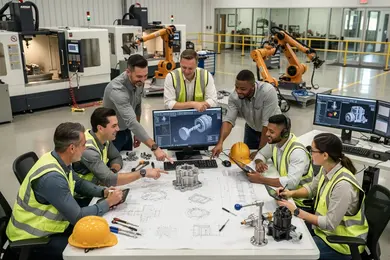
- Mechanical engineering curricula often emphasize theoretical foundations, yet employers prioritize hands-on skills like CAD, prototyping, and systems integration, creating a gap that challenges graduate employability.
- A 2024 study found over 60% of employers expect graduates to independently master software tools post-graduation, underscoring the need for self-directed technical skill development beyond class projects.
- Students enhancing career readiness benefit most from internships and interdisciplinary projects, as these simulate real-world problems and foster adaptability crucial for evolving mechanical engineering roles.
- Key Things to Know About Mechanical Engineering Skills Gap Key Things to Know
- What Skills Do Employers Expect From Mechanical Engineering Graduates? Employer Expectations
- What Do Mechanical Engineering Degree Programs Typically Teach? Program Curriculum
- Where Is the Biggest Skills Gap Between Mechanical Engineering Programs and Employers? Biggest Skills Gap
- Which Technical Skills Are Most Important for Mechanical Engineering Careers? Technical Skills
- Which Workplace Skills Matter Beyond Technical Knowledge? Workplace Skills
- How Do Internships and Real-World Experience Improve Career Readiness? Career Experience
- How Can Students Close the Mechanical Engineering Skills Gap Before Graduating? Closing Skills Gap
- How Is the Mechanical Engineering Job Market Changing Employer Skill Requirements? Changing Skill Requirements
- How Do Different Mechanical Engineering Programs Compare in Career Preparation? Career Preparation
- How Should Students Choose a Mechanical Engineering Program That Builds Career-Ready Skills? Choosing a Program
What Skills Do Employers Expect From Mechanical Engineering Graduates?
Employers in 2024 expect mechanical engineering graduates to blend solid technical command with practical problem-solving and strong professional skills. Data from LinkedIn and the World Economic Forum highlight that more than 70% of job postings for these roles require expertise beyond theoretical knowledge, emphasizing hands-on experience with industry-standard software and manufacturing methods.
Given the competitive landscape, graduates must also adapt to evolving trends such as automation and sustainability, which impact design and production processes. For example, an engineer working on a new electric vehicle might need to balance lightweight component design using CAD software while ensuring manufacturability through CNC machining and additive manufacturing techniques.
The following core skills reflect what employers most frequently seek based on labor market analyses and employer surveys:
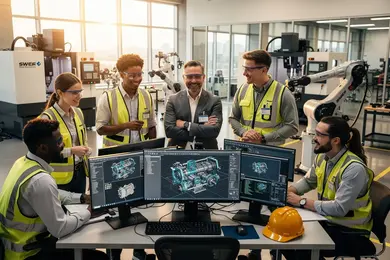
- Advanced Technical Proficiency: Employers prioritize graduates skilled in computer-aided design (CAD), finite element analysis (FEA), and manufacturing processes like CNC machining and additive manufacturing. Mastery of tools such as SolidWorks, MATLAB, and Python aids engineers in simulating and optimizing mechanical systems, which is often cultivated through project-based coursework and internships.
- Analytical Problem-solving: The ability to interpret complex data and apply engineering principles is critical. Mechanical engineering students develop this through rigorous coursework, but practical internships or capstone projects solidify their capacity to diagnose and improve real-world systems under constraints.
- Sustainability Awareness: With rising industry focus on greener technologies, graduates who understand environmental impacts and integrate sustainable design principles into their work stand out. This reflects industries' pivot toward energy efficiency and reduction of waste at every stage of production.
- Automation and Industry 4.0 Knowledge: Familiarity with robotics, control systems, and artificial intelligence is increasingly essential as manufacturing environments modernize. Exposure during studies or co-op positions to these advances prepares graduates for roles requiring automation-driven innovations.
- Communication and Collaboration: Mechanical engineers often operate within multidisciplinary teams and liaise with clients, making clear and adaptable communication vital. Developing these soft skills through group projects and internships impacts day-to-day success and project delivery.
- Leadership and Initiative: Employers value candidates who take proactive approaches to learning and demonstrate leadership potential early in their careers. Emerging technologies demand continuous skill development, a mindset fostered through capstone projects and real-world engineering challenges.
Labor market insights from Lightcast confirm that merging theoretical fundamentals with applied experience enhances graduate employability. For those seeking flexible educational pathways, pursuing an accelerated online bachelor's degree in mechanical engineering can be a strategic way to align academic credentials with industry expectations efficiently.
What Do Mechanical Engineering Degree Programs Typically Teach?
A mechanical engineering degree curriculum fundamentals build a robust technical foundation essential for traditional and emerging roles in engineering industries. While core technical subjects in mechanical engineering programs remain consistent, including mechanics and thermodynamics, evolving workforce demands call for adapting curricula toward integrative analytical and digital competencies.
Graduates are expected to navigate complex problem-solving scenarios where theoretical understanding intersects with practical design and manufacturing challenges. For instance, designing an energy-efficient HVAC system requires not only knowledge of fluid dynamics but also the ability to apply computer-aided design tools and analyze system simulations accurately.
Below are key areas commonly emphasized in mechanical engineering degree programs:
- Core technical subjects: Programs prioritize mechanics, thermodynamics, materials science, and fluid dynamics to establish essential scientific principles. This foundation supports engineers in understanding how physical systems behave, critical for precision and innovation across sectors like automotive and aerospace.
- Applied mathematics and modeling: Emphasis on calculus, differential equations, and numerical methods equips students to create mathematical models for real-world phenomena. These skills enable engineers to predict system performance and optimize designs effectively.
- Computer-aided design (CAD): Proficiency in CAD software is integral for translating concepts into detailed plans and simulations. This competency ensures engineers can visualize, test, and iterate designs before physical prototyping, reducing time and cost.
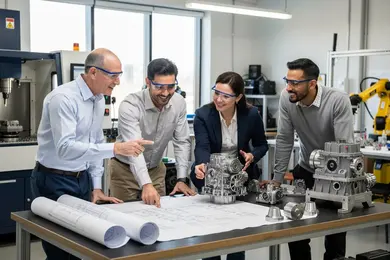
- Laboratory experimentation: Hands-on labs develop the ability to conduct controlled experiments and analyze data critically. This experiential learning bridges theory and practice, fostering an empirical mindset that is crucial for troubleshooting and quality assurance.
- Quantitative analysis and problem-solving: Mechanical engineering curricula cultivate strong analytical skills to dissect complex problems systematically. Graduates learn structured approaches that are vital when addressing multifaceted engineering challenges in industry.
- Systems integration and control theory: Knowledge of how various components interact within larger systems prepares students to design cohesive solutions. Mastery of control theory aids in automated and responsive system management, increasingly important in robotics and manufacturing automation.
- Emerging competency gaps: According to the 2024 American Society of Mechanical Engineers Industry Workforce Alignment Study, many programs still underrepresent data analytics and advanced programming, which are becoming essential. Recognizing this gap is important for students seeking a curriculum aligned with modern workforce expectations.
The balance these programs strike between foundational technical skills and emerging digital proficiencies often determines graduates' readiness for evolving roles. For prospective students comparing formats, the structure and delivery quality of these core components significantly shape educational outcomes and career trajectories.
Insightful choices about where and how to pursue a mechanical engineering degree can influence one's ability to integrate traditional expertise with new industry demands, including those highlighted in online educational resources such as the cheapest online business degree programs that reflect modern digital education trends.
Where Is the Biggest Skills Gap Between Mechanical Engineering Programs and Employers?
Employers increasingly report a disconnect between the skills they need and those new mechanical engineering graduates possess. The 2024 National Association of Manufacturers' workforce survey highlights that nearly 60% of employers find recent graduates lacking in practical, applied abilities critical for immediate job performance.
While academic programs emphasize theoretical knowledge, graduates often enter the workforce without sufficient exposure to hands-on tools and interdisciplinary collaboration expected in real-world projects.
The following points outline the most prominent skill gaps and ways students can proactively address them before graduation:
- Applied Technical Proficiency: Many programs focus on theory over practice, resulting in graduates who struggle with industry-standard software like CAD and FEA. This gap slows down new hires' contributions on projects requiring digital modeling and simulation. Students can narrow this divide by pursuing internships or certifications that offer in-depth tool usage beyond classroom exercises.
- Interdisciplinary Communication: Engineering solutions rarely happen in isolation, yet graduates often lack experience working across teams spanning manufacturing, electrical, and business functions. This deficiency can impede project efficiency and innovation. Participating in multidisciplinary student projects or co-op programs helps build these essential soft skills.
- Adaptability to Emerging Technologies: Rapid advances in fields like additive manufacturing, robotics, and sustainable design are not yet fully integrated into many curricula. Graduates who haven't engaged with these frontiers risk being unprepared for evolving employer needs. Students should seek exposure through workshops, research opportunities, or tech-focused industry partnerships to stay current.
- Real-World Problem Solving: Classroom problems rarely capture the complexity of industry challenges, leaving new engineers less adept at navigating ambiguity and competing priorities. Project-based learning or internships that mimic workplace scenarios can improve critical thinking and practical judgment.
One mechanical engineering graduate recalled their first role at a mid-sized manufacturing firm where they quickly realized that textbook knowledge wasn't enough. Faced with a pressing project involving automation system updates, they hesitated, unsure how to apply their limited programming skills under tight deadlines.
Their relief came after seeking mentorship and investing extra hours in self-taught courses to bridge the gap. This experience made clear the importance of hands-on tool mastery and adaptability—skills not fully covered in their academic program but crucial to earning employer confidence and contributing meaningfully from day one.
Which Technical Skills Are Most Important for Mechanical Engineering Careers?
Technical skills are critical for transforming mechanical engineering theory into tangible solutions within professional environments. As industries adopt new technologies and shift priorities, the most relevant competencies for mechanical engineers also change, requiring continuous adaptation.
Current employer demand reflects this dynamic, with 65% of manufacturing firms in 2024 highlighting proficiency in advanced design and manufacturing software as a top requirement. For students and career changers, it's essential to recognize which skills offer both immediate job readiness and long-term career resilience.
Below are key technical skills that consistently underpin success across mechanical engineering roles:
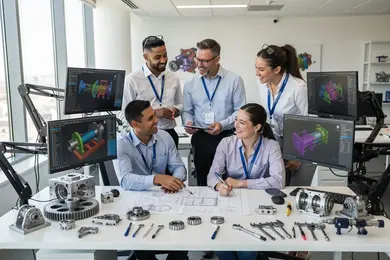
- CAD/CAM Software Proficiency: Mastery of computer-aided design and manufacturing tools enables the creation and refinement of precise mechanical components and assemblies. This skill is often developed through project-based coursework and internships, proving vital for roles that bridge design and production.
- Programming and Automation: Competency in languages such as Python, MATLAB, and C++ allows engineers to streamline complex calculations, automate repetitive tasks, and conduct simulations. These abilities not only enhance efficiency on the job but also prepare engineers for emerging digital manufacturing environments.
- Materials Science Knowledge: Understanding the properties and behaviors of materials under variable conditions informs design decisions and ensures product durability. This foundational expertise is typically gained through dedicated courses paired with laboratory experiments.
- Finite Element Analysis (FEA): Skills in using FEA tools empower engineers to predict structural responses under stress and optimize designs accordingly. Developing this expertise facilitates problem-solving in sectors such as automotive or aerospace where safety and performance are critical.
- Additive Manufacturing Techniques: Familiarity with 3D printing and related fabrication methods reflects industry trends toward rapid prototyping and customization. Hands-on experience during specialized electives or research projects positions graduates favorably in innovative engineering roles.
- Thermodynamics and Mechanics of Materials: These core theoretical areas provide the analytical framework needed for understanding energy systems and mechanical behaviors, underpinning all practical engineering applications and ensuring versatile technical foundations.
Which Workplace Skills Matter Beyond Technical Knowledge?
Success in engineering careers depends heavily on capabilities beyond core technical knowledge. While mastering mechanical engineering principles is essential, employers increasingly highlight professional skills as critical differentiators in the workforce. A 2024 study from the National Association of Colleges and Employers reports that over 75% of employers prioritize communication, adaptability, and teamwork over technical expertise alone when hiring early-career engineers.
These competencies enable graduates to effectively navigate complex project environments where collaboration and flexibility drive outcomes. The professional skills gap in mechanical engineering workforce readiness continues to challenge educators and employers alike.
Below are key workplace skills that matter beyond technical knowledge:
- Effective Communication: Engineers must translate complex technical information into clear, accessible language for diverse stakeholders, including clients and non-engineering managers. Programs emphasizing writing, presentations, and interdisciplinary collaboration help students build this skill, which is crucial for avoiding costly misunderstandings and building trust in project teams.
- Collaborative Teamwork: Mechanical engineers rarely work in isolation; they interact with manufacturing, quality assurance, and marketing teams. Developing interpersonal skills that support negotiation, conflict resolution, and leveraging diverse perspectives can improve project innovation and efficiency. Practical group projects and cross-disciplinary experiences enhance readiness.
- Adaptability and Learning Agility: Rapid technological change demands engineers who can learn new tools, materials, and methods promptly. Cultivating a growth mindset during a degree program by engaging in evolving coursework and internships prepares graduates to pivot effectively in dynamic work environments.
- Problem-Solving in Context: Beyond calculations, engineers must balance trade-offs, constraints, and sustainability goals when optimizing designs. Integrating systems thinking and real-world case studies into curricula helps students develop holistic problem-solving skills valued by employers focused on economic and environmental impact.
- Negotiation and Conflict Resolution: Success often depends on managing differing priorities among stakeholders. Engineers who can negotiate compromises and resolve disputes maintain project momentum and foster collaborative cultures. Role-playing and experiential learning provide safe environments to hone these capabilities.
- Time Management and Prioritization: Managing multiple tasks and deadlines is inherent in engineering projects. Strengthening organizational skills through project-based assignments and internships trains students to allocate resources efficiently, essential for meeting deliverables under pressure.
Mechanical engineering employers' most valued soft skills consistently include these professional competencies, underscoring that technical mastery alone does not guarantee employability or career growth. To address this, students should seek programs that integrate experiential learning and emphasize durable skills alongside technical training.
Those balancing mechanical engineering studies with interests in areas like mental health may consider an online masters in mental health counseling as a complementary pathway that fosters empathy and communication skills, further enhancing professional effectiveness.
How Do Internships and Real-World Experience Improve Career Readiness?
Classroom instruction in Mechanical Engineering often emphasizes theoretical concepts and controlled problem-solving that do not fully capture the complexity of real-world applications. Without practical experience, students may struggle to translate academic knowledge into effective solutions for industry challenges or to navigate the interpersonal dynamics of workplace teams.
Engaging in internships and other experiential learning opportunities allows students to practice decision-making and technical skills within authentic project environments, building confidence and professional judgment that cannot be replicated in a classroom alone.
Recent findings from the National Association of Colleges and Employers show that Mechanical Engineering students who complete at least one internship are about 60% more likely to secure job offers before graduation. These immersive experiences foster not only technical proficiency, such as mastery of industry software and manufacturing processes, but also essential soft skills like communication, teamwork, and time management.
However, the impact of these experiences depends on their relevance to the student's academic focus and the quality of mentorship; misaligned or brief internships may offer limited advantage in preparing for specific career paths.
For prospective students to fully leverage experiential learning, it is critical to seek internships early and actively engage in applied projects that challenge their problem-solving abilities. Developing professional relationships and regularly reflecting on workplace dynamics help contextualize lessons learned and inform career decisions.
When combined with rigorous academic study and continuous skill development, these experiences form a foundation for a successful transition from education to engineering practice and enhance long-term employability in a competitive field.
How Can Students Close the Mechanical Engineering Skills Gap Before Graduating?
Students aiming to enter the mechanical engineering workforce don't need to wait until graduation to develop career-ready skills. Integrating workplace competencies with academic learning before completing a degree can significantly enhance employment prospects and shorten job searches.
Employers increasingly seek candidates who demonstrate hands-on experience and adaptability, which traditional curricula may not fully provide. Proactively building these abilities while in school better aligns graduates with real-world demands.
The following strategies highlight practical ways to close the skills gap prior to finishing a mechanical engineering degree:
- Targeted internships: Engaging in paid or credit-bearing internships provides direct exposure to industry practices and tools, bridging theoretical knowledge with practical application. The U.S. Bureau of Labor Statistics (2024) shows that mechanical engineering graduates with relevant internships land jobs 30% faster than those without. Students can pursue internships through university career centers or company outreach during summer or semester breaks.
- Industry-linked research: Participating in undergraduate research tied to industry projects develops problem-solving skills while familiarizing students with current engineering challenges. Although only 45% of students engage in research according to the Council on Undergraduate Research (2024), those who seek partnerships with industry enhance their technical and applied knowledge much more effectively.
- Certifications and technical training: Obtaining credentials like CAD proficiency or Six Sigma endorsements supplements academic courses with skills directly requested by employers. Reports from the Institute of Industrial and Systems Engineers (2024) confirm higher hiring rates for students holding recognized certifications, which communicate readiness for specific technical roles.
- Project-based learning (PBL): Active involvement in multidisciplinary, real-world engineering projects cultivates teamwork and communication skills critical to workplace success. Meta-analyses from the Journal of Engineering Education (2024) reveal that students engaged in rigorous PBL outperform peers in collaborative environments and practical problem-solving.
- Networking with professionals: Building relationships with practicing engineers through events, seminars, or mentoring programs exposes students to workplace expectations and soft skills often overlooked in lecture halls. Such connections can lead to insider knowledge on hiring trends and additional experiential opportunities.
- Skill integration workshops: Participating in workshops that combine technical software training with communication and leadership exercises helps students translate academic knowledge into workforce competencies valued by employers.
One mechanical engineering graduate recalled feeling uncertain about their marketability midway through college. After securing a summer internship at a local manufacturing firm, they realized the significant gap between textbook problems and real engineering challenges. The hands-on experience not only boosted their confidence but also highlighted weaknesses in project management and teamwork.
Motivated by this, they pursued a Six Sigma certification and coordinated with classmates on a capstone project mimicking industry requirements. This layered approach made the transition to the workplace less daunting and expedited job placement shortly after graduation.
How Is the Mechanical Engineering Job Market Changing Employer Skill Requirements?
Technological advances, automation, artificial intelligence, and globalization are reshaping employer priorities for mechanical engineering roles. Employers increasingly seek candidates with interdisciplinary expertise that extends beyond traditional engineering principles, responding to new regulatory landscapes and industry demands.
For example, manufacturing firms integrating IoT and machine learning into their processes now require engineers who understand both digital tools and core mechanics. According to the World Economic Forum, 60% of companies expect to prioritize digital skills alongside traditional engineering competencies, reflecting broader mechanical engineering job market trends in 2024.
These shifts elevate the importance of both technical and soft skills. Proficiency in CAD, simulation software, and programming languages such as Python and MATLAB is no longer optional but essential, while adaptability, critical thinking, and collaboration skills are increasingly valued, as highlighted by LinkedIn's workplace analysis.
Mechanical engineering degree programs often lag in integrating these practical skills fully, resulting in a noticeable skills gap. Continuous learning, internships, and applied interdisciplinary projects are crucial for bridging this gap, enabling graduates to meet evolving expectations rather than simply fulfilling academic requirements.
Prospective and current students can strengthen workforce readiness by combining foundational coursework with real-world experience through internships or cooperative education. Obtaining relevant certifications and engaging in professional networking also support adaptability in a rapidly changing job market.
For those considering complementary education paths, programs like an MBA under 10k can enhance management and project oversight skills, aligning with the increasing cross-functional demands faced by mechanical engineers today.
How Do Different Mechanical Engineering Programs Compare in Career Preparation?
Career preparation in mechanical engineering depends on more than just holding a degree title. Programs vary widely in how they develop workforce readiness, meaning graduates' success often hinges on experiential learning and alignment with industry demands.
A 2024 report from the National Science Foundation finds that graduates from programs with substantial hands-on components, internships, and interdisciplinary projects score 30% higher in employer assessments of career readiness. For example, a student with strong foundation in additive manufacturing and co-op experience may adapt more quickly to advanced manufacturing roles than one focused solely on theory.
Key factors to compare when evaluating mechanical engineering degree programs include:
- Industry Integration: The depth of partnerships with local and national companies influences the availability of internships, cooperative education, and real-world projects. Programs with strong industry ties offer students frequent opportunities to tackle current engineering challenges, which improves both technical competence and professional networks.
- Practical Experience Emphasis: Programs differ in balancing theoretical coursework with application. Those embedding project-based learning and emerging technologies like data analytics foster adaptability and problem-solving, critical for the evolving engineering landscape.
- Soft Skills Development: Communication, teamwork, and systems thinking are critical yet often underemphasized. Programs that explicitly integrate these skills tend to produce graduates who meet broader employer expectations beyond technical knowledge.
- Geographic and Institutional Access: Location and institutional resources impact the availability of co-op placements and workshops. Prospective students should assess how a program's environment and partnerships can expand experiential learning opportunities.
Mechanical engineering degree programs are not one-size-fits-all; career readiness depends on a student's goals and their proactive engagement with the program's offerings. Supplementing formal education with targeted internships and certifications remains a vital strategy to close gaps.
For those interested in related interdisciplinary pathways, exploring fields like forensic science career options may provide additional career context and opportunities.
How Should Students Choose a Mechanical Engineering Program That Builds Career-Ready Skills?
Choosing between online, hybrid, and campus mechanical engineering programs requires careful consideration of long-term benefits and trade-offs. Each format shapes students' career readiness differently, influencing skill development, networking, and practical experiences. For example, a student balancing full-time work might thrive in a hybrid program, gaining flexible access to labs and collaborative projects.
Below are key factors to evaluate when comparing learning formats:
- Hands-On Experience: Campus programs often provide extensive access to labs and maker spaces, enhancing practical skills crucial for employers. Online formats may struggle to replicate this, though hybrid options blend virtual theory with periodic in-person labs useful for applied learning.
- Networking Opportunities: In-person settings facilitate organic relationships with peers, faculty, and industry partners, which can boost job prospects. Online learners benefit from digital networking but may face limitations in spontaneous collaboration and mentorship.
- Flexibility and Accessibility: Online programs offer unmatched scheduling flexibility, benefiting students with work or family commitments. Hybrid formats provide partial flexibility, while campus programs generally require fixed attendance, important for learners prioritizing structure.
- Career Readiness Metrics: According to 2024 National Center for Education Statistics data, programs integrating co-op and internship experiences, typically more prevalent on campus and hybrid models, show higher graduate employment rates, signaling stronger workforce alignment.
- Interdisciplinary Skills Development: Programs with specialized labs in CAD, data analytics, and automation, often more accessible on campus or hybrid platforms, better prepare graduates for evolving industry demands.
- Self-Discipline Requirements: Online formats demand high self-motivation and time management, which suits autonomous learners but challenges others. Campus-based education offers greater external accountability through scheduled classes.
- Cost and Financial Considerations: Online programs may reduce commuting and housing costs, appealing to budget-conscious students. However, hybrid and campus formats might offer more resources and employer connections, justifying higher expenses for some.
References
- How I interned abroad to enhance mechanical engineering skills for future employment | Intern Abroad HQ https://www.internhq.com/blog/how-i-interned-to-gain-engineering-skills/
- Mechanical Engineering: Careers, Skills & Future Job Trends https://fundaspring.com/blogs/careers/mechanical-engineering-career-guide
- Mechanical Engineer Job Market in 2026 https://tracksidecareers.com/blog/mechanical-engineer-job-market
- What Classes Do Mechanical Engineers Take In College? https://www.grace.edu/what-classes-do-mechanical-engineers-take-in-college/
- 7 Important Soft Skills that Every Engineer Needs https://finiteengineering.com/7-important-soft-skills-engineers-need-to-excel-in-their-career/
- Academic routes into mechanical engineering https://www.imeche.org/careers-education/careers-information/what-is-mechanical-engineering/academic-routes-into-mechanical-engineering
Other Things You Should Know About Mechanical Engineering Skills Gap
Degree programs often push early specialization in niche areas, but employers generally value versatility, especially in smaller firms or multidisciplinary projects. Students should critically assess whether deep technical focus aligns with their target job market or if a broader skill set-including project management and cross-disciplinary collaboration-better positions them for diverse roles. Prioritizing broad problem-solving and adaptability may delay technical depth but increases employability in fluctuating industry conditions.
Theoretical rigor provides a strong foundation for innovation and advanced roles but often comes at the expense of immediate workplace readiness, especially for entry-level positions emphasizing practical skills. Conversely, applied-focused programs boost day-one productivity but may limit opportunities in research or design that require deeper analytical ability. Students must weigh their long-term career goals-whether aiming for rapid job entry or advanced specialization-to decide which curricular emphasis better supports their ambitions.
Mechanical engineering degrees frequently underemphasize communication, teamwork, and leadership development, yet employers consistently report challenges with new hires' non-technical competencies. This gap slows initial role adjustment and complicates collaboration on complex projects, which ultimately constrains career growth. Students should actively seek extracurricular or cross-disciplinary experiences that nurture these skills, as curricular soft skill training remains insufficient for meeting workplace demands.
While degrees provide foundational knowledge, employers increasingly expect certifications that demonstrate mastery of specific tools or standards relevant to mechanical engineering practice. Certifications, such as in CAD software or Lean Six Sigma, provide tangible evidence of applied competence and can differentiate candidates in a crowded job market. Students aiming for a competitive edge and clear, measurable skills validation should integrate relevant certifications into their education plan without compromising degree completion timelines.