2027 Mechanical Engineering Admissions Trends Report: Acceptance Rates, GPA Expectations, and Test Policy Changes

Co-Founder and Chief Data Scientist
Mechanical engineering programs face evolving admissions dynamics shaped by shifting labor market demands and accreditation standards. Programs balancing expanding enrollment with finite faculty resources often adjust acceptance rates and GPA thresholds to align with workforce readiness goals. Recent testing-policy alterations reflect efforts to address changing applicant profiles while maintaining rigorous evaluation of prerequisite knowledge.
Understanding these metrics requires seeing them as responses to trends like rising demand for interdisciplinary skills and integration of automation technologies. The varying age distribution among admitted students signals broader access shifts and adapting educational models aimed at meeting both traditional and emerging mechanical engineering workforce needs.
Key Things to Know About Mechanical Engineering Admissions Trends
- Mechanical engineering acceptance rates have tightened to around 25% at top programs, emphasizing the need for competitive averages but also raising challenges for transfer students seeking late-stage entry.
- Average admitted GPA now hovers near 3.8, reflecting employer preferences for candidates with demonstrable mastery in core STEM coursework, which shapes curriculum rigor and internship readiness.
- The shift toward test-optional policies since 2023 reduces immediate cost barriers but complicates risk assessment for admissions committees, prompting greater emphasis on holistic portfolio reviews and extended application timelines.
- Key Things to Know About Mechanical Engineering Admissions Trends Key Things to Know About Mechanical Engineering Admissions Trends
- What Are the Current Acceptance Rates for Mechanical Engineering Degree Programs? Current Acceptance Rates
- What Is the Average GPA of Accepted Mechanical Engineering Students? GPA Requirement
- Are SAT or ACT Scores Still Required for Mechanical Engineering Degree Programs? SAT/ACT Requirement
- How Many Mechanical Engineering Programs Have Adopted Test-Optional Admissions Policies? Test-Optional Programs
- What Non-Academic Factors Do Mechanical Engineering Admissions Committees Consider? Non-Academic Factors
- Which Types of Schools Are the Most Selective for Mechanical Engineering Applicants? Most Selective Schools
- How Do Admissions Standards Differ Across States and Regions? Admission Standards by State
- How Do Admissions Requirements Compare Between Online and Campus Programs? Online vs On-Campus Admissions
- Is There a Relationship Between Admissions Standards and Student Success? Admission Standards & Student Success
- How Can Students Strengthen a Mechanical Engineering Program Application? Program Application Preparation
What Are the Current Acceptance Rates for Mechanical Engineering Degree Programs?
Data from the U.S. Department of Education's College Scorecard and recent admissions reports show that mechanical engineering program acceptance rates vary widely, typically spanning from about 30% at selective state universities to over 70% at more accessible regional schools. This range highlights the high demand for such degrees alongside tight capacity at prestigious institutions. Research universities, known for their rigorous engineering programs, often report acceptance rates below 40%, with some elite publics admitting less than 10% of freshman applicants.
Conversely, mid-tier programs strike a balance, with acceptance rates commonly between 40% and 60%, reflecting a blend of selectivity and broader accessibility consistent with regional and institutional priorities in mechanical engineering program acceptance rates by region. Variability in acceptance rates largely stems from factors such as institutional prestige, applicant volume, and program capacity. Highly ranked schools prioritize applicants with strong academic records, often requiring GPAs above 3.7 and demonstrated STEM proficiency, resulting in more competitive admissions.
In contrast, open-enrollment and less selective institutions prioritize inclusivity and may serve nontraditional or transfer students, though this often comes with tradeoffs in resource availability and graduate outcomes. Public versus private and online versus brick-and-mortar distinctions further influence applicant pools and admissions criteria. This dynamic environment requires prospective students to critically evaluate how acceptance trends align with their academic profiles and professional goals, especially since programs have also adjusted to testing policy changes affecting demand and selectivity.
Understanding current acceptance rate trends for mechanical engineering degrees is crucial for strategic enrollment decisions, as rates influence perceptions of program competitiveness and value. Candidates must weigh acceptance likelihood against curriculum rigor and employer expectations, which increasingly favor practical skills and experiential learning alongside academic achievement.
Supplementing degrees with additional certifications or internships can mitigate disparities associated with less selective programs. Those navigating admission choices may also benefit from resources such as BCBA masters programs models that illustrate balancing accessibility with outcome relevance, emphasizing the need for informed decisions grounded in labor market needs and educational quality.
What Is the Average GPA of Accepted Mechanical Engineering Students?
Recent admissions data from university fact books and U.S. Department of Education datasets for 2024 show that the average GPA of accepted mechanical engineering students typically falls between 3.4 and 3.8 on a 4.0 scale. Most competitive programs, particularly those at R1 research universities and leading private institutions, report average accepted GPAs clustering near 3.7 to 3.8, reflecting the strong academic preparation required to succeed in this quantitatively demanding field. This GPA range serves as a practical benchmark to gauge applicants' readiness in foundational STEM subjects and is frequently referenced in current admissions profiles.
Prospective students exploring the average gpa requirements for mechanical engineering programs should recognize this as a key filter in increasingly selective admissions processes. Variability in GPA expectations corresponds closely to institutional selectivity, program focus, and grading norms across public, private, and online colleges. Less selective or more applied-oriented mechanical engineering programs may admit students with GPAs closer to 3.4 to 3.5, balancing academic metrics with holistic criteria such as extracurricular involvement or engineering-related experience.
Institutional differences and the rise of test-optional policies have amplified the emphasis on GPA as a critical admissions signal, as it offers a consistent academic benchmark amidst diverse evaluation standards. For students and advisors, understanding how these fluctuations correspond with program demand and prestige is essential when comparing applicant competitiveness and interpreting the typical GPA of accepted mechanical engineering students. These established GPA thresholds shape applicant preparation strategies and influence perceived program competitiveness within mechanical engineering admissions landscapes.
Students often calibrate their academic performance and course selection to surpass minimum GPA targets, while also assessing how experiential learning opportunities might offset slightly lower GPAs at certain institutions. Awareness of these dynamics supports more strategic application planning and helps clarify the academic rigor signaled by strong undergraduate performance. In this context, reviewing options such as the cheapest online electrical engineering degree paths can also provide insights into affordable alternatives with varied GPA requirements, underscoring the diversity of viable educational routes within engineering fields.

Are SAT or ACT Scores Still Required for Mechanical Engineering Degree Programs?
As of 2024, a considerable number of mechanical engineering degree programs have shifted away from mandating SAT or ACT scores, with many adopting test-optional or entirely test-blind admissions policies. Data from university admissions reports and national education statistics indicate this transition is mainly concentrated in public institutions and mid-tier schools, while some highly selective universities retain score submissions for merit-based scholarships or program-specific benchmarks.
This evolving landscape prioritizes GPA, mastery of rigorous coursework, and comprehensive application materials over standardized test results, reflecting a broader reevaluation of predictive validity in engineering education admissions. Consequently, applicants without test scores face greater emphasis on academic consistency and evidence of relevant skills, although strong standardized results can still serve as a differentiator in competitive applicant pools.
The expansion of test-optional policies stems from multifaceted motivations, including efforts to improve equity by mitigating socioeconomic and racial disparities associated with standardized testing. Institutions balance desires to maintain or improve rankings with commitments to accessible admission frameworks, often calibrating their policies according to public or private status and selectivity levels.
Public universities tend to adopt inclusive approaches aligned with state and federal guidance, while elite programs may preserve testing as a signal for academic readiness or scholarship eligibility. These shifts underscore tension between traditional metrics and holistic review processes, as programs weigh standardized assessments against broader measures of applicant potential and engineering aptitude.
How Many Mechanical Engineering Programs Have Adopted Test-Optional Admissions Policies?
Recent data indicates that a substantial proportion of mechanical engineering programs in the United States have transitioned to test-optional admissions policies. The National Center for Education Statistics notes that around 60% of institutions offering these degrees now allow applicants the choice to forgo standardized test scores. This shift is corroborated by research from the College Board, which highlights an increase from approximately 40% in 2021 to nearly 65% by 2024 in engineering programs adopting such policies.
Advocacy organizations like FairTest further report that nearly two-thirds of mechanical engineering programs have embraced this change, reflecting a notable realignment in admissions criteria within this field. The adoption of test-optional policies is largely driven by efforts to address equity and access challenges in engineering education. Many institutions have sought to alleviate barriers faced by underrepresented and economically disadvantaged applicants, placing greater emphasis on academic performance and coursework rigor over standardized testing.
Additionally, the COVID-19 pandemic accelerated this trend as testing availability fluctuated, prompting universities to reconsider the weight of standardized exams. Competitive pressures also play a role; larger public universities with high application volumes often adopt test-optional routes to diversify their campuses and expand applicant pools, while some elite programs continue to require test scores to maintain selectivity and evaluate quantitative readiness.
These policy changes have implications for both application dynamics and student decision-making. Offering test-optional admissions can increase the number of applicants, potentially intensifying competition but also broadening diversity. Prospective students must carefully assess individual program requirements and employ a more holistic view of their academic profiles when deciding whether to submit test scores. Advisors and families should remain vigilant, as the evolving landscape demands strategic application planning based on up-to-date institutional policies rather than assumptions tied solely to standardized tests.
What Non-Academic Factors Do Mechanical Engineering Admissions Committees Consider?
Admissions committees for mechanical engineering programs increasingly apply a holistic review process that combines academic metrics with detailed assessments of non-academic factors. This approach seeks to identify candidates whose broader experiences and personal attributes predict success beyond grades and standardized test scores.
Especially in competitive contexts, evaluating these factors helps programs construct cohorts with diverse skills aligned to evolving engineering challenges and workforce demands.
- Demonstrated Leadership: Evaluators assess leadership roles in extracurriculars or community groups as evidence of initiative and the ability to guide team efforts. This skill often correlates with project management capabilities and collaboration, critical in mechanical engineering settings where complex, interdisciplinary teamwork is common.
- Relevant Work or Internship Experience: Practical exposure through internships or co-ops offers insight into applicant readiness for real-world engineering tasks. Admissions data from the American Society of Mechanical Engineers indicates those with documented experience enjoy roughly 20% higher acceptance rates, underscoring its value for cultivating applied problem-solving and time-management skills.
- Resilience and Motivation: Admissions essays and supplemental prompts often probe an applicant's capacity to overcome setbacks and persist through challenges. Descriptions of perseverance carry particular weight when academic indicators alone leave borderline candidates uncertain, reflecting a program's interest in tenacity as a predictor of long-term success.
- Communication Skills: Beyond quantitative aptitude, strong written and verbal communication are assessed for their importance in clearly articulating technical concepts. These skills enhance teamwork and adaptability in fast-evolving engineering environments, where collaboration across disciplines and stakeholders is routine.
- Community Engagement and Ethical Awareness: Programs increasingly value evidence of social responsibility such as volunteer work or service projects. Roughly 40% of surveyed mechanical engineering programs consider community involvement as "important" or "very important," signaling a trend toward integrating ethical and societal considerations into engineering education.
- Letters of Recommendation: Recommendations are scrutinized for insights into a candidate's creativity, teamwork, and adaptability-traits that academic records alone cannot capture but are essential for innovation and flexibility in engineering careers.
Incorporating these factors reflects a recognition that mechanical engineering admissions non academic evaluation criteria extend far beyond extracurricular checklists. This comprehensive assessment framework helps distinguish applicants whose broader experiences align with both academic expectations and employer demands. Prospective students and transfer applicants should prioritize not only their GPA but also cultivating meaningful leadership and practical experiences that demonstrate a well-rounded profile.
For those exploring varied educational options, medical and psychological fields also embrace holistic evaluation strategies. For example, candidates interested in interdisciplinary healthcare-related engineering applications might consider programs like the PsyD program, where practical experience and personal qualities weigh heavily in admissions alongside academic achievements.
Which Types of Schools Are the Most Selective for Mechanical Engineering Applicants?
Selectivity in mechanical engineering admissions varies widely across institutional types, reflecting differences in research intensity, funding, applicant volume, and program capacity. Schools with substantial research budgets and strong industry ties typically receive far more applications than they can admit, pushing acceptance rates downward.
Conversely, institutions prioritizing broader access face less pressure to restrict enrollment, although regional demand and resource constraints still create variability in their selectivity profiles.
- Research-Intensive Universities and Elite Private Colleges: These institutions often have highly constrained admissions due to their reputations, extensive lab infrastructure, and close connections with industry leaders. As a result, acceptance rates for mechanical engineering applicants frequently dip below 20%, driven by an influx of academically competitive candidates seeking research opportunities and graduate pathways.
- Public Flagship Universities: Public flagship schools balance their state-mandated access missions with selective standards tailored around academic achievement and STEM preparedness. Admit rates generally range from 25% to 45%, reflecting relatively high demand combined with larger program sizes and state funding priorities. These institutions maintain competitive admissions especially for out-of-state and transfer students.
- Regional State Schools and Community Colleges: These institutions emphasize affordability and workforce alignment, leading to more open or minimally selective admissions in mechanical engineering-related fields. Their priorities focus on accessible entry rather than applicant filtering, resulting in acceptance processes that are often less restrictive but offer fewer research or industry partnership advantages.
According to 2024 data from the National Center for Education Statistics, acceptance rates for top-tier mechanical engineering programs tend to fall well below national averages, underscoring the intense competition linked to institutional prestige and program quality. The level of selectivity a prospective student encounters depends not only on the number of applicants but also on an institution's capacity and strategic emphasis, illustrating the nuanced landscape of mechanical engineering admissions across US higher education.
How Do Admissions Standards Differ Across States and Regions?
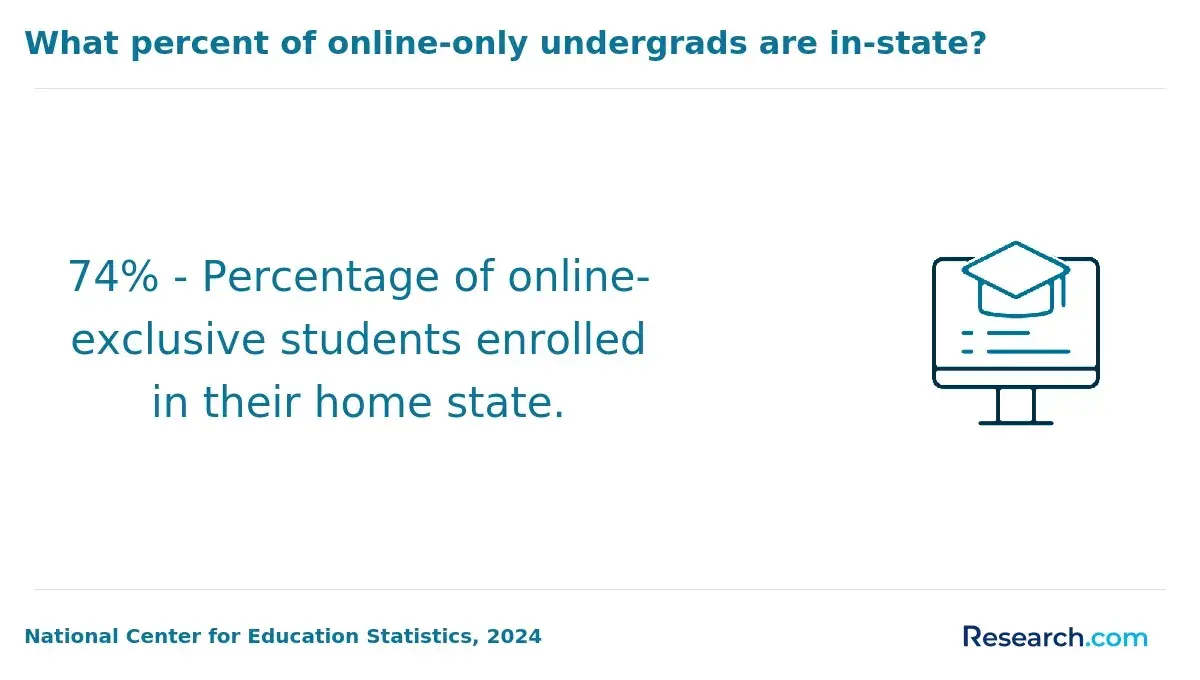
Admissions standards for mechanical engineering programs vary considerably across U.S. states and regions, reflecting a complex interaction between local education systems, institutional priorities, and applicant pools. Data from 2024 sources such as the National Center for Education Statistics and state university reports highlight how flagship universities in populous states may enforce higher GPA thresholds and maintain traditional standardized testing requirements, despite a growing shift toward test-optional policies.
In contrast, programs in less densely populated or differently funded regions tend to adopt more flexible admissions frameworks that incorporate holistic reviews, balancing academic metrics with relevant extracurricular and work experiences. These differences underscore how regional contexts produce distinct selectivity landscapes rather than uniform entry expectations nationwide.
The primary factors shaping these disparities include varying state-level public funding, regional labor market demands, and institutional capacity constraints. States with rapidly growing urban populations often experience intense enrollment pressure, driving up admission competitiveness and raising GPA and test score cutoffs in mechanical engineering.
Conversely, institutions in regions with stable or declining populations may widen access by valuing practical skills and residency status more heavily. Additionally, states with concentrated manufacturing or technology sectors influence admissions committees to prioritize applicants demonstrating internship experience or applied project work aligned with local economic needs. Thus, admissions reflect not just academic standards but also strategic responses to workforce dynamics and regional policy environments.
How Do Admissions Requirements Compare Between Online and Campus Programs?
Admissions requirements for online versus campus mechanical engineering programs reveal notable distinctions in selectivity and evaluation criteria. Campus-based programs tend to uphold more traditional metrics-often requiring competitive GPAs above 3.0 and standardized test scores-reflecting longstanding institutional practices and the structured, resource-intensive nature of in-person curriculum delivery. In contrast, many online programs adopt more flexible standards, sometimes accepting students with GPAs near or below 2.5 and employing holistic reviews that weigh professional engineering experience alongside academic records.
This shift responds to the evolving demographics of online learners, who frequently include working adults and non-traditional candidates, prompting test-optional policies and broader acceptance parameters as documented in recent National Center for Education Statistics data. These adaptations illustrate how considerations around accessibility and student diversity directly influence admissions policies in mechanical engineering online programs. The driving forces behind differences in acceptance criteria include accessibility objectives, targeted student populations, and program delivery constraints.
Online programs often prioritize enrollment scalability and accommodate candidates with significant industry experience to compensate for less rigid academic prerequisites. Conversely, campus programs emphasize rigorous academic preparation due to hands-on laboratory work and direct faculty engagement, which require consistent academic foundations. This divergence also reflects institutional priorities: campuses maintain selective admissions to manage physical resources and sustain program prestige, whereas online programs seek to expand access without compromising accreditation standards.
Understanding these dynamics clarifies why online versus campus mechanical engineering admissions requirements diverge beyond format alone, encompassing broader systemic and demographic factors that align with evolving workforce needs and educational delivery models. These differences influence both student decision-making and employer perception. Flexible admissions policies in online settings may attract a wider pool of applicants, especially those balancing professional commitments, though this can raise questions about program rigor and credential strength among some employers.
Prospective students should carefully examine how admissions standards align with available academic support, experiential learning, and industry connections rather than relying solely on GPA or test scores. For individuals navigating complex eligibility issues, resources such as what is the best degree for a convicted felon can provide additional guidance related to program accessibility and career pathways within mechanical engineering fields.
Is There a Relationship Between Admissions Standards and Student Success?
Recent data from the 2024 National Center for Education Statistics underscores a nuanced relationship between admissions standards and student success in mechanical engineering programs. Programs that admit students with average GPAs above 3.5 demonstrate approximately 15% higher first-year retention compared to those with averages below 3.0, indicating that stricter admissions can correlate with better early academic persistence.
However, this correlation does not extend uniformly to long-term outcomes such as graduation rates or workforce readiness, reflecting the complex dynamics at play beyond initial academic metrics. The impact of selective admissions on mechanical engineering student outcomes also interacts with measures of quantitative preparation and holistic review processes, revealing that academic readiness alone is insufficient for predicting sustained success.
The relationship becomes more complicated when factoring in institutional resources, student demographics, program design, and academic support systems. Variability in funding levels and availability of experiential learning opportunities meaningfully influence retention and completion patterns regardless of selectivity. Moreover, the adoption of test-optional policies in 2024 has not produced significant shifts in graduation trends, highlighting the growing emphasis on a broader admissions evaluation that accounts for varied student backgrounds and competencies. Employers increasingly prioritize applied skills and internship experience, which programs must integrate to align outcomes with industry standards.
For prospective students, relying solely on admissions selectivity as a marker of educational quality or career readiness is inadequate. Mechanical engineering applicants should consider how programs support practical skill development and adaptability, factors driving job placement and advancement. This perspective aligns with evolving workforce expectations and underscores the value of research-informed educational pathways, including advanced degrees like the online PhD AI, which represent intersections of engineering and applied technology expanding career possibilities.
How Can Students Strengthen a Mechanical Engineering Program Application?
Successful mechanical engineering applications reflect a synthesis of rigorous academic preparation, relevant experiential learning, and clear alignment with program objectives. Admissions committees look beyond minimum criteria to assess how applicants demonstrate readiness for the discipline's challenges and fit with the institution's educational approach.
Evidence of depth and breadth in STEM foundations combined with meaningful practical engagement enhances competitiveness, especially in increasingly holistic selection processes that weigh multiple dimensions of candidate potential.
- Strong Academic Record in STEM Subjects: Admissions committees prioritize applicants with solid performance in core subjects like calculus, physics, and chemistry, as these provide essential groundwork for mechanical engineering coursework. A cumulative GPA above 3.5, especially with high marks in these areas, signals academic rigor and reduces risk for programs investing resources in student success.
- Meaningful Practical Experience: Engagement in internships, research, or engineering competitions conveys applied problem-solving skills and professional readiness. Committees interpret such experiences as indicators of genuine commitment and capability to navigate real-world mechanical engineering challenges beyond theoretical study.
- Technical Skill Development: Proficiency in CAD, programming, and data analysis tools demonstrates adaptability and prepares applicants for emerging interdisciplinary demands. Highlighting these skills signals awareness of industry trends, which is increasingly valued in admissions decisions that integrate workforce alignment considerations.
- Holistic Application Components: Strong letters of recommendation and well-crafted personal statements help illustrate an applicant's motivation, interpersonal skills, and fit with program culture. These subjective elements provide context to transcripts and test scores, particularly important as many programs adopt test-optional policies.
- Targeted Extracurricular Participation: Involvement in engineering clubs, robotics teams, or design challenges reveals sustained interest and leadership potential. These activities corroborate an applicant's passion and help differentiate candidates in competitive pools where academic metrics alone are insufficient.
References:
- Mech Engineering colleges for B student https://talk.collegeconfidential.com/t/mech-engineering-colleges-for-b-student/2098705
- Debt Overload https://www.nspe.org/career-growth/pe-magazine/september-2013/debt-overload
- Shippensburg University - Test Optional Policy https://www.ship.edu/admissions/undergraduate/test_optional_policy/
- Tips to Advance Your Career as a Mechanical Engineer https://engineeringmanagementinstitute.org/advance-engineering-career-tips/
- Student Loan Debt by Major [2026]: Highest + Lowest Average Debt https://educationdata.org/student-loan-debt-by-major
- Criteria for Accrediting Engineering Programs, 2025 - 2026 - ABET https://www.abet.org/accreditation/accreditation-criteria/criteria-for-accrediting-engineering-programs-2025-2026/
- SAT Scores Needed For Engineering In The USA (2026–27) https://www.testprepkart.com/sat/blog/sat-scores-needed-for-engineering-admission-in-the-us-colleges
- The Best Mechanical Engineering Schools in 2023 https://www.ivywise.com/blog/best-mechanical-engineering-schools/
- Mechanical Engineering Technology, A.E. https://vermontstate.edu/academic-programs/mechanical-engineering-technology-ae/
- Engineering Notebook https://cooper.edu/engineering/notebook
Other Things You Should Know About Mechanical Engineering
Increasing GPA expectations often reflect competitive applicant pools rather than absolute rises in academic quality. Applicants must recognize that many accepted students benefit from grade inflation at their institutions, which can distort direct GPA comparisons. As a result, a higher GPA alone doesn't guarantee admission or readiness for rigorous mechanical engineering coursework; admissions committees may place greater emphasis on the rigor of completed courses and STEM-related achievements. Therefore, applicants should prioritize demonstrating mastery in challenging subjects rather than solely targeting high GPAs, as practical problem-solving skills and foundational knowledge define success in mechanical engineering programs more than grade averages do.
Test-optional policies can reduce barriers for students with strong academic records but weaker standardized scores, potentially broadening access. However, for mechanical engineering, where quantitative and analytical skills are critical, standardized tests often serve as a useful, objective metric in differentiating applicants. Applying test-optional might place greater weight on GPA and coursework background, which vary widely in grading standards, increasing uncertainty about how an applicant will cope with demanding STEM curricula. Prospective students with strong test scores should still submit them to maximize assessment clarity, while those with weaker scores must compensate by showcasing quantitative aptitude through coursework, projects, or relevant experiences.
More selective mechanical engineering programs often admit students with proven academic resilience and relevant STEM preparation, anticipating heavier workloads and advanced project-based learning. Applicants should consider whether their academic background and time management skills align with these demands; premature admission to overly competitive programs may risk burnout or underperformance. Balancing program rigor with personal capacity is crucial, as mechanical engineering curricula vary in depth, scope, and hands-on application. Selecting programs whose admissions thresholds reflect one's preparedness can facilitate better learning outcomes and smoother transitions into technically demanding careers.
Transfer applicants face unique challenges as they often need to demonstrate completed foundational coursework and strong GPA performance within limited time frames. Given some programs' increasing competitiveness, transfers should prioritize applications to schools with clear articulation agreements and transparent credit evaluation policies to avoid loss of coursework relevance. Additionally, emphasizing practical hands-on experience and proficiency in fundamental subjects can help mitigate absence of traditional test scores. Strategically selecting programs where transfer students have proven success rates maximizes the likelihood of timely graduation and positive employer perceptions in mechanical engineering careers.